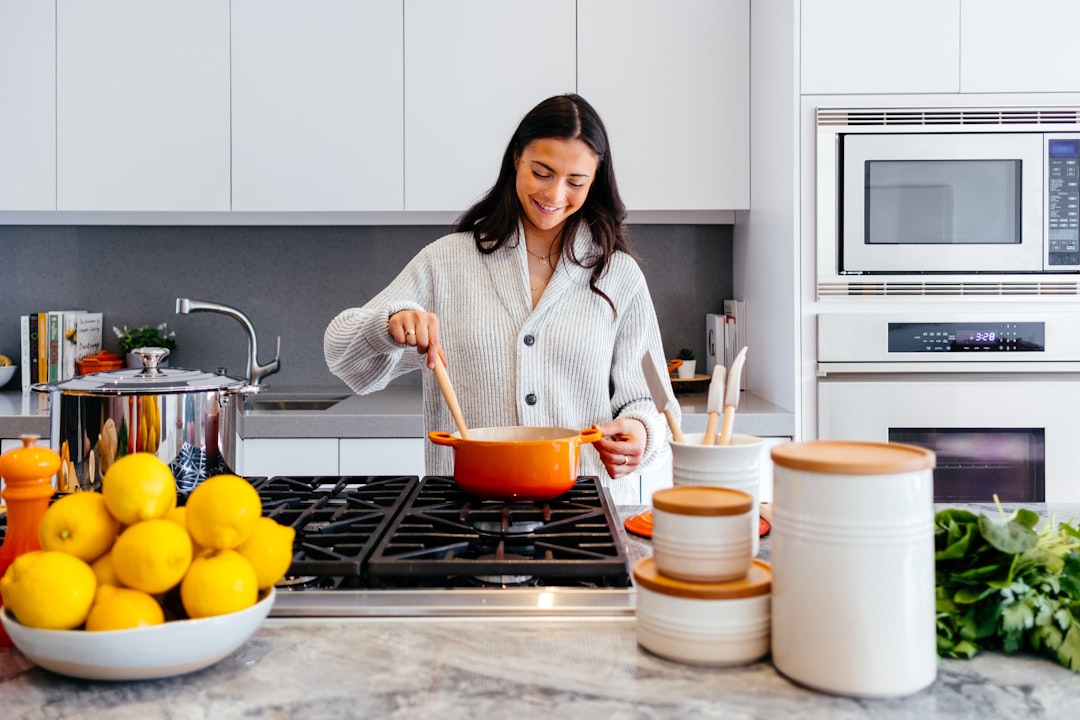
There’s a moment every cook eventually reaches — if they’re lucky, it happens somewhere between burning the third batch of something and finally getting it right without quite knowing what changed. For me, it happened on a Tuesday night when I was making a simple pan-roasted chicken thighs dinner, and I realized my hands were doing things my brain hadn’t consciously instructed them to do. The salt was in my palm, not a measuring spoon. I tilted the pan to check the oil shimmer before the chicken ever touched the surface. I pulled the meat off the heat a full two minutes before the timer went off, because the sizzle had shifted from a sharp crackle to something softer and lazier. And when I set that plate down in front of my husband, he looked up and said, “This is better than last week’s.” Same recipe. Same ingredients. Same pan. The only difference was that somewhere along the way, my hands had learned things my head was still catching up to.
That’s the thing about cooking — the real skills, the ones that separate a merely competent cook from someone who can walk into any kitchen and make something delicious, aren’t fancy. They don’t require a stand mixer or a sous vide circulator or a $200 knife. They’re reflexes. Small, almost invisible habits that compound over hundreds of meals until one day you realize you’re not following a recipe anymore — you’re just cooking. And the beautiful irony is that almost none of these reflexes are taught explicitly. Not in cookbooks, not in YouTube tutorials, not even in most culinary schools. You pick them up the way I did — standing beside someone who’d been doing it longer than you, watching their hands, and eventually developing the muscle memory yourself.
I want to share the six that changed everything for me. Not because they’re secret (they’re not), but because naming them — making them conscious — is the fastest way to start building them. Grab a decent wooden spoon, pull up a stool, and let’s talk about what your kitchen has been trying to teach you.
The Salt Reflex: Season at Every Stage, Not Just the End
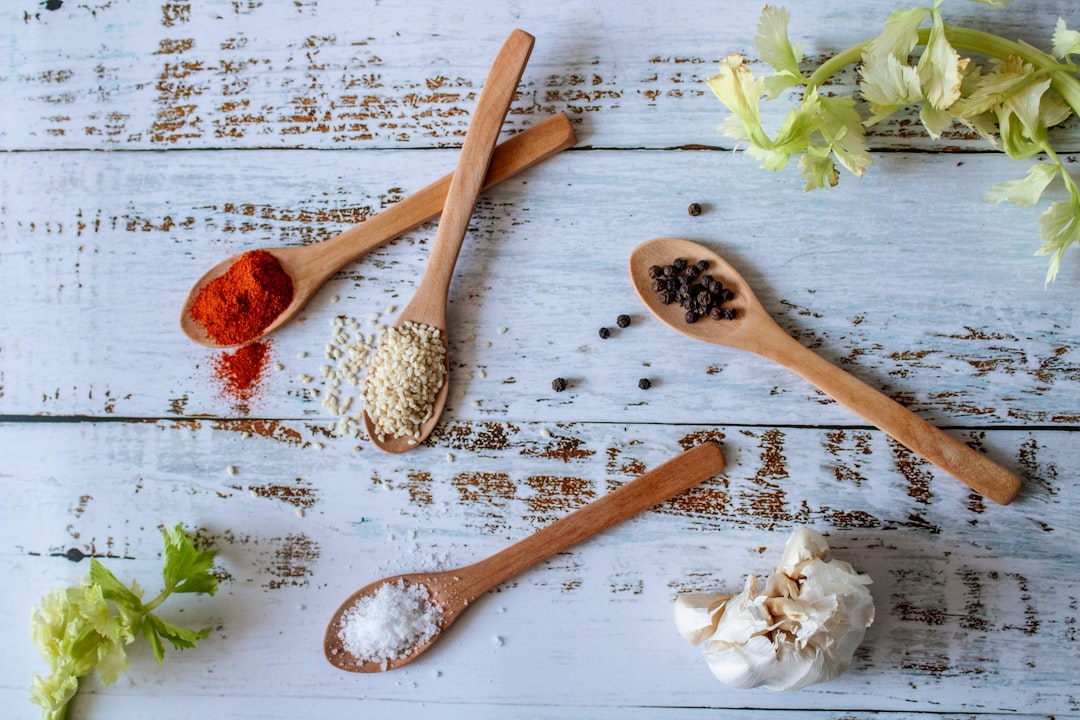
My grandmother seasoned food the way she breathed — constantly and without thinking about it. A pinch into the pasta water. A pinch over the onions as they hit the pan. A pinch into the sauce, another over the finished plate. She’d cup the salt in her palm and let it fall from high up, like rain, so it distributed evenly. I spent years thinking she was just being heavy-handed. Then one day I tasted a sauce I’d made side by side with hers — same tomatoes, same garlic, same basil — and hers had depth. Mine tasted flat. The difference wasn’t the ingredients. It was when the salt went in.
Here’s what I learned: salt added at the beginning of cooking does something fundamentally different than salt added at the end. Early salting draws out moisture, penetrates the food, and seasons from the inside out. It changes the structure of proteins, softens vegetables, and creates a foundation of flavor that builds as the dish cooks. Late salting just sits on the surface — it tastes salty without actually tasting seasoned. The trick is to salt lightly at every stage: the water, the aromatics, the main ingredients, the sauce, and then a final taste-and-adjust at the end. You’ll use less salt total, and everything will taste more like itself.
If you’re still pouring salt from the cardboard tube with the metal spout, please — for the love of everything — switch to diamond crystal kosher salt and keep it in a small ceramic salt cellar on your counter. You’ll immediately understand why every restaurant kitchen works this way. Your fingers become the measuring tool. A three-finger pinch is roughly a half teaspoon. You learn the feel of it, and suddenly salting becomes instinct instead of measurement.
The Heat Reflex: Your Pan Is Talking — Are You Listening?
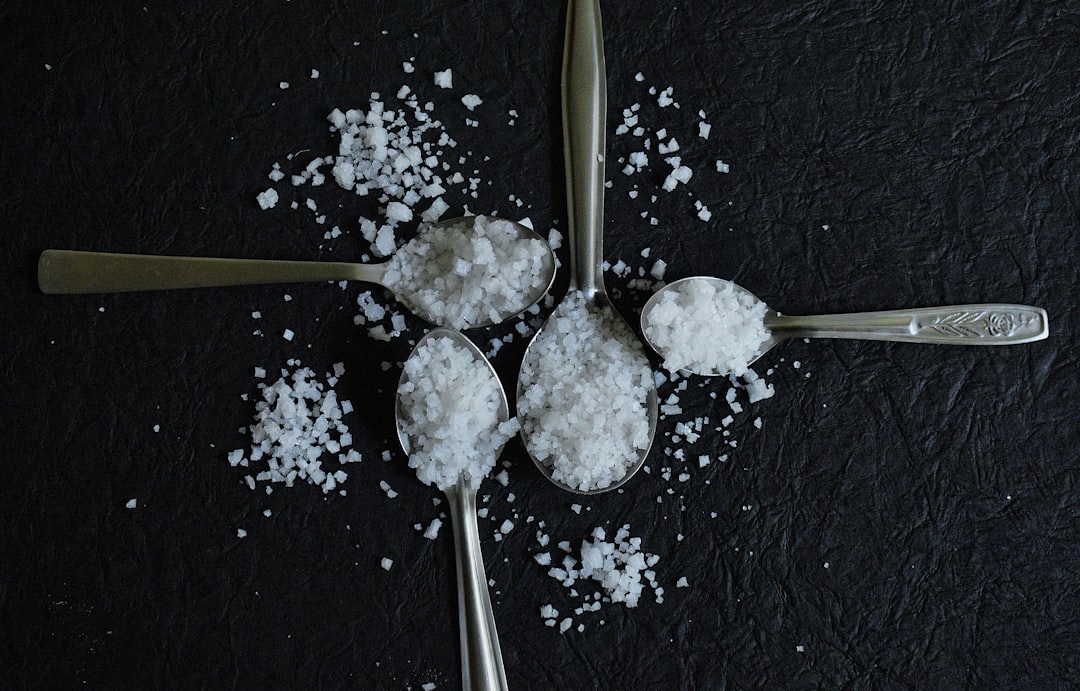
I ruined more pans of food in my twenties from impatience than from any other single mistake. I’d crank the burner to high, throw in oil and onions, and wonder why everything stuck and burned in thirty seconds. Or I’d put chicken into a lukewarm pan and watch it release a flood of liquid, steaming instead of searing, turning pale gray instead of golden brown. The problem wasn’t the recipe. It was that I wasn’t reading the pan.
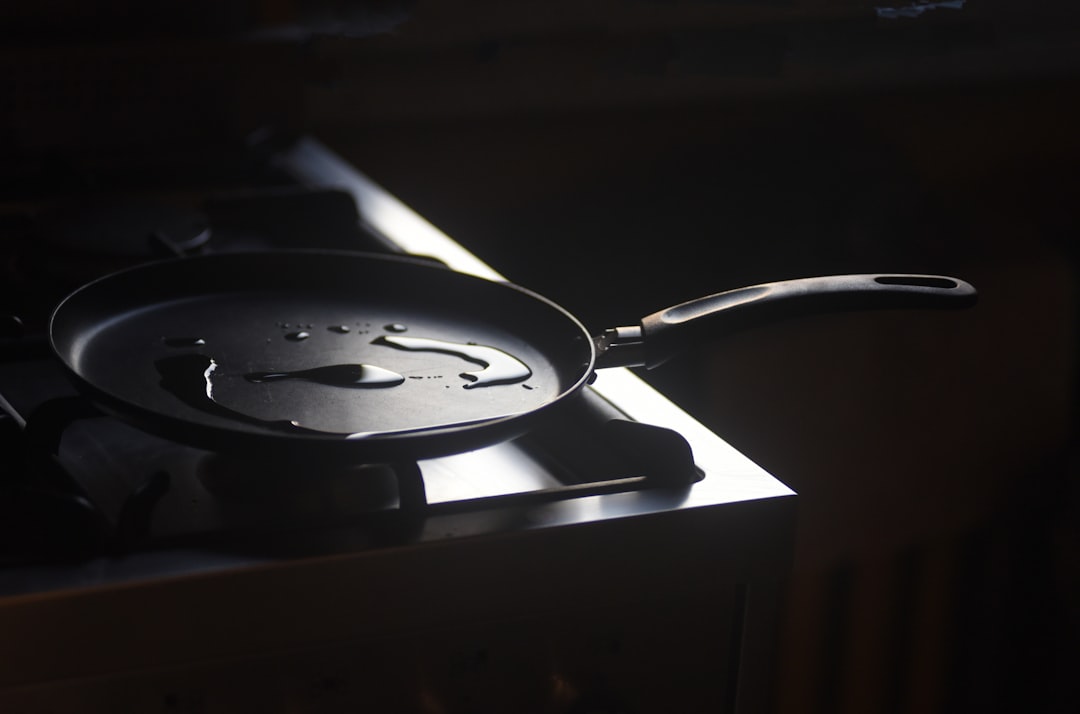
Heat has a sound, a look, and a smell, and once you learn to read those signals, you stop needing the recipe to tell you “medium-high heat” — because you know exactly what medium-high looks like. Here’s the test I teach everyone: put your empty pan on the burner over medium heat for two minutes. Flick a few drops of water into the pan with your fingers. If the water just sits there and slowly evaporates, the pan is too cold. If it instantly bursts into tiny skittering droplets that race across the surface and disappear — what chefs call the “mercury ball” stage — the pan is ready. Add your oil, wait until it shimmers and thins out (another thirty seconds), and then add your food. That sequence — hot pan, warm oil, food — is the foundation of every successful sear, stir-fry, and sauté you’ll ever make.
I wrote about this extensively in my cast iron vs. stainless steel deep-dive, but the short version is this: the pan matters less than the heat. A $15 cast iron skillet that’s properly heated will outperform a $300 stainless steel pan that’s thrown on a cold burner. What matters is that you own a pan that holds heat well and that you learn to read its signals.
For meat specifically, pair your heat-reading skills with an instant-read thermometer. I resisted using one for years because it felt like cheating — as if “real” cooks just knew by pressing the meat with their finger. Some do. But most of us are guessing, and guessing is how you end up with chicken that’s safe but dry or pork that looks done and isn’t. A good thermometer takes the guesswork out and lets you focus on everything else.
The Aromatics Reflex: Build the Foundation Before You Build the Dish
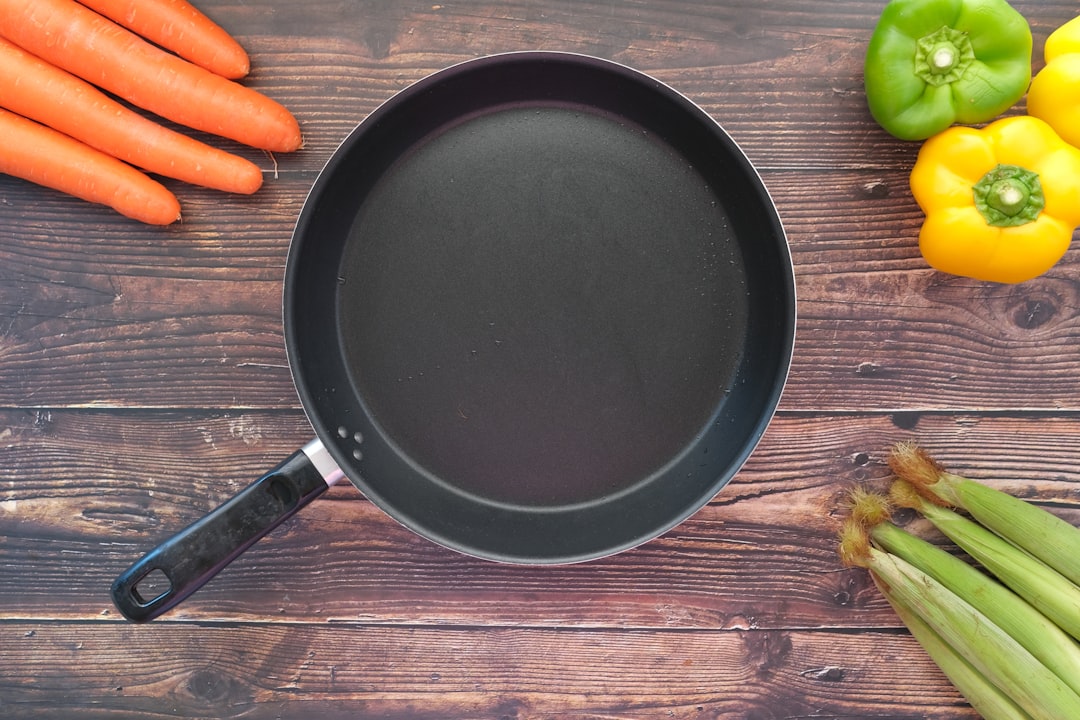
Every cuisine in the world starts with aromatics. The French have their mirepoix — onions, carrots, celery. Italian cooking begins with garlic and olive oil. Indian kitchens bloom cumin seeds in hot ghee. Thai curries start with a paste pounded in a mortar. The specific ingredients change, but the principle is universal: you build flavor from the bottom up, and the bottom is always aromatics.
The mistake most home cooks make is rushing this step. They throw onions into a pan, stir twice, and immediately add the next ingredient before the onions have had time to do their job. But properly cooked aromatics take time — ten, fifteen, sometimes twenty minutes of gentle, patient cooking. You’re not trying to brown them. You’re sweating them, drawing out their moisture, concentrating their sweetness, and creating a flavor base that will permeate everything you add afterward. The onions should go from sharp and pungent to translucent, then to soft and golden, releasing a sweetness you didn’t know was there. Garlic added too early will burn and turn bitter; added in the last thirty seconds before the liquid goes in, it becomes fragrant and mellow.
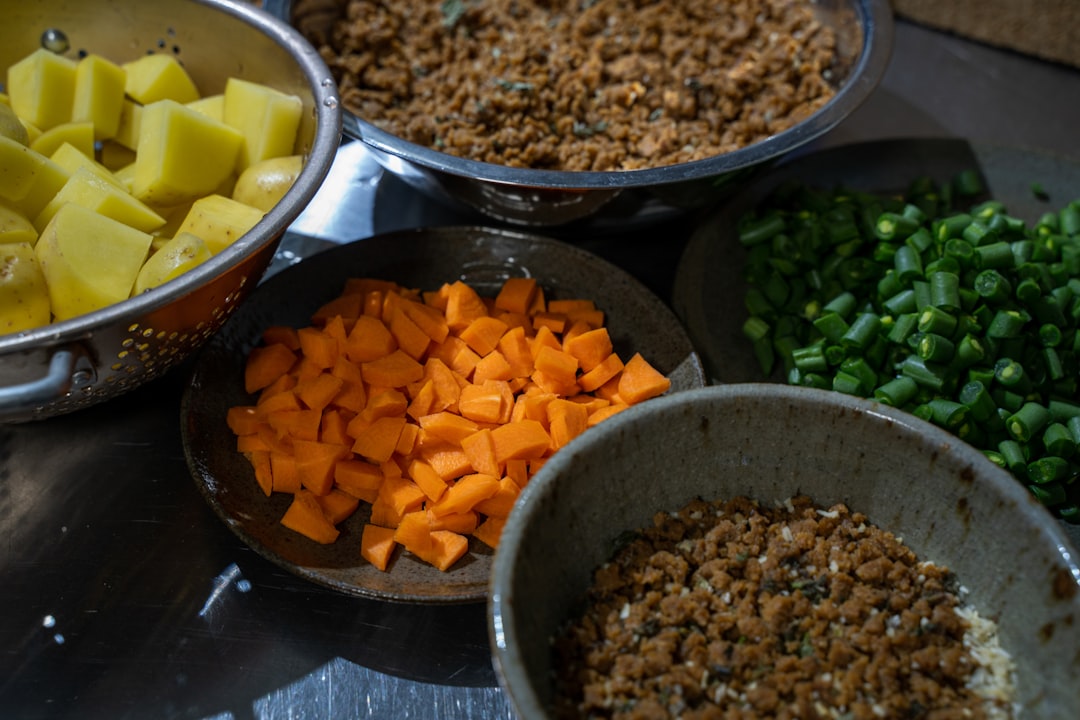
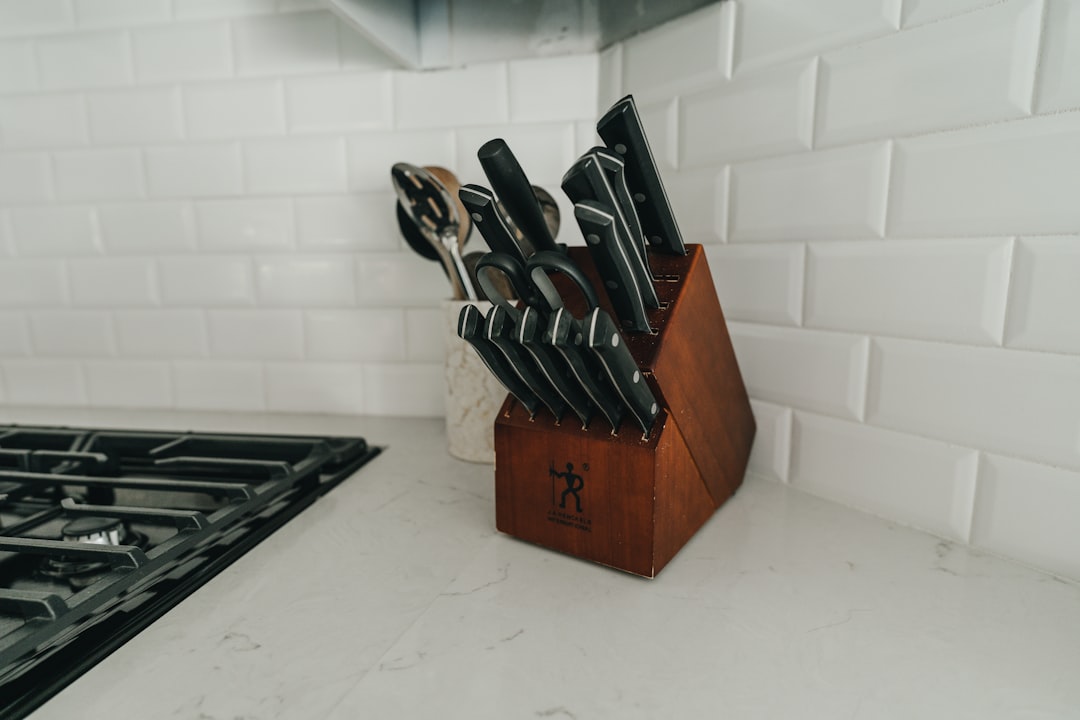
This is where a sharp chef’s knife and a good wooden cutting board with a juice groove earn their keep. You want to prep your aromatics before the pan is even on the stove, because once things start cooking, you won’t have time to chop. This brings me to the most important French phrase in cooking: mise en place — everything in its place. Before you turn on a single burner, every ingredient should be washed, chopped, measured, and sitting in small prep bowls within arm’s reach. This single habit will transform your cooking more than any appliance you could buy.
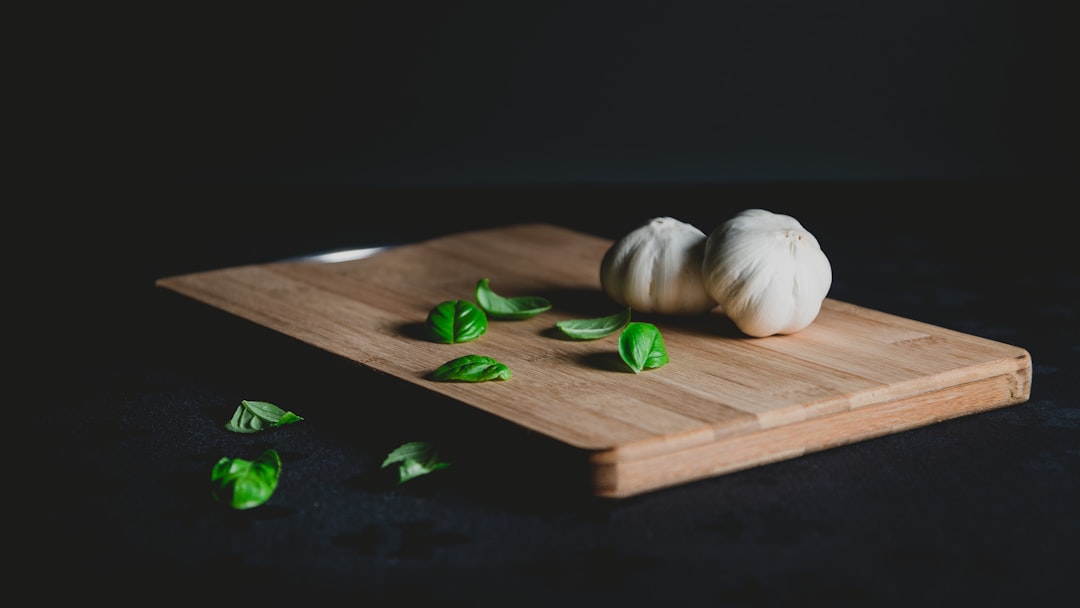
The Deglaze Reflex: That Brown Stuff Is Liquid Gold
If I could retroactively save one single cooking moment from my own ignorance, it would be the hundreds of times I scraped the brown bits from the bottom of a pan into the garbage. Those brown bits — the fond, if you want the French term — are concentrated flavor. They’re the caramelized residue of everything you just cooked: the Maillard reaction products from seared meat, the sweet sticky bits of roasted vegetables, the essence of hours of heat transformed into a crust on the bottom of your pan. And they dissolve beautifully in liquid.
Here’s the move: after you’ve seared your meat or sautéed your vegetables and removed them from the pan, pour in a splash of liquid — wine, broth, water, even a squeeze of lemon juice will work. The liquid will bubble furiously against the hot pan, and as you scrape with a wooden spoon or a wire whisk, those brown bits will lift and dissolve into the liquid, creating an instant sauce base. Reduce it by half, swirl in a tablespoon of cold butter off the heat, and you have a pan sauce that tastes like it took hours. It took four minutes.
This technique alone is the reason I’ll never give up my stainless steel skillet. Non-stick pans are terrible for creating fond — nothing sticks, so nothing caramelizes, so there’s nothing to deglaze. You need a pan where food slightly sticks and then releases when it’s properly browned. That’s the sweet spot, and stainless steel hits it perfectly. For more on this, I covered the whole pan debate in my cast iron vs. stainless steel guide, but the short version: you want at least one pan in your kitchen that creates fond.
The Rest Reflex: Patience Is a Meat’s Best Friend
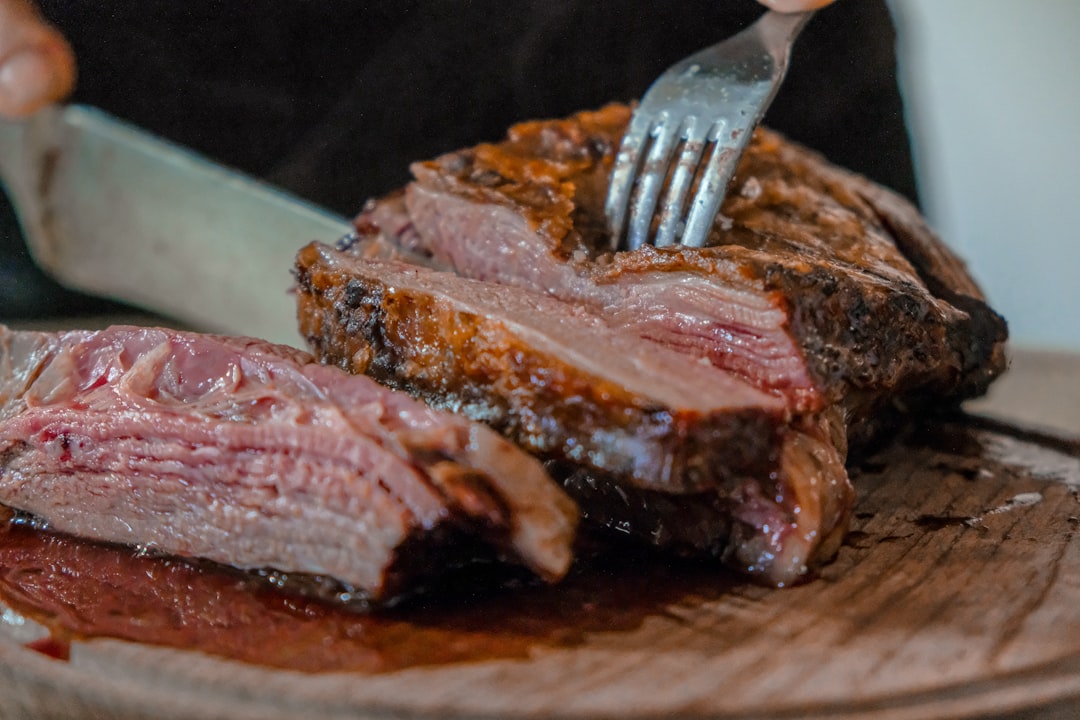
This one nearly ended my marriage. Not really, but close. I’d made a beautiful ribeye — dry-aged, properly seared, crust like mahogany. And the moment it came out of the pan, I sliced into it. Juice flooded the cutting board in a red river. My husband stared at me with an expression I can only describe as grief. What I’d done was take a steak that should have been juicy and tender and turn it into a plate of dry meat sitting in a puddle. Because here’s what happens when you cut into hot meat straight off the heat: the muscle fibers are contracted and tight, and all the juice is under pressure. Cut into them immediately, and it all rushes out. But let that same meat rest for five to ten minutes on a cutting board, loosely tented with foil, and the fibers relax. The juice redistributes evenly through the meat. When you slice it, each piece is properly moist.
The general rule: rest meat for about five minutes per inch of thickness. A thin chicken breast needs five minutes. A thick pork chop needs eight to ten. A whole roast needs fifteen to twenty. Use your instant-read thermometer to check temperature before resting, then account for carryover cooking — the internal temperature will continue to rise five to ten degrees while the meat rests. If you pull a steak at 130°F, it’ll hit 135°F (perfect medium-rare) during the rest. This is the kind of detail that sounds fussy until you do it once and taste the difference. Then it becomes automatic.
The Taste Reflex: Your Spoon Is Your Most Important Tool
Every professional kitchen I’ve ever visited has one thing in common: there are spoons everywhere. Not serving spoons, not measuring spoons — tasting spoons. The cooks taste constantly. They taste the sauce at the beginning, the middle, and the end. They taste the pasta water. They taste the oil they’re about to use. They taste the salt they’re about to add. They taste the way a painter checks color on their thumb — not to judge the final product, but to understand where they are in the process.
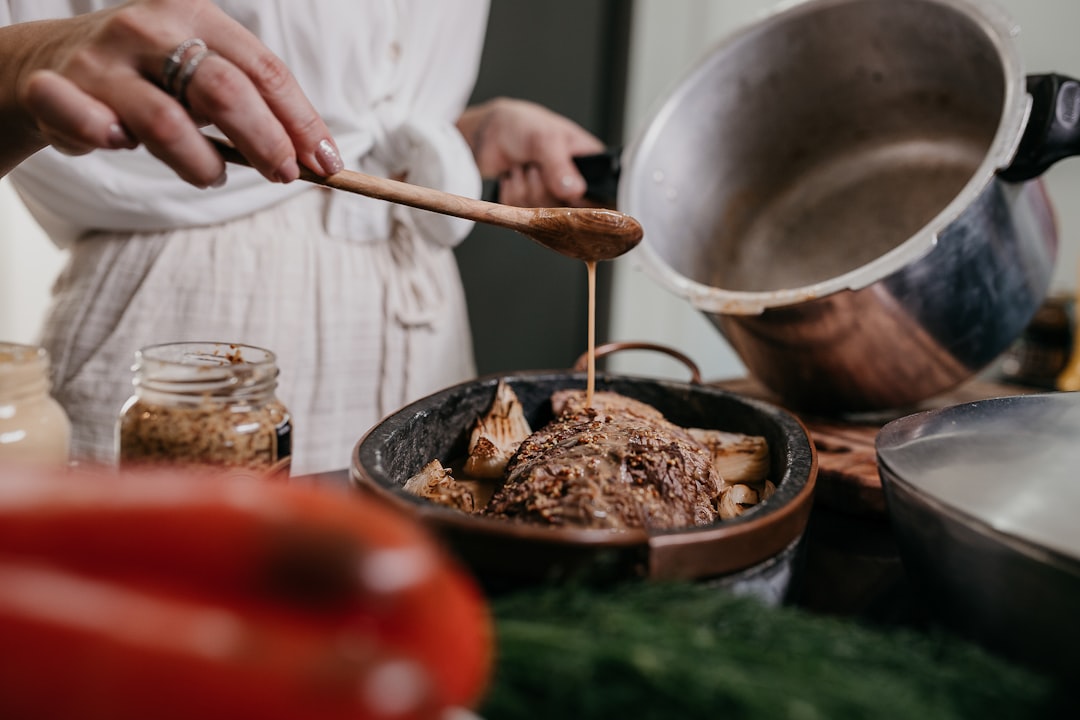
Home cooks, in my experience, taste their food exactly once — at the very end, right before serving. By then, it’s too late to fix anything. If the sauce is under-salted, you can’t fix it without making it taste like salt water. If the acid is missing, you can add a squeeze of lemon, but you’ve lost the layering. The fix is simple and it will change your cooking overnight: taste at every stage. Taste the aromatics after they’ve softened. Taste the stock before you add it. Taste the sauce fifteen minutes before it’s done, so you have time to adjust. Get yourself a set of kitchen spoons you love holding — wooden ones that feel good in your hand, long enough to reach the bottom of a Dutch oven, sturdy enough to scrape the fond off a hot pan.
And when you taste, ask three questions: Is it salty enough? Is it acidic enough? Is there enough fat? Those three elements — salt, acid, and fat — are the holy trinity of flavor balance. Nine times out of ten, when something tastes “off” but you can’t figure out what, the answer is acid. A squeeze of lemon, a splash of vinegar, a spoonful of yogurt — these things don’t just add their own flavor. They brighten everything around them. I wrote about this in detail in my piece on the five flavor rules that changed my cooking, and it remains the single most useful framework I’ve ever encountered.
What I’d Tell Twenty-Two-Year-Old Elena
If I could go back to the girl who burned garlic and overcooked pasta and wondered why her food never tasted as good as her grandmother’s, I wouldn’t hand her a different cookbook. I wouldn’t tell her to buy an expensive knife or a fancy appliance. I’d tell her to slow down. To pay attention to the sound of oil in a hot pan. To taste the sauce before it’s finished. To let the meat rest. To salt the water, the onions, and the sauce — all of them, lightly, at every stage. These aren’t secrets. They’re not even techniques, really. They’re habits. And habits, once formed, become invisible.
That’s the real secret of cooking well — it’s not about what you know. It’s about what your hands know. The six reflexes I’ve described here — salting, reading heat, building aromatics, deglazing, resting, and tasting — are the things my grandmother did without thinking, the things my mother still does every night in her kitchen, and the things that I finally internalized after roughly fifteen years of cooking dinner nearly every day. You don’t have to wait fifteen years. You can start tonight.
And you don’t need a cart full of gadgets to do it. If you’re starting from scratch — or rebuilding your kitchen after years of accumulating clutter — my $50 kitchen reset guide covers the essentials. But honestly? The most important tools are already in your kitchen: your hands, your nose, a wooden spoon, and the willingness to pay a little more attention than you did yesterday. Everything else follows from there.
2 thoughts on “The Six Kitchen Reflexes I Use Every Single Day (And Not One Requires a Plug)”