
My grandmother had a rule she never once said out loud: when dinner hit the table, the sink was already empty. I spent seventeen years watching Sunday roasts come together in her kitchen — three generations of women moving between the stove and the counter like a drill team nobody had to coach — and I never once saw a dish pile grow taller while food was cooking. Not one. The woman could braise a chuck roast, mash ten pounds of potatoes, and still hand you a dish towel on your way out the door because she’d already washed it.
It took me an embarrassingly long time to understand what I was watching. In my first apartment, I cooked like a tornado — every bowl I owned dirty by the time the pasta boiled, sauce dried onto the rim of the pot like geological strata. Then I started culinary school and spent my first week in a restaurant kitchen, where a chef named Marcus looked at my station mid-service and said six words I’ve never forgotten: “Cook clean or don’t cook.” In professional kitchens, the habit has a name — clean as you go — and it’s not about being tidy. It’s about survival. When your station is clear, your mind is clear, and dinner stops feeling like an emergency.
Here’s the good news: you don’t need culinary school to borrow it. You just need a handful of cheap tools and a system for the little pockets of time that already exist inside every recipe you make.
The Rule Nobody Wrote Down
Strip away the French terminology and the restaurant bravado, and clean-as-you-go comes down to one observation: cooking is mostly waiting. Onions sweat for five minutes. Water boils at its own pace, no matter how hard you stare at it. A chicken rests for ten. Most home cooks spend that time scrolling their phones or, worse, chopping the next ingredient into a brand-new dirty bowl. Trained cooks spend it resetting.
The women in my family ran this system without ever calling it a system. My aunt Ruthie kept a sink of hot, soapy water going from the moment the first onion hit the board — by the time the roast went in the oven, the prep dishes were already back in the cabinet. My mother’s version was the dish towel over the shoulder and a five-second counter wipe between steps. Different styles, same principle: the mess never gets a head start. If you’ve already read about how mise en place transformed my weeknight cooking, this is the natural second half of that habit — prepping ahead gets dinner started calm, and cooking clean keeps it that way.
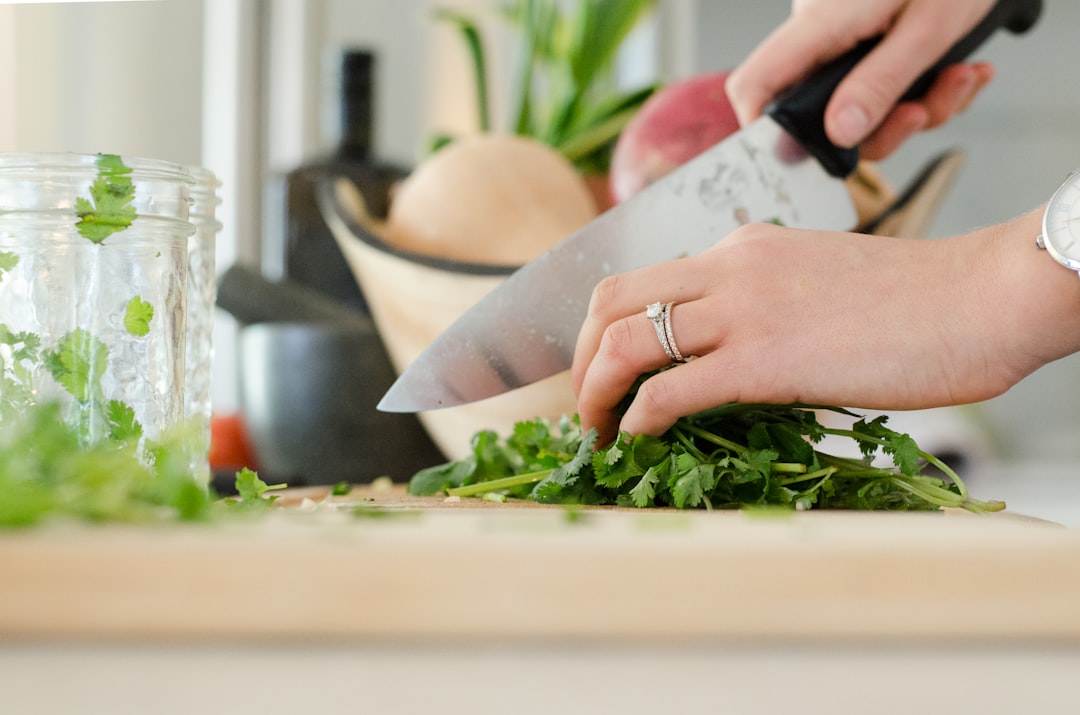
Start small if the whole idea feels foreign. Pick one meal this week and give yourself one rule: every time you put something on the stove, one item goes into the sink or the dishwasher. That’s it. It sounds almost too simple to matter, but my test kitchen crew and I have now run this experiment with more than a dozen reluctant volunteers, and the results are consistent — the dinner plate lands on the table with maybe three or four items left to wash instead of nineteen.
A Scrap Bowl on Every Counter
If I could gift every new cook one single habit, it would be this one: put an empty bowl on your counter before you start chopping. Every peel, stem, eggshell, and onion end goes into it instead of onto your board, your counter, or — my old nemesis — the floor. One bowl to dump instead of a hundred little decisions about what to do with waste. It’s the same trick line cooks use with their garbage tubs, scaled down for a home kitchen.
For clearing a board of scraps and crumbs, nothing has earned its keep in my kitchen like a simple bench scraper — I like OXO’s multi-purpose scraper because the grip is forgiving and the blade edge actually cleans cutting boards, not just dough. It costs about what a sandwich does and it will outlive your stove. My crew keeps one in the drawer directly below the cutting board station so it’s never more than one motion away.
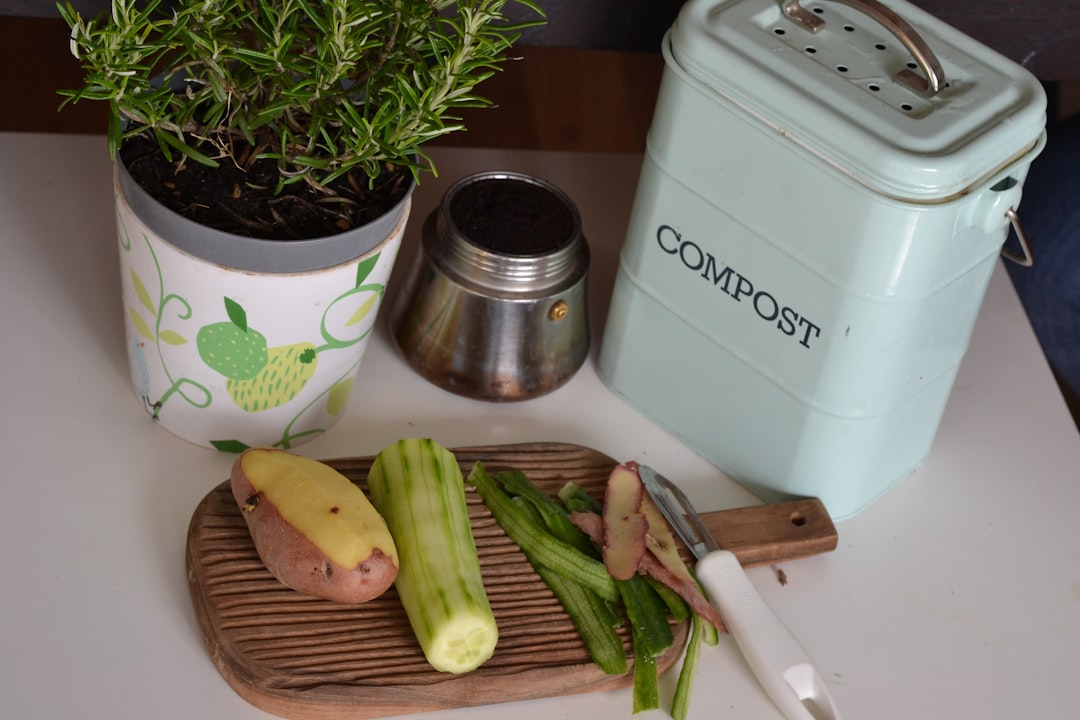
Where the scraps go next matters too. I resisted a countertop compost bin for years because I assumed it would smell like a science experiment; then I finally tested OXO’s Easy-Clean compost bin during a week of heavy canning and became a full convert. The lid seals, the smooth interior rinses without scrubbing, and the handle means you’re never hugging a bin of onion peels to your Sunday blouse. scraps hit the bin, the board gets one scrape, and the counter is photogenic again in under a minute.
The Quiet Windows Where Dishes Go to Die
Here’s where the habit gets almost fun. Once your counter is clear and your scrap bowl is doing its job, you start noticing the built-in rest stops in every recipe. The sauce needs to simmer uncovered for twelve minutes? That’s not dead time — that’s the pan you used for the onions getting washed now, while its residue is still warm and rinses off like it’s embarrassed to be there. Dried-on sauce three hours later is a punishment; warm sauce right now is a fifteen-second rinse. This is the entire secret, and it’s just choosing the easy version of the same chore.
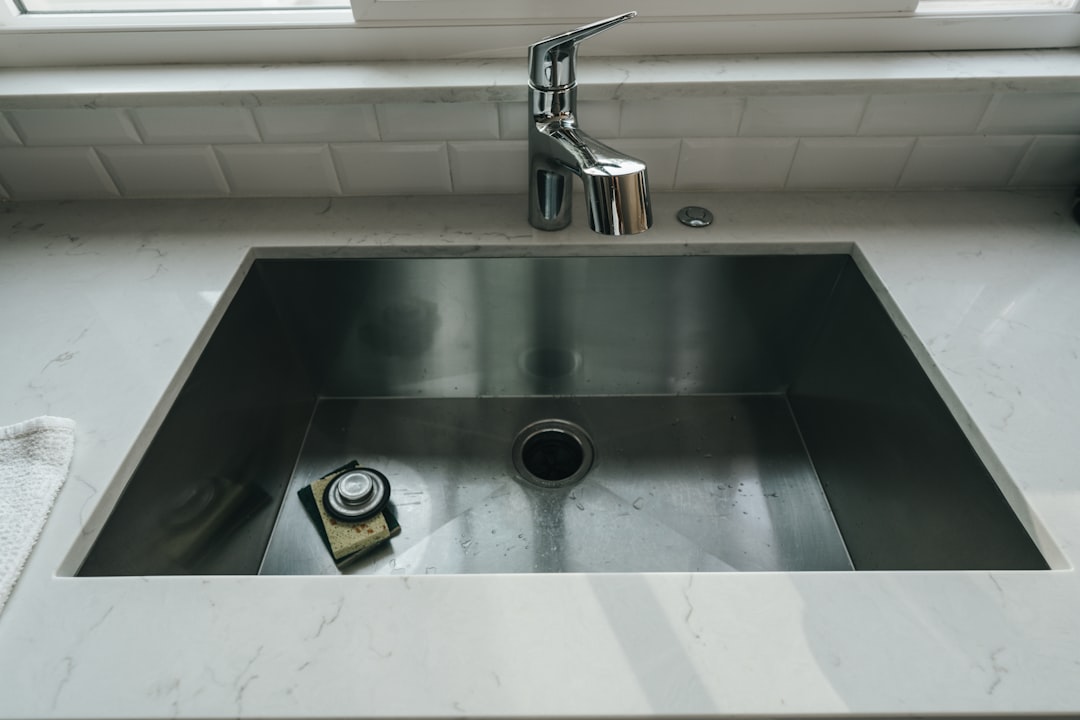
Keep the right tool by the faucet and the barrier disappears. I’ve gone through more dish brushes than I care to admit, and the one that made washing mid-cook feel effortless is a soap-dispensing dish brush — you press the button, soap lands exactly on the crusty spot, and your hands stay dry while you’re still holding a spatula in the other one. Refill it once a month and forget it exists. My crew’s rule of thumb: if washing a single dish takes more than twenty seconds, the tool by your sink is failing you, not your willpower.

The professionals have one more trick worth stealing: aprons aren’t there to make you look like a cooking show host. A sturdy apron with a pocket or a towel loop turns you into a self-contained cleaning station — towel on the loop for spills, pocket for the tasting spoon you’d otherwise set down somewhere it doesn’t belong. I wear a heavy cotton apron that has survived, by conservative estimate, four hundred dinners and one incident involving a fully open bag of flour.
Prevention Beats Scrubbing, Every Single Time
My grandmother had a second unspoken rule: the best mess is the one that never happens. Half of cooking clean isn’t cleaning at all — it’s choosing equipment that refuses to make work for you. Sheet-pan dinners are glorious until you’re chiseling roasted sweet potato off bare aluminum at 9 p.m. Lining the pan changes the entire equation, and reusable silicone baking mats have replaced roughly a forest’s worth of parchment in my kitchen. They wipe clean in one pass, they nest flat in a drawer, and after three years my original set still looks new.
Stovetop bacon is the other great destroyer of kitchens. A good splatter screen costs less than the bacon it protects and keeps grease off the backsplash, the knob panel, and the sleeve of whatever you loved wearing that day. Mine hangs on a hook inside the cabinet door right beside the range — which, if you’ve been following along on the small habits that run my kitchen, you’ll recognize as the whole strategy. Tools that live where you use them get used; tools that live in the back of a cabinet get rediscovered during spring cleaning, still greasy from 2019.
The Towel Drawer Worth Raiding
Every kitchen I’ve ever respected has had an abundance of towels, and every kitchen that fights its cook has had exactly one, damp, draped over the oven door like a flag of surrender. Paper towels are for greasy disasters; cloth is for everything else. I buy flour-sack towels by the dozen — they’re lint-free, they dry glasses spotless, they double as pot wraps and herb-drying cloths, and when my grandmother visited last fall she approved of them so warmly I nearly teared up. A fresh stack lives in a drawer by the sink; dirty ones go straight into a small hamper, and once a week they all take a hot wash and come back like new.
For counters and stainless steel, a dozen microfiber cloths will outperform any spray mop-up routine you’ve built around paper towels. And for the one problem no towel can fix — garlic hands that survive three washings — there’s the oddly magical fix line cooks have used for decades: a stainless steel odor bar. You rub it under running water like a bar of soap and the sulfur compounds bind to the metal. It sounds like witchcraft. My entire testing team now owns one.
While you’re rebuilding the sink zone, take a hard look at what lives under it. When my crew and I finally excavated that cabinet — five bottles of dish soap, a dead flashlight, a sponge older than my sourdough starter — the whole kitchen started working better, and the same is almost certainly true for yours. A tidy under-sink caddy means the brush, the cloths, and the soap are always one motion away, which is exactly how far away a tool needs to be for cooking clean to feel automatic.
What the Last Ten Minutes Look Like
Here’s the scene in my kitchen on a good Tuesday, the one I want for you: the chicken is resting under foil, the rice is fluffed and lidded, and the last ten minutes belong entirely to the sink. The cutting board is already washed. The pans are draining. When we sit down, the only dishes left will be the ones we’re eating from, plus the serving platter — and after dinner, that’s a five-minute close-out instead of a forty-minute archaeology dig. My crew calls this “landing the plane,” and I’ve come to believe it’s the difference between people who cook freely and people who have to talk themselves into it every night.
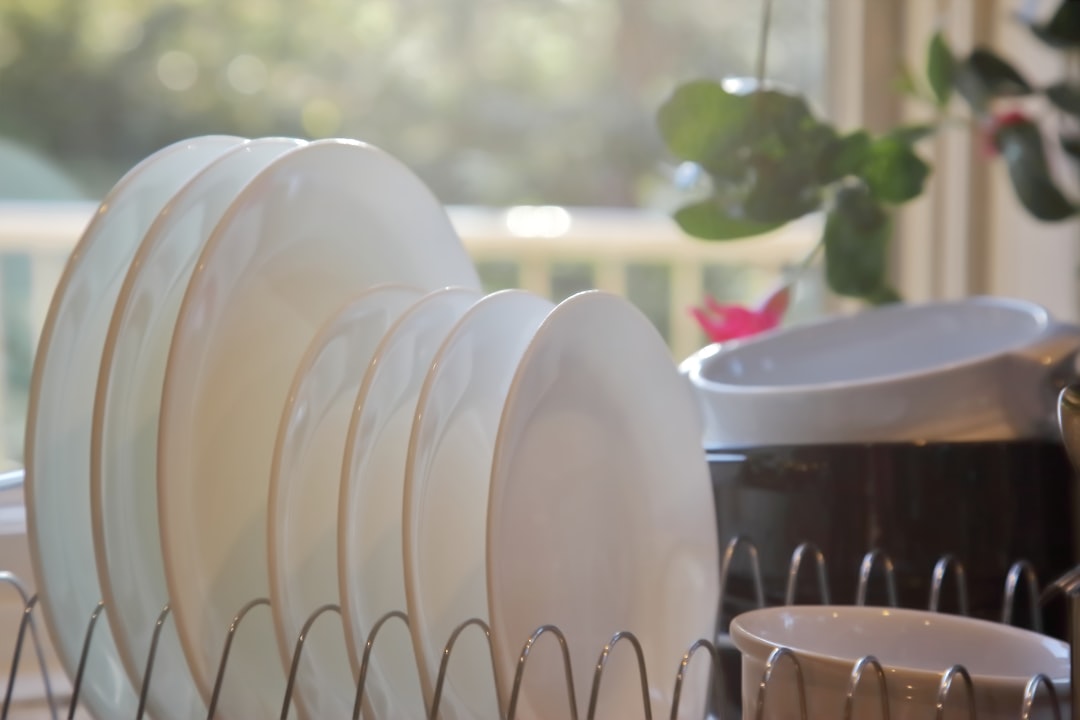
If your counter space is tight, an over-the-sink drying rack is the quiet hero of this whole system — dishes drain straight into the sink instead of onto a towel, the rack holds itself up, and your counter stays clear for the next round. Mine held an entire Thanksgiving’s worth of hand-wash dishes last year without complaint. Combined with the empty sink at dinner and the fridge zones that keep our leftovers visible, it means cleanup actually ends when dinner ends, which is the entire promise this article is making.
Making It Stick Without Becoming a Machine
I want to be honest about the failure mode here, because we all hit it. You will have nights when the toddler is melting down, the pasta boils over, and every scrap of discipline leaves your body. On those nights, the system is not “cook clean” — the system is “dump everything in the sink, cover it with soapy water, and walk away.” A sink full of soaking dishes is not a failure; it’s tomorrow-morning you, being handed a small mercy. Warm water does half the scrubbing while you sleep. Even my grandmother, queen of the empty sink, kept a “soak it and forget it” exception for lasagna pans, and she never apologized for it once.
Start with one meal. Scrap bowl, bench scraper, wash the onion pan while the sauce simmers. Add the towel system next week, then the prevention gear. In a month you won’t be thinking about any of this, which is the real point — the best kitchen habits are the ones that disappear into your hands and leave you free to fuss over the parts that matter, like whether the chicken needs more lemon. Your grandmother’s sink didn’t stay empty because she was disciplined. It stayed empty because she’d built a kitchen where mess never got the chance to take root.

One thought on “Still Cooking, Already Clean: The Habit That Empties My Sink Before Dinner”