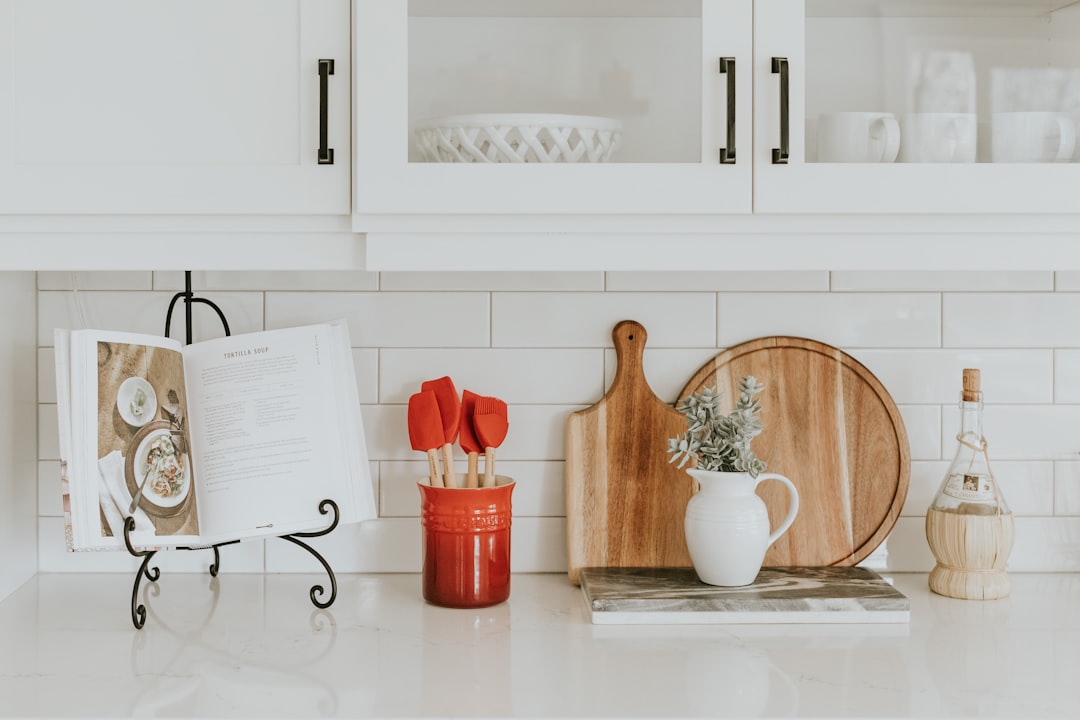
There is a stretch of cabinet in my kitchen — exactly seventeen inches deep, according to the tape measure I shoved in there one Sunday afternoon — that I had not fully reached in approximately six years. I know this because the back half of that cabinet still contained a tamale steamer pot I bought in 2019, a mandoline slicer still in its packaging, and what I think used to be a bag of bread flour. Getting to any of it required the kind of shoulder-dislocating reach that would make a chiropractor wince. So I stopped trying. And for six years, that back section of cabinet simply… ceased to exist in my mental map of the kitchen.
I’m not proud of that. But I’ll bet you have a dead zone too.
After fifteen years of writing about kitchen systems and testing every organizer on the market, I’ve come to believe that almost every kitchen — whether it’s a sprawling chef’s workspace or a galley apartment — suffers from the same structural problem. The cabinets are deeper than our arms are long, darker than our eyes can adjust, and organized according to a logic that made sense to a cabinet designer who never actually had to cook dinner in them. The result is startling: the average kitchen wastes somewhere between thirty and forty percent of its actual storage capacity simply because the space is unreachable or invisible to the person using it.
So last month, my team and I decided to map every dead zone in my kitchen. We measured. We photographed. We pulled everything out and laid it on the counters like a forensic investigation. And what we found changed how I think about cabinet storage forever — not because the solutions were complicated, but because they were shockingly simple, and I had been living without them for no good reason.
Here are the seven dead zones we identified, what was hiding in each one, and the exact tools that brought them back to life.
Dead Zone One: The Deep Lower Cabinet Where Pots Go to Disappear
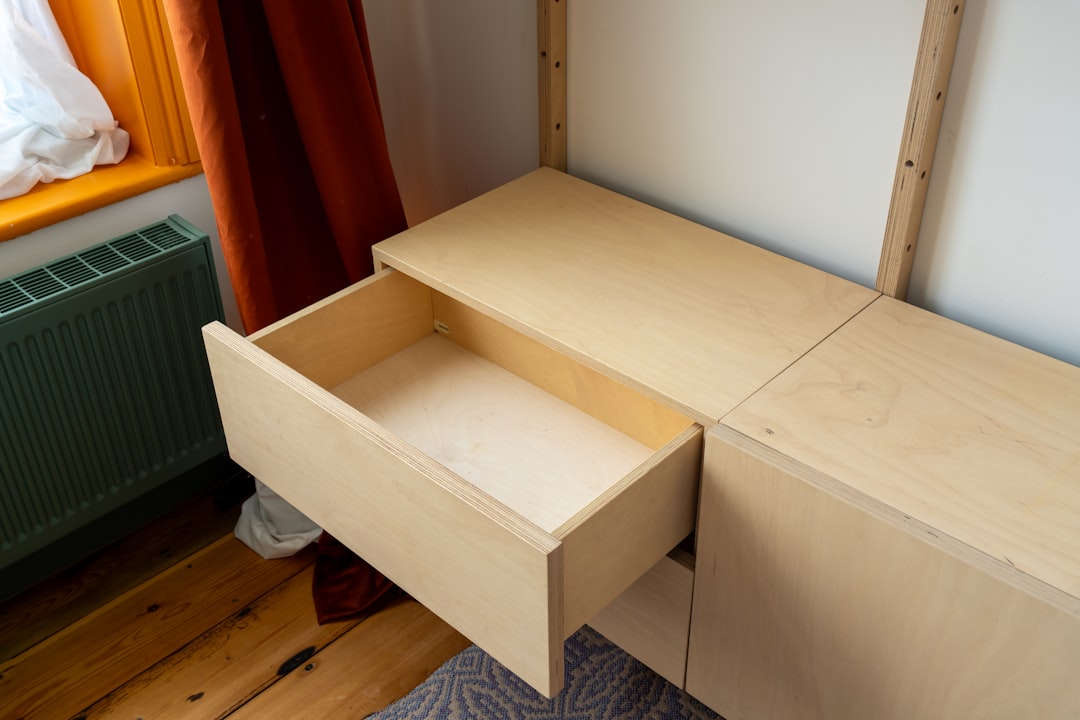
This is the cabinet I mentioned at the top — the seventeen-inch-deep cavern where my tamale pot was entombed. It’s a standard base cabinet, the kind every kitchen has, roughly twenty-four inches deep with a single shelf and a door that opens to reveal absolutely nothing you can reach without getting on your knees. For years, I treated the front eighteen inches as usable and the back six inches as a graveyard for seasonal equipment and broken appliances I was too sentimental to throw away.
The fix was embarrassingly obvious once I installed it: a set of expandable pull-out cabinet organizers that turn the entire depth of the cabinet into accessible, sliding real estate. The ones I chose adjust from twelve to twenty inches wide, which meant they fit my slightly irregular cabinet without any cutting or drilling. The mounting took about ten minutes per shelf, and the three-rail system means they glide smoothly even when I load them with my heaviest Dutch oven.
If you’re dealing with an especially deep cabinet — or you want to outfit multiple shelves in one go — the four-pack version from the same line brought my entire lower cabinet bank back from the dead. I now store things I hadn’t seen since the Obama administration, and I can actually reach them with one hand while holding a toddler on the opposite hip.
I wrote recently about claiming the vertical space your cabinets waste, and these pull-out shelves are the natural extension of that philosophy. You’re not adding storage — you’re finally using what you already have.
Dead Zone Two: The Corner Cabinet That Swallows Everything
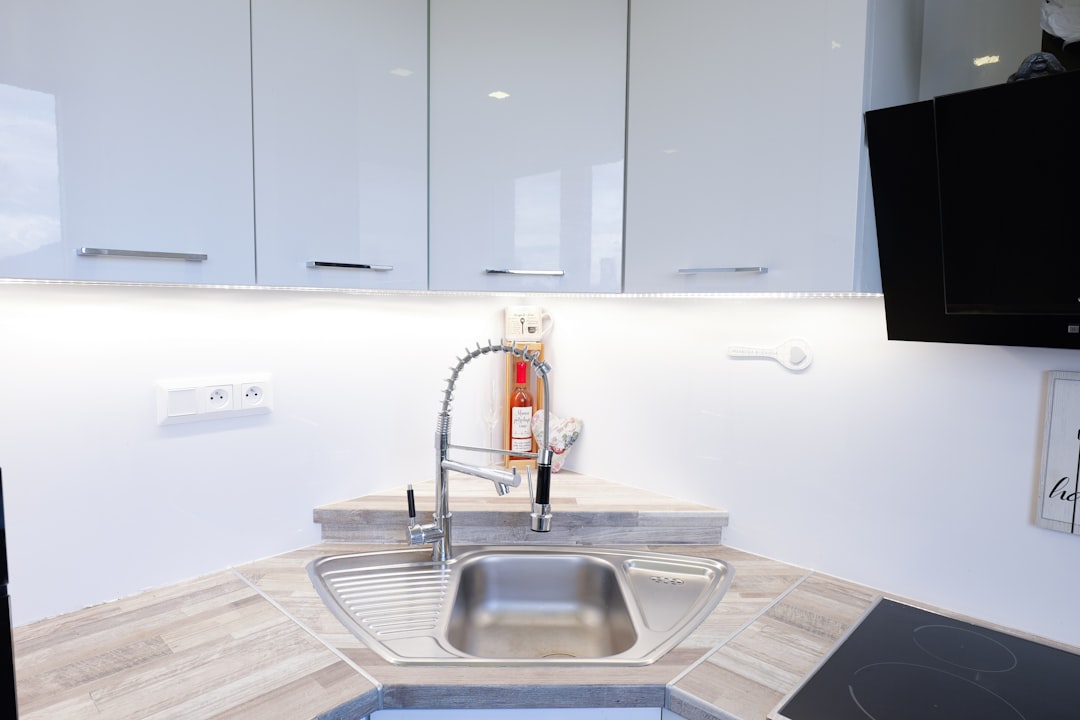
Every kitchen with an L-shaped counter has one: the corner cabinet. It’s the cabinet that designers solved with geometry and homeowners have been cursing ever since. Mine was so deep in the back corner that I’m fairly certain something was reproducing in there. I found a cookie tin from 2021, three partial sets of measuring spoons, and a fondue pot I forgot I registered for at my wedding.
The classic solution is a Lazy Susan — the rotating shelf system that brings the back corner to you instead of making you crawl inside it. I installed a dual-tier kidney-shaped Lazy Susan designed specifically for twenty-eight-inch corner base cabinets, and the transformation was instant. The two independent tiers mean I can store taller items on the bottom (that fondue pot finally has a home) and smaller, everyday items on top where I can spin them into view without bending double.
The installation was the most involved of all seven dead zone fixes — it required removing the existing shelf and attaching the pivot pole — but even that took under an hour, and the result is a corner cabinet I actually use instead of avoid. If your corner cabinet currently functions as a black hole, this is the single highest-impact upgrade you can make.
Dead Zone Three: The Under-Sink Chaos Chamber
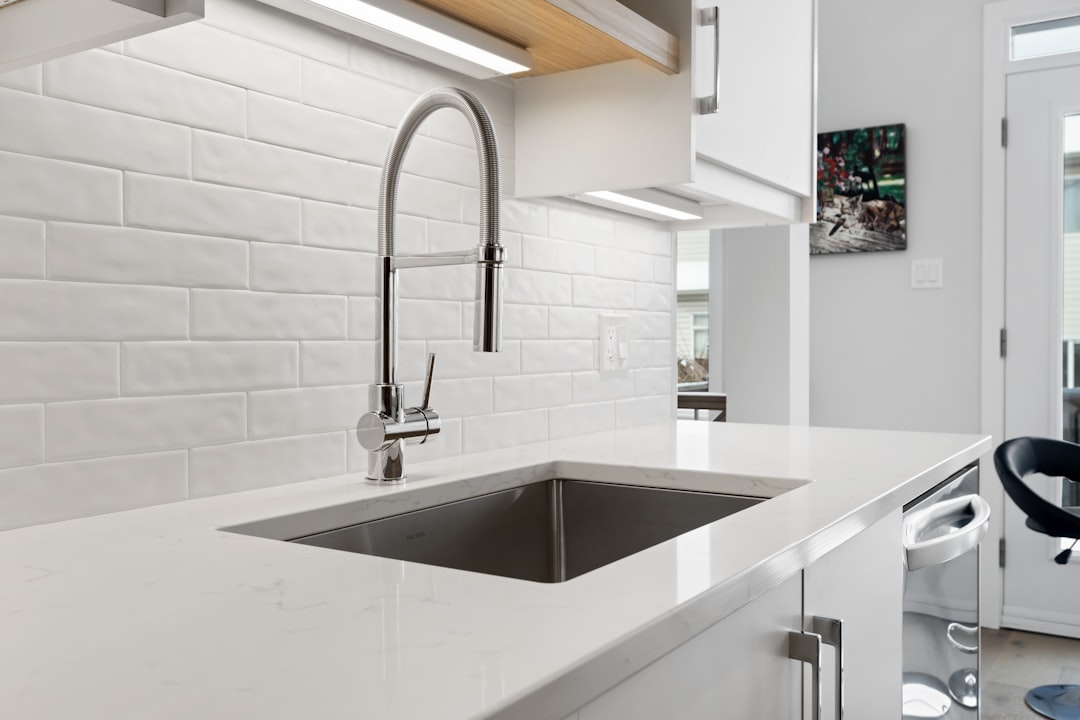
I have written about the under-sink cabinet before — it’s the cabinet nobody talks about, and for good reason. Between the garbage disposal, the plumbing trap, the water filter lines, and the sprayer hose, there is almost no flat surface left. Everything you stash under there either leans against a pipe or slowly slides into the gap between the cabinet floor and the back wall.
For years, my solution was to simply throw cleaning supplies in there and slam the door before they fell out. It was not my finest organizational moment.
The breakthrough was a two-tier sliding under-sink organizer built specifically to work around plumbing. The U-shaped cutout on the top tier slides over the disposal and trap, while the bottom tier sits below the pipes and handles the heavier bottles — dish soap, all-purpose cleaner, the enormous jug of white vinegar I buy in bulk. Because both tiers slide out independently, I can now reach the back of the cabinet without dismantling the entire plumbing stack.
For a larger under-sink area or a double-vanity situation, I’d recommend the adjustable-height under-sink organizer set, which lets you fine-tune the shelf height to clear whatever plumbing configuration you’re dealing with. The adjustable feature matters more than you’d think — no two sink cabinets have the same plumbing geometry, and a fixed-height shelf that doesn’t clear your trap is just an expensive frustration.
Dead Zone Four: The Upper Cabinet Shelf You Can’t See
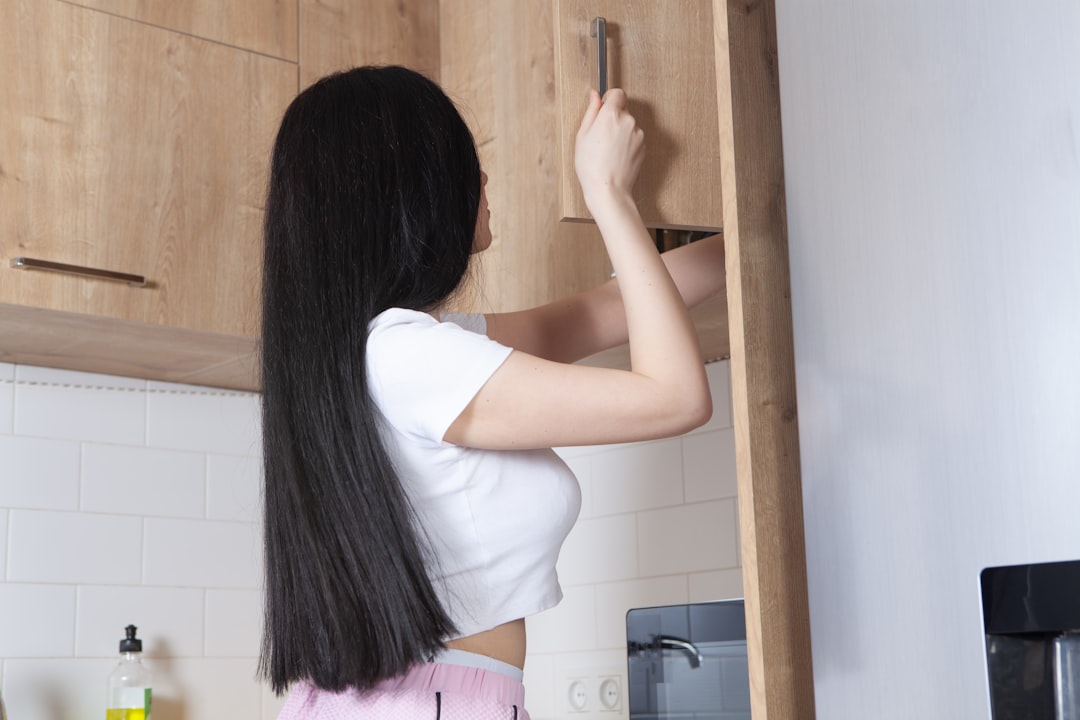
The top shelf of an upper cabinet is where small jars and spices go to die. In my kitchen, that shelf sits at roughly five-foot-ten — which means I could technically reach it on my toes, but I could not see what was up there without a step stool. The shelf functioned as a dark zone for anything shorter than a cereal box.
I tried baskets up there for a while, pulling them down like a drawer to check contents. It worked, sort of, but the baskets were never the right size, and pulling a basket off a high shelf while balancing on your toes is a recipe for a paprika-related head injury.
The cleaner solution was a set of stackable acrylic shelf risers that essentially created a second visible tier inside the cabinet. By raising the back row of jars and bottles six inches, I could actually see what lived at the back of the shelf without a step stool. The acrylic is sturdy enough for heavy jars, clear enough that it doesn’t visually clutter the cabinet, and the two-pack covered both my spice shelves for under thirty dollars.
If your upper cabinets have a lot of vertical space between shelves — a common issue in newer kitchens with taller cabinet boxes — you can stack a second set on top for a three-tier effect. I did this in the cabinet above my coffee station, and it turned a chaotic pile of mugs and beans into something that looks almost intentional.
Dead Zone Five: The Cabinet Door That Wore Nothing
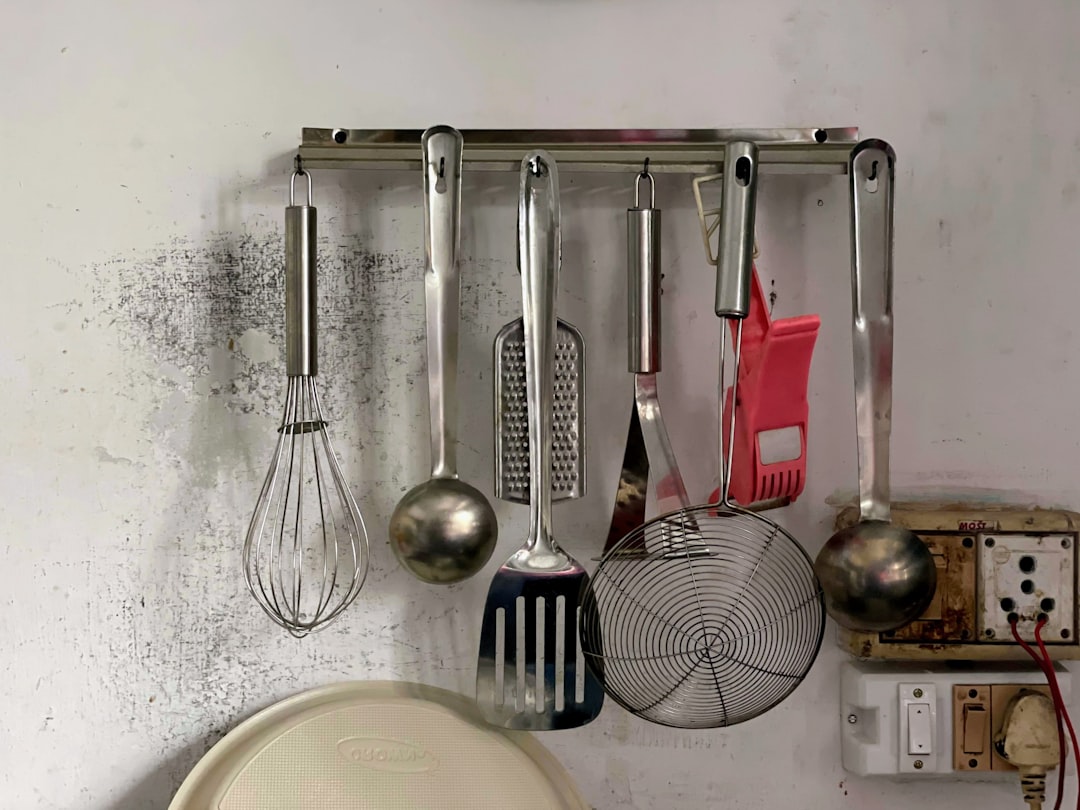
This one embarrassed me when I discovered it, because it’s so obvious in hindsight. The interior of every cabinet door in my kitchen — all sixteen of them — was completely blank. Flat, empty, unused. Meanwhile, I was cramming cutting boards, baking sheets, and box graters into a vertical stack on the shelf, pulling them out like a Jenga tower every time I needed the one at the back.
The inside of a cabinet door is roughly fourteen by twenty inches of prime, climate-controlled, easily accessible vertical storage. And I was using exactly none of it.
I mounted an over-the-door cabinet organizer on the inside of the cabinet next to my stove, and it immediately took over storage duty for my cutting boards, baking sheets, cooling racks, and the roll of aluminum foil that previously lived loose on the shelf. The rack simply hooks over the top of the door — no screws, no drill, no permanent commitment. It took sixty seconds to install and freed up an entire shelf.
The key is choosing the right door. You want the cabinet closest to where you use the items — cutting boards near the prep area, foil and plastic wrap near the stove, colanders near the sink. The over-door rack works best on cabinet doors at least fourteen inches wide, which covers most standard cabinets. If you have a narrower pantry-style door, look for the narrower mesh version.
Dead Zone Six: The Spice Zone of Perpetual Avalanche
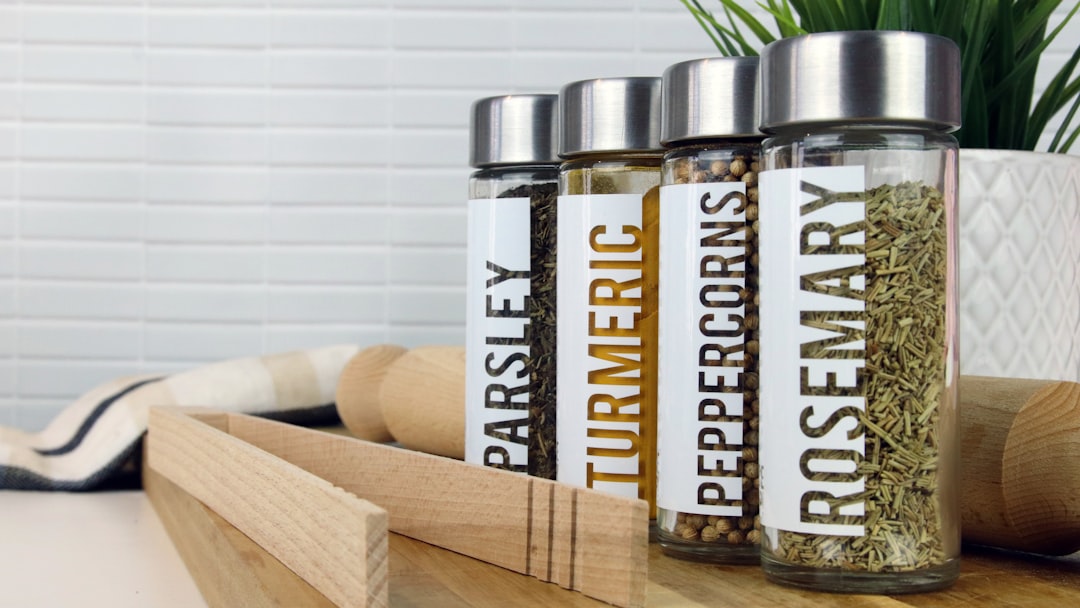
I’m going to make a confession that will shock anyone who has read my organizing articles: until three months ago, my spice situation was a disaster. Not the charming, slightly disorganized kind. The kind where opening the cabinet sent a cascade of cumin and cardamom bottles raining onto the counter, and you simply grabbed whatever survived the avalanche and hoped it was what the recipe needed.
The problem was structural. My spice cabinet was a single shelf, fourteen inches wide and twenty-two inches deep, with no tiering and no organization system. Every bottle stood in a single row, and the ones in the back were invisible. I owned duplicates of four different spices because I couldn’t see what I already had.
The fix came in two layers. First, a bamboo pull-out spice rack that mounts inside a narrow cabinet and uses three vertical tiers to display every jar at a visible angle. This went into the six-inch gap between my stove and the wall — a space so narrow I’d previously dismissed it as unusable. The rack slides out smoothly, and I can now see every spice I own at a glance.
For the main spice shelf in the upper cabinet, I added a set of stackable cabinet shelf risers that create a stadium-seating effect. The back row of jars sits four inches higher than the front, which means I can read every label without moving anything. The set comes with two pieces that you can use side by side or stack for a three-tier arrangement, depending on your shelf height.
The combination of the pull-out rack for the narrow cabinet and the risers for the upper shelf solved a problem I’d been living with for over a decade in a single afternoon. I have not bought a duplicate spice since.
Dead Zone Seven: The Pantry Depth That Defies Human Arms
My pantry is a reach-in closet — four feet wide and twenty-four inches deep, with five fixed shelves. The front twelve inches of each shelf are perfectly functional. The back twelve inches are where groceries go to expire. I found canned goods with 2022 dates, three boxes of pasta I bought for a recipe I never made, and an entire sleeve of taco shells that had passed their best-by date so thoroughly that they had become structurally unsound.
The deep pantry is the most common dead zone I encounter when I consult on kitchen organization, and the solution is always the same: you need to bring the back of the shelf to you, rather than reaching into it. I installed a set of heavy-duty pull-out pantry shelves that mount to the existing shelf surface and extend fully on ball-bearing slides. The difference between these and standard pull-out drawers is the weight capacity — each shelf holds up to a hundred pounds, which means I can load them with canned tomatoes, flour, and the case of seltzer water I keep buying in bulk.
The full-extension slides are the critical detail. Standard drawer slides stop at about three-quarters extension, which means the back of the shelf is still partially hidden behind the cabinet frame. Full-extension slides bring the entire shelf — every inch of it — completely clear of the cabinet, so nothing hides in the shadows. If your pantry suffers from the deep-shelf curse, this is the upgrade that will change your relationship with your kitchen more than any appliance ever could.
And if you’ve been working on rolling storage and counter reclamation, these pull-out shelves are the logical next step. Once your counters are clear, the pantry needs to be able to actually hold what you moved off them.
The Three Rules I Learned From Mapping Every Dead Zone
After spending a month systematically dissecting every cabinet in my kitchen, three patterns emerged that I wish someone had told me twenty years ago.
Rule one: depth is the enemy of access. Every dead zone in my kitchen shared the same root cause — the cabinet was deeper than I could comfortably reach. The solution was never to store less or organize harder. It was always to install something that moved the back of the cabinet toward me, whether that was a pull-out shelf, a Lazy Susan, or a sliding drawer. If you can’t reach it, you won’t use it. If you won’t use it, it’s not storage — it’s a time capsule.
Rule two: vertical space is hiding in plain sight. Between the top of a cereal box and the shelf above it, I found enough wasted vertical space to add an entire second layer of storage. Shelf risers, stackable organizers, and tiered racks turned wasted air into functional real estate. My team measured it: across all seven dead zones, reclaiming vertical space alone added the equivalent of two full shelves to my kitchen.
Rule three: the fix is almost always simpler than the problem. I spent years avoiding these cabinets, building workarounds, buying duplicates, and making excuses. The actual fixes — measured in installation time — took less than a single Saturday. The pull-out shelves were ten minutes each. The over-door rack was a minute. The shelf risers required no installation at all. The hardest part was admitting that I’d been living with a problem that had a twenty-dollar solution.
What I’d Tackle First
If you’re staring at your own kitchen and wondering where to begin, start with the cabinet that frustrates you the most. For most people, that’s the deep lower cabinet or the under-sink chaos zone — both are high-traffic areas where the dysfunction is felt daily. Install one set of pull-out organizers in your worst cabinet, live with it for a week, and then decide whether the investment is worth expanding to the rest of your kitchen.
I can almost guarantee it will be. The feeling of reaching into a cabinet and finding exactly what you need without contorting your arm or digging through a pile is, I’m not exaggerating, life-changing. It makes you want to cook. It makes you want to put things away. It makes your kitchen feel like a place that’s working with you instead of against you.
And if you find a tamale steamer pot from 2019 back there, well. At least you’ll know you’re not alone.

One thought on “The Seventeen Inches Nobody Reaches: A Forensic Investigation of Every Dead Zone in My Kitchen”