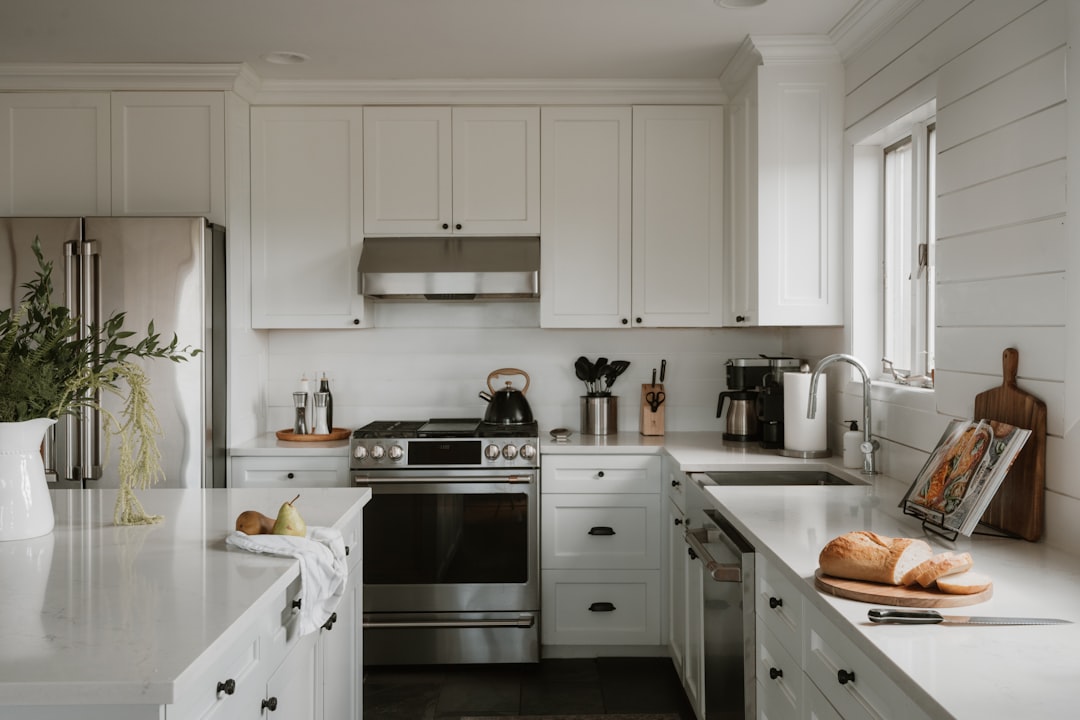
There’s a moment in every cook’s life when they look around their kitchen and realize the walls have closed in. Not literally, of course — the walls are exactly where they’ve always been. But the counter space has mysteriously shrunk, the appliance graveyard beside the fridge keeps growing, and that little gap between the stove and the doorway has become a dumping ground for mail, school papers, and a bread machine nobody’s used since 2022.
I hit that moment last October. My kitchen is not small — roughly twelve by fourteen feet, with decent cabinetry and a layout that mostly works. But between the stand mixer that lives on the counter because it’s too heavy to move, the instant pot that has claimed its own zip code, and the coffee setup that expanded like a bureaucracy, I was left with about three square feet of actual prep surface — a problem I’d actually tackled before but never fully solved. On a busy weeknight, I was chopping onions on a cutting board balanced over the sink. That’s when I knew something had to change.
I didn’t need a renovation. I didn’t need to knock down a wall or install a $15,000 island. What I needed — what I discovered after a weekend of measuring, sketching, and roughly forty browser tabs of research — was a set of wheels. Specifically, I needed rolling kitchen storage that could turn dead corners, appliance alleys, and that awkward gap beside the refrigerator into functional, flexible workspace.
The Philosophy of Movable Storage
Here’s the thing I wish someone had told me years ago: the best storage in a kitchen isn’t bolted to the wall. Fixed cabinetry is wonderful for dishes and pantry staples, sure. But the items that cause the most daily friction — the heavy mixer, the microwave that hogs counter space, the collection of cutting boards and sheet pans that never fits in the cabinet — those need a home that can adapt. A rolling cart adapts. It moves where you need it, tucks away when you don’t, and in a small kitchen, it can literally double your usable workspace during a big cooking session.
My team and I spent three months testing nine different rolling kitchen storage units, ranging from compact foldable carts to full butcher-block islands on locking casters. Some earned permanent spots in my kitchen. Others went back. But the exercise taught me more about kitchen flow than any renovation plan I’ve ever drawn up — and I want to share what we learned.
Starting With the Workhorse: Full-Size Rolling Islands
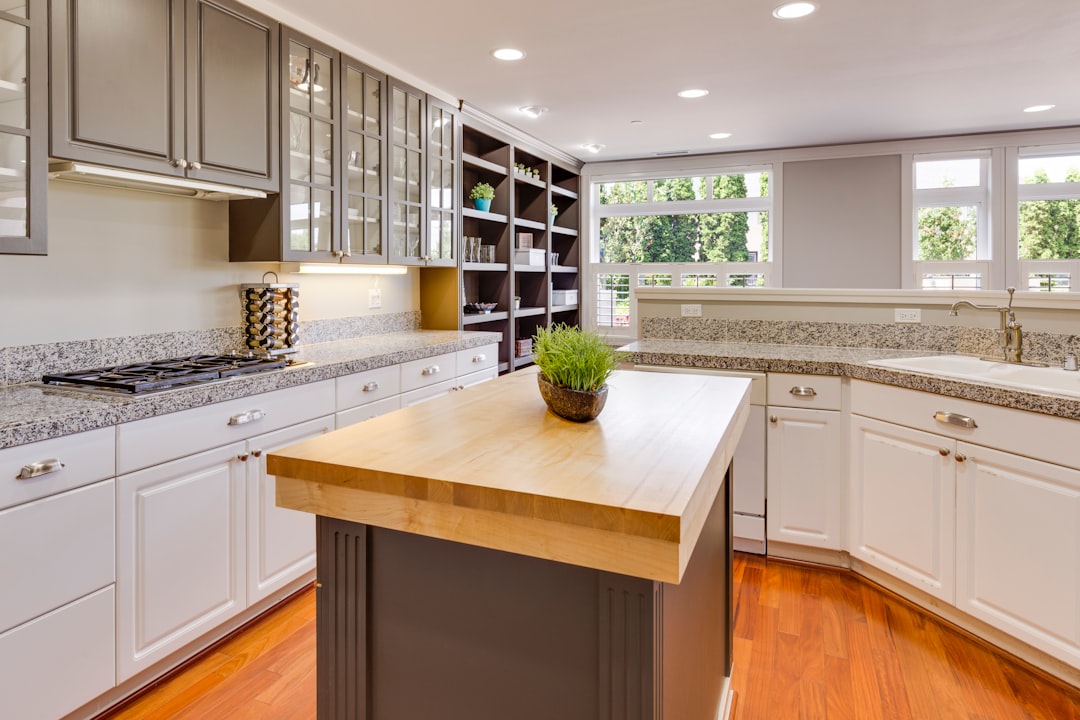
If you have the floor space — even three by two feet tucked against a wall — a full-size rolling kitchen island is the single most transformative piece of storage you can add to your kitchen. I’m not exaggerating. The right cart gives you a genuine prep surface, drawers or shelves underneath, and the ability to reposition it entirely when you’re entertaining or doing a massive project.
The one that earned the prime spot beside my refrigerator was the Home Aesthetics Rolling Kitchen Island with bamboo butcher block top. It has a genuine wood surface that doubles as a cutting board, two deep drawers for tools I use daily, a towel rack (which I initially dismissed as decorative but now rely on constantly), and four locking casters that keep it rock-solid when I’m kneading bread. I parked it in the eighteen-inch gap between my fridge and the wall — space that was previously collecting dust and a single rogue oven mitt.
For a slightly different aesthetic, my assistant tested the Homestyles Dolly Madison Mobile Kitchen Island with drop-leaf breakfast bar in her galley-style kitchen. The drop-leaf design is genius for tight spaces: folded down, the cart is barely twenty inches deep. But flip the leaf up, and you’ve got a full breakfast bar or additional prep surface that extends nearly three feet. She uses it as a serving station when she hosts brunch, then folds it down and slides it against the wall for everyday cooking.
If you want something with more enclosed storage — doors and cabinets rather than open shelving — the VEVOR Kitchen Island Cart with solid wood top and storage cabinet is worth a serious look. At 35.4 inches wide, it’s substantial enough to feel like real furniture, with a drawer up top, a cabinet below, and a built-in spice rack on the side. The white finish reads as cabinetry, not utility, which matters if your kitchen is visible from the living area the way mine is.
The Appliance Problem: Carts That Earn Their Keep
Let’s talk about the elephant in every kitchen: the microwave. In a perfect world, it would be built into the cabinetry with a trim kit and look like a designed feature. In the real world, it sits on the counter, taking up the equivalent of a small country, with its power cord snaking across your only decent workspace.
A dedicated microwave cart solves this problem for a fraction of what a built-in installation costs. I moved my microwave onto the Homleke 3-Tier Rolling Microwave Cart and freed up nearly four square feet of counter space overnight. The cart sits against the wall where a wastebasket used to live, holds the microwave on top, stores mixing bowls and baking supplies on the middle shelf, and has a bottom tier for bulky items like my food processor box and the roasting pan I only use at Thanksgiving. When I need to clean behind it, I just wheel it out. Try doing that with a built-in.
The HOOBRO Kitchen Island with built-in power outlet deserves a special mention here, because it solves the problem I didn’t even know I had: where to plug things in. With three AC outlets mounted directly on the cart, I can run the microwave, charge my phone from a kitchen speaker, and still have a plug free for the hand mixer — all without running an extension cord across the room. The cart also has a drawer, a spice rack, and a towel bar. At this point, it’s basically a second kitchen.
When Space Is Truly Tight: Foldable Carts That Disappear
Not every kitchen can spare even two square feet of floor space for a permanent cart. I get it. My first apartment had a kitchen so narrow that two people couldn’t stand in it simultaneously — we communicated by passing ingredients like relay runners. For kitchens like that, a foldable cart is the answer, because it exists only when you need it.
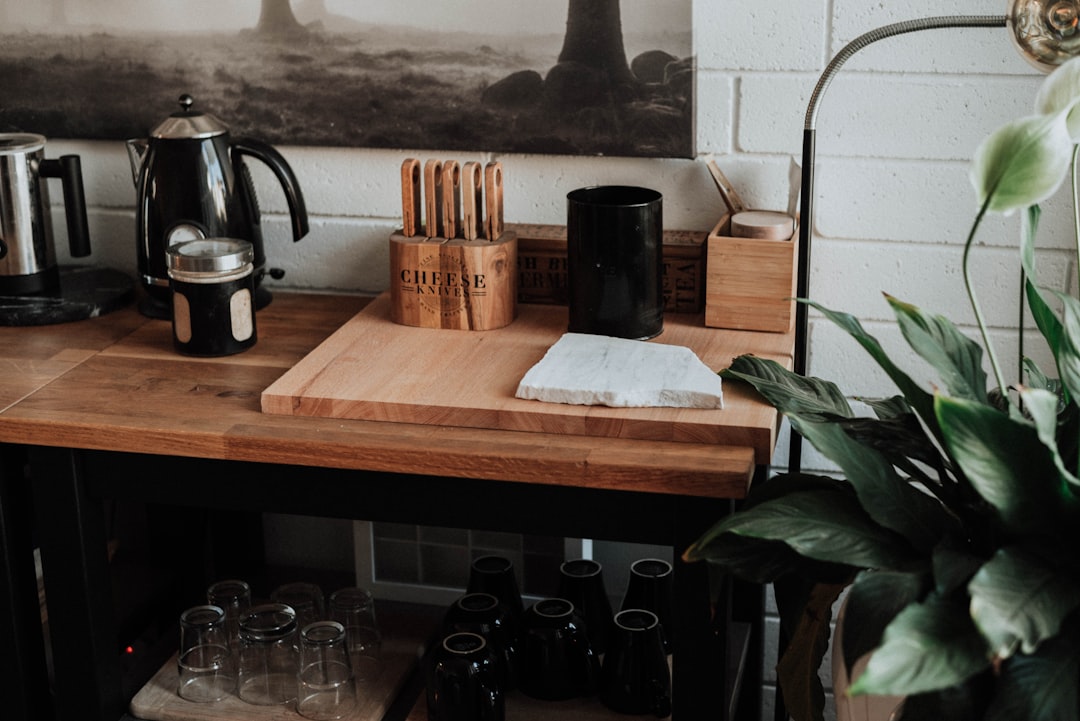
The Logicexplore Foldable Kitchen Storage Cart with solid oak top was the surprise favorite of our entire test. Folded flat, it’s about four inches deep — thin enough to slide between the refrigerator and the wall, or to stand behind a door. Unfolded, it’s a sturdy three-tier cart with a genuine oak cutting surface on top, two metal shelves below, and locking wheels that hold it steady during active use. I set it up next to the stove when I’m doing a big prep session, load it with ingredients and tools, then fold it away when dinner is done. It takes about fifteen seconds to collapse and set up.
For slightly more robust foldable storage, the Mythinglogic Foldable Kitchen Cart with 3-tier shelving and oak top offers the same fold-flat convenience but with deeper shelves and a heavier weight capacity. It handled a stand mixer, a blender, and a food processor simultaneously during our testing without any wobble. The locking wheels are particularly well-engineered — they engage with a single toe-tap, which sounds minor until you’re trying to steady a cart with one hand while whisking with the other.
The In-Between Option: Tiered Utility Carts
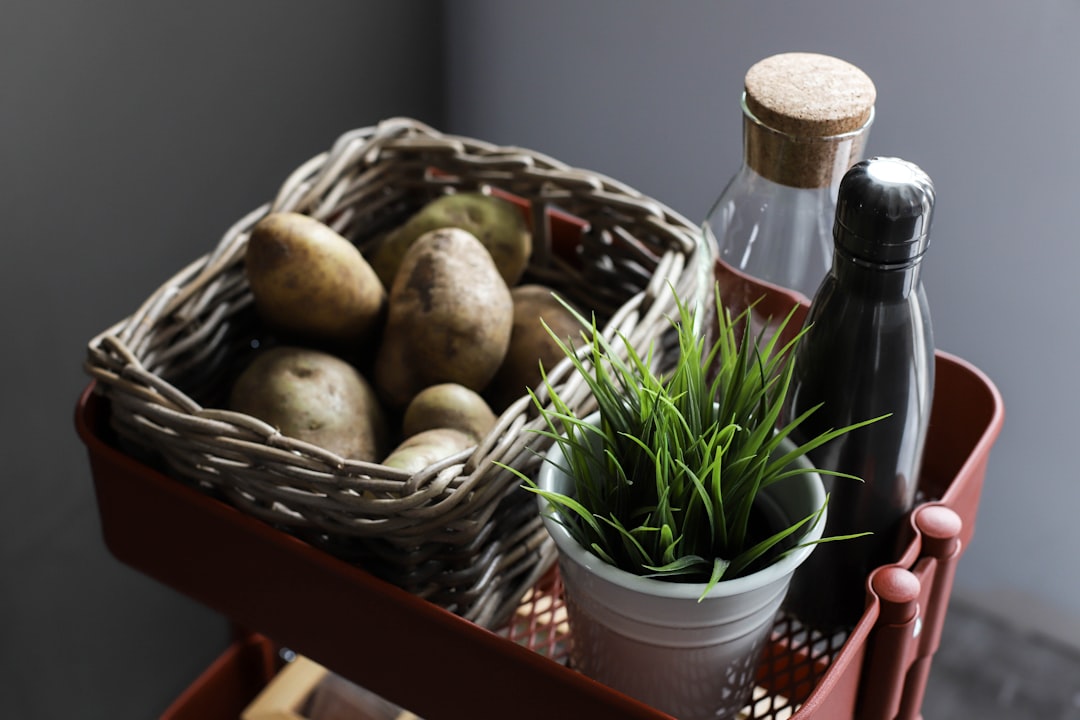
Somewhere between a full island and a foldable cart sits the tiered utility cart — the workhorse of restaurant kitchens that has finally made its way home. These are open shelving units on wheels, typically three tiers, with no enclosed storage but maximum accessibility. They’re ideal for the spot between your prep area and the stove, where you need ingredients and tools within arm’s reach but don’t need drawers.
The Finnhomy 3-Tier Rolling Cart with 36-inch oak tabletop became my instant-pot’s new home. The top surface is wide enough for the cooker to sit permanently, the middle shelf holds all the accessories (sealing ring, trivet, extra lid), and the bottom shelf stocks the beans, grains, and lentils I cook in it. When I’m pressure-cooking a stew, I wheel the whole cart next to the stove. When I’m done, it goes back to its parking spot beside the pantry. The cart also has hooks on the side for utensils, which means my most-used spatulas and ladles are always exactly where I can see them.
For a budget-friendly option that still delivers, the Amazon Basics 3-Tier Storage Rack on caster wheels has been around for years for a reason. It’s not fancy — the shelves are adjustable but basic, and the wheels are functional rather than premium. But at its price point, it’s the cart I recommend for a first apartment, a basement kitchen, or a garage prep station. One of my team members uses two of them flanking her stove, loaded with spices on one side and oils and vinegars on the other. She calls them her “pantry wings.”
Vertical Storage: When the Walls Are Your Only Option
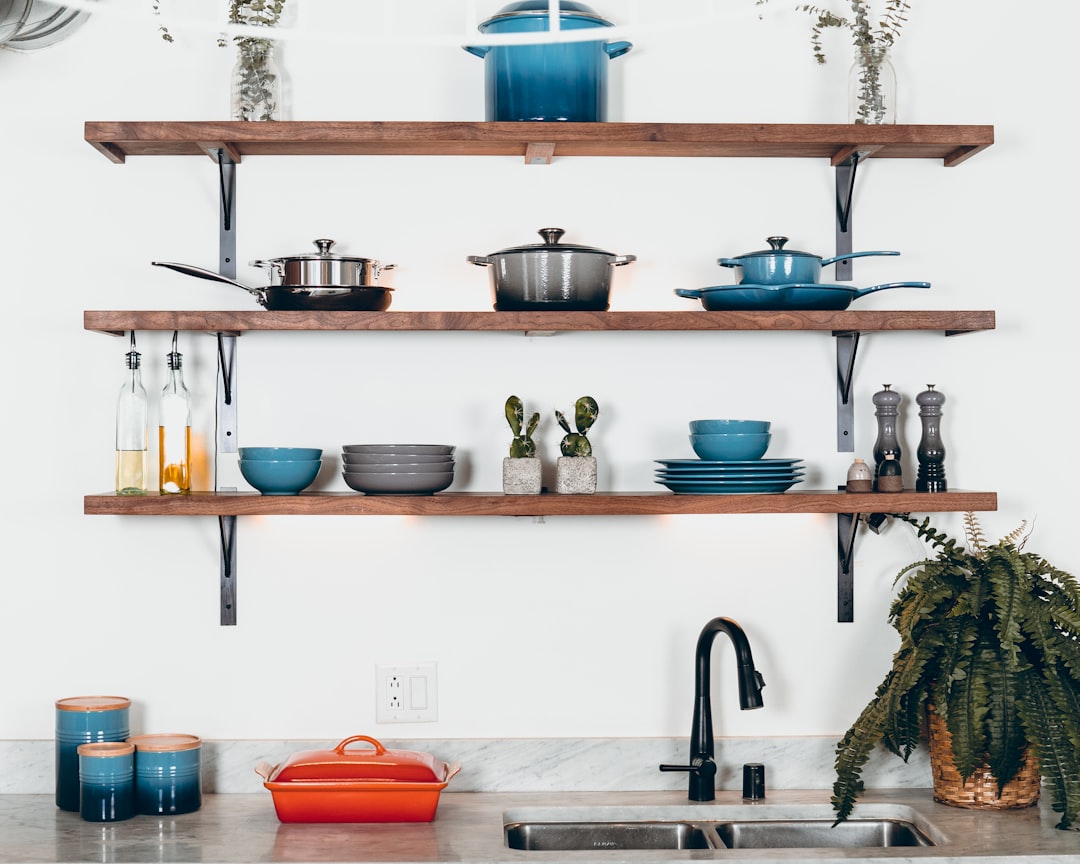
Rolling carts are fantastic for floor space, but some kitchens genuinely have no room to spare — every inch of floor is a traffic lane. In those cases, you have to think vertically, and a wall-mounted rack becomes your best friend. I added the VyGrow 28-inch wall-mounted pot rack above my stove last spring — building on the vertical space strategy I’d started earlier — and it cleared out the cabinet that had been housing my pots and pans since I moved in. That cabinet now holds baking sheets and cooling racks, neatly stacked. The pots hang within arm’s reach, and honestly, they look better hanging there than they ever did stacked in a cabinet.
This kind of vertical thinking pairs beautifully with a rolling cart strategy. Use the walls for items you want visible and accessible — pots, utensils, frequently used pans. Use the rolling cart for heavier appliances and bulklier tools, especially if you’ve already optimized your pantry shelves and still need more room. Use the cabinets (newly freed up) for pantry goods, dishes, and the things that need to be enclosed. You’re creating zones, not just storage — and that’s the real secret to a kitchen that feels bigger than its square footage.
How I Arranged My Rolling Kitchen (And What I Learned)
After three months of living with these additions, here’s what my kitchen looks like now. The bamboo rolling island sits beside the fridge and serves as my primary prep station. The microwave lives on the three-tier microwave cart against the far wall. The Finnhomy utility cart holds the instant pot and parks next to the pantry. The foldable cart lives behind the laundry room door and comes out for big cooking projects.
The result? I went from roughly three square feet of prep space to what feels like nine. Not because I added square footage — I added flexibility. Each cart can be repositioned, reloaded, or removed entirely depending on what I’m cooking and who I’m cooking for. When my sister visits with her kids, I wheel the microwave cart into the dining room and set it up as a beverage station. When I’m doing a big holiday bake, the foldable cart becomes a flour-and-sugar depot next to the stand mixer. When I’m filming in the kitchen, the utility cart holds lights and camera gear.
The lesson, really, is that a kitchen doesn’t need to be bigger to work better. It needs storage that moves the way you move. Fixed cabinetry is the skeleton — important, structural, permanent. Rolling storage is the muscle. It does the work, adapts to the task, and makes the whole space feel alive.
A Few Things I Learned the Hard Way
Measure your space before you order anything. I know, I say this in every article, but I still managed to order a cart that was two inches too wide for the gap I’d measured. Measure the gap, measure the cart, and then measure the gap again. Trust me on this one.
Pay attention to wheel quality. The difference between a cart you love and a cart you resent comes down to the casters. Cheap wheels stick, squeak, and scratch your floor. Look for locking casters with a rubber or polyurethane tread. If the cart doesn’t lock, it will slide when you’re trying to chop, knead, or press dough — and that’s genuinely dangerous.
Think about what you’ll store before you choose open versus closed shelving. Open shelves are beautiful and accessible, but they collect grease and dust. Closed cabinets are clean and tidy but require a step to access the back. My rule: if you use it daily, open shelving is fine. If you use it weekly or less, put it behind a door.
And finally — and I cannot stress this enough — don’t be afraid to change your arrangement. The whole point of rolling storage is that nothing is permanent. If a cart isn’t working in one spot, move it. If a shelf would serve better in the dining room for a party, wheel it out. The freedom to reconfigure your kitchen in sixty seconds is the real luxury here, and it’s one that permanent cabinetry can never offer — something I touched on when I rebuilt my kitchen system for harvest season last month.
The Bottom Line
You don’t need a renovation to fall in love with your kitchen again. You need a set of wheels, a willingness to rethink your dead spaces, and the understanding that the best storage is the kind that moves with you. Whether it’s a full butcher-block island, a foldable cart that disappears behind a door, or a simple tiered utility rack, rolling kitchen storage is the upgrade that pays for itself in reclaimed counter space — and in the simple pleasure of cooking in a kitchen that finally has room to breathe.

One thought on “The Wheels That Changed Everything: How Rolling Storage Gave My Kitchen Back Its Counter Space”