There is a particular kind of quiet that settles over a kitchen in late August. The tomatoes stop coming, the canning pot goes back in the basement, and somewhere between the last peach and the first school-night dinner, my thoughts turn to bread. This year they turned somewhere I did not expect: the dusty corner of my garage, where my late aunt’s bread machine has sat untouched for the better part of a decade.
I dragged it in, scrubbed the pan, and told myself it was just for one week of testing. Three weeks and eleven loaves later, I owe that machine — and the whole category it represents — an apology. And I owe you an honest guide, because if you’re shopping for a bread machine in 2026, the good ones are genuinely good and the bad ones are still making the same sad, dense bricks my aunt served us in 1998.
The Grudge I Held for Ten Years
Here is my confession: I’m a from-scratch baker. I spent an entire summer raising sourdough starter like it was a houseplant, and I’ve written about stand mixers with the affection most people reserve for pets. A machine that does every step for you felt like cheating to me — a shortcut that would produce something technically edible but spiritually empty.
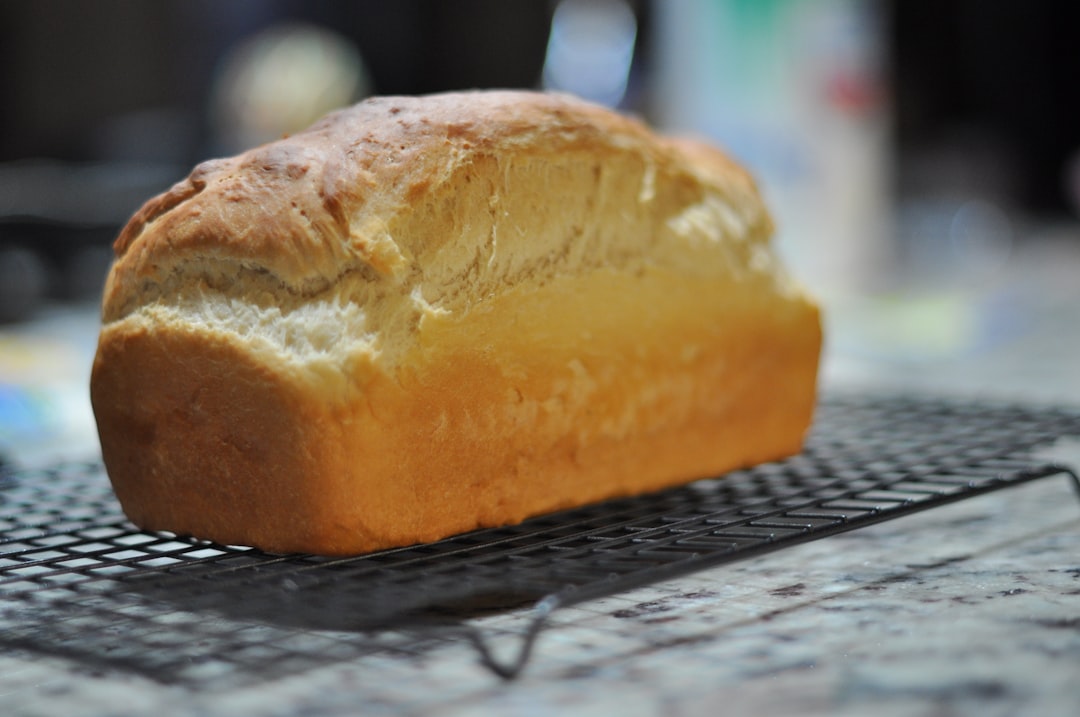
I was wrong about half of that. A bread machine will never give you the crackling crust of a loaf baked in a scorching Dutch oven. But “spiritually empty”? The first slice of honey wheat I pulled from my aunt’s old machine — still warm, butter melting into it at 4:30 on a random Tuesday — made a liar out of me on the spot.
So my team and I rounded up seven machines spanning about $120 to $350, baked the same white, wheat, and dough-cycle batches in all of them, and kept notes like bakers do: crumb, crust, noise, consistency, and how it felt to live with each one on a real counter for a month. Here’s everything that matters.
What Actually Matters When You’re Shopping
Before we get to specific machines, burn these four things into your memory, because they separate the great loaf from the brick.
Two paddles beat one. Machines with a single kneading paddle leave one corner of the loaf underworked and dense. Dual paddles — once a luxury feature — now show up in machines under $150, and the crumb difference is not subtle. My dual-paddle loaves rose into textbook domes; the single-paddle machines produced what my nephew politely called “the wedge.”
The delay timer is the whole point. Every model I tested has one, usually 13 to 15 hours. You load the pan at night, and the smell of baking bread wakes the house. One food-safety note my testing reinforced: skip perishable ingredients (milk, eggs) on delayed bakes and stick to water-based recipes with dry yeast.
An automatic dispenser changes your life quietly. Nuts, seeds, and dried fruit get dropped in at precisely the right moment instead of mid-morning when you’re at work. It sounds minor. It is not.
Check the pan coating and the noise floor. Ceramic-coated nonstick pans (increasingly common in 2026) release easier and scratch less than old-style coatings. And if the machine lives in an open kitchen, 50-ish decibels of kneading at 3 a.m. matters more than any spec sheet suggests. The Zojirushis are famously quiet; some budget models sound like a cement mixer with opinions.
The Machines That Earned a Spot on My Counter
The One I’d Buy With My Own Money: Zojirushi Virtuoso Plus
After eleven loaves, the Zojirushi Home Bakery Virtuoso Plus is the machine I’d spend my own money on. Two paddles, a wide horizontal pan that bakes a loaf shaped like actual sandwich bread, and a heating element in the lid that browns the top crust evenly instead of leaving it pale. Our wheat loaves came out with the softest crumb and most consistent dome of the whole test, week after week. It’s the priciest of the mainstream picks at around $300, but Zojirushi machines have a reputation for lasting a decade-plus, and my aunt’s fifteen-year-old unit still ran like a top.
The Splurge With a Brain: Breville Custom Loaf
The Breville Custom Loaf is the machine for people who fiddle. It has a smart interface that lets you adjust a custom bake cycle down to individual phases, an automatic fruit-and-nut dispenser, and a collapsible paddle that leaves a smaller wound in the bottom of your loaf. The crust control is genuinely better than most. It’s a single-paddle machine, so the crumb isn’t quite the Virtuoso’s equal, but the build quality is lovely and the interface never made me feel dumb.
The Quiet Overachiever: Panasonic
Somewhere in the middle sits the Panasonic bread maker with 20 presets and a proper automatic dispenser. This is the machine I’d point gluten-free bakers toward — its whole-grain and gluten-free cycles out-performed its price tag, and the temperature-adjust features actually compensate for a cold kitchen in winter. My tester’s yeast breads were excellent; the crust runs a touch pale on lighter settings, which some of you will consider a feature.
The Value Play: The KBS Pair
The story of 2026’s bread machine market is the rise of the sub-$150 machine that doesn’t cut the important corners. The KBS Pro brings dual paddles and dual heating elements to roughly half the price of the Virtuoso, and in blind tastings at my kitchen table, nobody could reliably pick its white loaf out of a lineup. If you want to spend even less, the KBS 19-in-1 adds a ceramic-coated pan and nineteen programs for around a hundred dollars. The trade-offs are real — lighter chassis, shorter track record, crust settings that run dark fast — but the bread itself is legitimately good, and that’s the part you eat.
Small Kitchens and Small Budgets
Two more machines deserve a word. The Cuisinart compact bread maker takes up noticeably less depth than the big horizontal machines, which matters if your counter is a precious twelve square feet. And the Hamilton Beach digital bread maker is the machine I’d hand a college kid or a first apartment — basic, cheap, cheerful, and it made a genuinely decent honey white for under $120.
If your household is one or two people, don’t sleep on the Zojirushi Mini. It bakes a one-pound vertical loaf — the size most of us actually finish before it stales — and its footprint is barely bigger than a big Dutch oven’s. For empty-nesters and small kitchens, it might be the most sensible machine on this page.
The Dough Cycle Is the Real Secret
Here is the thing nobody told me, and it changed the whole category for me: the best feature of a bread machine isn’t bread. It’s dough. These machines are tireless, perfect kneaders, and nearly every model has a dough-only cycle that mixes, kneads, and proofs while you’re at work or asleep.
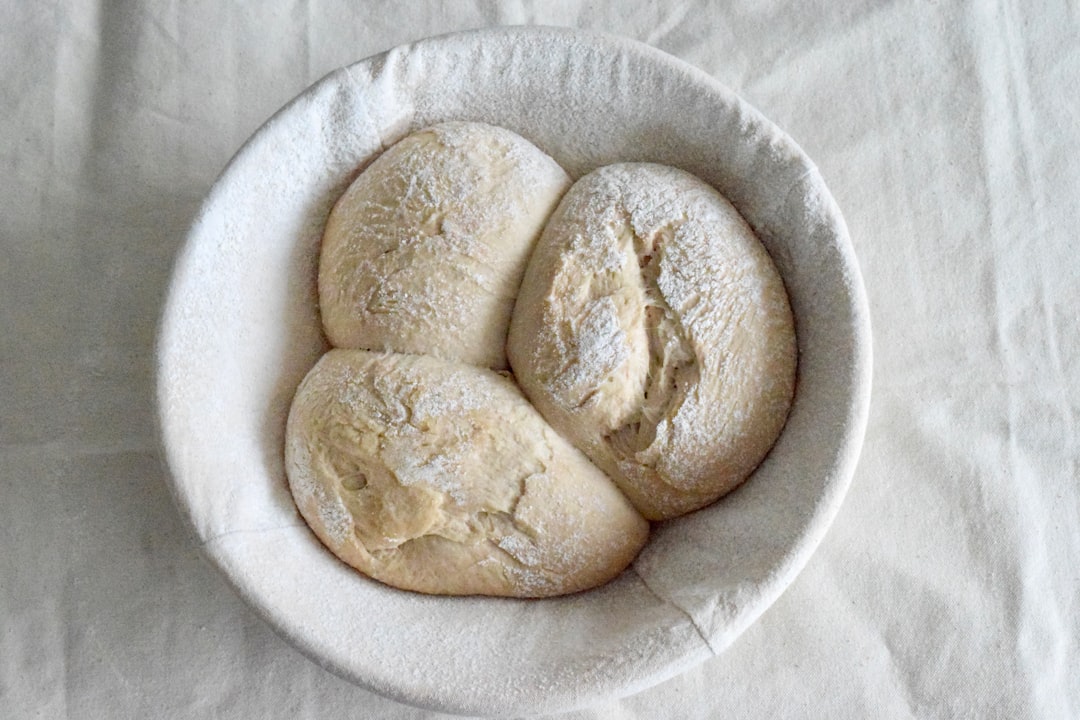
In one month I used the dough cycle for pizza night, cinnamon rolls for a Sunday crowd, burger buns, and a focaccia that got actual applause. You shape and bake in your own oven, so you keep the hand-made crust and the pride, and the machine handles the part that kills your wrists and your schedule. If you already own a stand mixer you love, this will sound redundant — it isn’t. The bread machine proofs the dough at a steady warm temperature, which is something my mixer can’t do and my drafty old kitchen certainly won’t.
What This Machine Will Never Do
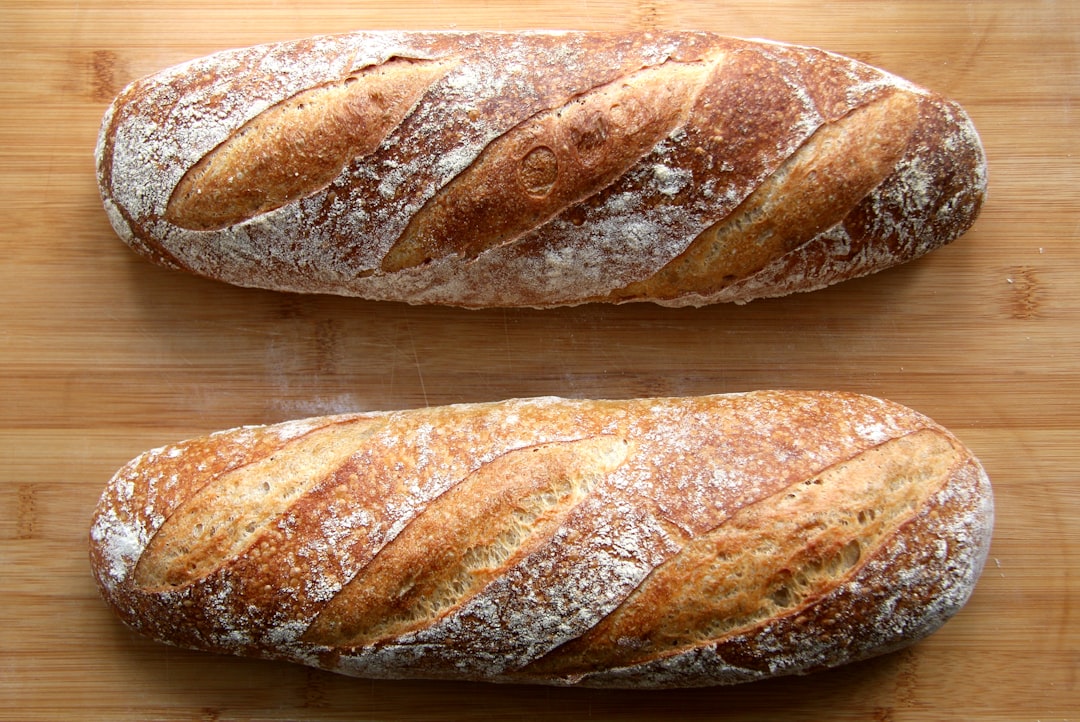
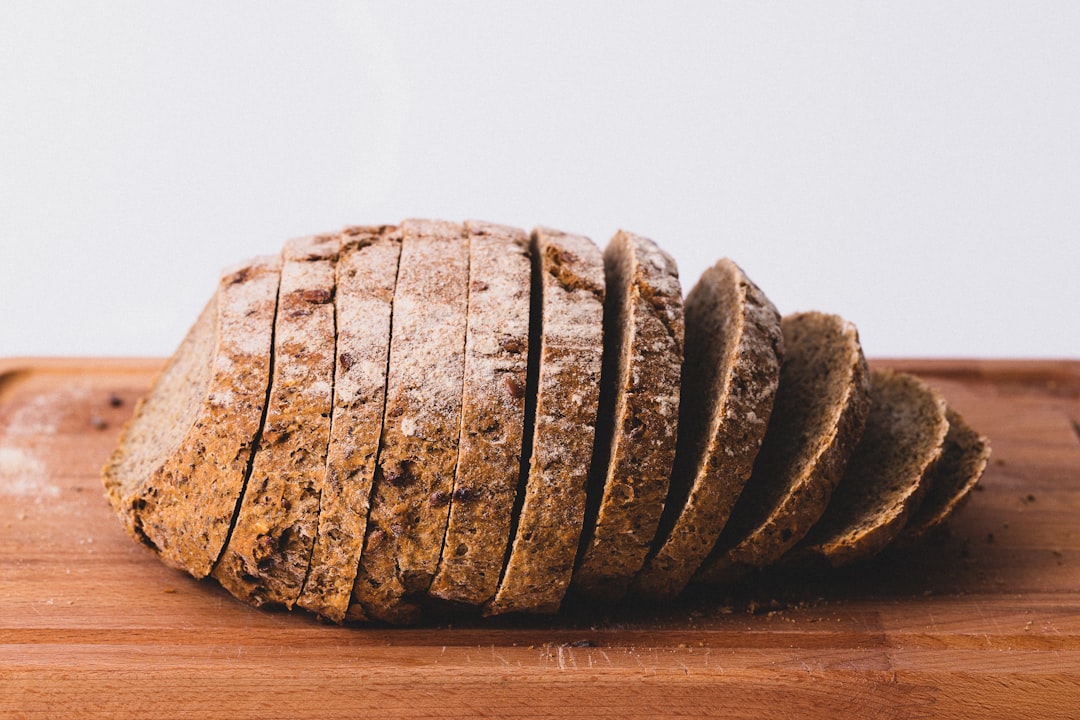
Honesty time, because I’d rather lose a sale than your trust. A bread machine loaf has a paddle hole in the bottom and a crust that’s softer than oven-baked. The vertical pans on cheap machines produce a shape that fits a toaster and nothing else. No machine on earth will hand you the open, holey crumb or blistered crust of a real artisan loaf — that requires steam, stone, and time, and your starter deserves that respect.
And a word on ingredients, because the machine amplifies whatever you feed it. All-purpose flour will make decent bread; bread flour makes bread with backbone. I keep King Arthur bread flour on subscription and it has never once let me down across every machine in this test. A proper serrated bread knife matters more than you’d think, too — machine loaves slice beautifully when warm, but only if your knife is actually sharp.
One more non-negotiable: get a real bread machine cookbook. The pamphlets in the box are afterthoughts. The No-Fuss Bread Machine Cookbook earned permanent counter-stack status in my kitchen within a week — reliable scaling, honest timing, and a honey oat loaf my family now requests by name.
The Verdict, Sliced Plain
If you want the best loaf and the longest runway, buy the Zojirushi Virtuoso Plus. If you want great bread for half the price, buy the KBS Pro. If your kitchen is small, the Zojirushi Mini or the Cuisinart compact will tuck in without a fight. And if you’re not sure you’ll use it at all, buy the Hamilton Beach, run it through a month of Tuesdays, and see what happens. Worst case, you’re out a little over a hundred dollars. Best case, your house smells like a bakery every morning and your lunch sandwiches change forever.
My aunt’s machine now lives on the counter next to the coffee corner, in the sunny spot where it looks like it was always meant to be. She’d laugh at that. She’d also ask for a slice, and I’d give her the heel, because that’s still the best part and some things no machine will ever change.