
My mother never owned a stand mixer. She had two hands, a wooden spoon that looked like it had survived a war, and an unshakable belief that anything worth making was worth making by hand. For thirty years, that philosophy worked beautifully in her kitchen. Then I moved into my own apartment, took one look at my tiny counter, and realized that if I wanted to bake the way she did — loaves of bread every Saturday morning, rolls for Sunday dinner, cakes for every birthday — I was going to need some mechanical help.
What followed was fifteen years of trial and error with four different stand mixers. Some earned their permanent spot on the counter. Others got returned, resold, or quietly donated to my cousin’s garage. Along the way, my team and I have tested nearly every major model on the market — running them through bread dough, cake batter, pasta, cookie batches large enough to feed a small army, and some experiments I’d rather not talk about (the great marshmallow incident of 2023, specifically). Here’s what I’ve learned about choosing the right stand mixer, and why it matters more than you might think.
The Real Reason Your Mixer Choice Matters
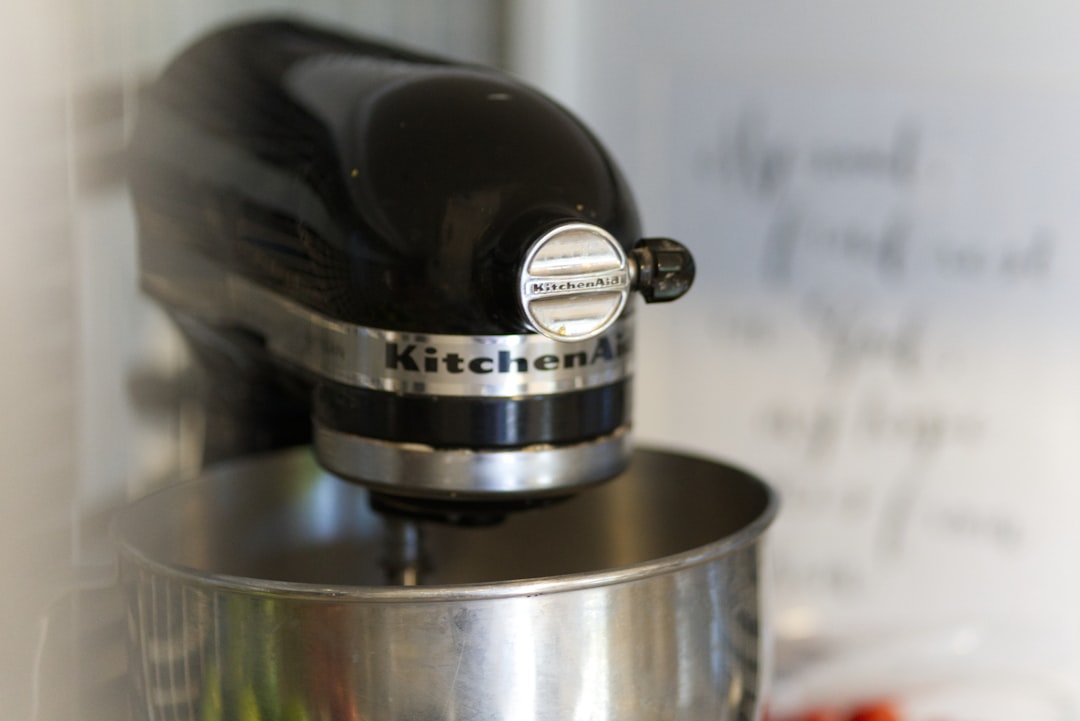
Most people walk into a store, see the pretty colors, grab the first one that matches their kitchen, and call it a day. I understand the impulse. Stand mixers are gorgeous machines, and that KitchenAid Artisan in Empire Red sitting on display has lured many a baker into a quick purchase. But here’s what the display doesn’t tell you: the motor inside that beautiful housing determines whether you’ll be happily baking bread five years from now or shopping for a replacement because the gears stripped on your third loaf of sourdough.
Stand mixers range from $100 budget models to $700+ professional machines, and the differences aren’t just cosmetic. Motor wattage, bowl capacity, attachment ecosystem, drive mechanism (gear-driven versus belt-driven), and even the head design (tilt-head versus bowl-lift) all dramatically affect what the machine can actually do. I’ve watched friends burn out motors trying to knead stiff bread dough in a mixer that was designed for cake batter. It’s like watching someone try to tow a boat with a sedan — technically possible, but not for long.
The good news? Once you understand what you actually bake, the choice becomes remarkably clear. Let me walk you through it.
The Four Questions That Narrow Everything Down
Before you look at a single model, answer these honestly:
- How often do you bake? Weekly bread bakers need a fundamentally different machine than someone who makes Christmas cookies once a year.
- What’s your heaviest dough? Bread dough stresses motors far more than cake batter. If sourdough is your religion, you need a mixer built for it.
- How much counter space do you have? Some of these machines are massive. Measure your space twice; buy once.
- Do you want attachments? The attachment ecosystem is where some mixers pull far ahead of the competition. More on that below.
The KitchenAid Family: Where Most People Start (and Stay)
Let’s get the obvious out of the way: KitchenAid makes the most recognizable stand mixers on the planet, and for good reason. They’ve been refining these machines since 1919, and the build quality is genuinely impressive across most of their lineup. But not all KitchenAids are created equal, and choosing the wrong tier is the most common mistake I see.
The KitchenAid Classic 4.5-Quart Tilt-Head Mixer is where most home bakers start, and at its price point, it’s a solid entry point. The 250-watt motor handles cookies, cake batter, and lighter doughs without complaint. I gifted one to my sister-in-law three years ago, and she’s never had an issue with her weekly batch of banana bread. Where it struggles is heavy bread dough — anything beyond a single loaf of sandwich bread will have the motor working hard and the gears complaining. If you’re an occasional baker who mostly makes cakes and cookies, this is genuinely all the mixer you need.
Step up to the KitchenAid Artisan Series 5-Quart, and you get a more capable 325-watt motor, a slightly larger bowl, and access to the full attachment ecosystem. This is the sweet spot for most home bakers, and I recommended it to more people than any other mixer during my years running the blog. The tilt-head design makes adding ingredients easy, the glass bowl option is lovely for visibility, and it comes in roughly four hundred colors (slight exaggeration, but not by much). My one caveat: if you’re making bread dough more than twice a week, look further up the lineup.

For the serious bakers — and I mean the people who are producing three or four loaves of bread every week, making large-batch cookie dough for events, or running what amounts to a home bakery — the question becomes whether to go with a KitchenAid bowl-lift model or look at other brands entirely. The KitchenAid Professional 600 Series offers a 575-watt motor, a 6-quart bowl, and a bowl-lift design that’s significantly more stable under heavy loads. You can feel the difference the moment you start a batch of stiff bread dough — no wobbling, no straining sounds, just steady, confident power.
If you want the absolute top of the KitchenAid line, the KitchenAid 8-Quart Commercial Countertop Mixer is a beast. It’s gear-driven, has a 10-speed motor, and handles volumes that would make most home mixers weep. I tested one for six months last year, running it through everything from double batches of brioche to a fourteen-egg angel food cake, and it never once complained. The trade-off is size and price — it’s a significant investment, and it requires serious counter real estate. Most home bakers don’t need this much machine, but if you cook for a large family or a small business, it’s worth every penny.
Beyond KitchenAid: The Challengers Worth Your Attention
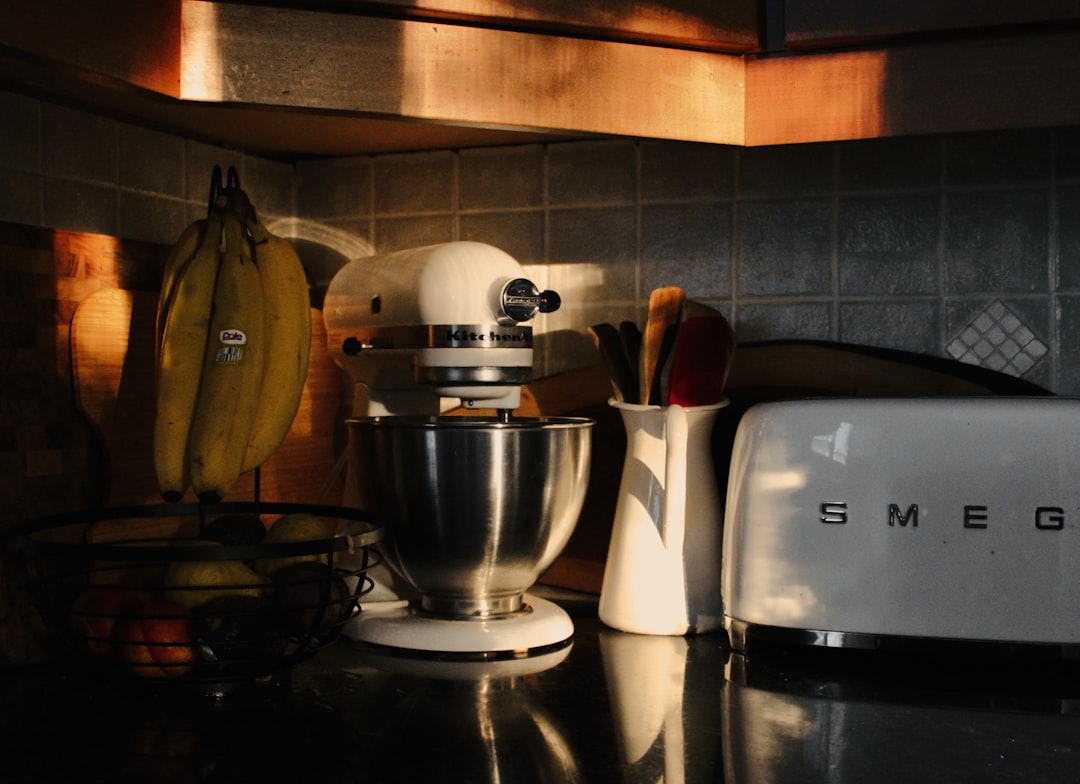
For years, KitchenAid was the only name that mattered in home stand mixers. That’s changed. Two challengers have earned serious respect from bakers who push their machines harder than the average home cook.
The Bosch Universal Plus: The Quiet Workhorse
I’ll be honest — it took me years to try the Bosch. The design looked odd to me, with its bowl-mounted drive and two-part drive shaft, and I was suspicious of the plastic bowl. Then my neighbor, who bakes bread for a family of seven, lent me hers for a week. I was converted. The Bosch Universal Plus Stand Mixer has a 500-watt motor mounted directly beneath the bowl, which means there’s no power loss through a tilting head or a transmission. It kneads bread dough with a quiet, effortless motion that puts most KitchenAid models to shame.
The 6.5-quart bowl handles double batches of bread dough easily, and the unique dual-whip design creates some of the fluffiest whipped cream and egg whites I’ve ever produced. The attachment ecosystem is smaller than KitchenAid’s, but it covers the essentials — a continuous shredder, a meat grinder, a blender that mounts right to the base. If bread is your primary mission, this machine deserves a serious look.
The Ankarsrum Original: The Swedish Revelation
This is the mixer that changed my entire perspective on home baking. The Ankarsrum Original is Swedish, looks like something out of a design museum, and works on a principle so different from every other mixer I’ve used that it took me two weeks to stop reaching for the wrong controls. Instead of a stationary bowl with moving beaters, the bowl itself rotates while a stationary roller and scraper do the work. It’s mesmerizing to watch.
The reason it matters: this design mimics hand-kneading more closely than any other machine I’ve tested. The motor is rated at 600 watts using a belt-driven system that’s remarkably quiet, and the 7-liter stainless steel bowl handles the largest bread batches I’ve ever attempted at home. My team ran it through forty consecutive loaves of sourdough over a two-week testing period, and the motor never warmed up beyond a gentle hum.
The trade-off is a steeper learning curve. The Ankarsrum requires you to reverse your usual process — wet ingredients go in first, then dry, which feels wrong if you’ve been using a KitchenAid for years. But once you adapt, the bread quality is noticeably better. The gluten develops more evenly, the dough stays cooler during kneading, and the final crumb structure is consistently open and beautiful. If you’re a dedicated bread baker, this is the machine to aspire to.
The Ooni Halo Pro: The New Contender
Released just this year, the Ooni Halo Pro Spiral Mixer takes direct aim at the Ankarsrum’s spiral-mixing approach. With a 7.3-quart capacity and an impressive 58 speed settings, it’s designed specifically for dough enthusiasts. I’ve only had limited hands-on time with it so far, but the build quality is solid, the spiral action produces excellent dough development, and Ooni’s reputation in the pizza oven space gives me confidence in their engineering. Worth watching — and worth considering if the Ankarsrum’s price point feels steep.
The Attachment Ecosystem: KitchenAid’s Secret Weapon
Here’s where KitchenAid pulls ahead of every competitor, and it’s not even close. The power hub on the front of KitchenAid tilt-head and bowl-lift mixers accepts an enormous range of attachments that essentially turn your mixer into a kitchen multi-tool. This is the argument that wins over a lot of people who are on the fence.
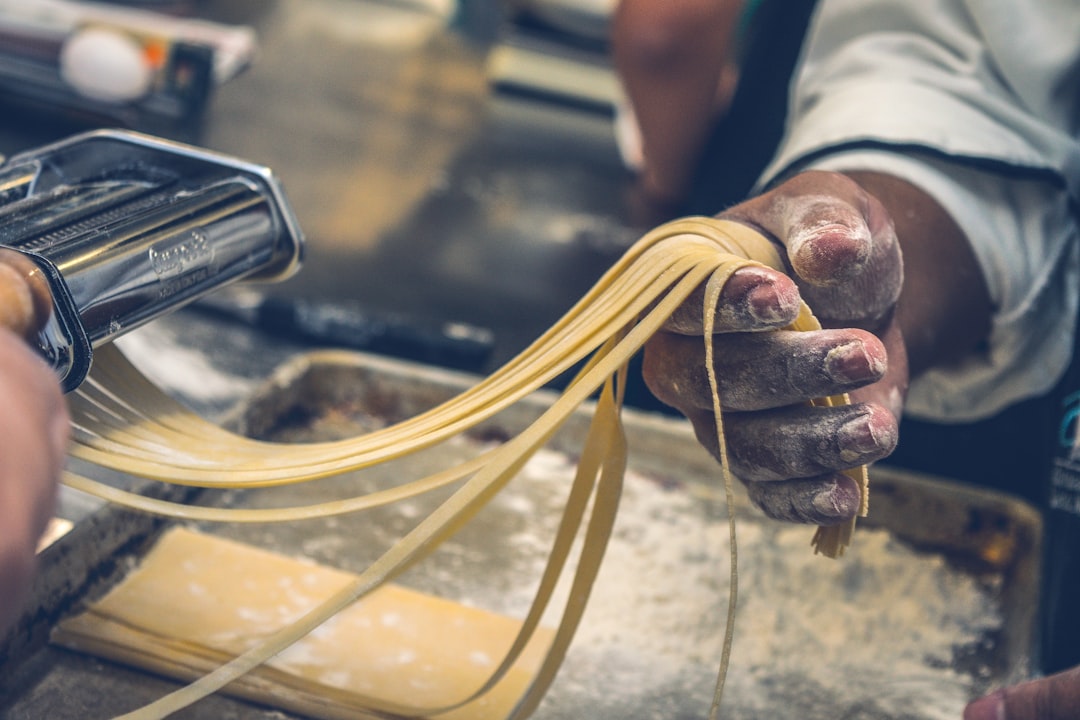
The KitchenAid Metal Food Grinder Attachment is one of the most useful add-ons I own. I’ve used it to grind everything from chuck roast for hamburgers to pork shoulder for dumpling filling. It’s well-built, easy to clean, and honestly kind of fun to use. There are also excellent third-party options — this metal pasta press attachment with five interchangeable plates produces surprisingly good spaghetti, bucatini, and macaroni once you get the dough consistency right. My team tested it against a dedicated pasta machine, and while the dedicated machine still wins for delicate work, the attachment handles 90% of what most home cooks need.

The beauty of the attachment system is that you buy one motor and keep adding capabilities. Slicers, shredders, spiralizers, grain mills, ice cream bowls, sausage stuffers — the list grows every year. No other mixer brand offers anything close to this ecosystem. If you see your kitchen as an evolving workspace rather than a static setup, this is a powerful argument for choosing KitchenAid.
The Essential Accessories That Make Any Mixer Better
Regardless of which stand mixer you choose, a few accessories will dramatically improve your baking results. I recommend these to every baker I work with, regardless of skill level.
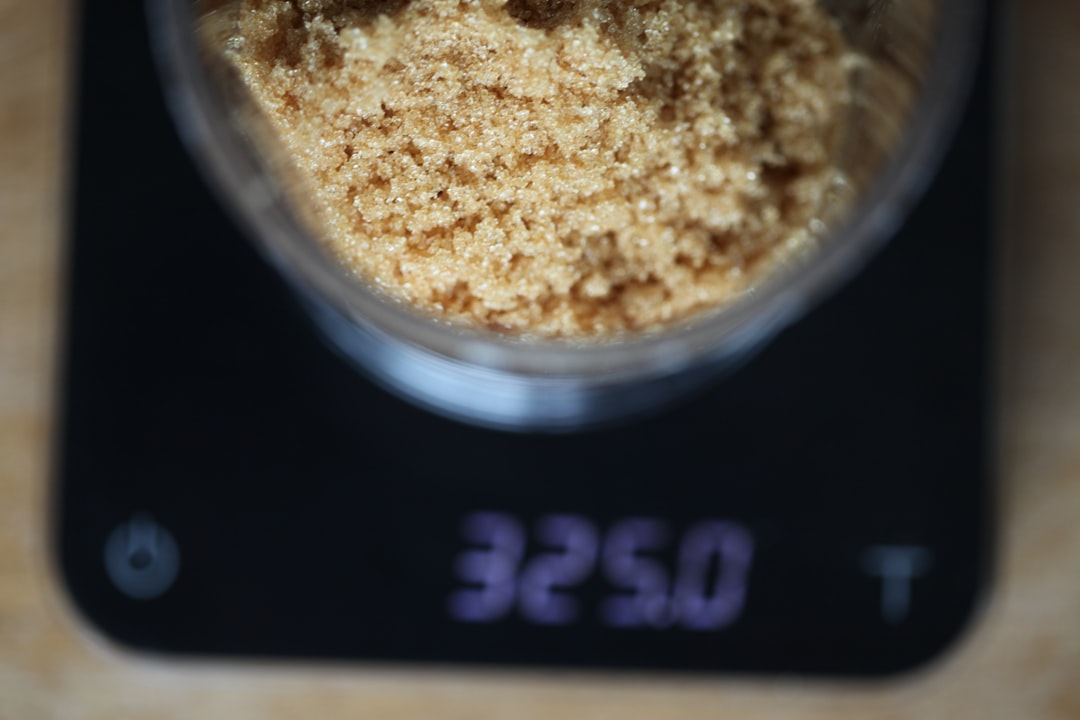
A reliable digital kitchen scale is non-negotiable. Baking is chemistry, and volume measurements are imprecise enough to cause real problems — a cup of flour can vary by nearly 25% depending on how it’s scooped. I use the Etekcity rechargeable food scale in my kitchen because the USB charging means I never have to hunt for watch batteries, and the 33-pound capacity handles everything from a pinch of salt to a full batch of bread dough. It’s one of those tools that seems simple until you use one daily, at which point you can’t imagine baking without it.
Every baker needs a proper bench scraper. I went through a dozen cheap plastic ones before settling on a stainless steel version with measurement markings, and it’s one of the most-used tools in my kitchen. Dividing dough, scraping counters, transferring chopped vegetables — the thing never leaves my hand during a baking session. The set I linked includes flexible bowl scrapers too, which are perfect for getting every last bit of batter out of your mixer bowl.
A large silicone pastry mat transforms your counter into a nonstick baking surface. I roll out everything from pie crust to pizza dough on mine, and the built-in measurements eliminate guesswork when I’m shaping dough to a specific size. It’s also one of those accessories that makes cleanup dramatically easier — wipe it down, roll it up, done.
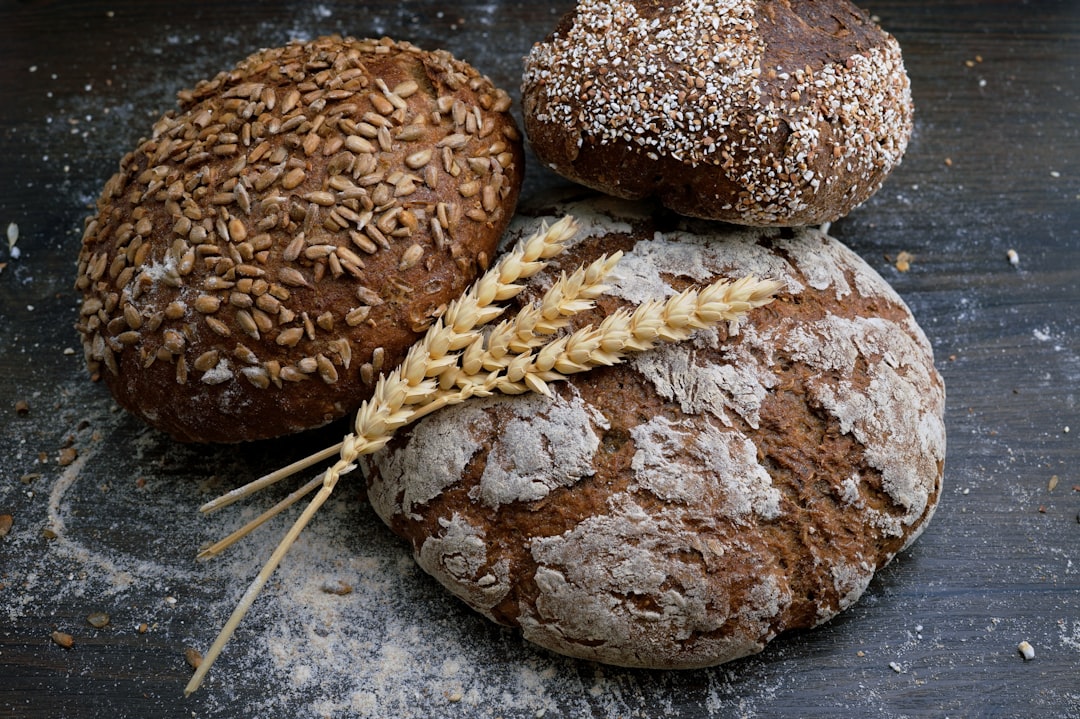
And if bread is your primary focus — whether you’re using a stand mixer or not — consider a proper bread baking vessel. The Brod & Taylor Ultralight Baking Shell is a personal favorite because it doesn’t require preheating and produces a crust that rivals a professional deck oven. My sourdough improved noticeably the day I started using one, and at a fraction of the weight of a cast iron Dutch oven, it’s much easier to handle. Speaking of which, if you’re in the market for a versatile Dutch oven, my complete Dutch oven guide covers the best options for bread baking and beyond.
Tilt-Head Versus Bowl-Lift: The Decision That Shapes Your Experience
This is one of those choices that seems minor until you’ve lived with both designs. Tilt-head mixers (like the KitchenAid Classic and Artisan) let you tilt the motor head back to access the bowl, which makes adding ingredients incredibly easy while the mixer is running. You can scrape the bowl, add flour, drizzle in oil — all without stopping the machine. For most home bakers, this is the more intuitive and convenient design.
Bowl-lift mixers (like the KitchenAid Professional series) use a lever to raise and lower the bowl into the mixing position. The head never moves, which creates a more rigid, stable structure that handles heavy doughs with less vibration and wear on the gears. The trade-off is that adding ingredients requires either a pause or some careful maneuvering with a chute or your hand.
My recommendation: if your primary baking is cakes, cookies, and lighter doughs, go tilt-head. If bread is your thing, go bowl-lift. It really is that simple. And if you want to understand how induction cooking pairs with your new bread-baking habit, my piece on how induction quietly took over my kitchen explains why the right cooktop matters just as much as the right mixer.
What About the Budget Options?
I get this question constantly. There are stand mixers available for under $100, and some of them are perfectly adequate for light use. But I’ve tested enough of them to say with confidence that the savings come from somewhere — usually thinner metal, weaker motors, plastic gears, and attachment ecosystems that don’t exist. A KitchenAid Classic will outlast three budget mixers and hold its resale value indefinitely. I’ve seen twenty-year-old KitchenAids selling on eBay for nearly their original purchase price. You simply don’t get that kind of longevity from a bargain machine.
If budget is genuinely tight, my advice is to buy a reconditioned KitchenAid from their official outlet store. You’ll get a full warranty, a machine that’s been individually inspected, and a price that’s often 30-40% below retail. I’ve purchased two reconditioned KitchenAids over the years, and both arrived looking and performing like brand-new machines.
For a different perspective on investing in quality kitchen tools, check out my article about the immersion blender I initially ridiculed — it’s a similar story of cheaping out and eventually learning that the right tool pays for itself.
The Verdict: Which Mixer for Which Baker?
After fifteen years and four mixers, here’s how I break it down:
For the occasional baker (a few times a month, mostly cakes and cookies): The KitchenAid Artisan 5-Quart is the sweet spot. Great motor, beautiful design, full attachment compatibility, and it will last decades.
For the regular bread baker (weekly loaves, some other baking): The Bosch Universal Plus is my top recommendation. Its motor handles bread dough effortlessly, the large bowl accommodates serious batches, and the price-to-performance ratio is excellent.
For the dedicated bread artisan (sourdough daily, exploring advanced techniques): The Ankarsrum Original. Nothing else produces dough of this quality at home, and the Swedish engineering is in a class of its own.
For the volume baker (large family, home business, catering): The KitchenAid Commercial 8-Quart. It’s built to run all day, and the build quality will outlast most marriages.
For the kitchen maximizer (wants one motor that does everything): KitchenAid Artisan or Professional 600, purely for the attachment ecosystem. No other brand comes close.
My personal kitchen currently houses an Ankarsrum for bread and a KitchenAid Artisan for everything else, and between the two of them, I never need another machine. But your kitchen will tell you what it needs, if you listen to it. Think about what you actually bake, how often you bake it, and where you want your kitchen to go in the next five years. The right mixer isn’t the most expensive one — it’s the one that fits your hands, your counter, and your cooking life.
And if you’re still building out your kitchen from scratch, my guide to the smartest appliances of 2026 includes some recommendations that pair beautifully with whatever mixer you choose. A kitchen is an ecosystem, not a collection of isolated tools — and the right centerpiece machine makes everything around it work better.
Happy baking, friends. Whatever you make next, make it with something you love.

2 thoughts on “Fifteen Years and Four Mixers: What I Wish Someone Had Told Me Before I Bought My First Stand Mixer”