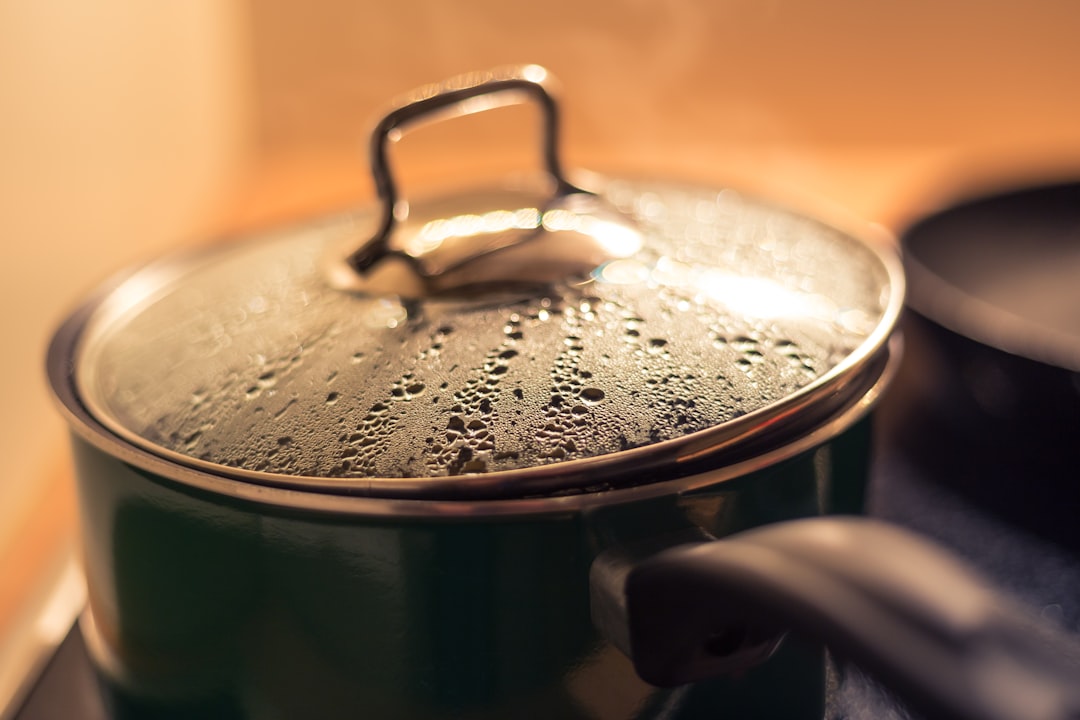
For twenty years, I committed the same small crime every time I cooked spaghetti. I’d carry the big pot to the sink, dump everything through the colander, and watch that cloudy, steaming water swirl away into the dark. Gone. My grandmother, meanwhile, kept a chipped enamel mug parked by her stove, and before she drained a single noodle she would scoop out a mugful of that same cloudy water and set it aside like it was something precious. As a kid I assumed it was a Depression-era habit she never dropped. As an adult, I finally understand she was holding onto the single most valuable ingredient in the entire meal.
My conversion happened on a Tuesday, over a dish that should have been simple: cacio e pepe. Three ingredients, no excuses. And yet mine turned into a clotted, stringy mess — cheese balled up like wet sand while the pepper floated in a sad puddle on top. I called my aunt, who laughed for a full ten seconds before explaining what my sauce was missing. It wasn’t more cheese. It wasn’t more butter. It was the water I had just poured down the drain.
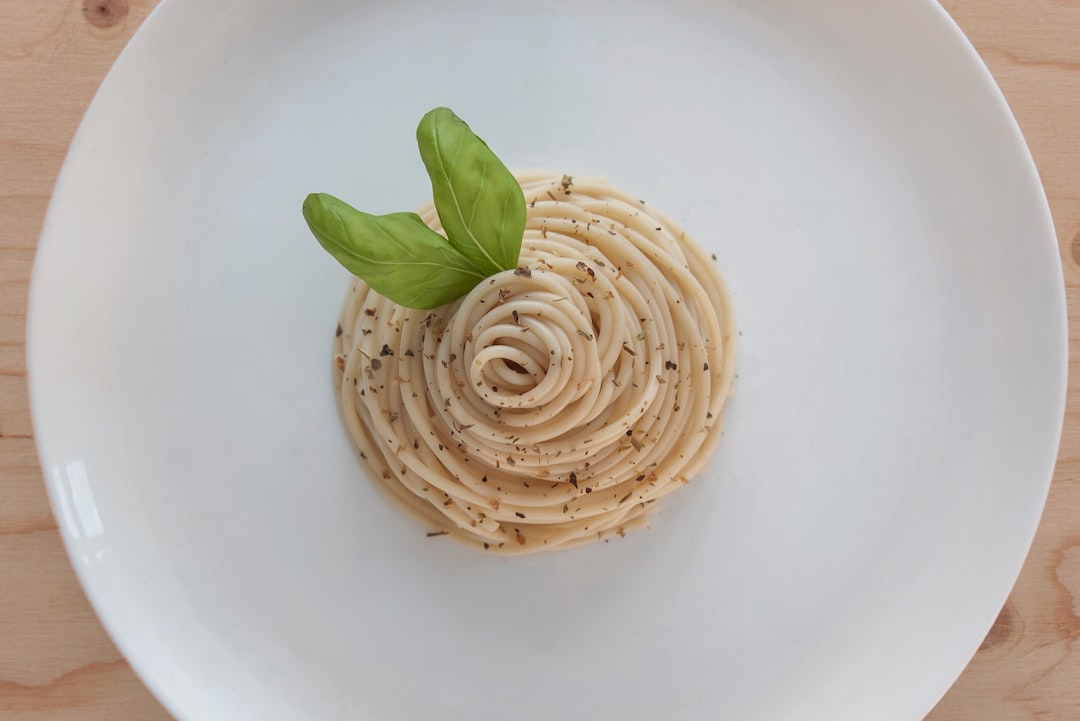
That was the night the mug moved into my kitchen, and honestly, it hasn’t left the side of my stove since. The whole team in my test kitchen now saves pasta water as a matter of reflex, the same way we save bacon fat or parmesan rinds. Here’s what that cloudy liquid actually does, why it matters more than the noodles you boil in it, and the small handful of tools that make the whole habit nearly effortless.
The Chemistry Hiding in the Cloud
Let’s start with what you’re actually looking at when the water goes murky. As pasta cooks, starch leaks out of its surface and gelatinizes — it opens up, swells, and dissolves into the water. That cloudiness isn’t dirt and it isn’t a flaw. It’s starch, and starch is a natural emulsifier. If you’ve ever wondered why restaurant pasta arrives glossy, with sauce clinging to every strand instead of pooling at the bottom of the bowl, this is the reason.
Here’s the plain-English version. Fat and water want nothing to do with each other. Olive oil and pasta water, left alone, separate like feuding cousins at a reunion. But stir starch into that mix while everything’s hot and moving, and the starch molecules grab onto both sides, holding the fat and liquid together in one silky, stable sauce. It’s the same principle behind a proper pan sauce after you deglaze — something I fell head over heels for when I wrote about rescuing the golden bits at the bottom of the pan. Pasta water simply does the same job with less drama.
And then there’s the salt. Water that’s seasoned properly seasons the pasta itself, from the inside out, rather than leaving you to sprinkle salt at a finished dish where it just sits on the surface. The noodles carry that seasoning straight into whatever sauce they meet.
Salty Like the Sea, and Other Advice I Finally Understood
“It should taste like the sea.” Every Italian grandmother and every cooking instructor in history has said some version of this, and for years I found it terrifyingly vague. So my team and I ran the numbers in the test kitchen, and here’s the translation that finally stuck with me: for every four to six quarts of water, add about one and a half to two tablespoons of kosher salt once the water is at a full boil and before the pasta goes in. Yes, it looks like a snowfall. Yes, it’s correct. The pasta absorbs only a fraction of it, and what remains becomes liquid gold for your sauce.

Coarse salt matters here — table salt is denser and will overshoot fast. I keep a big box of coarse kosher salt on standby at all times, and it lives in a lidded ceramic cellar right beside the stove so I can grab a pinch without so much as opening a cabinet. If your salt is currently buried behind the cinnamon in a high cabinet, do yourself a favor and fix that this week — a simple countertop salt cellar is the kind of five-dollar luxury you’ll use every single day for the rest of your life.
A Pot Big Enough for the Pasta to Swim
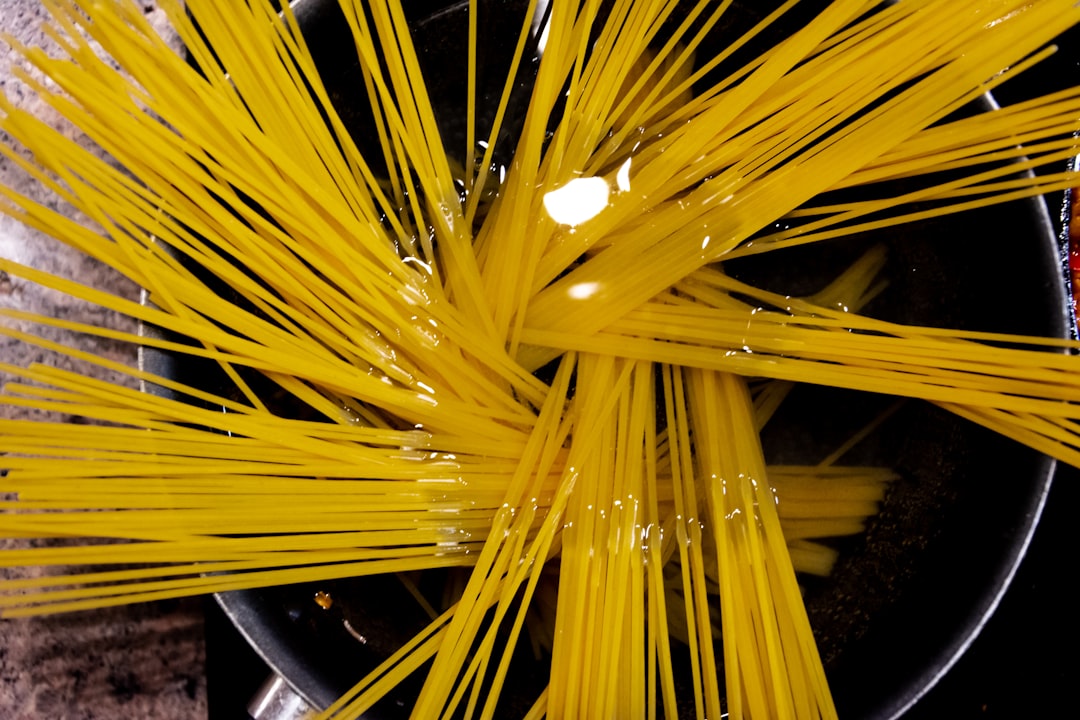
Pasta needs room. Crowded noodles release all that precious starch into too little water, which concentrates into a gummy bath and cooks unevenly — long strands welding themselves together while the middles stay stubbornly chalky. The rule we cook by is four quarts of water per pound of pasta, in the tallest, roomiest pot you own.
I went most of my adult life lifting and draining a heavy stockpot one-handed like a circus act, water sloshing toward my wrists. What finally broke me of it was testing a pasta pot with a strainer insert for a roundup — the whole basket lifts out, the water stays behind, and the pot itself is wide enough for spaghetti to lie down flat and cook evenly. If you’re still building your collection from scratch, this is one of the first pieces I’d tell anyone to buy, right alongside the essentials in my guide to equipping a first kitchen.

The Two-Minute Finish That Changes Everything
This is the heart of it, so stay with me. The single biggest difference between home pasta and trattoria pasta isn’t the sauce recipe. It’s where the pasta spends its last two minutes. Boil the noodles until they’re about two minutes shy of the package time — still firm at the center — then move them, still dripping, directly into the pan where your sauce is waiting and bubbling. Not a plate. Not a colander first. The pan.
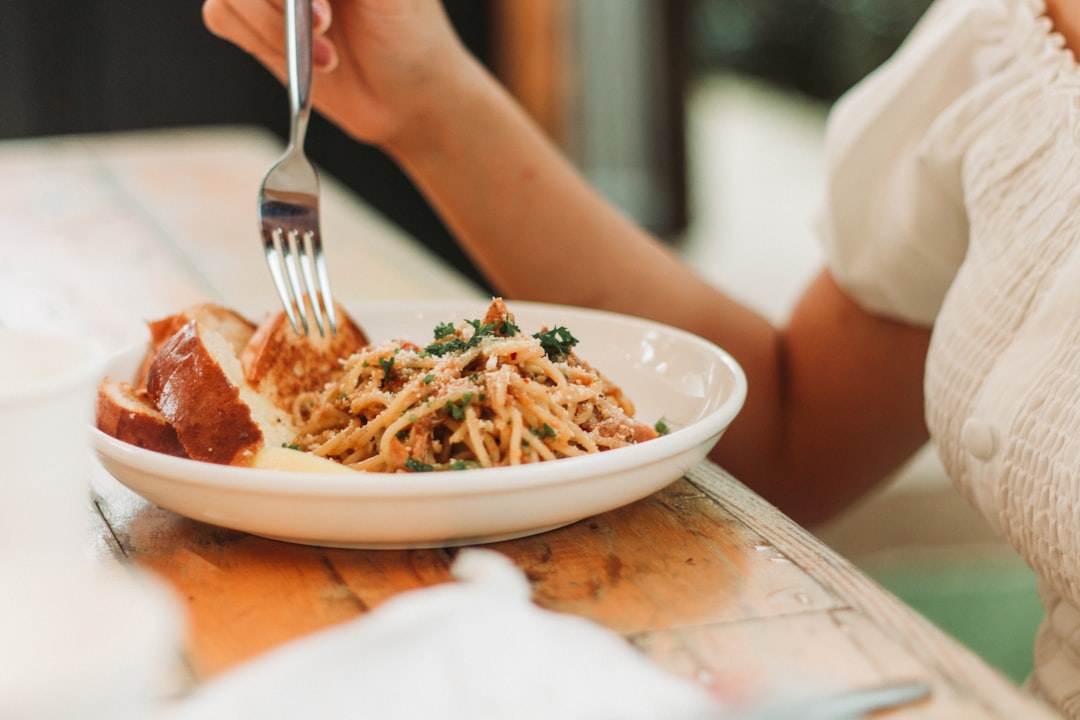
Then comes the move the Italians call mantecare: add a splash of that saved pasta water — start with a quarter cup, you can always add more — and toss hard and constantly. The motion matters as much as the ingredients. You’re beating hot fat and starchy water together so they emulsify into something glossy that wraps each strand. The pasta finishes cooking in the sauce, drinking in flavor as the starch does its quiet work. It’s the same instinct behind the last thirty seconds of a dish mattering most — dinner is won or lost at the finish line.
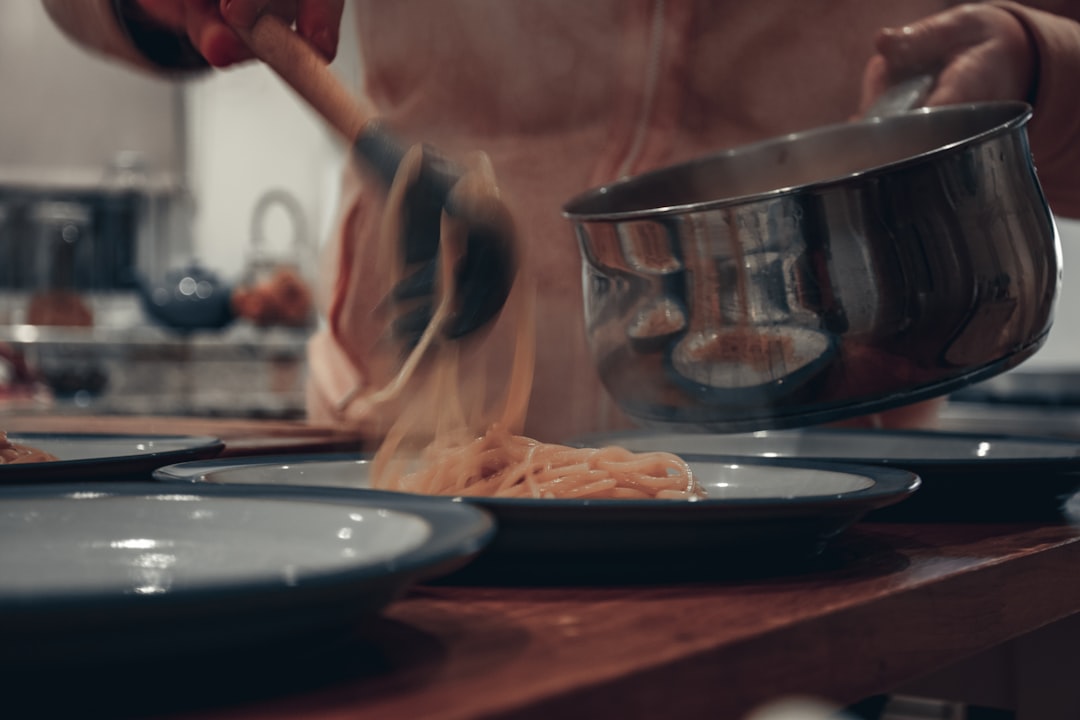
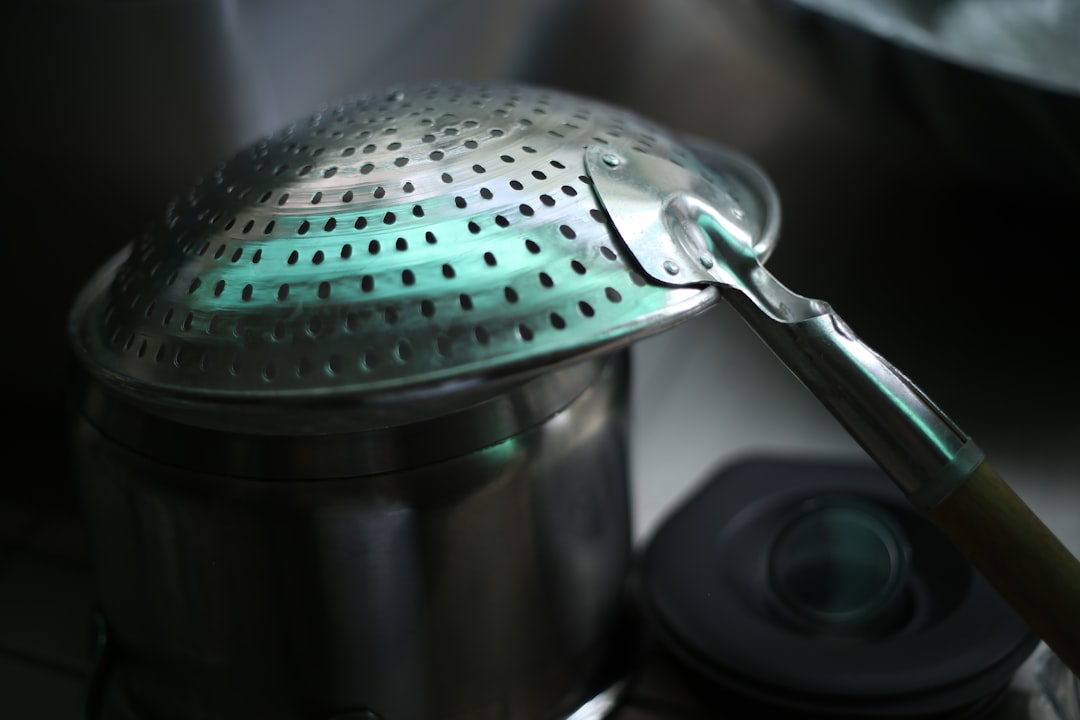
The tool that made this routine feel elegant rather than juggling-act chaotic is a stainless spider strainer — you lift noodles straight from the boiling water, let them drip for a heartbeat, and lower them into the sauce with the water they carry still clinging on. It costs less than a takeout lunch and I now own three, because my team kept stealing mine. A good pair of long metal tongs handles the tossing, and a solid wooden spoon scrapes the pan and stirs without nicking anything.
Five Sins I Committed Against My Own Dinner
Before the light found me, I broke every one of these rules on a weekly basis. Maybe confessing them here will spare you the rubbery, waterlogged dinners of my past.
- Oil in the boiling water. It does nothing for the pasta and everything to make sauce slide off later. Skip it entirely.
- Rinsing the drained pasta. That rinse washes the surface starch — the emulsifier, the gold — right down the drain. Rinse only for cold noodle salads.
- Dumping every drop before thinking. The moment the colander empties into the sink, dinner loses its binder. Scoop that mugful first, every single time.
- Pouring in all the water at once. Too much and your sauce goes thin and watery. Emulsify gradually, splash by splash, watching the gloss build.
- Finishing in a cold pan. Sauce and pasta must meet over heat, with motion. A cold pan means broken, greasy sauce instead of silk.
And to be clear, the colander still has a job — I keep a heavy-duty stainless one in the cabinet for the moment the sauce is done and the pasta needs a quick exit from its bath. It’s a landing zone, not a way of life.
Grate It Fine, Add It Late
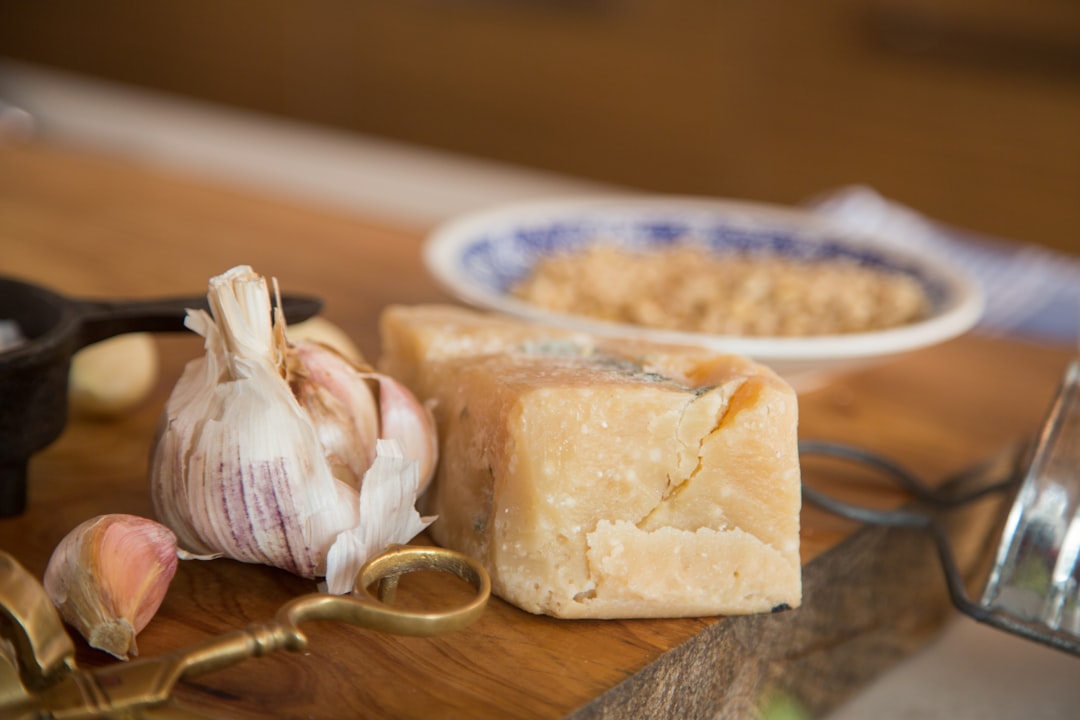
Romano, parmigiano — the hard cheeses — are where pasta water performs its most famous magic, and where mine originally failed. The trick is texture and timing. Cheese grated on the large holes lands in the pan in chunks that seize and clump the instant they hit heat. But cheese grated to a fine snow melts almost instantly into warm, starchy water and turns to velvet.
My Microplane grater earns its drawer space on pasta night alone — one pass over the wedge and you have a cloud. Timing-wise, pull the pan off the heat before the cheese goes in, then toss like you mean it; residual heat melts it gently while the emulsion holds. For a proper cacio e pepe, I always have a wedge of real Pecorino Romano in the cheese drawer — its salty bite is the whole personality of the dish.
When the Water Outlives the Noodles
Here’s the bonus nobody tells you about: leftover pasta water is a quietly brilliant thing to have around even after dinner is done. The starchy liquid gives bread dough and pizza dough a softer crumb and a more golden crust. It makes a better base for soup than plain water, carrying seasoning and body from the first minute. And it cools into a broth for reheating leftover noodles so they don’t dry out — splash some in a skillet with yesterday’s pasta and it resurrects beautifully.
When I have more than a mugful left, I pour it into silicone ice cube trays with lids and freeze it. A cube or two dropped into a simmering soup or a pan of reheating pasta behaves like instant sauce repair. My team keeps a labeled bag of these in the freezer at the test kitchen, and they disappear faster than almost anything else we store.

The Mug That Lives by My Stove
These days there’s a chipped blue mug that lives beside my range, exactly where my grandmother’s lived. Before anything hits the colander, the mug gets its scoop. It’s become as automatic as the other reflexes I rely on every single day — small, unplugged habits that quietly make everything I cook taste more like it came from somebody’s kitchen rather than somebody’s assembly line.
Twenty years of pouring gold down the drain, and the fix was a mug, a splash, and two minutes of attention at the end. Save the water. Salt it like the sea. Finish the pasta where the sauce lives. Do that, and I promise the next bowl you set in front of somebody will gleam like it came from a kitchen with a nonna in it — even if the nonna is just you, finally listening.

2 thoughts on “Cloudy, Salty, Worth Its Weight in Gold: My Pasta Water Confession”