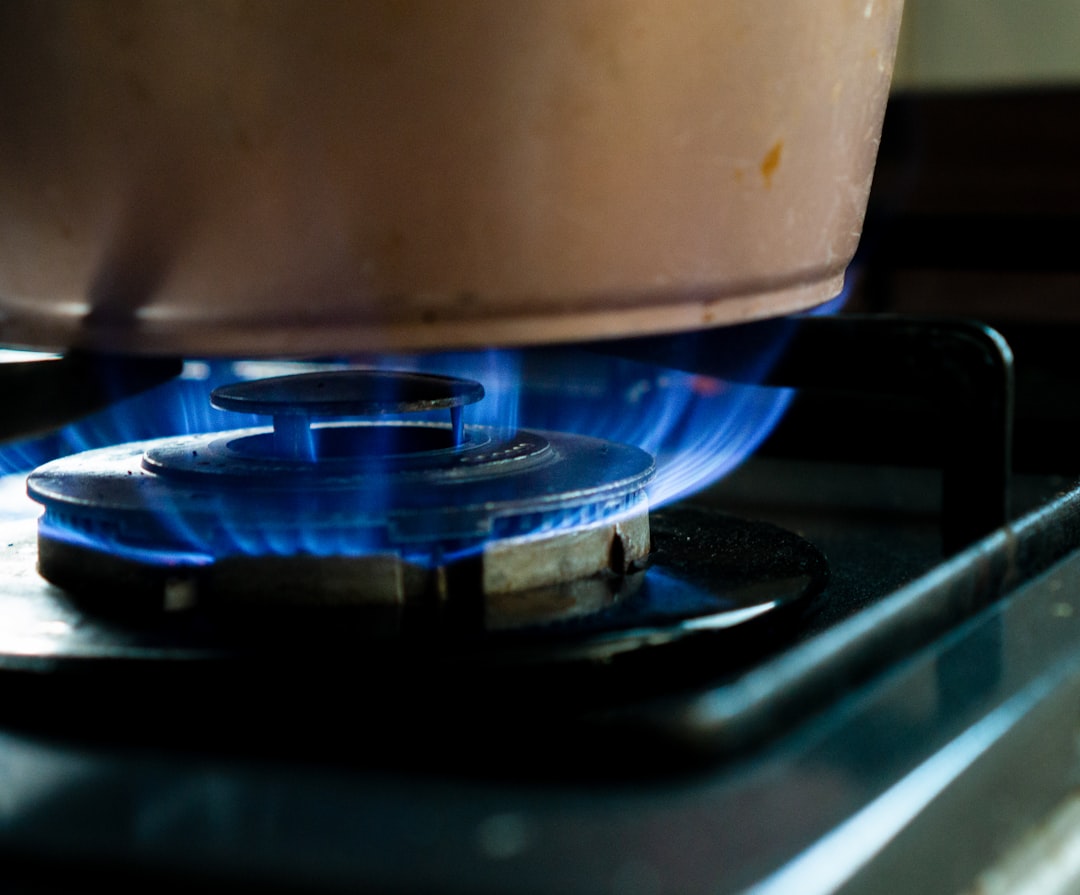
There is a specific Saturday every September — usually the second one — when I wake up, feel that first snap in the air, and know before my feet hit the floor what the afternoon holds. The big pot comes down off the top shelf. In my kitchen, soup season isn’t a date on the calendar; it’s an event, and it begins the moment that twelve-quart giant lands on the burner with a satisfying thud.
My grandmother’s stock pot was dented aluminum, older than my mother, and it never once let anybody leave her table hungry. I’ve spent twenty soup seasons chasing that kind of dependability in my own kitchen, and this year my team and I got systematic about it. We ran six stock pots through three weekends of chicken stock, chili, and tomato soup until the winners announced themselves. Here’s everything those weekends taught us — and exactly which pots I’d spend my own money on this fall.
Why the Biggest Pot in the House Earns Its Shelf Space
A stock pot is the quiet workhorse that most kitchens don’t realize they’re missing until the first cold snap. It’s the pot for broth that simmers all afternoon, for chili that has to feed the whole block on game day, for a double batch of Sunday sauce, for blanching tomatoes at the end of the garden’s last hurrah. Mine has even cooked corn for thirty people at a family reunion — a story my cousins still bring up, mostly because of the butter situation.
What makes a stock pot different from a soup pot or a Dutch oven is simple: height. Tall, straight sides mean liquid evaporates slowly, which is exactly what you want when you’re coaxing flavor out of bones and aromatics over hours instead of minutes. And when you’re boiling pasta for a crowd, a tall pot keeps the water at a rolling boil instead of sulking every time the noodles go in — and if you’ve read my confession about pasta water, you know I consider that starchy liquid liquid gold, not something to pour down the drain.
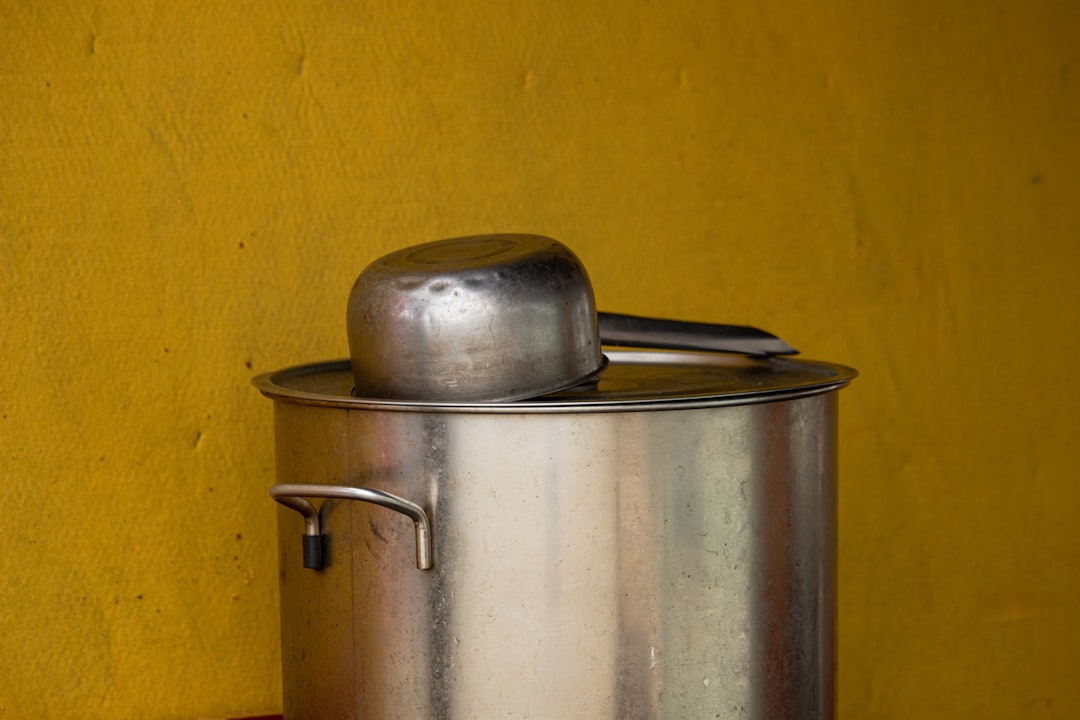
The beauty of a good stock pot is that it asks so little and gives so much. No fussy coatings, no delicate handling, no learning curve. You load it, you let it murmur on the back burner, and a few hours later your whole house smells like somebody loves you.
Start With the Quart Size, Not the Logo
Before you comparison-shop a single brand, get honest about volume, because the right size has almost nothing to do with your budget and everything to do with your life. An eight-quart pot handles everyday dinners, weekly stock, and pasta night for four to six people without breaking a sweat. Twelve quarts is the sweet spot for people like me — the batch cooks, the soup-bringers, the “while I’m at it” school of cooking. Sixteen to twenty quarts belongs to canners, corn boilers, and folks who host the entire extended family on a semi-regular basis.
My advice after twenty seasons: if you’re torn between two sizes, go bigger. The one thing my test kitchen hears more than any other regret is “I wish I’d bought the larger one.” Nobody has ever regretted having room to double a batch in October.
The Bottom of the Pot Is the Whole Story
Here’s where the marketing gets slippery, so let me save you the decode. Most affordable stock pots have an aluminum disc fused to a stainless base — that’s fine for liquids, because water does most of the heat-spreading work for you. Tri-ply and fully clad pots sandwich aluminum up the sides, which matters when you’re browning bones for deeply roasted stock or searing ground beef for chili before the tomatoes go in. If you cook on induction, double-check that whatever you buy has a magnetic base, because some older bargain pots simply won’t cooperate.
The other truth nobody puts on the box: heavier is not automatically better, but thin is always worse. A pot you can lift with one finger will scorch tomato soup and hot-spot your chili. You want walls that feel substantial when you rap them with a knuckle — the cookware equivalent of a firm handshake.
Two smaller details my crew logs on every test sheet: handles and lids. Look for riveted handles that stay cool and leave room for a folded kitchen towel, because a full twelve-quart pot is heavy in a way that concentrates the mind. And a tight-fitting lid is not a luxury — every degree of simmer you can hold with the lid on is moisture and flavor you keep instead of replace. Glass lids are lovely for spying on your stock without lifting the cover and dropping the temperature; I’ve come to love the little window more than I expected to.
What Our September Cook-Off Taught Us
Three weekends, six pots, one very patient crew taking notes while I narrated like a football announcer. We made chicken stock from the same rotisserie carcasses, chili browned in-pot, and a tomato soup deliberately chosen because it bullies cheap pots into revealing their hot spots. Here’s how the field shook out.
The Heirloom Tier: All-Clad D3 and Made In
If you want the pot your grandchildren will fight over, the All-Clad D3 eight-quart is the one my team kept gravitating back to — fully clad, made in the USA, with the kind of balance that makes twelve pounds of stock feel manageable. It browns evenly, cleans up without drama, and will outlive every trend in your kitchen. The closer competitor was Made In’s five-ply eight-quart, which ran a hair hotter on our stovetop and costs a little less. My sister has owned hers for four years and has started referring to it by name, which tells you everything.
The Middle Children: Tramontina and Cuisinart
The sleeper of the whole test was Tramontina’s tri-ply eight-quart, which performs within a whisker of the All-Clad for roughly half the price. If cladding matters to you but the heirloom-tier price doesn’t, this is where I’d point you first. In the same spirit, Cuisinart’s MultiClad Pro twelve-quart gives you fully-clad walls in a big-batch size for less than most premium eight-quarts. It’s the pot I recommend to every new soup-bringer in my life.
The Budget Heroes: T-fal, Amazon Basics, and Cook N Home
Now the part that surprised even me. The least expensive pots in our lineup refused to embarrass themselves. T-fal’s twelve-quart stainless pot cooked stock beautifully — the disk bottom handled liquids like a champ — and costs less than a nice dinner out. Amazon Basics’ clad twelve-quart proved sturdy, induction-friendly, and shockingly capable at browning. And the Cook N Home twelve-quart, the cheapest of them all, has been quietly earning its keep in my test kitchen for two years of garden-season canning. If your stock pot budget is under fifty dollars, know that your October will still smell incredible.
Three Small Tools That Punch Above Their Weight
A great pot deserves two or three sidekicks, and none of them will break the bank. First, a ladle that pours cleanly — OXO’s stainless ladle with a built-in pour spout ended the era of dripping soup trails across my counter, and its angled head scrapes the bottom of the pot flat. Second, a fat separator. OXO’s four-cup version with its strainer lid turns greasy stock into velvet broth in one pour — the single biggest upgrade your soup will ever get for sixteen dollars.
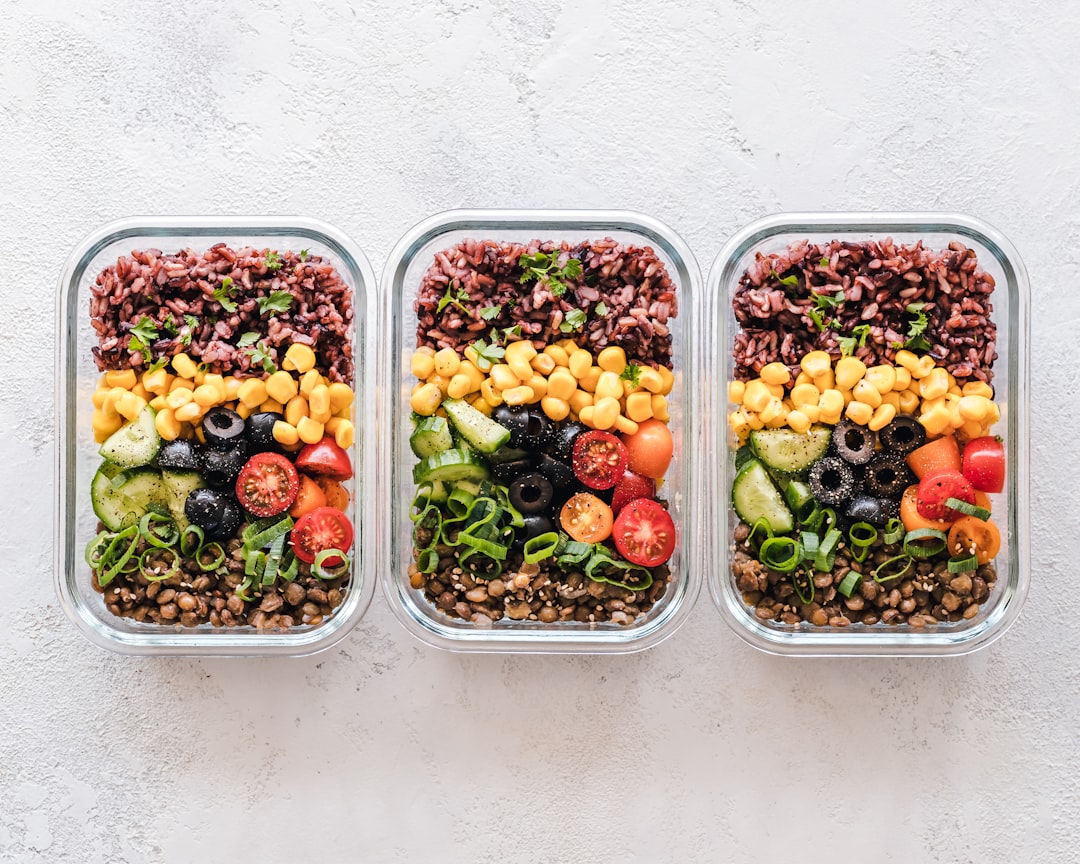
Third: what you store it all in. After years of freezing soup in mismatched containers with missing lids, I finally consolidated to a glass Brilliance set that goes freezer to oven, and my freezer shelf has never looked more composed. Wide, shallow containers freeze soup faster and thaw in half the time of deep ones — a detail my Sunday-self is grateful for every Wednesday.
The Sunday System That Makes the Whole Season Run
Here’s the rhythm the big pot makes possible. One Sunday afternoon, one giant batch, one hour of active work. While the stock simmers, the crew and I chop and chat; by evening, the pot has yielded tonight’s dinner plus eight or ten containers of future dinners, labeled and frozen flat. Pair the pot with the batch-cooking rhythm I described in my freezer-door ritual, and the question “what’s for dinner” stops being a nightly negotiation.
The math is genuinely lovely: a twelve-quart pot of chicken and vegetable soup costs about the same as two delivery dinners and feeds my family for a week and a half. Add a loaf of good bread and even the skeptics at your table go quiet. And the variations are endless — white bean and ham one week, roasted tomato the next, minestrone when the garden is still handing you zucchini you don’t know what to do with. The pot doesn’t care. It just keeps showing up, steady as a church bell.
Knowing When the Big Pot Stays on the Shelf
Full honesty from someone who writes about kitchen gear for a living: you don’t always need the giant. Weeknight chili for three? That’s braise territory, and my Dutch oven guide covers the smaller pots that do that job beautifully. Days when you want dinner to happen while you’re at work are slow cooker days, and after testing five of them, I have strong opinions about which features actually matter. The stock pot earns its shelf not by doing everything, but by doing the big, slow, generous things better than anything else.
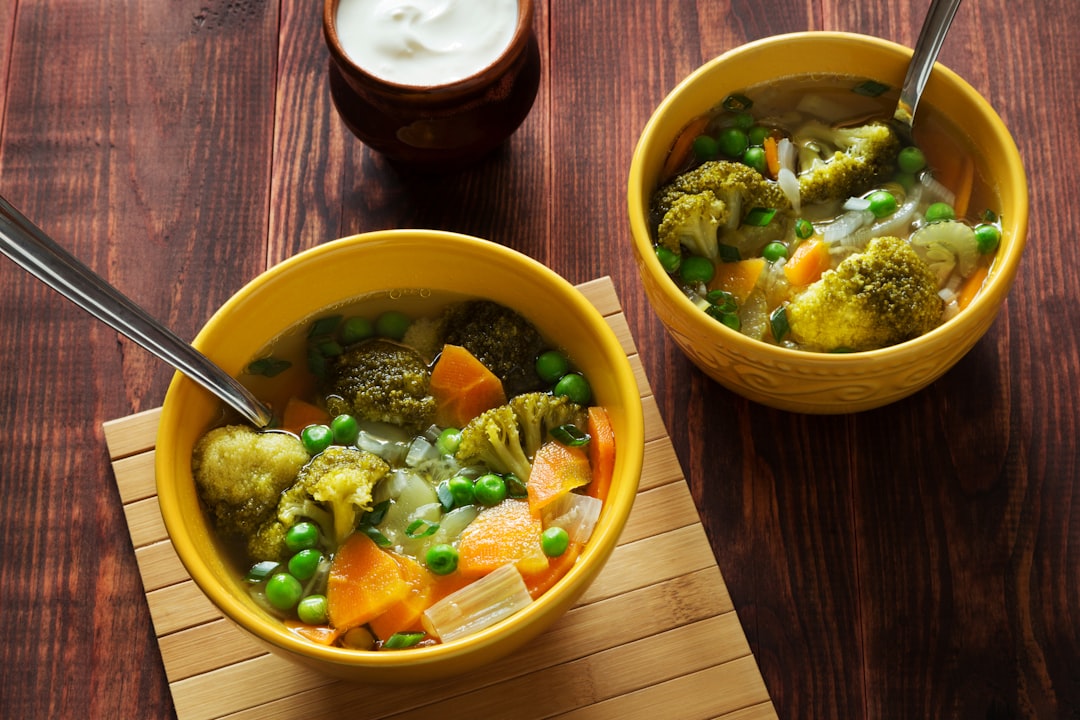
So this weekend, I’ll be pulling the big pot down, roasting a chicken, and setting the carcass to work with a carrot, an onion, and a bay leaf. Twenty Septembers in, it still feels like the true start of the year. If your top shelf has been holding a dented old giant — or an empty spot where one belongs — consider this your official permission slip. Soup season waits for no one, and neither should you.
One thought on “Down Comes the Big Pot: The Stock Pot Guide Twenty Soup Seasons Wrote for Me”