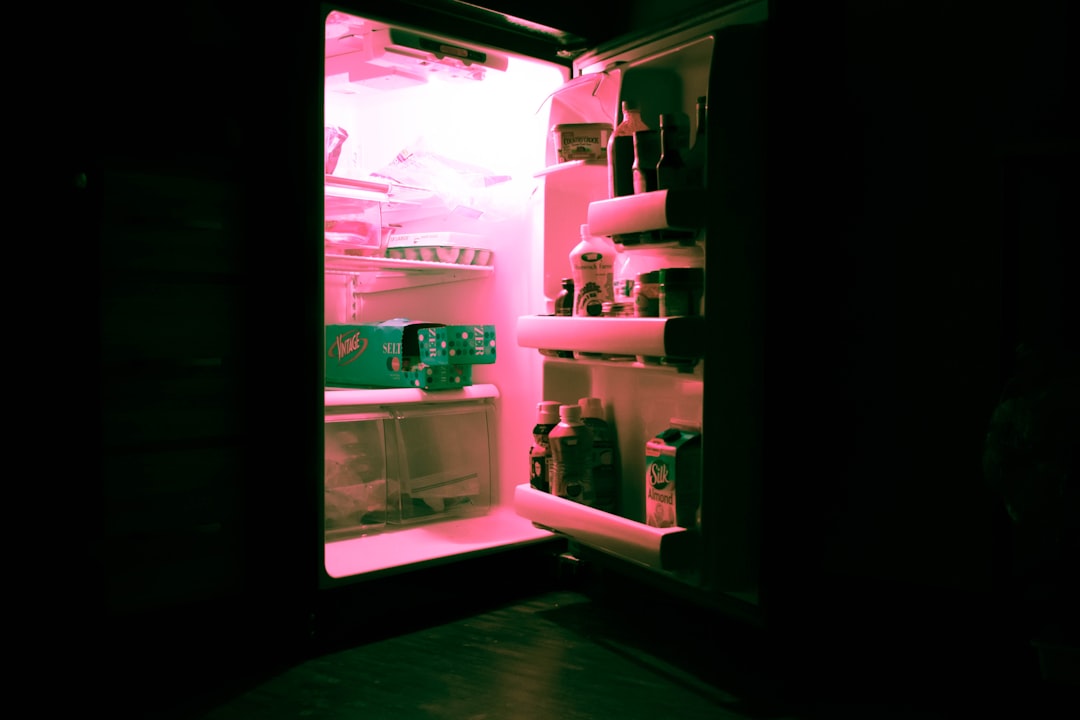
Freezer meal prep is the single habit that carries my kitchen through every school year, and the last Saturday of August is when I build that reserve. This weekend, while everyone else is squeezing the final drops out of summer, my test kitchen crew and I will put roughly thirty dinners behind the freezer door — chili, marinara, shredded pork, lasagna, stock — so that when September starts swallowing our evenings, dinner is already solved. I’ve run this ritual for twenty years now, in five different kitchens, and I’ve boiled it down to a system any household can copy in a single weekend.
It started out of desperation, like most of my systems do. The year my twins started kindergarten, I spent exactly eleven evenings in a row staring into the refrigerator at 5:45 p.m. like it owed me money. My husband took over on Thursdays, which meant boxed mac and cheese. Nobody was thriving. Then my grandmother — who raised four kids on a farm with no freezer bigger than a breadbox — said the thing I’ve never forgotten: “You’re deciding too late. Decide once, in August, and then just reheat your good decisions all winter.”
She was right, as usual. Here’s the system, refined over two decades of testing containers, methods, and inventory tricks in my own kitchen.
Why the Freezer Is the Most Underrated Square Footage in Your House
Most of us treat the freezer like a hallway closet — a place where food goes to be forgotten. My team and I did the math one September: the average family freezer holds enough shelf area to store 40 to 50 meal portions, yet most households use maybe a quarter of it efficiently, with the rest lost to mystery foil parcels and frost-bitten bags of peas from two administrations ago.
The math changes everything. If you cook two extra portions each weekend from Labor Day through Thanksgiving — just two — you bank twenty-plus dinners before the holiday chaos arrives. Those aren’t aspirational freezer meals that require a full Saturday you don’t have. They’re the spaghetti sauce you were already making, doubled on purpose.
The vacuum sealer crowd will tell you sealing is everything, and for long-term meat storage they’re mostly right — I wrote a whole piece about the freezer-burn epiphany that changed how I store everything after my July chest-freezer archaeology dig. But for meals you’ll eat within three months, you don’t need heavy machinery. You need the right containers and a system for knowing what’s there. That’s the part nobody teaches.
What Earns a Spot Behind the Door
Not everything freezes gracefully, and pretending otherwise is how people end up disappointed and quit by October. The champions of the freezer world are sauces, soups, chilis, braises, taco fillings, cooked grains, shredded cheeses, and stocks. Marinara might actually improve after two weeks in the deep cold — the flavors marry in a way the stovetop never manages.
The caution list is shorter than you’d think. Plain potatoes go grainy in soups, so I add them at reheating. Cooked pasta softens past rescue unless you undercook it by two minutes. Lettuce, cucumbers, and watermelon were never candidates. And delicate dairy sauces can break, though a vigorous whisk over low heat usually brings them home.
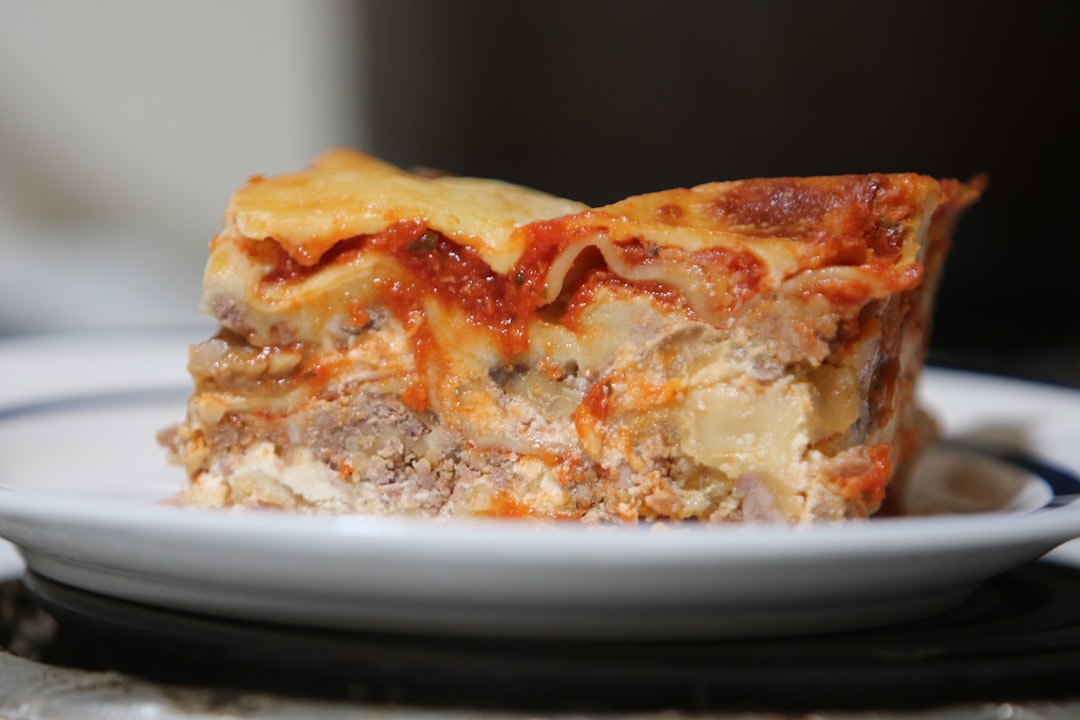
Lasagna is my annual exception to every efficiency rule. Yes, it’s a production. Yes, it hogs a whole afternoon. But portioned cold into individual slices and wrapped tight, it reheats into the exact kind of dinner that makes a Tuesday feel survivable — and a pan made in August is a gift you mail to your future self in November. I make four pans every year and have never once regretted it.
Freeze It Flat, Stack It Like Library Books
If you learn one technique from this whole piece, make it this one. Liquids — chili, soup, stock, sauce — go into a gallon bag, get sealed with an inch of air space, then lay flat on a sheet pan until frozen solid. What you’re left with are thin, rigid sheets that stand on edge like file folders. My freezer shelf currently holds nineteen flat packs of last winter’s turkey stock in the space most people waste on two bulky containers.
For portion control, nothing I’ve tested beats silicone freezing trays — press in the chili, freeze, pop out a brick, bag the bricks. The one-cup silicone molds my crew has used for six years straight are still the gold standard; the portions thaw fast, stack neat, and translate directly into lunch portions. If you’re outfitting a new kitchen or sending a wedding gift, the multi-size gift set covers every portion from a single serving of stock to a full meal and has become my default gift for young families.
Between trays and flat packs, one habit matters more than any product: label everything with the contents and the date, using a real permanent marker, on the actual bag. The grease pencil wears off. The “I’ll remember what this is” note to self is a lie we’ve all told. My assistant keeps a roll of masking tape and a marker in a drawer bolted to the freezer itself, because a labeling system that requires walking across the kitchen is a system that stops happening by week three.
The Sunday That Funds the Whole Winter
Every August, I pick one Sunday and the family cooks from morning until mid-afternoon. We’re not making thirty different dishes — that’s the amateur move. We make five things, in giant volume, on a rotation plan: one sauce, one chili, one soup, one braised meat, one breakfast baked good. The slow cookers run two at a time on the counter. If you missed my piece on the five slow cookers I put through a month of Sundays this summer, the short version is that a programmable model with a searing function turns a $12 pork shoulder into eight dinner portions while you’re at the farmers market.
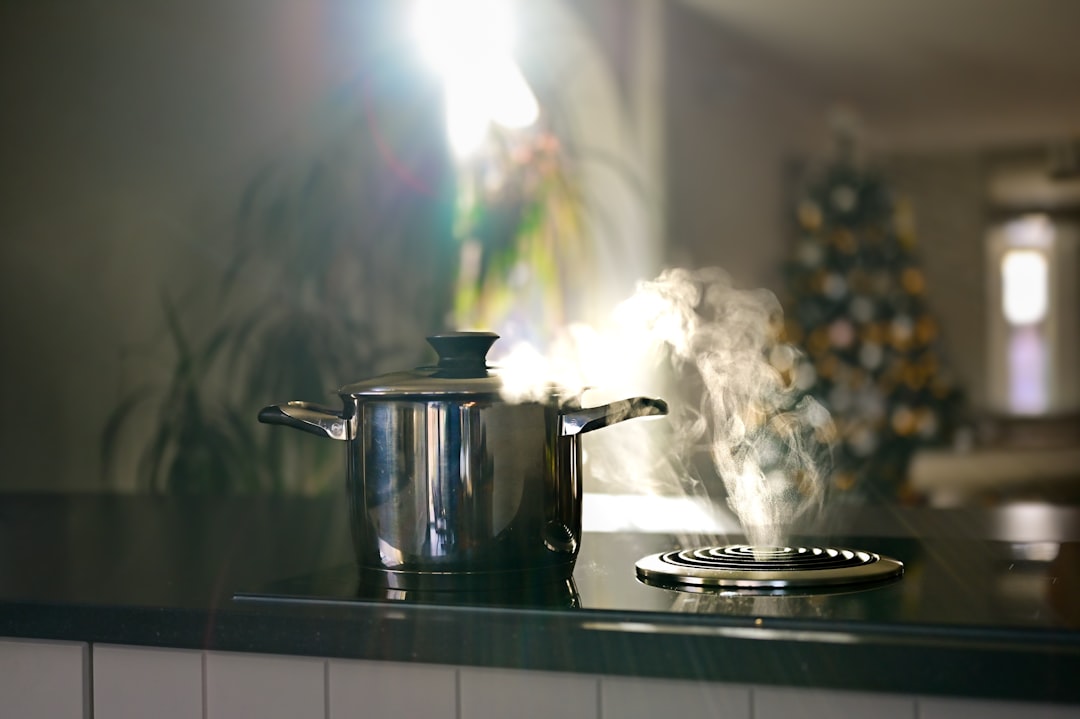
For the storage side of that Sunday, I’ve settled on a two-container system after years of testing. Flat-frozen liquids live in reusable gallon freezer bags that go through the dishwasher and survive fifty-plus cycles, which drops the per-use cost to almost nothing and keeps single-use plastic out of the equation. Solids and anything going into the fridge for the week’s eating go into stand-up silicone bags that seal like a charm and don’t stain. Between the two, I own exactly one drawer of food storage for the first time in my adult life, a situation I documented when I rebuilt my pantry from the studs out last month.
The Door Is a Ledger: How I Track What’s Behind It
A stocked freezer with no inventory system is just a very cold junk drawer. The fix costs about four dollars. On the outside of the door — this is the whole trick, the outside — hangs a magnetic notepad with a running list of what’s inside. When my husband pulls the chili, he crosses off the chili. When I add two packs of sauce, I write them down. Twenty years in, this remains the single highest-leverage four dollars in my entire kitchen, and the two-pack of magnetic grocery pads I buy every year covers the freezer door and the pantry door both.
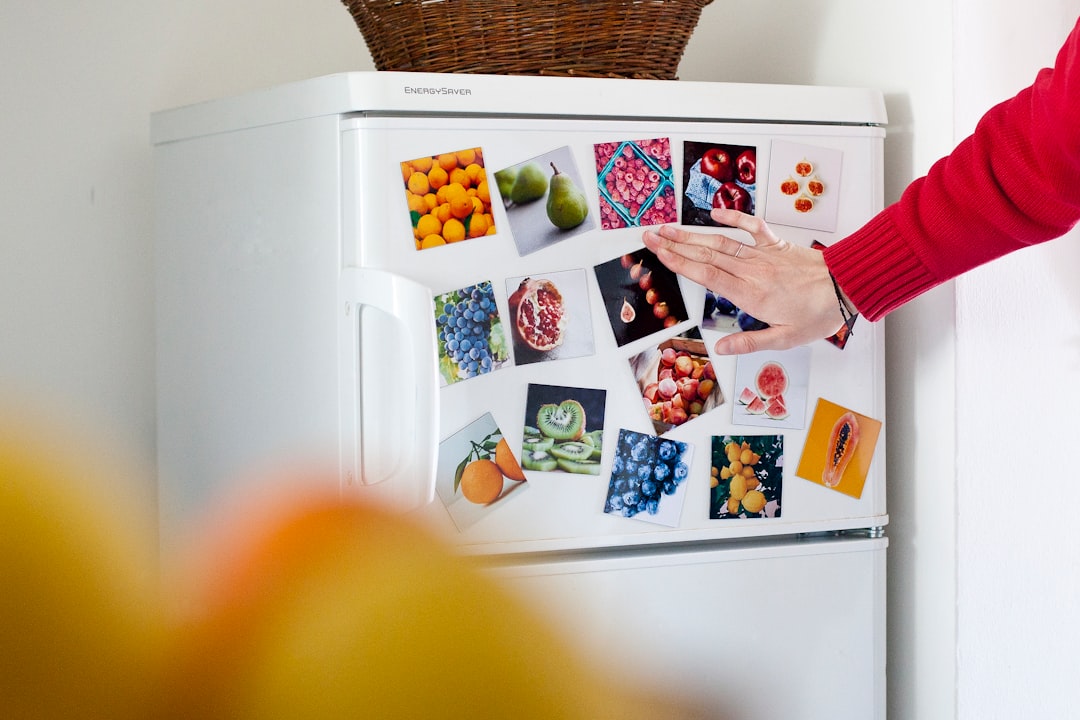
The ledger does one more job that’s less obvious: it builds the grocery list automatically. When the chili line gets crossed off, chili ingredients go on the running list below it. My grandmother tracked her root cellar the same way in a spiral notebook, and while she’d have laughed at the phrase “inventory management,” she’d have recognized the system instantly.
From Freezer to Lunchbox in Ninety Seconds
Once school starts, the freezer works mornings too. A frozen portion of soup or chili, microwaved straight from the brick into a good insulated jar, holds safe, steaming-hot temperature until lunch — which means thermos lunches cost about ninety seconds of morning effort and roughly a dollar a serving, and they beat anything the cafeteria is serving.
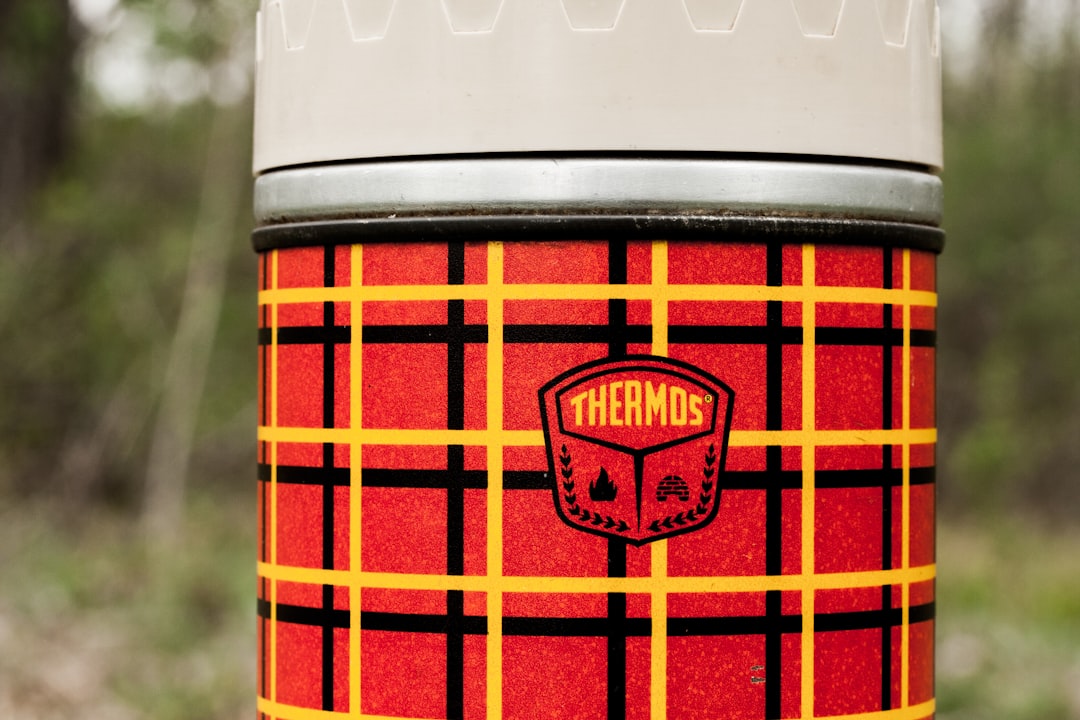
The jar matters more than the food, honestly. After testing a drawer full of them, the classic 10-ounce kids’ food jar with the folding spoon remains the one that comes home still warm at 3 p.m., and it has survived three years of being dropped, kicked, and once launched off a playground structure. For adult portions — my husband takes soup to the shop every single day from October through March — a wide-mouth 10-ounce thermal jar with a full-size spoon is the one that stays leakproof in a toolbox. I laid out the rest of our lunch-packing system in the lunch drawer reset I did for back-to-school, and it pairs with the freezer reserve beautifully.
Bins, Zones, and the One-Shelf Rule
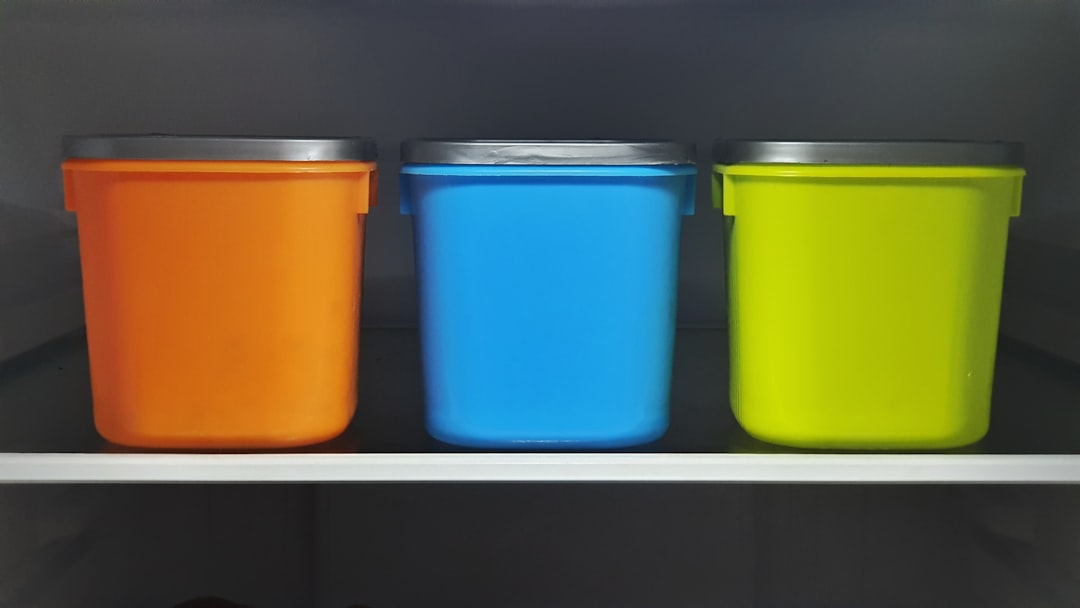
The last piece is physical: the freezer needs zones, or the whole operation decays into the junk drawer by Halloween. Mine runs on shallow bins that act like drawers on the shelves — proteins in one, soups and chilis in another, breakfast items in a third, fruit and dessert in the fourth. The stackable freezer bins I use in the chest freezer keep flat packs upright and let me lift out an entire category at once instead of excavating. In the kitchen freezer, where my family grazes daily, a six-pack of clear handled bins means my daughter can find the waffles without a full cabinet reorganization, and I can see the inventory at a glance.
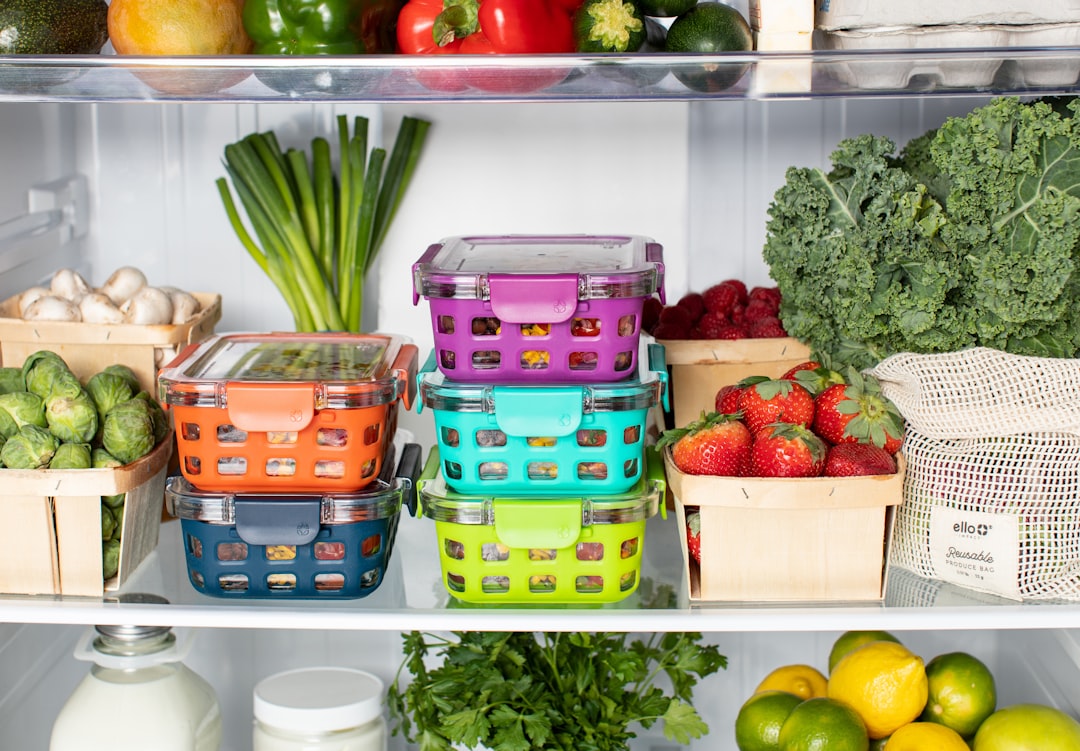
The one-shelf rule is the maintenance ritual that keeps it all alive: at the start of each month, one shelf gets used up completely before anything new gets frozen. No new chili enters until the old chili exits. It prevents the deep strata of forgotten food that leads to waste, and it builds natural variety into your dinners because you’re eating from a different shelf each week.
A Gentle Begin-Anywhere Version
If a full August weekend feels out of reach — new baby, new job, new kitchen, no judgment — here is the smallest version that still works. This week, double one dinner you’re already making. Freeze half of it flat, labeled, dated. Put the magnetic pad on the door tonight. That’s it. That’s the whole assignment.
Do that every week and by Thanksgiving you’ll have a dozen dinners banked without ever having staged a marathon cooking day. The system doesn’t require my grandmother’s farm kitchen or my test kitchen crew or even a chest freezer. It just requires deciding once, before the season gets loud, and letting your freezer hold your good decisions until you need them. September is coming either way. This year, dinner’s already handled.
4 thoughts on “Thirty Dinners Behind the Freezer Door: My Last-Saturday-of-August Ritual”