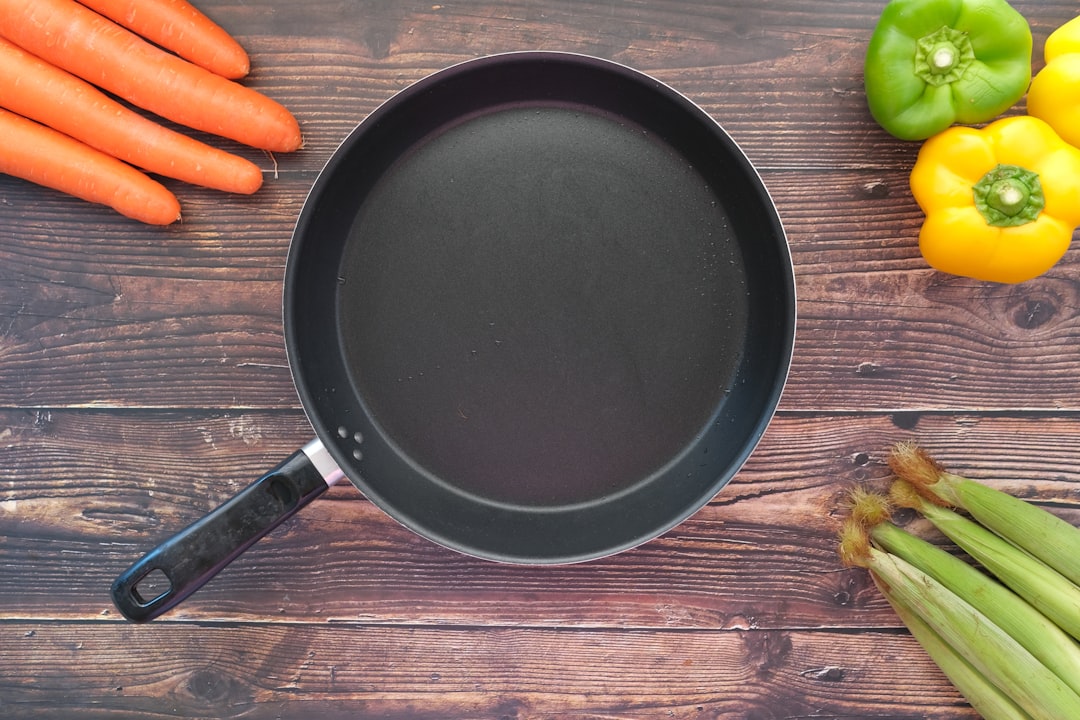
The third nonstick skillet in twelve years went into the recycling bin on a Tuesday, its coating flaking like old nail polish, and I stood there in my kitchen holding the receipt from eighteen months earlier like it was evidence in a crime scene. That was the morning I finally listened to the quiet advice restaurant kitchens had been giving the world for a century and ordered my first carbon steel skillet. It arrived silver and suspicious, weighed nothing like the cast iron I grew up with, and came with exactly zero promises about eggs. Six weeks later, it is the pan I reach for before anything else in the cabinet, and I want to walk you through how it earned that spot — sticky eggs, mistakes, and all.
What Carbon Steel Actually Is (And Why It Isn’t Cast Iron)
Carbon steel is 99 percent iron and 1 percent carbon, pressed or spun from flat sheets of steel instead of poured molten into molds the way cast iron is. That single manufacturing difference changes everything about how the pan behaves in your hands. My 11-inch carbon steel weighs about three and a half pounds; the cast iron skillet of the same size it lives next to weighs over five and swings around like it has opinions.
The lighter body also means the pan responds to the knob. Turn the heat down and the pan actually cools — within seconds, not minutes. Anyone who has watched a delicate fish fillet keep cooking after the burner was off understands why that matters. And because the cooking surface is bare metal seasoned with polymerized oil rather than a factory-applied coating, there is nothing to peel, bubble, or shed into your scrambled eggs. The nonstick surface is something you build, one breakfast at a time, and it gets better for years instead of worse.
It also happens to be magnetic, which made it a natural companion when I moved half my cooking to the induction burner I wrote about in my piece on induction cooking. Carbon steel and induction are genuinely fond of each other — instant responsiveness meeting instant responsiveness.
Week One Was a Humbling Education
Nobody warned me, so I will warn you: the first eggs you cook in a new carbon steel pan will stick. Mine glued themselves to the floor of the pan with a commitment I almost admired, and my test-kitchen crew still brings it up whenever eggs are on the menu. This is normal. The pan arrives with either a factory beeswax coating (the French way) or a light pre-seasoning, and neither is the finished surface you’re imagining. That surface is a few weeks of cooking away.
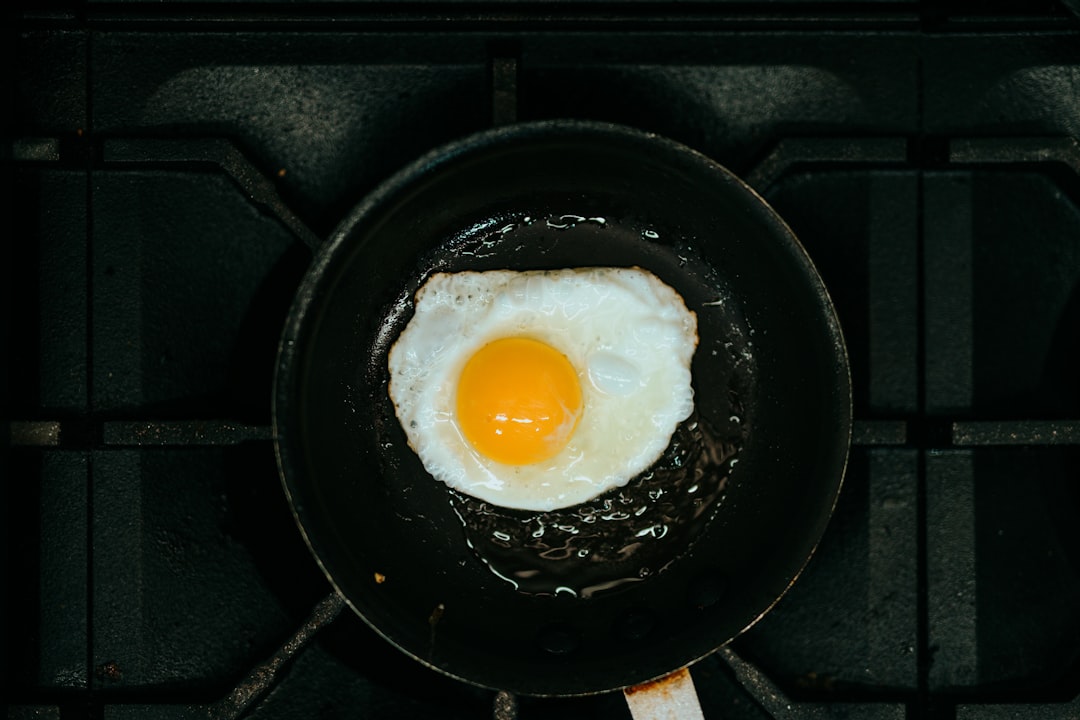
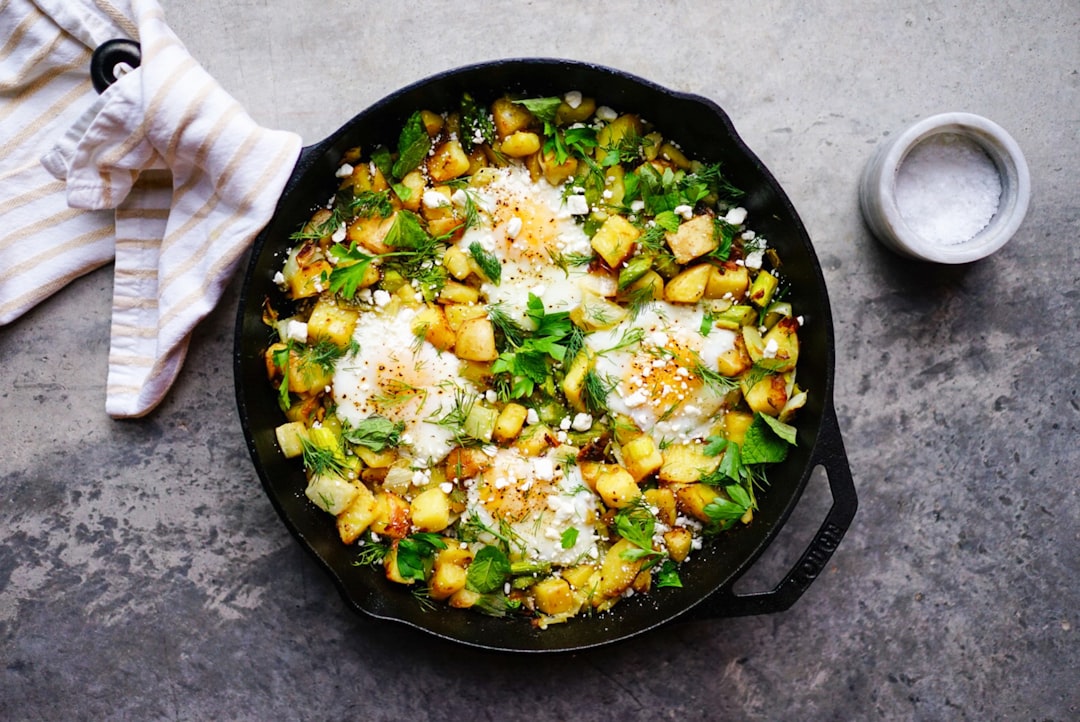
The break-in ritual I settled on after some trial and error: wash the pan hot and soapy once to strip any factory film, dry it on a burner for a minute, then rub in the thinnest possible coat of high-smoke-point oil — grapeseed is my standard — and let it smoke gently for a few minutes. Wipe it nearly dry and repeat two or three times. Then you cook. A lot. Potato hashes, bacon, roasted potatoes, more bacon. Every fatty, starchy, forgiving thing you make lays down another whisper-thin layer of seasoning.
There is an old French trick of simmering potato peels in the new pan for fifteen minutes to pull off the protective coating, and yes, it works, and yes, I felt enormously official doing it. But honestly? Bacon did more for my seasoning in one Sunday than the peels did. The pans just want to be used.
The turning point, for me, was somewhere around day ten. The eggs stopped fighting. Then one morning in week three they slid — actually slid — onto the plate with nothing but a thin spatula and a little confidence. I called my sister to tell her about an egg. That is the kind of person this pan turns you into.
The Pans Worth Your Counter Space
After months of cooking on several and comparing notes with my crew, here is the honest hierarchy as I see it for home kitchens.
The Matfer Bourgeat 11 5/8-inch carbon steel frying pan is the restaurant workhorse, full stop. Welded handle, no rivets to scrub around, tall-enough walls to go from searing to shallow frying, and a price that undercuts pans with far less pedigree. If you want one pan and no drama, this is the one I hand people.
The purist route runs through the de Buyer Mineral B 12.5-inch fry pan, which arrives wearing its beeswax armor and darkens into the most beautiful patina of the bunch. It needs a little more patience up front, but it rewards you like nothing else at this price. My notes on it read, in part, “looks like something my great-aunts would have smuggled across an ocean.”
If your budget stretches, the Mauviel M’Steel 11-inch frying pan is the heritage pick from a French copper house that has been making cookware since the 1830s. It heats fast, sits beautifully balanced in the hand, and takes a seasoning like it was born for it. Multiple testing kitchens keep crowning it, and I understand why.
For everyone who read “six weeks of seasoning” above and felt their enthusiasm dim, there is a shortcut lane. The Made In two-piece seasoned carbon steel set (10- and 12-inch) ships with a head start already baked in, so the sticking phase shrinks from weeks to days. The Merten & Storck 12-inch pre-seasoned skillet takes the same approach in a single pan with gently flared walls that make it a whiz with a spatula. And the little Lodge 8-inch carbon steel skillet — pre-seasoned, under the price of a pizza — is the one I keep as a dedicated egg pan for the mornings when the big pan is dirty.
One sizing note from experience: most home cooks are best served by 10 to 12 inches. My 11-inch gets daily use; the 14-inch monster comes out exactly twice a year and mostly serves as a conversation piece.
What Comes Out of Mine Now
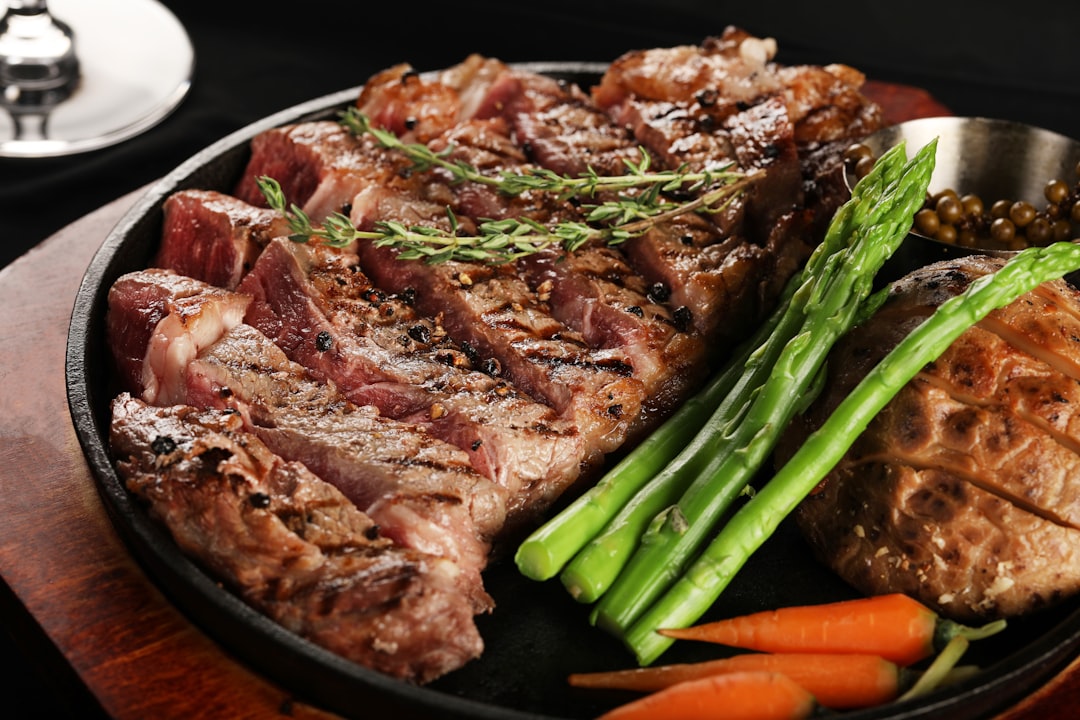
Steak was the first meal that made me a believer. A carbon steel pan left screaming hot for three minutes will build a crust on a ribeye that a nonstick pan physically cannot — nonstick coatings break down above medium-high heat, which is a secret the box never shouts. Sear two minutes a side, slide the whole pan into a 400-degree oven, and pull it out looking like a steakhouse did you a favor.
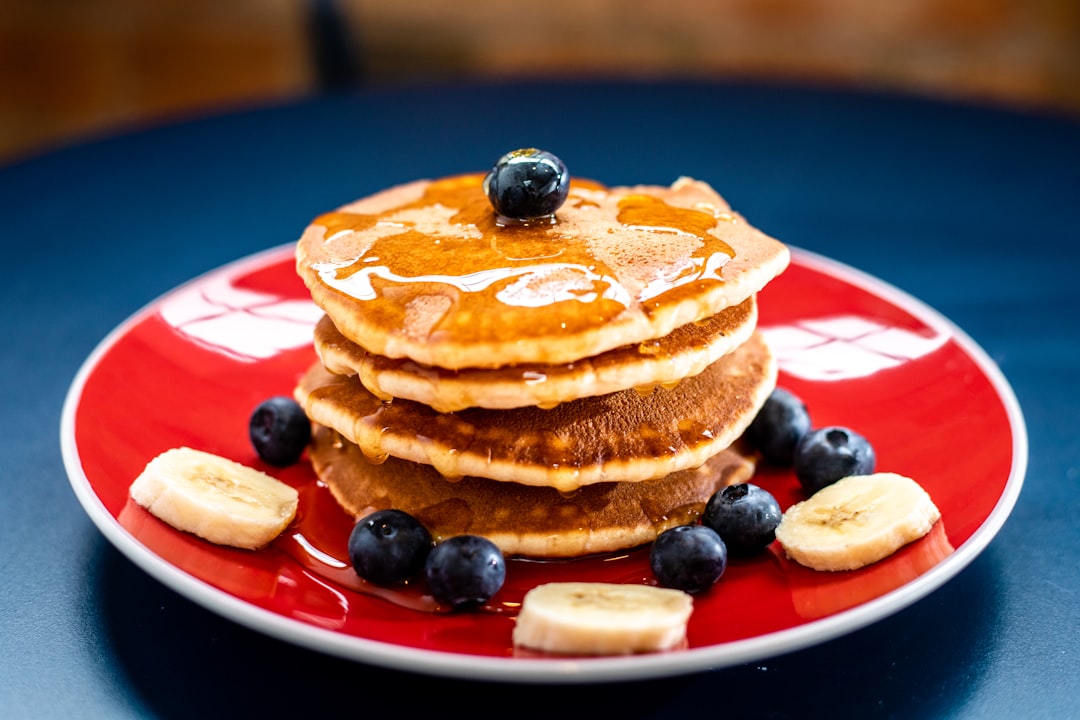
Weekend breakfast is where the seasoned surface earns its keep — griddle cakes, hash-browned potatoes, bacon, all back to back in the same pan with nothing more than a quick wipe between rounds.
And once the surface matures, thin things become a joy. I keep a dedicated Matfer Bourgeat carbon steel crepe pan for weekend crepes and quick tortillas — the low walls and flat floor turn out paper-thin rounds that release like magic once the seasoning settles in. For stir-fry nights, a traditional hand-hammered carbon steel wok is the same story with higher walls: bare steel, built-in seasoning that deepens with every dinner.
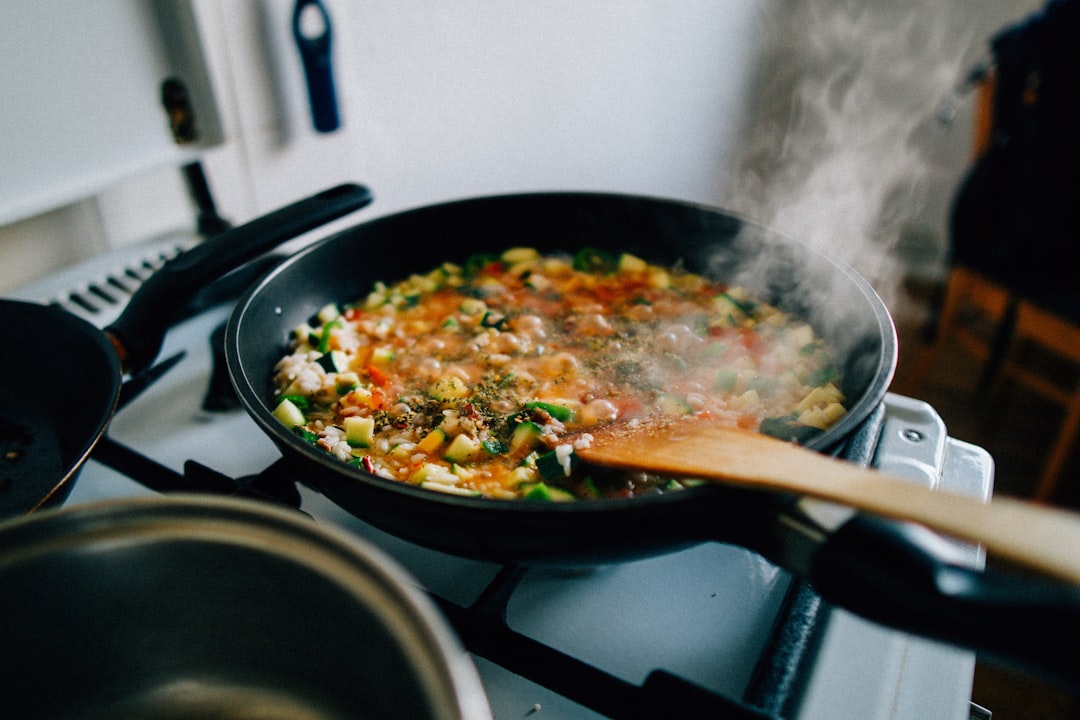
Two honest limits. Long-simmered tomato sauce still doesn’t belong in a young carbon steel pan — acid strips seasoning, and the metal can add a metallic edge to a long braise. Sunday marinara goes to the big stock pot, the one I wrote about in my stock pot guide for soup season. And when pasta night needs a slick, starchy finish, I borrow the trick from my pasta water confession and finish the noodles in a skillet instead of the pot.
The Ninety-Second Care Routine
The care ritual sounds intimidating until you’ve done it twice. While the pan is still warm: hot water, a stiff brush or a chainmail scrubber for anything stubborn (it will not hurt the seasoning — the seasoning is harder than the scrubber’s patience), then back on a warm burner for thirty seconds to dry completely. A half-teaspoon of oil wiped around the interior with a paper towel, and done. Ninety seconds, and the pan goes back to its hook happier than it left.
A drop of dish soap on a truly greasy day will not end civilization; the old “no soap ever” rule dates from when soaps contained lye. Modern dish soap is gentle enough that a quick pass is fine. What will end the seasoning: the dishwasher, leaving the pan wet in the sink overnight, or plunging a screaming-hot pan into cold water. If the seasoning ever gets patchy or something goes truly wrong, a thin coat of a seasoning conditioner made for cast iron and carbon steel and ten minutes in a warm oven sets everything right again.
Who Should Honestly Skip It
I love this pan enough to tell you when it isn’t for you. If you want cookware that asks nothing of you — no wiping, no drying, no earning — stay with your nonstick or the click-apart sets I covered in my summer with modular cookware. If your cooking life is long acidic braises and wine sauces, a good stainless clad pan will serve you better than carbon steel ever will. And if you have a vacation rental or a shared kitchen where pans get abused by strangers, buy cheap nonstick and save your heart.
For everyone else — the daily cooks, the weekend searers, the people who want one pan that outlives the appliance trends — carbon steel is the last skillet I expect to buy. Twelve years of nonstick purchases bought me, what, four pans that all ended in the bin? This one just gets blacker, slicker, and more mine.
Last Sunday I fried an egg, tipped the pan, and watched it glide to the edge like it was on a skating rink. No spray, no prayer, no spatula held like a crowbar. Six weeks of sticking for years of that? I’d earn it again tomorrow. If you’re standing at the crossroads I stood at — holding a peeling pan and a receipt — take the black pan that comes with no promises. It keeps every one you build yourself.
One thought on “The Pan That Made Me Earn It: Falling for Carbon Steel One Sticky Egg at a Time”