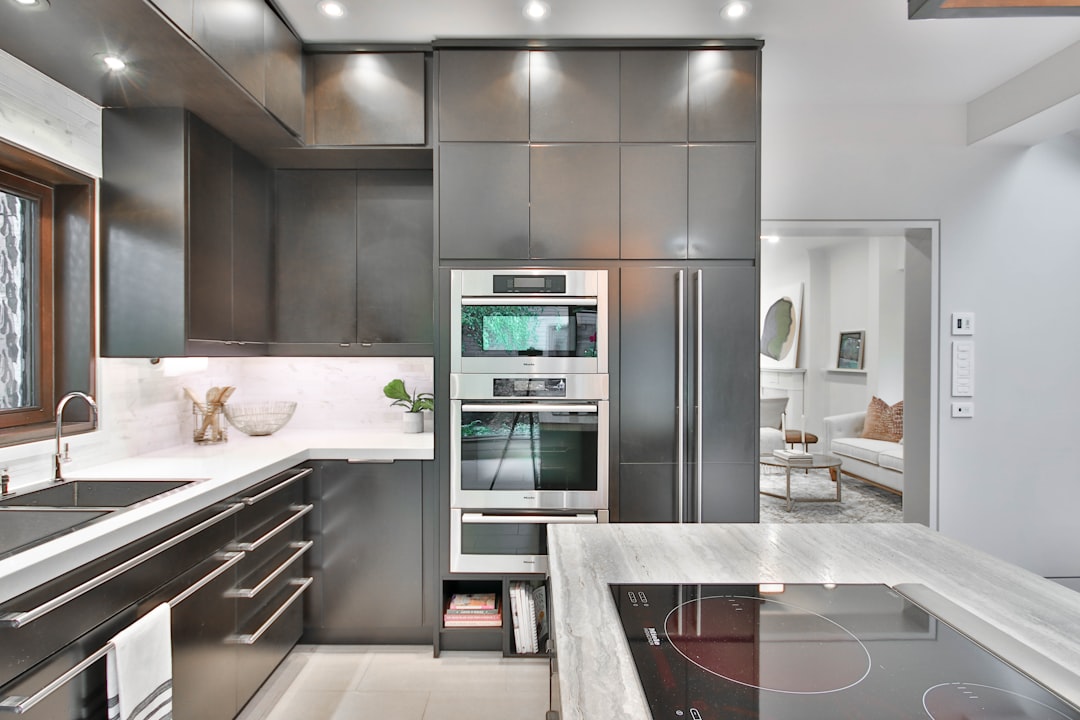
My grandmother would have called it witchcraft. A flat glass surface that stays cool to the touch while the pan on top of it sizzles at 400 degrees? She’d have crossed herself and reached for the cast iron she’d been using since 1952. But last month, when my gas stove’s igniter clicked for the third time in a week without lighting, I finally did what I’d been threatening to do since January. I unplugged it, slid a portable induction cooktop into its place, and didn’t look back.
What happened next surprised me more than any kitchen upgrade I’ve made in the last fifteen years, and I’ve tested more appliances than I care to admit. The induction revolution isn’t coming. It’s here, sitting on my countertop, boiling water faster than my old gas burner ever dreamed.
Why Half of My Friends Are Suddenly Talking About Induction
If you’ve noticed induction cooktops popping up in kitchen tours, renovation blogs, and your neighbor’s newly renovated galley kitchen, it’s not a coincidence. The shift away from gas has been building for years, but 2026 is the year it crossed from “early adopter curiosity” into mainstream kitchen reality. Several states and cities have begun restricting new gas hookups in residential construction, which means home builders and renovators are defaulting to electric. And when the electric choice is between old-school radiant coils and induction, it’s not really a choice at all.
But policy is only part of the story. The real driver is that the technology has gotten genuinely good. The portable induction burners available today — units that cost less than a single Le Creuset Dutch oven — deliver precision that would have required professional-grade equipment a decade ago. I’ve been cooking on a Duxtop portable induction cooktop for a month, and it has fundamentally changed how I think about weeknight cooking.
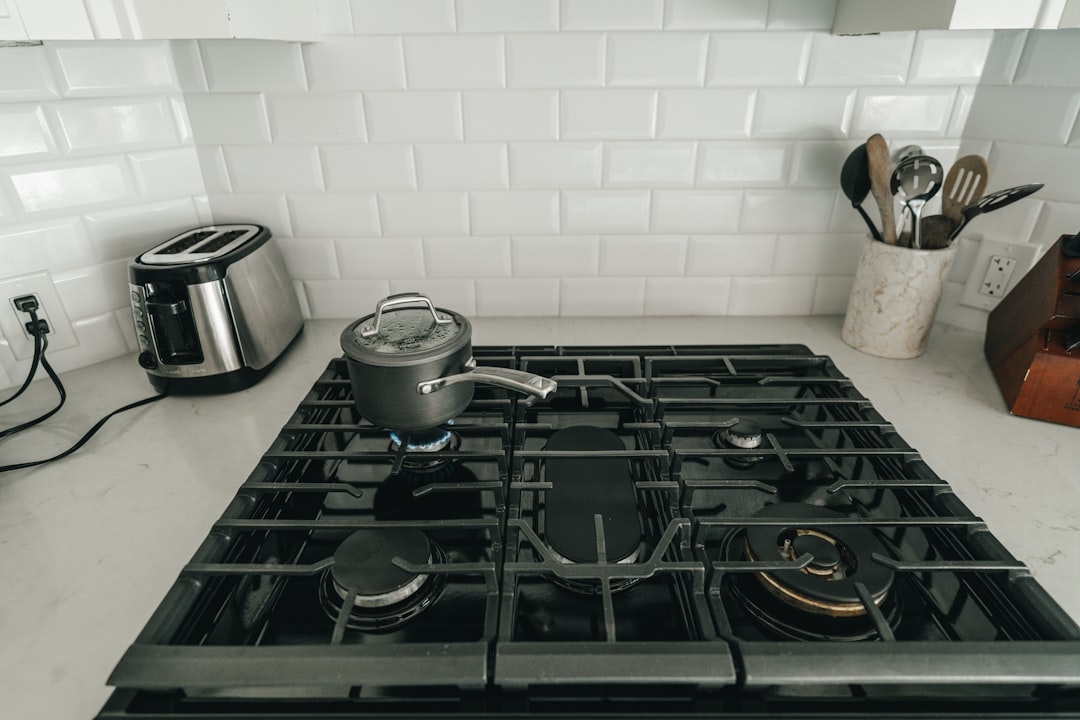
The Two-Second Explanation of How Induction Actually Works
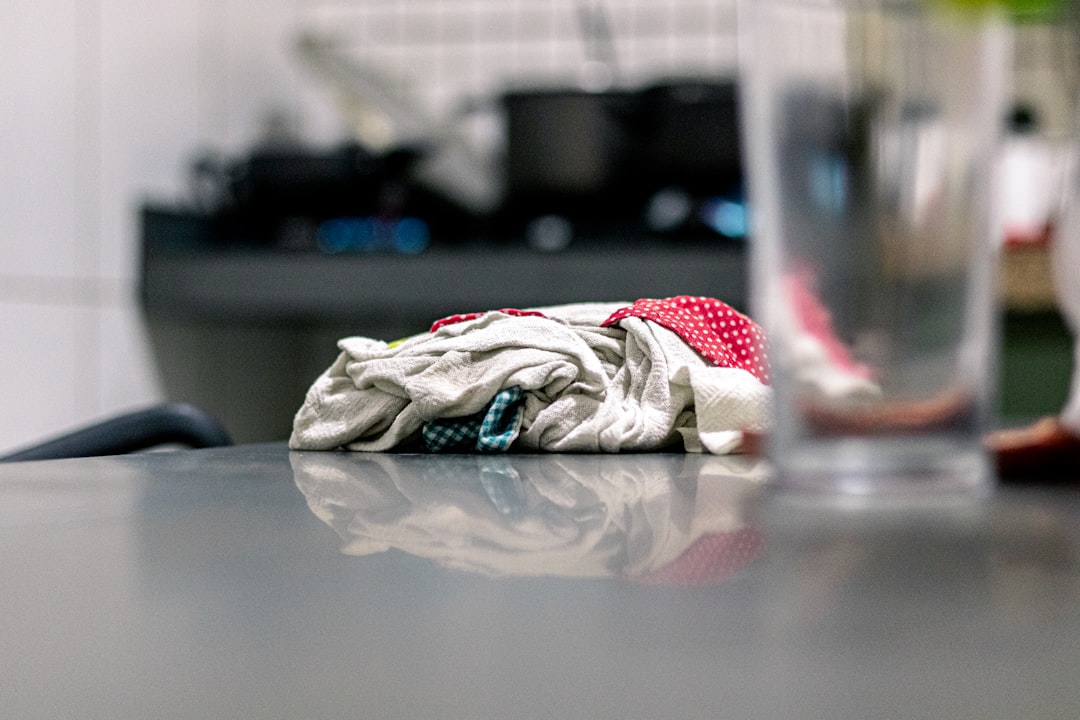
I’m not a physicist, but here’s the version that finally made it click for me: traditional stoves create heat, which then transfers to your pan. Induction skips the middleman entirely. A copper coil beneath the glass surface generates a magnetic field that excites the iron molecules directly in your cookware. The pan becomes the heat source. The glass stays cool. The air around it stays cool. You could put a dish towel between the burner and the pot (please don’t), and the towel wouldn’t burn.
This is why induction is absurdly efficient — around 85 to 90 percent of the energy goes directly into your food, compared to about 70 percent for electric radiant and a measly 40 percent for gas. That efficiency translates into two things you’ll actually notice: faster heating and a kitchen that doesn’t turn into a sauna every time you cook.
The Pan Check That Changed Everything
Here’s the catch, and it’s the thing that trips up every new induction convert: not all pans work. The magnetic field needs ferromagnetic material to do its thing. That means aluminum, copper, and all-glass cookware are out unless they have a magnetic base bonded to the bottom. Cast iron, carbon steel, and most stainless steel? You’re golden.
The day my induction burner arrived, I went through my kitchen like a detective with a fridge magnet. My grandmother’s old Lodge cast iron — absolutely magnetic, worked beautifully. My beloved carbon steel wok — snapped that magnet right on. But my favorite nonstick aluminum skillet? Nothing. My copper saucepan? Useless. About a third of my cookware collection was suddenly obsolete.
Before you panic about your own collection, grab a simple induction cookware test magnet and spend five minutes checking your cabinets. You might be surprised — many modern stainless steel sets are induction-compatible even if they don’t advertise it. If you’re starting from scratch or need to replace the pans that didn’t make the cut, an induction-compatible cookware set will run you far less than replacing a stove.
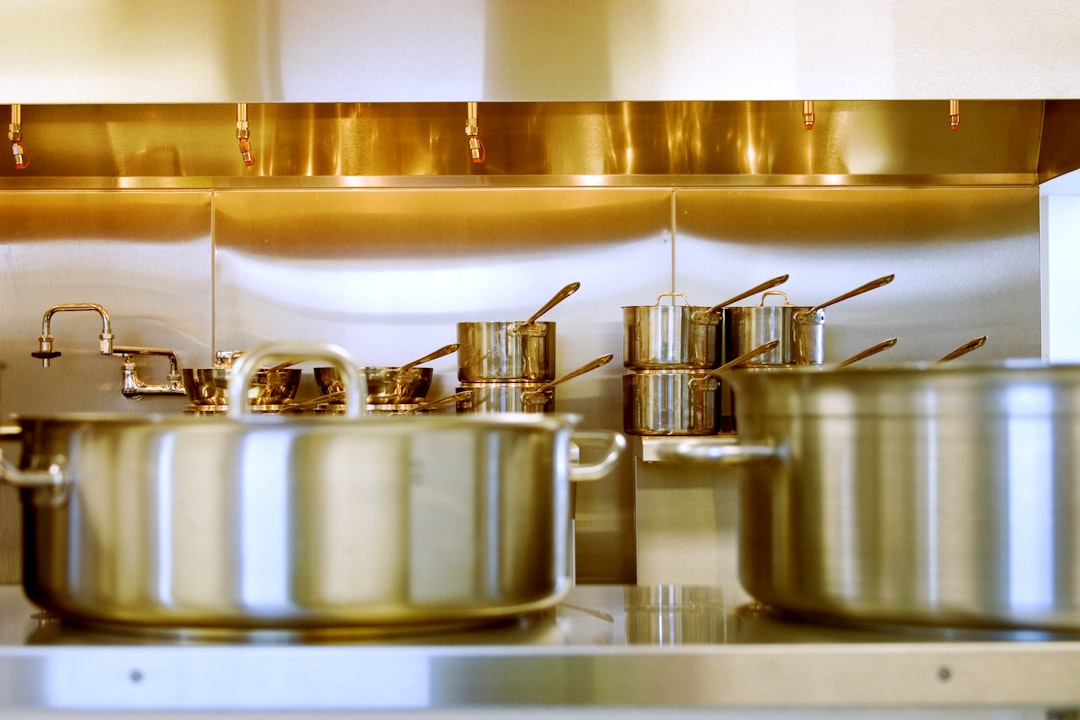
What a Week of Induction Cooking Actually Feels Like
The first thing I made was a simple pot of water for pasta. On my old gas stove, a large pot would take twelve to fourteen minutes to reach a rolling boil. On the induction burner, it took five and a half. I stood there with my phone timer running because I didn’t believe it. That alone would have been enough to sell me, but the real magic showed up in the details over the following days.
The temperature control is genuinely startling. When you set an induction burner to medium-low, it holds medium-low. Not “sort of medium-low until it cycles and then suddenly surges hot.” It maintains a consistent, exact temperature, which means delicate tasks — simmering a custard, holding a sauce, melting chocolate without a double boiler — become almost foolproof. I made hollandaise on a Tuesday morning before coffee, something I would never have attempted on gas.
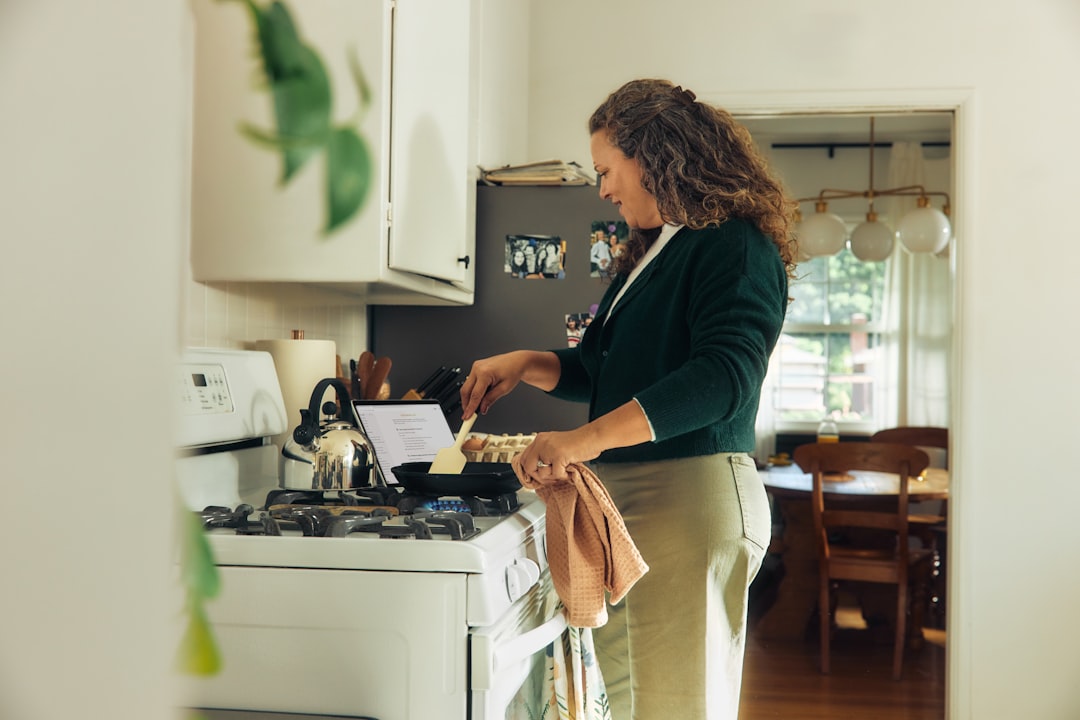
And then there’s the cleanup. Because the surface doesn’t get hot enough to bake on spills, everything wipes up with a damp cloth. The boiled-over soup that would have welded itself to my gas grates? It sat there, lukewarm, and wiped away in three seconds. I’ve spent more time cleaning my coffee maker than I spend cleaning the induction surface.
Cast Iron Finally Makes Sense
If you’ve been reading along for a while, you know I’ve always had a complicated relationship with cast iron. I love the stuff — I wrote about the great cast iron versus stainless steel debate last year — but on gas, it always felt like a commitment. The pan takes forever to heat, the heat crawls unevenly up the sides, and by the time it’s ready for a steak, your kitchen is radiating like a foundry.
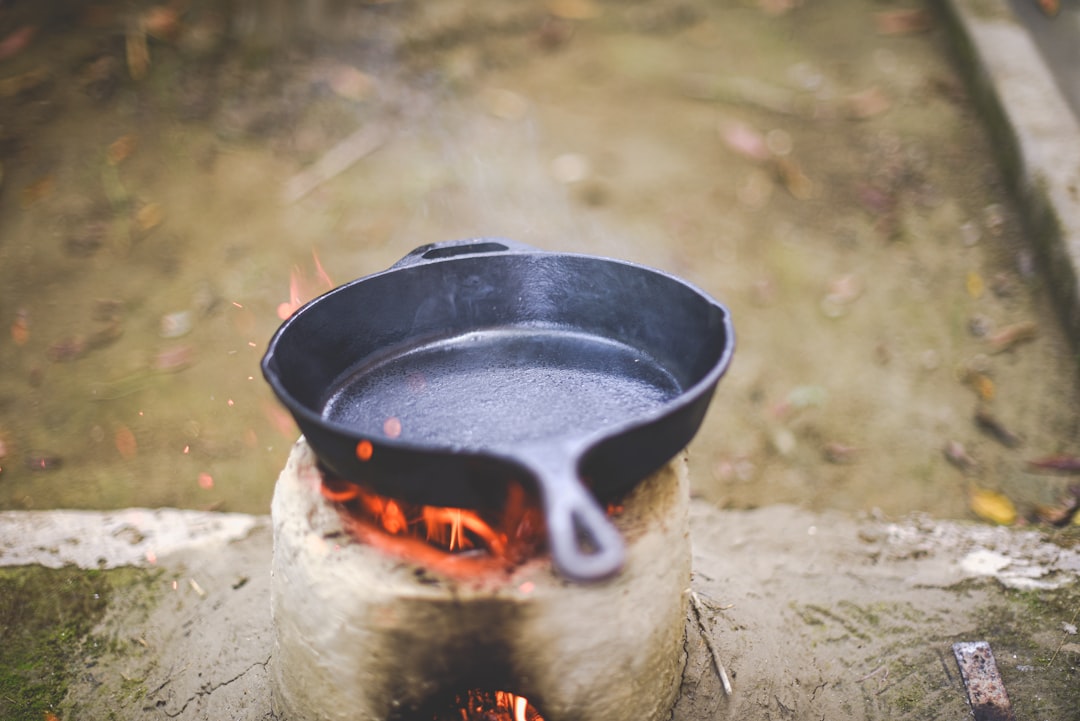
On induction, cast iron heats differently. The magnetic field engages the entire bottom surface simultaneously, so the pan comes to temperature faster and more evenly. My Lodge cast iron skillet goes from cold to searing-hot in under three minutes, and the heat distribution is noticeably more even than it ever was on gas. If you already own cast iron and have been induction-curious, this is your permission slip.
The same goes for carbon steel. My wok, which used to be a project on gas — waiting for the ring to heat, nursing the sides to temperature — is now my fastest weeknight tool. A carbon steel wok on a portable induction burner goes from cold to stir-fry-ready in about ninety seconds. Tuesday night fried rice has become a genuine tradition in my house.
Portable Burners Aren’t Just for Dorm Rooms Anymore
One of the biggest misconceptions about induction is that you need to rip out your stove and install a built-in cooktop to join the revolution. Not true. The portable induction market has exploded, and the current generation of countertop units is powerful enough to serve as a primary cooking surface for everything except Thanksgiving-level multitasking.
I spent a week cooking exclusively on a portable unit, and the only time I missed my full stove was when I needed four burners going simultaneously for a dinner party. For everyday cooking — and I cook a lot — one or two induction zones handled everything. The Hamilton Beach induction burner and the NuWave induction cooktop are both excellent entry points under $100. If you want to test-drive induction before committing to a full kitchen renovation, this is the way.
For those ready to go all-in, a dual-zone portable induction cooktop gives you two independent heating areas in a unit that still fits in a cabinet. I’ve started recommending these to friends who are building outdoor kitchens, setting up vacation cabins, or just want a backup that doesn’t feel like a compromise.
The Cookware Conversation Nobody Is Having
Here’s what I wish someone had told me before I switched: induction doesn’t just change how you cook, it changes what you cook with. And that’s actually a good thing. The pans that work best on induction — cast iron, carbon steel, and high-quality stainless steel — happen to be the most durable, versatile, and frankly beautiful cookware you can own.
This ties directly into the non-toxic cookware movement I’ve been following. Remember when we all realized our scratched nonstick pans were leaching PFAS into our eggs? The shift toward ceramic, titanium, and traditional materials was already underway. Induction accelerates that shift because the pans it requires are the same pans that last a lifetime. There’s something deeply satisfying about cooking on a surface that works best with my grandmother’s cast iron and a good stainless steel frying pan — tools that will outlive me.
If you’re also interested in the newer non-toxic materials, the carbon non-stick cookware trend I covered earlier this year is worth a read. Many of those pans are induction-compatible out of the box.
What I’d Buy If I Were Starting From Zero
After a month of induction cooking, here’s the setup I’d recommend to anyone who asks — and people do ask, because apparently I won’t stop talking about it:
- A portable induction cooktop — Start here, even if you have a working gas stove. The portable induction cooktop options range from budget-friendly single-burner units to powerful dual-zone setups. You can always move it to a cabin or guest kitchen later.
- A 10-inch cast iron skillet — The classic Lodge costs about $25 and will outlast every appliance in your kitchen. It’s the pan induction was born for.
- A stainless steel sauté pan with a heavy bottom — Look for one explicitly marked induction-compatible. A quality stainless steel frying pan will handle everything from searing chicken to caramelizing onions.
- A carbon steel wok — Only if you actually stir-fry, but if you do, an induction-compatible carbon steel wok will change your weeknight dinner game.
- An induction-ready stockpot — For pasta, soups, and batch cooking. A good induction-compatible stock pot will bring water to a boil in roughly half the time of a gas burner.
For a deeper dive into building out your whole collection, my cookware buying guide covers which sets are worth the investment and which aren’t, regardless of whether you’re cooking on induction or gas.

The Honest Downsides
I’m not going to pretend induction is perfect, because nothing in a kitchen ever is. The cookware limitation is real — if your entire collection is aluminum or copper, switching means starting over. Some people miss the visual cue of a flame, that instinctive sense of “this is high heat” that you get from watching fire lick around a pan. And if you cook with a wok that requires curved surfaces, most flat induction burners won’t give you the traditional experience (though flat-bottomed carbon steel woks solve this beautifully).
There’s also the noise factor. Induction burners produce a faint buzzing or humming sound at certain power levels, especially when paired with multi-ply cookware. It’s not loud — quieter than a range hood on low — but if you’re used to the near-silence of gas, it takes a few days to stop noticing it.
And yes, if the power goes out, you can’t cook. But the same is true for gas stoves with electric igniters, which at this point is nearly all of them.
The Part Where I Admit I Was Wrong
For years, I filed induction cooking under “interesting but not for me.” I thought it was a compromise — a sacrifice of cooking performance for energy efficiency, something for people who cared more about their utility bill than their sear. I was wrong. The precision, speed, and cleanliness of induction aren’t trade-offs for good cooking. They enable it.
My grandmother’s cast iron skillet now lives on a glass surface she wouldn’t have recognized. It heats in half the time, cooks more evenly, and wipes clean in seconds. The oil doesn’t splatter onto burners that bake it into carbon. The kitchen doesn’t smell like gas. And the hollandaise is perfect every time.
If you’ve been on the fence, borrow a portable unit from a friend or grab an entry-level NuWave or Duxtop for under $100. Spend a week with it. You don’t have to commit to a renovation or even a new set of pans. Just boil a pot of water, time it, and watch your skepticism evaporate faster than the steam.
The invisible flame isn’t a compromise. It might be the best thing that’s happened to my kitchen since I learned to hold a knife properly. And that’s saying something, because I’ve been holding knives since I was four years old, standing on a step stool beside women who taught me that the right tools don’t just make cooking easier — they make it joyful.

5 thoughts on “The Invisible Flame: How Induction Cooking Quietly Took Over My Kitchen”