The shrimp were lost in ninety seconds. I had the pan on “medium,” exactly like the recipe card said, the butter was foaming beautifully, and then I turned my back to grab the garlic and came back to a skillet full of blackened cashew-sized tragedies. My kitchen smelled like a campfire for two days. What made it worse was that I’d cooked that same dish on that same burner a dozen times, and this time the stove simply decided medium meant something new.
That was the night I stopped trusting the dial. A week later, I armed myself with a laser thermometer, a cheap oven thermometer, a notebook, and more patience than my family thought I possessed, and I measured every heat source in my kitchen. What I learned changed how I cook more than any single gadget I’ve ever tested — and I’ve tested hundreds.
The Dial Is a Suggestion, Not a Setting
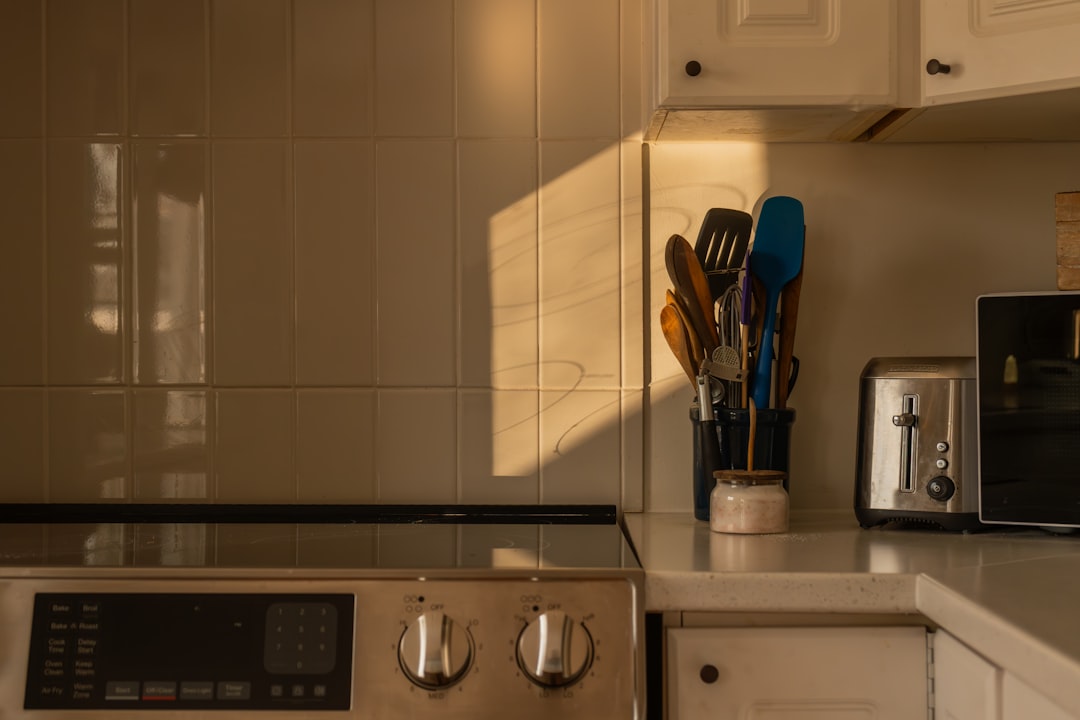
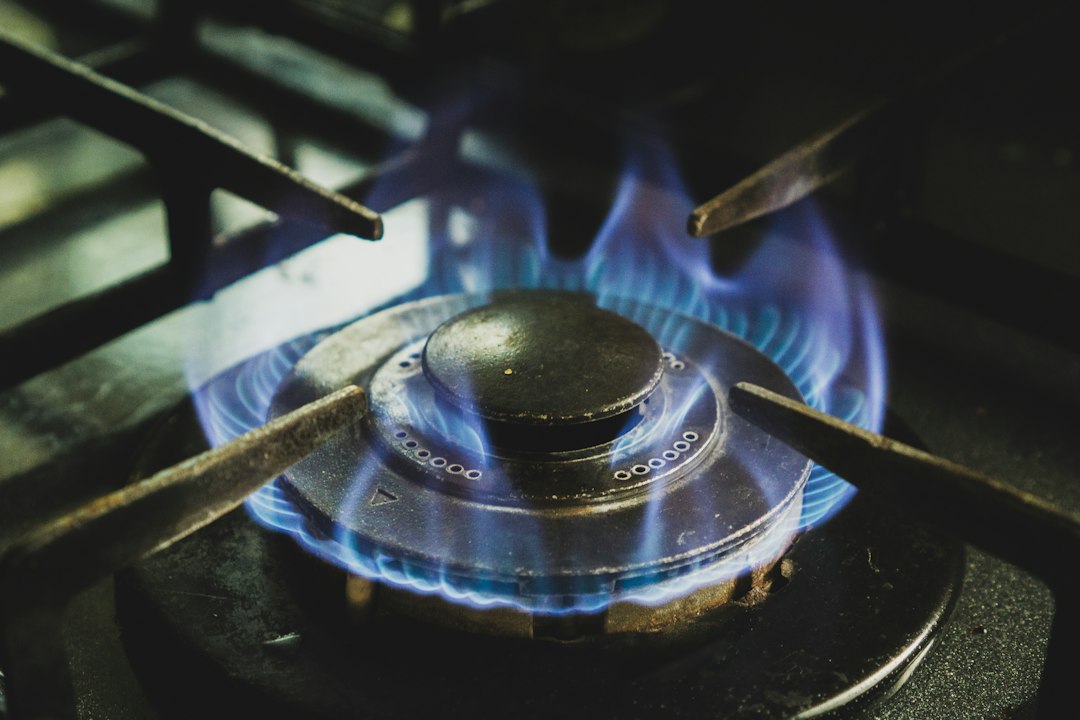
Here’s the thing nobody tells you when you’re learning to cook: “medium” is not a temperature. It’s a folk category. On my gas range, the knob has nine clicks between low and high, and not one of them corresponds to an actual degree. The same dial on my sister’s electric coil produces a completely different amount of energy. When a recipe says “cook over medium heat,” it’s really saying “apply roughly this much energy to roughly this much food in roughly this kind of pan.” That’s three variables the recipe writer never met — your stove, your pan, your amount of food.
My grandmother understood this without a single instrument. She’d hold her hand above the pan and count seconds, and she could tell you whether that burner was running hot that day. Gas lines fluctuate. Electric elements drift as they age. The stove you cooked on last spring is not, thermally speaking, the stove you’re cooking on tonight.
Once you accept that the label on the knob is a myth, everything gets easier. You stop blaming recipes. You stop blaming yourself. You start cooking by observation — how the oil shimmers, how the butter foams, how the onions sound — and the dial becomes what it always should have been: a starting point.
One Evening, One Laser, a Map of Every Burner
So here’s what I did, and what I’d gently insist you do once in your own kitchen. I waited for a quiet Tuesday evening, set a cast iron pan on each burner in turn, gave each one five minutes on medium, and took readings with an infrared thermometer gun. My team kept the notebook and called out times while I pointed and shot. It took forty minutes and felt like a science fair, minus the volcano.
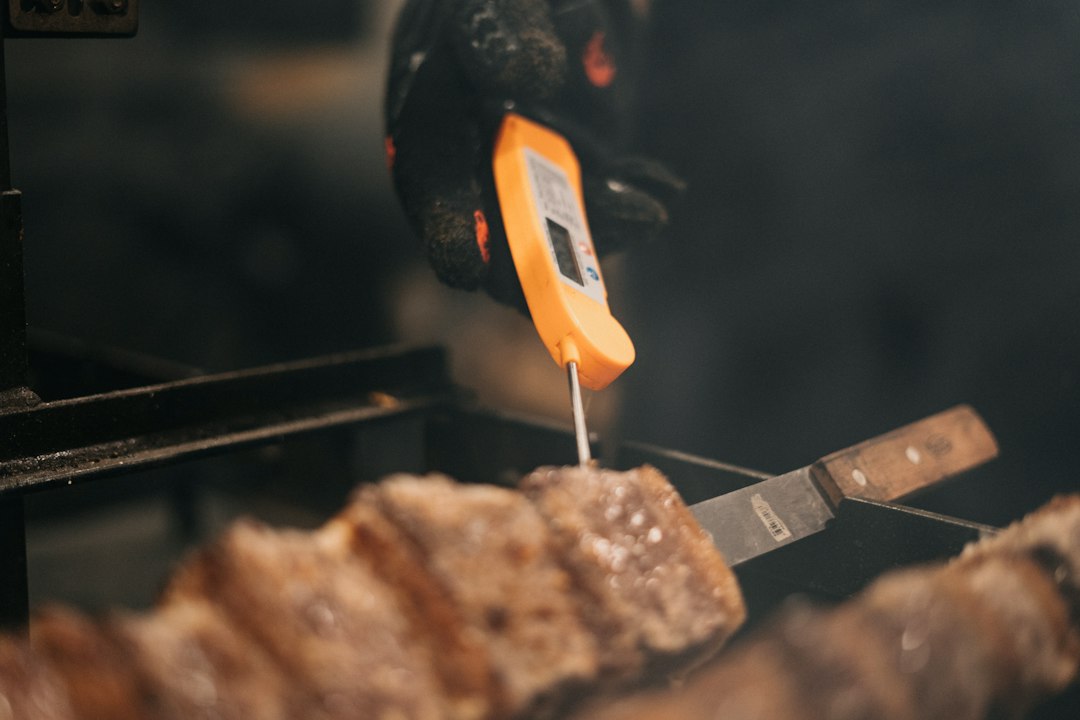
The results humbled me. My front-right burner — the one I’ve cooked on for six years — runs nearly 75 degrees hotter at “medium” than the back-left. The front-left has a hot spot the size of a coaster on the left side, which explains a decade of lopsided pancakes I had blamed on the batter. If you want to run the same experiment, a basic laser temperature gun costs about the same as a delivery pizza and will pay you back for years. Mine has migrated to the grill, the pizza stone, and even the car seat in July.
I taped the finished map inside the cabinet door next to the stove, next to where my grandmother’s conversions used to hang. Front-right: the sprinter, for searing and boiling. Back-left: the marathon burner, for anything that needs to behave for an hour. The front-left: pancakes only, with the pan rotated halfway through. Knowing your burners by their actual temperament instead of their printed labels is the closest thing to a cooking superpower I know.
Your Oven Is Telling Stories Too
Steady with a kettle pour: the oven audit came next, and it was somehow worse. Oven testing consistently shows home ovens running 25 to 50 degrees off their set temperature — some swing even wider — because they cycle on and off around a target rather than holding it. Mine runs hot by about 20 degrees at 350 and cold by nearly 15 at 425, which means my margin-of-error zone was shaped like a banana.
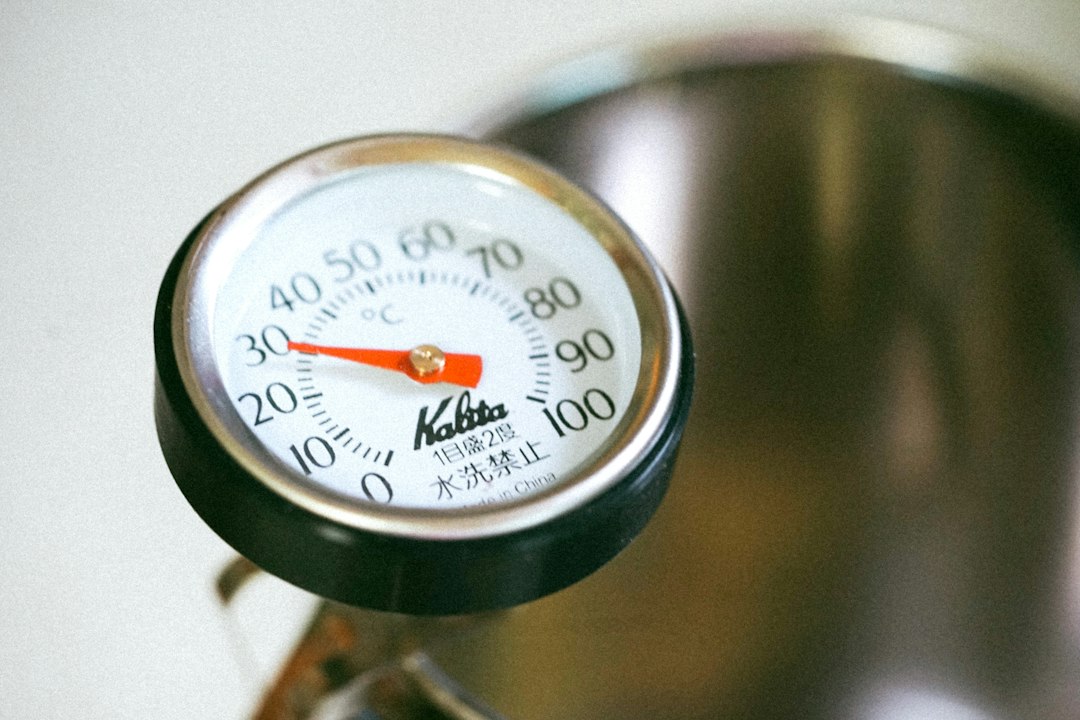
The fix costs less than lunch. I keep a sturdy stainless oven thermometer clipped to the middle rack permanently, so the real temperature is one glance away through the door. For a second oven or the camper, I use a simple dial thermometer from AcuRite — no batteries, no fuss, it just sits there and tells the truth. When pie season arrives and the crusts need precision, this one habit saves more baked goods than any technique I teach.
If you’ve ever pulled a perfectly timed casserole out of the oven to find it pale, or a batch of cookies that went from blond to burnt in one preschool-dropoff-length of time, it was almost certainly the oven, not you. I wrote about taming a hot oven during pie week if you want the full story of cold butter, a hot oven, and the kit I restock every August. Once you know your oven’s personal lie, you simply dial in the opposite direction and move on with your life.
What the Bubbles Are Trying to Tell You
Water is the most honest teacher in the kitchen, and it’s free. A true rolling boil — big bubbles that keep coming even when you stir — means about 212°F at sea level and a ferocious amount of energy transfer. A gentle boil with steady medium bubbles is a different tool. And the bare-bubble shiver of a proper simmer, the surface barely trembling, is yet another. Recipes use these words interchangeably and they are absolutely not interchangeable.
Here’s my field test, the one I make every new cook in my kitchen perform: bring a pot of water to a rolling boil, then turn the dial down one click at a time and watch how long the rolling boil persists. On my stubborn sprinter burner, it takes four clicks and nearly ten minutes for the water to accept that anything changed. That lag — the time between turning the dial and the food responding — is the single most useful number in your kitchen. Once you know it, you stop overshooting. You turn the heat down before the sauce threatens, not after.
For jobs where the temperature of the water itself matters — pour-over coffee, green tea, proofing dough — I skip the guessing entirely with my variable-temperature electric kettle. Green tea at 175, coffee at 205, one button. It removed an entire category of “why does this taste bitter” from my house.
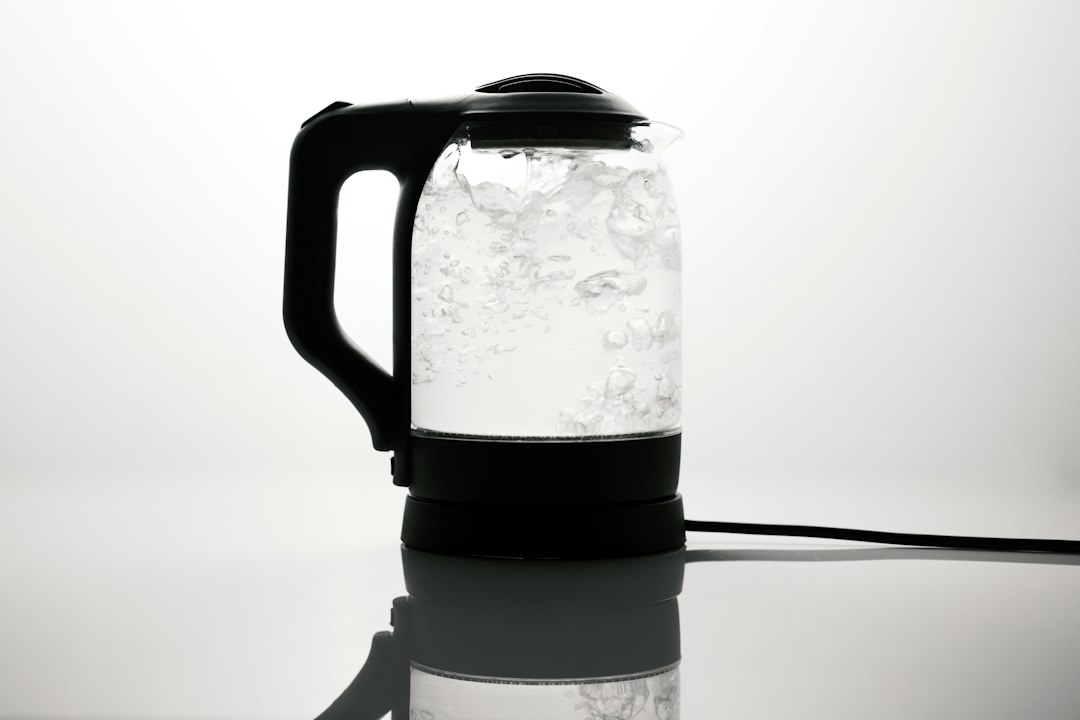
And if you think water temperature is trivial, spend one afternoon with pasta. The starch, the salt, the boil — it’s a whole chemistry lesson, and I confessed everything I know in my pasta water confession.
Simmering Without the Babysitter
The back burner of any serious kitchen should have something barely murmuring on it — I’ve written before about why there’s always a pot of something simmering in mine. But the cruelest trick a stove plays is the “simmer” that turns into a scorch the moment you leave the room. On a burner with no true low setting, tomato sauce goes from velvet to burnt orange in the time it takes to help with homework.
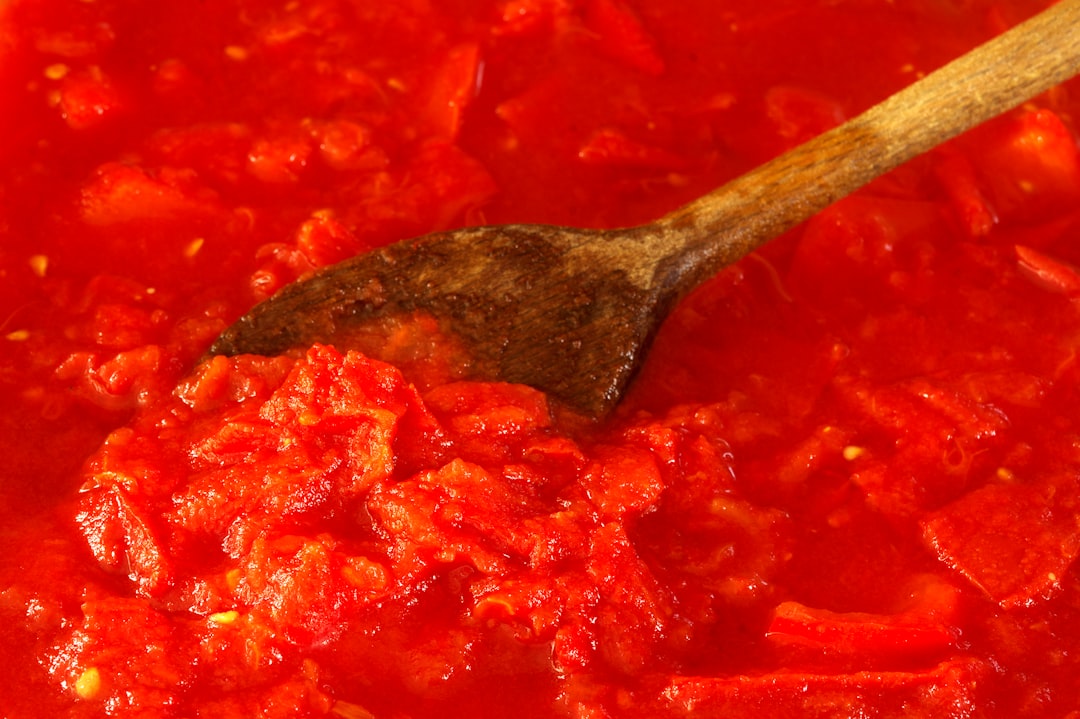
The old-world fix is a flame tamer — a metal plate that sits between the burner and the pot, spreading the flame and knocking the intensity down without touching the dial. I keep a SimmerMat heat diffuser in the drawer beside the stove, and during sauce season it earns its storage space every single week. Rice, custard base, caramel, Saturday gravy — anything that punishes a hot spot — goes on the plate. It’s the closest thing my stubborn sprinter burner has to a personality transplant.
Heavy Metal: Why the Pan Matters as Much as the Flame
The last piece of the heat puzzle is the pan itself, because the burner doesn’t cook your food — the pan does. Thin pans are moody: they spike, they crash, they write checks your burner can’t cash. Heavy pans are a savings account for heat energy. Put a well-seasoned 12-inch skillet on medium and it holds a steady, forgiving temperature that shrugs off cold chicken hitting the surface.
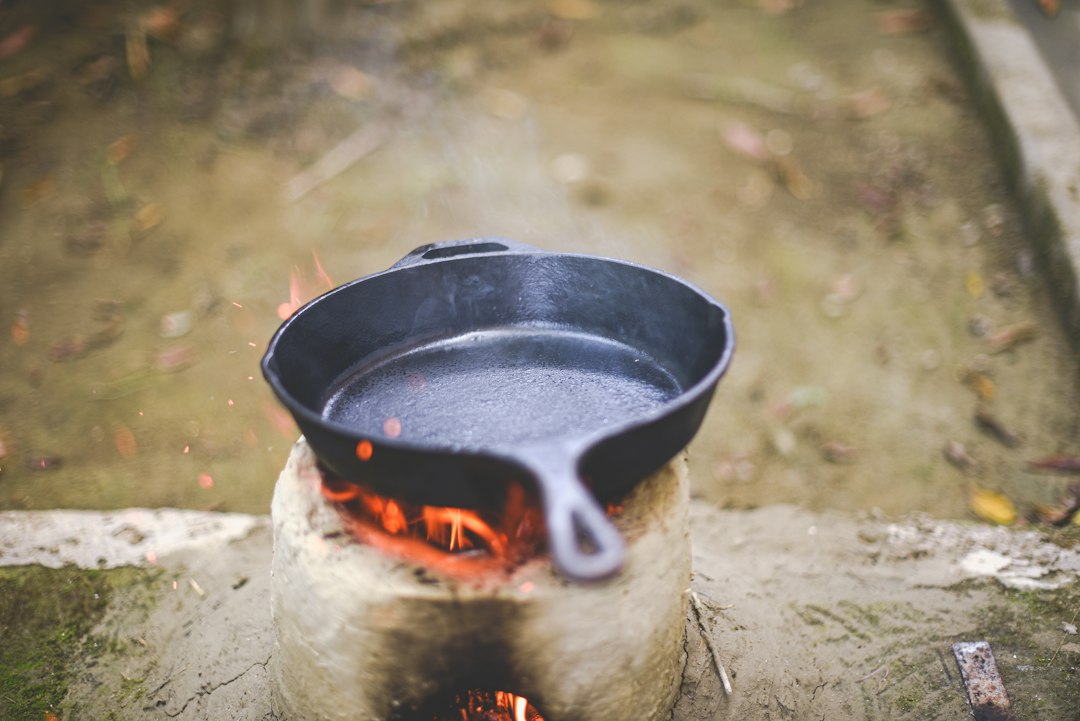
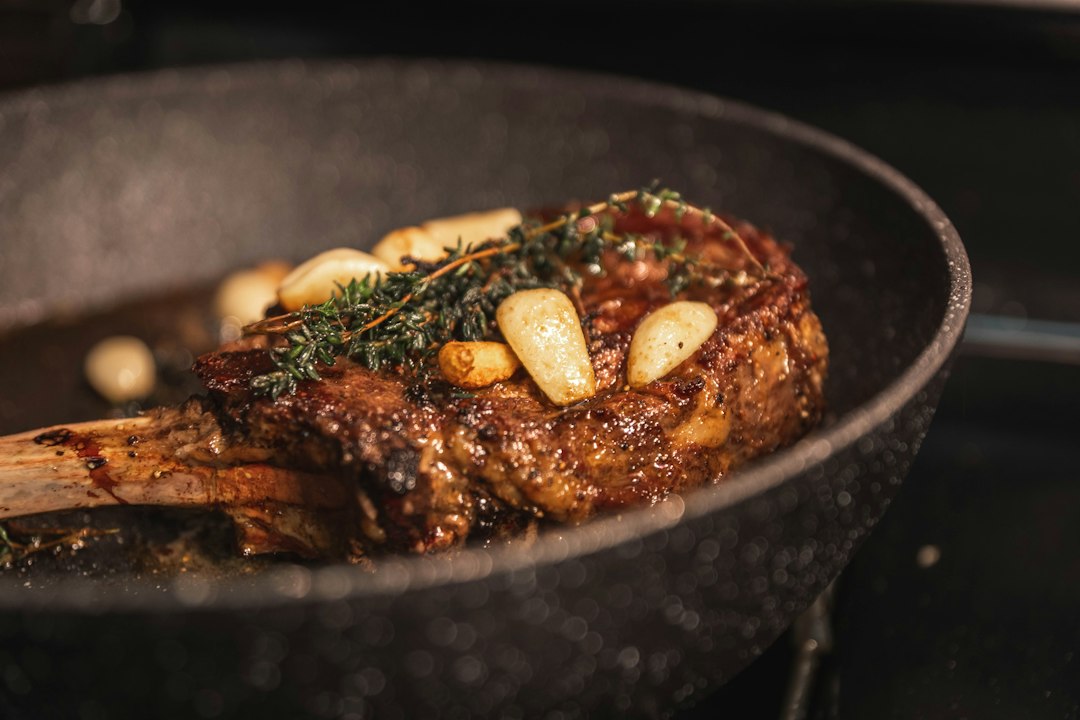
My workhorse is the Lodge 12-inch cast iron skillet with the silicone handle sleeve, because it costs about what a pizza night costs and it will outlive me. When a sear calls for precision — steak, smash burgers, anything where “hot enough” is the whole recipe — I confirm the pan’s surface with the same laser gun from my burner-mapping night, or slide in my fast instant-read thermometer to check thicker cuts from within. Between the map on the cabinet door and the pan that forgives, weeknight cooking stopped being a negotiation.
If you’re curious where the future of all this is headed, I spent six months with induction, which makes “medium” an actual measurable promise instead of a folk tale — the invisible flame quietly took over my kitchen and I have thoughts.
Write Your Own Heat Dictionary
Here’s the exercise I now assign to anyone who tells me they “can’t cook.” Take one week. Learn your sprinter burner and your marathon burner. Find out how many clicks separate a rolling boil from a simmer, and how many minutes the water takes to notice. Put an honest thermometer in your oven and write its correction on a piece of tape. That’s it. No new techniques, no recipes, just an introduction between you and the equipment you’ve been arguing with.
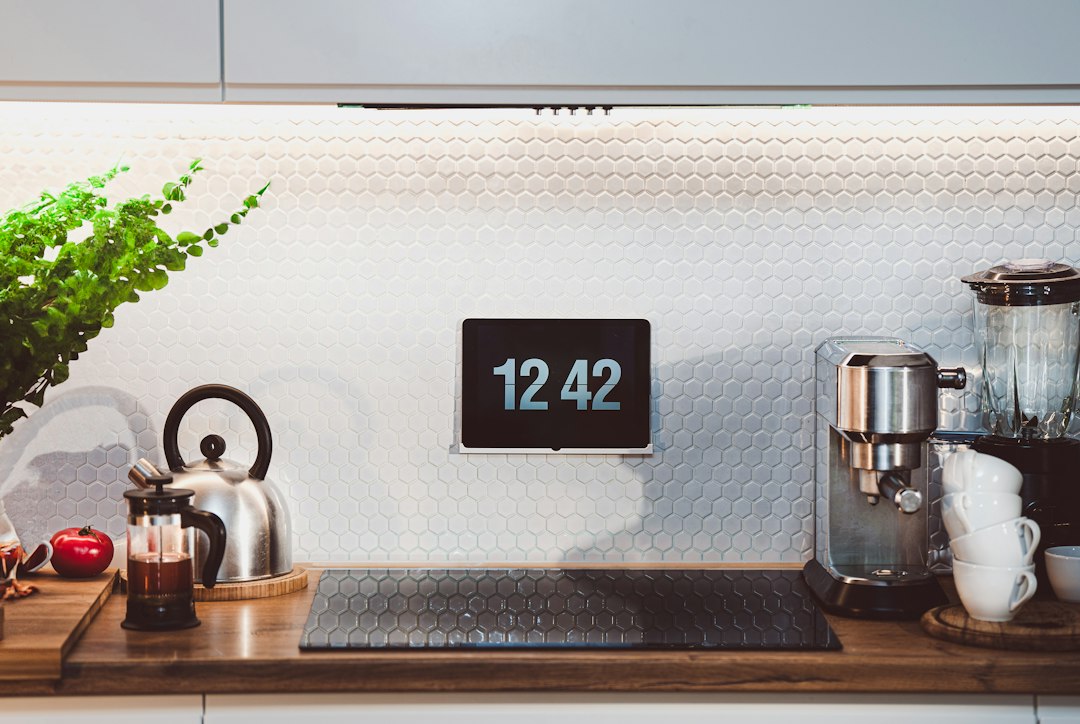
Keep a timer you actually trust within arm’s reach — I use a dual kitchen timer with clock mode stuck to the range hood, one side for the pasta, one for the bread. Heat literacy isn’t about precision for its own sake. It’s about the confidence to walk away from the stove for ninety seconds and know exactly what you’ll find when you come back. My shrimp deserve that. Yours do too.
Because the recipes aren’t wrong, and neither are you. The map was just never drawn. Draw yours once, tape it inside a cabinet door like the family documents that came before it, and every “medium” from now on will finally mean something.