The first cold Saturday of September caught me the way it always does — standing in the kitchen in wool socks before the house has warmed up, reaching for the kettle before I’ve done anything else. This year it was the whistler again, the old stovetop kettle I’ve had since my first apartment, shrieking away like it had somewhere better to be. I poured boiling water over a scoop of delicate green tea a friend had brought me from a shop I will never stop dreaming about, took one sip, and set the cup down. Bitter. Flat. Somehow both scorched and dull at once.
Here’s the thing nobody tells you when you grow up watching kettles scream on back burners: boiling is not a temperature. It’s a ceiling. And for a shocking amount of what we actually drink — green tea, white tea, oolong, pour-over coffee — that ceiling is exactly the wrong answer.
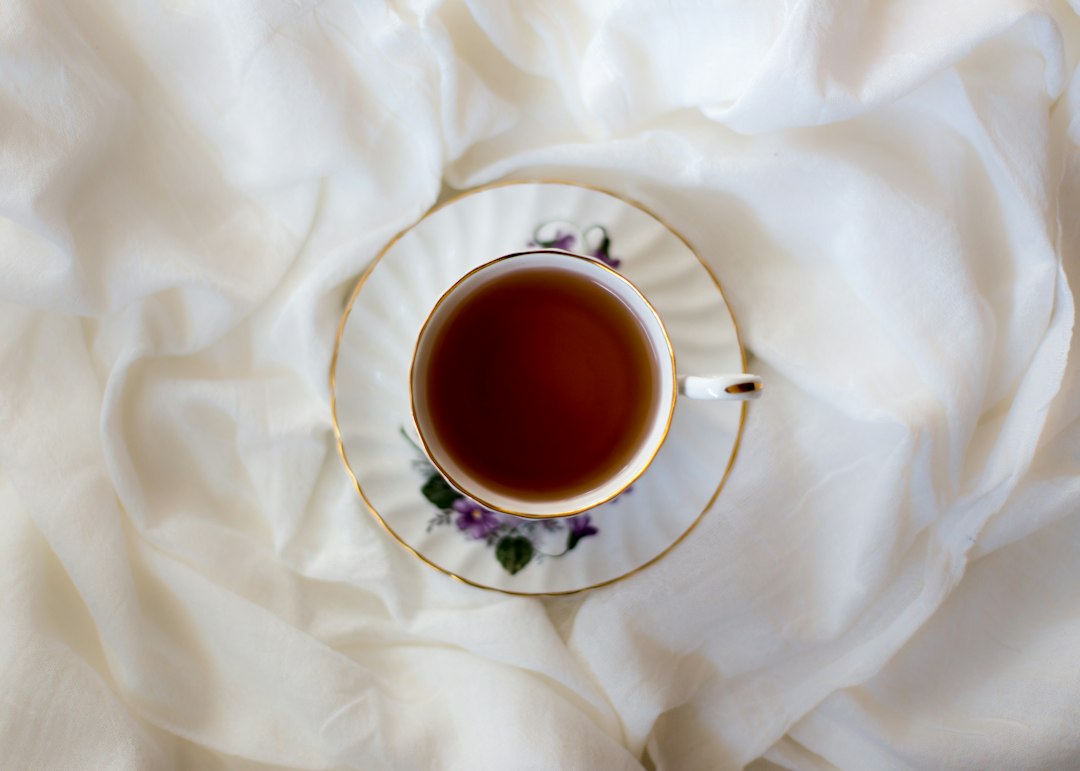
The Cup That Filed a Formal Complaint
My grandmother boiled everything. Black tea, coffee, dish rags, the occasional suspect sponge — if it needed water, the water hit 212 degrees first. I love that woman’s kitchen more than any place on earth, but she was working with one setting, and so was I, decades later, without ever thinking to ask why.
Then my team started running tests for this piece, and the numbers made me feel slightly foolish. Green tea wants somewhere around 175 degrees — pour boiling water over those leaves and you scald the delicate compounds that make it taste sweet and grassy, leaving you with a cup that tastes like a punishment. White tea is even fussier, happiest closer to 160 or 170. Oolong sits in the middle near 195. Only black tea, sturdy and unbothered, shrugs at a full boil. Meanwhile, pour-over coffee gives you the best of itself between 195 and 205 — a window that boiling water blows straight past, and that a kettle that’s been sitting off the heat for four minutes has already fallen under.
I brewed the same green tea four ways with the crew that afternoon: boiling, off-the-boil for one minute, three minutes, and five. Even my most coffee-loyal taste-tester picked out the scalded cup instantly. The five-minute-rest pour tasted like an entirely different, kinder tea. That was the day I stopped treating water as a formality.
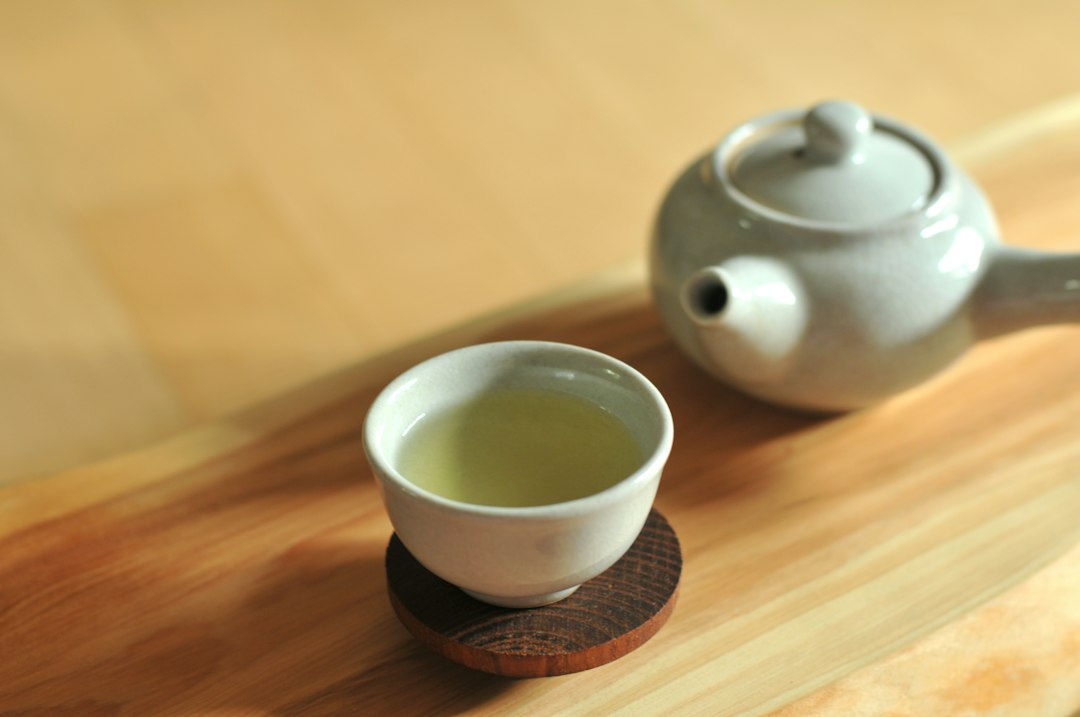
One Dial, Many Waters
A kettle with variable temperature control is not a gadget, no matter how much it looks like one on the box. It is a small act of respect for whatever is in your cup. The good ones let you choose a target in five-degree steps, heat to it, and stop — no guessing, no hovering with a thermometer you bought for sourdough and repurposed out of guilt.
The Cuisinart PerfecTemp was the first one I ever tested, back when I still thought preset buttons were a marketing invention, and fifteen years later that workhorse design is still on the market for a reason: six presets, 1.7 liters, a 30-minute keep-warm, and a spout that doesn’t dribble. If you want the same idea in a friendlier package, the COSORI with six presets and a glass body became our test kitchen’s most-borrowed appliance within two weeks, mostly because you can watch the water level and the rolling boil, which apparently never stops being entertaining.
What I tell friends now: pick the kettle with real, visible degree settings rather than a single “tea” button. Tea is not one temperature. Tea is a whole weather system.
The Neck That Changed My Pour-Over
For years I made pour-over coffee with a regular kettle and a steady hand, and for years I wondered why some mornings tasted transcendent and others tasted like a warm apology. The answer, it turns out, was sitting in a barista’s hand in every photo I’d ever pinned: the gooseneck.
A gooseneck spout gives you something no regular kettle can — a slow, predictable, aimed pour. When you’re wetting coffee grounds evenly, that control isn’t vanity, it’s extraction. Pair it with temperature control and you can hit 205 degrees and pour in slow spirals without a single splashover.
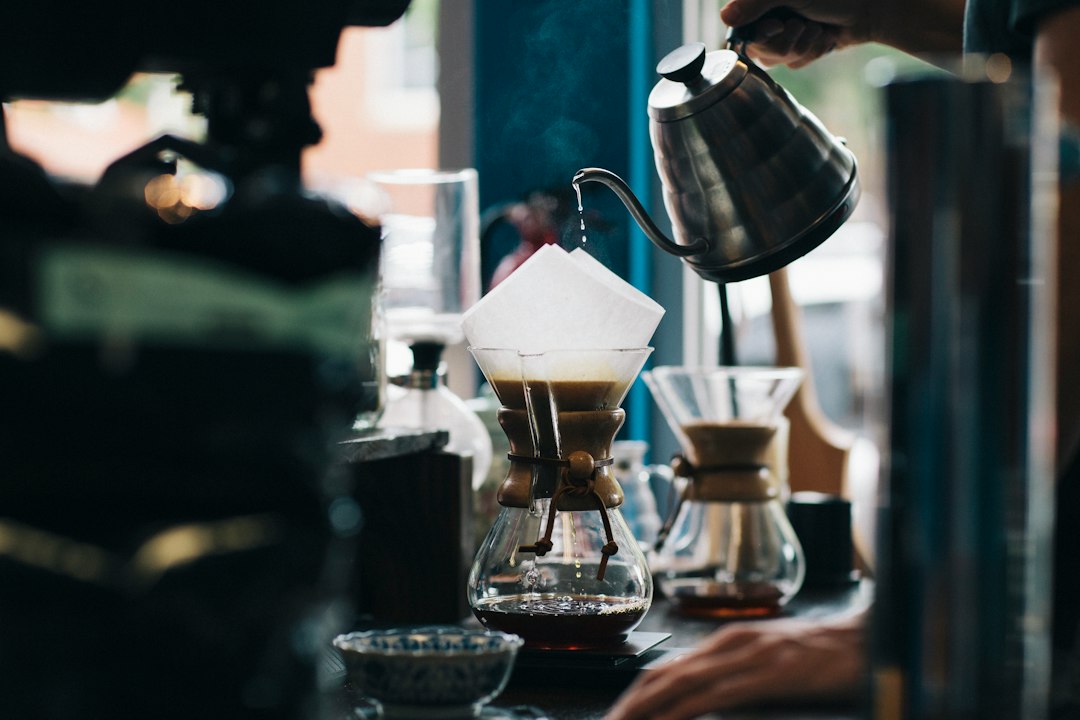
The Fellow Stagg EKG Pro is the one that lives on my counter, and I’ll be honest — it cost more than any kettle should, and I’d buy it again before lunch. The counterbalanced handle, the exact pour rate, the little LCD that lets me dial in 203 for a light roast Ethiopian and 197 for the darker roasts my mother likes. If that price makes you wince, the OXO Brew gooseneck gets you ninety percent of the way there, with a grip that feels like it was designed by someone who has actually spilled things.
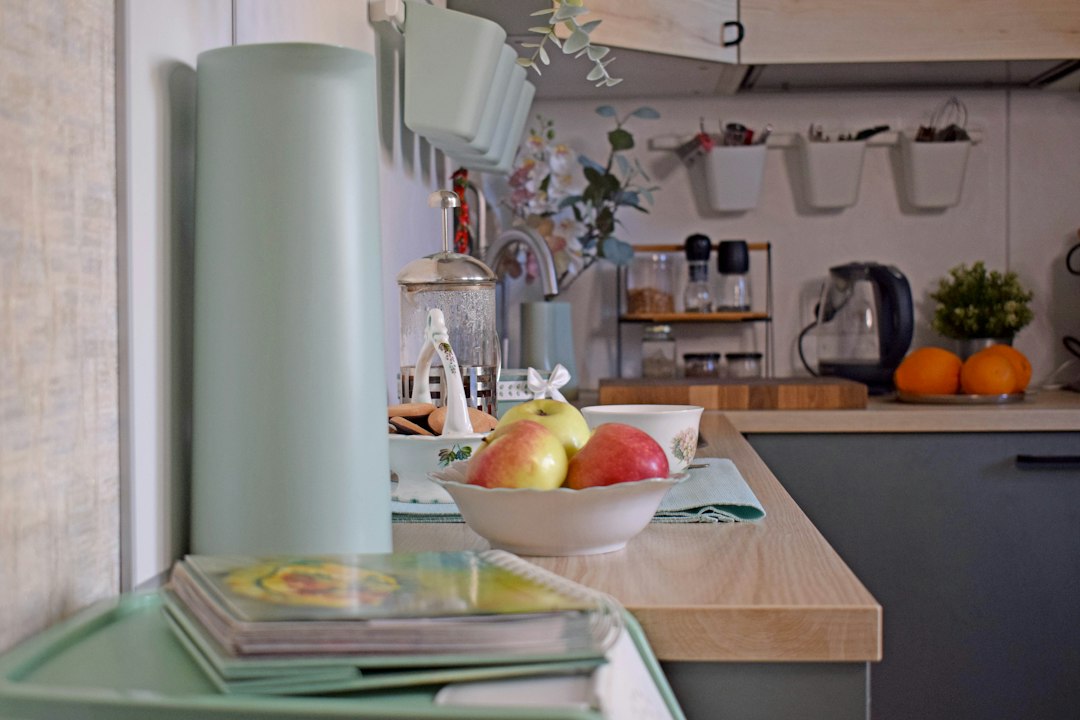
It pairs beautifully with the corner of my kitchen that quietly became a coffee bar — the gooseneck sitting on a little tray next to the beans, looking less like an appliance and more like a promise.
When the Hold Button Runs the Morning
Here is the feature nobody thinks they need until it reorganizes their entire week: keep-warm. You set the temperature, the kettle reaches it, and instead of immediately cooling into uselessness, it holds — thirty minutes on some models, a full hour on others.
On Saturday mornings in my house, the first cup of tea happens around seven and the second pot of coffee happens whenever the teenagers surface, which can be nine, and the hold button bridges that gap without a single reboil. The Breville IQ Kettle was our long-hold champion, quietly holding temperature while the house smells like a café that opens on its own schedule. My co-tester keeps hers next to the espresso setup she built after bringing the whole café home in eighteen inches of counter, so the kettle handles tea duty while the machine pulls shots. And when the first truly cold week arrives, I already know the kettle and the milk frother I profiled for steam season will run a two-appliance relay from breakfast until bedtime.
The Tank for Tea-Drinking Households
Now, if your household drinks hot water the way mine drinks it in December — constantly, competitively, in rounds — let me introduce a different category entirely. A water boiler and warmer doesn’t pour like a kettle; it holds four liters at your chosen temperature all day long, dispensing it cup by cup at the touch of a button.
The Zojirushi Micom boiler is the one that changed my mother’s kitchen. She fills it in the morning, sets it to 195, and from breakfast through her late-night chamomile, hot water appears without a thought. It sounds excessive right up until the first time you make your fifth round of tea without touching a stove, and then it sounds like civilization.
Twenty-Five Dollars, Still Perfectly Hot
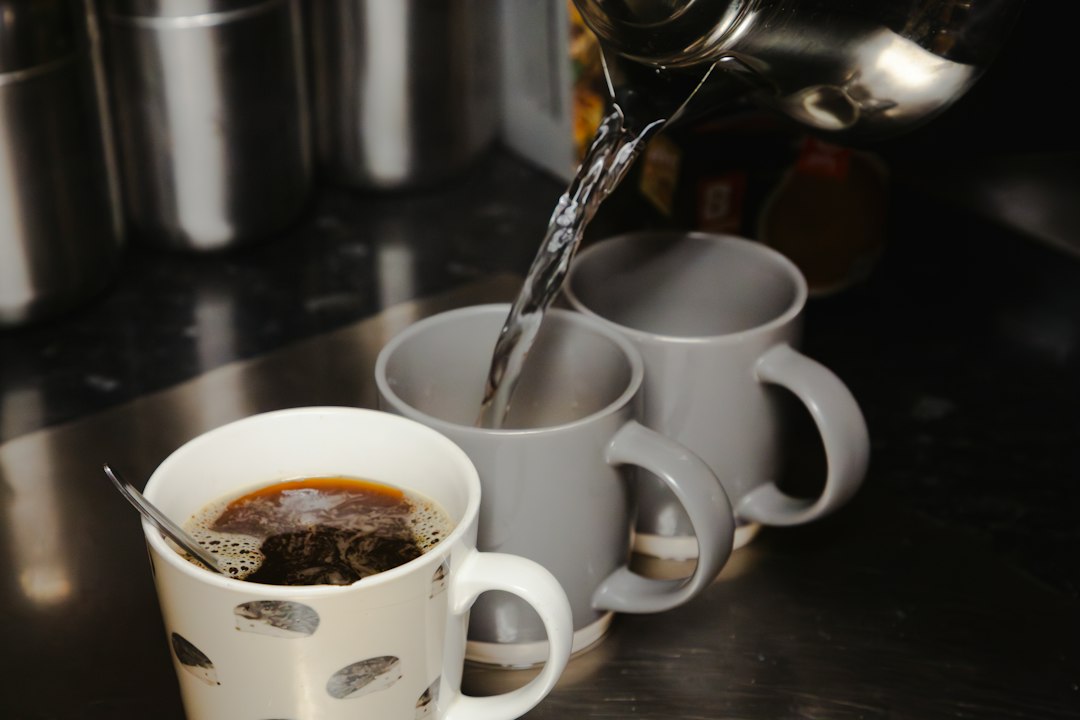
Let me be clear about something, because I take spending your money seriously: you do not need to spend much. A basic kettle that boils water and shuts off is still one of the most honest appliances in any kitchen.
The Mueller 1.8-liter has boiled water at several of my pasta dinners and soup Sundays for years — fast, light, cheap as a movie ticket. If you want presets without the price, the Chefman with five settings and an LED display lands in that sweet spot for a first apartment. Start there. See which temperatures you actually reach for. Upgrade with knowledge, not hope.
The Fine Print That Actually Matters
When you’re standing in the aisle or scrolling at midnight, three specs do most of the deciding. Wattage: 1,500 is the American standard, and it brings a liter to a boil in about four to five minutes; anything less and you’ll notice the wait every single morning. Capacity: a 0.9-liter gooseneck brews one or two pour-overs beautifully but embarrasses itself at a tea party, while 1.7 liters is the family-size sweet spot. And material: stainless steel forgives everything, glass lets you see the level and the rolling boil, and either one beats plastic interiors if you’ve spent any time at all worrying about what your hot water is touching.
Everything else — the chimes, the colorways, the little timers — is decoration. Lovely decoration, in the case of one matte-green kettle I refuse to apologize for, but decoration all the same.
Descale or Regret
One warning from the field, learned the hard way: hard water will slowly fur the inside of any kettle with pale mineral crust, and crusty heating elements work slower, taste faintly of stones, and eventually give up. My test kitchen runs a descale every six to eight weeks now — citric acid solution, a full cycle, a rinse, done.
A bottle of Urnex Dezcal costs less than two fancy lattes and keeps every kettle I own running like new, including the elderly one that predates this whole temperature awakening. It is the least glamorous purchase in this entire article and possibly the most important.
What Sits on My Counter Now
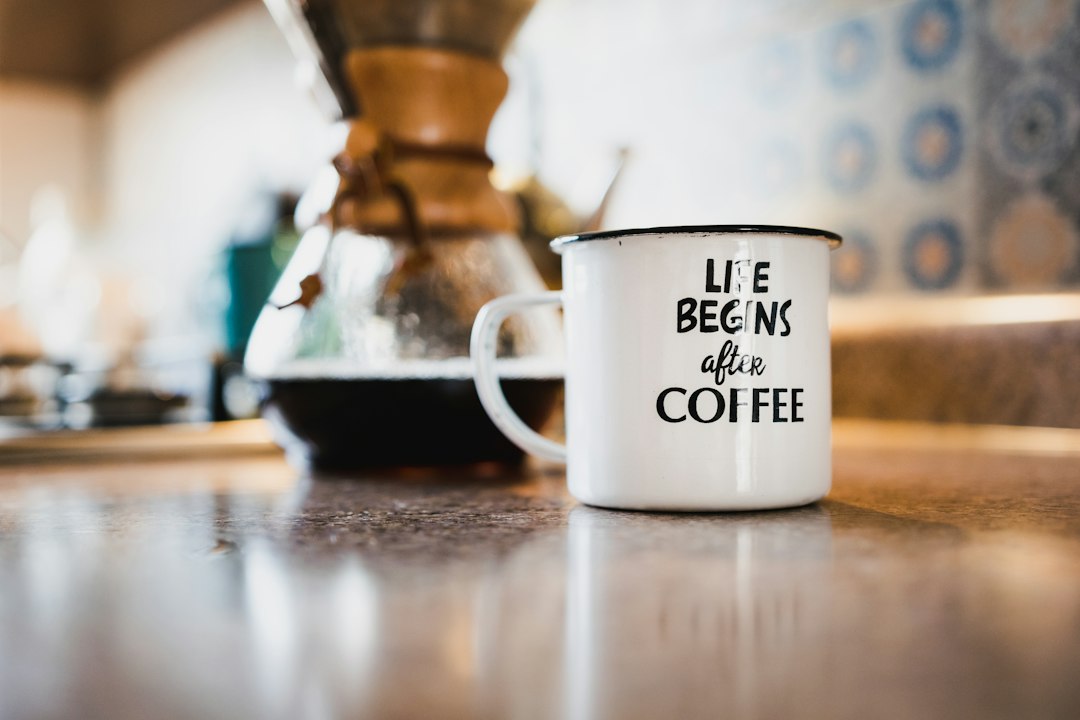
I ended up a two-kettle household, which I recognize sounds excessive for someone who once mocked a dial. The gooseneck handles mornings and pour-over with precision; the big glass workhorse handles tea rounds, oatmeal, and the French press that steams up the whole window on Sunday. Between them lives a small laminated card my team made me, with the temperatures written out — 175, 185, 195, 205 — because memory is nothing and the card is everything.
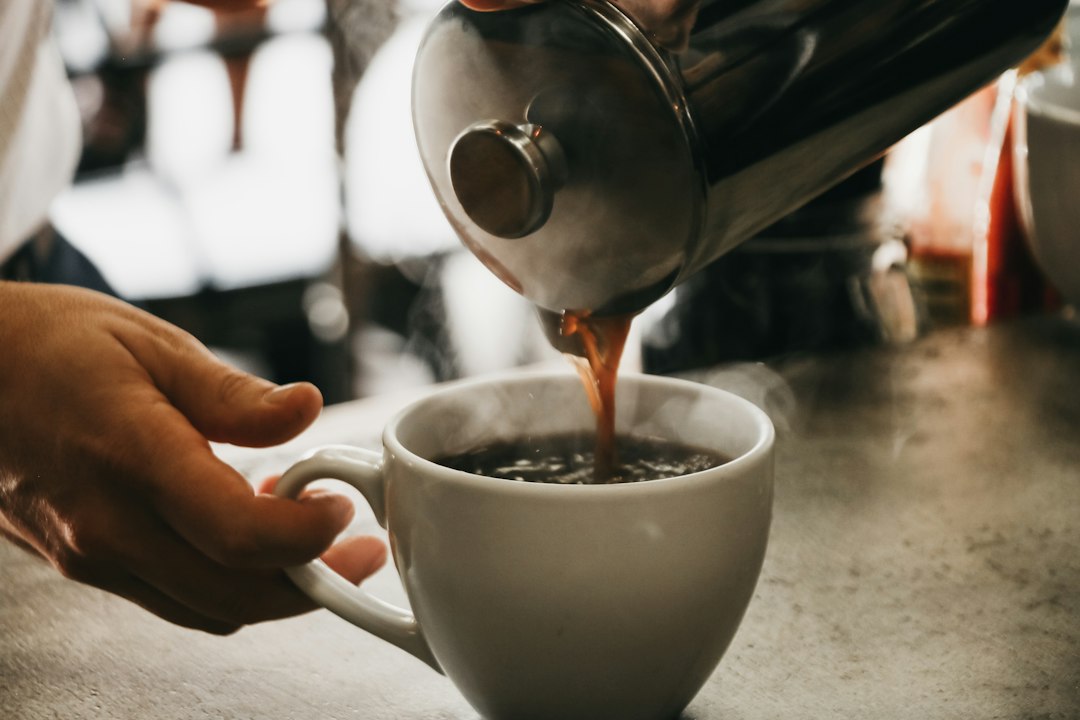
The old whistler still hangs by the stove, for nostalgia and for the once-a-year corned beef supper. But September’s cold mornings belong to the kettles that listen. Water is the first ingredient in almost everything we brew — the cheapest one, the most overlooked one, and, once you stop blunt-force boiling it, the one that quietly upgrades every single cup.
Pick the temperature, not just the tool. Your green tea has been waiting years to tell you the difference.