For years, there was a jar of pre-ground black pepper living above my stove, and I want you to picture it, because I guarantee you own one too. The label peeled halfway off. The lid crusty at the threads. The contents gray-brown and faintly aromatic, the way a library book is faintly aromatic — you can tell something happened in there once, a long time ago.
I kept that jar out of loyalty, mostly. My mother had one. My grandmother had one. Every diner in America has one hiding behind the napkin dispenser. And then one October evening, making cacio e pepe for a crowd that included a chef friend of mine, I watched her grind fresh pepper over the pasta from a battered wooden mill, tasted the difference side by side with the jar stuff, and quietly retired the jar the next morning. It wasn’t close. It has never been close.
That night started a mild obsession in my kitchen that turned into a full-scale comparison this fall, when my crew and I rounded up eleven mills — manual, electric, cheap, absurdly expensive — and put every one of them through a month of daily cooking. This is the guide I wish somebody had handed me twenty years ago, back when I thought pepper was pepper.

What Actually Dies in That Jar
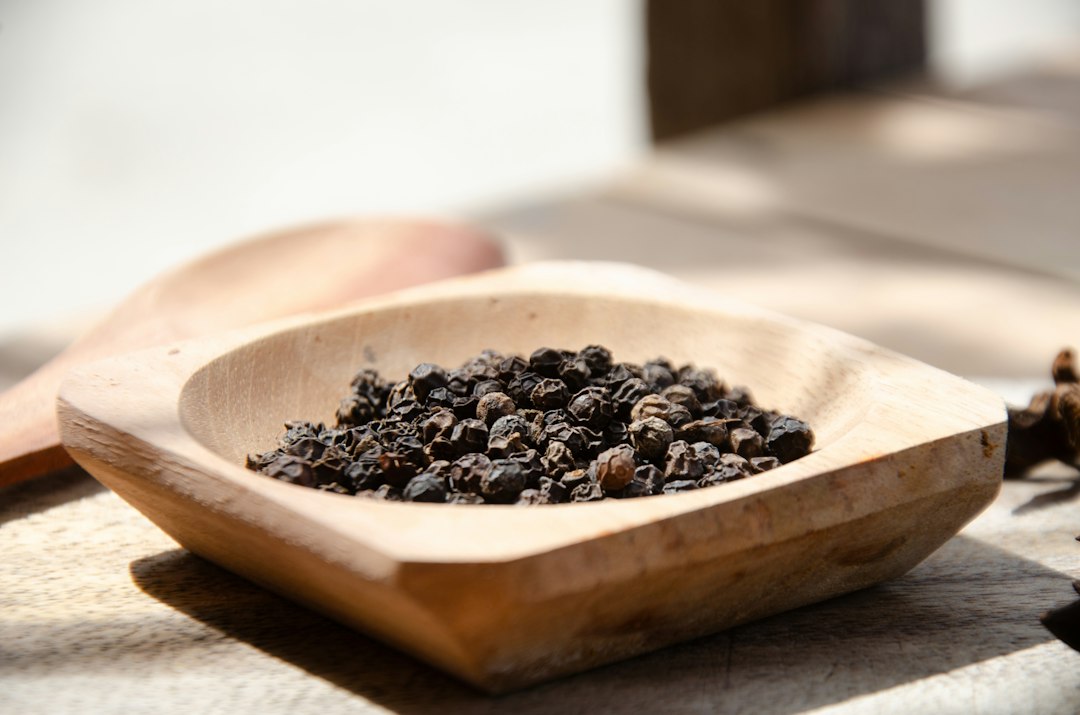
Here is the uncomfortable chemistry: black pepper gets its kick from piperine and its perfume from a band of volatile oils that start fleeing the moment the corn is cracked. Whole peppercorns keep those oils locked in a natural shell, staying lively for a year or more. Ground pepper starts losing its aromatic top notes within weeks, and by the time most jars reach the back half of their shelf life, you’re sprinkling flavored dust on your dinner.
That’s why your restaurant steak tastes more peppery than your home one, even when you used more pepper. The restaurant grinds to order, every plate, every time. It’s the same logic behind blooming spices in hot fat — heat and freshness wake flavor that staleness puts to sleep. Once I internalized that pepper is a spice with an expiration clock, not a mineral that lasts forever, the mill stopped being a table decoration and became kitchen equipment.
So the question was never whether to grind fresh. The question was which machine does the grinding, because they are wildly, hilariously not alike.
Burrs, Not Blades: The Guts of a Good Mill
Before we get to specific mills, one anatomy lesson, because it explains every recommendation below. A good pepper mill grinds with two toothed burrs — steel or ceramic — that crack the corn and shave it into particles. A cheap one whacks the corn with a spinning blade, the same way a coffee whirler does, producing a mix of powder and whole survivors with nothing in between.
Grind consistency matters more than most people expect. Powder burns and turns bitter in a hot pan; big chunks roll off food. The sweet spot for most cooking is a medium crack you can see with your naked eye, and a good burr set produces it reliably, turn after turn. The second thing that matters is adjustability — whether the grind actually changes when you turn the knob, and whether it stays put. You’d be shocked how many mills drift from coarse back to fine mid-recipe. We logged it every time it happened. Some mills earned a check mark. Some earned a lecture.

How I Ran the Bench
Eleven mills, four weeks, one very peppery household. We ground over eggs at breakfast, steak at dinner, salad at lunch, and batches of pepper crust for a weekend batch of au poivre that left my cutting board looking like a crime scene. We counted turns per teaspoon, timed grind speed, checked settings drift, refilled until filling became annoying, and handed every mill to the same left-handed tester — me — to check comfort. Price never bought a pass. Some of the priciest mills finished mid-pack, and one of the cheapest earned a permanent spot beside my stove.
The Workhorse: Cole & Mason Derwent
If a friend asked me for one recommendation and didn’t want a conversation, I’d point them at the Cole & Mason Derwent. The acrylic body shows your peppercorn level, the steel mechanism carries a lifetime warranty, and the preset grind selector actually clicks into distinct, repeatable settings — six of them — instead of pretending. It ground our benchmark teaspoon in about forty turns with a consistency that rivaled mills at three times the price. After a month of daily use it sits by my stove, which is the highest compliment my kitchen pays.
The Heirloom: Peugeot Paris u’Select
Yes, the car people. Peugeot has been making pepper mills since before cars existed, and the Paris u’Select is the walnut-stocked, French-crafted reason the family business survived. The grind adjustment is a twisted ring at the base with six markings, and the burr is pre-hardened steel that Peugeot guarantees — with a straight face — for twenty-five years. It’s slower than the Derwent and pricier, but the pepper it produces is noticeably even, and the mill itself is the kind of object your grandchildren argue over. Mine lives on the dining table, where it looks like it was born.
The Speed Freak: Männkitchen Pepper Cannon
Then there’s the one my team fights over: the Männkitchen Pepper Cannon. It costs real money, looks like a piece of lab equipment milled from a solid chunk of attitude, and grinds pepper roughly ten times faster than a standard mill — our test teaspoon took five turns. FIVE. It also offers dozens of grind settings with detents that lock, and a loading port that spares you the upside-down-shake-over-the-sink refill ritual. If you cook pepper-heavy food, or your wrists have opinions, this is the splurge that ends the conversation.
The Quiet Bargain: Kuhn Rikon Vase Grinder
On the other end of the ledger, the Kuhn Rikon Vase Grinder humbled mills costing five times more. It’s a simple ceramic-burr mill in a vase shape with a grind dial underneath, it ground more evenly than half the boutique mills we tested, and it survived being dropped on my tile floor with nothing worse than a scuff. The testers at the big magazines keep crowning it the budget pick, and a month on my bench explained why. If you want fresh pepper without a research project, buy this and spend the savings on better corns.
The Electric Question: When Your Other Hand Is Busy
I resisted electric mills for years on aesthetic grounds, and I’ll admit the bias out loud. Then I spent a week cooking one-handed — basting with one hand, holding the pan handle, needing pepper now — and the argument collapsed. The OXO manual grinder is the polite middle path, a one-handed squeeze design that dispenses respectable pepper without a single battery. But the true converts in my crew go for gravity mills that grind the instant you tip them — genuinely handy mid-sear — or a rechargeable electric mill, which throws a little LED light onto your food so you can see the seasoning land, a feature I mocked for a week and now quietly love.
The honest tradeoffs: electrics need charging, their grind consistency runs a step behind the best manuals, and the feel of grinding by hand — the crackle, the ritual — is part of why I cook. My rule of thumb after the bench month: electric earns its counter spot if you cook with kids underfoot or wrists that ache; otherwise a fast manual mill does everything an electric can, one dish at a time, forever, without a cord.
The Big Gun for Pepper-Forward Cooking
Some recipes don’t use pepper so much as feature it — cacio e pepe, steak au poivre, Lebanese seven-spice chicken, a proper Michigan pasty crust. For those nights, volume grinding becomes the whole job, and there is one cult favorite that out-grinds everything in its class: the Unicorn Magnum. Restaurant kitchens keep these within arm’s reach for good reason — the Magnum dispenses pepper at a pace that made my tester laugh out loud, with a grind range from snow to gravel, and it costs less than a steak dinner. When I did the au poivre run, the Magnum cleared the crust for four steaks before the Derwent finished one and a half.
Grind Sizes and Where They Belong
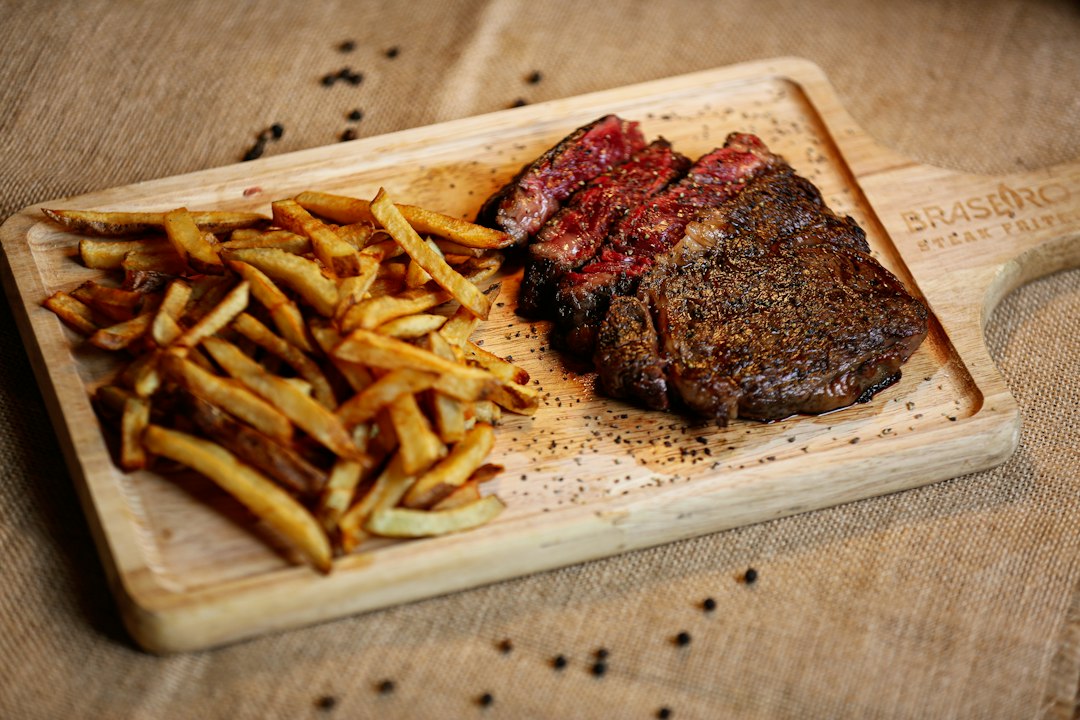
A mill with real adjustability changes more than texture — it changes when and how the flavor arrives. Fine pepper dissolves into eggs, pan sauces, and flour dredges, arriving as warmth rather than crunch. Medium is the daily driver for vegetables, soups, and most proteins. Coarse cracked pepper is for crusts, pepper mills’ namesake steak, and anywhere you want the heat to arrive in waves instead of all at once. My bench kept three settings in rotation so often that I finally marked them with tape, the way salt gets its own timing plan in my kitchen — pepper deserves the same deliberate treatment, not a blind crank while the pan smokes.

One setting note for hosts: the grind you set at the stove should be different from the one you hand to guests. Table pepper wants to be a touch finer than cooking pepper — coarse chunks on a dressed salad read as pebbles, not seasoning. A quick quarter-turn before company arrives is the difference between a table that tastes considered and one that tastes improvised.
Buy Better Peppercorns, Please
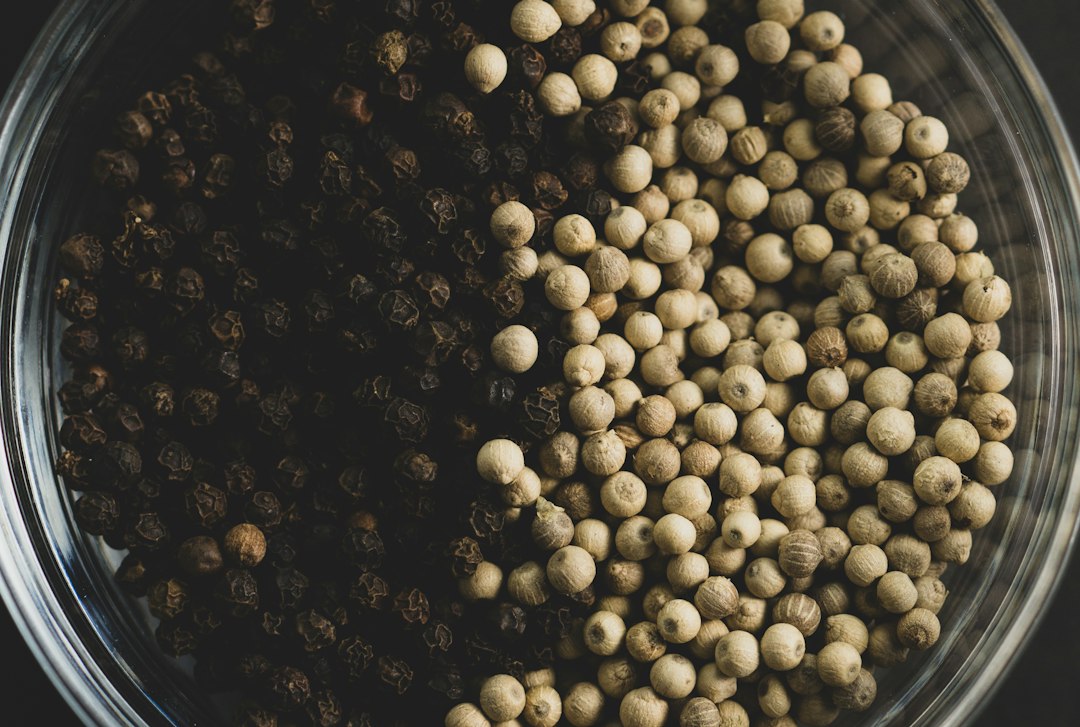
The finest mill on earth cannot resurrect dead corn, so let’s talk inventory. My default is Tellicherry peppercorns — the large, late-harvest Indian corns that smell like pine and citrus when you crack them, and cost barely more than supermarket dust. For company, I grind from a jar of rainbow-blend peppercorns — black, white, green, and pink together — which looks dramatic over pale food and layers three different heats. White peppercorns, mellow and earthy, earn their own jar for light sauces and mashed potatoes where black flecks would shout.
Storage is simple and it rhymes with everything else in my spice cabinet: airtight, dark, and dated with a Sharpie, the same discipline that once rescued me from four duplicate jars of cumin. Whole corns stay potent for a year, easily; buy in quantities you’ll finish, not quantities that impress you.
Keeping a Mill Happy for Decades
A pepper mill asks almost nothing of you, which is why so many of them outlive their owners. Never wash it — water is the enemy of both the burrs and the wood. If you inherit a musty mill, grind a tablespoon of dry rice through it, then a handful of fresh peppercorns to re-season, and call it restored. Keep the corns dry; damp pepper cakes into the mechanism and turns the grind into weather prediction. Once a year, run a dry brush over the burrs if you’re feeling fancy. That’s the entire maintenance manual.
And if the endgame is a matched pair for the table — and after a month of this project, I’ll confess the endgame for me was exactly that — a proper salt and pepper mill set in matching wood does something quietly wonderful to a table. People pass them. People ask about them. Dinner slows down half a step, and that half step is where hospitality lives.
Where the Mill Lives
My grandmother’s pepper lived in a jar above the stove, gray and eternal. Mine lives in a mill beside the burner, cracked fresh onto whatever’s in the pan, and my dinner table keeps the Peugeot standing guard over the salt. The restaurant folks call it grinding to order, as if it’s a technique. It isn’t. It’s a habit — the turn of a wrist, ten seconds, dinner tasting like somebody was paying attention. The jar of dust went in the bin eleven months ago, and I have never once missed it.