
There is a stretch of counter between my refrigerator and the coffee maker that has never once appeared in a photograph of my kitchen. Not because I hide it — because by the time anyone lifts a camera, it has already collected the day. Two envelopes, a lunchbox, somebody’s sunglasses, a phone charging sideways across a cookbook, and a receipt for something nobody remembers buying. Every kitchen has one of these spots. Mine has been operating as the household’s unofficial front desk since we moved in, and this October I finally admitted that if I didn’t deal with it before the holidays, the holidays were going to deal with me.
Here is the thing about mid-October: it is the last quiet runway before the paper season starts. Party invitations, school fundraiser packets, travel confirmations, recipe clippings, shipping boxes — all of it is coming, and all of it will land on that same three square feet of counter unless the counter learns some manners first. So my sister and I blocked out a Saturday, made a pot of coffee strong enough to justify the project, and rebuilt that corner into something the whole family could actually use. What follows is everything we learned, including the organizers that earned their spot and the two habits that keep the pile from creeping back.
The Audit Nobody Ordered
Before we bought a single hook or basket, we did something radical: we emptied the counter completely. Every item went onto the kitchen table, sorted into piles by what it actually was. My daughter handled the mail pile, my husband claimed the electronics, and I got the mystery pile, which is exactly as dignified as it sounds.
The results were humbling. Fourteen pieces of mail, only four of which mattered — two bills, one insurance form, one birthday card from my aunt in Mobile. Nine school papers, including three permission slips, two of them already past their due dates. Two key rings, neither of which belonged to a car anyone in this house drives. A tape measure. Four dead pens. A single glove. And one phone charger cable that had slowly migrated three feet from the outlet it was straining to reach.
That is the moment I understood the problem. Nothing on that counter was actually trash, and almost nothing belonged in the kitchen. The counter wasn’t a storage system — it was a waiting room where objects went because nobody had given them a better address.
Give Every Landing Thing a Zip Code
Cooks already know this rule by a fancier name. Mise en place taught me that a calm kitchen comes from everything having a spot before the heat turns on, and the same logic applies to the counter. The pile forms because objects arrive and nothing tells them where to go. So the plan became simple: for every category we found on that table, we had to assign a real home — a hook, a slot, a bin, a drawer — and the counter itself was no longer an option.
We hung the addresses on the wall and in the drawer below, which meant the counter went back to being a counter. If you want to picture the goal: a landing zone that still catches the day’s chaos, but hands each piece off to a place it belongs within thirty seconds.
The Mail Wall That Changed Everything
Mail was forty percent of the pile, so it got the first address. We mounted a simple wooden wall organizer on the wall beside the refrigerator — one slot for mail that needs action, one for catalogs and reading, one for outgoing letters and cards, because nothing gets mailed in this house if it doesn’t have a launch pad. For the paperwork that piles deeper — school packets, insurance forms, the papers you genuinely must keep until Thursday — we added five-pocket wall files right below it, one pocket per person in the house.
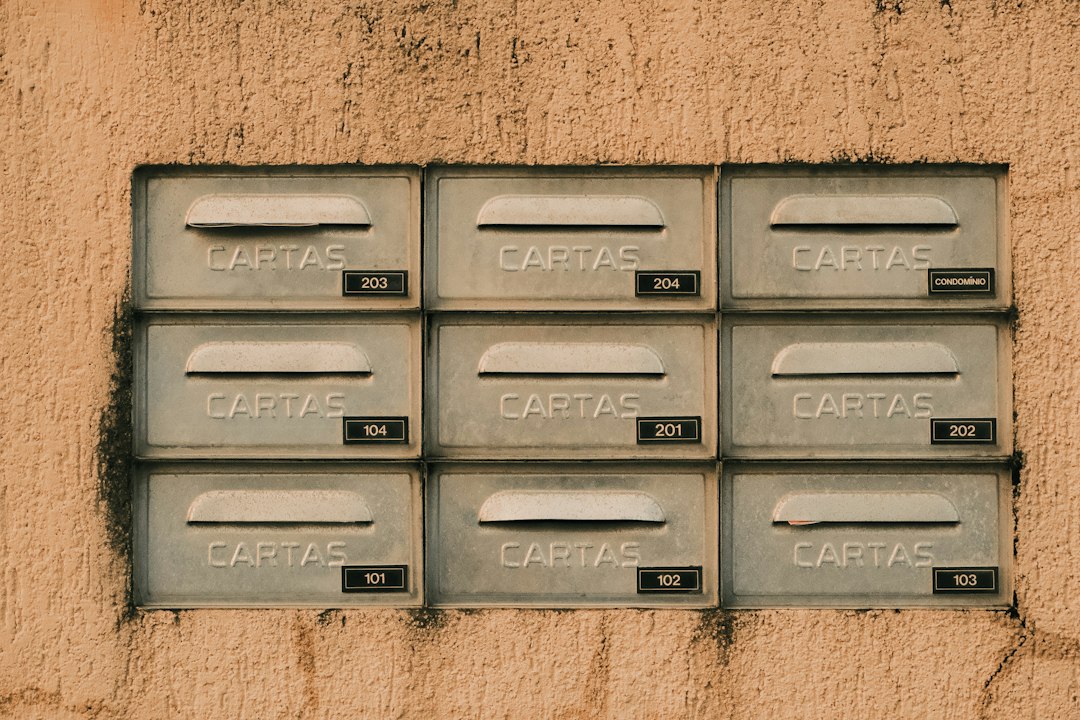
The rule that makes it work is an old one: touch each piece of mail once. When the day’s mail comes in, it gets opened standing at the wall, sorted into a slot, or dropped straight into the recycling bin that now lives six feet away. No piece of paper is allowed to sit on the counter overnight. It took the family about nine days to stop forgetting, and about four weeks before the wall started doing its job without me narrating it aloud to everyone.
Hooks for the Daily Carry
Keys, wallets, sunglasses, the lanyard with the gym fob — the daily carry needed a home that required less effort than tossing it, because the toss always wins. We hung a row of hooks on the wall closest to the door to the garage, and if you’re starting from scratch, the mail-and-key combo units that pair a letter slot with a row of hooks below solve both problems with one screw hole. For the small stuff that won’t hang — sunglasses, the wallet, the watch my husband takes off the second he walks in — a low wooden valet tray sits at the end of the counter and acts as the catch basin.
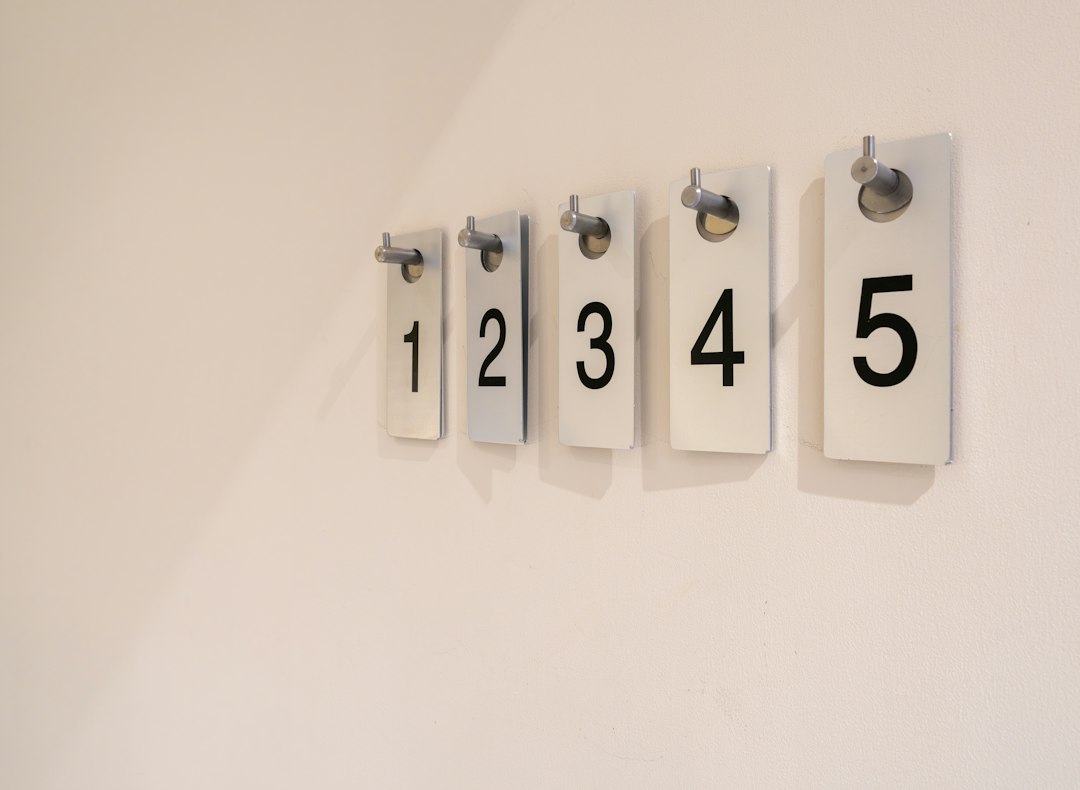
Each hook has a number, one per person, and I will confess the numbering was initially for my own sanity. Then my youngest started announcing his hook number every morning like a race car driver, and now I understand the numbered hooks were never for me. Kids use systems they can own. He has not misplaced a house key since September.
The Basket Where Cables Go to Charge
The chargers were the sneakiest part of the pile, because every device arrived with a legitimate reason to be there. The fix was consolidation: one multi-device charging station lives on the shelf below the mail wall, with a slot for every phone in the house, and the counter is no longer a charging surface. Overnight, everything charges in its slot; in the morning, everything leaves. The stray cables that remain — the laptop cord, the camera charger, the one cable nobody can identify — coil into a small bin beside it, held together with cord clips so they stop mating into that impossible knot.

I resisted the charging station for a full year because it felt like buying furniture for phones. Then I counted the nights one of us asked “has anyone seen my charger” and did the math on my patience. Cheapest peace I’ve bought in a decade.
The Calendar That Runs the Family
Once the wall was working, we gave it a brain. A magnetic dry-erase board went up beside the mail slots, and the family calendar migrated off my phone and onto the wall where the whole family can actually see it. Practice schedules, the potluck I’m hosting in November, the two weekends my in-laws visit — all of it lives there now, written in wet-erase marker by whoever adds the commitment. If it isn’t on the board, in my house, it isn’t happening yet.
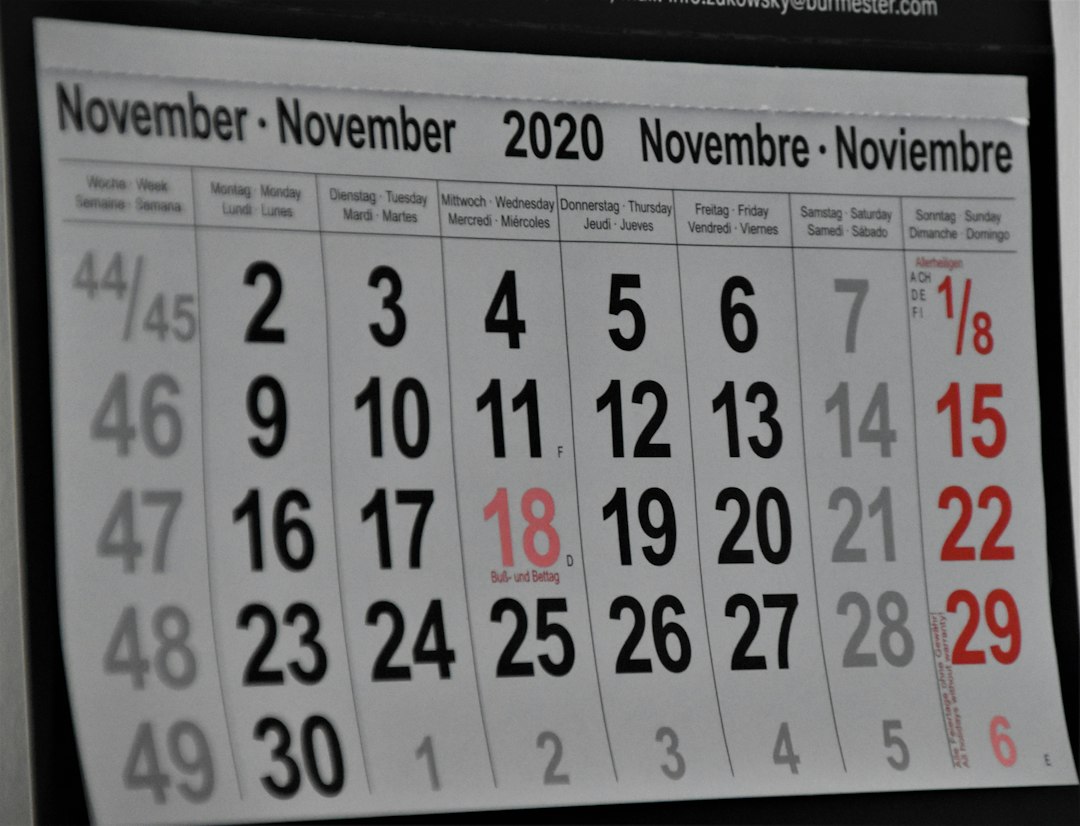
The single greatest addition, though, is what we call the deadline basket — one woven basket on the shelf below the calendar that holds only papers requiring an action: the permission slip, the form that needs a signature, the receipt for the return. Every paper that enters the house gets read once, and if it needs something from a grown-up, it lands in the basket. Every Sunday night, the basket gets emptied. That’s it. Three permission slips have come home since we started, and all three made it back to school on time, which in this house is a streak worth framing.
The Drawer That Does the Quiet Work
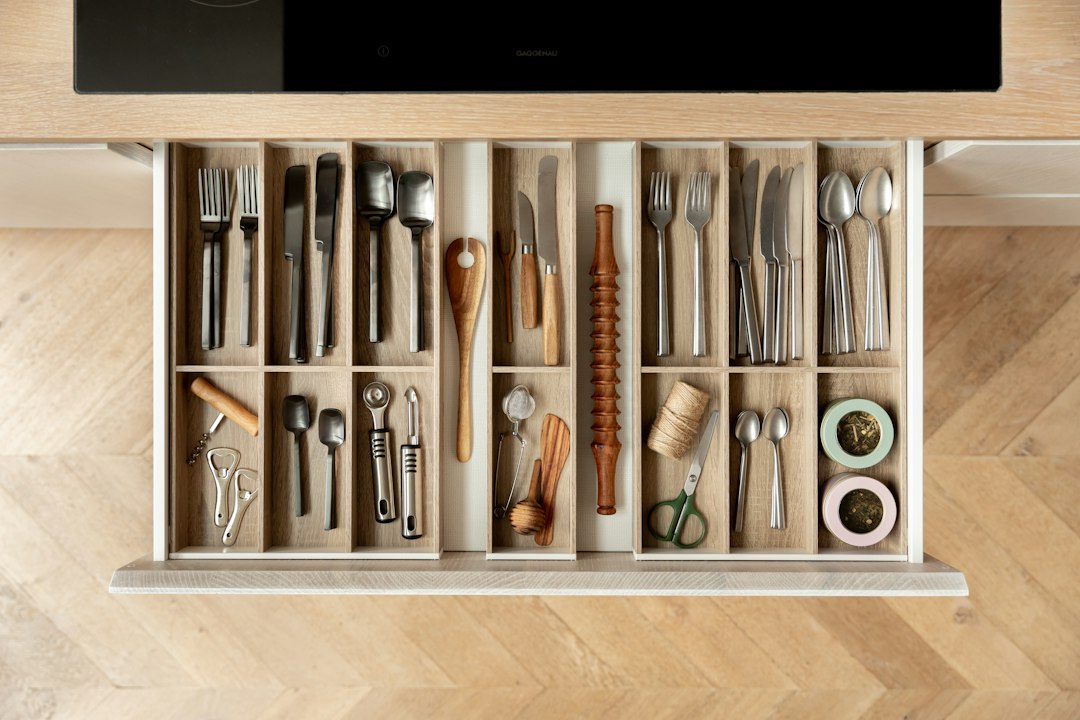
Underneath the whole operation sits the drawer that makes it survive: scissors, tape, pens, stamps, the label roll, a staple remover I have never once used but refuse to surrender. It stayed a junk drawer until we dropped in adjustable dividers and gave each tool a lane. If you want the full story of how I finally got my kitchen drawers to stop lying to me, I wrote it after the great drawer weekend in October — but the short version is that dividers only work if every divider lane has a named resident.
Labels, Because Memory Is Nothing
My grandmother taped a handwritten list inside her cabinet door, and my mother did the same, and I have spent my whole adult life understanding why. Memory is nothing — I write everything down, and I teach the kitchen to do the same. So the last step of the landing zone rebuild was pulling out the portable label maker and labeling every slot, pocket, and bin. The mail slots. The wall files. The deadline basket. The charging slots, which now bear initials.
The labels feel excessive until you watch a houseguest find the scissors without asking, or a ten-year-old put the permission slip in the right basket because the basket told him where it went. A label isn’t decoration. It’s a note from past-you to every future person who stands in your kitchen wondering where something goes.
Keeping It Standing After Thanksgiving
Systems don’t fail in a day; they fail at 6 p.m. on a Wednesday in December when the counter is full and nobody can find the tape. The insurance is a five-minute evening reset — mail to the wall, keys to hooks, cables to slots, papers to the basket — done while the coffee for tomorrow morning gets set. It’s a cousin of the sink-emptying habit that changed my evenings, and honestly the two together take less time than one sitcom cold open.
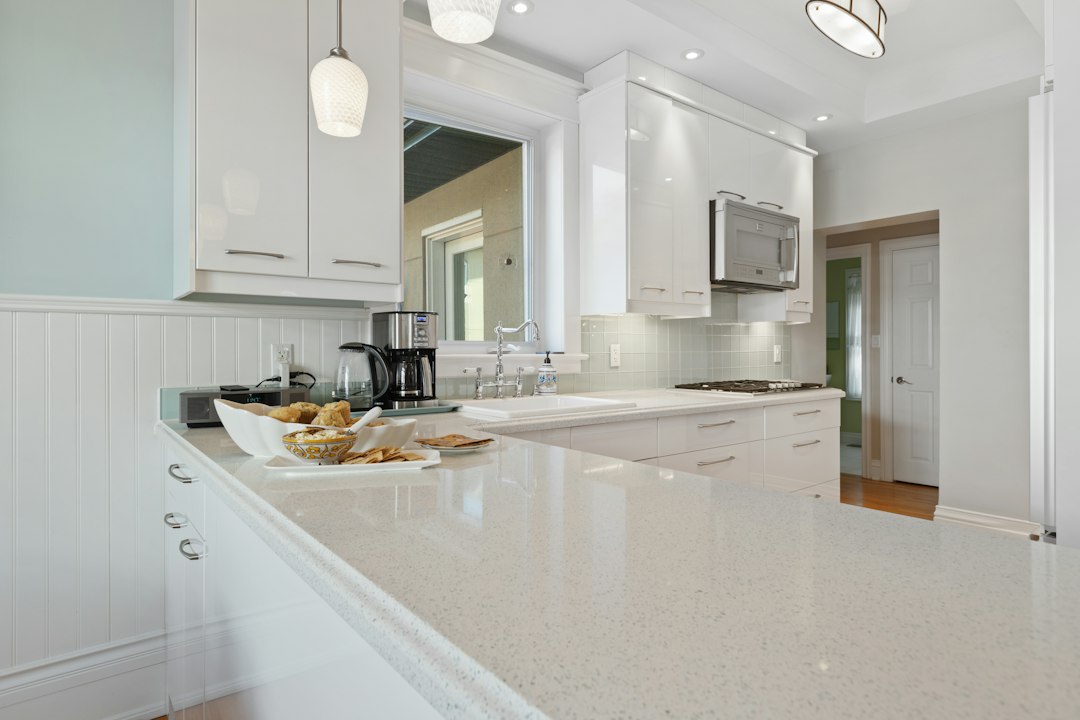
And when the holiday rush starts for real — the boxes arriving, the pantry stocked for the marathon cooking weeks, the guest list pinned to the board — the landing zone will do what it was built to do: catch the chaos, sort it, and hand every piece off to a place it belongs. The counter gets to go back to being a counter, which in my kitchen means room for a cooling pie.
That, in the end, was the whole point. Not a magazine corner — a working one. A spot where the day can set itself down and still be found in the morning, by anyone, without asking me. Three square feet of counter, finally telling the truth about what it’s for.