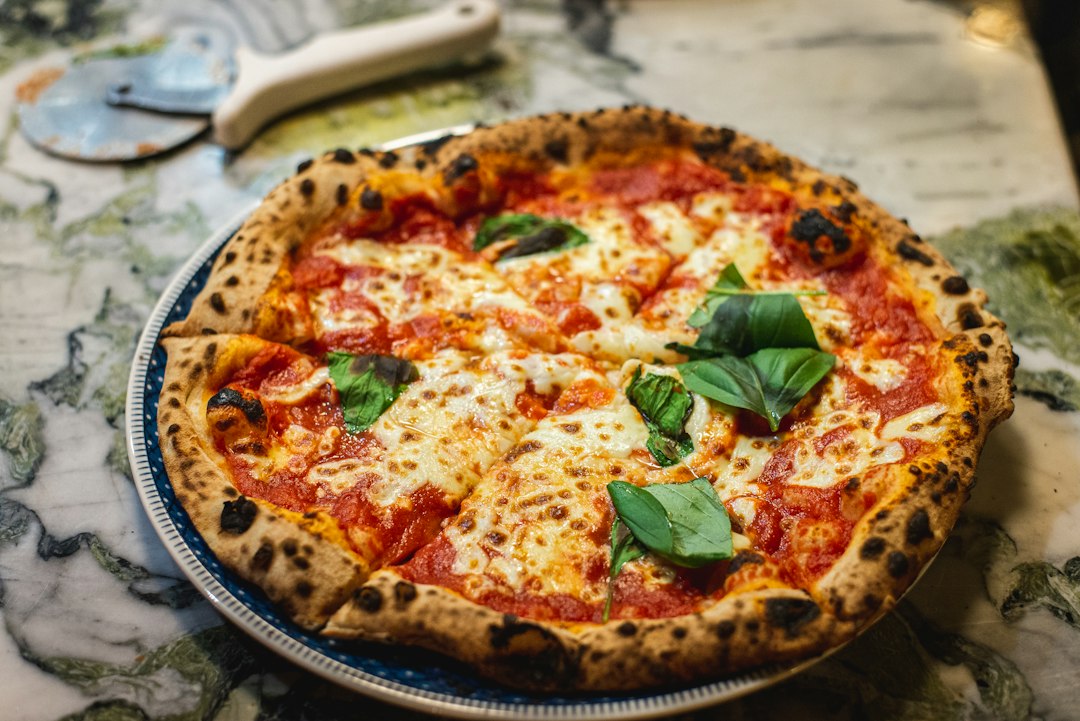
Friday night at my house has smelled the same for as long as my kids can remember: yeast, scorched flour, a little oregano, and the faint metallic heat of an oven that has been running wide open for an hour. Pizza night started years ago as a lazy way to end the week. Somewhere along the line it turned into the meal everyone plans around. And for most of those years, the only thing between my dough and the oven rack was a pale, speckled pizza stone that cracked clean in half one November when I set a frosty sheet pan on it.
That crack started a long argument in my kitchen, and this fall my team and I finally settled it. We baked pie after pie on stones, steels and a cast-iron pan, checked surface temperatures with an infrared thermometer, timed how fast each surface bounced back between pizzas. If you’re standing in front of your oven wondering what to slide under your next pie, this is everything we learned, written the way I’d tell it to you over a slice.
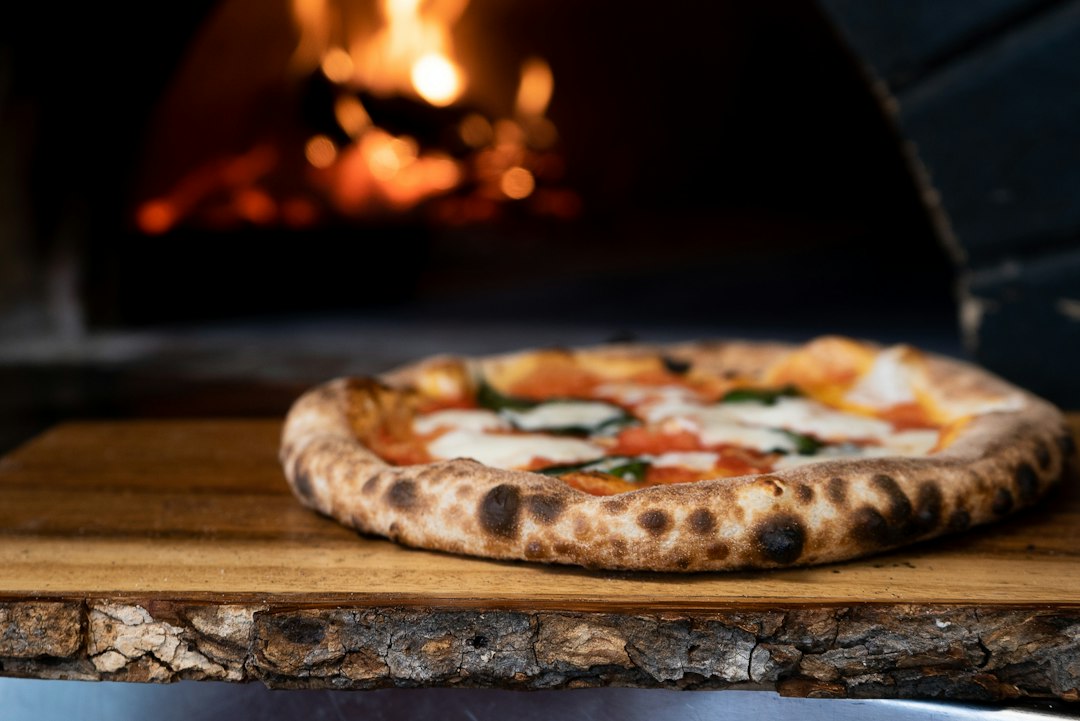
The Short Answer, If the Dough Is Already Rising
Here is where we landed. Every pick below is something I’d happily put in my own oven, and the rest of the article explains why.
- Best for most home ovens: Baking Steel Original, a quarter-inch carbon steel plate that browns the bottom fast and lasts forever.
- Best for back-to-back pies at a party: NerdChef Steel Stone (Pro, 3/8-Inch), heavier, slower to preheat, and the steadiest heat between pizzas of anything we tested.
- Best budget and lightest to lift: Unicook Rectangular Cordierite Pizza Stone, a classic stone that bakes a crisp, slightly chewier crust and is kind to your wrists.
- Best for small ovens or the grill: Lodge 15-Inch Cast Iron Pizza Pan, which has handles, costs a fraction of a steel and nearly matches it on heat.
Why the Surface Under Your Pie Changes Everything
A pizzeria oven runs somewhere between 700 and 900 degrees, and the floor of that oven is a thick slab that has been soaking up heat all day. Your home oven tops out around 500 or 550. You can’t change that number, but you can change how fast heat gets into the bottom of the dough. That is all a stone or a steel really does: it stores a big bank of heat and then pours it into the crust the instant the pizza lands.
The difference between the two comes down to conductivity. Ceramic and cordierite stones are porous and release heat gently and steadily. Steel is dense and conducts heat many times faster, so it “throws” its stored heat into the dough almost immediately. That rush of heat makes the crust puff higher and blister sooner. In our test bakes, pies on steel finished a minute or two faster and came out more tender and airy inside, while the stone pies were crisp but a touch drier and chewier at the rim. Only one made my daughter ask whether we’d ordered out.
The other thing nobody tells you is how much it matters after the first pizza. When you open the door, launch a cold pie and close the door again, the surface temperature drops. Thin, light surfaces lose heat quickly and take a long time to recover. Thick, heavy ones hold their ground. That recovery time is the difference between pizza number three tasting like pizza number one or tasting like a sad frozen pie.
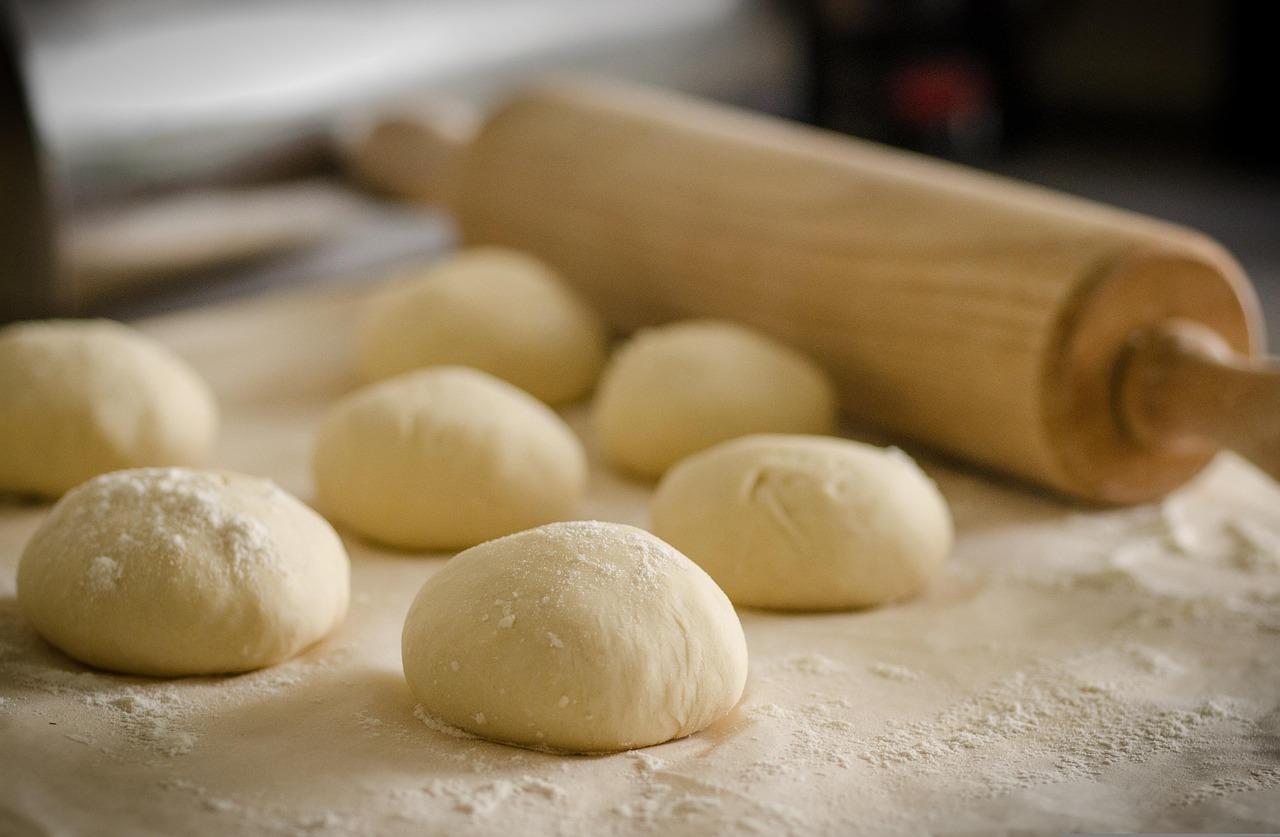
The Case for Steel: Fast, Fierce and Nearly Indestructible
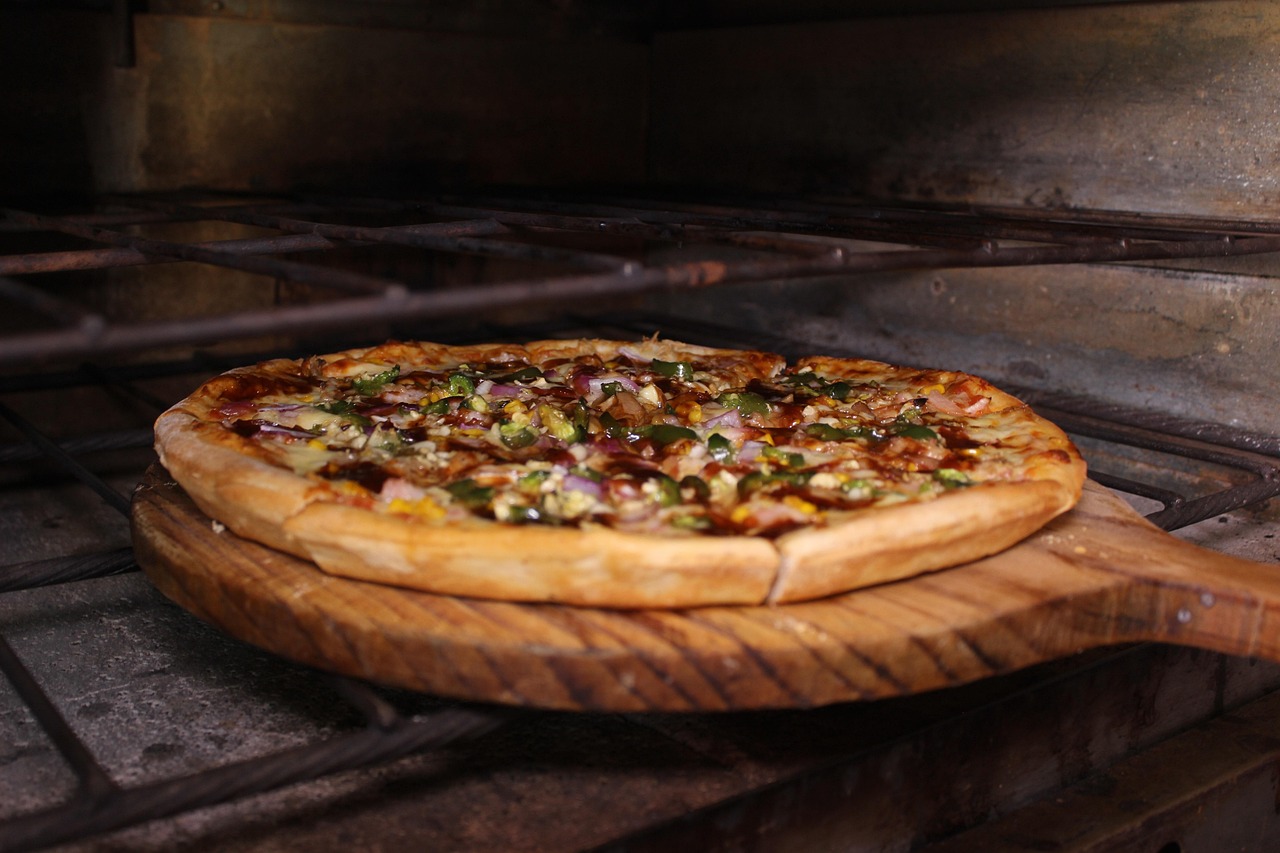
The first time I baked on a steel, I pulled the pizza out at the same six-minute mark I’d used for years on stone and found a bottom that was nearly too dark. It’s a flat slab of carbon steel, usually a quarter inch thick and around fifteen or sixteen pounds, and once it’s hot it cooks the base of a pie with real authority.
The Baking Steel Original is the one that started the whole category, and it’s still the one I reach for first. It measures about 14 by 16 inches, comes pre-seasoned, and fits nearly every standard oven with a little room left for launching. Ours took about 45 minutes to reach a full 500 degrees on the surface after the oven beeped, and it sailed through three pizzas in a row without a noticeable dip in browning.
If you bake for a crowd, thickness is worth paying for. The 3/8-inch NerdChef Pro is the same idea in a thicker plate, about 23 pounds, and it needs a longer preheat (we gave it a full hour plus a little extra). In return, it barely flinched between pies. On a night when I’m feeding twelve, that steadiness is worth more to me than ten minutes of saved preheating.
Steel has real downsides, and I won’t pretend otherwise. It’s heavy, and there’s no graceful way to lift sixteen pounds of hot metal, so I leave mine in the oven most of the week and bake cookies and sheet-pan dinners right on top of it. It can rust if you put it away wet. And in an oven that runs hot, it can char the bottom before the cheese is ready, which is why rack position matters so much (more on that below).
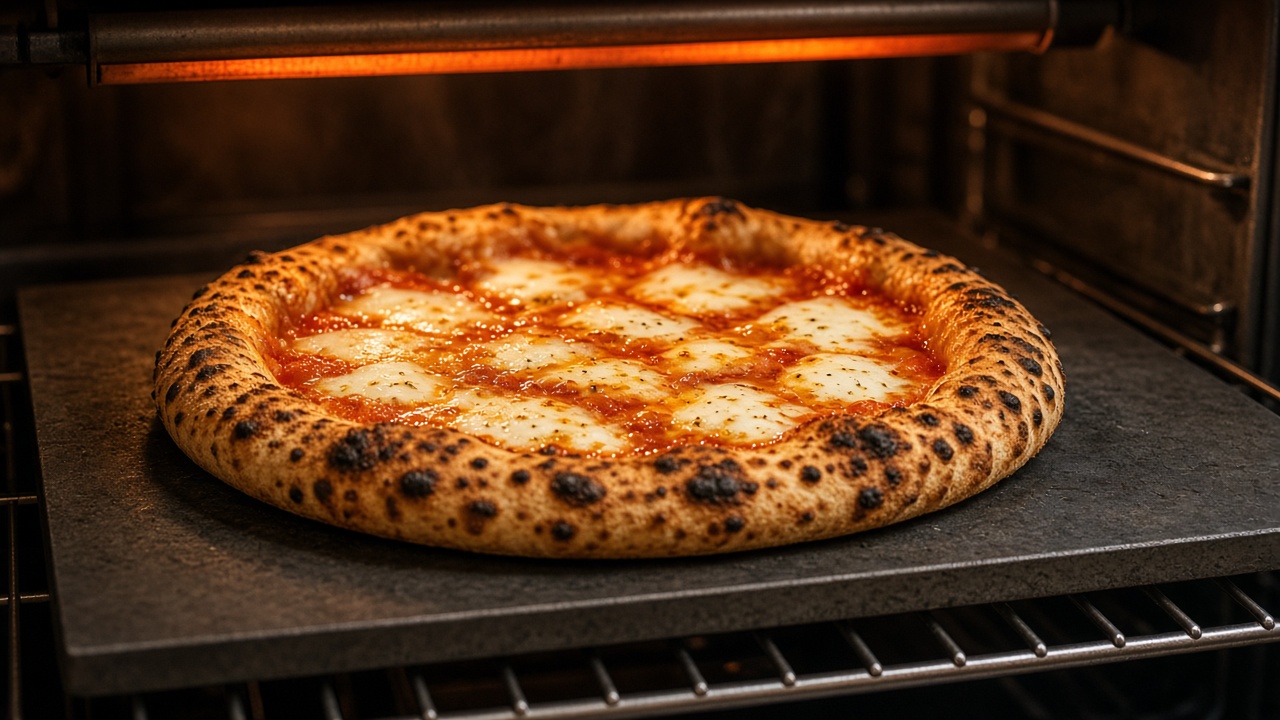
The Case for Stone: Gentle, Forgiving and Easy on the Wrists
I don’t want anyone reading this to feel bad about the stone already sitting in their oven. My grandmother’s bread came off a cheap clay stone for thirty years, and it was the best bread on our street. Stones are lighter, cheaper and slower to transfer heat, which actually makes them more forgiving. If your oven runs hot or your crusts tend to scorch, a stone gives you a wider window between “golden” and “burnt.”
The Unicook rectangular stone is the one we kept coming back to in the budget category. It’s made from cordierite, which handles heat swings better than plain ceramic, and the rectangular shape gives you more launching room than a round stone. It turned out a crisp, evenly browned crust every time, just a bit less puffy at the edge than the steel pies. For thicker, New York-style or bar-style pies, many of my tasters actually preferred it.
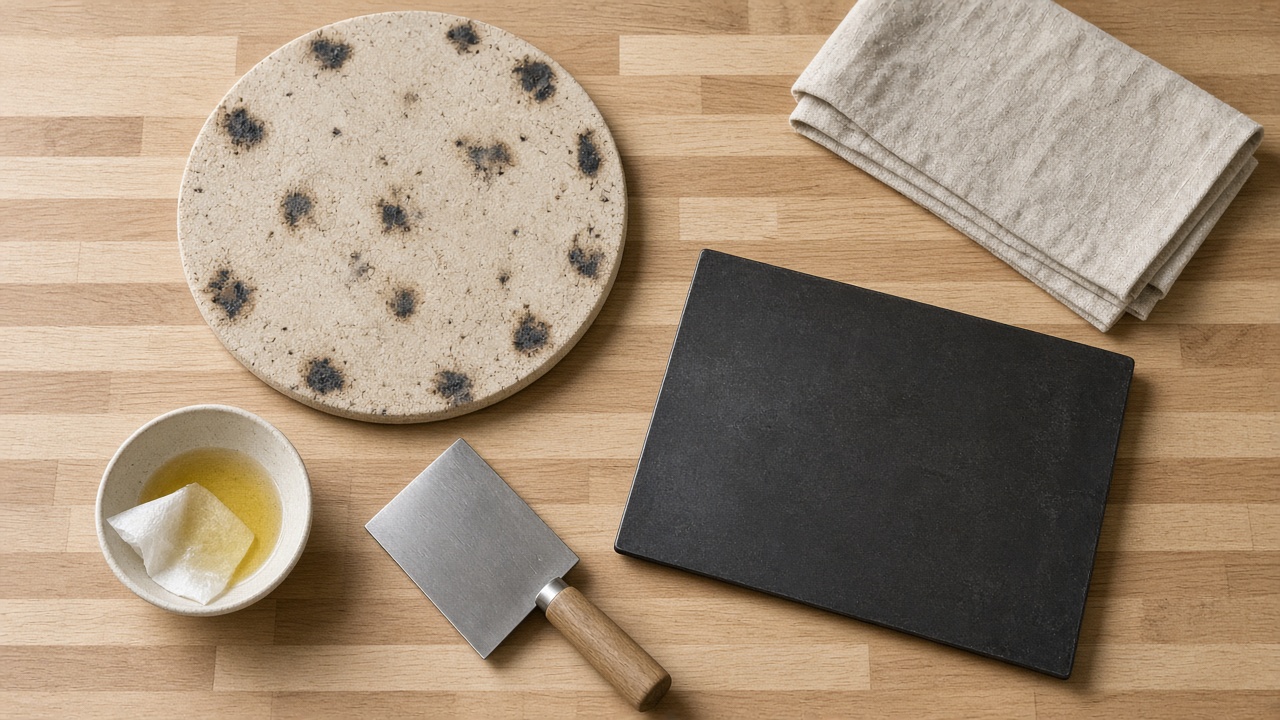
The rules for stones are simple, and I learned every one of them the hard way. Never put a cold or wet pan on a hot stone, and never run water over a hot stone. Thermal shock is how mine cracked. Don’t wash it with soap; the porous surface soaks it up and you’ll taste it later. Scrape off stuck cheese with a bench scraper once it’s cool, and accept that a stone will turn blotchy and brown with age.
The Wildcard: A Cast-Iron Pizza Pan
Here’s the surprise of our testing. Cast iron sits very close to carbon steel on heat transfer, and the Lodge 15-inch pizza pan weighs about ten pounds, has two loop handles and costs a fraction of a premium steel. It preheated faster than the quarter-inch steel and made a pie with a beautifully crisp bottom.
The catch is its low rim, which makes launching a pizza off a peel a bit fussier, and the round shape limits you to one 14-inch pie at a time. But if you have a small oven, rent an apartment with a tiny range, or want something that also goes on the grill or over a campfire, it’s my top recommendation. Season it and care for it the way you would any skillet. If you already love cast iron, my cornbread skillet showdown will tell you which other pans earn their keep alongside it.
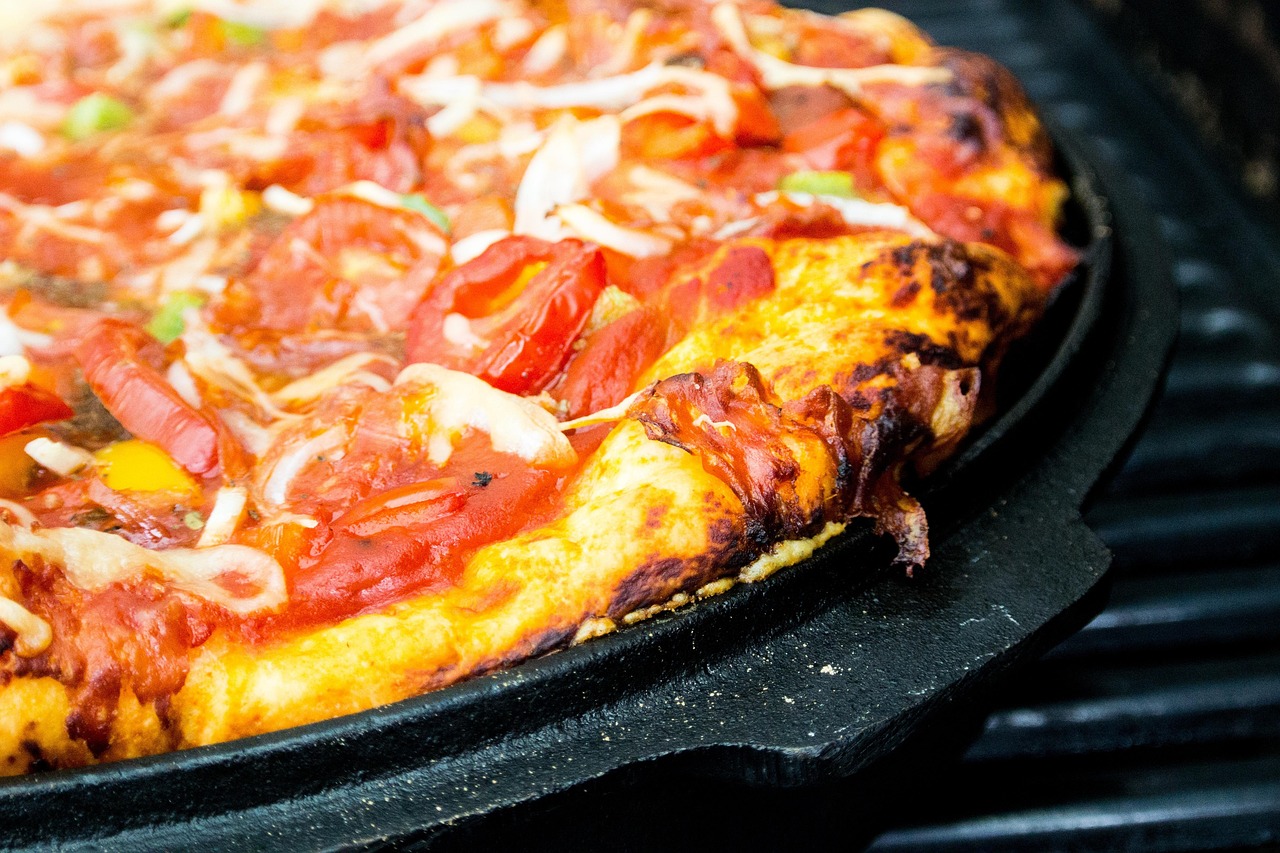
My Friday-Night Oven Routine, Step by Step
The surface matters, but the routine matters just as much. This is the exact sequence my team and I settled on after a month of Friday nights. It works for steel, stone or cast iron with only small tweaks.
- Rack position first. For steel, set the rack in the upper third of the oven, roughly six to eight inches below the broiler. The heat bouncing off the top of the oven helps the cheese keep pace with the fast-cooking bottom. For a stone, the middle or lower-middle rack is usually right.
- Preheat longer than feels reasonable. Crank the oven as high as it goes and give the surface at least 45 minutes after the oven says it’s ready, and closer to an hour for thick steels or stones. The oven’s beep tells you the air is hot, not the slab.
- Check the surface, not the dial. An Etekcity Lasergrip 774 Infrared Thermometer was the most eye-opening tool we used all month. Our “550-degree” oven read 512 at the center of the steel and 470 at the front edge. Knowing that changed how I rotate every pizza.
- Use the broiler as a finisher. With steel on a high rack, switch to broil for the last minute or two to blister the top. Watch it like a hawk; it goes from leopard spots to charcoal fast.
- Give it ten minutes between pies. Even a great steel benefits from a short recovery. Shape and top the next pizza while you wait.
Dough Habits That Make Any Surface Shine
No slab of metal will rescue a dough that’s been rushed. The single biggest upgrade to our pizza nights wasn’t equipment at all. It was making the dough on Wednesday and letting it rest in the fridge for two days. A long, cold ferment builds flavor and makes the dough far easier to stretch without tearing.
For flour, I use Antimo Caputo 00 Pizzeria Flour for thin, Neapolitan-leaning pies and plain bread flour for thicker, sturdier crusts. Caputo is milled very fine and designed for blistering-hot ovens. In a home oven, it bakes a little paler unless you add a teaspoon of sugar or a splash of olive oil to the dough, so don’t panic if your first batch looks blond.
And please, weigh everything. A cup of flour can vary by thirty grams depending on how you scoop, which is the difference between a dough that sings and one that fights you. An Escali Primo Digital Kitchen Scale lives on my counter for exactly this reason, and I wrote a whole piece on why the gram changed everything in my baking. If you’d rather let a machine handle the kneading, the dough cycle on a bread machine does a lovely job too; my bread machine guide covers which models handle stiff pizza dough without straining.
The Launch: Where Most Pizza Nights Go Sideways
The launch is where nerves fail. The pizza sticks to the peel, folds in half on the way in, and suddenly half the toppings are welded to the back of the oven. A few habits fix nearly all of it.
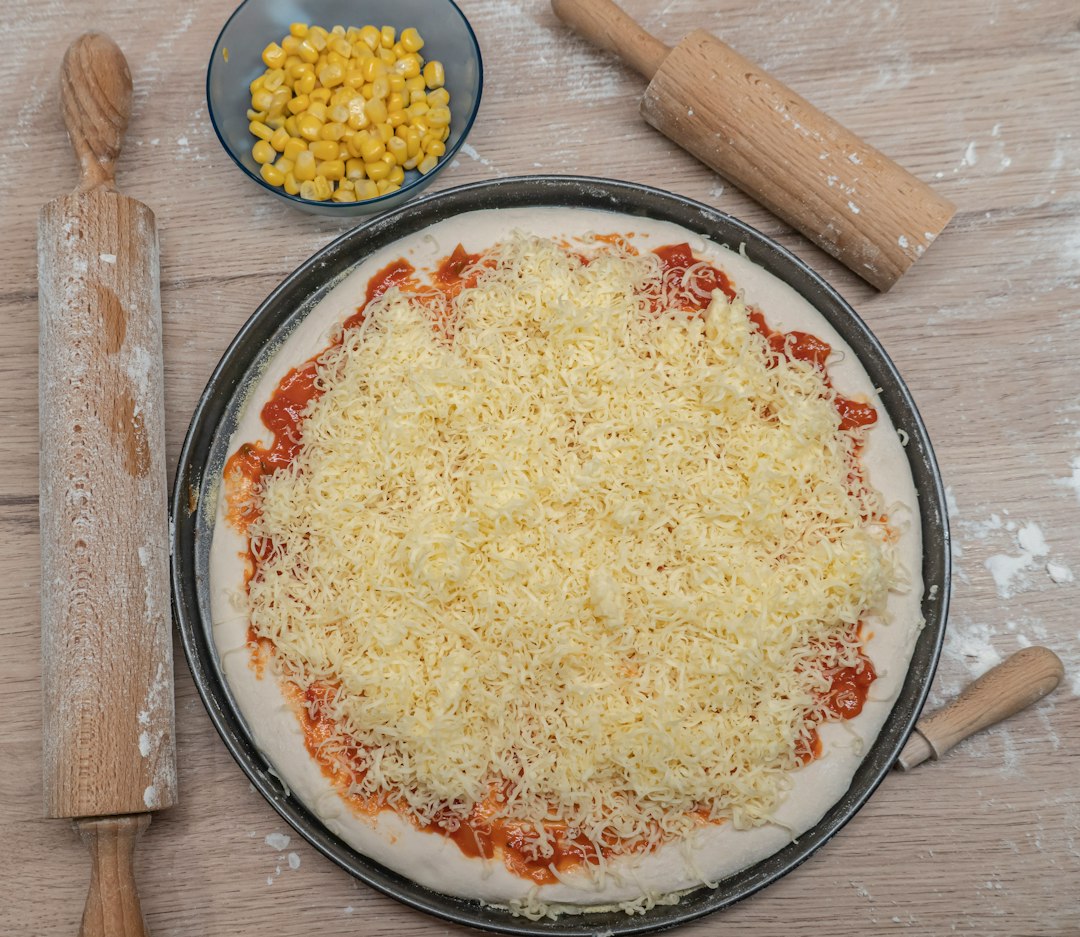
First, build the pizza on the peel, not on the counter, and do it quickly. The longer wet sauce sits on raw dough, the more it sticks. Dust the peel with a mix of flour and a little semolina, which acts like tiny ball bearings. Give the peel a gentle shake before you add toppings; if the dough doesn’t slide, lift the edge and toss in more semolina. Then go light on toppings. An overloaded pie is a heavy pie, and heavy pies don’t slide.
A thin metal peel like the New Star Aluminum Pizza Peel slips under a finished pizza far more easily than a thick wooden one, which makes it ideal for turning and retrieving. If you only buy one peel, buy the metal one and be generous with the semolina.
Use the launch to set yourself up for a clean finish too. Place the pizza toward the back of the steel or stone, where most ovens run hottest, and plan to rotate it 180 degrees halfway through. A thin OXO Good Grips Bench Scraper helps nudge a stuck edge, scrape semolina off the peel between pies, and later lift baked-on cheese from a cooled stone.
Caring for Your Slab So It Outlives You
Once the last slice is gone, the care routine is short, but it’s different for each surface.
Steel and cast iron get treated like a good skillet. Let it cool completely in the oven. Scrape off anything stuck, wipe it with a damp cloth or give it a quick rinse, then dry it thoroughly and rub on a very thin film of neutral oil. If you ever see a speck of rust, scrub it off with steel wool, oil it, and bake it empty for an hour.
Stones want even less. Let them cool in the oven, scrape off debris, and brush away loose flour. If something truly gross happens, like a cheese avalanche, bake the stone at high heat for an hour and most of it will carbonize and flake away. Store stones flat, never stacked under heavy pans, and expect them to darken over time.
Which One Should You Actually Buy?
After a month of side-by-side Fridays, here’s how I’d decide if I were starting from scratch:
- Choose steel if you want the crispest, puffiest, most pizzeria-like crust from a standard home oven, you bake more than one pie at a time, and you’re fine leaving a heavy slab in the oven. The Baking Steel Original is the safe buy-it-once choice.
- Choose stone if your oven runs hot, you prefer thicker or chewier crusts, you move your baking surface in and out often, or you want to spend under fifty dollars. The Unicook Rectangular Cordierite Pizza Stone is the one I’d hand to a friend.
- Choose cast iron if you have a compact oven, want something that goes on the grill too, or need handles because lifting a slab isn’t realistic for you.
And if pizza night has already outgrown your kitchen and you’re dreaming of 900-degree pies in the backyard, I’ve written about giving a pizza oven permanent patio real estate and every tool that came with it. For most of us, though, a good slab in the oven we already own gets about ninety percent of the way there.
The Last Slice
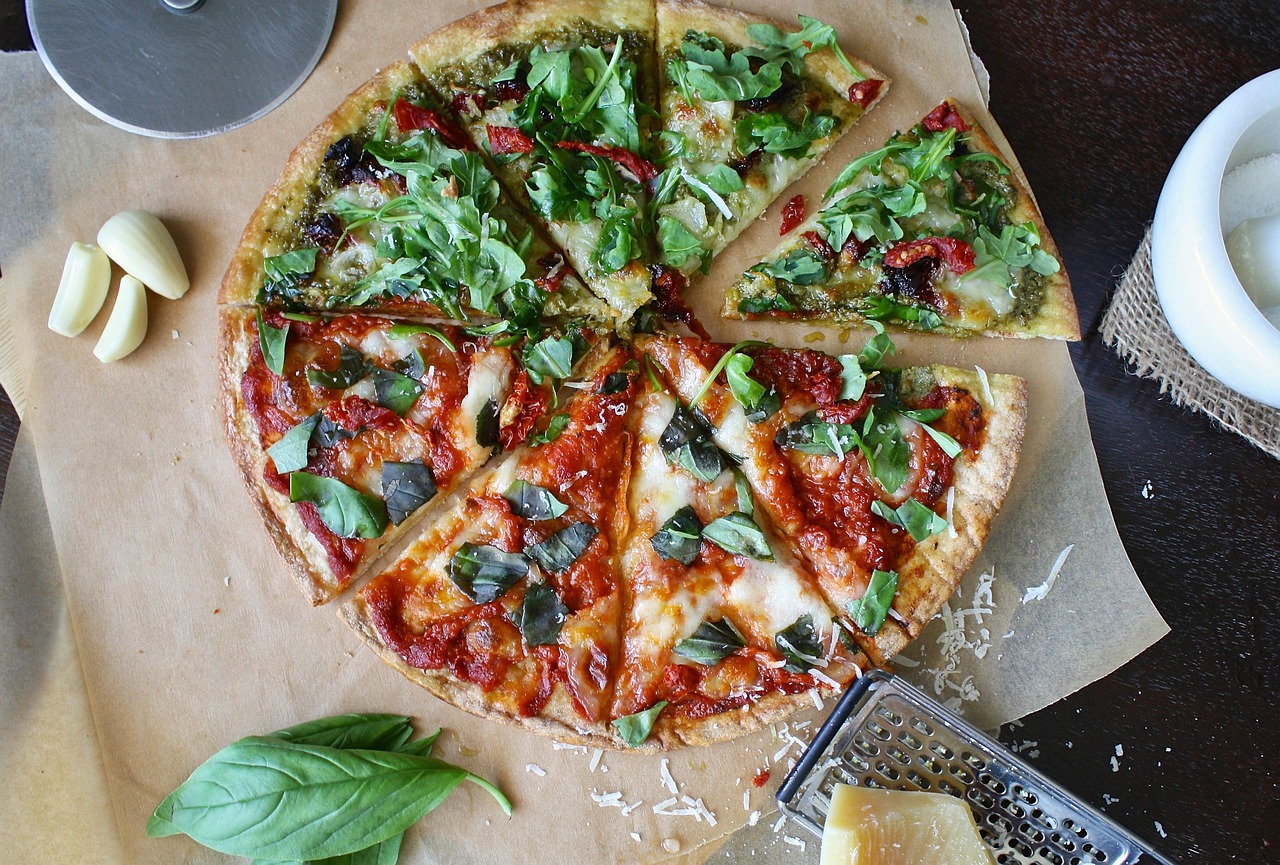
We cut the final test pizza of the month with a KitchenAid Classic Pizza Wheel at my kitchen island, eight slices, everyone reaching in at once. It was baked on steel, finished under the broiler, and blistered in all the right places. Nobody talked for a minute, the highest compliment my family gives.
But the honest truth is that the slab matters less than the ritual. Preheat longer than you think, weigh your dough, keep the toppings light, and turn the pie halfway through. Do that on a stone, a steel or a well-loved cast-iron pan, and Friday night will start smelling like it does at my house: yeast, scorched flour, a little oregano, and a whole lot of people who can’t wait to sit down.