
My grandmother’s cast iron skillet weighed about as much as a small child. It had a handle darkened by decades of use, a cooking surface smoother than any non-stick pan I’ve ever owned, and a temperament — because yes, cast iron has temperament — that could go from screaming hot on a Tuesday night to a slow, gentle simmer by Saturday morning without complaint. That skillet made the cornbread at every family gathering I can remember. It outlived three kitchens, two house moves, and one spectacular incident involving me, age eleven, forgetting to dry it after washing.
I still have that skillet. It sits on my stove right now, and if the house were on fire, it would be the first thing I’d grab — not because it’s worth a fortune, but because it’s irreplaceable. But here’s what I’ve learned in the twenty-some years since I started building my own kitchen: you don’t need to inherit a legendary skillet to cook like someone who did. You just need to know which ones are worth buying, and how to treat them once you bring them home.

Why Cast Iron Still Wins in a Kitchen Full of Gadgets
I test kitchen tools for a living. My counters are cluttered with air fryers, immersion circulators, and stand mixers that promise to revolutionize dinner. But when I need to put a serious sear on a ribeye, bake cornbread with actual crunch, or slow-simmer a tomato sauce all afternoon, I reach for cast iron. Nothing else holds heat the same way. Nothing else gets better the more you use it. And nothing else costs so little for how long it lasts.
A good cast iron skillet will run you anywhere from twenty to forty dollars. It’ll outlive every appliance in your kitchen, work on every cooking surface from induction to open flame, and actually improve with age instead of degrading. Try saying that about the non-stick pan you replaced last year.
The Skillet That Started My Obsession (And the One I’d Tell You to Buy First)
When I finally moved into my own apartment at twenty-two, my grandmother handed me a brand-new Lodge 10.25-inch cast iron skillet still in its packaging. “Learn on this one,” she told me. “It’s the same one I started with.” She was right — that skillet became my most-used pan for the next decade.
The Lodge 10.25-inch is, in my opinion, the single best entry point into cast iron cooking. It comes pre-seasoned, which means the initial layer of polymerized oil is already baked in. Is that factory seasoning perfect? No. You’ll need to build it up over the first few weeks of cooking. But it’s a solid, honest starting point that will handle eggs, grilled cheese, fajitas, and yes, cornbread, without complaint once you’ve given it a little love.
For anyone cooking for a family or who just likes having room to maneuver, the Lodge 12-inch version gives you that extra real estate. I use mine for pan pizzas, whole chicken breasts, and any time I’m cooking for more than two people. The 12-inch is heavier, no question — but that extra surface area matters more than you’d think when you’re trying to get a good sear without crowding the pan.
The Cornbread Incident — And Why It Changed My Entire Approach
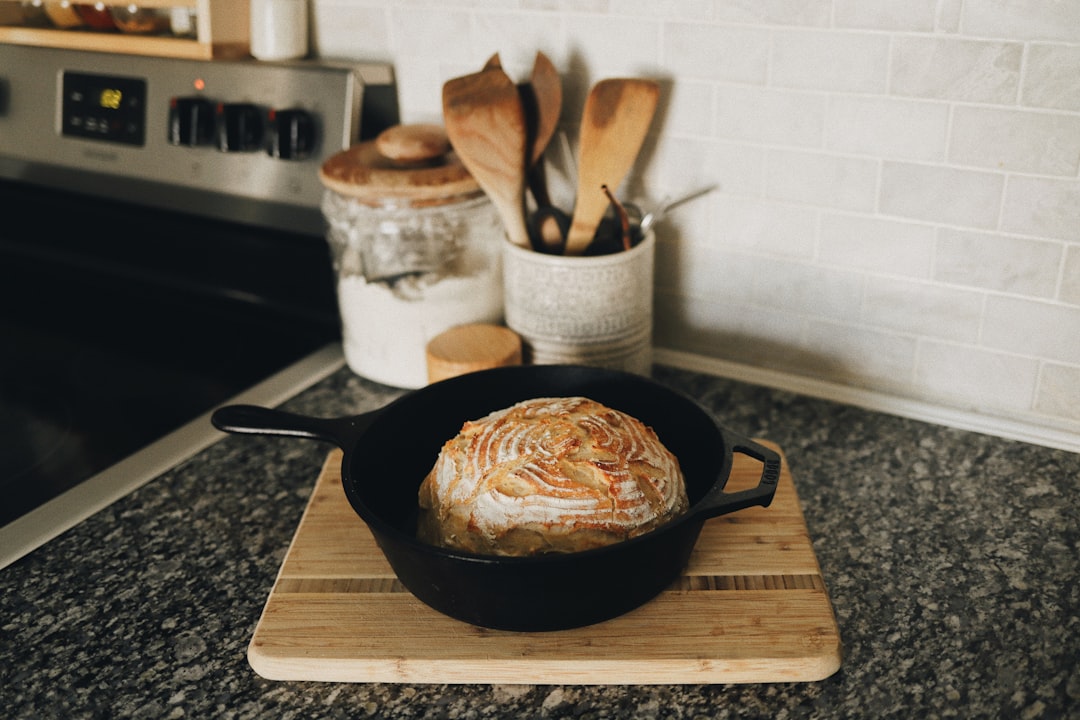
I mentioned that spectacular cornbread failure earlier. Let me explain. At twenty-four, I decided to “improve” on my grandmother’s recipe by using a cheaper, thinner skillet I’d picked up at a discount store. The batter went in, the oven did its job, and what came out was a pale, gummy brick stuck to the bottom of the pan like it had been welded there. I soaked it, scrubbed it, and eventually had to reseason it from scratch — a process that taught me more about cast iron than any article ever could.
Here’s the truth: not all cast iron is created equal. The thickness of the metal, the quality of the casting, the smoothness of the cooking surface — these things vary wildly between brands. That cheap skillet had hot spots the size of silver dollars and a surface rough enough to grate cheese on. No amount of seasoning was going to fix that.
After that disaster, I got serious. Over the next several years, I bought, tested, cooked in, and occasionally destroyed twelve different cast iron skillets. Some were garage sale finds. Others were premium brands costing ten times what a Lodge runs. What I found surprised me.
The Upgrade Pick: Victoria Cast Iron
For years, Lodge was the only cast iron I recommended without hesitation. Then I started cooking with Victoria skillets, and my perspective shifted. The Victoria 12-inch cast iron skillet has two things that set it apart: a smoother factory finish and genuinely functional pour spouts.
Those pour spouts sound like a small detail until you’re trying to drain bacon grease or transfer a pan sauce. Lodge’s spouts are notoriously shallow — you’ll spill more than you pour. Victoria’s are deeper and actually work. The handle is also slightly longer and more ergonomic, which matters more than you’d think when you’re one-handing a twelve-inch skillet full of cornbread batter.
If you want a mid-range option between the budget Lodge and the premium boutique brands, the Victoria 10-inch hits a sweet spot. It’s my “Tuesday pan” — the one I grab for quick weeknight jobs where I don’t need the full twelve inches.
What About the Fancy Stuff?
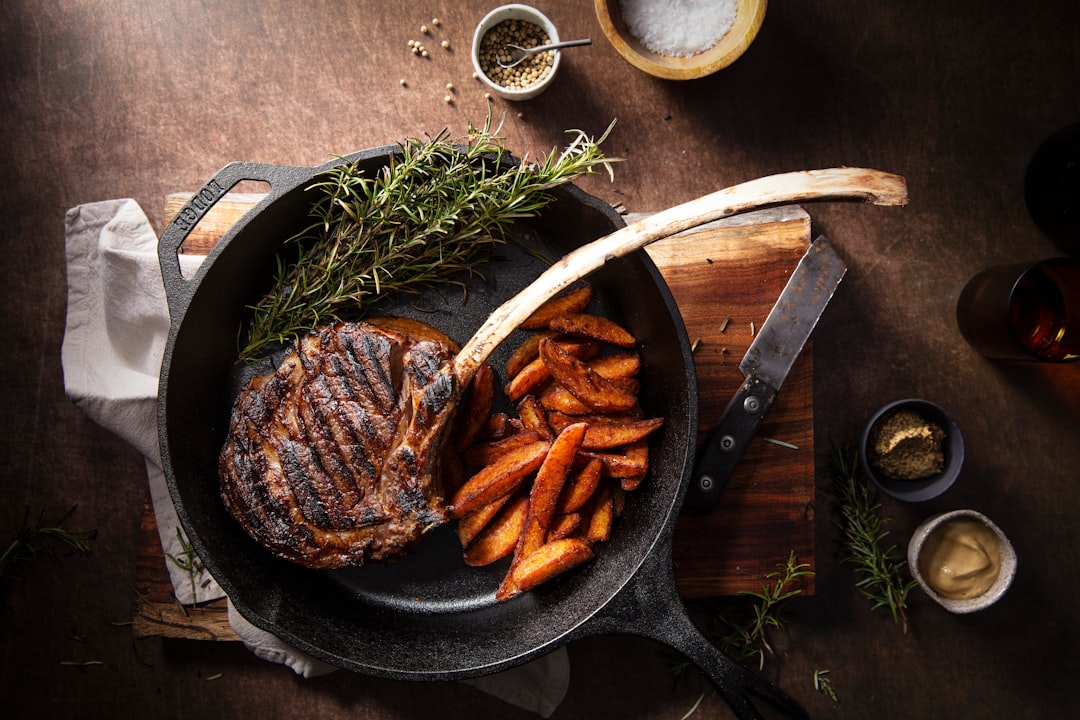
I won’t name names, but there’s a whole category of boutique cast iron that costs upward of two hundred dollars per pan. They’re hand-machined to a glass-smooth surface, they’re gorgeous, and they cook beautifully. Are they worth it? For some people, absolutely. For most home cooks? I’d rather see you spend that money on a full set of basics — a skillet, a Dutch oven, and the tools to maintain them.
What matters more than the brand name is how the pan performs over time. A twenty-dollar Lodge that’s been properly seasoned and maintained will cook circles around a two-hundred-dollar pan that’s been neglected. I cannot stress this enough: the magic is in the maintenance, not the price tag.
The Maintenance Kit That Makes Cast Iron Effortless
This is where most people give up on cast iron. They cook in it once, it looks messy, they panic and run it through the dishwasher, and suddenly they’ve got a rusted pan and a bad attitude about the whole thing. Don’t be that person.
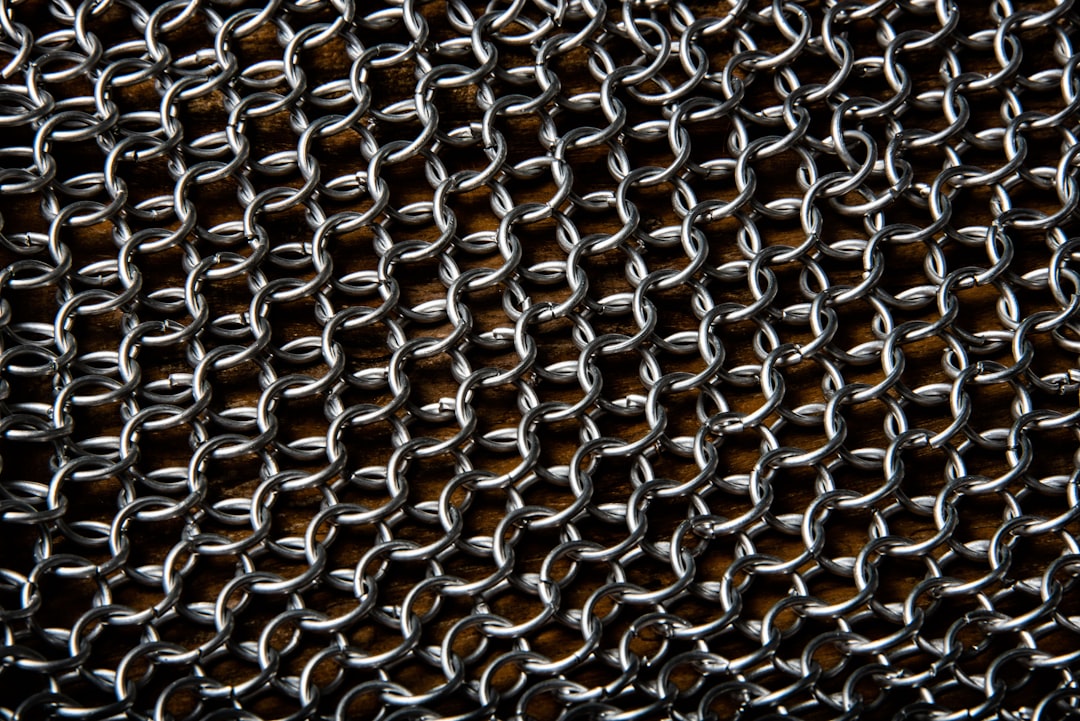
Cast iron cleanup is actually simple once you have the right tools. The Ringer chainmail scrubber is the unsung hero of my kitchen — a small pad of stainless steel chainmail that cleans cooked-on food off cast iron without damaging the seasoning. I’ve had mine for six years, and it still looks new. Warm water, a quick scrub with the Ringer, a towel dry, and a thin wipe of oil. That’s the whole process.
If you want a complete kit, the Lodge cast iron care kit includes a scrub brush, pan scraper, silicone handle holder, and seasoning spray all in one package. It makes a fantastic gift for someone who’s just starting their cast iron journey — or for yourself if you’re tired of cobbling together mismatched cleaning tools.
For seasoning, I’ve switched almost exclusively to the Field Company cast iron seasoning oil. It’s a grapeseed, sunflower, and beeswax blend that builds up a beautiful, hard seasoning layer faster than anything else I’ve tried. Yes, you can use plain canola oil. I did for years. But the Field Company oil produces a noticeably smoother finish with fewer applications. For budget-conscious seasoning, the Lodge seasoning spray works fine — just plan on applying it more frequently.
The Accessory You Forget Until You Burn Your Hand
Cast iron handles get hot. That’s not a design flaw — it’s physics. The whole pan is one piece of metal, so if the cooking surface is 450 degrees, the handle is too. You will forget this at least once. I still forget it occasionally, and I’ve been cooking on cast iron for decades.
A silicone handle holder costs about five dollars and saves you from a lot of colorful language in the kitchen. The Lodge version slips on and off easily, stays cool even on a screaming hot pan, and is dishwasher safe. Keep one near the stove. Your hands will thank you.
When You Want the Look Without the Work: Enameled Cast Iron
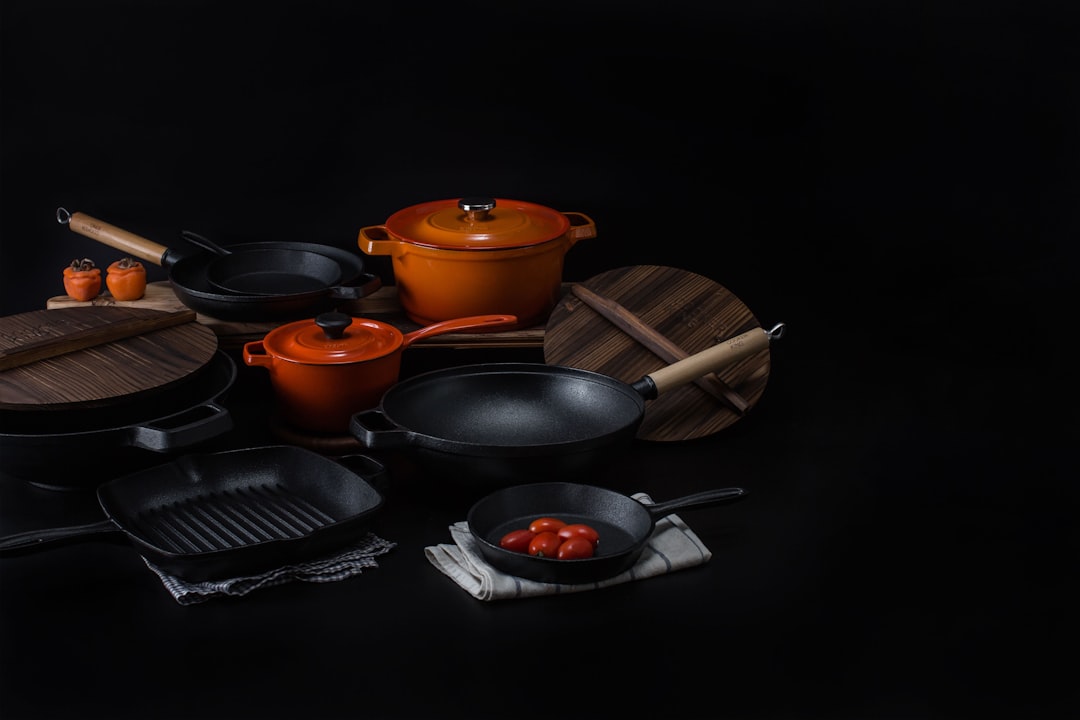
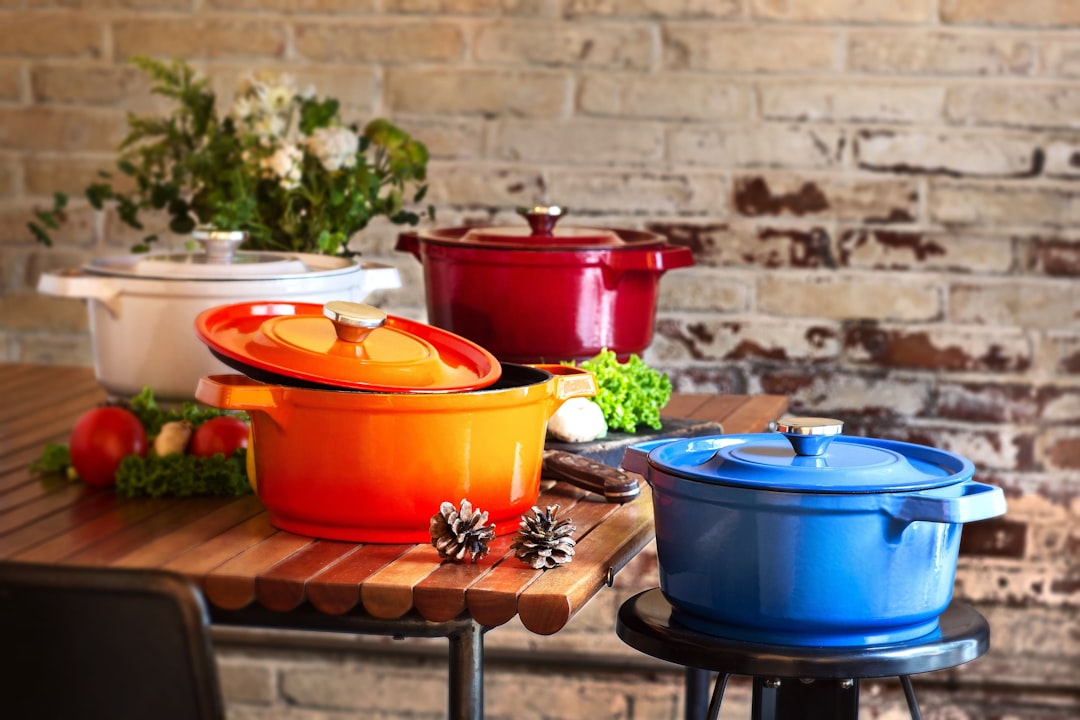
I’d be doing you a disservice if I didn’t mention enameled cast iron. These are cast iron pans coated with a glass-like enamel that eliminates the need for seasoning and gives you a smooth, easy-to-clean surface. They’re what you reach for when you want slow-braised stews, sourdough bread baking, or a pot that goes straight from stove to table looking gorgeous.
The Lodge 6-quart enameled Dutch oven is my pick for best value in this category. It does ninety percent of what a Le Creuset does at a third of the price. The enamel is durable, the lid fits tightly for moisture retention, and it’s deep enough for a whole chicken or a massive batch of chili. I use mine every single week.
What enameled cast iron doesn’t do well: high-heat searing. The enamel can crack at temperatures above 500 degrees, so save the screaming-hot steak searing for your bare cast iron and keep the enameled pieces for lower, slower cooking.
Beyond the Stove: Cast Iron Outdoors
One of the reasons I fell hard for cast iron is its versatility. The same skillet that makes Tuesday night fajitas also goes camping with me on weekends. Try that with your ceramic non-stick pan.
Cast iron on an open fire or grill is an entirely different cooking experience. The heat is less predictable, the smoky flavor is real, and somehow everything tastes better when you’re eating outside. A well-seasoned skillet handles campfire cooking beautifully — just brush off the ash when you’re done, give it a quick oil wipe, and it’s ready for breakfast eggs the next morning.

Building Your Cast Iron Collection (Without Going Overboard)
If you’re starting from scratch, here’s my honest recommendation: don’t buy a set. Sets seem like a good deal, but you’ll end up using two sizes and ignoring the rest. Instead, build piece by piece.
Start with a 10.25-inch or 12-inch skillet — that’s your daily driver for searing, baking, and everything in between. Add a silicone handle holder and a chainmail scrubber right away; these aren’t optional accessories, they’re essential tools that make cast iron ownership painless. Then, when you’re ready, add an enameled Dutch oven for slow cooking and braising.
That’s three pieces. Total investment: under $150 for everything. And unlike every other thing in your kitchen, these will still be working perfectly when your kids inherit them. I wrote about this philosophy of buying fewer, better tools in my $50 kitchen reset guide — the same logic applies here, just with a slightly bigger budget.
The Real Secret Nobody Tells You
People get intimidated by cast iron because of all the “rules” — no soap, no tomatoes, no dishwasher, season after every use. Most of these rules are outdated or flat-out wrong. Modern dish soap won’t strip your seasoning. Cooking acidic food occasionally won’t destroy your pan. And you don’t need to season after every single use unless you want to.
The actual secret to cast iron is simple: cook in it. A lot. Every time you cook, you’re adding another microscopic layer of polymerized oil to the surface. After a few months of regular use, that pan will develop a finish that rivals anything my grandmother built up over fifty years. The seasoning isn’t a delicate flower you have to baby — it’s a living, growing thing that gets stronger every time you make dinner.
My grandmother’s skillet is still smoother than any of mine. It has sixty years of cornbread, fried chicken, and Sunday gravy baked into its surface. I don’t know if I’ll ever catch up to it. But every time I cook in my own well-worn Lodge, I’m a little closer. And honestly? That’s the part I love most. Cast iron isn’t just cookware. It’s a conversation with every meal that came before — yours, and the people who taught you how to cook.
So go ahead. Buy the skillet. Make the cornbread. Burn it once or twice. Learn what the pan is telling you. Because the best cast iron skillet isn’t the most expensive one or the prettiest one — it’s the one you actually use, every single day, until it becomes part of how you cook. And that, I can promise you, is worth far more than whatever you paid for it.
One thought on “Three Generations of Cornbread, Twelve Skillets, and the One I’d Buy Again Tomorrow”