Last year, somewhere between the green beans and the pie, I noticed my brother-in-law sliding half his plate onto his wife’s. He didn’t make a speech about it. He just looked a little embarrassed, the way people do when the host has piled a dinner plate the size of a hubcap and they know they can’t get through a third of it. Later, in the kitchen, he told me quietly that he’d started a GLP-1 medication over the summer. “I love your stuffing,” he said. “I just can’t eat the stuffing and everything else anymore.” Then he apologized. In my kitchen. For not eating enough.
That apology stuck with me all year. A Thanksgiving host has one real job, and it isn’t the turkey. It’s making sure every person at the table feels like the meal was made for them. So this year my small team and I spent a few October Sundays rebuilding the way I serve the meal, not the menu itself. The recipes my grandmother taught me are staying. What’s changing is the size of the plates, the order things come out, and how dessert reaches the table.
I’m not the only host thinking this way. Chicory’s 2026 holiday survey found that about 39% of households now include someone taking a GLP-1 medication, and the share is highest among people in their prime hosting years. Only about 6% of hosts say they plan their menu with those guests in mind. That’s a big gap, and it’s easy to close without turning dinner into a diet lecture. Nobody should get a special plate or a different meal. We just need a table where a small appetite looks normal.
Hospitality, Not a Diet Plan
Before anything else, the ground rule in my house: we don’t talk about anybody’s plate. Not the guest who takes three bites, not the teenager who takes thirty. I’m not a doctor, and I’m not going to pretend to know what anyone should eat. Medication, appetite and health are private, and plenty of guests eating smaller portions this year have reasons that have nothing to do with GLP-1 at all. Older relatives, kids, the friend recovering from surgery, the cousin who just doesn’t like a heavy meal.
What I can control is the setup. When the default serving is a generous family-style mound on a 12-inch plate, a small eater has to opt out in front of everyone. When the default is a tasting-size portion on a smaller plate, with seconds always welcome, nobody has to opt out of anything. The big eaters go back for more, the small eaters are done, and both look exactly the same from across the table.
The research I read this fall keeps pointing the same direction. Hosts who adjust are leaning toward smaller portions, more protein-forward dishes and fewer sugary extras. Guests who are eating less say they still want the traditional flavors, just in amounts that fit. That’s not a new menu. That’s a plating problem, and plating is something I’ve been fussing over since I stood on a step stool in my aunt’s kitchen.
The Smaller Plate Is Doing Most of the Work
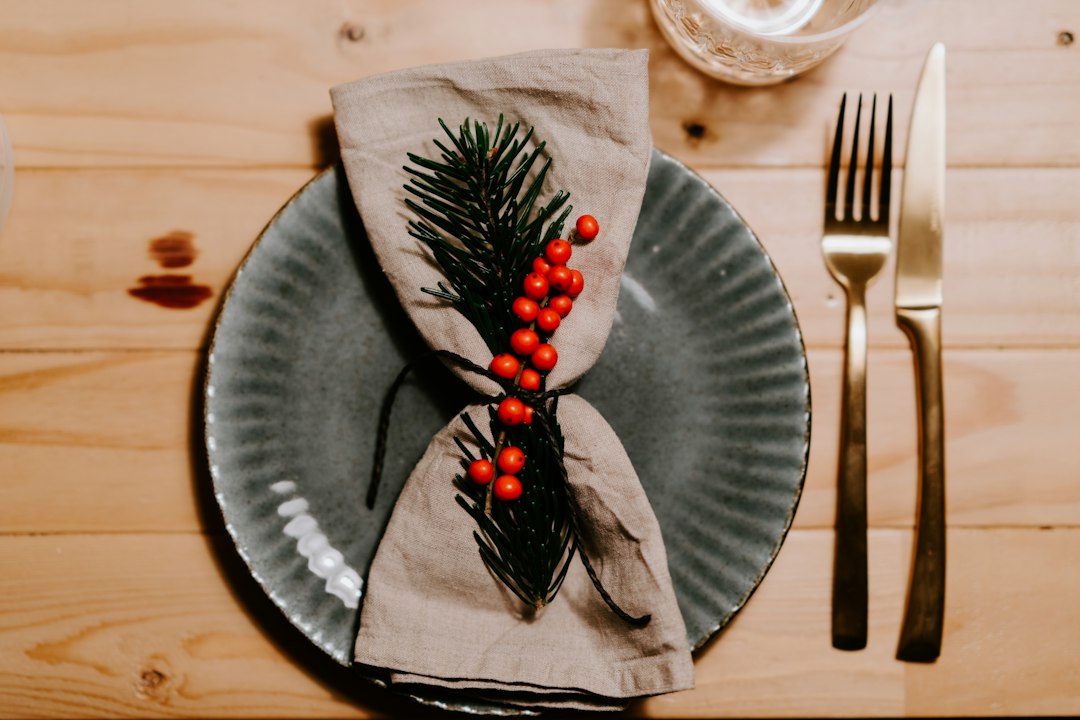
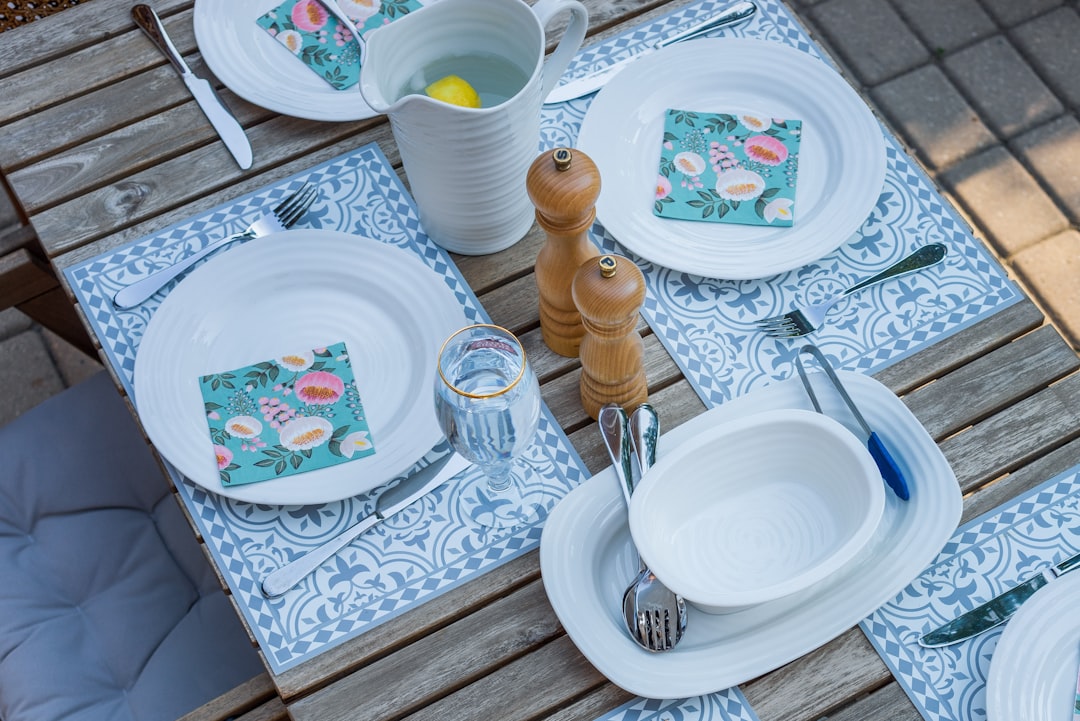
Here’s the single change that made the biggest difference in our test dinners: I put the big dinner plates back in the cabinet and set the table with 8- to 9-inch lunch plates instead. On a 12-inch plate, a reasonable helping looks lonely and stingy, so people pile on to fill the space. On a smaller plate, the same helping looks full and generous. My brother-in-law could fill his plate like everyone else and actually finish it.
I use plain white Corelle Winter Frost White 8.5-Inch Lunch Plates for this because they’re light, stack without a fuss and survive the dishwasher marathon that follows every holiday. White also makes food look its best. Cranberry sauce looks like a jewel on a white plate and like a stain on a busy pattern. If you already own a good set of salad or dessert plates, use those. The point is the size, not the brand.
The other quiet win is that smaller plates make seconds feel festive instead of greedy. I tell everyone at the start, “Small plates tonight, so go back as often as you like.” The people with big appetites love it, because a second trip means hot food straight from the oven. The people with small appetites love it, because nobody notices they didn’t go back.
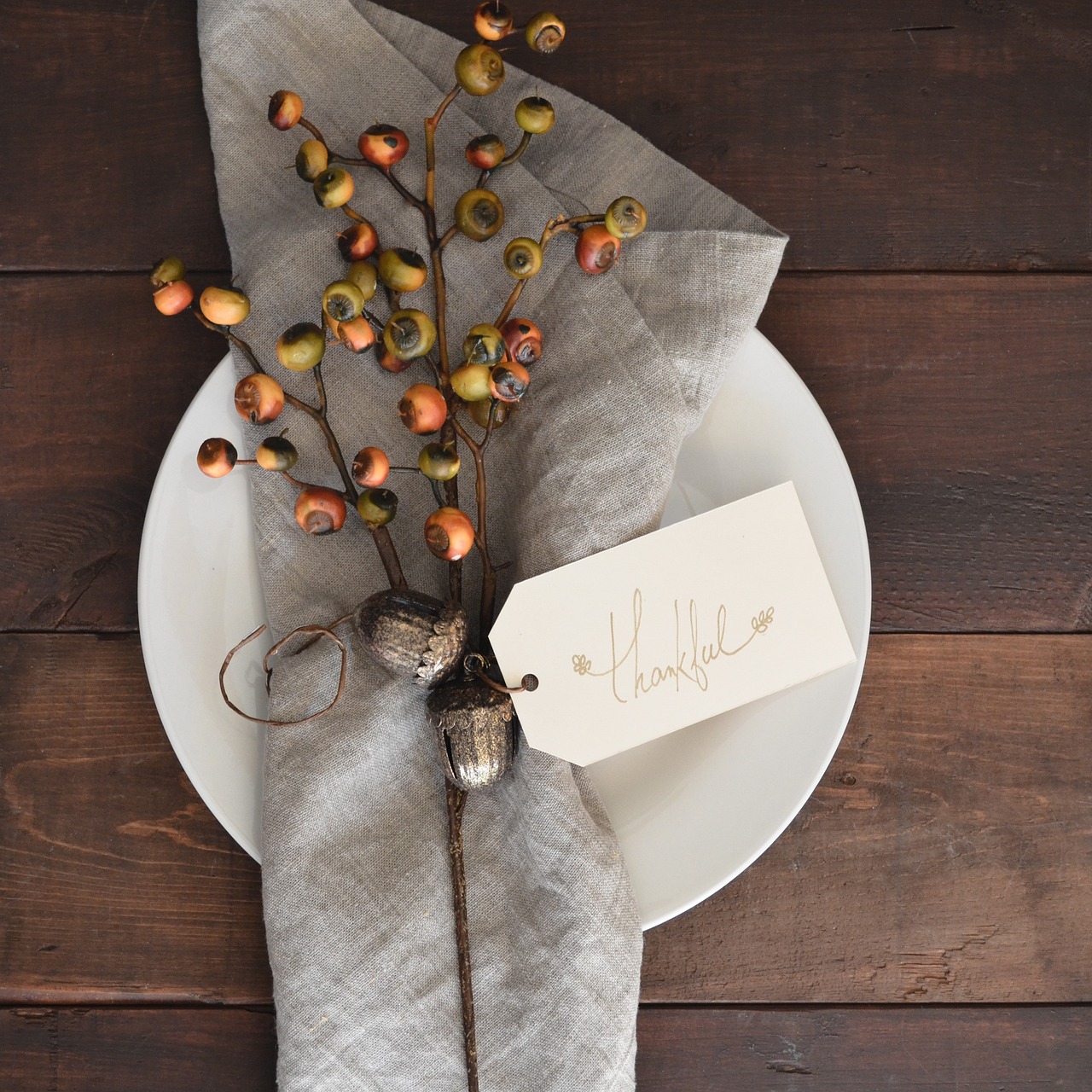
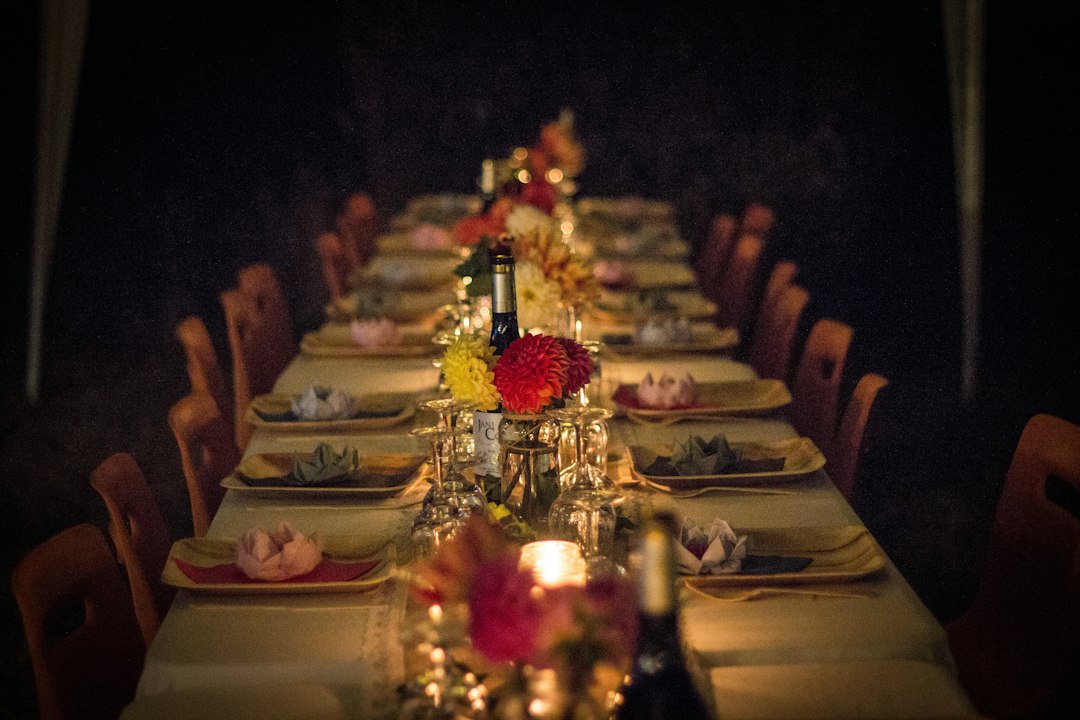
One more thing about the place setting: I set every place exactly the same. No special plate for “the person on the medication,” no different napkin, no little card that says “light portion.” The whole point is that the table is the same for everyone. A handwritten place card with a name and a sprig of something from the yard is all the personal touch anyone needs.
Protein First, Out of the Kitchen First
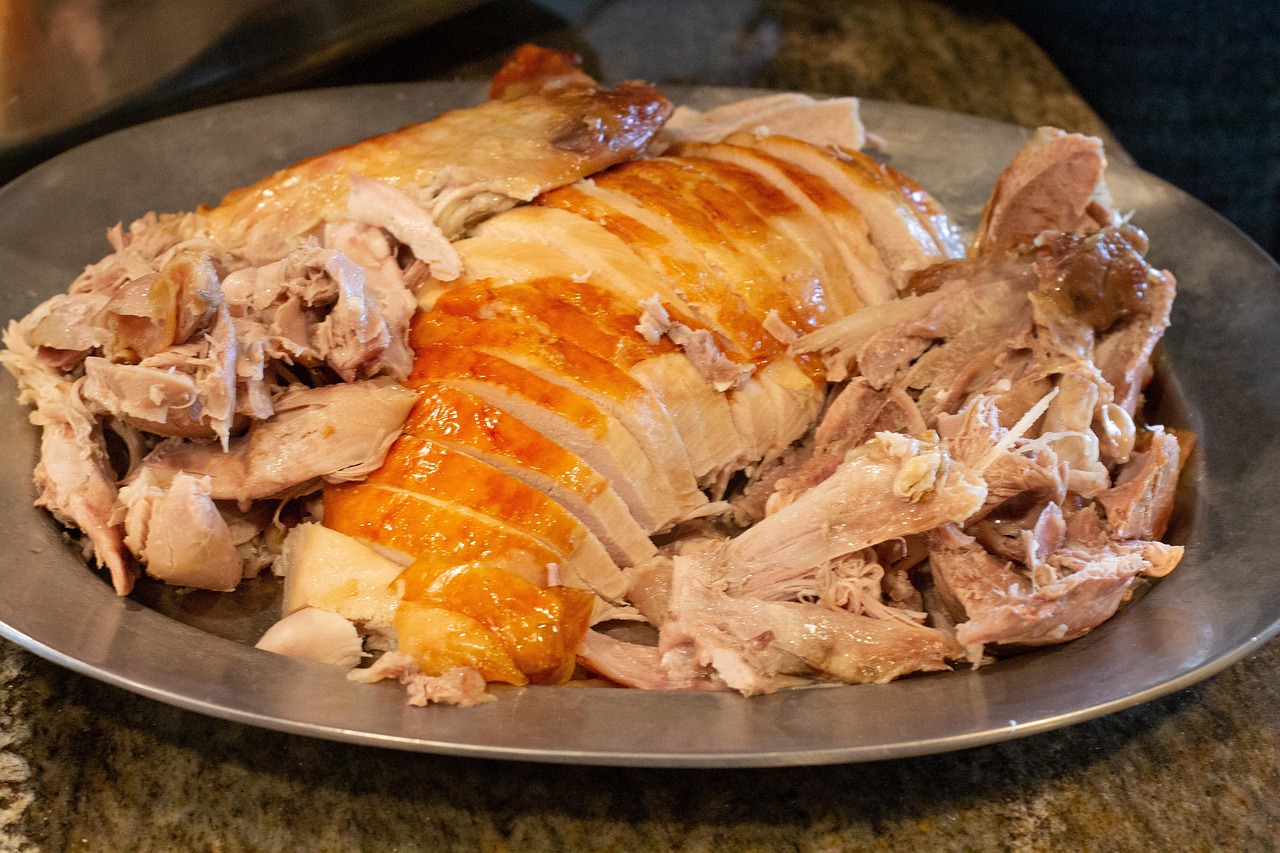
The dietitians I read all say some version of the same thing: guests eating less tend to start with protein and lighter vegetables, then take small tastes of the rich sides. So I changed the order the food leaves my kitchen. The turkey comes out first, already carved, while the casseroles are still finishing their last ten minutes. Anyone who wants to start light and lean can do it without hovering over a bubbling dish of sweet potatoes.
Carving thin is the second half of that trick. A thick slab of breast meat is a commitment. Three thin slices are an invitation, and somebody who only wants a little can take one slice and come back. I’ve carved with a long slicing knife for decades, but for a full bird and a crowd, I hand the job to a Cuisinart Electric Knife. It turns out even, quarter-inch slices so fast that the platter is ready before anyone sits down, and it never shreds the skin.
Juicy turkey matters even more when someone is only eating a few bites of it. Dry breast meat is a sad thing to have as your whole plate. I pull the breast at 160°F and let carryover finish it to 165°F, and I check with a ThermoPro TP19H Instant-Read Thermometer in two or three spots instead of trusting the pop-up button. If your table is small this year, my turkey breast plan for a Thanksgiving of six walks through the whole roast, start to finish.
I also add a second protein that’s easy to eat in small amounts. Last year it was a platter of shrimp before dinner. This year I’m testing a lentil and roasted squash salad for my vegetarian niece that turned out to be the thing everyone kept spooning onto their plates. Having two or three protein-forward dishes means small eaters can build a satisfying plate even if they skip the bread basket entirely.
A Starter Course That Isn’t Just Crackers and Cheese
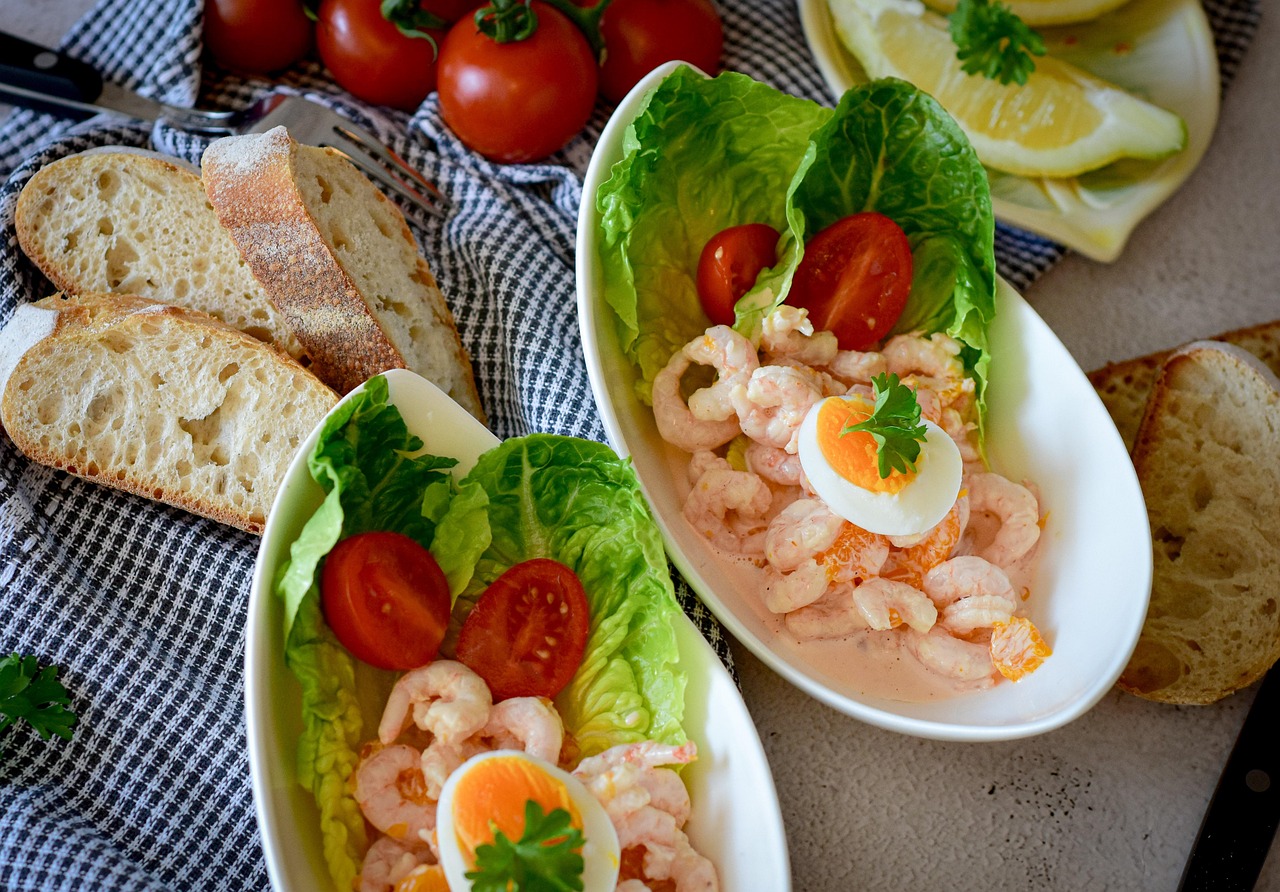
The appetizer table is where a small appetite gets used up before dinner even starts. A guest on a GLP-1 who fills up on cheese and crackers at three o’clock may have no room at all by five, and then they’re the one sitting with an empty plate while everyone else eats turkey. So I keep the pre-dinner spread lighter and protein-forward, and I keep it small on purpose.
Shrimp cocktail is my favorite answer. It’s festive, it’s light, people eat a few pieces and move on, and it feels like a celebration without filling anyone up. I keep the shrimp cold and safe over a long afternoon with a Chilled Shrimp Cocktail Serving Bowl that has an ice chamber underneath. A crudité board with good olives, a few deviled eggs and a small bowl of spiced nuts round it out. That’s it. I’ve stopped putting out three kinds of cheese and a sleeve of crackers for every guest.
Timing matters too. I put the starters out about an hour before dinner, not two, and I clear them twenty minutes before the turkey comes out. People still nibble, but nobody walks to the table already stuffed. And if you’re pouring drinks during that hour, my zero-proof holiday bar is set up so guests who aren’t drinking get the same glass and the same toast as everyone else. Plenty of GLP-1 guests are drinking less this season, and a nice glass with something good in it makes a bigger difference than you’d think.
Sides Served Tasting-Style
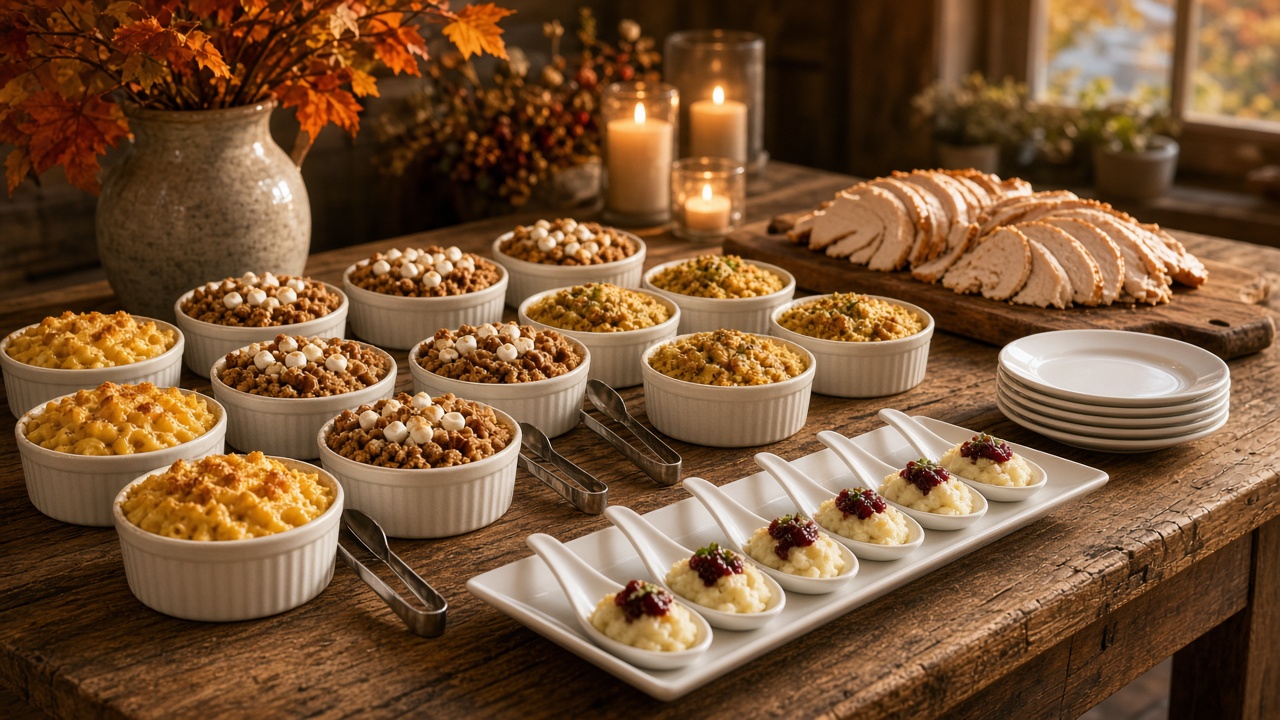
Here’s where it gets fun. Instead of one giant dish of each side with a big serving spoon, I set out the richer sides in small portions so the default helping is a taste, not a scoop. You can do this two ways, and I do a little of both.
The first is ramekins. I bake or portion the richest sides, the mac and cheese, the sweet potato casserole and my grandmother’s cornbread dressing, into DOWAN 4 oz Porcelain Ramekins. Each little dish is about two spoonfuls. A big eater takes two. A small eater takes one and shares it with the person next to them. They bake evenly, they look adorable lined up on a sideboard, and they solve the problem of the casserole that turns into a cold, scraped-over mess by the second round.
The second is tasting spoons. For things like cranberry relish, a spoonful of mashed potatoes with a pool of gravy, or a bite of my creamed onions, I set out a tray of Porcelain Tasting Spoons, Set of 12 with one bite in each. It sounds fussy. It isn’t. My team filled two dozen spoons in about ten minutes, and they disappeared faster than anything else on the sideboard. Guests who couldn’t manage a full scoop of mashed potatoes still got to taste them, which is the whole point of Thanksgiving.
The lighter vegetables go out family-style in normal bowls, because these are the dishes people actually want to go back for. Roasted Brussels sprouts, green beans with lemon, a big salad with pomegranate seeds. For serving, I swap the big spoons for Mini Stainless Serving Tongs. Small tongs naturally pick up a small portion. A giant serving spoon picks up half the bowl whether you meant to or not.
The Vegetables Earn the Big Bowls
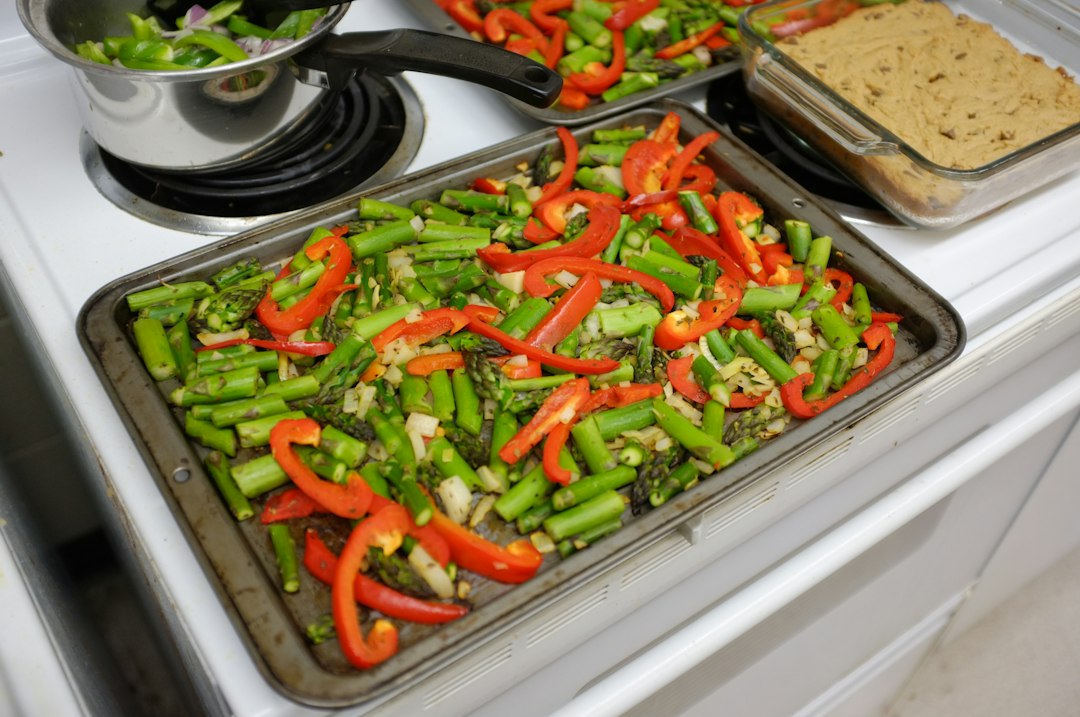
If there’s one dish I make more of this year, it’s the roasted vegetables. They’re colorful, they hold up on a buffet, and they’re the dish small eaters reach for when they want seconds of something. I roast two full Nordic Ware Naturals Half Sheet Pan loads of mixed vegetables, spread out in a single layer so they caramelize instead of steam. Crowding is the enemy here. If the pan looks full before it goes in the oven, split it into two pans.
My one-oven kitchen can’t handle that during turkey time, so the vegetables go in while the bird rests, at 425°F for about 20 minutes. If your oven is fighting the same battle, I mapped out five sides I hand off to the air fryer so the oven stays free for the main event. Brussels sprouts in the air fryer are honestly better than the oven version anyway.
Dessert in Bites, Not Wedges
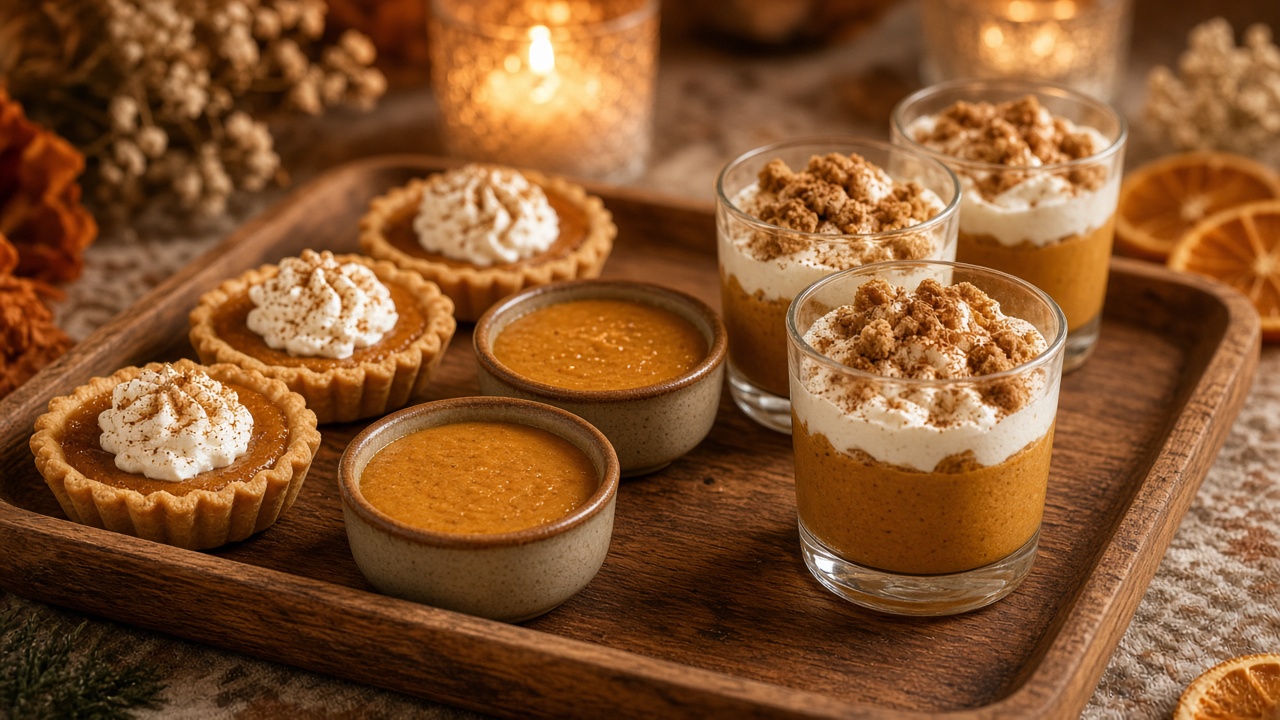
Dessert is where my brother-in-law gave up last year. By the time pie came out, he was full, and a standard wedge of pumpkin pie was just too much. So this year dessert comes in bites. Every dessert I’m serving is either bite-sized or portioned small, and anyone who wants a bigger serving can stack up three.
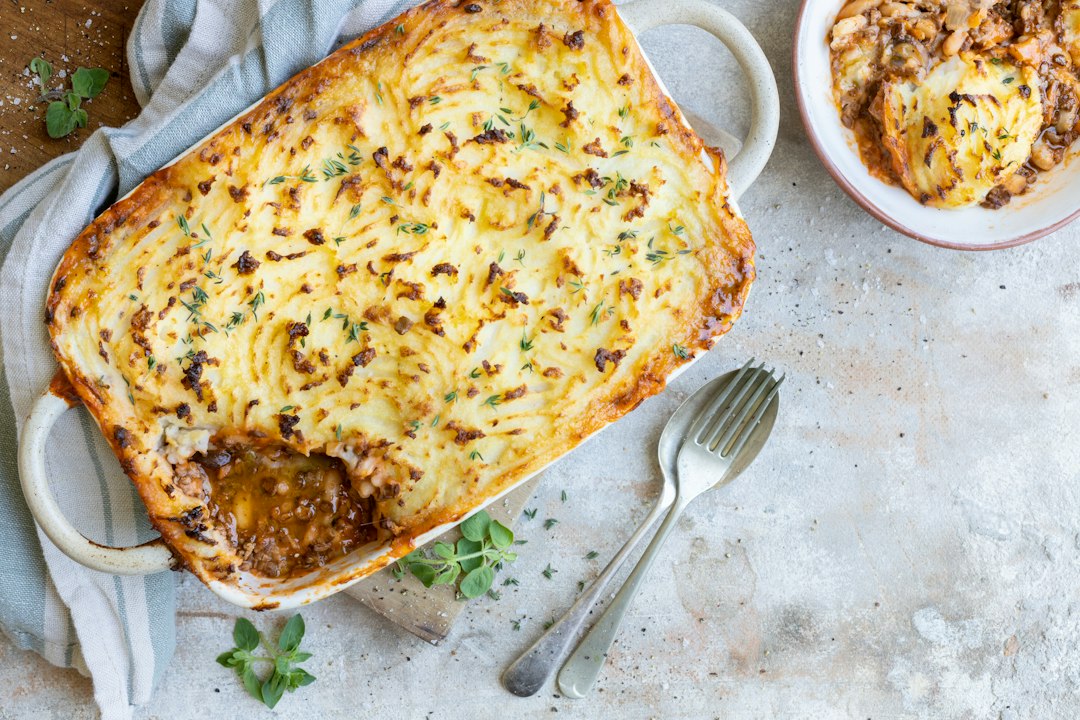
Mini pumpkin pies are the backbone. I make them in a USA Pan 24-Cup Mini Muffin Pan with rounds of pie crust pressed into each cup and my usual pumpkin filling. They bake in about 18 minutes at 375°F, and the nonstick coating releases every one cleanly. If you’re short on time, skip the crust entirely and bake straight pumpkin custard in lightly greased cups. Crustless pumpkin custard is lighter, naturally gluten-free and, honestly, my favorite part of the pie anyway.
For the second dessert, I fill Libbey Mini Dessert Glasses with layers of pumpkin mousse, whipped cream and a crumble of gingersnap. Each glass is about four bites. They look elegant on a tray, they can be made the morning of and chilled, and nobody feels like they’re turning down “the pie.” They’re taking a little glass of dessert, just like everyone else.
I still bake one full pie. Tradition is tradition, and my aunt would haunt me if I didn’t. But I cut it into sixteen thin slices instead of eight and set them on a platter already cut, so a slim slice is the default. You’d be amazed how many big eaters take two thin slices and feel like they got away with something.
A Take-Home Box That Isn’t a Leftover Dump
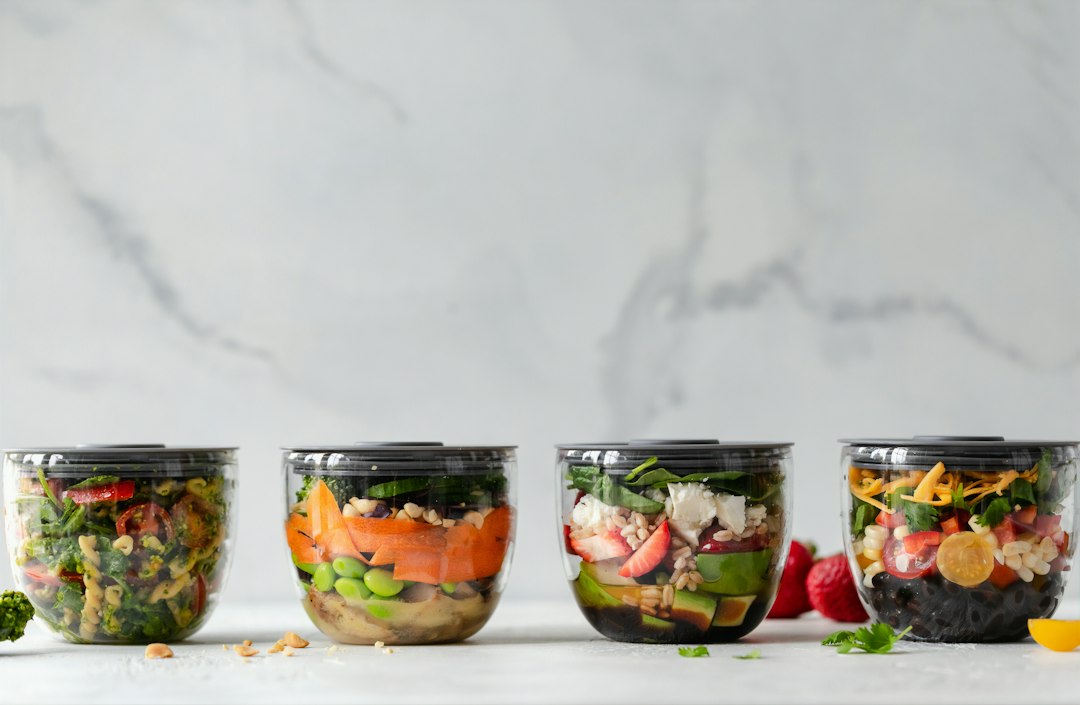
Here’s the part guests tell me they appreciate most. Small eaters often leave a meal they loved feeling like they missed half of it. So at the end of the night, I send everyone home with a small box of the things they didn’t get to, a few slices of turkey, a ramekin of dressing, a mini pie, so they can enjoy Thanksgiving again tomorrow at their own pace.
I pack these into Pyrex Simply Store 1-Cup Glass Containers, which are the perfect size for a single tasting portion and go right from fridge to microwave. I tell guests to keep the containers and bring them back at Christmas. Most of them do, and the ones who don’t have earned them. If you want the full rundown on how I portion and pack the rest of the bird, my leftover system for the week after Thanksgiving covers the whole process.
The take-home box also takes the pressure off the meal itself. When a guest knows they’re leaving with a little of everything, they don’t feel obligated to taste every dish at the table. They can eat what they want, stop when they’re done, and enjoy the rest tomorrow.
The Pace of the Meal Matters More Than the Menu
The last thing I changed isn’t a dish or a tool, it’s the timing. People eating smaller portions often fill up quickly and then feel uncomfortable if the meal keeps coming at them. A long, slow meal with breaks lets everyone eat at their own speed. So my dinner now has built-in pauses.
We eat the main course, then everyone gets up. The kids go outside, the adults take a walk around the block or play a round of cards, somebody always starts the dishes. Dessert comes out about an hour later, not ten minutes after the last bite of turkey. My grandmother called this the “settling hour,” and I didn’t understand it until I was hosting myself. It turns out she was right about almost everything.
A few more small habits I’ve adopted from all of this:
- Keep water easy to reach. I put a pitcher of ice water with citrus slices on every end of the table, so nobody has to ask for it or get up.
- Don’t push. No “Oh, have some more” and no “You barely ate.” I say “There’s plenty if you want more,” once, and then I let it go.
- Serve dinner a little earlier. A 3 or 4 p.m. dinner gives everyone time to digest before bed, which a lot of guests appreciate.
- Ask privately, ahead of time. If I know a guest has a specific need, I ask one quiet question by text a week before. “Anything you’d love to see on the table?” is plenty. It’s not my business to ask why.
None of these cost a dime, and they matter as much as anything I bought. Hospitality has always been more about attention than about stuff.
My Tasting-Plate Thanksgiving Kit, at a Glance
If you want to set up a table like this without guessing, here’s everything I used, in the order it shows up during the meal:
- Smaller plates: Corelle Winter Frost White 8.5-Inch Lunch Plates, so a reasonable portion fills the plate.
- Light starter: Chilled Shrimp Cocktail Serving Bowl, to keep the protein-forward appetizer cold all afternoon.
- Thin, even carving: Cuisinart Electric Knife, for slices small enough to take just one.
- Juicy turkey insurance: ThermoPro TP19H Instant-Read Thermometer, because a few bites of dry breast meat is no treat.
- Rich sides in small portions: DOWAN 4 oz Porcelain Ramekins, two spoonfuls each.
- One-bite tastes: Porcelain Tasting Spoons, Set of 12, for mashed potatoes, cranberry and anything else too good to skip.
- Smaller servings by default: Mini Stainless Serving Tongs, which pick up a sensible portion on their own.
- Roasted vegetables that caramelize: Nordic Ware Naturals Half Sheet Pan, two of them if you can.
- Mini pies and crustless custards: USA Pan 24-Cup Mini Muffin Pan.
- Dessert in four bites: Libbey Mini Dessert Glasses, for pumpkin mousse parfaits.
- Take-home tasting boxes: Pyrex Simply Store 1-Cup Glass Containers, the right size for one more Thanksgiving tomorrow.
The Table Everyone Fits At
After our last test dinner, I sent my brother-in-law a picture of the sideboard: the ramekins, the tasting spoons, the little glasses of pumpkin mousse. He wrote back one line: “So I can actually eat everything this year?” That’s it. That’s the whole goal. Not a lighter Thanksgiving, not a diet Thanksgiving, just a Thanksgiving where the small appetite and the big appetite sit side by side and nobody feels like an exception.
The flavors on my table are the same ones I learned standing on a step stool between my mother and my grandmother. The gravy is the same. The dressing is the same. What changed is the size of the plate and the shape of the dessert. If that’s all it takes for everybody to leave happy, I’ll gladly wash a few extra ramekins.
Make it a celebration, and make it one everyone can fit into. See you at the table.