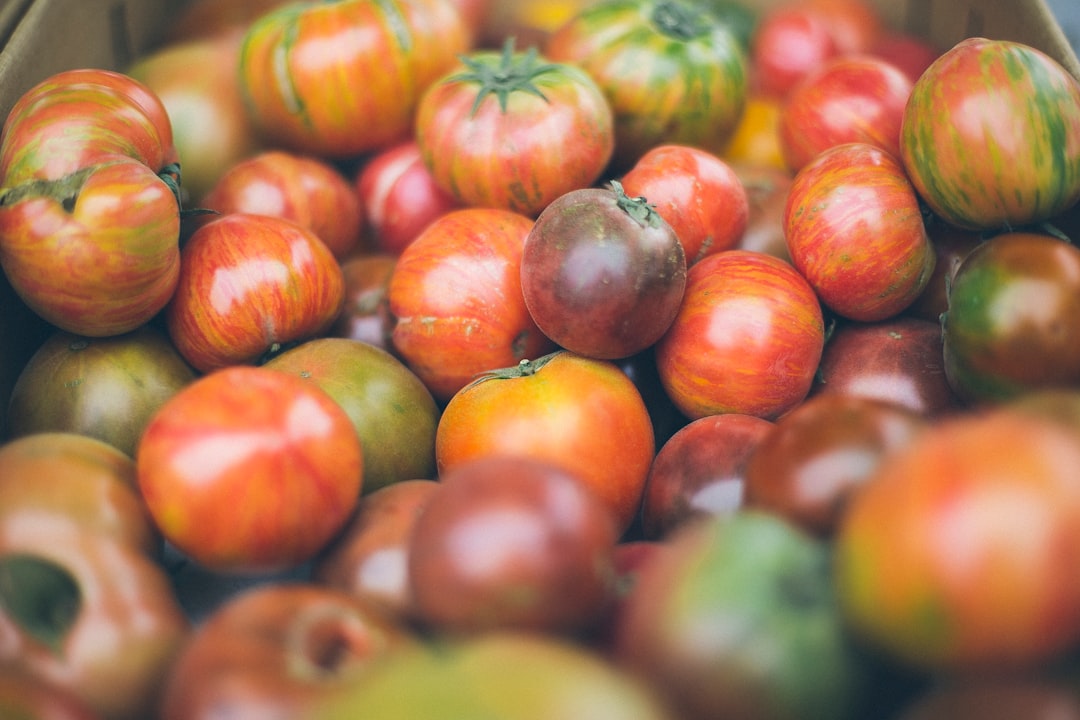
Every July, without fail, my kitchen stops being a kitchen. It becomes something closer to a small-batch processing plant — a tomato processing plant, to be exact. The counters get cleared, the big stockpot moves to the front burner, and a tower of cardboard boxes from the farmers market takes over the table where my husband usually drinks his morning coffee. He’s learned to eat breakfast standing up for about two weeks each summer, and honestly, he doesn’t complain because the payoff is a year’s worth of sauce that makes every winter dinner feel like a Sunday in July.
Tomato season is the closest thing I have to a religious observance. It started when I was four, standing on a step stool beside my grandmother while she ran San Marzanos through a hand-cranked food mill that looked older than she was. Back then, I thought the whole production was just what families did in July — like fireworks on the Fourth or fireflies in jelly jars. I didn’t understand that what she was really doing was capturing summer in a jar, bottling it so tightly that even in February, when you twisted the lid off and the smell hit you, you could close your eyes and feel the sun on your face. That’s what I’m still doing. The tools have evolved, but the ritual hasn’t changed much.
Let me walk you through the assembly line I’ve built over twenty-something summers of trial, error, and the occasional burnt sauce on the ceiling. Because here’s the thing — tomato season doesn’t care if you’re ready. It arrives, and suddenly you’ve got fifty pounds of Roma tomatoes that need attention today, not tomorrow. Having the right setup makes the difference between a joyful weekend project and a stressful, messy, steamy disaster. And if you’re looking for ways to keep your kitchen cool while the stove runs for hours, I wrote about building a cold kitchen setup for summer that pairs perfectly with sauce day.
The Knife That Earned Its Spot Forever
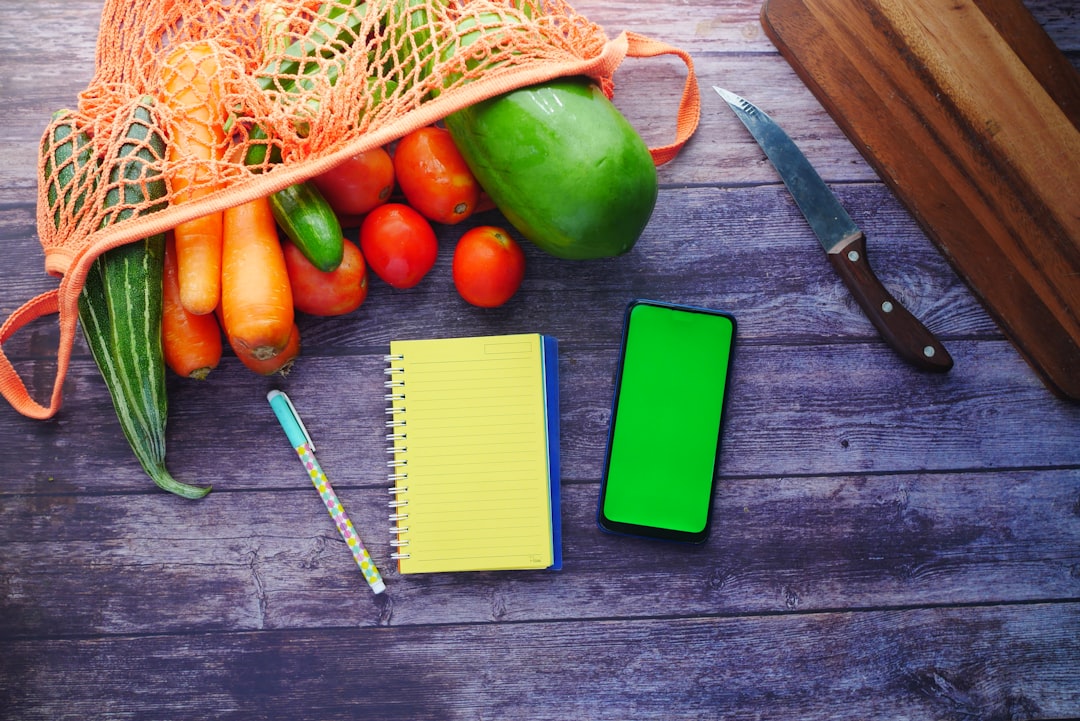
Before we talk about anything fancy — and believe me, we’ll get fancy — let’s start with the most underrated tool in tomato season: a proper serrated tomato knife. I know, I know. You’re thinking, “Elena, it’s a knife. I have knives.” But hear me out. A good serrated tomato knife glides through the skin of a ripe August tomato without crushing the flesh underneath. You know that mangled, bruised look you get when you use a chef’s knife on an overripe beefsteak? That doesn’t happen with a serrated blade. The tomato holds its shape, and more importantly, it holds its juice on the cutting board instead of pooling all over your counter.
I spent years using whatever knife was closest, and then I watched a farmer at our market slice a Cherokee Purple into perfect translucent rounds with a little serrated knife that cost maybe twelve dollars. I bought one that afternoon. If you don’t have one yet, a quality serrated tomato knife will run you less than a decent bottle of wine and last longer. Pair it with a large cutting board with a deep juice groove, because ripe tomatoes are juicy in a way that nothing else in your kitchen is — we’re talking a quarter cup of liquid per large tomato, and that groove is the difference between a clean counter and a puddle that reaches your socks.
The Food Mill: My Most Debated, Most Essential Tool
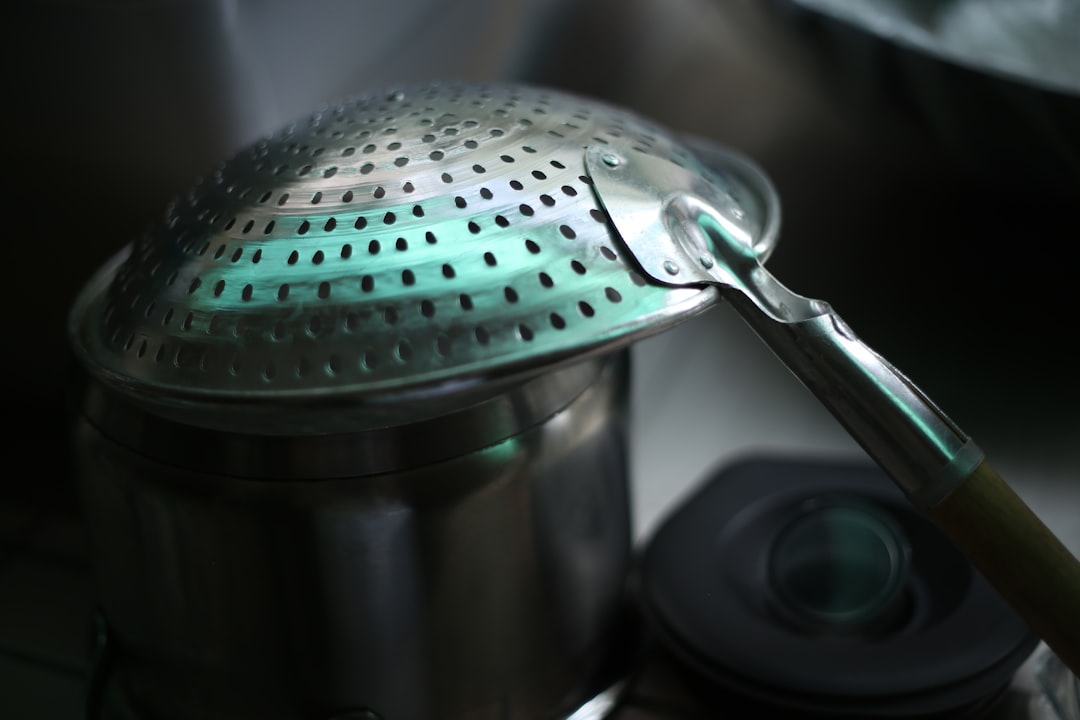
Here’s where I lose some people. Every year, someone asks me whether they really need a food mill. The internet will tell you that you can just blend your tomatoes in a Vitamix and strain them through a mesh sieve, and technically, that’s true. You can also chop onions with a food processor, but you won’t enjoy the result. A food mill does something a blender can’t: it separates skins and seeds from the pulp while leaving the texture intact. Blended tomato sauce is foamy and aerated. Milled tomato sauce is silky and dense. There’s a difference you can taste.
The stainless steel food mill I’ve used for the past eight years has three interchangeable discs — fine, medium, and coarse — and I use the fine disc for passata and the medium for rustic sauce. You clamp it over a bowl, load it with quartered tomatoes, and crank. It’s low-tech, it’s satisfying in the way that all hand-cranked things are satisfying, and it produces a product that tastes fundamentally different from anything you can buy. My grandmother’s was tin and probably older than I am. Mine is stainless steel and will outlast me. Same principle.
Now, if you’re processing serious volume — I’m talking fifty pounds or more in a single weekend — a food mill will make your arm question your life choices. That’s when you graduate to a dedicated tomato press. I resisted for years, partly because of the cost and partly because I’m sentimental about the hand-cranking. But last summer, after a particularly brutal Saturday that left my shoulder sore for three days, I finally broke down and got a tomato press and strainer. It processes the same amount of tomatoes in a quarter of the time, separates skins and seeds automatically, and honestly, I wish I hadn’t waited so long. The sauce comes out slightly less textured than the food mill version, but for bulk processing, there’s nothing better.
Where the Magic Happens: The Dutch Oven
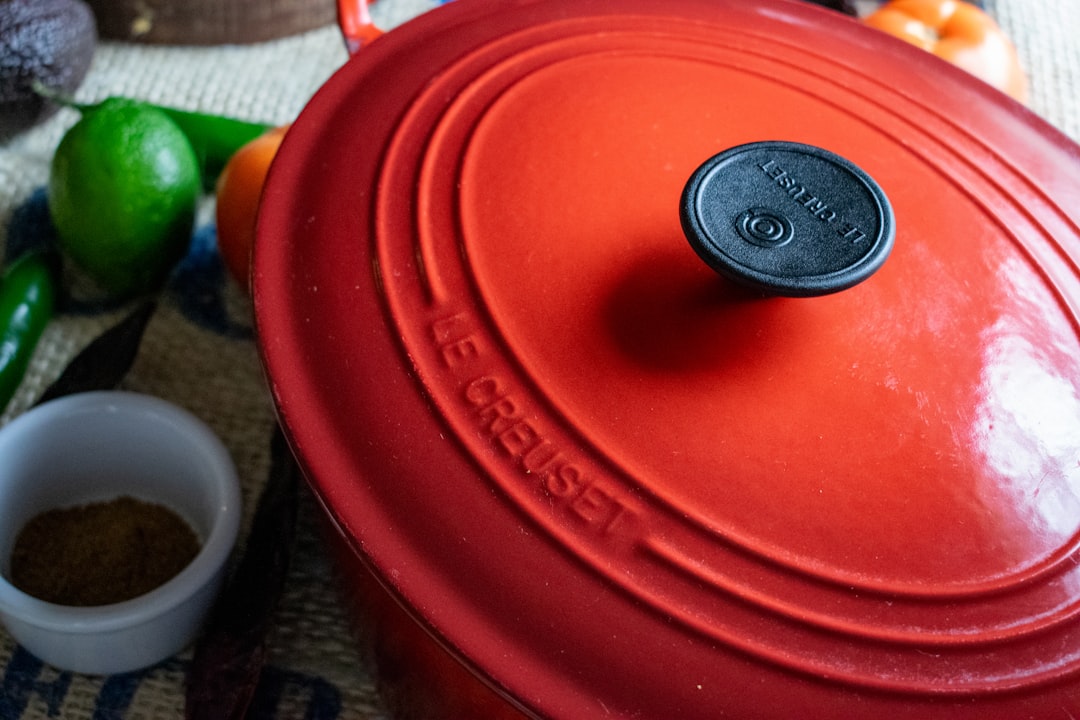
Once you’ve got your milled tomatoes, the real transformation begins. Raw tomato purée becomes sauce through patience and heat — low, steady, hours-long heat. This is where your Dutch oven earns its keep. I’ve simmered sauce in stockpots, saucepans, and once, desperately, in a roasting pan (don’t), but nothing holds and distributes heat the way a heavy enameled Dutch oven does.
The 7-quart enameled Dutch oven that lives on my back burner during July is the same piece I use for sourdough, for braises, for everything that needs gentle, even heat. I wrote about how sourdough took over my summer kitchen earlier this season, and the Dutch oven is the connective tissue between those two obsessions. Tomato sauce in the morning, bread in the afternoon, both in the same pot. That’s summer.
Here’s the technique that took me years to learn: don’t rush the simmer. A proper tomato sauce needs at least two hours, ideally three or four, to reduce and concentrate. You want it barely bubbling — the French call it a “smile,” where you see just the faintest movement at the surface. Stir every twenty minutes, scraping the bottom where the sauce wants to stick and caramelize. Add a generous pinch of salt early, taste at the end, and adjust. That’s it. Tomatoes, salt, time. Everything else is optional.
The Canning Setup: Jars, Lifters, and Water Bath
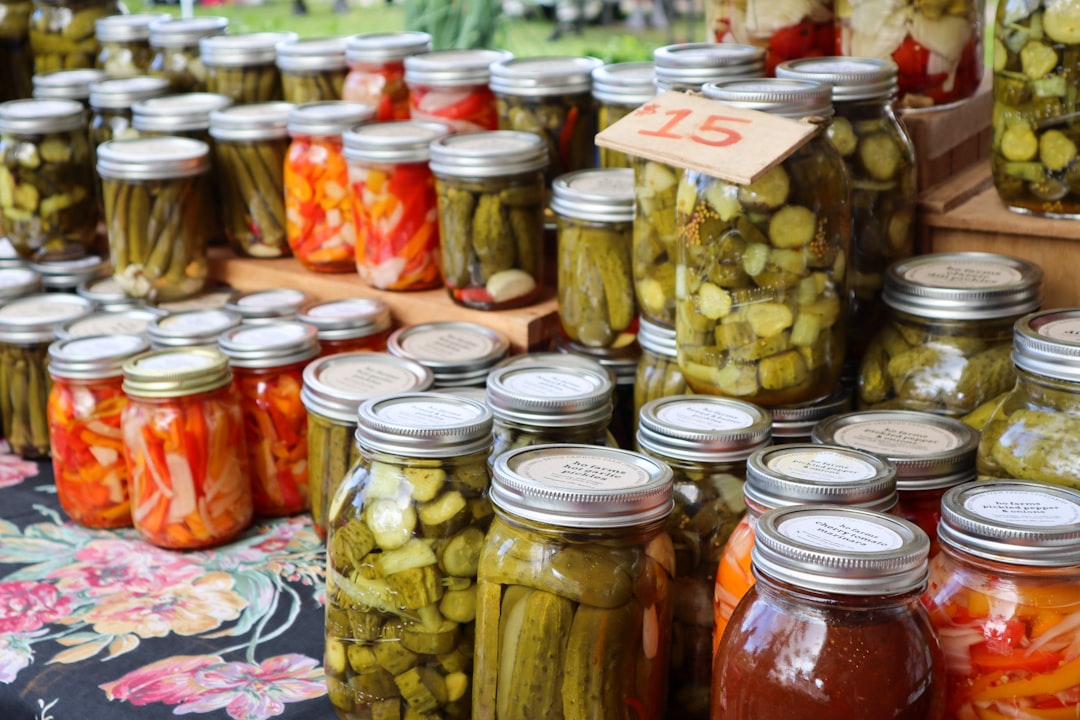
This is the part that intimidates people, and I understand why. Canning feels like chemistry — precise, unforgiving, and potentially dangerous if you get it wrong. But here’s the truth my grandmother would tell you: water-bath canning tomatoes is one of the safest, most forgiving preserving methods out there, as long as you follow a few basic rules. Tomatoes are acidic enough to be safely canned in a water bath (unlike low-acid vegetables, which require pressure canning), and the process is straightforward enough that I’ve taught it to twelve-year-olds.
I learned to can on a step stool at age six, and I wrote a complete beginner’s guide to preserving summer earlier this season if you’re starting from scratch. But here’s the equipment shortlist: you need a water bath canning kit (the kind that comes with a rack, a jar lifter, and a funnel), quality wide-mouth quart mason jars with new lids, and a reliable jar lifter if your kit doesn’t include one or if you want a backup.
The process: sterilize your jars in simmering water, fill them with hot sauce leaving a half-inch of headspace, wipe the rims clean, apply lids finger-tight, lower them into the water bath, and process for the time specified for your altitude (thirty-five minutes for quarts at sea level). Remove carefully, let cool undisturbed for twelve hours, check seals, and store in a cool dark place. That’s it. You just put summer in a jar.
The Weeknight Shortcut: Immersion Blender

Not every tomato needs to become a jar of sauce. Some of them need to become Tuesday dinner. On those nights, the food mill stays in the cabinet and the immersion blender comes out. Here’s the fastest path to a weeknight tomato soup that tastes like you spent all day on it: roast a sheet pan of quartered tomatoes with olive oil, garlic, and salt at 425°F for thirty-five minutes. Dump everything — including the caramelized bits — into a pot. Hit it with the immersion blender until smooth. Add a cup of stock, a splash of cream if you’re feeling indulgent, and a handful of fresh basil. Twenty minutes of active cooking, forty minutes of oven time, and you’ve got something that rivals any restaurant soup.
The immersion blender is also my secret weapon for quick marinara when I don’t have time for the long simmer. Sauté garlic in olive oil, add a can of San Marzanos (or a jar of last summer’s sauce), break them up with the blender directly in the pot, and simmer for twenty minutes. It’s not the same as the slow version, but on a Wednesday night in November, it feels like a small miracle.
If you want the absolute silkiest texture for that quick sauce, run it through a fine-mesh chinois strainer after blending. It catches every seed fragment and bit of skin the blender missed, and the result is glossy, restaurant-smooth. This is a step I skip on weeknights but always take when I’m cooking for company.
The Unsung Hero: A Kitchen Scale
Tomato recipes are really ratios, and ratios work by weight, not volume. A “cup of chopped tomatoes” can mean anything from six ounces to ten depending on how finely you chopped them and how tightly you packed the cup. But 400 grams of tomatoes is 400 grams of tomatoes, every single time.
The digital kitchen scale I use daily during tomato season cost less than twenty-five dollars and has saved me from more bad batches of sauce than I can count. When I’m developing a recipe — say, a specific ratio of tomato to onion to garlic for a puttanesca — I weigh everything. When I’m canning, I weigh the raw tomatoes so I know roughly how much sauce to expect. And when I’m dividing sauce into jars, I weigh each jar to make sure they’re filled consistently, which matters for processing times.
A quick note on the corer: a dedicated tomato corer is one of those tools that seems unnecessary until you’ve cored a hundred tomatoes in a row. The little serrated scoop removes the stem and core in one motion, and it’s faster than using a paring knife by a factor of three. I bought mine on a whim at a kitchen supply store and now I can’t imagine July without it.
Why This Ritual Matters
I know what some of you are thinking. This sounds like a lot of work. You can buy tomato sauce at the store. You can buy canned tomatoes. You can buy jarred passata. And you’re right — you can. But there’s a particular kind of satisfaction that comes from opening a jar of sauce you made yourself, from tomatoes you chose, on a July afternoon when your kitchen smelled like basil and garlic and the windows were fogged with steam. It connects you to the season in a way that nothing store-bought can replicate.
My grandmother was never precious about cooking. She didn’t consider herself a chef or even much of a cook — she was just a woman who fed her family, and she did it well because she cared. The food mill she used was a tool, not a treasure. The jars were reused until the glass wore thin. Nothing was Instagrammed. But every August, when the first batch of sauce was jarred and lined up on the cellar shelf, she’d stand back and look at them the way some people look at art. Rows of deep red, catching the light, promising that January wouldn’t taste like nothing.
That’s what I’m chasing every July. Not perfection — my sauce is never the same twice, and I’ve had batches that came out too thin, too salty, or mysteriously bitter. I’m chasing that shelf. That row of jars. That feeling of having captured something fleeting and made it last. The tools are just the means to that end.
So if you’re standing in your kitchen right now, looking at a box of farmers market tomatoes that’s ripening faster than you can eat them, don’t panic. Start small. Get a good knife, a food mill, and a dozen jars. Make one batch of sauce. It won’t be perfect, and that’s fine — neither was my grandmother’s, at least not in the way the internet defines perfect. It was just good, honest food made with care, and it lasted all winter. Yours will too.
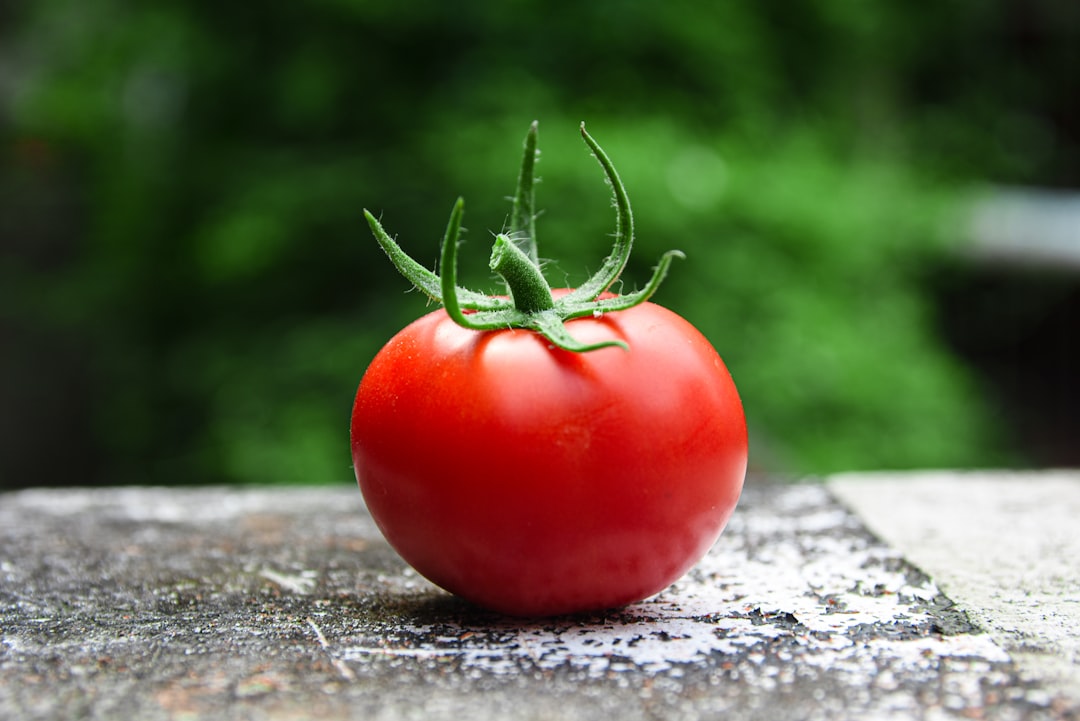
And if you need me, I’ll be at my kitchen table, surrounded by tomatoes, for the next two weeks. The coffee’s on the windowsill. Come hungry. And if you’re planning the rest of your summer cooking around your new sauce stash — whether it’s a backyard cookout or a quiet weeknight pasta — that jar of July is going to make everything you cook taste like summer never ended.


2 thoughts on “Three Hundred Pounds of Tomatoes, One Tiny Kitchen, and the Tools That Got Me Through July”