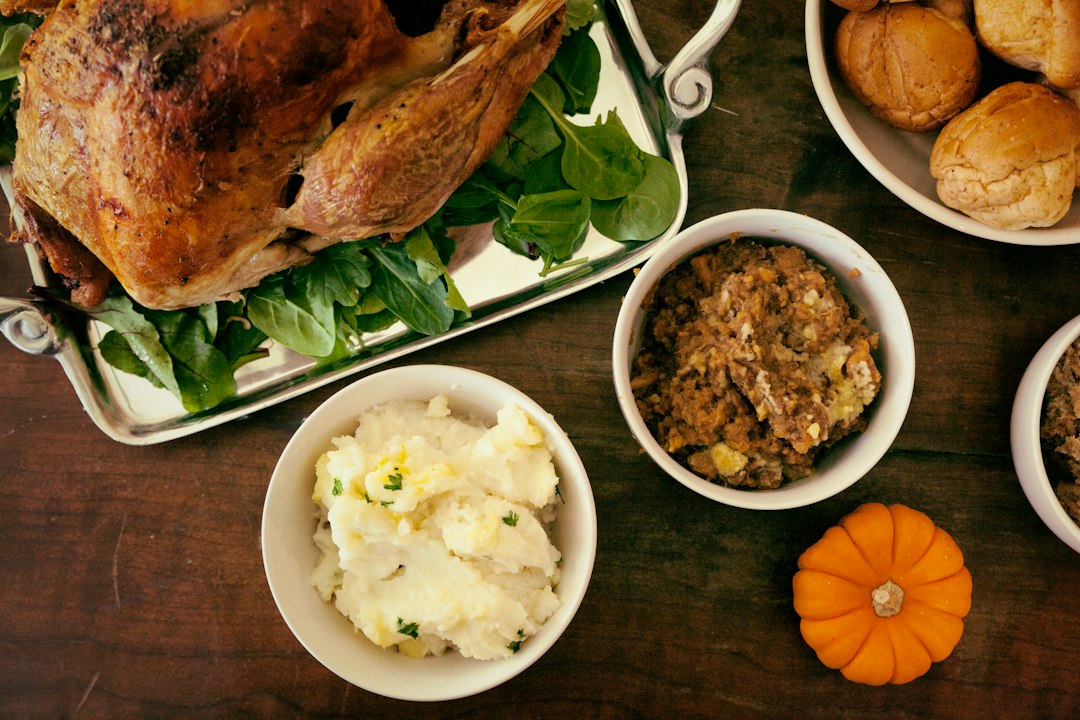
My grandmother had one unbreakable rule on Thanksgiving, and it had nothing to do with the turkey. As the last plates were cleared, she would station herself by the front door with a tower of margarine tubs and Cool Whip containers — none of which matched, all of which leaked — and she refused to let a single person leave without something in their hands. A scoop of dressing for the neighbor who brought flowers. Dark meat for the cousin who arrived late. Half a pecan pie for the aunt who swore she didn’t want any.
Nobody left empty-handed. That was the point. The feast didn’t end when the table was cleared; it just moved into everybody else’s refrigerators.
I’ve kept her rule for thirty years. What I finally changed, somewhere around my fortieth Thanksgiving, was the equipment. Because if you have ever stood in front of the fridge on Friday morning trying to guess which unmarked container holds the gravy and which one holds a cranberry sauce old enough to run for office, you already know the truth: leftovers are a systems problem. Here is the setup that now carries my kitchen from Thursday night all the way through the Sunday soup pot, tested across more holiday weekends than I care to count.
The Friday Fridge Tells the Truth

The problem has never been the food. It’s the geometry. Turkey, dressing, mashed potatoes, gravy, green bean casserole, rolls, two pies — that is a colossal volume of food, and most of us try to wedge it into a collection of containers designed for half a Tuesday lasagna. Everything ends up in one deep tub, stacked into a leaning tower, and the mystery containers migrate to the back where they quietly become science projects.
Food safety actually narrows the whole decision down to two numbers: two inches and four days. Big batches cool faster — and spend less time in the danger zone — when they’re spread shallow, about two inches deep, instead of heaped into a tall container where the center stays warm for hours. And cooked leftovers keep their best for three to four days in the fridge, which means everything packed on Thursday needs an eating plan that starts Friday, not “eventually.”
So while the coffee brews on Thursday evening, my team and I strip the meat off the carcass, portion the sides into shallow layers, and get everything into the cold within the hour. It sounds like a chore until you realize it takes twenty minutes, and Friday-You gets to skip the part where the whole feast is remembered as the night the fridge fought back. When I rebuilt my fridge into zones that actually work back in August, I did it with this exact weekend in mind: tall things in the back, shallow things up front, nothing without a lid allowed past the door shelf.
Glass Earns the Front Shelf

The workhorse decision in my house is glass with locking lids, and I will defend it to anyone still wrestling with a drawer of stained plastic. Latched glass goes from fridge to oven without a detour into a baking dish, which matters more than you’d think on night two, when the idea of transferring leftovers into yet another pan is the difference between eating them and ordering a pizza. It doesn’t hold onto the memory of tomato sauce, cranberry, or the curry that started all of this. And you can see through it, which quietly solves half the mystery-container problem before it starts.
For the money, a latch-lid Pyrex Freshlock set is the set I hand to new homeowners and recently-on-their-own nieces — it takes abuse, the lids seal honestly, and replacing one lost base doesn’t require a inheritance. My Sunday-reset shelf runs on Glasslock’s stackable glass set, whose snap-lock lids passed our leak test upside down in a tote bag, which is exactly how they travel to my sister’s house every year. And if you want containers pretty enough to go straight to the table, Caraway’s ceramic-coated glass set is the splurge that made my mother-in-law ask where the “good dishes” were. All three nest, stack, and reheat without a single transfer bowl.
The Quarts That Quietly Run Everything
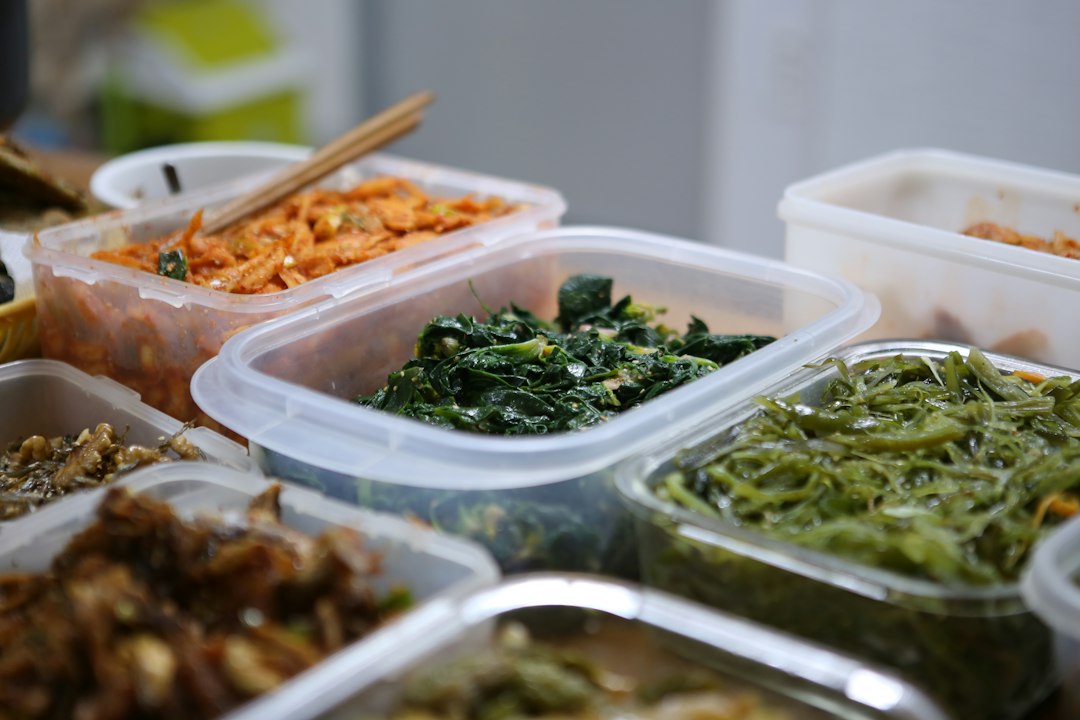
Now for the humble hero. Restaurant supply houses figured this out decades ago: a sleeve of quart deli containers costs about what two fancy containers do, and they do more work than anything else in the holiday kitchen. They’re identical, so they stack into perfect columns instead of Jenga. They’re clear, so the gravy announces itself. They hold exactly the right amount of soup, stock, dressing, or diced turkey for one family’s weekend. And they’re cheap enough that when my brother-in-law walks out with three of them, I don’t spend December wondering where my good containers went.
My team keeps a sleeve of pints for the small stuff — a cup of gravy, the last of the cranberry sauce, a single serving of sweet potatoes for the one cousin who requests it by name every year. If deli cups are good enough for the line cooks who feed this country, they’re good enough for the Thursday-after pile. I draw the line at flimsy knockoffs, though: get the ones with proper screw-top or tamper-style lids, or your turkey broth will find the one seam in the tote.
Nobody Leaves Empty-Handed
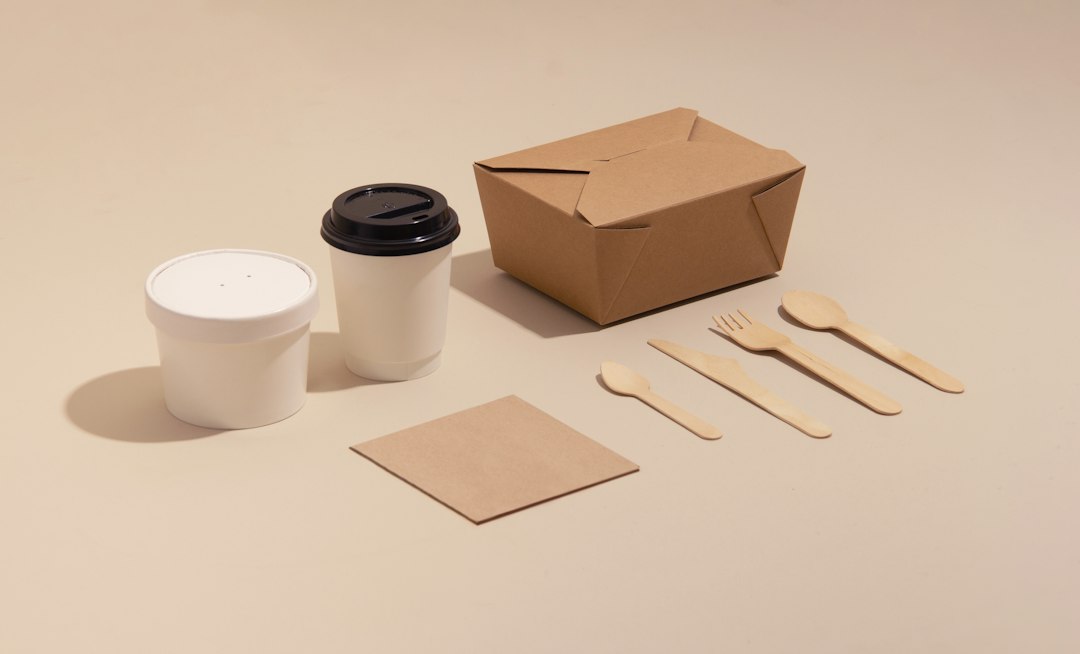
Grandma’s door ritual survives in my kitchen, only updated for people driving forty minutes home. The foil pans with cardboard lids are my favorite trick of the whole season: pack a to-go dinner straight into the pan, and whoever receives it reheats it — pan and all, lid off, foil over — without washing a single dish. Nothing comes back to me. There is no polite month of container hostage exchange. For a household of two, that pan is Saturday lunch solved with zero ceremony.
For the relative traveling farther, an insulated tote keeps a foil pan safe through an hour of traffic and a stop to look at someone’s new deck. And for the aunts who “just want a little,” I’ve learned to stop arguing and pack the little: a pint of turkey, a wedge of dressing, two rolls. Small containers are an act of love, not an insult. My grandmother knew that. She also knew that the person who swears they don’t want a thing to eat is always the person who texts you about the dressing on Saturday.
Labels, Dates, and the End of the Mystery Container
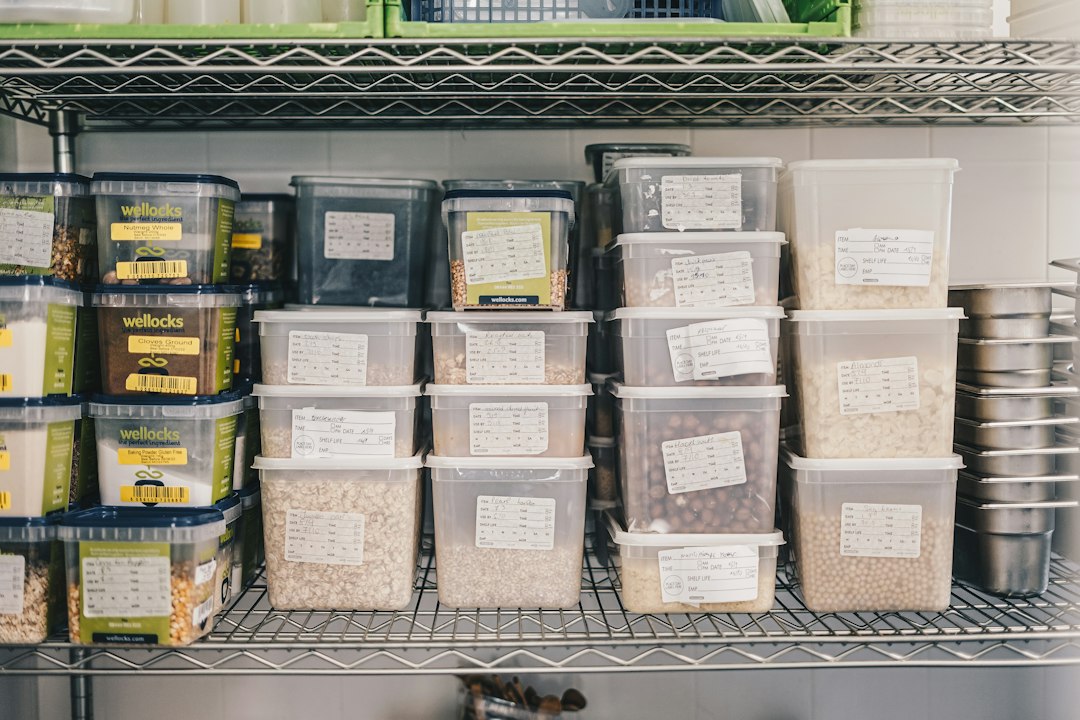
Every leftover system collapses at the same weak point: nobody remembers what anything is. A fridge full of beautifully packed, completely anonymous containers is just a slower version of chaos. The fix costs almost nothing. We keep dissolvable storage labels on the packing bench — write the contents and the date, stick it on, and it rinses off under warm water later with no scrubbing and no adhesive ghosts.
Faster still, a wet-erase fine-tip marker writes directly on glass lids and deli cups and wipes off with a damp cloth. On Thursday night I date every single container in the same corner, top right, so that on Sunday the “eat me first” math takes one glance instead of an investigation. My sister went one step further and put her little label maker on the same shelf as the foil, and I’ll admit her Friday fridge looks like a deli case run by someone who cares. Mine looks like a kitchen that plans to eat everything before Tuesday, which is the entire point.
Silicone Finally Earned a Drawer
Grandma’s kitchen had no silicone, and mine didn’t either until recently — but the category grew up, and this is the time of year it proves itself. Silicone food bags take the carved turkey portions headed for the freezer, lying flat and stacking like files instead of anchoring the shelf like boulders. Stretch lids snap over the leftover serving bowls that never fit any proper lid — the big ceramic one, the one shaped like a turkey, the mixing bowl the rolls ended up in — and turn “cover with a plate” into an actual seal.
The line I hold: silicone is for the freezer pile and the odd bowls, not the whole operation. Anything meant for the deep freeze gets a date, because the vacuum sealer still owns sealing season in my house, and anything meant for next week’s freezer-door dinner reserve gets the full treatment, air and all.
Day Four and the Gentle Reckoning
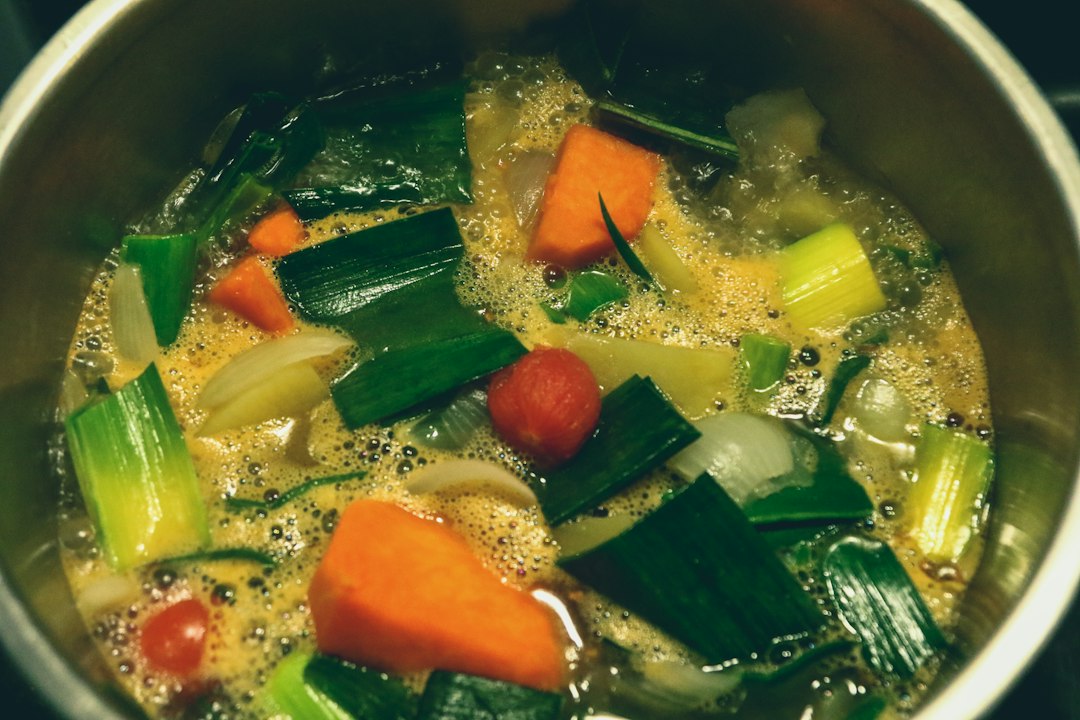
The eating order is a system too, and it’s simpler than it looks. Friday is plate night — exact reunion dinners, reheated gently, because the first leftover meal should taste like the memory. Saturday, the remixes begin: turkey into skillet hash and quesadillas, dressing pressed into waffles if you’re feeling brave, the last of the green bean casserole folded into soup. By Sunday the carcass has done its final job in the stockpot, and the kitchen smells like the nice ending of a long story.
Reheat strategy matters as much as storage.
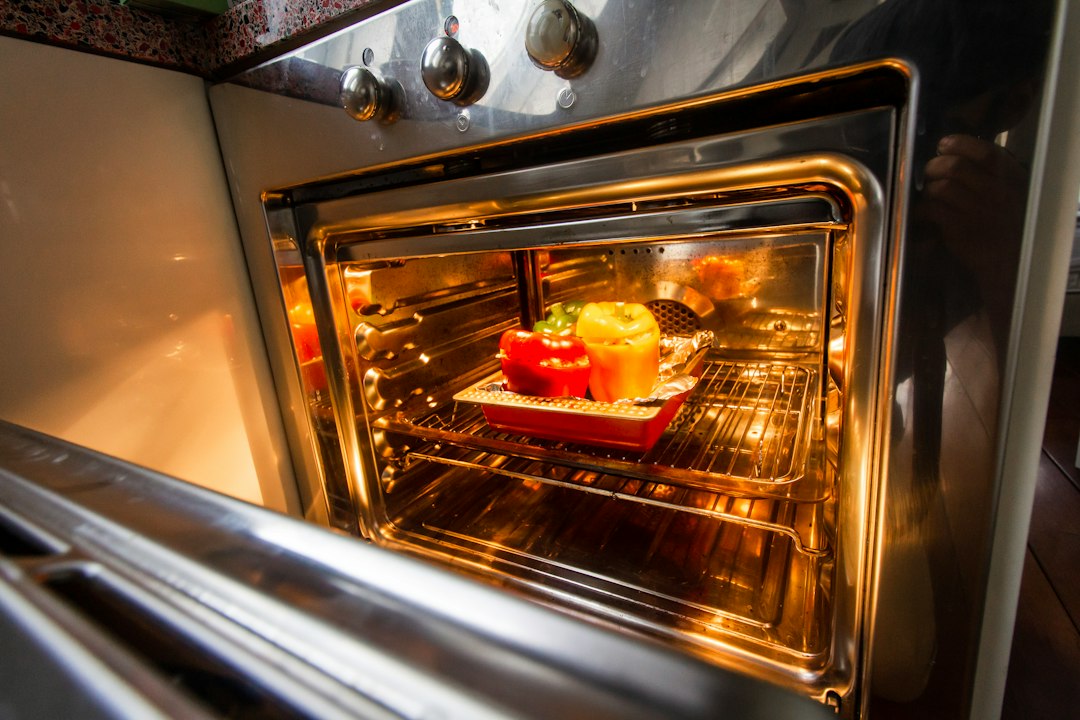
The microwave is fine for soup and gravy, but dressing and mashed potatoes reclaim their texture in a real oven — covered with foil, a splash of broth or cream to wake them up — which is exactly why I like glass and foil pans: nothing changes containers on the way from fridge to table. I trust the covered casserole dishes I’ve collected over a lifetime of potlucks for the Friday-night remix bakes, and the Sunday soup carries to Monday lunches in Brilliance containers that have never once leaked in a work bag — a claim no old margarine tub could make with a straight face.
What I’d Skip This Year
Every season has its gadget pile, so let me save you the returns. The handheld vacuum-pump leftover gadgets promise freshness and deliver a workout. The giant ten-cup tubs violate the two-inch cooling rule all by themselves. Containers with little rotating date dials seem brilliant until the dial is always wrong. And the bargain-bin unlatched glass clones — the ones whose lids bow after one dishwasher run — cost more in spilled gravy than they ever saved up front. One good set, a sleeve of quarts, a marker: that’s the whole bill.
Thursday evening, when the table is a happy disaster and the kitchen smells like everything good at once, I’ll be at the counter with my team — shallow pans, a marker, a stack of foil to-go dinners by the door. The containers finally match now. The labels tell the truth. But the rule is still hers, word for word: everybody leaves with something, and the feast isn’t over until the last quart comes home empty.