Somewhere around the third Friendsgiving of my thirties, I learned that the dish is only half the job. The other half is the forty minutes between my oven and somebody else’s dining table. That stretch of highway, apartment stairs, and a passenger seat that never stays flat has ruined more carefully made food than any recipe ever will.
This year the invites are already landing. More than half of Gen Z plans a Friendsgiving, and roughly four in ten people say their first holiday gathering of the season happens before Thanksgiving Day itself. That means the potluck season starts now, not the Wednesday before the bird. My small team and I spent the first week of November building a guest-side kit: the insulated carrier, the lids that actually seal, the dishes that survive a stop-and-go commute, and the little extras that keep a host from hunting for a serving spoon at the last minute.
If you’ve ever arrived with lukewarm lasagna, a foil tent that slid into the floor mats, or a casserole you couldn’t hand off because it still needed twenty minutes in an oven that was already full, this is the playbook I wish someone had handed me the first time I was told to “just bring a dish.”
The Car Ride Is the Real Test
Baking is the fun part. You control the oven, the timer, and the cheese on top. The car does not care about any of that. It cools a shallow dish in under half an hour, rattles a loose lid into a leak, and turns a soft pie into a landslide if you brake for a yellow light.
Before I talk about carriers and lids, I want you to pick the dish with the ride in mind. Deep beats shallow. Dense beats delicate. Something that tastes good at warm-but-not-piping beats something that only sings at 375°F. Mac and cheese, baked pasta, chili, a stout potato casserole, roasted roots, and most cobblers travel better than a soufflé, a crisp-topped gratin that weeps as it cools, or a salad dressed an hour too early.
I keep a mental list of “travels well” assignments for first-time guests. Bring the thing that holds its heat and its shape. Leave the showpiece that needs a blowtorch to the person hosting, who already has the kitchen.
There’s also the food-safety floor nobody likes to say out loud at a party. Hot food should stay out of the danger zone on the ride, which is why insulation matters more than speed alone. A covered dish in a decent carrier holds temperature far longer than the same dish naked on a seat. If your drive is over an hour, lean harder on the slow-cooker hold or plan a short reheat with the host instead of hoping for the best.
A Real Lid Beats a Tent of Foil
I have strong feelings about foil, and I already wrote most of them down in Foil Is Not a Lid. The short version for Friendsgiving guests: foil is a drafty hat, not a seal. It loosens in the car, drips onto the seat, and makes the host peel back a wrinkled sheet while trying to smile for a photo.
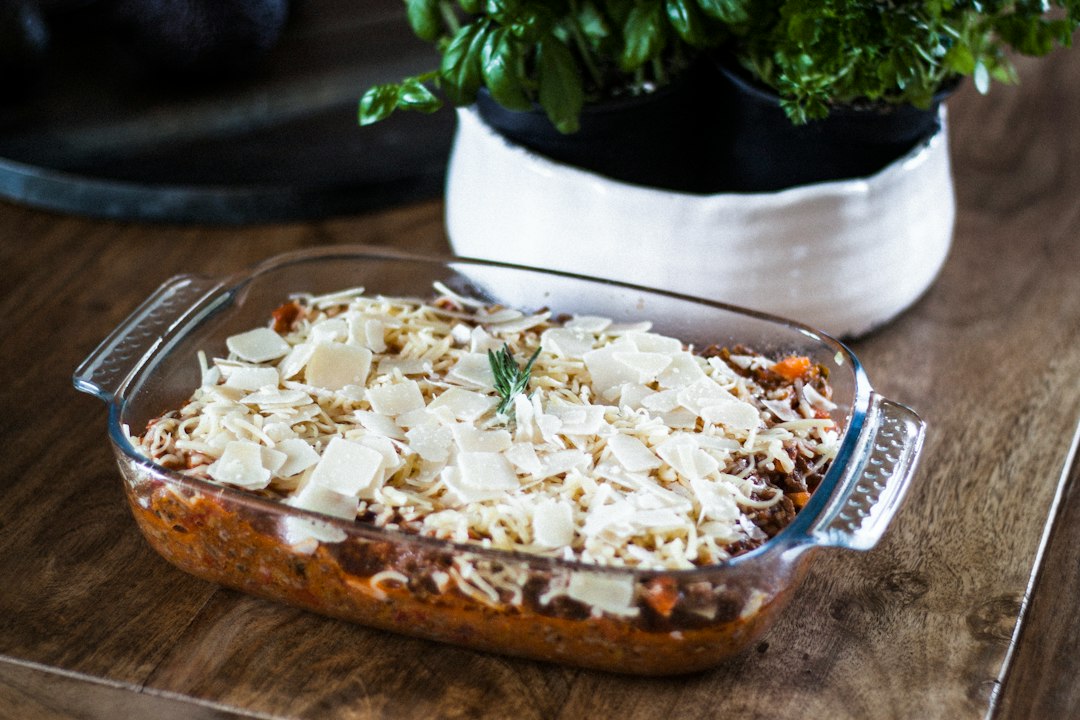
What you want is a baking dish with a lid that clicks, clamps, or sits with enough weight that a left turn doesn’t open it. A Pyrex 9×13 Baking Dish with Lid is still my default for baked pasta and sheet-pan-style sides that finish in a deep glass pan. You can see what’s inside without lifting anything, it goes from oven to carrier, and the lid makes the leftover trip home civilized.
When I want the dish to look finished on the table, I reach for a covered stoneware baker instead. A CorningWare French White Oval Casserole with Lid or a similar lidded oval holds lasagna, bread pudding, and stuffing-style sides without looking like you just left a lab. The white exterior hides travel sins better than clear glass, and the lid doubles as a trivet if the host’s counters are already covered.
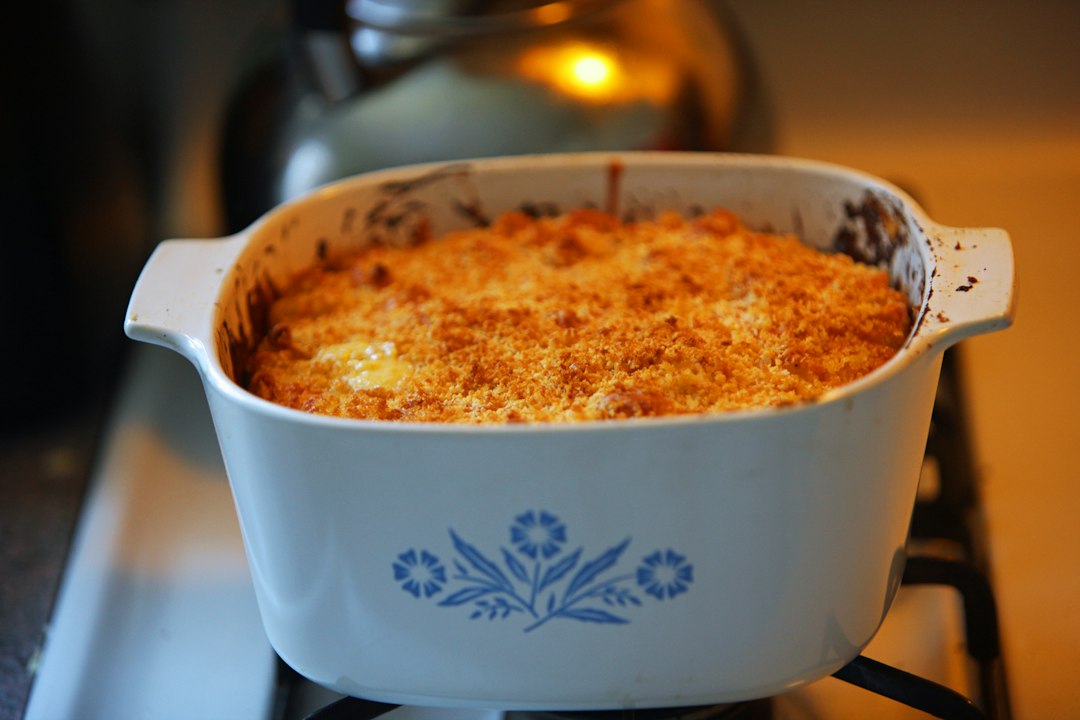
If your favorite dish has no lid at all, buy a universal one that fits or stop using that dish for potlucks. I say that with love. Twenty years of hauling food has taught me that the prettiest uncovered baker is also the one that arrives looking tired.
The Carrier Is the Kit
Here is the piece most guests skip, and it’s the one that changes the whole arrival. An insulated casserole carrier is not a luxury. It is the difference between food that still steams when you lift the lid and food that needs a rescue in a microwave the host does not want to run.
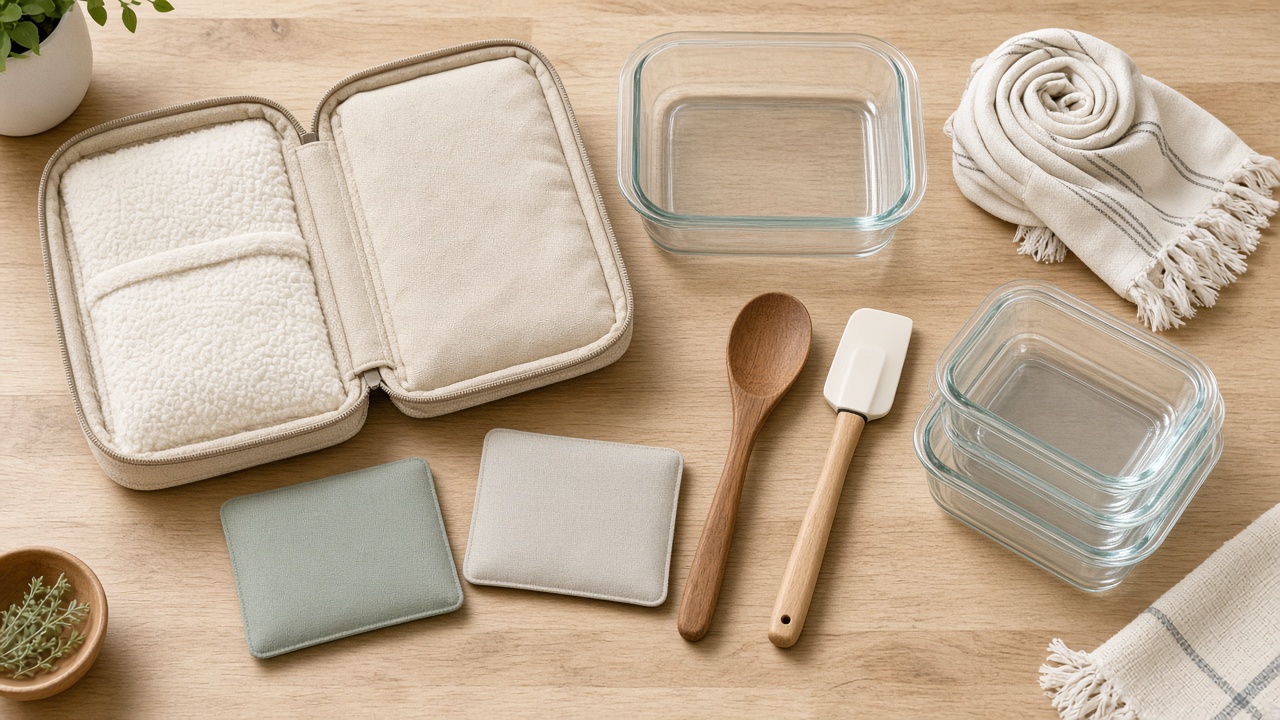
I use a soft-sided Insulated Casserole Carrier for 9×13 Dishes sized for a standard rectangular baker. The good ones have a zip top, a sturdy base, and handles that don’t cut into your palm when the dish is full. Some include a shoulder strap, which matters when you’re also carrying a bag of rolls and a bottle of something for the bar.
Hot packs help on longer drives. I warm a couple of Reusable Microwaveable Hot/Cold Packs only as directed on that specific pack’s label, using the stated microwave wattage, heating intervals and handling precautions, then tuck them along the sides of the carrier, never directly on a plastic lid that might warp. There is no universal ten-minute setting: do not overheat a pack, and do not microwave one unless its manufacturer permits it. Pyrex’s portable-accessory directions, for example, say to follow the instructions printed on the pack. For cold dishes — chopped salads, dips, anything dairy-forward — the same packs go in the freezer the night before and ride in a soft cooler instead.
A slow-cooker path belongs in this kit too. If the host has outlet space and you’re bringing chili, mulled cider, or meatballs, a midsize Crock-Pot 6-Quart Slow Cooker can travel empty in the trunk with the insert packed hot inside an insulated bag, or travel full on the floor behind a seat if you have a dedicated Slow Cooker Travel Carrying Bag. I prefer to finish the cook at home, keep the insert hot, and plug in on arrival only to hold. That keeps the kitchen quieter and the food safer than a long warm ride with the cooker unplugged and half-open.
What Actually Survives the Drive
Product gear only helps if the food itself cooperates. After a decade of Friendsgivings in apartments, rented houses, and one memorable backyard with no oven at all, these are the dishes I steer guests toward.
- Baked pasta and mac and cheese: deep dish, real lid, cheese on top that can take a brief reheat. Travels like a champion.
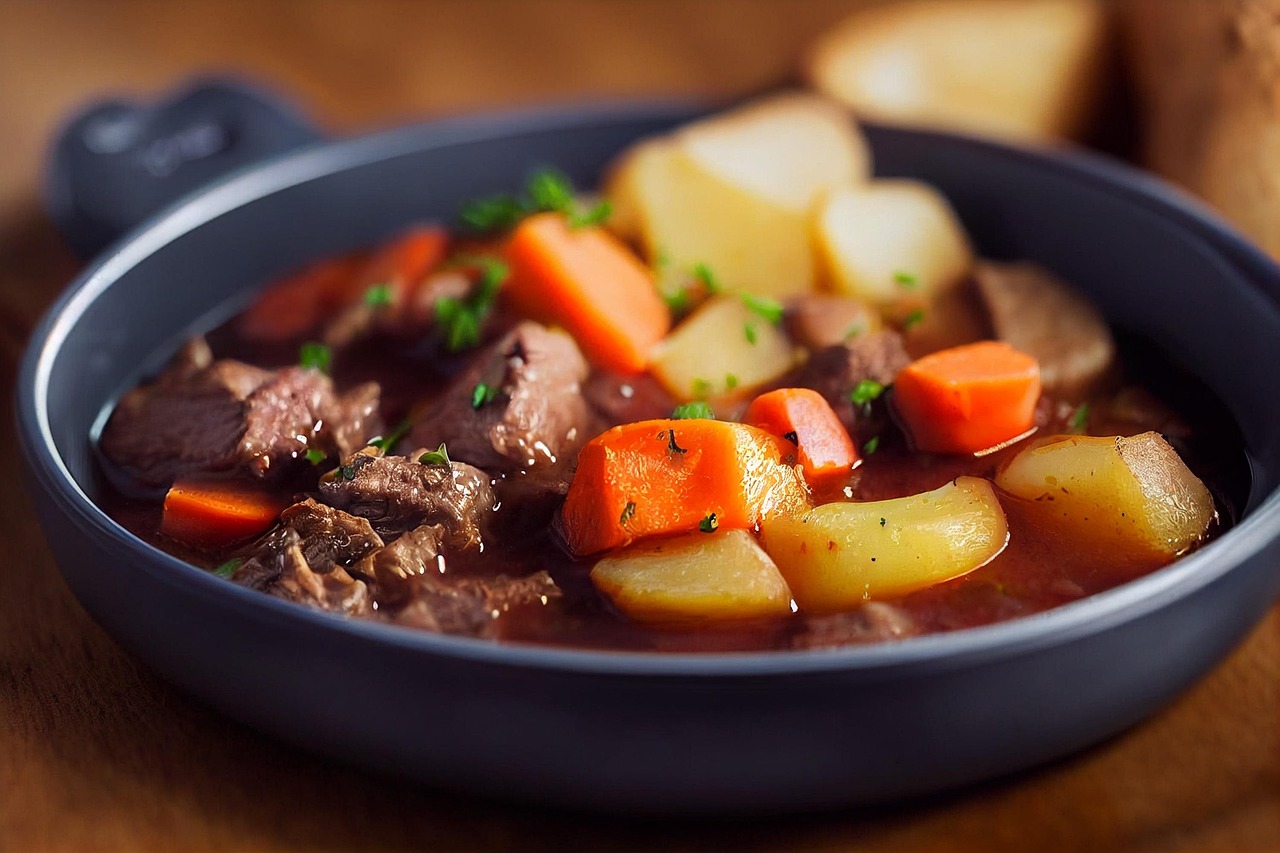
- Chili, stew, or pulled meat: best in a slow cooker insert packed hot, or in a deep lidded pot nestled in the insulated carrier. Stays hot, spills less.
- Roasted vegetables: sweet potatoes, carrots, Brussels sprouts. They look a little less crisp after a ride, but they still taste like themselves. A sheet of heavy-duty foil under a proper lid is fine for catching drips; foil alone is not the lid.
- Potato casserole or stuffing-style bake: dense, forgiving, and happy to sit covered for an hour.
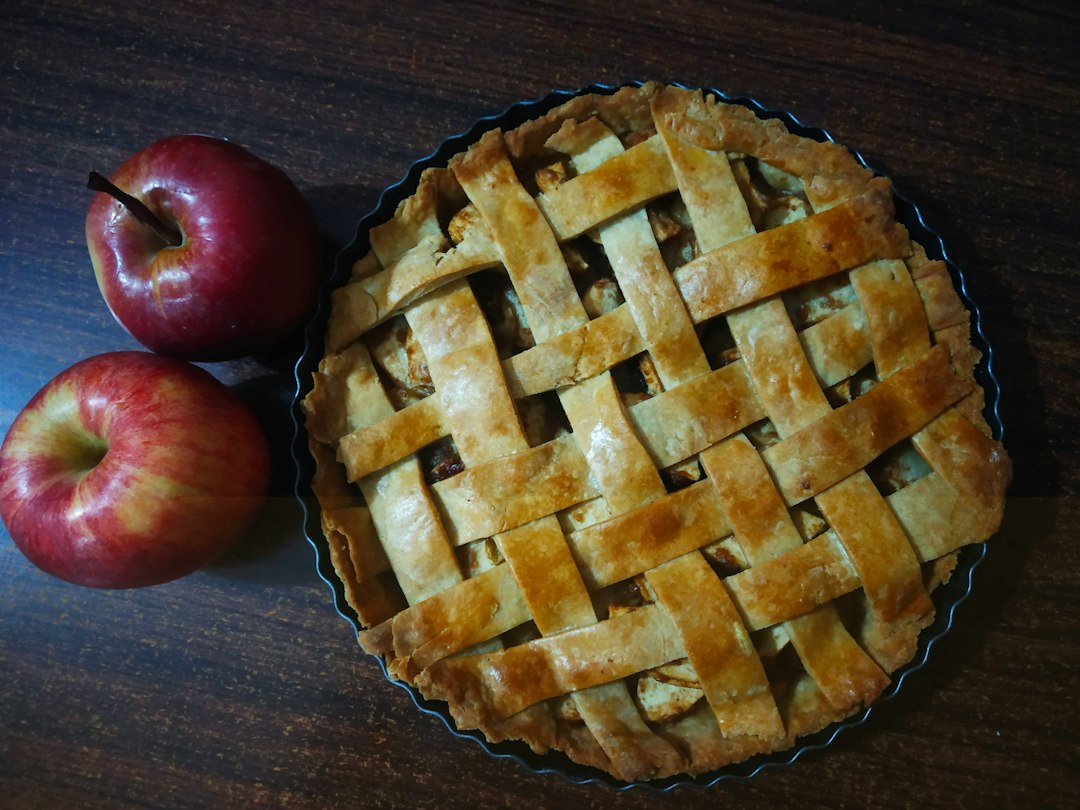
- Pie with a sturdy crust: apple, pumpkin, pecan. Carry in a Snap-Lock Pie Carrier with Lid, not on a plate under plastic wrap.
- Skip or rethink: dressed leafy salads, anything fried that you want shatter-crisp, soufflés, and ice-cream cakes without a freezer plan.
Cold contributions need the same respect. A chopped salad with the dressing in a separate jar, a fruit plate packed snug so grapes don’t roll, or a dessert that likes the fridge all belong in a soft Insulated Soft Cooler Tote Bag with those frozen packs. I treat the cooler as part of the same kit, not a separate afterthought, because Friendsgiving tables always need something cold next to something hot.
Towels, Trivets and the Seatbelt Method
Even with a carrier, I pack like the roads are worse than they are. Two thick Cotton Flour Sack Kitchen Towels go under and around the dish inside the carrier for padding and a little extra insulation. A third towel rides in my bag for wiping the dish before it hits the table, because condensation is real and hosts notice water rings.
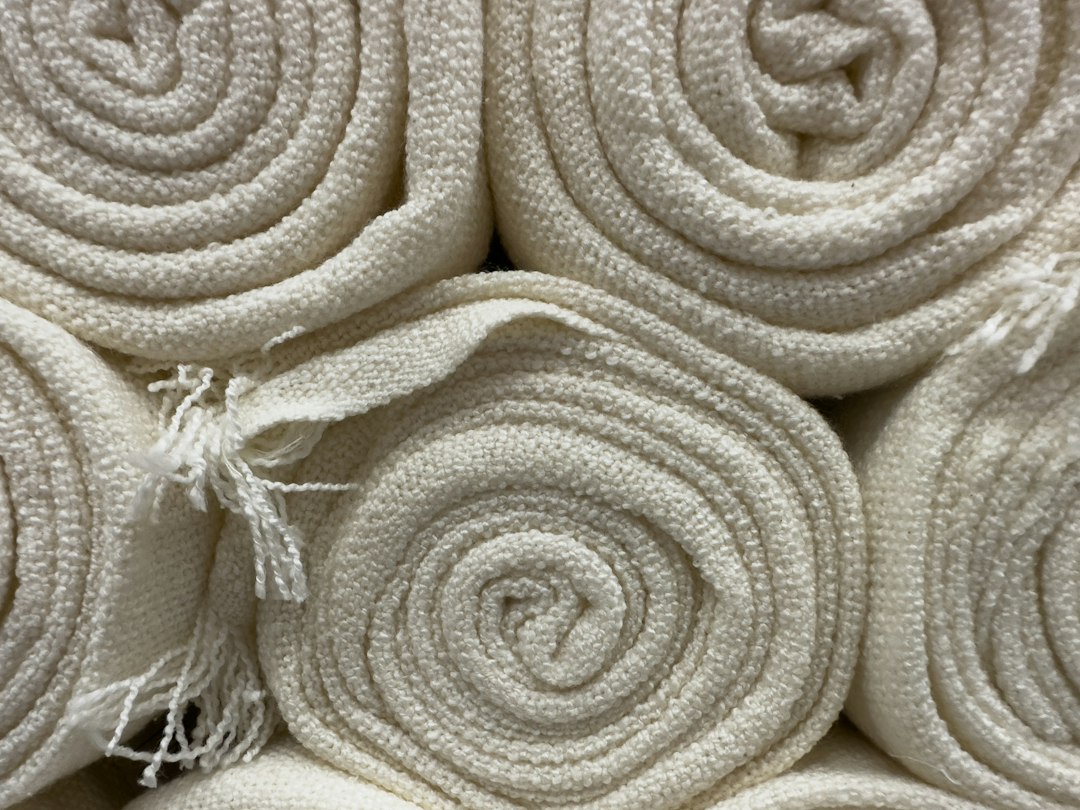
On short drives without a full carrier, the towel wrap still helps: lid on, towel around the whole baker, then seatbelt across the bundle in the footwell or on the floor behind the passenger seat. Never the warm dashboard. Never a slanted seat with nothing bracing the far side. I have cleaned green bean casserole out of cup holders. You do not want that story.
A thin Silicone Trivet Hot Pad Set tucked into the carrier means you can set the dish down on whatever surface the host points at without asking for a cutting board. It sounds small until you’re standing in a doorway with a hot pan and no free counter.
Bring the Spoon You Want Used
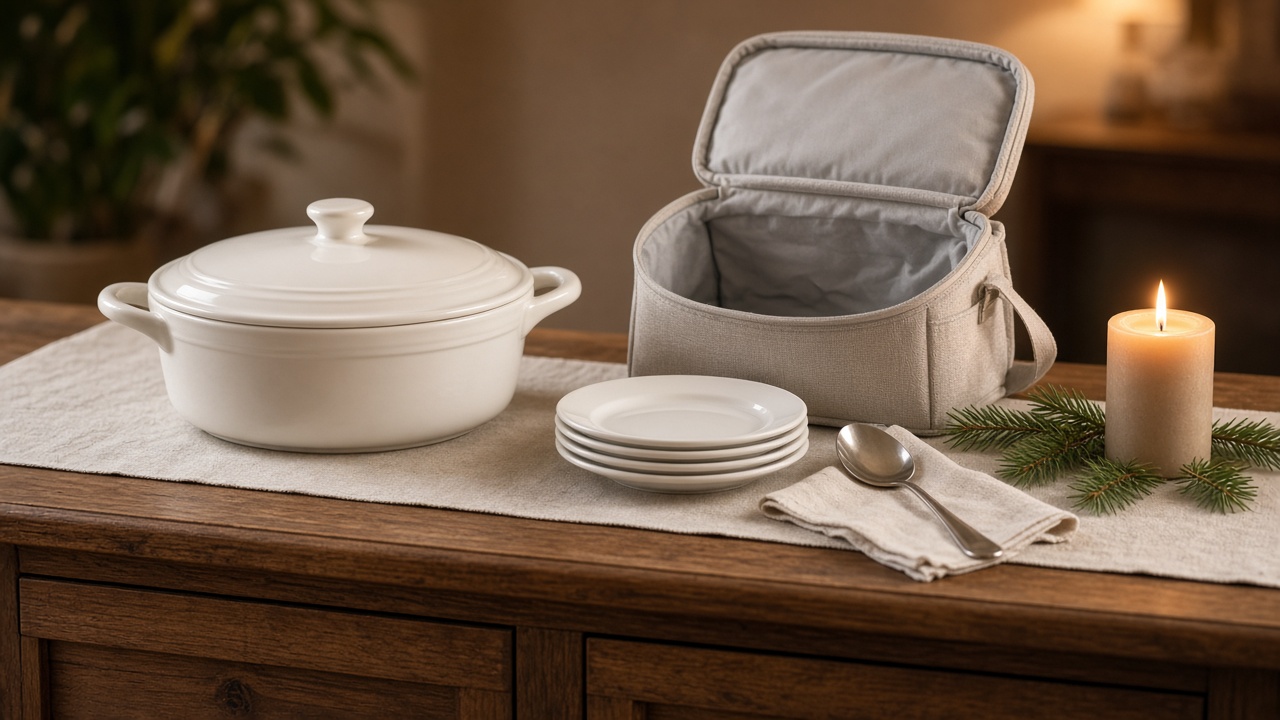
Hosts run out of serving utensils before they run out of food. Every guest who arrives with a dish and no spoon creates a scavenger hunt. I pack a long Stainless Steel Serving Spoon Set and a silicone spatula in the same tote as the carrier. The spatula scrapes the corners so you’re not leaving half a cup of cheese stuck to the baker you want to take home clean.
Label nothing fancy. A small piece of tape with your name on the utensil handle is enough when five black spoons end up in the same sink. I also tuck a short roll of heavy-duty foil into the tote for covering a half-empty dish at the end of the night, plus a handful of Glass Meal Prep Containers with Lids, because the leftover problem is not the host’s alone.
If you borrow a spoon from the host’s drawer, you create two problems: one more thing in their sink, and one less tool for the next guest. Bringing your own is ordinary kindness dressed up as logistics. The same goes for a clean towel under your dish on their counter. You look prepared. They look less frazzled. Everybody wins.
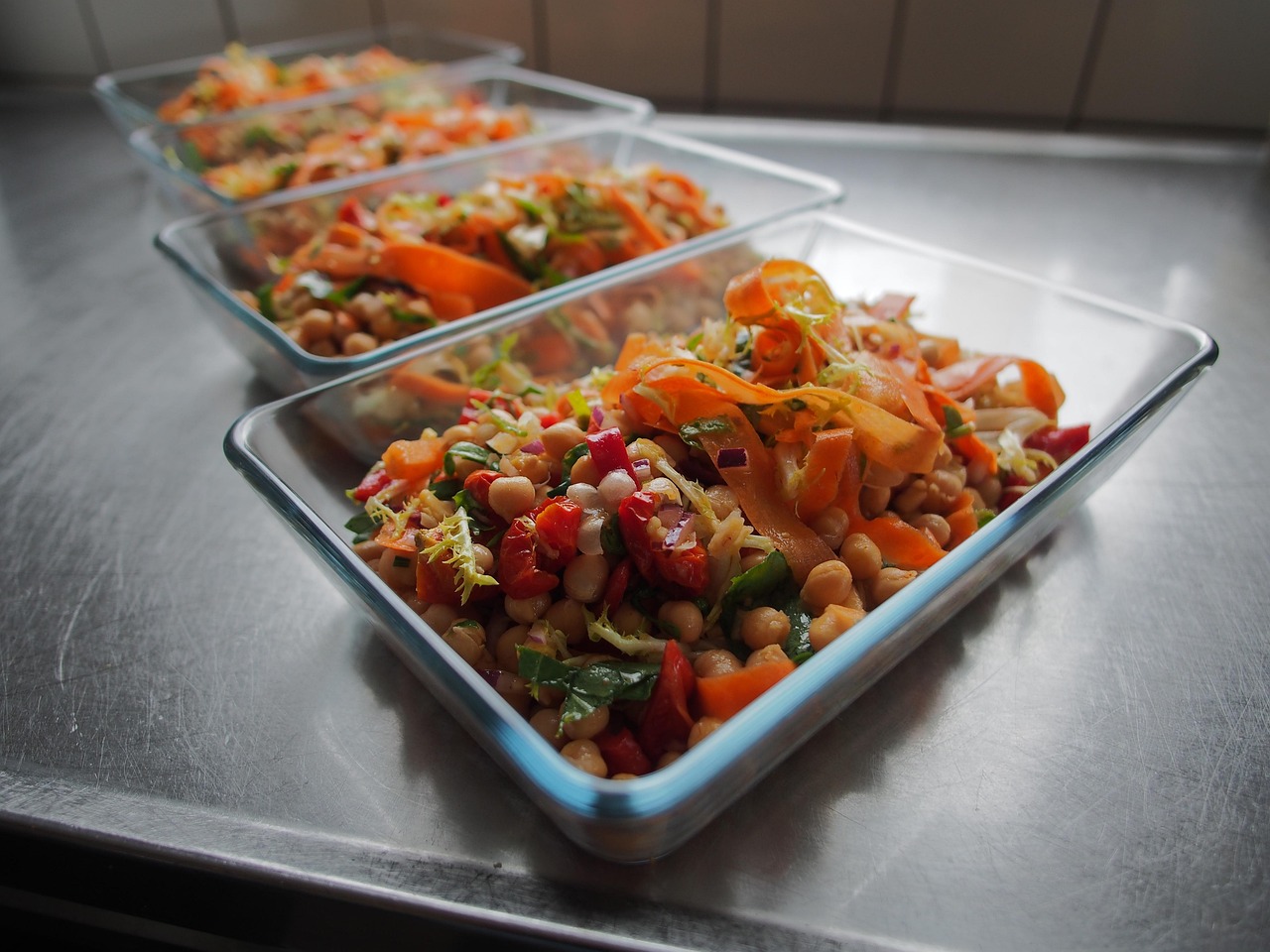
That leftover system is its own article — I wrote Everybody Leaves With Something for the week after Thanksgiving — but the Friendsgiving version is simpler. Pack containers in. Offer to portion before people leave. Your dish comes home empty or nearly empty, and nobody wakes up to a fridge of mystery foil packets.
Timing the Arrival Without Stressing the Host
The other half of surviving the car is surviving the doorway. A dish that needs twenty minutes at 350°F is a gift only if the host still has an empty rack. Most Friendsgiving ovens are already full of someone else’s rolls, a pie that arrived cold, and whatever the host is finishing. Text before you leave. Ask whether a brief reheat is possible, or whether you should bring something that can sit covered on a trivet.
I aim to arrive twenty to thirty minutes early when I’m bringing hot food, which is early enough to claim a corner of the counter and late enough that I’m not hovering while the host showers. If the group is on apartment time and nobody shows up before the stated hour, I keep the carrier zipped until there’s a clear landing spot. Opening a steaming dish in a crowded entryway is how lids get set on mail piles.
For hosts reading this: put the oven rules in the invite. “Dishes that can sit covered are easiest; we have one free rack for a ten-minute reheat” saves everyone. If your kitchen is the small one I wrote about in One Oven, Twelve Dishes, say so. Guests will choose chili and mac and cheese over anything that needs a blast of heat, and your afternoon stays human.
One more timing note from the guest side. Cook earlier in the day than you think. A casserole that comes out of your oven at 4:10 for a 5:00 dinner across town is already racing the clock. I like food out by 3:30, into the carrier by 3:45, and on the road with a margin for parking. Hot packs go in while the dish rests, not while you’re hunting for keys.
The First-Time Guest Checklist
When a friend texts “what should I bring?” this is what I send, almost word for word.
- Pick a deep, dense dish from the travels-well list above.
- Bake it in a lidded baker you trust, not a disposable pan under foil.
- Transfer hot food into an insulated casserole carrier with a warm pack on each side.
- Pack a serving spoon, a spatula, a trivet, and two clean towels.
- Add empty glass containers for leftovers and a soft cooler if anything cold is riding along.
- Arrive a little early if your dish needs a brief oven kiss; text first so you’re not fighting the bird for rack space.
If you’re also the person bringing drinks, coordinate with whoever is running the bar. A zero-proof setup next to the wine keeps the whole table included, and I walked through that system in Same Glass, Same Clink. Food that arrives hot and drinks that feel intentional are the whole hospitality brief for a Friendsgiving that isn’t trying to recreate a twelve-person Thanksgiving.
What I’d Tell You Over the Fence
Friendsgiving works because it’s borrowed family. The pressure is lower than Thanksgiving, the guest list is chosen, and the food is a potluck by design. The mistake I see every November is treating the ride as an afterthought. The carrier, the lid, and the travels-well dish are not fussy. They are how you show up as the guest everyone is glad invited.
Build the kit once. Keep it on a high shelf with the pie carrier and the soft cooler. When the group chat lights up in early November — and it will — you already know what you’re bringing and how it gets there hot. That is the whole job.
And if you’re hosting instead of guesting this year, send this checklist with the invite. Your oven will thank you, your counters will stay clearer, and every dish that lands on the table will still taste like the person who made it meant it to.