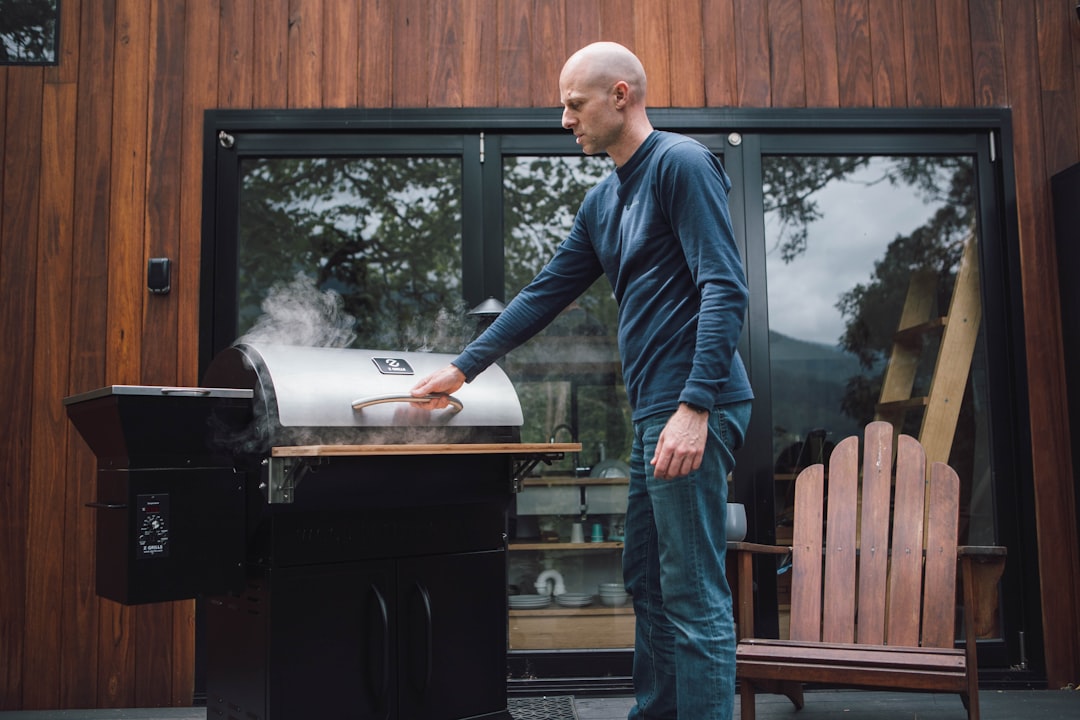
When I Bought My First Smoker: A Love Story (and Some Hard-Won Lessons)
Let me tell you about the summer I fell in love with slow-smoked meats. It was 2018, and I’d just tasted my friend’s sixteen-hour brisket at a July Fourth party — tender, smoky, with that perfect pink smoke ring that had everyone asking for seconds. I was obsessed. I wanted THAT in my backyard. But here’s the thing nobody tells you: walking into the world of smokers is like walking into a restaurant where everything on the menu sounds delicious, but you have no idea what half the words mean. Offset what? Pellet who? Electric smoker — isn’t that cheating?
After weeks of research, more YouTube videos than I care to admit, and one unfortunate purchase that ended up gathering dust in my garage, I learned something crucial: the perfect smoker isn’t about finding the highest-rated model on Amazon. It’s about finding the RIGHT smoker for YOUR life, YOUR space, and YOUR patience level. Because here’s the truth — both electric smokers and pellet smokers produce incredible food, but they’re completely different experiences. And in 2026, thanks to some serious innovations in both categories, the choice is harder than ever.
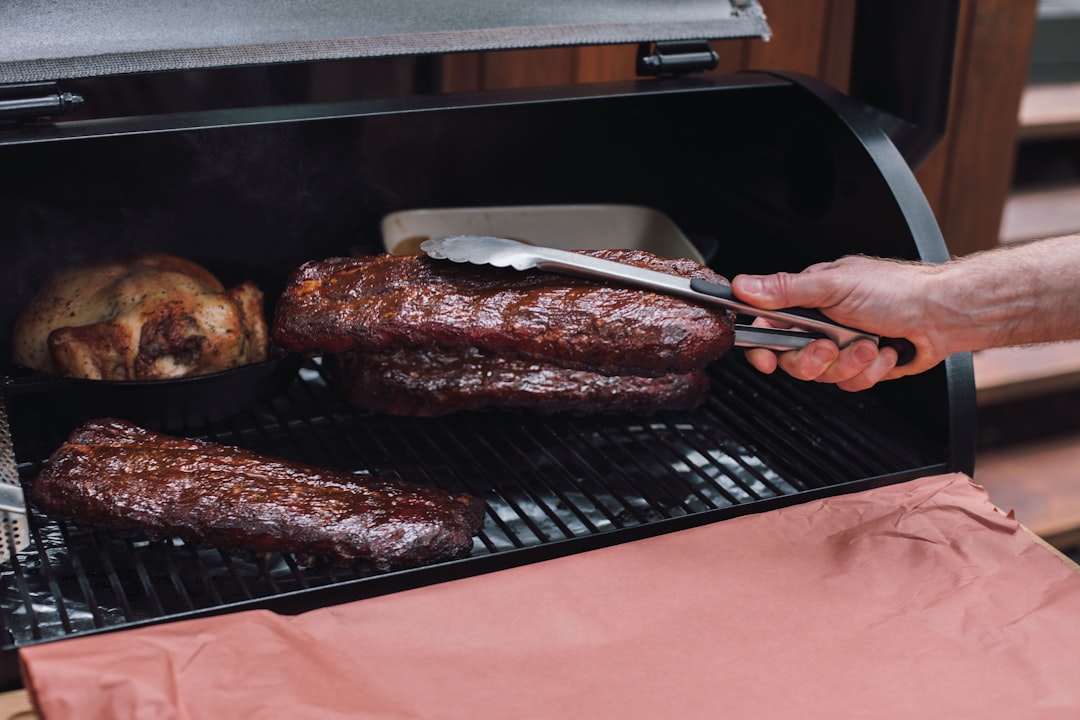
What IS an Electric Smoker, Exactly?
Let’s start with the basics because I spent embarrassingly long confusing these two. An electric smoker is exactly what it sounds like — a smoker powered by electricity. Inside, there’s a heating element (like what’s in your oven) that generates heat, and you add wood chips to a tray or box above that element. The heat smolders the chips, creating smoke, and a convection fan circulates that smoke around your meat. That’s it. Simple, straightforward, and about as complicated as turning on your slow cooker.
The magic of electric smokers is in their simplicity. You plug them in, set your temperature dial (usually between 100°F and 275°F), add your wood chips, load your meat, and walk away. No charcoal to light, no gas to connect, no vent adjustments to obsess over. They’re incredibly forgiving for beginners, which is probably why I see so many electric smokers at backyard parties hosted by folks who just want consistently good BBQ without making it their part-time job.
That said, electric smokers do have some quirks. Because you’re relying entirely on that heating element, ambient temperature matters more than you might think. Super cold day? Your electric smoker has to work harder. Windy? You might notice temperature swings. And some serious BBQ enthusiasts will tell you that electric smokers produce a milder smoke flavor than charcoal or pellet options, though in my experience, that’s mostly about using quality wood and not being afraid to add more chips during long cooks.
And What’s a Pellet Smoker?
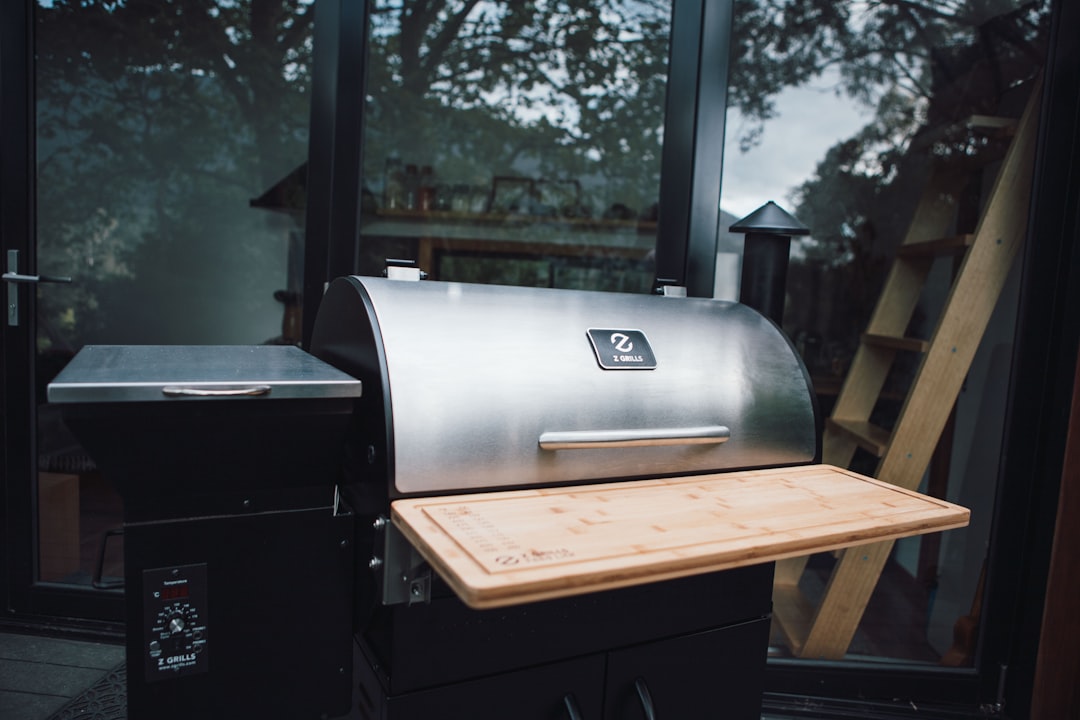
Okay, this is where things get interesting. Pellet smokers (also called pellet grills) use wood pellets — those little compressed sawdust cylinders you might’ve seen at hardware stores — as both fuel AND flavor source. An auger system automatically feeds pellets from a hopper into a fire pot, where a hot rod ignites them. A fan circulates the smoke and heat, and a digital controller maintains your set temperature. The result? Wood-fired flavor that’s unmistakable, with convenience that rivals your oven.
What I love about pellet smokers is that they’re essentially grills AND smokers in one package. Want to smoke a brisket low and slow? Set it to 225°F and walk away. Craving a burger with serious wood-fired flavor? Crank that temperature up to 450°F or higher (depending on your model) and grill away. This versatility is huge, especially if you’re working with limited patio space or don’t want multiple pieces of equipment. I’ve got friends who do everything on their pellet smokers — from Sunday morning bacon to weeknight pizzas to holiday turkeys.
The trade-off? Pellet smokers require pellets (obviously), and you’ll go through roughly 1-2 pounds per hour during long smokes. Those pellets add up — roughly $1 per pound, though you can find deals if you buy in bulk. You’ll also need access to electricity to run the auger, fan, and ignition system, so you’re not exactly going off-grid. And while pellet smokers are easier than traditional offset smokers, they’re not quite as foolproof as electrics — you’ll want to keep an eye on your pellet level during long cooks, and some models can struggle with temperature consistency in extreme weather.
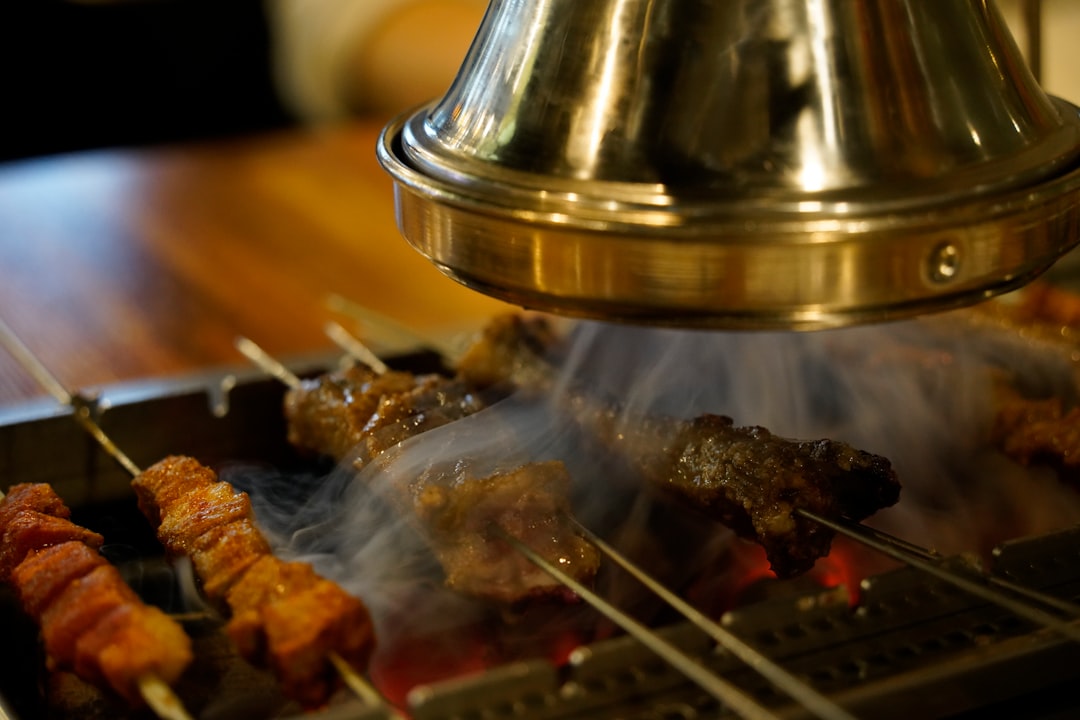
The Real-World Differences: What Nobody Tells You
After testing both types extensively (and yes, I’ve owned both), here’s what I wish someone had told me upfront:
Flavor: Pellet smokers deliver that authentic wood-fired flavor — think campfire meets Sunday dinner. Electric smokers produce a cleaner, milder smoke taste. Neither is “better,” but they’re definitely different. If you’re chasing that competition BBQ flavor, pellets win. If you want smoke that enhances without overpowering, electric might be your jam.
Temperature Range: Most electric smokers top out around 275°F, which is perfect for smoking but limits high-heat cooking. Pellet smokers typically go from 165°F all the way up to 500°F+, making them genuinely versatile cooking tools. When I’m doing meal prep, I love that I can smoke chicken thighs at 250°F, then crank my pellet smoker to 400°F to roast vegetables for the same meal.
Weather Toughness: Electric smokers struggle more in extreme cold because that heating element has to work overtime. Pellet smokers handle cold weather better, but both types appreciate some protection from wind. I’ve seen die-hard pellet smoker enthusiasts build wind breaks out of plywood for winter smoking sessions.
Fuel and Power: Electric smokers need electricity — that’s it. Pellet smokers need electricity AND pellets. If your power goes out, you’re done with both (unless you’ve got a generator). But here’s something I learned the hard way: electric smokers draw considerably more power than pellet smokers. My 800-watt electric smoker tripped my garage circuit breaker once before I figured out I needed a dedicated outlet.

So Which One Should YOU Buy? Let’s Break It Down
I’m going to make this as straightforward as possible because decision paralysis is real, and I spent way too many weeks doomscrolling through smoker forums when I should’ve been cooking.
Choose an Electric Smoker If: You want the absolute easiest smoking experience possible. You’re cooking in a small space (apartment balcony, patio with limited room). You live in a mild climate (not dealing with extreme cold regularly). You primarily want to smoke food, not grill. You’re on a tighter budget (quality electric smokers start around $150-200). You don’t want to think about fuel beyond wood chips. You value set-it-and-forget-it convenience over versatility. I recommend Masterbuilt electric smokers for beginners — they’re reliable, well-designed, and replacement parts are easy to find.
Choose a Pellet Smoker If: You want authentic wood-fired flavor. You want a smoker that can ALSO grill at high temperatures. You have the budget (quality pellet smokers start around $400-500 for entry-level models, with premium options hitting $1,000+). You don’t mind buying pellets in bulk. You might eventually want to get more serious about BBQ competitions or smoking techniques. You have space for a larger unit. You live somewhere with seasonal weather variations and want year-round versatility. For first-time pellet smoker buyers, Traeger and Pit Boss make excellent entry-level options.
Consider BOTH (I know, cop-out answer) If: You have the budget and space. You’re seriously passionate about outdoor cooking and want to explore different techniques. You entertain frequently and want maximum flexibility. I’ve seen plenty of backyard BBQ enthusiasts start with one, fall in love with the hobby, and eventually add the other type to their collection. That said? If you’re just starting out, pick ONE and master it before doubling down on equipment.
Essential Gear You’ll Need Either Way
Whatever smoker type you choose, there’s some gear that’s non-negotiable. Trust me, I learned this the hard way after one too many ruined meals:
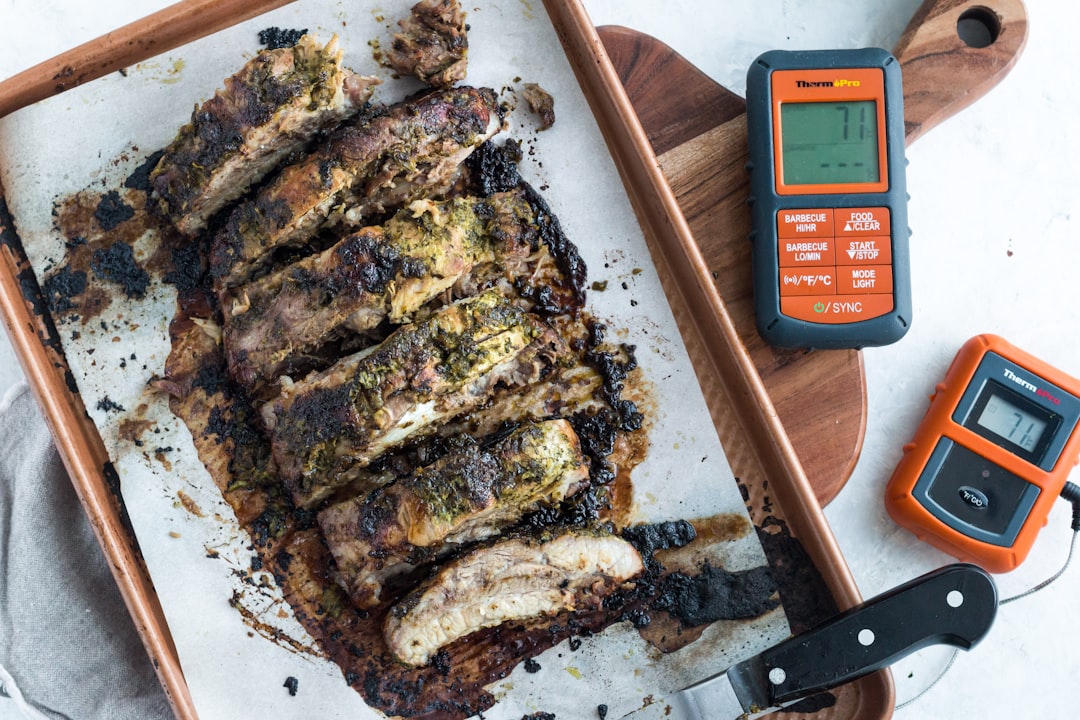
Digital Meat Thermometer: Not optional. Not “nice to have.” Essential. Temperature probes that you can leave in your meat while it cooks will change your smoking game. I’m talking wireless meat thermometers that send alerts to your phone when your meat hits target temperature. No more opening the smoker every hour to check progress (which, by the way, lets out heat and smoke — rookie mistake).
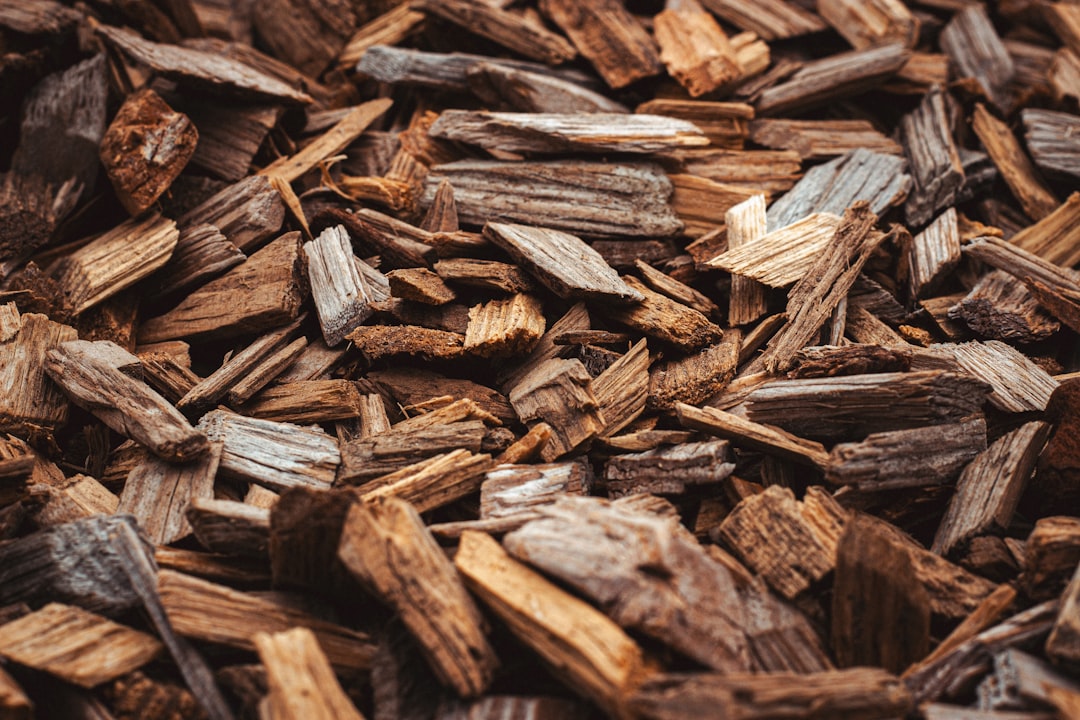
Quality Wood: For electric smokers, you’ll want wood chips. For pellet smokers, obviously, pellets. But not all wood is created equal. Hickory and mesquite pack a punch — great for beef and pork, but they’ll overwhelm delicate foods. Fruit woods like apple and cherry are milder and sweeter — perfect for poultry, fish, and vegetables. I keep a variety on hand and mix and match depending on what I’m cooking. Variety packs are perfect for experimentation.
Cast Iron Skillet or Dutch Oven: Both smoker types play beautifully with cast iron. I’ll often smoke meat directly on the grates, then finish it in a cast iron Dutch oven with sauce, beans, or vegetables. The smoker infuses everything with that wood-fired goodness, and the cast iron ensures even heat distribution.
Meat Injection Kit: This one’s optional but game-changing. Injecting marinades directly into meat keeps it moist during long cooks, and the smoker flavor penetrates deeper. I use a simple stainless steel injector with apple juice, spices, and a little salt for pork shoulders.
My Honest Take After Years of Smoking
Here’s the thing I wish someone had told me when I was starting out: both electric and pellet smokers will produce food that’s dramatically better than anything you can buy at a store. The first time you pull a perfectly smoked brisket from your own backyard, you’ll feel like a wizard. Your neighbors will start inventing reasons to drop by on weekends. Your family will request smoked meats for every holiday.
That said? If I had to choose just one for a beginner in 2026, I’d lean toward pellet smokers for most people. The versatility alone is huge — being able to smoke AND grill on one unit saves space and money. The wood-fired flavor is undeniable. And modern pellet smokers have become incredibly user-friendly, with features like WiFi connectivity (yes, you can monitor your brisket from your phone) and temperature consistency that rivals electric smokers.
But electric smokers? They’re still absolutely fantastic, especially for apartment dwellers, folks with limited outdoor space, or anyone who wants maximum simplicity. My aunt swears by her electric smoker for holiday hams, and I can’t argue with her results — consistently moist, smoky, and delicious every single time.

The Bottom Line: Choose Based on YOUR Life
The “best” smoker is the one you’ll actually use. A $1,000 pellet smoker that sits unused because it’s too complicated isn’t better than a $200 electric smoker that gets action every weekend. Consider your space, your budget, your climate, and how much you want to tinker vs. set-and-forget.
And here’s my final piece of advice: start small. Buy a quality smoker in either category, use it until you’ve mastered the basics, and THEN decide if you want to upgrade or expand. The BBQ equipment rabbit hole is deep, my friends, and it’s easy to spend thousands before you’ve even smoked your first pork shoulder. I’ve been there, done that, and have the credit card statements to prove it.
Want more small appliance recommendations? Check out my guide to Must-Have Small Appliances for Modern Kitchens, or if you’re already building your outdoor cooking setup, you might appreciate my thoughts on the best air fryers of 2026 — another tool that’s transformed how I cook at home.
Now, the only question left is: what are YOU going to smoke first? Let me know in the comments, and happy smoking!


One thought on “Electric vs Pellet Smokers: The Ultimate Beginner’s Guide for 2026”