Let me get something off my chest right away. I grew up in a kitchen where knife skills were practically a moral virtue. My grandmother could dice an onion into perfect quarter-inch cubes faster than most people could find the right blade in a gadget drawer. She taught me that patience and a sharp edge were all anyone needed. So when food processors started showing up in every kitchen catalog and bridal registry in the early 2000s, I rolled my eyes so hard I could see my own brain.
I was wrong. Spectacularly, stubbornly, for-about-fifteen-years wrong.
It took a single July afternoon — specifically, a brutal Saturday when I was simultaneously making salsa for forty people, pesto for a dinner party, and a double batch of pie crust for a neighborhood potluck — to break me. I stood in my kitchen with a cutting board that looked like a crime scene, tears streaming from onions, basil browning on the counter, and butter softening past the point of no return. That is the exact moment I pulled out my credit card and ordered a Cuisinart 14-cup food processor with overnight shipping.
What followed was a full-on kitchen revolution that I want to walk you through, because I genuinely believe a food processor is the single most transformative appliance you can add to your counter — maybe even more than a stand mixer or an air fryer. But not all food processors are created equal, and the buying mistakes I made along the way cost me real money and real counter space. So let me save you the tuition.
The Moment Everything Changed
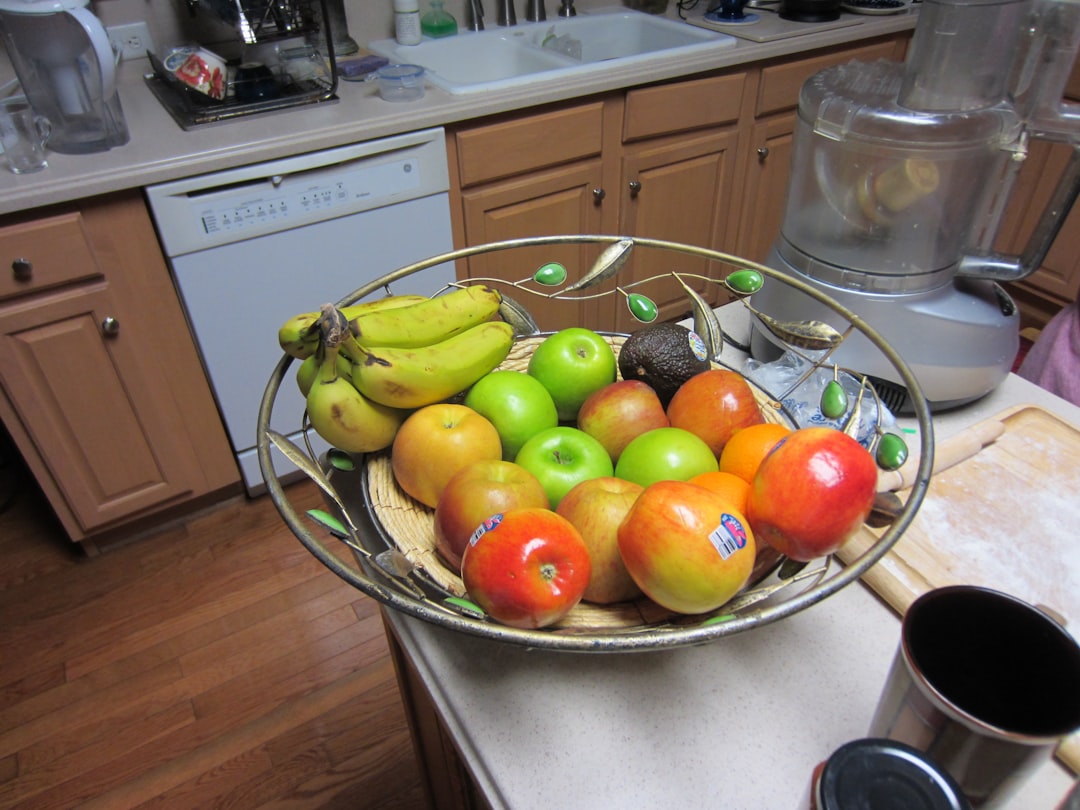
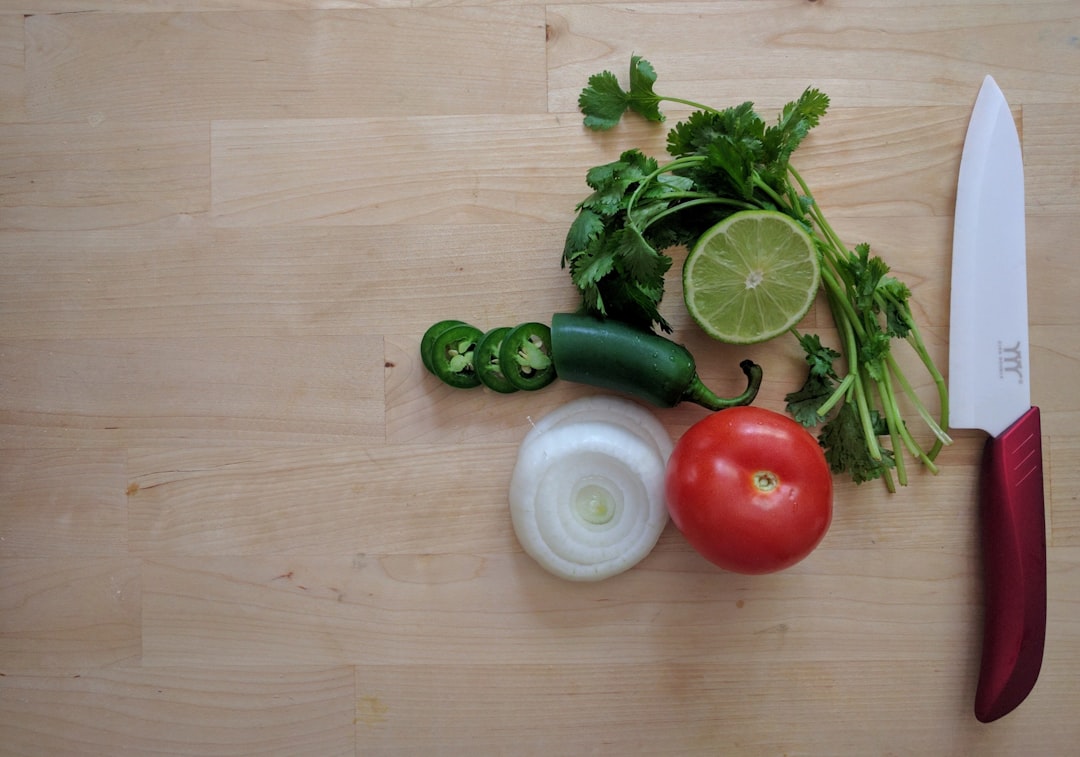
Within the first week of owning that Cuisinart, I made something that had always been a chore: a massive batch of fresh garden salsa. Tomatoes, jalapeños, onions, cilantro, garlic — all pulsed together in under ninety seconds. The texture was better than anything I’d ever achieved with a knife because the pieces were genuinely uniform, not the uneven hack job my patience usually produced by pepper number three. I stood there with the lid off, tasting from a wooden spoon, and actually laughed out loud in my empty kitchen.
Then came the pesto. If you’ve ever tried to make pesto by hand in a mortar and pestle — which I did, for years, because I’m apparently a glutton for punishment — you know it takes thirty minutes of grinding and a forearm workout. The food processor did it in forty-five seconds. The Breville Sous Chef that I eventually upgraded to does it even faster, with a motor that doesn’t even flinch at a tough wedge of Parmesan.
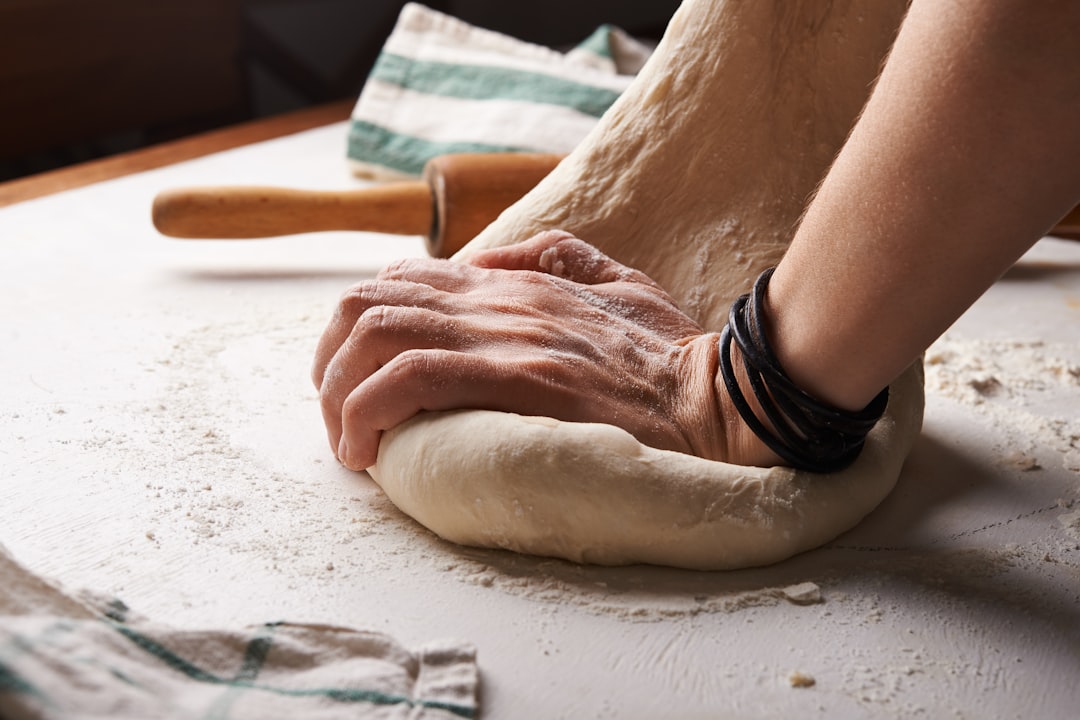
And the pie crust. Oh, the pie crust. If you’ve read my deep-dive on how sourdough took over my summer kitchen, you know I take dough seriously. But here’s the thing: the single best pie crust I’ve ever made came together in a food processor in twelve seconds. Cold butter, flour, salt, a quick pulse — the fat gets distributed into pea-sized pieces without ever warming up from my hands. It’s not cheating. It’s using the right tool for the job.
What I Bought Wrong (So You Don’t Have To)
My journey involved three food processors over the course of about eight years, which is honestly embarrassing to admit. Here’s where I went wrong and what I learned from each mistake.
Mistake One: Going Too Small
My first food processor was a 7-cup model. I chose it because it was cheaper and I thought the smaller footprint would be nicer on my counter. Within a month, I was making recipes in two batches because the bowl couldn’t hold a full head of cabbage for coleslaw or a complete double batch of pizza dough. Every time I had to stop, empty the bowl, and start over, I felt a little more foolish about saving those thirty dollars.
If you cook for more than two people, or if you ever plan to make anything in quantity — salsa for a party, shredded cheese for a week of meal prep, a full batch of hummus — you need at least a 12-cup bowl. My sweet spot, after years of testing, is 14 cups. That size handles a whole block of cheddar, an entire bunch of cilantro with stems, and enough tomatoes to fill a party-size bowl, all without overflowing.
Mistake Two: Ignoring the Feed Tube
Here’s something no one tells you until you’re standing in your kitchen holding a whole potato that doesn’t fit: the feed tube size matters enormously. My second food processor had a narrow feed tube, which meant I had to pre-cut everything into chunks before feeding it through. I was essentially doing the prep work the machine was supposed to eliminate.
The KitchenAid 13-cup and the Breville Sous Chef both have wide feed tubes that accept whole onions, whole potatoes, and blocks of cheese without pre-cutting. That feature alone saves me ten minutes of prep on a busy cooking day. If you’re comparing models and one has a significantly wider feed tube, give that one serious preference.
Mistake Three: Underestimating Motor Power
Not all food processors are built the same, and the motor is where manufacturers love to cut corners. A weak motor will struggle with thick doughs, overheat when shredding a large block of hard cheese, and produce inconsistent results when you’re trying to get a fine mince on aromatics like garlic and ginger.
The Cuisinart I started with has a respectable 720-watt motor that handles most tasks beautifully. The Breville Sous Chef steps up to a seriously powerful motor that powers through anything I throw at it without slowing down. Meanwhile, budget models under $60 — like some of the compact options you’ll find in a mini food chopper search — are fine for occasional herb chopping or small-batch sauces, but they’ll strain under anything more demanding. I keep a small one for quick jobs like mincing garlic for a single dish, and it earns its space. But it will never replace my full-size processor.
Five Things I Make Every Single Week
If you’re on the fence about whether a food processor will actually get used, let me show you what a typical week looks like in my kitchen with one on the counter.
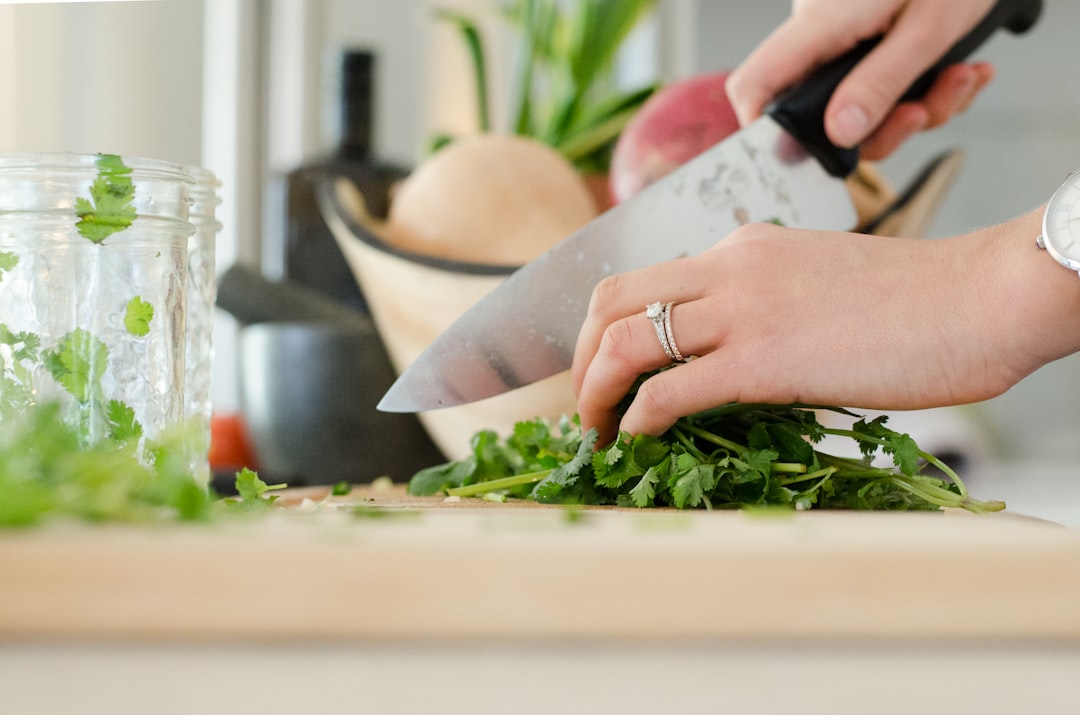
Monday: A big batch of meal-prep shredded vegetables — carrots for the week’s lunches, cheese for tacos, and onions to keep in a container so I’m not crying every night at 5:30. Having pre-shredded onions ready to go is one of those tiny quality-of-life upgrades that sounds trivial until you experience it.
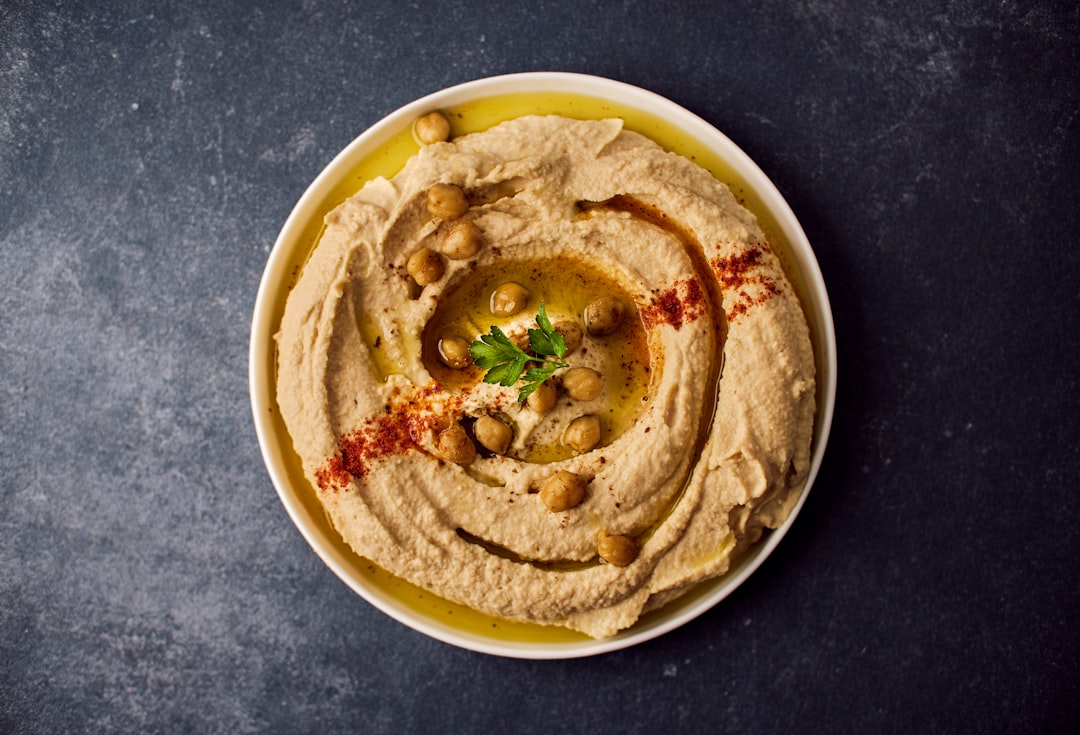
Wednesday: Hummus. Always hummus. A can of chickpeas, tahini, lemon juice, garlic, and olive oil whirled together takes about ninety seconds and costs roughly a third of what the store-bought version runs me. I flavor it differently every week — roasted red pepper one week, harissa the next, extra garlic always.
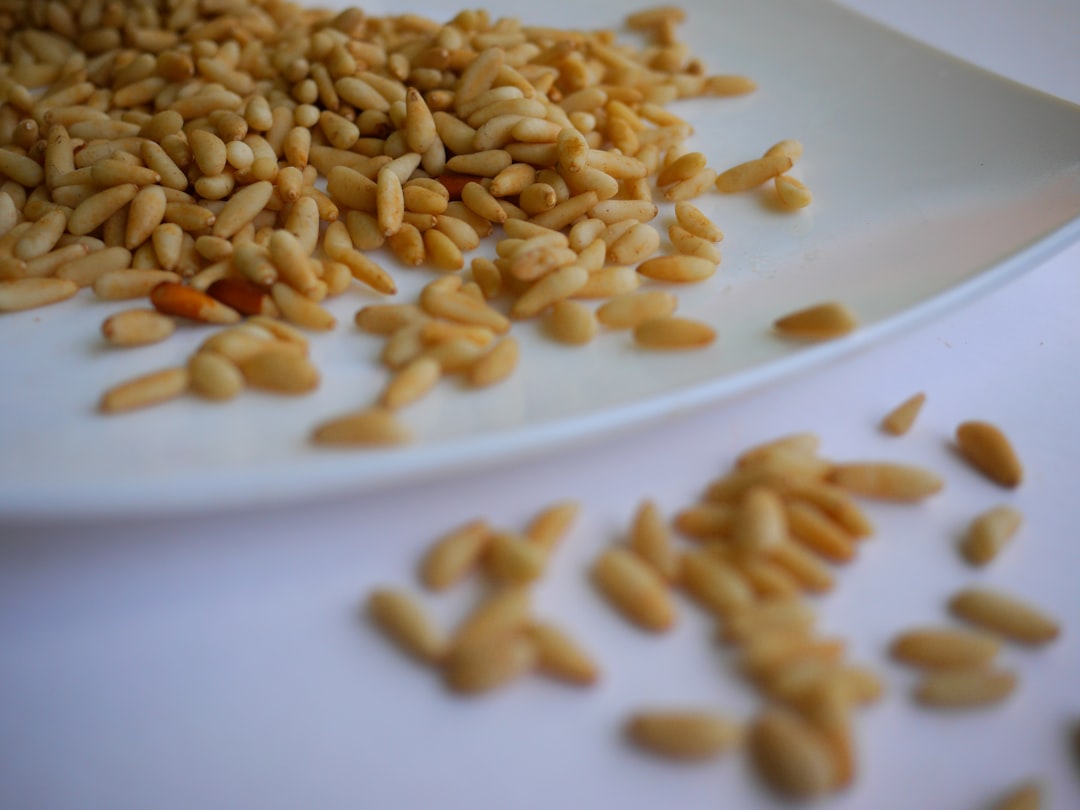
Thursday: Pesto or some variation — cilantro-pumpkin seed, sun-dried tomato and walnut, or classic basil with pine nuts. A food processor makes these so effortless that I haven’t bought jarred pesto in five years. The difference in flavor is not subtle.
Friday: Pizza dough or pie crust. Both come together in under a minute once you get the feel for the pulse rhythm. This is also where motor quality really shows — cheap machines will labor and overheat on dough, while well-built ones power through it without breaking a sweat.
Saturday: Whatever party or potluck recipe is on the calendar. Last weekend it was a triple batch of cornbread waffle batter (yes, you can make batter in a food processor, and it’s shockingly good) plus a giant bowl of peach salsa for a backyard gathering.
How to Shop Without Getting Overwhelmed

The food processor market has exploded in the last few years, which means more options but also more confusion. Let me simplify the decision tree for you.
If you cook for a family or entertain regularly: Get a full-size 14-to-16-cup model. The Breville Sous Chef 16-cup is the one I use daily, and its extra-large feed chute, multiple disc attachments, and powerful motor make it worth the investment. If you want something more budget-friendly that still performs brilliantly, the Cuisinart Custom 14-cup has been a workhorse model for home cooks for over a decade and remains one of the best values in kitchen appliances.
If you have limited counter or storage space: The Ninja Professional offers impressive power for the price and a more compact footprint. It won’t last as long as the Breville or Cuisinart, but it’s a solid performer that punches above its weight class. Pair it with a mini chopper for small tasks and you’ll have most of your bases covered.
If you want one machine that does everything: Look at the Braun food processor lineup. They tend to include more accessories — multiple discs, a citrus press attachment, a dough blade — which means you’re getting more versatility per dollar. The KitchenAid models are also worth a look, especially if you already have KitchenAid appliances and want a consistent look on your counter.
If you mainly want to chop herbs and make small batches: Honestly, a mini chopper might be all you need. Don’t buy a $300 machine if your main use case is mincing garlic and pulsing onions. Get a small one, save your money, and revisit when your cooking ambition outgrows it.
The Accessories That Actually Matter
Most food processors come with a standard S-blade and one or two discs — usually a slicing disc and a shredding disc. Those will cover 90% of what you need. But a few add-ons are genuinely worth seeking out.
An adjustable slicing disc is a game-changer. Instead of being locked into one thickness, you can dial it from paper-thin (perfect for potato gratin) to a hearty quarter-inch (ideal for chunky slaw). The Breville includes one standard; for other brands, you can find compatible adjustable slicing and shredding discs through most kitchen retailers.
A dough blade is underrated. It doesn’t look like much — just a curved plastic piece instead of the sharp metal S-blade — but it gently kneads bread dough and pizza dough without overworking the gluten. If your processor doesn’t include one, replacement blades and dough attachments are widely available through most kitchen retailers.
And while we’re talking accessories, a good silicone spatula set is the food processor’s best friend. You’ll need to scrape down the bowl frequently, and silicone spatulas get every last bit of pesto or hummus out of those corners without scratching the plastic.
Keeping It Clean Without Losing Your Mind
Here’s the honest truth that no brand wants to tell you: food processors are not fun to clean. The bowl, the lid, the pusher, the blade — that’s four separate pieces with nooks and crannies that trap food. But it’s manageable if you develop a system.
Rinse everything immediately after use. Not in twenty minutes, not after dinner — immediately. Dried pesto on a blade is practically cement. A quick rinse with warm water right after processing takes thirty seconds and saves you ten minutes of scrubbing later. Keep a small cleaning brush set near the sink for the blade teeth and disc crevices; a sponge will not reach those spots.
Most parts are top-rack dishwasher safe, but the S-blade dulls faster in the dishwasher due to the heat and detergent. I hand-wash the blade and run the rest through the dishwasher once a week for a deep clean.
Final Thoughts from Someone Who Resisted for Too Long
I think about my grandmother every time I pulse a bowl full of onions and garlic in six seconds flat. She would have pretended to be appalled, then quietly admitted it was clever. She was practical above all else, and a food processor is the most practical kitchen tool I own — more so than my stand mixer, more so than my air fryer, and yes, more so than the beautiful knives I still love and use every day. After I rebuilt my essential kitchen toolkit last year, the food processor was the very first thing that earned its permanent spot back on the counter.
The right knife will always matter. But the right food processor will give you back hours of your life every week — hours you can spend actually enjoying the food you made instead of exhausted from making it.
If you’ve been on the fence, this is your sign. Start with the Cuisinart 14-cup if you want proven reliability at a fair price. Go for the Breville Sous Chef if you want the best machine on the market and are willing to invest in it. Either way, I promise you’ll wonder what took you so long — just like I did.
And if you need me, I’ll be in my kitchen, making salsa for forty people in ninety seconds and grinning like an idiot about it.