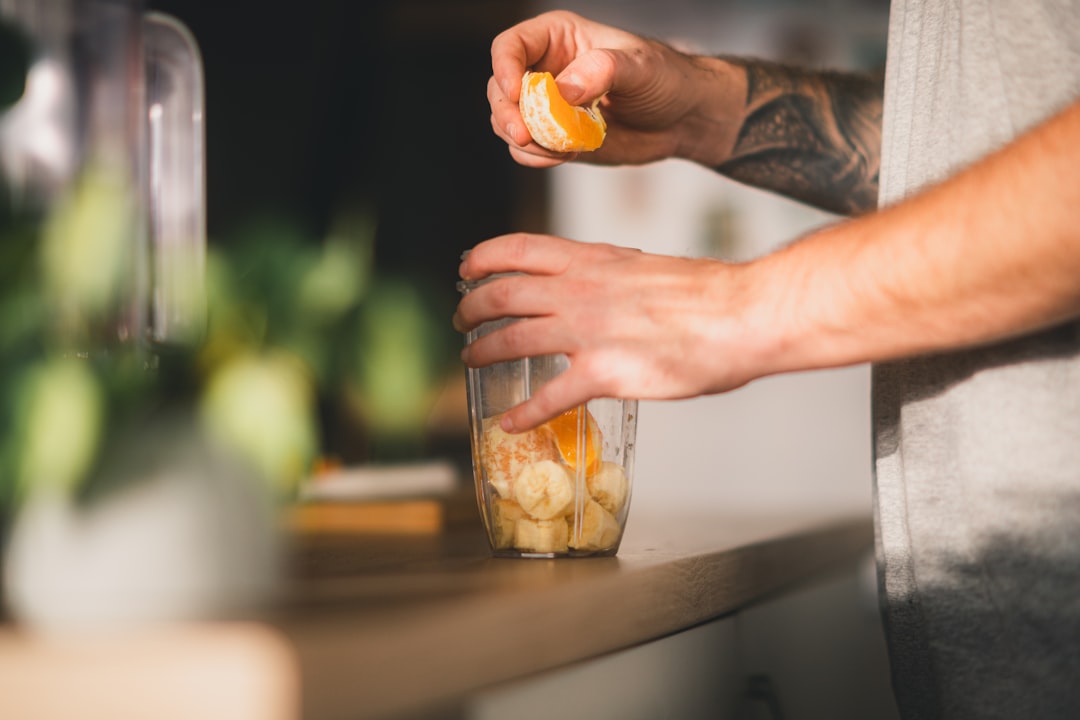
I’ve gone through more blenders than I care to admit. There was the $30 discount store special that couldn’t handle a banana without sounding like it was having an existential crisis. The trendy personal blender that lasted exactly four months before its motor gave up the ghost mid-smoothie, leaving me with a cup of chunky disappointment. And then there was the day I finally invested in a proper machine — the kind that turns ice to snow in seconds and makes soup actually silky instead of grainy. That was the day my kitchen changed forever.
Whether you’re blending green smoothies at 6 AM, pureeing butternut squash soup for Sunday dinner, or crushing frozen margaritas for book club, the right blender makes everything easier, faster, and honestly more enjoyable. But here’s the thing — the blender aisle in 2026 is absolutely overwhelming. You’ve got options ranging from $40 to $700+, each promising to be the last blender you’ll ever need. So I’m going to break it all down for you, the way I wish someone had done for me before I wasted money on three duds.
Types of Blenders: Which One Does Your Kitchen Actually Need?
Before we talk brands and wattage, let’s get clear on what type of blender fits your life. Because the best high-performance blender in the world is wasted money if all you really need is a quick protein shake in the morning.
Full-Size Countertop Blenders
These are your workhorses. Big pitchers, powerful motors, and the versatility to handle everything from crushing ice to milling grains. If you cook regularly, make soups from scratch, or feed a family, this is your category. A good full-size countertop blender lives on your counter and earns its real estate every single day. I use mine for morning smoothies, pancake batter, salad dressings, and hot soup — yes, some models can actually heat soup through friction alone. It’s like magic.
Personal Blenders
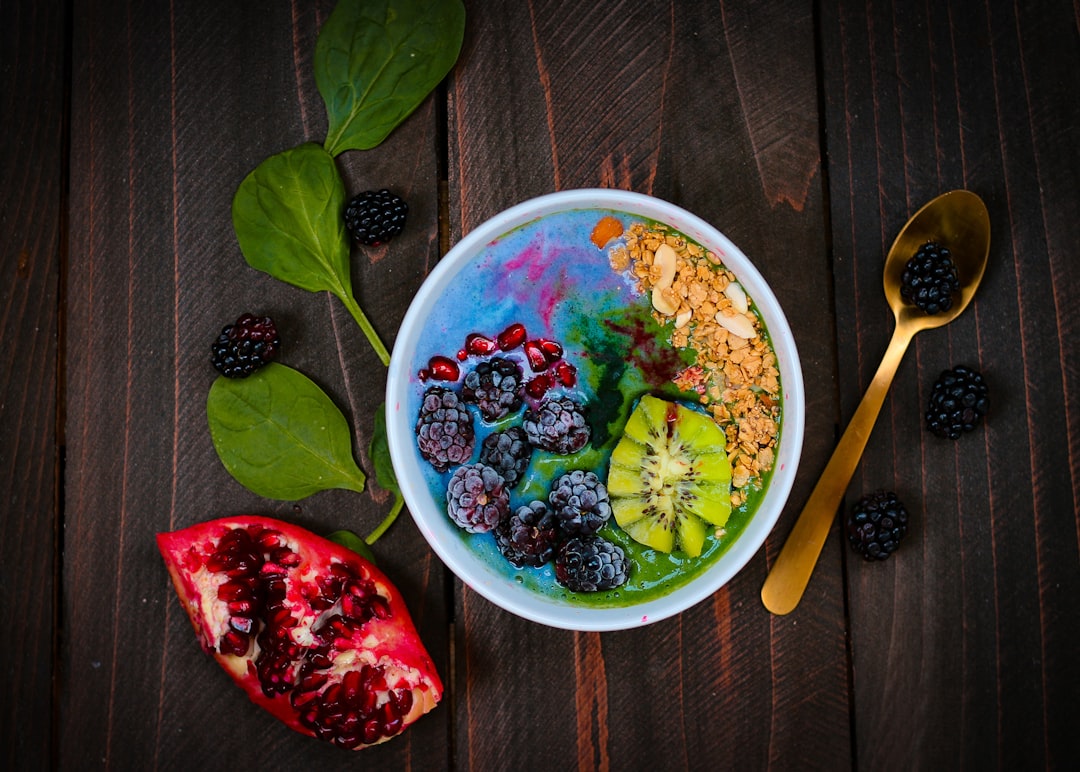
If your blending routine is mostly single-serve smoothies and protein shakes, a personal blender is a brilliant choice. They’re compact, easy to clean (the blending cup is your drinking cup), and surprisingly powerful these days. The tradeoff? They can’t handle large batches or really tough jobs like nut butters. But for quick, daily use, they’re hard to beat.
Immersion (Hand) Blenders
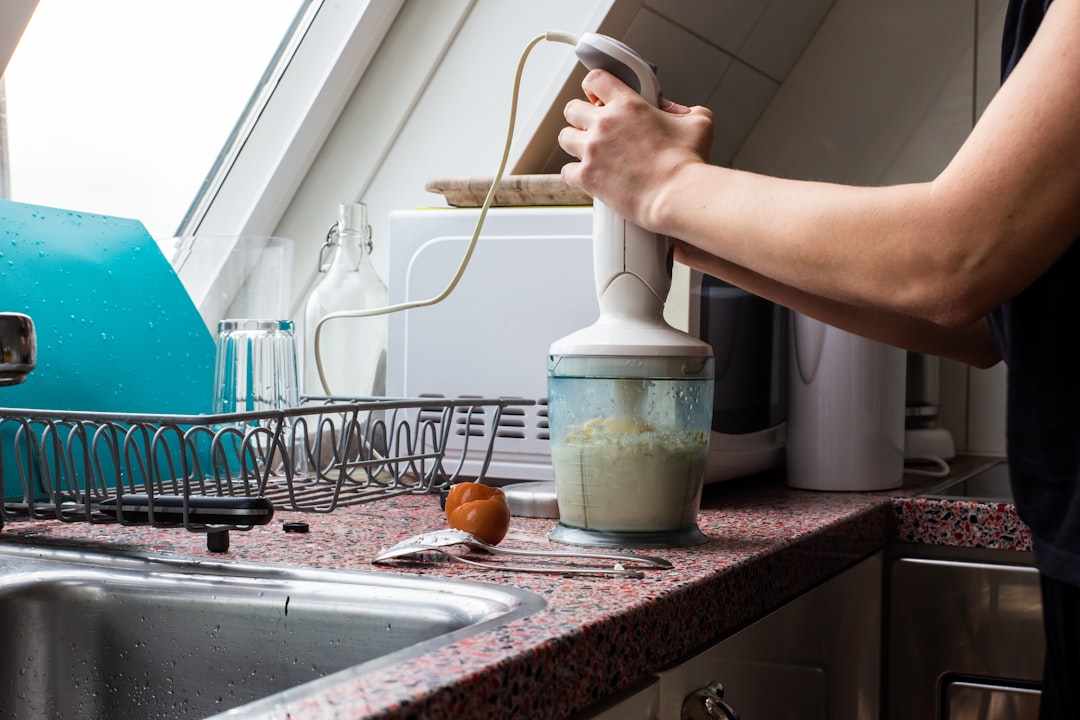
Oh, how I love my immersion blender. It’s the tool I reach for when I need to puree soup right in the pot, whip up a quick vinaigrette, or blend a small batch of baby food without dirtying a huge pitcher. An immersion blender is never going to replace a countertop model for heavy-duty work, but as a complement? Absolutely essential. I wrote about how it fits into my broader collection of essential kitchen tools for home cooks, and I stand by that recommendation even more strongly now.
What Actually Matters When You’re Shopping
Ignore the marketing buzzwords for a minute. Here’s what genuinely separates a blender you’ll love from one you’ll curse at.
Motor Power (But Not How You Think)
Yes, wattage matters, but it’s not the whole story. A 1,200-watt blender with poorly designed blades and a weak coupling will underperform a 900-watt machine with smart engineering. That said, if you want to crush ice reliably, make nut butters, or blend frozen fruit into creamy smoothies, look for at least 1,000 watts. For basic smoothies and sauces, 600-800 watts is plenty. The sweet spot for most home cooks is a 1,000+ watt blender with variable speed control.
Blade Design and Pitcher Shape
This is where the magic happens — or doesn’t. The best blenders create a vortex that pulls ingredients down into the blades continuously. Cheap blenders with flat bottoms and generic blades leave you stopping and stirring every ten seconds. Look for pitchers with angled walls and multi-directional blades. Some premium models use what’s called a “tamper” — a tool that lets you push ingredients into the blades while the machine runs. It sounds fussy, but trust me, once you’ve used one, you won’t go back.
Ease of Cleaning
I’ll be honest — if a blender is a pain to clean, you won’t use it. It’s that simple. The best models have dishwasher-safe pitchers and simple blade assemblies that don’t trap food in hidden crevices. Some even have self-cleaning modes where you just add warm water and a drop of soap, run it for 30 seconds, and rinse. Game changer. If you’re comparing models, self-cleaning blenders are worth every extra penny.
Build Quality and Warranty
A blender’s motor base should feel substantial — not like it’s going to walk across the counter when you fire it up. Metal drive sockets (the part that connects the motor to the blade assembly) last far longer than plastic ones. And pay attention to the warranty. A company that offers 5-10 years on a blender is telling you something important about how long they expect it to last. I always say the same thing I mentioned in my air fryer buying guide — buy once, cry once, and save yourself the replacement cycle.
My Top Blender Picks for 2026
After testing more models than I can count (my family has been very patient with my “blender phase”), here are the ones I genuinely recommend.
Best Overall: The Premium Powerhouse
If budget allows and you want a blender that genuinely does it all, the top-tier models from Vitamix and Blendtec remain the gold standard in 2026. The Vitamix Ascent series offers self-detect technology that adjusts blending programs based on which container you attach. The Blendtec models with their wildside jars create the smoothest textures I’ve ever achieved at home. These aren’t just blenders — they’re kitchen systems that replace food processors, grinders, and even ice cream makers.
Best Value: Performance Without the Premium Price
Ninja has really stepped up their game, and their mid-range models offer remarkable performance for the price. The Ninja Professional Plus series delivers 1,400 watts of power at a fraction of the Vitamix price. Are they quite as refined? No. The noise level is higher, and the blade assembly is a bit more complex to clean. But for under $200, the performance is genuinely impressive.

Best for Small Spaces: Compact Power
If counter space is at a premium, look at the newer compact models that deliver full-size power in a smaller footprint. Brands like Breville and KitchenAid have released space-saving blenders that don’t sacrifice performance. I’m particularly fond of the ones with vacuum blending technology — they remove air before blending, which means smoother results and less oxidation. Your green smoothie actually stays green instead of turning brown.
What to Avoid: My Hard-Learned Lessons
Let me save you some heartbreak. Avoid any blender with a glass pitcher that has a blade assembly you can’t remove — cleaning becomes a nightmare. Skip the ultra-cheap models with plastic gears (that little connection between the motor and the blade). They strip out fast, and you’ll be shopping again in six months. And be wary of blenders with only one or two speed settings. You really want at least a pulse function and variable speed to handle different tasks properly.
I’d also caution against buying more blender than you need. If your morning routine is a simple protein shake, a $600 Vitamix is lovely but overkill. Match your purchase to your actual cooking habits, not your aspirational ones. We’ve all been there — buying the fancy equipment because we’re going to “start making everything from scratch” and then using it twice. Be honest with yourself about what you’ll actually make.
Blender Accessories Worth Having
A few add-ons can dramatically expand what your blender can do. A spare blender pitcher is invaluable when you’re making multiple things in one cooking session. The dry grains container (available for premium models) turns your blender into a flour mill and coffee grinder. And if you use your blender daily, a dedicated blender cleaning brush designed to reach under the blades makes maintenance so much easier.
If you’re like me and lean on small appliances heavily for weeknight cooking, you might also enjoy my guide to the best kitchen gadgets for meal prep — your blender will play nicely with several of those tools.
Keeping Your Blender Happy for Years
A good blender should last 7-10 years with proper care. Here’s my routine: always add liquid before frozen or hard ingredients (it protects the blades and motor). Clean the pitcher immediately after use — dried-on smoothie is stubborn. Check the blade assembly gaskets every few months and replace them when they start to look worn. And never, ever overload the pitcher past the fill line. I know it’s tempting when you’re making a big batch, but it stresses the motor and can cause leaking.
One more thing — store your blender with the pitcher slightly separated from the base if you’re not using it daily. This lets the drive socket breathe and prevents moisture buildup that can cause corrosion over time. It’s a small habit that adds years to your machine’s life.
The Bottom Line
The best blender for your kitchen is the one that matches how you actually cook. If you’re making smoothies, soups, sauces, and frozen desserts regularly, invest in a quality full-size model with at least 1,000 watts and variable speed. If your needs are simpler, a good personal blender or immersion blender will serve you beautifully without the counter space commitment. The important thing is to buy quality — one well-made blender that lasts a decade beats four cheap ones that burn out in a year. Your future self (and your smoothies) will thank you.
Happy blending, friends. And if you find yourself pureeing things you never thought to puree before — don’t say I didn’t warn you. It’s a rabbit hole, and it’s delicious.

One thought on “Best Blenders for 2026: The Complete Buying Guide for Every Kitchen”