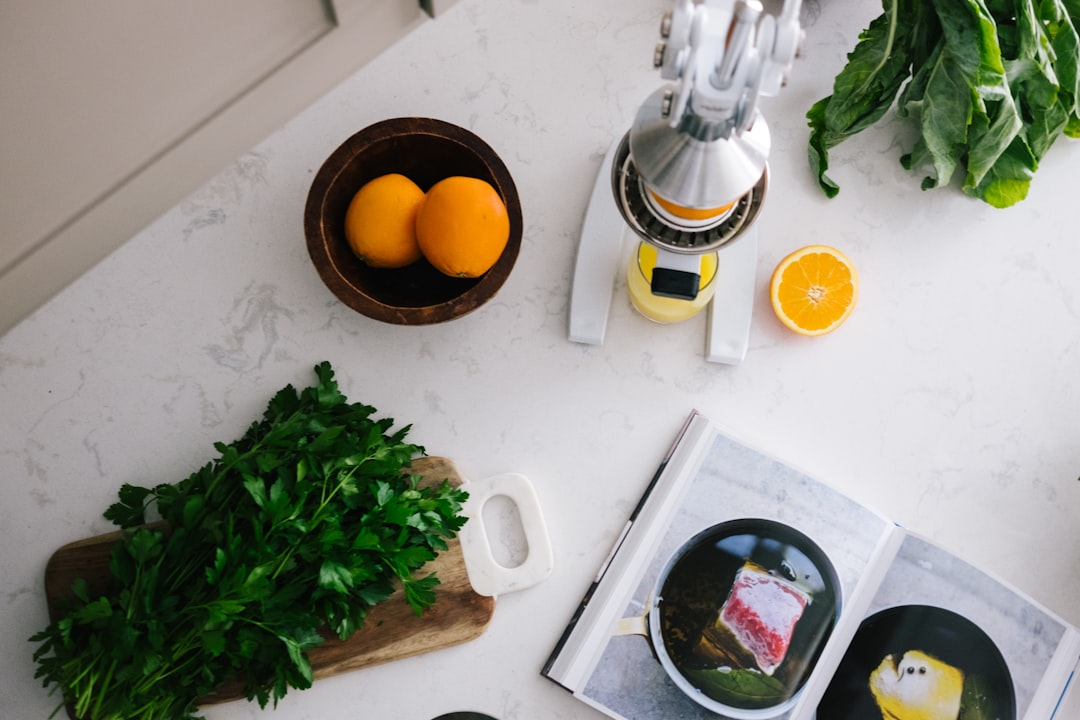
Growing up, I learned to cook standing on a step stool beside my grandmother, my mother, and a rotating cast of aunts who each had strong opinions about the right way to do everything in the kitchen. By the time I could see over the countertop without tiptoeing, I could roll out pie dough, deglaze a pan, and set a proper table for twelve. Those women taught me everything I know about feeding people with love — and they also, bless their hearts, taught me a few habits that I spent years unlearning once I started cooking professionally.
That is not a knock on my family. The kitchen wisdom they passed down was real, and most of it still serves me every single day. But some of those habits? The ones born from convenience, or tradition, or just never knowing there was a better way? Those needed to go. And once I let them go, everything about cooking became easier, faster, and honestly more fun.
So today I want to share seven kitchen habits I had to break — and the tools and techniques that replaced them. If any of these sound familiar, do not beat yourself up. You are in excellent company.

Habit #1: Tossing Everything Into a Cold Pan
My grandmother turned on the burner, added oil, and immediately started cooking. Every single time. It is how I learned, and I bet it is how a lot of you learned too. But here is what professional kitchens understand that home cooks often miss: your pan needs time to get hot before anything goes in. A cold or lukewarm pan means food steams instead of sears. Proteins stick. Vegetables turn soggy instead of developing that gorgeous caramelized edge.
The fix is beautifully simple. Turn on your burner, let the pan heat for sixty to ninety seconds, then add your oil. Wait until you see the oil shimmer — that slight ripple across the surface is your signal. If you are working with stainless steel or cast iron, you can do the water drop test: flick a tiny drop of water onto the surface. If it dances and skitters around like a little bead, you are ready. If it just sits there and boils off slowly, give it more time.
Once I started properly preheating, my stir-fries finally had that restaurant-quality sear. My chicken developed a golden crust instead of pale, rubbery skin. It is the single smallest change with the biggest payoff, and it costs absolutely nothing. If you want a reliable pan that heats evenly and holds temperature like a champ, a good 12-inch stainless steel skillet is worth its weight in gold.
Habit #2: Cooking With Dull Knives Because Sharp Ones Scared Me
This one took me an embarrassingly long time to fix. I grew up in a house where the kitchen knives lived in a drawer, got used until they could barely saw through a tomato, and were replaced every few years with whatever was on sale. Nobody sharpened anything. The idea of a truly sharp blade seemed dangerous. Turns out, the opposite is true.
A dull knife is the genuinely dangerous tool in your kitchen. You have to press harder, use more force, and that is exactly when slips happen. A sharp knife glides through food with almost no pressure. It gives you control. It makes prep work faster, safer, and — I am not exaggerating — genuinely more enjoyable. When you can dice an onion in thirty seconds without crying or wrestling, it changes your entire relationship with cooking.
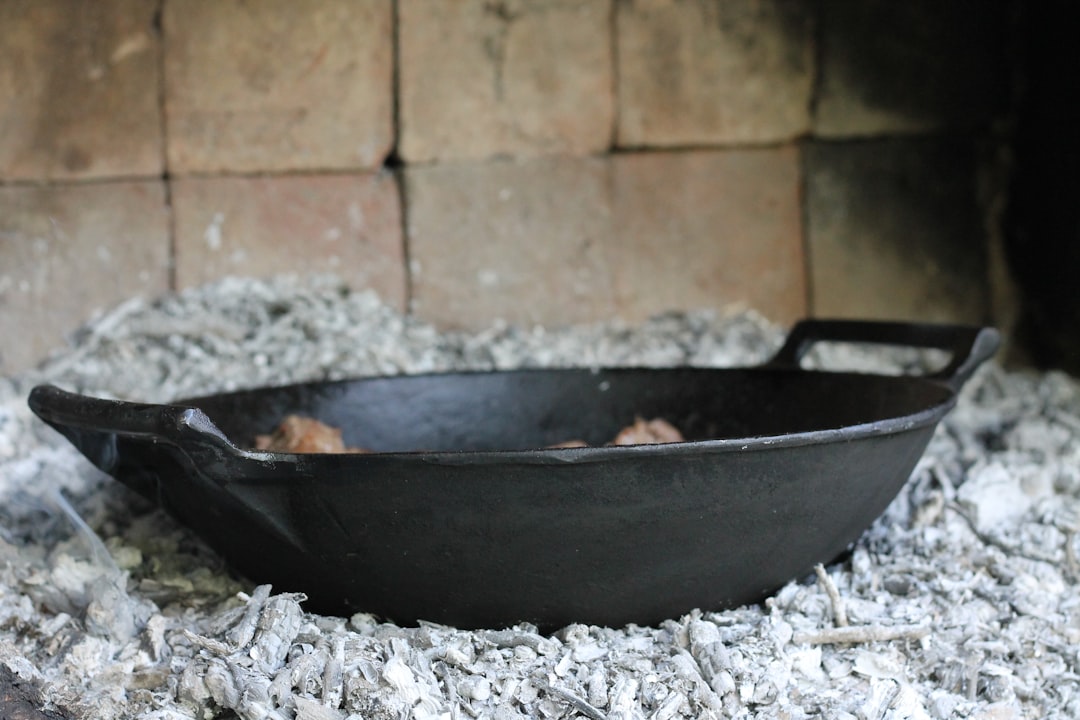
You do not need a full professional sharpening setup. A quality pull-through knife sharpener takes about sixty seconds and keeps your edges in great shape between professional sharpenings. And if your current knives are the bendy, stamped-metal kind that came free with something else, do yourself a favor and invest in a solid forged 8-inch chef’s knife. It does not have to be expensive — it just has to hold an edge. Mine cost thirty-five dollars and I have used it nearly every day for eight years.
Habit #3: Overcrowding Every Pan I Owned
If there is one habit that took the longest to break, this might be it. When you are cooking for a family, the instinct is to fit everything into one pan. More food in less time, right? Wrong. When you crowd a pan, the temperature drops, moisture has nowhere to escape, and everything steams in its own juices instead of browning. You end up with pale, soggy food when you wanted golden, crispy food.
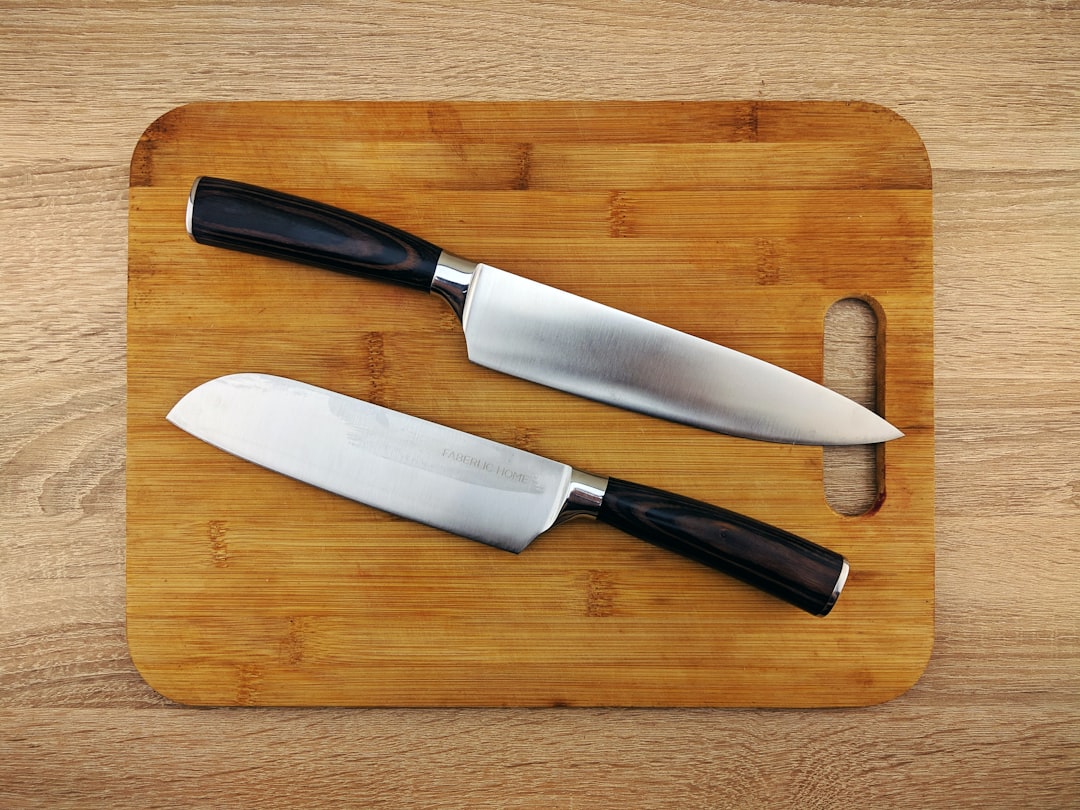
The solution is partly a mindset shift and partly a tools upgrade. Cook in batches if you need to. It takes a few extra minutes, but the results are dramatically better. And invest in cookware that gives you real surface area. A large cast iron skillet holds heat beautifully even when you add food, so the temperature does not tank the moment ingredients hit the surface. For roasting vegetables, nothing beats a half-sheet pan — spread everything in a single layer with space between each piece, and watch what happens. Crispy edges. Caramelized bottoms. Restaurant-quality roasted vegetables in your own oven. If you are ready to level up your cast iron game, my complete cast iron care guide walks you through everything from seasoning to storage.
I still hear my aunt’s voice saying “just shove it all in, it will be fine.” With love and respect, Aunt Diane: no, it will not be fine. Give your food room to breathe.
Habit #4: Skipping Mise en Place and Scrambling Mid-Recipe
Mise en place is a French term that means “everything in its place,” and it is the single most transformative kitchen habit I have ever adopted. In my family kitchen, the approach was more like: start cooking, realize you forgot to chop the onions, chop them frantically while the garlic burns, then wonder why dinner took ninety minutes and nothing tasted right. Sound familiar?
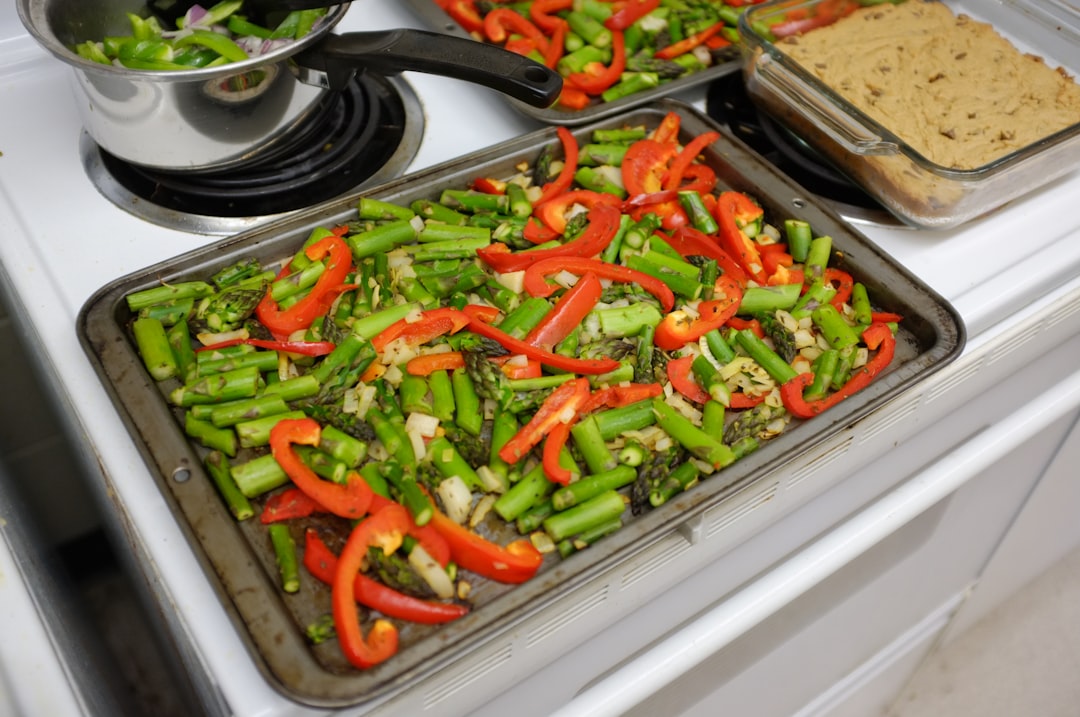
The professional kitchen operates differently. Before any heat is turned on, every ingredient is measured, chopped, and arranged in small bowls or containers along the workstation. When service begins, you just cook. No hunting through the pantry for cumin while your butter turns black. No emergency onion chopping while the oil pops and splatters.
Implementing this at home is easier than you might think, and you do not need expensive equipment. A set of small prep bowls changed my weeknight cooking forever. Read your recipe once all the way through, then measure and prep every ingredient before you turn on a single burner. I promise you: your stress level will drop, your timing will improve, and cleanup is actually faster because you are not creating chaos mid-cook. For more on setting up your kitchen workflow, check out my guide to kitchen organization and pantry storage solutions that actually work.
Habit #5: Cooking Meat Straight From the Fridge
This was a revelation for me, and I know it will be for some of you too. My family always pulled chicken breasts, steaks, and pork chops directly from the refrigerator and put them straight into the hot pan. It is how most home cooks operate. But cold meat cooks unevenly — the outside gets overdone while you wait for the center to reach a safe temperature. You end up with dry, tough edges and a center that is either underdone or barely there.
The fix: take your protein out of the refrigerator fifteen to thirty minutes before cooking. Let it come closer to room temperature. This applies to steaks, chicken pieces, pork chops, and fish fillets. (Use your judgment with ground meat and poultry safety — thirty minutes on the counter is fine; do not leave it out for hours.) When the meat starts closer to room temperature, it cooks more evenly, develops a better sear, and stays juicier throughout.
A reliable instant-read meat thermometer is the tool that completes this picture. Guessing at doneness is how generations of home cooks ended up sawing through chicken to check the middle. A thermometer tells you exactly when your steak is medium-rare or your chicken is safe to eat — no cutting, no guessing, no dried-out dinner. It is one of the most important tools in my kitchen, and I reach for it every single time I cook protein.

Habit #6: Not Letting Cooked Meat Rest
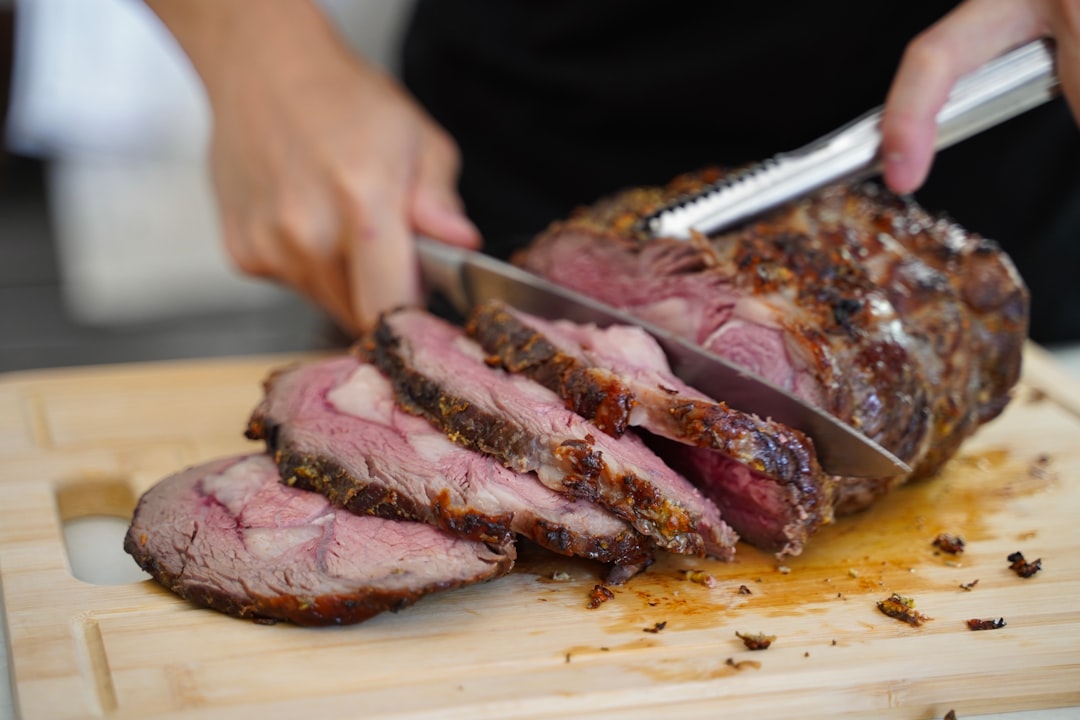
I can still see my mother slicing into a roast the moment it came out of the oven. “Let’s eat!” she would announce, and the juices would pour out onto the cutting board like a small river. We all did it. Nobody waited. Nobody even knew we should wait.
Here is what happens when you cut into meat immediately after cooking: the muscle fibers are still contracted from the heat, and all those beautiful juices are pushed toward the center. When you slice, those juices have nowhere to go but out. Your perfectly seared steak becomes a dry, sad steak. Your roast chicken loses its moisture before it ever reaches the plate.
Resting allows the muscle fibers to relax and the juices to redistribute evenly throughout the meat. For steaks and chops, five to ten minutes is plenty. For larger roasts and whole birds, fifteen to twenty minutes. Tent loosely with foil to keep warm. The patience is worth it — the difference in juiciness is remarkable.
The right cutting board helps here, too. I use a large wood cutting board with a deep juice groove for resting and slicing. The groove catches any residual juices so they do not flood your countertop, and the generous surface area gives you room to work without crowding. It is the kind of simple, practical tool that makes a real difference in your daily cooking rhythm.
Habit #7: Seasoning Only at the End
This was the last habit I unlearned, and in some ways the most important. In my family kitchen, salt was something you added at the table if food tasted bland. Maybe a pinch went into the pasta water, but otherwise, seasoning happened after cooking. The result was food that tasted salty on the surface but bland underneath — because salt needs time and heat to penetrate and enhance flavor throughout a dish.
Professional cooks season in layers. A pinch of salt on the onions as they sweat. A little on the chicken before it sears. Some in the sauce as it simmers. A final adjustment at the end. This layered approach builds depth and complexity that a single hit of salt at the end can never achieve. It also means you end up using less salt overall, because each layer is doing its job rather than one giant dose trying to compensate for everything.
If you are still using the standard iodized salt in the round shaker, there is a whole world of better seasoning waiting for you. Diamond Crystal or Morton kosher salt is what virtually every professional kitchen uses — the larger, irregular flakes are easier to pinch and distribute evenly, and the flavor is cleaner and less metallic than iodized table salt. A countertop salt cellar keeps it within arm’s reach so you can season as you go without fumbling with a shaker.
And while we are talking about seasoning — pepper deserves better than the pre-ground dust in the tin. A decent pepper mill and whole peppercorns will give you fresher, more aromatic, more complex pepper flavor than you knew was possible. It is one of those tiny upgrades that makes everything you cook taste noticeably better.

The Common Thread
Looking at these seven habits, I notice something they all share: none of them require fancy equipment, expensive ingredients, or culinary school training. Every single fix is about small shifts in timing, attention, and technique. Heat the pan first. Keep your knife sharp. Give food space. Prep before you cook. Temper your meat. Let it rest. Season in layers. None of these things take more time — most of them actually save time by preventing mistakes and do-overs.
My grandmother would have called these “common sense,” and she would have been right. But common sense only becomes common practice when someone shows you the way. That is what the women in my family did for me — they showed me the joy of cooking — and that is what I hope to do for you here. Not perfection. Not fancy technique for its own sake. Just the small, practical, genuinely useful habits that make your time in the kitchen more rewarding.
The kitchen is where some of my best memories were made, standing beside people I loved, learning things I would carry forever. Unlearning a few habits along the way does not diminish any of that. It honors it. Because the whole point of passing down kitchen wisdom is to keep getting better at feeding the people you love. If you are looking for more ways to streamline your time in the kitchen, my roundup of time-saving kitchen gadgets that actually work is a great place to start.
So pick one habit this week. Just one. Try it, notice the difference, and let that small win carry you to the next one. That is how lasting change happens — not with a dramatic overhaul, but with one quiet improvement at a time.


One thought on “Seven Kitchen Habits I Had to Unlearn (And What Replaced Them)”