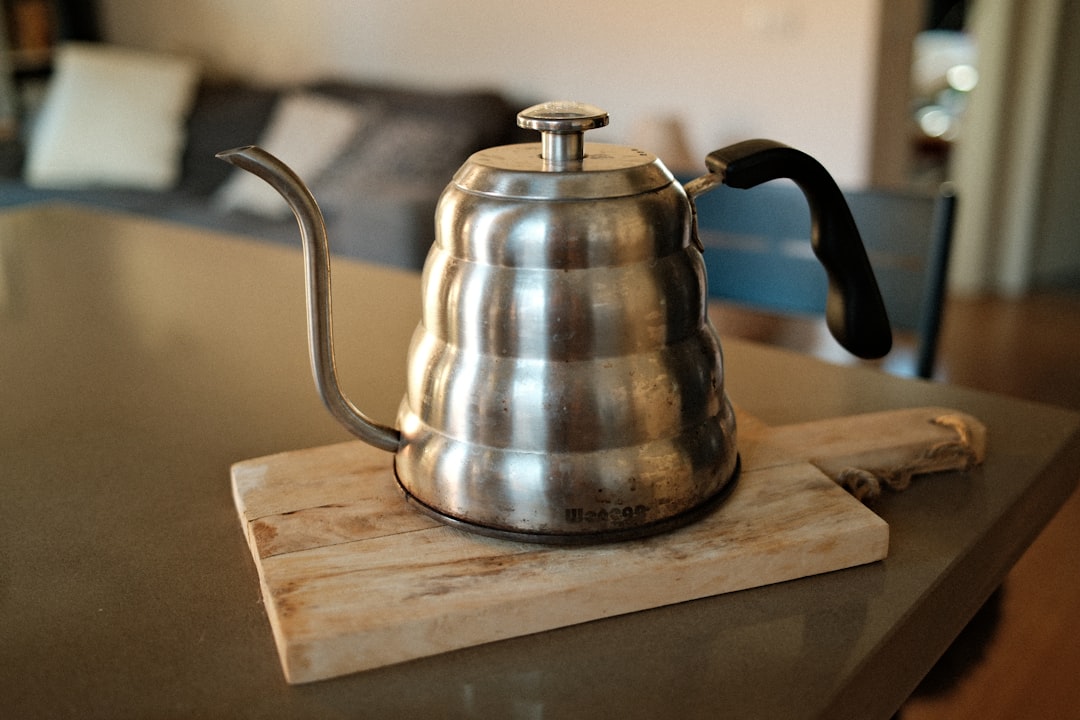
I spent thirty-seven years of my life without an electric kettle. Thirty-seven years of waiting for water to boil on the stove, watching that pot with the intensity of someone defusing a bomb, only to get distracted by a phone call or a hungry child and find it either not yet boiling or boiled completely dry. Then, one rainy Tuesday in 2019, my grandmother handed me a stainless steel Cuisinart model from her kitchen and said, “Elena, stop being stubborn. Your great-grandmother had a whistling kettle. This is the same thing, but better.”
She was right, of course. She was always right about kitchen things. And now, six years and roughly fourteen electric kettles later (I test them for a living, so yes, that number is accurate), I can tell you with absolute certainty that this is the one small appliance most American kitchens are still missing. Not because electric kettles are fancy or trendy, but because they solve a problem you might not even realize you have: waiting for water to heat is stealing your time.
Why Electric Kettles Belong in Every Kitchen — Not Just Tea Drinkers’
Here’s the thing that surprises people: electric kettles aren’t just for tea enthusiasts or coffee snobs. I use mine at least six times a day, and only two of those involve actual beverages. The rest? Boiling water for pasta (starts in the kettle, finishes in the pot — cuts ten minutes off dinner), making oatmeal in the morning, filling a hot water bottle, pre-heating my French press, dissolving bouillon for soup, blanching vegetables, and yes, occasionally making a proper cup of tea when the afternoon slump hits hard.
In most of the world, electric kettles are as standard as toasters. The UK, Australia, New Zealand — walk into any kitchen and you’ll find one sitting proudly on the counter. But in the United States, we’re still catching up, mostly because our 120-volt outlets mean kettles take a bit longer than they do across the pond. The good news? Modern kettles have gotten faster, smarter, and more precise than ever. If you’re ready to make the leap (or upgrade from that ancient plastic model you got in college), here’s a great place to start browsing electric kettles.
The Features That Actually Matter
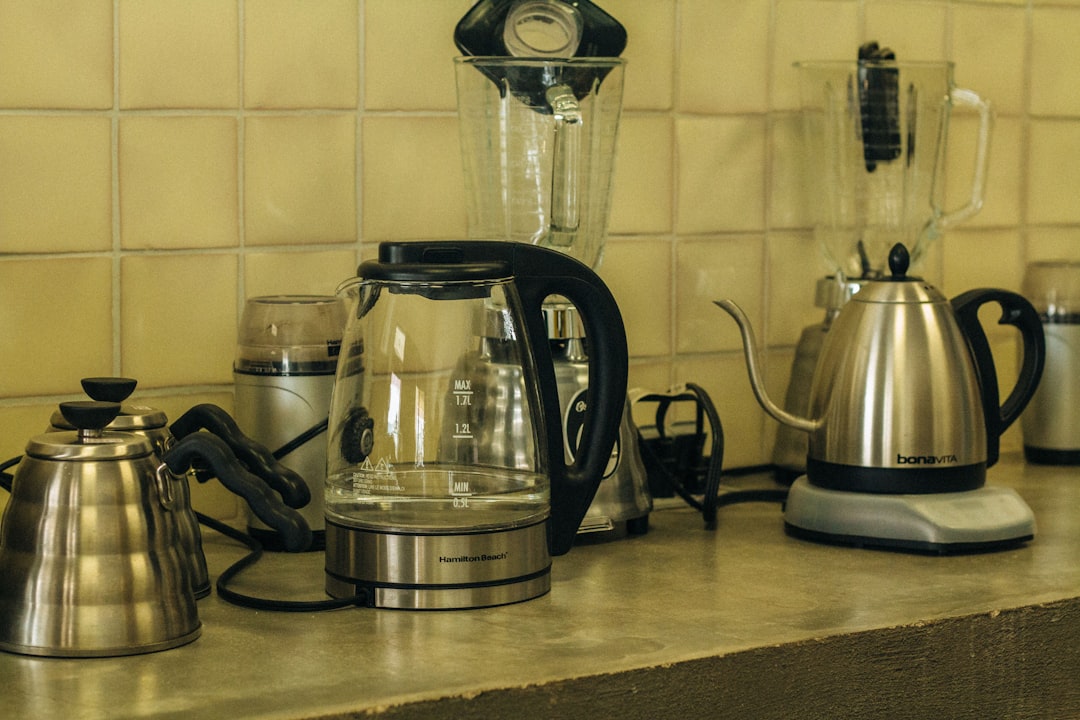
After testing more kettles than I care to admit, I’ve narrowed down the features that genuinely make a difference versus the ones that are just marketing fluff.
Variable Temperature Control
This is the big one, and it’s non-negotiable if you drink anything beyond black tea or instant coffee. Different beverages need different water temperatures. Pour-over coffee? 195 to 205°F. Green tea? Around 170°F. White tea? Even lower, roughly 160°F. Oolong? Somewhere in the neighborhood of 185°F. If you pour boiling water over delicate green tea leaves, you’ll scorch them and end up with a bitter, astringent cup that tastes nothing like what the tea should be.
The first time I brewed sencha at the correct 160°F, it was like tasting it for the first time. Sweet, vegetal, smooth — nothing like the bitter green water I’d been drinking for years. A variable temperature kettle makes that possible every single time without guesswork.
Speed and Wattage
Most electric kettles range from 1000 to 1500 watts. Higher wattage means faster boiling. In my tests, a 1500W kettle brings a liter of water to boil in about three minutes, while a 1000W model takes closer to five. Three minutes versus five might not sound like much, but multiply that by the number of times you heat water in a week, and you start to understand why my 1500W models are the ones that stay on the counter while the others get relegated to the garage.
Material Matters More Than You Think
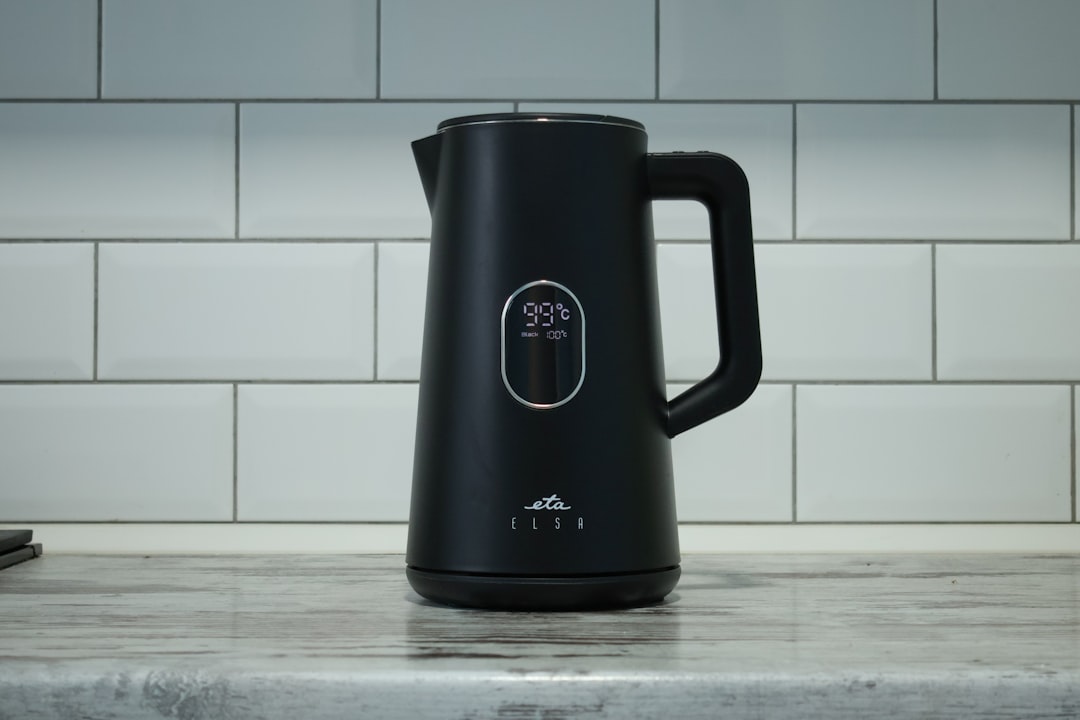
You’ll find electric kettles in stainless steel, glass, ceramic, and plastic. Each has its place. Stainless steel is durable, heats quickly, and looks good on any counter — it’s my default recommendation for most people. Glass kettles let you see the water (surprisingly satisfying, honestly) and are great if you’re concerned about any flavor transfer. Ceramic kettles are beautiful and retain heat wonderfully, though they tend to be heavier and slower. And plastic? I avoid it. Even BPA-free plastic can impart a slight taste to the water over time, and the material degrades with repeated heating.
If you want my honest pick for most kitchens, a stainless steel electric kettle with variable temperature control hits the sweet spot of durability, performance, and price.
Gooseneck Kettles: Precision Tools for Coffee Lovers
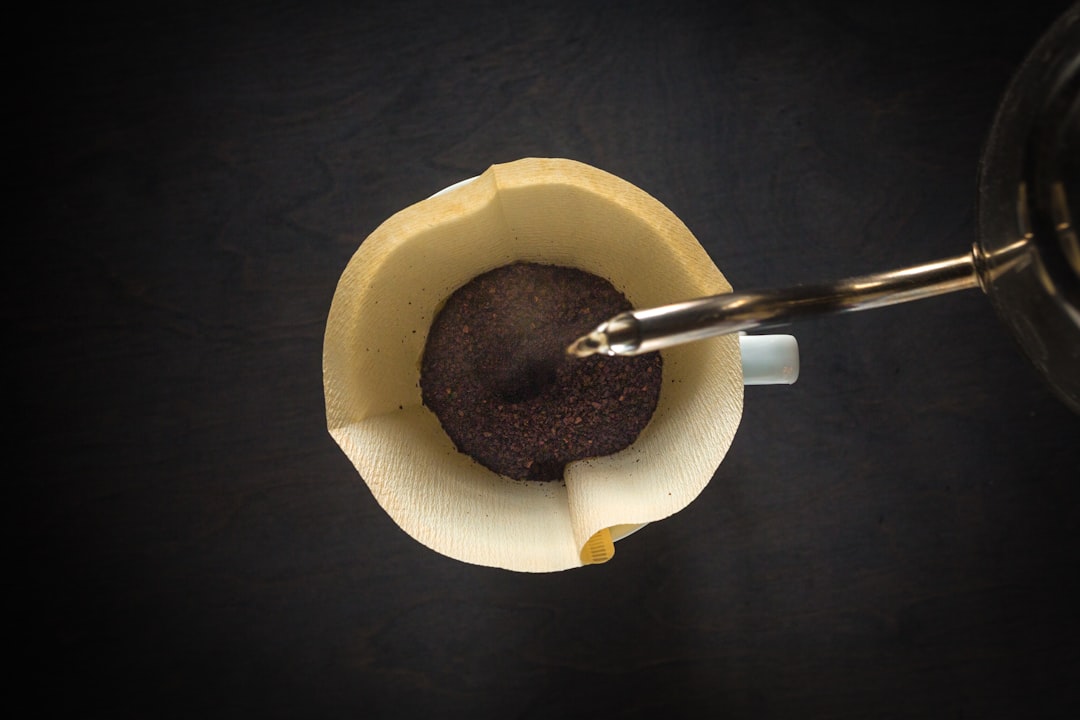
If you make pour-over coffee or use an AeroPress, a gooseneck kettle isn’t a luxury — it’s practically a requirement. The long, curved spout gives you incredible control over the flow rate and direction of your pour, which directly affects extraction and flavor. Try making a V60 pour-over with a standard kettle and you’ll end up with either a flooded mess or an under-extracted, weak cup.
The Fellow Stagg EKG has been the darling of the coffee world for a few years now, and for good reason. Its PID controller holds temperature within one degree, the pour is buttery smooth, and it looks like a piece of modern art on your counter. The OXO Brew Gooseneck is a more affordable alternative that punches well above its price. You can compare gooseneck kettles here to find one that fits your budget and style.
And while we’re on the topic of coffee, if you’re building out your morning setup, I wrote about the small appliances every modern kitchen needs — the electric kettle tops that list for good reason.
The Everyday Magic of Instant Hot Water
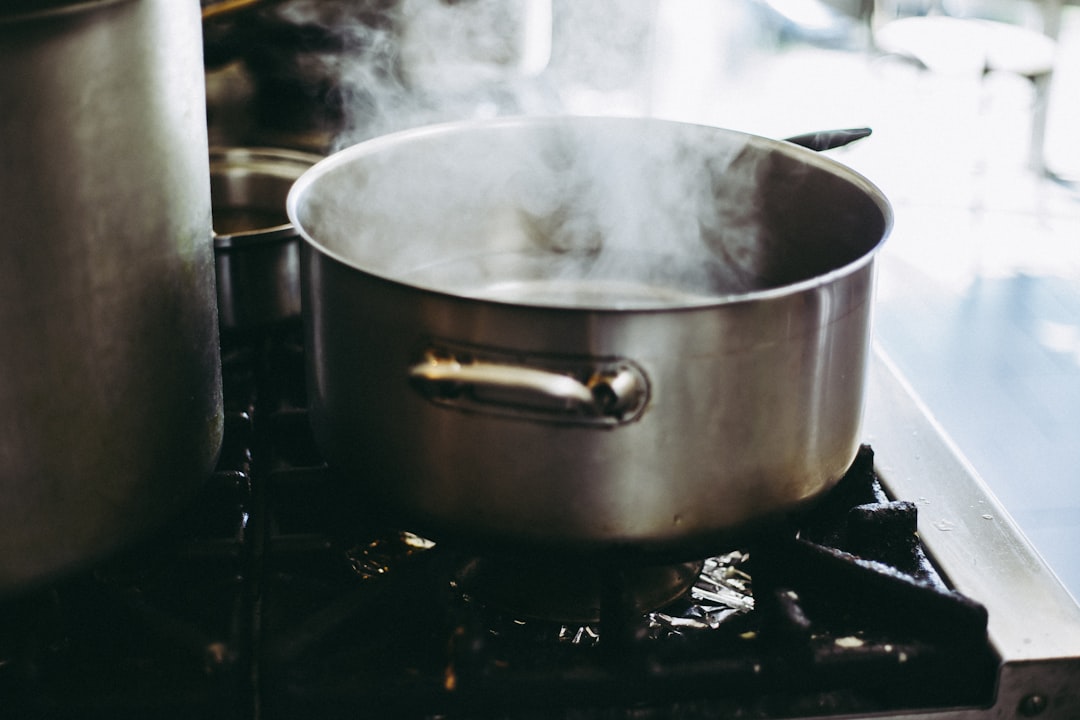
Let me walk you through a typical weeknight at my house. It’s 6:15 PM. I’ve just walked in from a day of recipe testing. Everyone is hungry. I need dinner on the table in thirty minutes. Here’s where the electric kettle earns its counter space: I fill it, press the button, and while it’s heating, I’m chopping onions and garlic. Three minutes later, I pour that boiling water into a pot, drop in pasta, and dinner is already ten minutes ahead of schedule. Without the kettle? I’d be watching a pot of cold water for ten minutes before anything started happening.
Blanching green beans? Kettle. Dissolving miso paste for a quick soup? Kettle. Making a jar of simple syrup for cocktails? Kettle. Filling a thermos for a soccer game? Kettle. The thing lives on my counter like a faithful assistant, always ready, never complaining.
I mentioned earlier that I’ve owned an unreasonable number of kitchen appliances — if you want to read about my countertop ice maker obsession, that’s a fun one. But the kettle is the appliance I’d replace first if my kitchen burned down tomorrow. Don’t tell the stand mixer I said that.
What to Look For When Shopping
Every kitchen is different, so here’s my no-nonsense guide to matching a kettle to how you actually cook and drink.
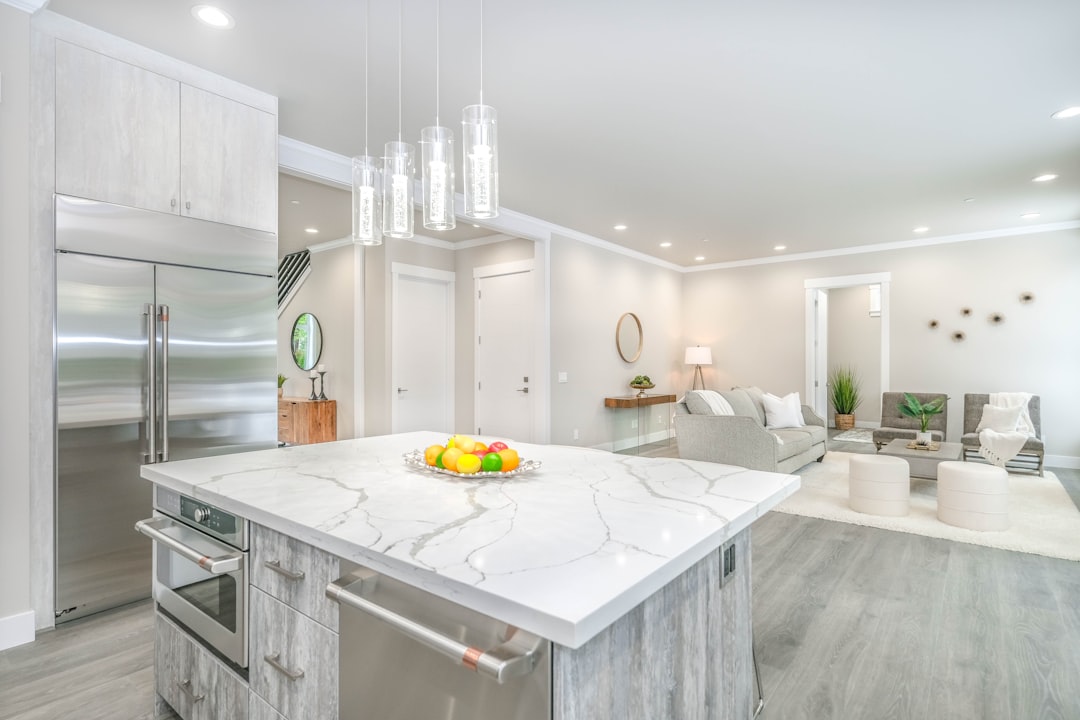
For the busy family cook: You want a 1.7-liter stainless steel model with 1500 watts, a wide lid opening for easy filling, and a removable scale filter. Skip the fancy temperature controls — you need speed and capacity. Pour hot water into pots, over instant noodles, into oatmeal. Done. Browse large-capacity kettles and look for something in the $35–$60 range.
For the tea and coffee enthusiast: Variable temperature is essential. Look for presets (usually 5–6 common temperatures), a keep-warm function that holds temp for 30–60 minutes, and either a glass or stainless steel body. The OXO Brew Variable Temperature and the Cuisinart PerfecTemp are both excellent picks that won’t break the bank. See what’s available in variable temp kettles.
For the pour-over coffee obsessive: A gooseneck kettle with PID temperature control is your best friend. The Fellow Stagg EKG Pro is the gold standard, but the Brewista Artisan and the OXO Brew Gooseneck are stellar alternatives at lower price points. Check out PID-controlled gooseneck models for the most precise brewing experience.
For the design-conscious: If how your kitchen looks matters as much as how it functions (no judgment — I’ve chosen appliances based on color before), look at the Smeg kettle, the Fellow Corvo, or the Zwilling Enfinigy. They’re gorgeous, they work well, and they’ll make your kitchen look like it belongs in a magazine spread. Browse stylish electric kettles for options that double as decor.
A Few Things I’ve Learned the Hard Way
Descale your kettle regularly. Hard water leaves mineral buildup that affects taste and performance. A 50/50 mix of white vinegar and water, brought to a boil and left to sit for an hour, does the trick beautifully. Your kettle will thank you with faster boil times and cleaner-tasting water.
Don’t overfill. Every kettle has a max line, and ignoring it means boiling water spitting out the spout. It’s messy, it’s potentially dangerous, and it’s completely avoidable.
If you’re in the market for other kitchen upgrades alongside a kettle, my cold kitchen setup for summer pairs beautifully with an electric kettle — most of those recipes don’t require a stove at all.
The Bottom Line
An electric kettle is one of those rare kitchen tools that costs very little, takes up almost no space, and genuinely changes how you cook and drink every single day. Whether you’re a tea lover who’s been scorching your leaves for years, a coffee nerd ready to step up your pour-over game, or just someone who’s tired of waiting for water to boil on the stove — there’s a kettle out there that’s perfect for your kitchen and your budget.
My grandmother was right. She usually was. And every morning when I flip the switch on my kettle and hear that satisfying hum start up, I think of her standing in her kitchen, pouring tea from a kettle she’d owned since the 1980s, shaking her head at how long it took me to catch on.
Don’t be like me. Don’t wait thirty-seven years. Find your kettle and start saving those minutes today. Your future self — standing in the kitchen at 6:15 PM with dinner already ten minutes ahead of schedule — will wonder how you ever lived without it.
2 thoughts on “The Kitchen Appliance I Wish I’d Bought Decades Ago: Your Complete Electric Kettle Guide”