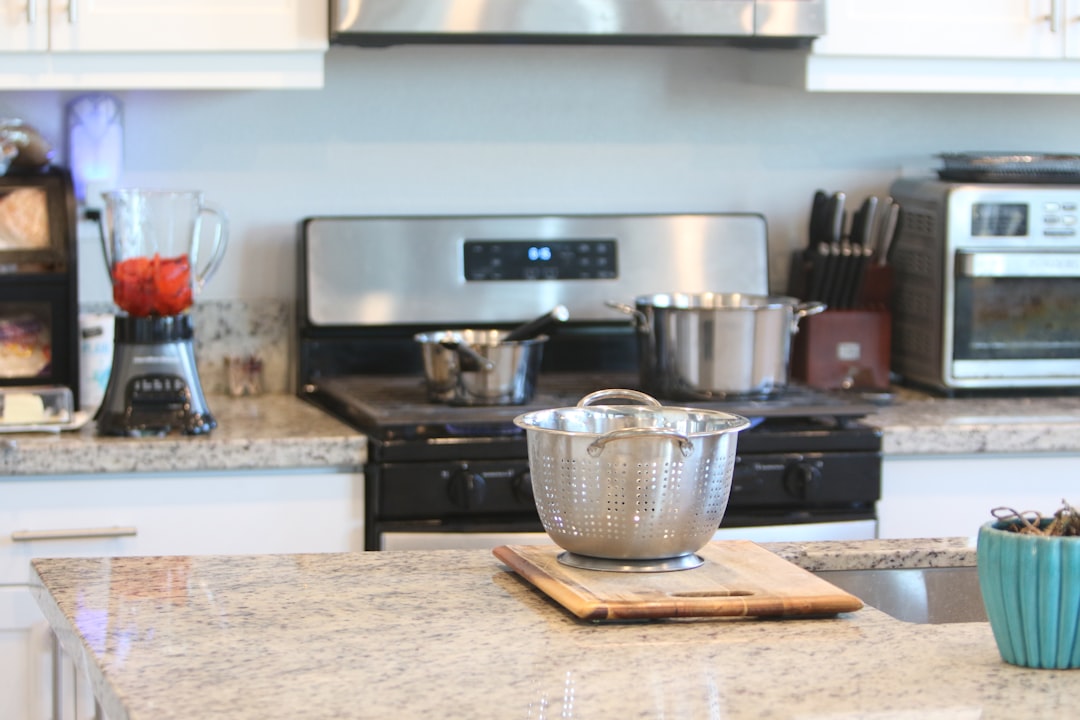
I have owned four air fryers. Not because I’m a gadget collector (though my husband might disagree), but because each time I bought one, I learned something the manufacturer’s website never mentioned. The first was too small. The second ran too hot. The third had a basket so awkward I avoided using it. The fourth? She’s a keeper — and she sits right between my stand mixer and my Dutch oven like she’s always belonged there.
If you’re standing in a store aisle or staring at Amazon, trying to figure out which air fryer deserves your counter space and your sixty-to-three-hundred dollars, this is the guide I desperately needed about six years ago. I’m going to walk you through everything I got wrong so you can get it right the first time.
Why I Kept Buying (and Replacing) Air Fryers
My first air fryer was a compact 2-quart model I grabbed on impulse during a Black Friday sale. It was adorable. It also fit exactly six chicken wings, which is fine if you live alone and eat like a bird, but disastrous when you’re trying to feed a family of four on a Tuesday night. I’d cook in batches, and by the time the second batch was done, the first was cold and soggy — the exact opposite of what an air fryer is supposed to do.
The second one was an 8-quart dual-basket model. I was convinced two drawers would solve all my problems. And they did solve one: I could cook chicken and fries simultaneously. But the footprint was enormous, the controls were confusing enough that my mother-in-law gave up trying to use it, and the baskets didn’t seat properly, leading to uneven cooking that left half my food burnt and the other half practically raw. I learned an important lesson: bigger and more features doesn’t mean better.
Numbers three and four taught me what actually matters — and it has almost nothing to do with how many presets the box lists.
The Size Question Nobody Answers Honestly
Here’s the truth every air fryer review glosses over: the advertised quart capacity is wildly misleading. A “6-quart” air fryer doesn’t hold six quarts of food. It holds six quarts of air and maybe two-thirds of that in actual ingredients, because you need space for hot air to circulate. If you pack the basket full, you’ll get steamed food with a soggy bottom instead of the crispy exterior you bought the thing for.
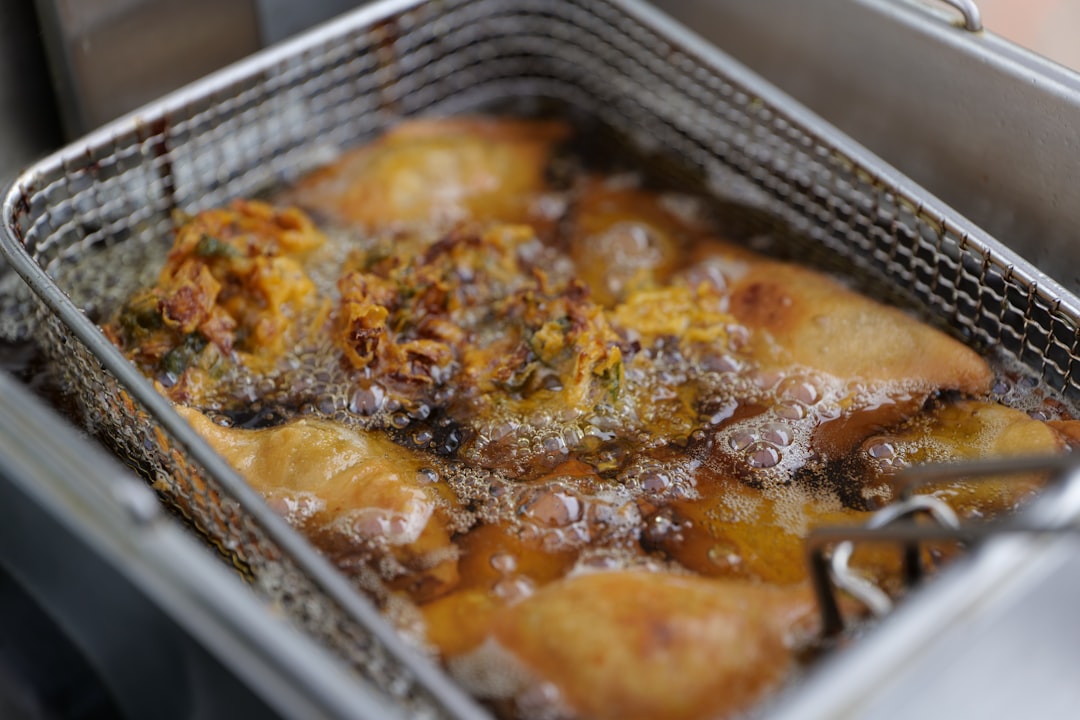
For one or two people, a compact 4-quart model like the Chefman Hi-Fry is honestly plenty. It handles a couple of chicken breasts, a batch of roasted vegetables, or enough fries for two without overwhelming your counter. For a family of three to five, you want something in the 5-to-6 quart range — like my current Cosori TurboBlaze 6-quart, which hits the sweet spot between capacity and footprint.
If you regularly cook for six or more, or you’re the type who meal-preps on Sundays (I admire your discipline), the Ninja Foodi DualZone with two 4-quart baskets is worth the splurge. Yes, I had a bad experience with an older dual-basket model, but Ninja’s DualZone genuinely solved the “two things at two temperatures” problem that ruined many a dinner in my house.
What Actually Matters (And What’s Marketing Nonsense)
After going through four of these machines, I can tell you that most “features” listed on the box exist to make you feel like you’re getting more for your money. You’re not. Here’s what genuinely matters:
Temperature range. The single biggest factor in how versatile your air fryer will be. Cheap models max out around 400°F, which sounds high until you’re trying to get a proper sear on salmon or crisp up breaded chicken. The Cosori TurboBlaze goes up to 450°F, and that extra fifty degrees is the difference between golden and golden. My second air fryer topped out at 390°F, and I could never get anything truly crispy — it was like trying to broil with a hair dryer.
Basket design. This is the thing I wish someone had told me before purchase number two. Look for a square or rectangular basket rather than a round one. Round baskets waste about 30% of your cooking surface because you can’t fit food into the curved corners. The Instant Pot Vortex Plus has a beautifully designed square basket that maximizes every inch — and the basket is dishwasher-safe, which matters more than you think when you’re cleaning up after cooking bacon at 450°F.
Coating safety. This is something I became passionate about after reading the research on PFAS chemicals in older nonstick coatings. The newer air fryers are moving to ceramic and PFAS-free coatings, and honestly, that’s the only kind I’d bring into my kitchen at this point. I wrote about the importance of non-toxic kitchen tools when I switched away from plastic cutting boards, and the same principle applies here.
Ease of cleaning. If the basket has more than three removable parts, you will lose one of them under the sink within a month. The best designs have a single basket that slides out with a removable crisper plate — simple, intuitive, and you can toss both pieces in the dishwasher.
The Brands Worth Your Money This Year
I’m not going to give you a top-ten list because honestly, three brands are doing meaningful work in this space, and the rest are rebranding the same OEM internals with different plastic shells. Here’s my unvarnished take after cooking hundreds of meals:
Cosori has been my go-to recommendation for two years running. Their TurboBlaze line combines genuinely useful technology (the 450°F capability and even heat distribution are real, not marketing) with a price point that doesn’t make you wince. I’ve had mine for fourteen months without a single issue.
Ninja makes the best dual-basket system on the market, period. If you cook for a crowd or want to make two different foods at once, the Ninja Air Fryer line is worth every penny. Their interface is also the most intuitive I’ve used — my teenagers can operate it without instructions, which is the ultimate usability test.

Instant Pot deserves a mention for their Vortex line, which is ideal if you already live in the Instant Pot ecosystem. The controls feel familiar if you own a pressure cooker, and the build quality is consistent across their product line. The Chefman TurboFry 8-quart is also worth a look if you want maximum capacity without the dual-basket price tag.
The Accessories That Changed Everything
The air fryer itself is only half the equation. After a year of using mine, I discovered a handful of accessories that made cooking easier, cleanup faster, and results significantly better. None of these are gimmicks — I use every single one weekly.
Silicone liners are the absolute must-have. These flexible inserts sit inside your basket and prevent food from sticking while catching grease and crumbs. When you’re done, you pull the liner out, wash it, and your basket is essentially clean. These reusable silicone liners have saved me countless hours of scrubbing, and they’re better than disposable paper liners for the environment and your wallet. Though I’ll admit, I keep disposable parchment liners on hand for particularly greasy cooking sessions or when I’m feeling lazy.
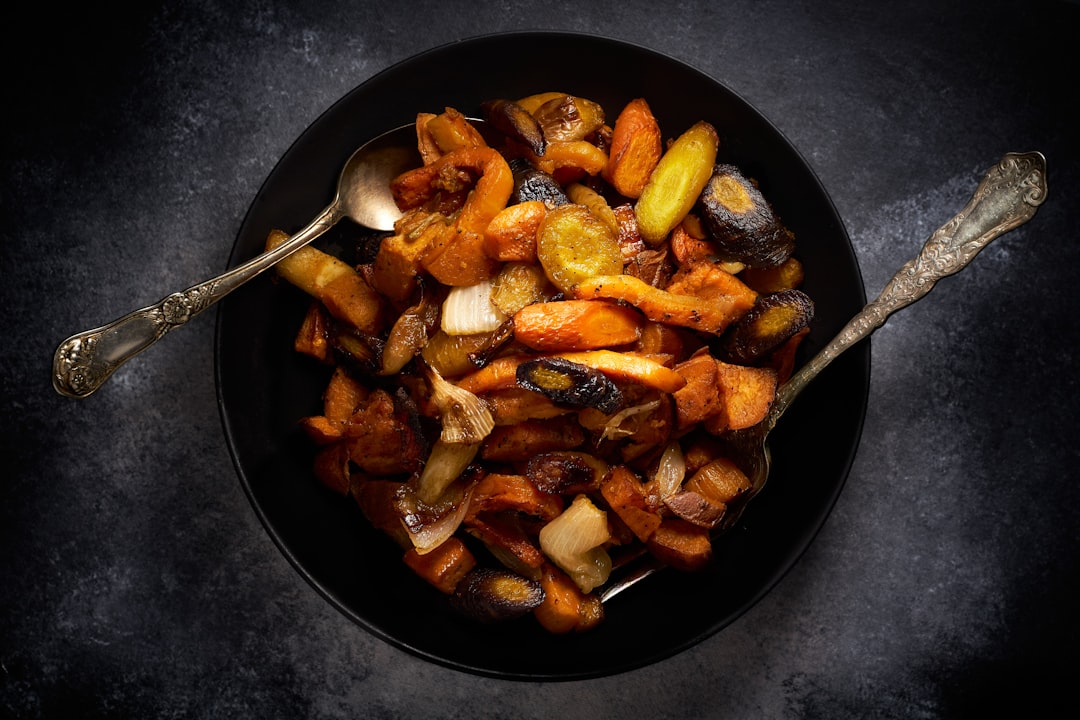
An olive oil sprayer changed how I approach air frying more than any other tool. The problem with most air fryer recipes is they call for “a light coating of oil,” which is maddeningly vague. Pour oil directly and you’ll get pooling and sogginess. Spray it and you get an even, minimal coating that helps food crisp beautifully. I use this glass olive oil sprayer from TrendPlain every single day — it gives a fine, even mist that’s perfect for vegetables, chicken wings, and anything you want to crisp.
A dedicated accessory kit with baking pans, skewer racks, and silicone tongs rounds out the setup. The 12-piece air fryer accessory set I bought two years ago turned my air fryer from a “crisp things” machine into a genuine second oven. I bake small cakes, roast vegetables on the skewer rack, and use the silicone cups for individual portions.
The Mistakes That Cost Me Good Food (And Good Money)
Let me save you some heartbreak. These are the mistakes I made repeatedly before I finally learned:
Overcrowding the basket. I know I said this, but I’m saying it again because it’s the number-one reason people think their air fryer “doesn’t work.” Food needs space for air to circulate. Cook in batches if you have to — it’s faster than you think, because preheating takes about two minutes.
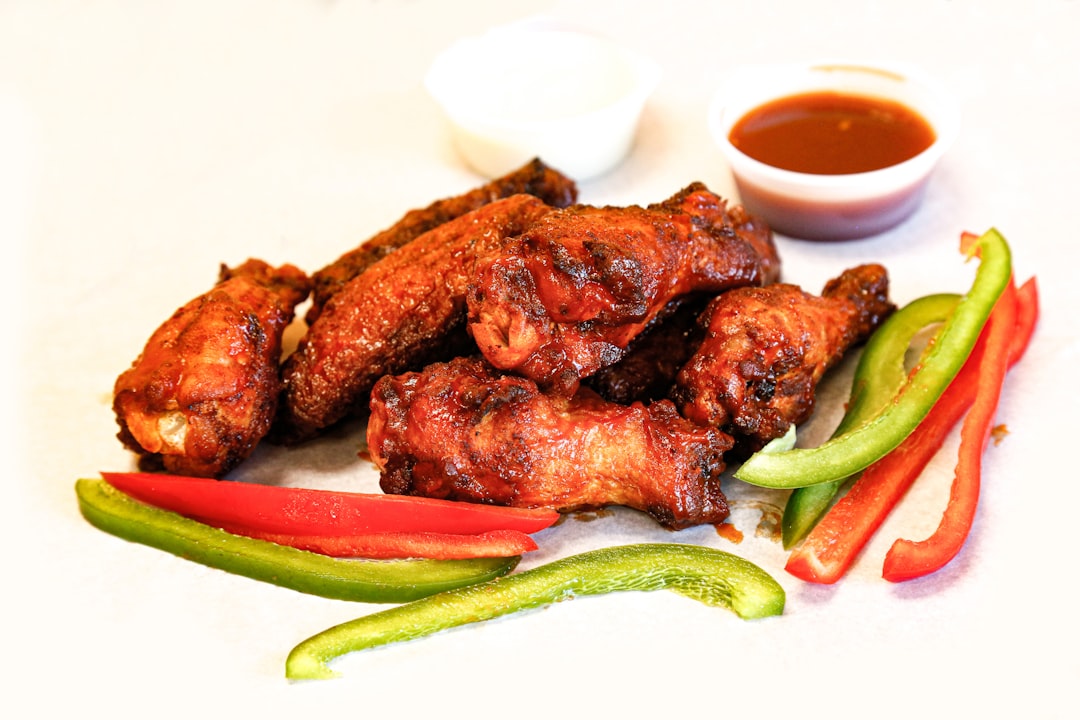
Never preheating. The first three months I owned an air fryer, I just threw cold food into a cold basket. Results were consistently mediocre. Then I started preheating for three minutes and everything changed — crispier exteriors, more even cooking, and significantly shorter cook times.
Using the wrong oil. Extra virgin olive oil has a low smoke point and can create off-flavors at high air-fryer temperatures. I switched to avocado oil for high-heat cooking and regular olive oil for things under 375°F. The oil sprayer I mentioned earlier works beautifully with both.
Forgetting to shake. Halfway through cooking, open the drawer and shake the basket. This is not optional. The food on top needs to trade places with the food on the bottom, or you’ll get one perfectly crispy side and one pale, sad side.
What I’d Actually Buy in 2026
If I were starting from scratch today, knowing everything I know, here’s exactly what I’d do:
For small households (1-2 people): The Chefman 4-quart compact is all the air fryer most people need. It’s affordable, well-built, and takes up minimal counter space. Pair it with the silicone liners I mentioned earlier and you’re set.
For families (3-5 people): The Cosori TurboBlaze 6-quart is my pick. It’s what sits on my counter right now, and I chose it after going through three other machines. The temperature range is the best in its price class, and the ceramic coating gives me peace of mind.
For entertainers and large families: The Ninja DualZone lets you cook two different foods at two different temperatures, finishing at the same time. If you regularly host — something I talk about in my outdoor dinnerware guide — this is the upgrade that makes feeding a crowd feel manageable instead of frantic.

How the Air Fryer Earned Its Counter Space
I went through a phase where I was skeptical of every kitchen appliance that promised to “change my life.” I wrote about this when I finally admitted which gadgets I’d been wrong about, and the air fryer topped that list. What changed my mind wasn’t a single dramatic recipe — it was the accumulation of small wins. Frozen vegetables that roasted beautifully in twelve minutes. Leftover pizza reheated to genuine crispness instead of soggy sadness. Salmon filets with restaurant-quality crust on a weeknight in under fifteen minutes.
The air fryer doesn’t replace your oven or your stovetop — it fills a gap between microwave convenience and oven quality that nothing else really addresses. Just as I talked about in my piece about which appliances earned permanent counter space, the test isn’t whether something works well once. It’s whether you reach for it again on a random Wednesday when nobody’s watching.
My air fryer has been a Wednesday appliance for two straight years. That’s the highest compliment I can give a kitchen tool.
So skip the learning curve I went through. Buy the right size the first time, invest in a couple of accessories that actually matter, and don’t be seduced by presets. Your future self — the one standing in the kitchen at 6:30 PM wondering what’s for dinner — will thank you.

2 thoughts on “The Air Fryer Buying Guide I Wish I’d Read Before Owning Four of Them”