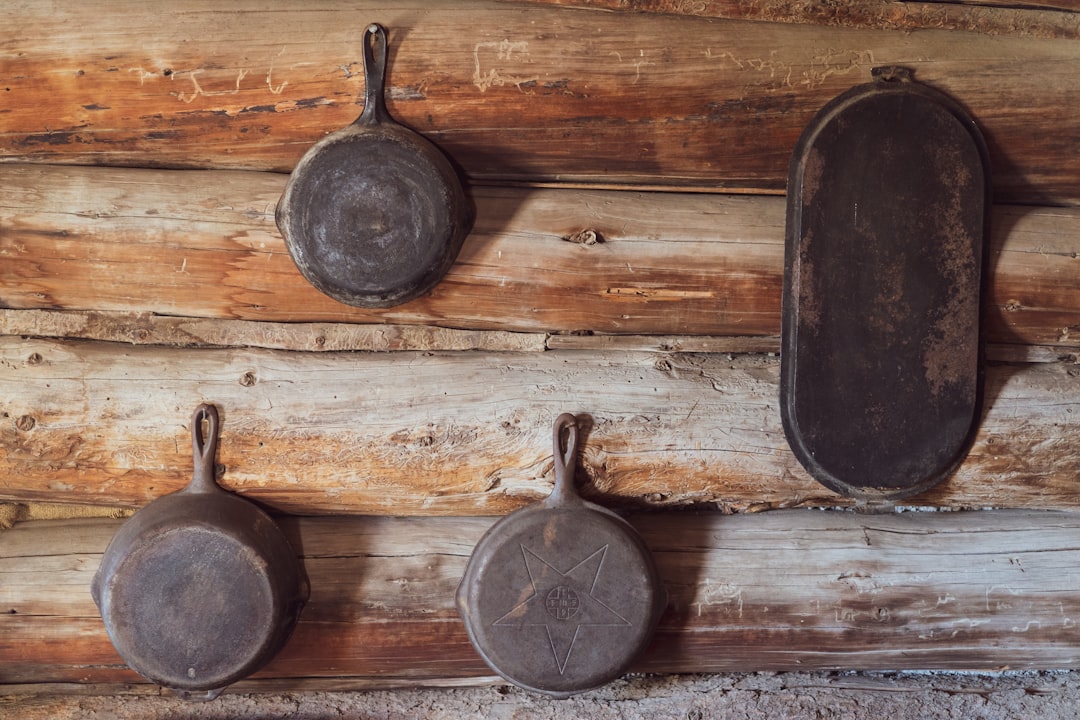
The Great Cookware Debate That’s Divided Kitchens for Generations
Last week, while teaching my niece how to properly sear a steak, she asked me the question that sparks endless debates in home kitchens everywhere: “Aunt Elena, should I buy a cast iron skillet or a stainless steel pan?” Standing there with both pans within arm’s reach, I realized that after twenty-five years of cooking and testing countless recipes in my home kitchen, I’ve developed strong feelings about both materials—but choosing between them isn’t about picking a winner. It’s about understanding which tool serves you best for the cooking you actually do every day.
The truth is, both cast iron and stainless steel have earned their permanent places in well-equipped kitchens for very different reasons. Cast iron offers that magical combination of incredible heat retention and natural non-stick properties that develop over time, while stainless steel delivers unmatched versatility and durability for practically any cooking technique you throw at it. Understanding these fundamental differences transforms how you cook, what you can accomplish, and ultimately, how much joy you find in your kitchen.
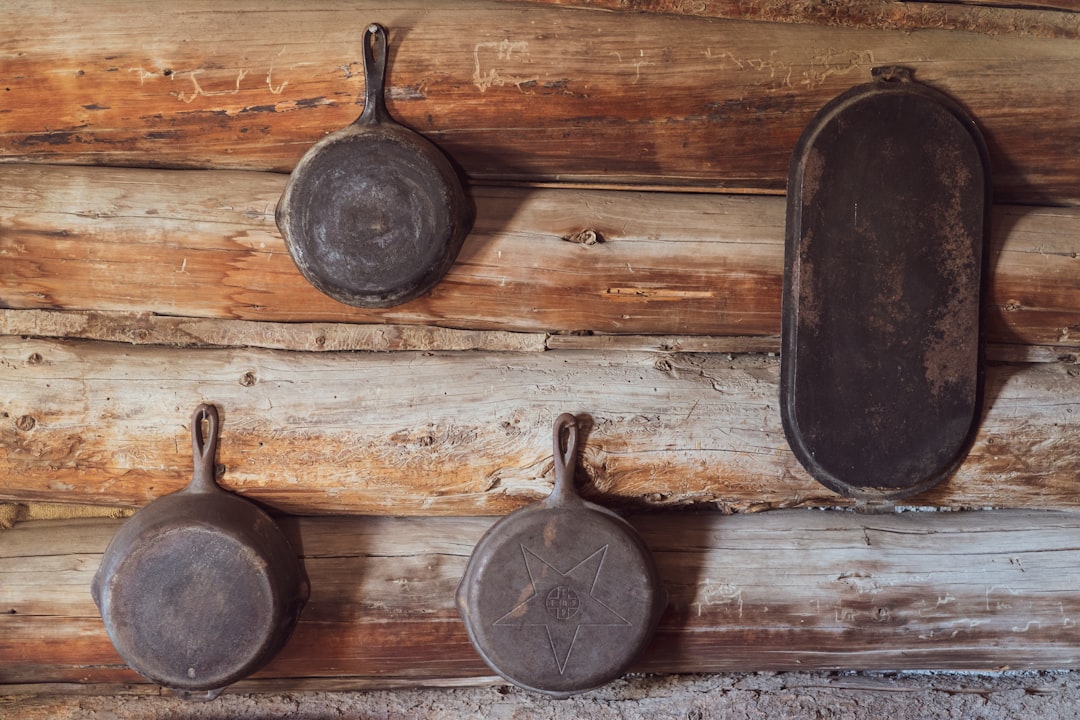
What Makes Cast Iron Special: The Heavyweight Champion of Home Kitchens
Let’s start with cast iron, because this material has been cooking people’s meals for centuries and for good reason. Cast iron’s superpower lies in its thermal mass—simply put, it holds heat like nobody’s business. When you heat a cast iron skillet, it stores that thermal energy and releases it steadily into whatever you’re cooking. This is why a cast iron pan can create restaurant-quality sear marks on a steak while maintaining consistent heat throughout the cooking process.
The weight that makes cast iron intimidating to some cooks is actually what makes it perform so beautifully. A standard 12-inch cast iron skillet weighs about 8 pounds—roughly twice as much as a comparable stainless steel pan. That heft translates to superior heat retention, meaning your pan temperature stays more stable when you add cold food to hot metal. For techniques that require sustained high heat, like searing steaks or baking cornbread, this characteristic is absolutely invaluable.
Something magical happens with cast iron over time: seasoning builds up and creates a naturally slick surface that rivals modern non-stick coatings. Unlike synthetic coatings that eventually wear off, properly seasoned cast iron actually improves with use. This is why many home cooks inherit cast iron pans from their grandparents—these pieces literally get better across generations. However, that beautiful seasoning requires some maintenance. You can’t throw cast iron in the dishwasher, and it needs periodic re-seasoning to maintain its non-stick properties. For those willing to embrace this routine, cast iron rewards you with cooking performance that’s hard to replicate.
The versatility of cast iron extends far beyond stovetop cooking. These pans transition seamlessly from burner to oven, making them perfect for one-pan meals that start on the stove and finish under the broiler. I’ve baked countless batches of cornbread, deep-dish pizzas, and even cobblers in my trusty 10-inch skillet. The even heating that makes cast iron ideal for searing also makes it exceptional for baking, creating beautifully browned crusts that develop that sought-after crunch. When you’re shopping for a cast iron skillet set, look for pre-seasoned options that give you a head start on building that beautiful patina.
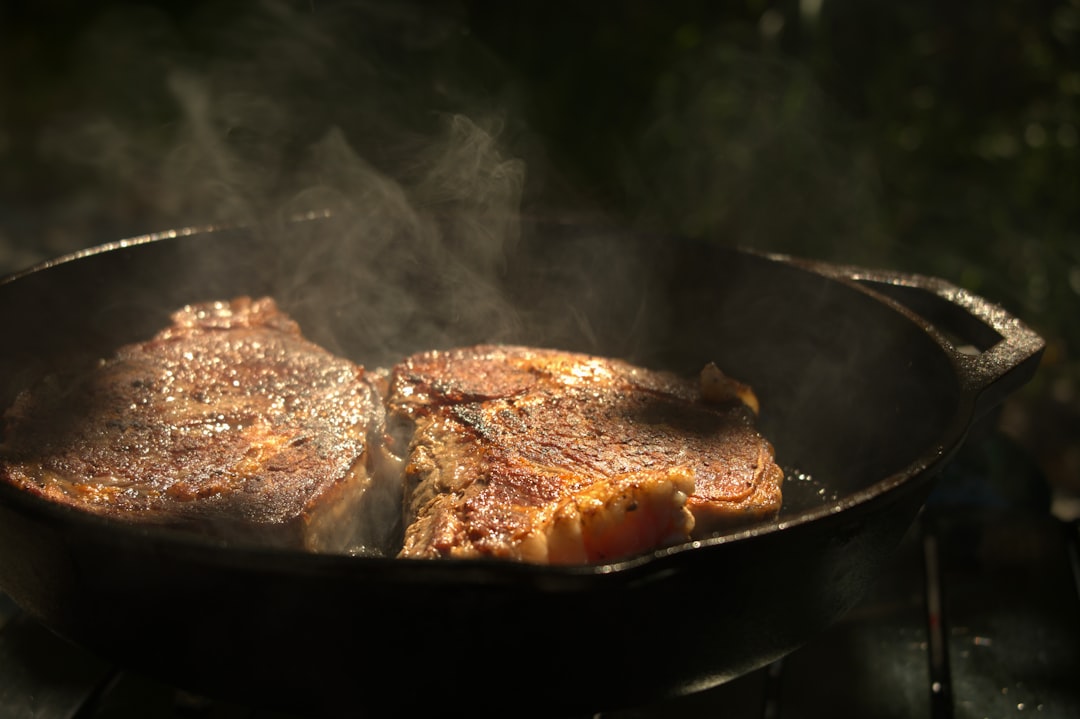
What Makes Stainless Steel Special: The Everyday Workhorse
Stainless steel cookware occupies a different but equally important niche in the home kitchen. While cast iron excels at specific high-heat applications, stainless steel offers remarkable versatility for practically any cooking technique you can imagine. Searing, sautéing, poaching, caramelizing, frying, simmering—stainless steel handles it all with minimal fuss and maximum reliability. This is why stainless steel is the most frequently used pan in professional kitchens, and why it deserves consideration as your primary everyday cookware.
The non-reactive nature of stainless steel matters more than many home cooks realize. Cast iron reacts with acidic foods like tomato sauce, wine reductions, or dishes featuring lemon juice, which can give these foods a metallic taste and strip seasoning from your pan. Stainless steel doesn’t have this problem, making it the obvious choice for acidic dishes and recipes that feature wine, vinegar, or citrus. This characteristic alone makes stainless steel invaluable for a wide range of cuisines and cooking styles.
One of stainless steel’s greatest strengths is its ability to create beautiful pan sauces through deglazing. When you sear food in stainless steel, flavorful browned bits called fond develop on the pan’s surface. Adding liquid to release this fond—the technique known as deglazing—creates the foundation for incredible pan sauces that capture and concentrate flavors. This is why stainless steel is the go-to choice for pan sauce preparation and why it’s so beloved by chefs who understand the importance of building layers of flavor. The responsive heat conduction of quality stainless steel also gives you precise temperature control, which is crucial for delicate techniques like making emulsified sauces or cooking temperamental items.
Weight and maintenance considerations make stainless steel appealing for many home cooks. At roughly half the weight of comparable cast iron pieces, stainless steel pans are easier to maneuver, especially when full of food. This matters enormously if you have wrist concerns, prefer cooking one-handed, or simply find heavy cast iron intimidating to handle. Stainless steel is also notably more forgiving when it comes to cleanup. Most quality stainless steel cookware is dishwasher safe, and even when hand-washing is recommended, food releases relatively easily with proper technique. There’s no seasoning to maintain, no special storage requirements, and no anxiety about accidentally stripping a carefully built patina. This ease of care explains why many cooks reach for stainless steel pan after pan, meal after meal, year after year. When building your kitchen toolkit, consider investing in quality stainless steel cookware sets that will serve you for decades.
Modern stainless steel cookware often features an aluminum or copper core, which addresses the material’s one weakness: heat conduction. Pure stainless steel heats relatively slowly and can develop hot spots, but when bonded to conductive metals like aluminum, it heats quickly and evenly. This construction—often called clad or tri-ply—gives you the best of both worlds: the durability and non-reactive surface of stainless steel with the heating performance of more conductive metals. When shopping, look for tri-ply stainless steel or fully clad options that deliver professional-grade performance in a home kitchen package.
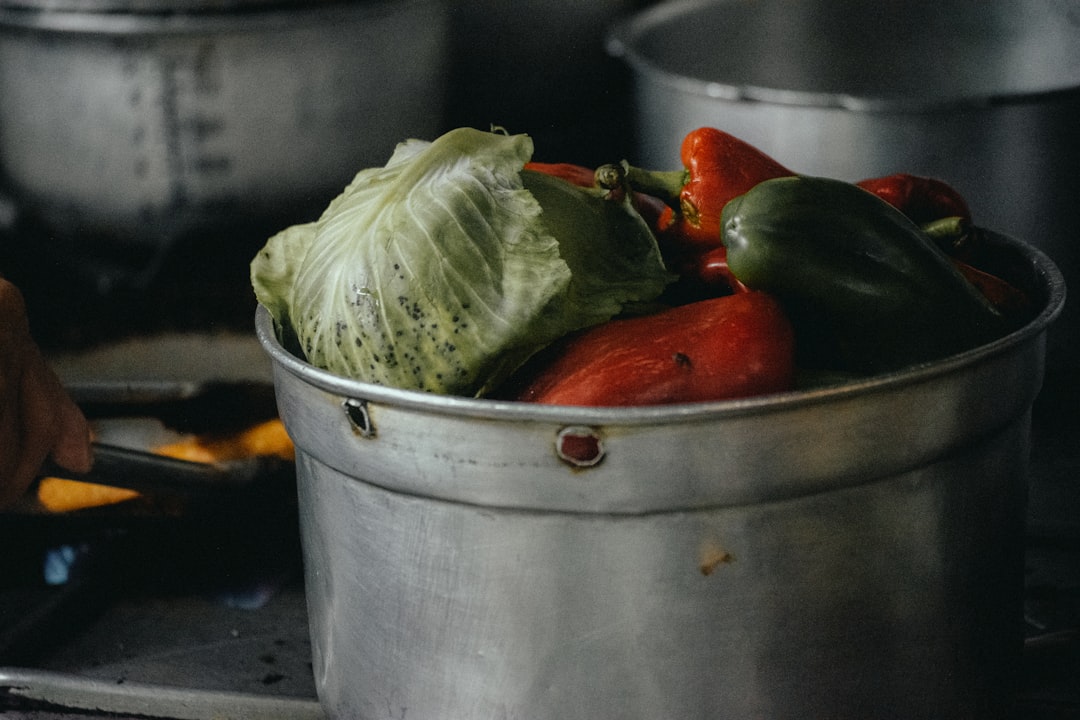
When Cast Iron Shines: The Perfect Applications
Understanding when to reach for your cast iron skillet transforms your cooking results. The applications where cast iron truly excels are specific, but within those niches, nothing else performs quite as well. High-heat searing tops the list, particularly when you’re working with thicker cuts of meat that benefit from sustained high temperatures. A cast iron skillet can develop a beautiful crust on a bone-in ribeye while cooking the interior to perfection, largely because that heavy thermal mass prevents the pan temperature from plummeting when the cold meat hits the metal.
Baking represents another arena where cast iron absolutely dominates. The even heating that makes cast iron ideal for searing also creates beautifully browned, evenly cooked baked goods. Cornbread baked in cast iron develops that coveted crispy crust that home cooks chase for years. Deep-dish pizza gets a perfectly crisp, structurally sound bottom that supports generous toppings without turning soggy. Cobblers, crisps, and even certain cakes benefit from cast iron’s steady, encompassing heat. I’ve even baked bread in well-seasoned cast iron with spectacular results. If you haven’t tried baking in cast iron, you’re missing out on one of the material’s most delightful applications.
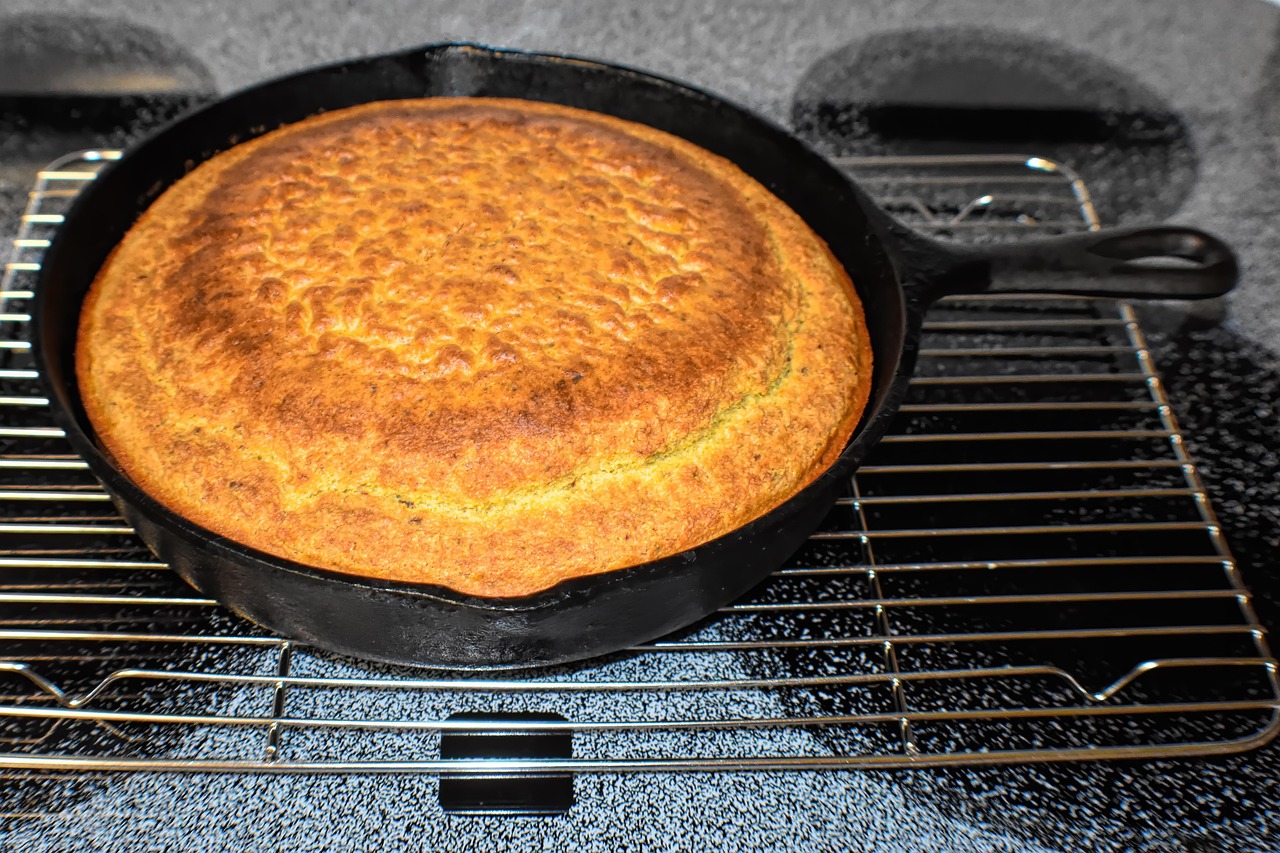
Slow-cooked dishes and braises perform exceptionally well in cast iron, particularly when you want to start on the stovetop and finish in the oven. The heat retention that makes cast iron great for searing also makes it perfect for maintaining gentle, steady heat over long periods. Braised chicken thighs, beef stews, and even certain pasta dishes benefit from cast iron’s ability to hold temperature consistently. The oven-safe design means you can sear on the burner, add liquid, cover, and transfer everything to the oven without changing pans. This one-pan convenience reduces cleanup and ensures that flavors developed during searing aren’t lost in transit between vessels.
Campfire cooking and outdoor grilling represent cast iron’s natural habitat. The material’s durability and indestructibility make it perfect for rough-and-tumble outdoor cooking conditions. You can set a cast iron skillet directly on coals, place it on a grill grates, or hang it over a fire using a dedicated handle holder. Nothing else tolerates these extreme conditions quite like cast iron, which is why it’s been the cookware of choice for outdoor cooking for generations. Whether you’re cooking over a campfire, using an outdoor pizza oven, or simply grilling on your patio, cast iron delivers results that lighter, more delicate pans simply cannot match.
When Stainless Steel Shines: The Everyday Hero
Stainless steel’s greatest strength lies in its versatility for everyday cooking. When I reach for a pan to make a quick weeknight dinner, stainless steel is almost always my first choice because it handles practically any technique without drama. Sautéing onions for a pasta sauce? Stainless steel. Pan-frying fish fillets? Stainless steel. Making an omelette for Sunday breakfast? Stainless steel. This do-everything nature explains why stainless steel deserves consideration as your primary everyday cookware, regardless of what other specialized pieces you might own.
Acidic foods and recipes featuring wine or citrus absolutely demand stainless steel. Tomato sauces, wine reductions, lemon butter sauces, and dishes featuring vinegar simply cook better in non-reactive stainless steel. Cast iron would react with these acidic ingredients, creating off-flavors and potentially damaging your carefully built seasoning. Stainless steel, however, remains completely neutral, allowing these acidic elements to shine without interference. This makes stainless steel essential for cuisines that rely heavily on acidic components—think Italian tomato-based sauces, French wine reductions, or Latin American preparations featuring lime. If you love cooking with tomatoes, wine, or citrus, stainless steel isn’t just nice-to-have—it’s essential.
Pan sauce creation is where stainless steel truly earns its place in well-equipped kitchens. The fond that develops during searing—the caramelized, flavorful bits that stick to the pan’s surface—is pure liquid gold when deglazed properly. Stainless steel’s surface creates the ideal amount of fond without excessive sticking, and the pan’s construction allows you to control temperature precisely during sauce reduction. This is why stainless steel is the professional chef’s go-to for creating restaurant-quality pan sauces that elevate simple dishes to something extraordinary. Mastering the art of deglazing and sauce-making in stainless steel will transform your cooking more than almost any other technique.
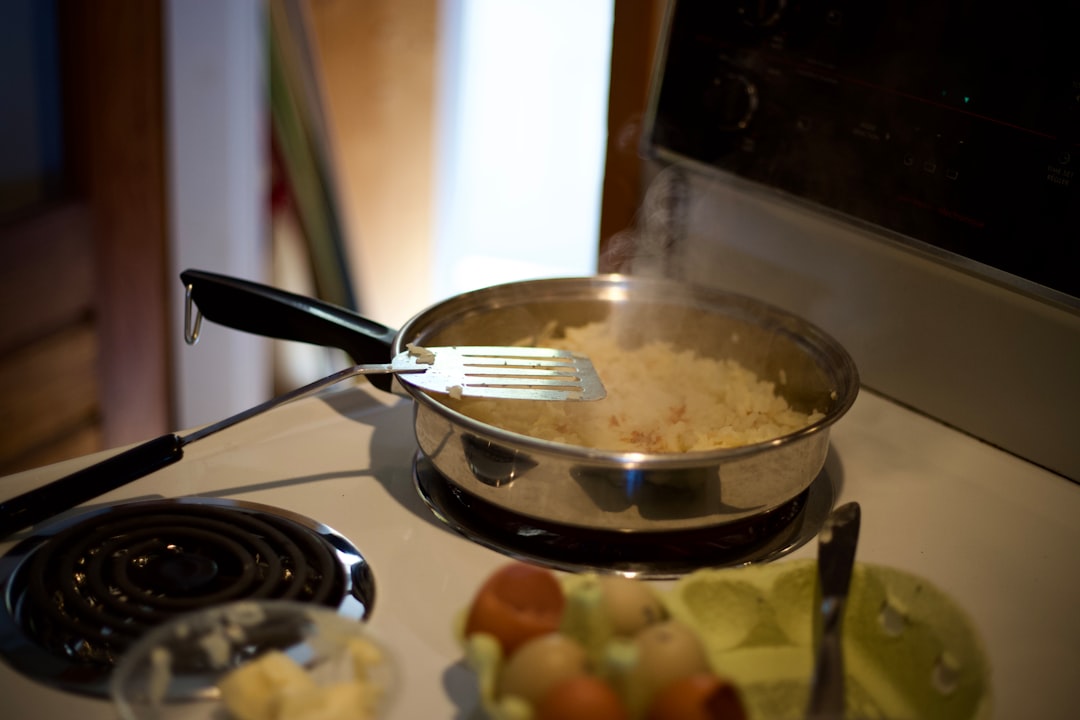
Delicate foods that require precise temperature control also benefit from stainless steel’s responsive performance. Unlike cast iron, which holds heat stubbornly and can continue cooking food even after leaving the burner, quality stainless steel cools relatively quickly when heat is reduced. This responsiveness gives you much greater control over temperamental ingredients. When making delicate fish fillets, emulsified sauces, or temperature-sensitive preparations, this control can mean the difference between restaurant-quality results and disappointing outcomes. Stainless steel’s combination of durability, responsiveness, and non-reactive surface makes it the thoughtful cook’s secret weapon for practically any dish that isn’t specifically better suited to cast iron.
The Price Question: Which Offers Better Value?
Let’s talk money, because cookware represents a significant investment for most households. The price comparison between cast iron and stainless steel reveals interesting differences in both upfront costs and long-term value. A quality 12-inch cast iron skillet typically costs between $30 and $60, while a comparable stainless steel pan might run $80 to $150 for premium tri-ply construction. However, looking at cost per year of use completely changes the calculation.
Cast iron’s legendary durability means it can literally last for generations. A well-cared-for cast iron skillet might outlive its original owner, making it an heirloom piece rather than disposable cookware. This extraordinary lifespan means that even if you spend $60 on a premium cast iron skillet, the cost per year of use over decades becomes remarkably low. Your grandchildren might be cooking with the same pan you bought today, which is something that can’t be said for most cookware materials. When shopping for cast iron cookware, focus on quality construction from reputable brands—these pans might outlive you.
Stainless steel, while more expensive upfront, also offers impressive longevity and represents an investment that pays dividends over years of daily use. Quality stainless steel cookware typically lasts 15-25 years with proper care, making the higher initial price more reasonable when amortized over decades of use. The versatility of stainless steel also affects the value equation—since one good stainless steel pan can handle 80% of your cooking tasks, you might need fewer pieces overall compared to owning specialized cookware for different applications. Instead of buying multiple specialized pans, a single well-chosen stainless steel skillet might serve as your everyday workhorse for everything from breakfast eggs to dinner stir-fries.
The hidden costs of ownership also differ between materials. Cast iron requires maintenance that some cooks find burdensome—no dishwasher, careful drying to prevent rust, occasional re-seasoning, and special storage considerations to prevent moisture damage. Stainless steel, while still benefiting from careful handling, tolerates much more abuse and significantly less attentive maintenance. For busy cooks who prioritize convenience, stainless steel’s easier care might justify the higher upfront cost. When considering value, think honestly about how much time and energy you’re willing to invest in cookware maintenance versus how much convenience matters to your daily cooking routine.
Care and Maintenance: What’s Realistically Required?
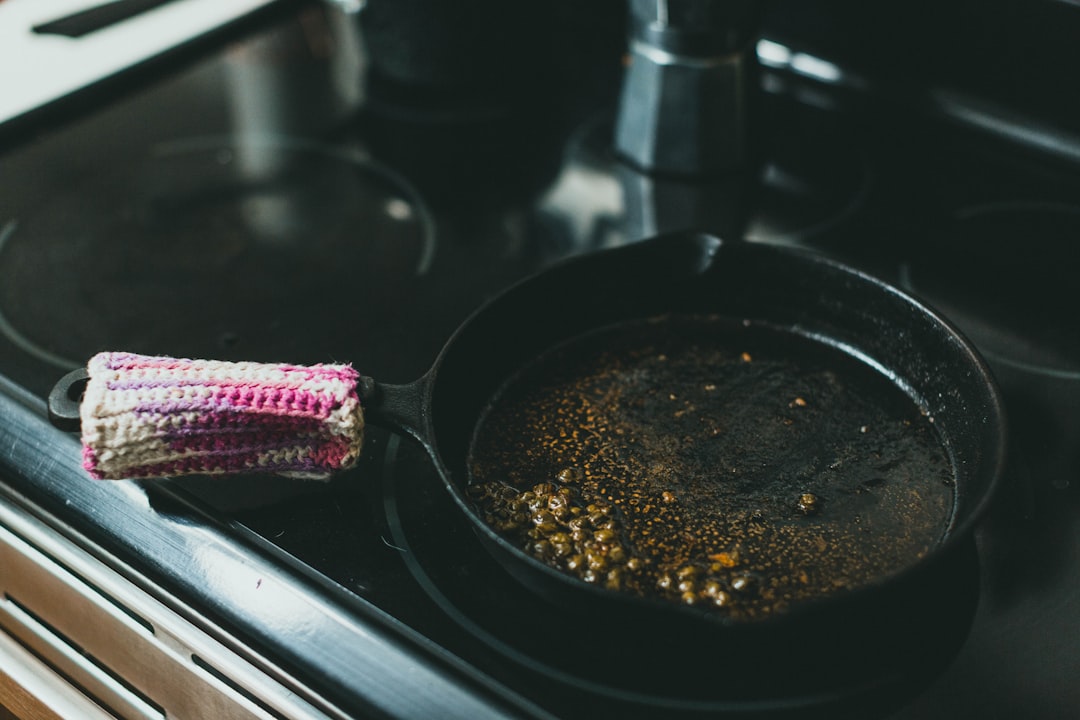
Maintaining cast iron requires developing habits that initially feel unfamiliar but quickly become second nature. The golden rule: no dishwasher, ever. Harsh dishwasher detergents strip seasoning and can promote rust, which defeats everything that makes cast iron special. Instead, wash cast iron by hand using warm water, mild soap, and a sponge or stiff brush. Despite persistent myths, using a small amount of soap on properly seasoned cast iron is perfectly fine—the polymerized seasoning is chemically bonded to the metal, not sitting loosely on the surface like dust on furniture.
Drying cast iron thoroughly after washing prevents rust, which is the enemy of everything good about these pans. I towel-dry immediately, then place the pan on low heat for a minute or two to evaporate any remaining moisture. Occasionally, I apply a tiny amount of neutral oil while the pan is still warm to maintain seasoning. This entire routine takes maybe two minutes, but it makes the difference between cast iron that improves with age and cast iron that deteriorates from neglect. Storage also requires some attention—keep cast iron in a dry place where air circulates freely. If you must nest pans, place a clean cloth or paper towel between pieces to prevent surface scratching.
Stainless steel maintenance is notably more forgiving, though still benefits from some basic care practices. Most quality stainless steel cookware is technically dishwasher safe, though hand washing extends its life and maintains appearance. For stubborn food residue, a brief soak usually works wonders, and stainless steel tolerates moderately abrasive scrubbing without damage. Unlike cast iron, stainless steel doesn’t require seasoning or special storage conditions beyond basic cleanliness and dryness. This ease of care explains why stainless steel often becomes the everyday pan that reaches get used meal after meal, day after day, without requiring much thought or special handling.
Both materials benefit from avoiding thermal shock—moving pans directly from high heat to cold water can warp metal over time, though cast iron is generally more resistant to this than stainless steel. Metal utensils can scratch stainless steel surfaces and damage cast iron seasoning, so wooden or silicone utensils represent good investments for either material. Understanding these basic care requirements helps you choose realistically based on your willingness to maintain your tools versus your preference for minimal-fuss convenience.
So Which Should You Buy First? The Practical Answer
Here’s the truth that experienced cooks eventually discover: most well-equipped kitchens eventually contain both cast iron and stainless steel because they serve different purposes. However, if you’re starting from scratch or can only invest in one piece initially, stainless steel makes the more practical first purchase for most home cooks. The versatility of stainless steel—handling 80% of cooking techniques, tolerating acidic foods, creating pan sauces, and requiring minimal maintenance—makes it the more universally useful everyday pan. You can cook practically anything in quality stainless steel, while cast iron serves specific but important purposes.
That said, if your cooking priorities lean heavily toward high-heat searing, baking, or outdoor cooking, cast iron might legitimately be your better first choice. Think honestly about what you actually cook most often. If you’re constantly searing steaks, making cornbread, or baking pizza, cast iron deserves early consideration. But if your cooking runs the gamut from pasta sauces to stir-fries, from breakfast eggs to delicate fish, stainless steel will serve you better day in and day out. The goal is building a kitchen that supports how you actually cook, not how you imagine you might cook in some idealized version of your culinary life.
The sweet spot for most home kitchens? Start with a quality 10 or 12-inch stainless steel skillet as your everyday workhorse, then add a cast iron skillet when budget allows. This combination covers 95% of home cooking needs and gives you the right tool for practically any recipe you encounter. Your stainless steel handles the everyday cooking, while your cast iron tackles the specific applications where it truly shines. Eventually, you might expand both collections, but starting with this foundation sets you up for success without overspending on specialized pieces you might rarely use.
The Bottom Line: Understanding Trumps Choosing Sides
After years of cooking with both materials, testing countless recipes, and experimenting with virtually every cooking technique I can think of, I’ve reached a conclusion that might surprise you: the cast iron versus stainless steel debate creates unnecessary conflict in home kitchens. These aren’t competing materials fighting for the same spot in your cupboard—they’re complementary tools that excel at different jobs. The most confident, capable home cooks I know own both and understand instinctively when to reach for each one.
What matters isn’t declaring allegiance to one material over another. What matters is understanding how each material performs so you can grab the right pan for whatever you’re cooking. When you want restaurant-quality sear marks on a steak or perfect cornbread with a crispy crust, reach for cast iron and enjoy the results that only heavy thermal mass can deliver. When you’re making a tomato-based pasta sauce, deglazing for a pan sauce, or simply cooking Tuesday night’s dinner with minimal fuss, stainless steel will serve you beautifully without requiring special handling or maintenance.
The kitchen that feels truly functional and joyful isn’t the one that follows dogmatic rules about which material is superior. It’s the kitchen filled with tools that match how you actually cook, tools that perform reliably when you need them, tools that make cooking easier rather than more complicated. For most of us, that means having both cast iron and stainless steel within easy reach, understanding their respective strengths, and using each one where it performs best. That’s not indecision—that’s wisdom born from experience and practicality.
Your cooking journey is unique to you, influenced by what you like to eat, how much time you spend in the kitchen, and what kinds of challenges you enjoy. Maybe you’ll fall in love with cast iron’s rustic performance and build an entire collection around it. Maybe stainless steel’s versatility will make it your everyday workhorse while cast iron sits patiently until the perfect application arises. Either approach is valid, and neither represents a wrong choice. The only wrong choice is investing in cookware that doesn’t match how you actually cook, then feeling frustrated when it doesn’t meet unrealistic expectations.
Start wherever makes sense for your cooking priorities, build thoughtfully over time, and pay attention to what actually works in your kitchen. That’s how you end up with a collection of cookware that feels like an extension of your hands rather than a source of confusion. Whether you’re team cast iron, team stainless steel, or sensibly team both, the ultimate goal is the same: creating delicious food in a kitchen that feels like a joyful, welcoming place to spend your time.
2 thoughts on “Cast Iron vs Stainless Steel: Which Pan Should You Buy First?”