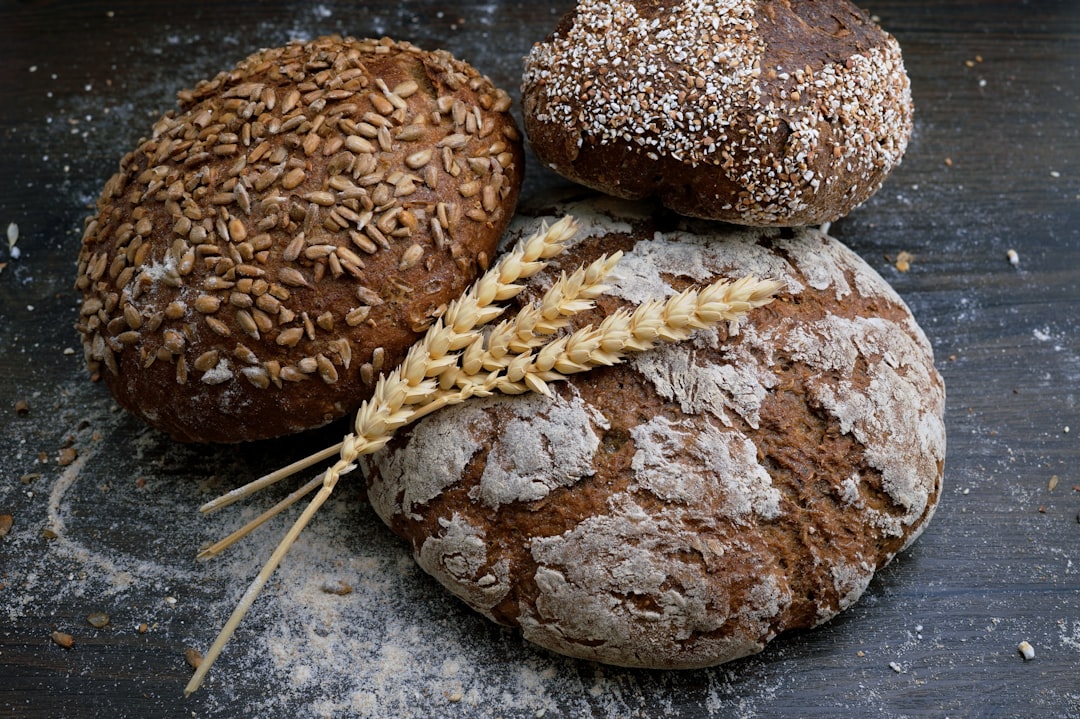
It started the way most of my kitchen obsessions do — quietly, stubbornly, and with a single jar of something that looked questionable enough that my husband asked if it was “still good.” I’m talking about my sourdough starter, a sludgy little culture I named Dorothea after my grandmother, who never once measured flour with a digital scale in her life and still turned out bread that could make you weep. Dorothea the starter is now seven months old, thriving on my counter in a glass jar, and she has completely reorganized how I think about my baking space.
What I didn’t expect was how quickly sourdough would expose every weak link in my kitchen setup. Within weeks, I was replacing cracked mixing bowls, hunting for better proofing baskets, and arguing with myself about whether a silicone baking mat was truly worth the counter real estate. (Spoiler: it absolutely was.) With Prime Day landing June 23rd through 26th and promotional pricing already dropping on some of the best baking gear I’ve tested this year, this felt like the right moment to share what’s actually earned a permanent spot in my baking corner — and what I’m bookmarking for the sale.
The Starter That Changed Everything
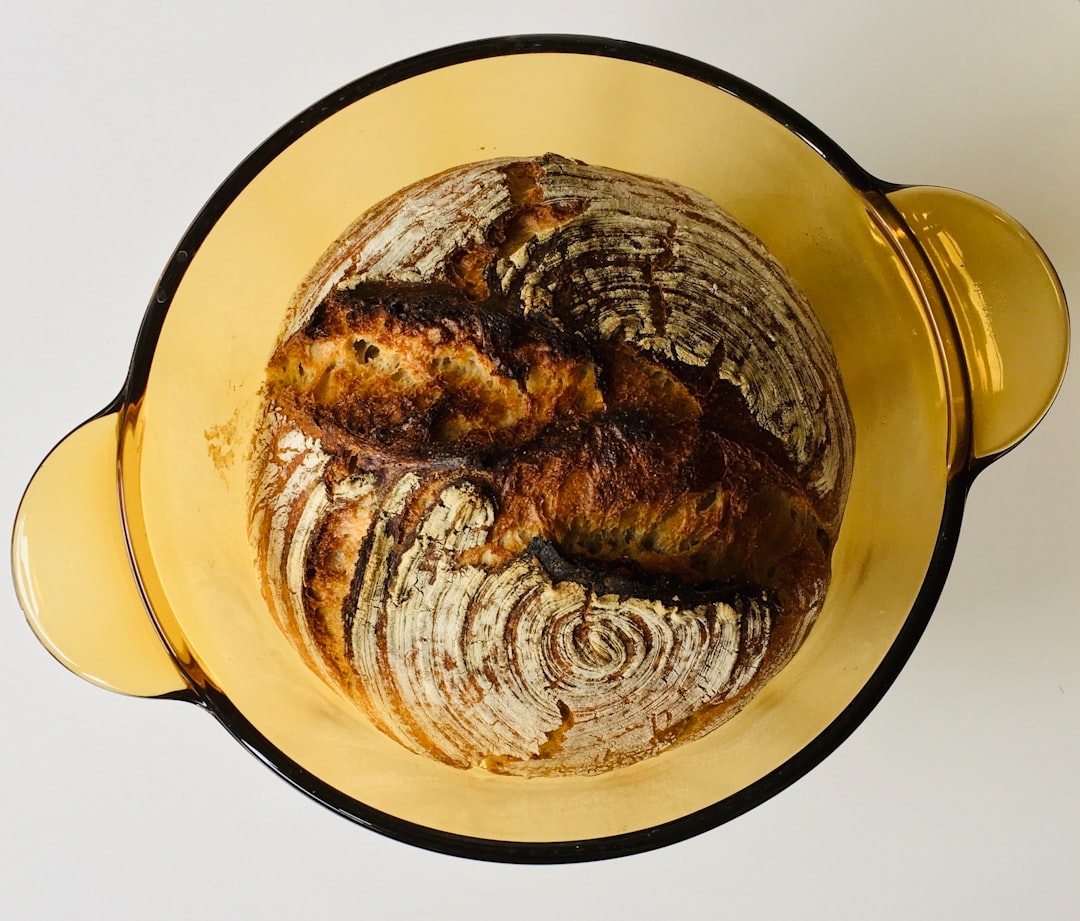
I won’t pretend the first month was graceful. My early loaves had the density of a brick and the hollow sound of one too. But sourdough has this funny way of teaching you patience — not through wisdom, but through failure. You can’t rush a fermentation, and you certainly can’t fake good dough with bad tools. Once I committed to the process, I realized my old setup was actively working against me.
The first thing I upgraded was my mixing bowls. I’d been using a mismatched inherited set — one dented aluminum, one ceramic with a chip along the rim that kept catching my whisk. I switched to the Baker’s Signature stainless steel mixing bowls with lids (which you can find here), and the difference was immediate. They’re wide enough to get your hands in for fold-and-stretch technique, the lids mean I can cover dough during bulk fermentation without plastic wrap, and they nest for storage. The whole set of five has become the backbone of my baking corner. If you’ve ever tried to mix bread dough in a bowl that’s too small, you know the horror of flour cascading onto your counter like an avalanche. These solved that permanently.
Alongside those bowls, I invested in a proper set of silicone spatulas that can actually scrape down a stiff dough without snapping. My old plastic ones bent at the sight of anything thicker than pancake batter. The silicone ones flex just enough to get into the corners of the bowl but stay rigid when you’re folding a wet sourdough. Small thing, enormous difference.
Proofing: Where Patience Meets the Right Container
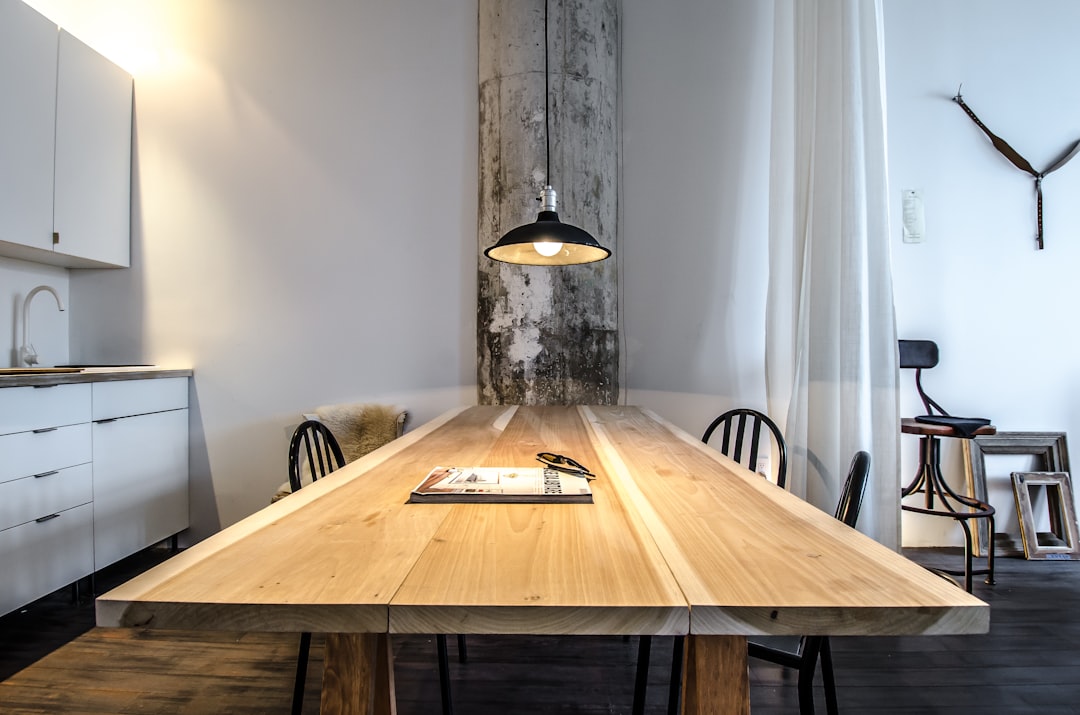
Here’s where I’ll get a little philosophical. Proofing is the quiet heart of bread baking. It’s the stretch of time where you’ve done your part — mixed, kneaded, shaped — and now the dough does its part. You’re just providing the right environment. That means temperature control, humidity, and a vessel that lets the dough hold its shape without spreading into a pancake.
I spent my first three months using a bowl lined with a kitchen towel dusted with flour. It worked, sort of, but my loaves always came out slightly flat on one side. Then I tried the silicone banneton bread proofing baskets (these are the ones I use), and honestly, I’m a little mad at myself for waiting so long. They hold the dough’s round shape perfectly, the silicone surface releases cleanly without sticking, and they create that beautiful spiral pattern on the crust that makes a loaf look like it came from an artisan bakery. At under twenty dollars for a set of four, this is the single highest-impact upgrade I’ve made to my baking setup. With Prime Day pricing coming next week, these are worth grabbing.
One thing I learned the hard way: temperature matters more than time. A two-hour proof at 78°F behaves completely differently from a four-hour proof at 68°F. I keep my starter and my proofing dough near a sunny window in the morning and move them to the warm spot near my oven in the afternoon. Once you start reading your dough instead of your clock, everything changes.
The Baking Surface: Why I Abandoned Parchment Paper
I went through an embarrassing amount of parchment paper before I finally switched to a silicone baking mat. The extra-thick silicone mat I landed on (0.7mm, which is noticeably heftier than the flimsy ones at the grocery store) has survived hundreds of bakes at 450°F without warping, discoloring, or losing its nonstick surface. I use it for bread, cookies, roasted vegetables, and even as a clean surface for kneading when I don’t feel like flouring the whole counter.
The environmental math alone makes it worth it. I was going through a roll of parchment every three weeks. Now I just wipe the mat clean and reuse it. But the real reason I love it is consistency — every loaf slides off cleanly, every cookie releases without a fight, and the bottom of my bread browns more evenly because the mat distributes heat better than bare metal or parchment.
For loaf-shaped breads specifically — banana bread, sandwich loaves, quick breads — I still reach for my glass baking dishes. I’ve been using a Pyrex 1.5-quart loaf dish (the classic one your grandmother probably had) that has survived a decade of thermal shock without a single crack. Glass conducts heat differently than metal, producing a softer crust and a more even crumb, which is exactly what you want for enriched doughs and family-style loaves. At this price point, it’s one of those tools every kitchen should have, Prime Day or not.
The Deep Baking Dishes I Reach For Again and Again
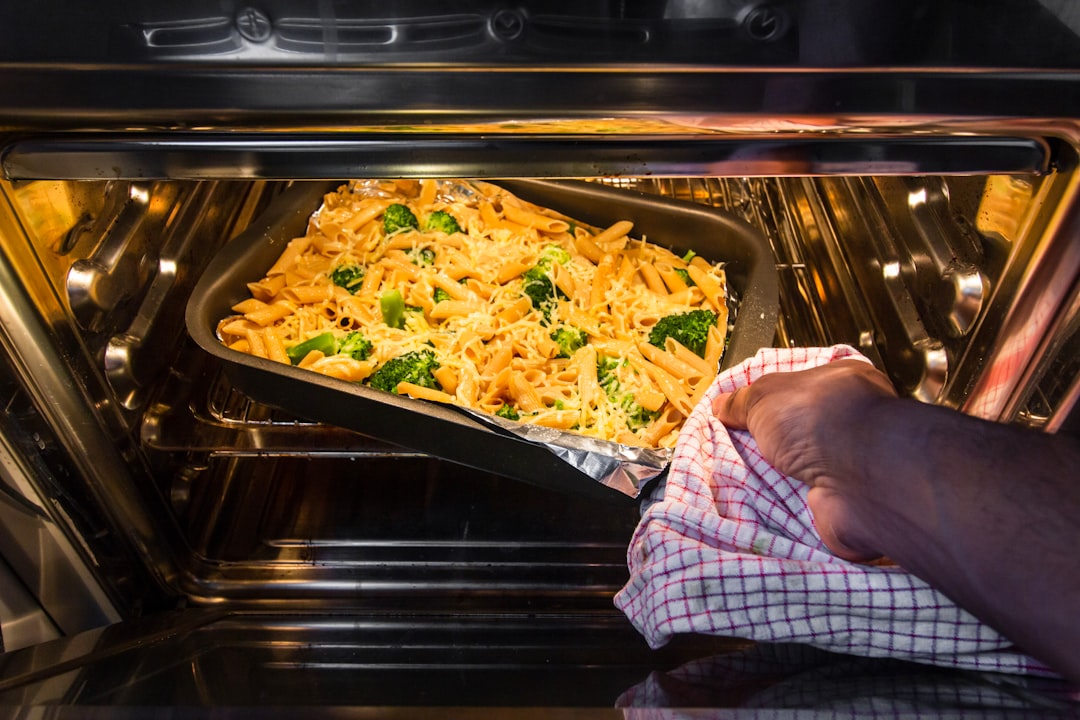
Not everything in my baking corner is about bread. Some of my most-used dishes are the deep ceramic casserole dishes I use for fruit crisps, bread pudding (a fantastic use for stale sourdough), baked French toast for weekend guests, and even savory dishes like mac and cheese. The set from LE TAUCI (which includes both a rectangular and square dish) has become my default for anything that goes from oven to table. They’re deep enough to hold a generous portion, the ceramic holds heat beautifully so food stays warm during serving, and they clean up without stubborn baked-on residue.
One of my favorite weekend rituals is using yesterday’s sourdough discard in a baked French toast casserole. Whisk together eggs, milk, a splash of vanilla, and a handful of blueberries, pour it over torn chunks of day-old bread, let it soak overnight, and bake it in the morning. The LE TAUCI dish is the exact right size for a family-sized portion, and the handles make it easy to carry straight from oven to table without fumbling.
The Tool That Surprised Me Most
I’ll be honest — I didn’t expect a hand blender to become essential baking equipment. I bought the KitchenAid Variable Speed Corded Hand Blender (this specific model) for soups, but it has quietly become one of my most-used baking tools. It purees fruit fillings for hand pies without transferring everything to a standalone blender. It whisks wet ingredients for cake batter directly in the bowl. It even handles small batches of whipped cream when I’m topping a dessert and don’t want to dirty the big stand mixer.
The variable speed control is what makes it special for baking. Low speed folds gently; high speed powers through chunky fruit or stiff peanut butter cookie dough. If you bake even semi-regularly, this is one of those tools that earns its drawer space within a week. Prime Day is typically when small appliances like this see their steepest discounts, so I’d recommend bookmarking the page now.
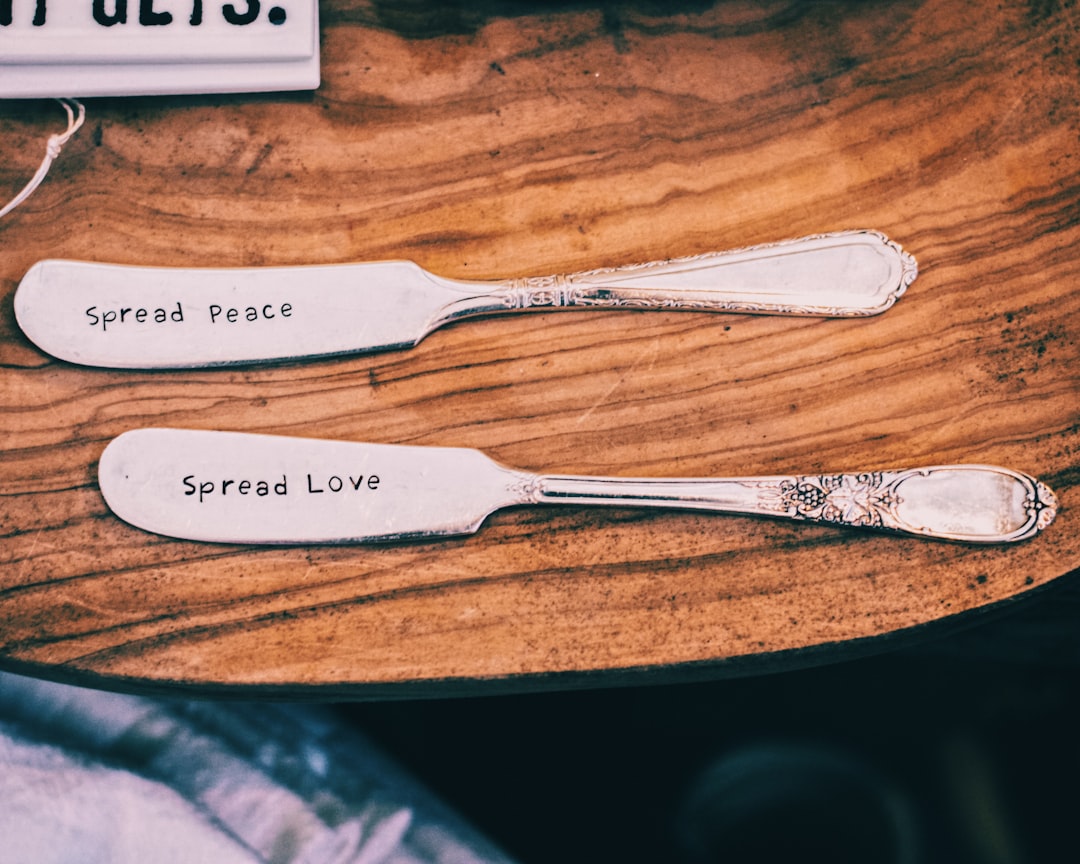
And while we’re on the subject of small upgrades that make a big difference — I finally replaced my ancient butter dish with one that has a lid and a built-in butter curler knife (this is the one I chose). It sounds trivial, but soft butter that spreads cleanly on fresh sourdough toast is one of life’s small joys, and having a dedicated knife that lives with the dish means I’m never hunting through the utensil drawer at breakfast.
Showing Off What You Made

There’s a moment after every successful bake where you pull the loaf from the oven, set it on the counter, and just stare at it. That golden crust. That crackly ear where the score opened up. It’s deeply satisfying in a way that no store-bought bread can replicate. And if you’re going to put that kind of work into something, you might as well display it beautifully.
I keep a simple cake stand on my counter (similar to this one) that does double duty — it holds fresh loaves of bread under a cloth napkin during the week, and it transforms into a dessert display when I have people over. A round sourdough boule perched on a stand looks intentional and inviting. It’s one of those counter-worthy items that actually earns its real estate, unlike the bread machine I finally banished to the garage last summer.
For storing what doesn’t get eaten immediately, I’ve moved entirely to glass containers with airtight lids. The Caraway glass food storage set (the ones I’m currently using) is non-toxic, oven-safe, and looks neat enough that I can pull them straight from the fridge to the table. They keep sliced bread fresh for three to four days without drying out the crust, which is about as long as homemade sourdough ever lasts in my house anyway.
The Routine That Made It Stick
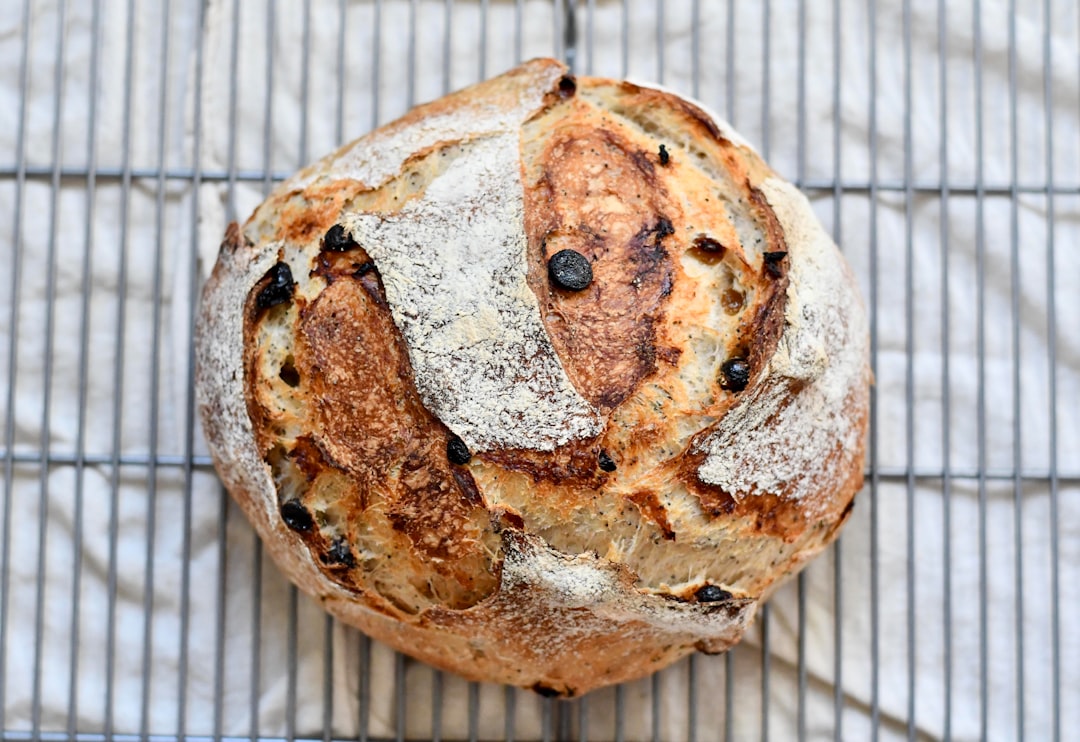
The reason sourdough “stuck” for me — when so many other kitchen hobbies have come and gone — is that I built a routine around it rather than treating it as a special project. Every Saturday morning, I feed Dorothea, mix a loaf, and let it proof while I drink coffee and read. By early afternoon, the dough goes into the oven. By evening, there’s fresh bread for dinner. Sunday morning means sourdough toast with butter and jam — usually alongside the cold brew I’ve been making all summer — and the cycle starts again.
The tools I’ve described here aren’t luxuries — they’re the same kind of small upgrades that make healthy cooking effortless, just applied to baking. They’re the things that removed friction from the process. When your bowls are the right size, your spatula doesn’t bend, your baking mat doesn’t stick, and your proofing basket holds the right shape — baking becomes something you look forward to, not something you endure. That’s the difference between a hobby that lasts three weeks and one that becomes part of your life.
I think about my grandmother a lot when I bake. She never used a silicone mat or a proofing basket with a spiral pattern. She mixed her dough in the same yellow bowl for forty years and baked it in a cast-iron skillet that probably weighed as much as a small child. But she understood something that took me decades to learn: the tools are in service of the bread, not the other way around. You don’t need everything at once. You need the right thing at the right moment, and the patience to let the dough tell you what it needs.
So if you’ve been sourdough-curious — or if you started a starter during the last year and it’s currently living, neglected, in the back of your fridge — this is your sign. Feed it. Warm it up. Get yourself a decent mixing bowl and a proofing basket that fits your dough. The kitchen tools we use every day should make cooking easier, not harder, and Prime Day is one of the few times a year when the good stuff becomes genuinely affordable. Bookmark what catches your eye, set a reminder for June 23rd, and let the deals do their thing while you focus on the flour.
And if your first loaf comes out dense and a little sad? Welcome to the club. Mine did too. Dorothea — both of them — would tell you the same thing: just keep baking.
4 thoughts on “Flour, Water, Salt, and Time: How Sourdough Took Over My Summer Kitchen”