Last August, in the middle of a dinner party for twelve, my cheap vegetable peeler snapped in half. Right through the plastic handle, clean as a whistle, while I was trying to peel a butternut squash for a big tray of roasted soup. I stood there holding two pieces of worthless plastic while squash shrapnel flew across the counter, and my grandmother’s voice echoed in my head: “Buy it nice or buy it twice, sweetheart.” She was talking about cast iron at the time, but the lesson applies to just about everything in a kitchen drawer.
I spent the next three months quietly replacing every flimsy, disappointing, “good enough for now” tool in my kitchen with something better. Not fancy — not the $180 chef’s knife or the $400 Dutch oven — just solid, well-designed tools that cost less than a dinner out. What shocked me was how many of the replacements were under $25. Some were under $15. And every single one made me wonder why I’d tolerated the junk version for so long.
If your kitchen drawer is a graveyard of bent peelers, dull graters, and spatulas with melted edges, this one’s for you. Here are the tools I’d replace first — the ones that quietly carry the weight of daily cooking without ever asking for attention.
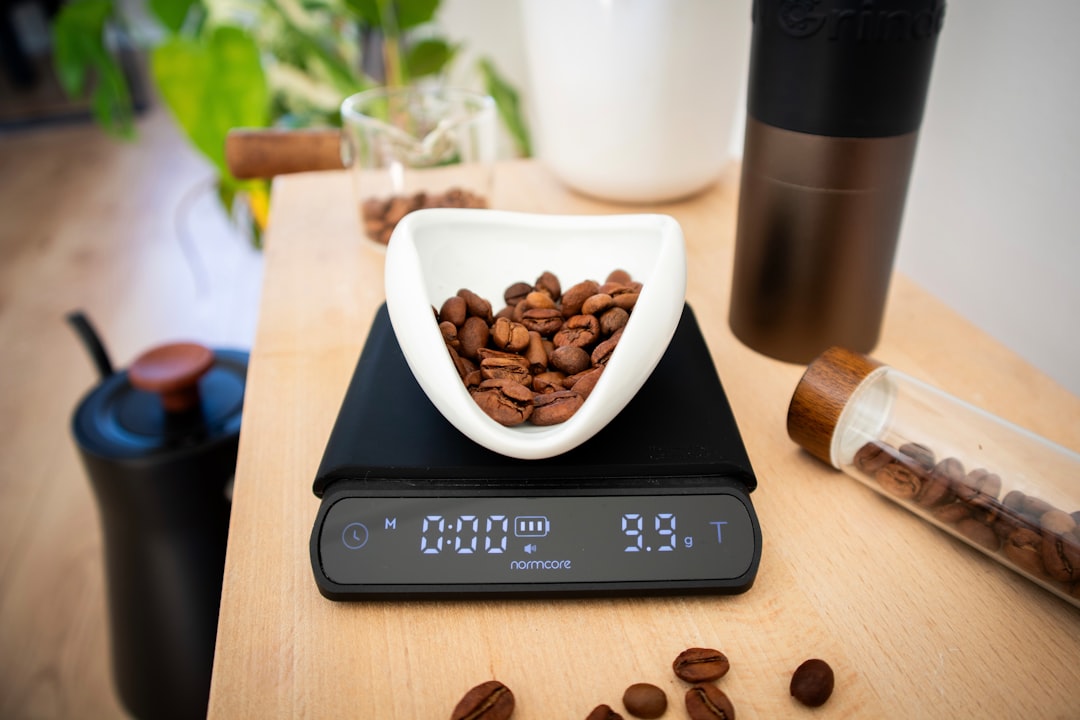
The Digital Kitchen Scale That Ended My Baking Guesswork
I resisted a kitchen scale for years. Decades, actually. My grandmother measured by feel and memory — a handful of this, a coffee cup of that — and I inherited that confidence. But here’s what I learned the hard way: baking doesn’t care about your grandmother’s intuition. Baking is chemistry that tastes like a cookie, and if you’re off by half an ounce of flour, your sourdough comes out dense enough to use as a doorstop.
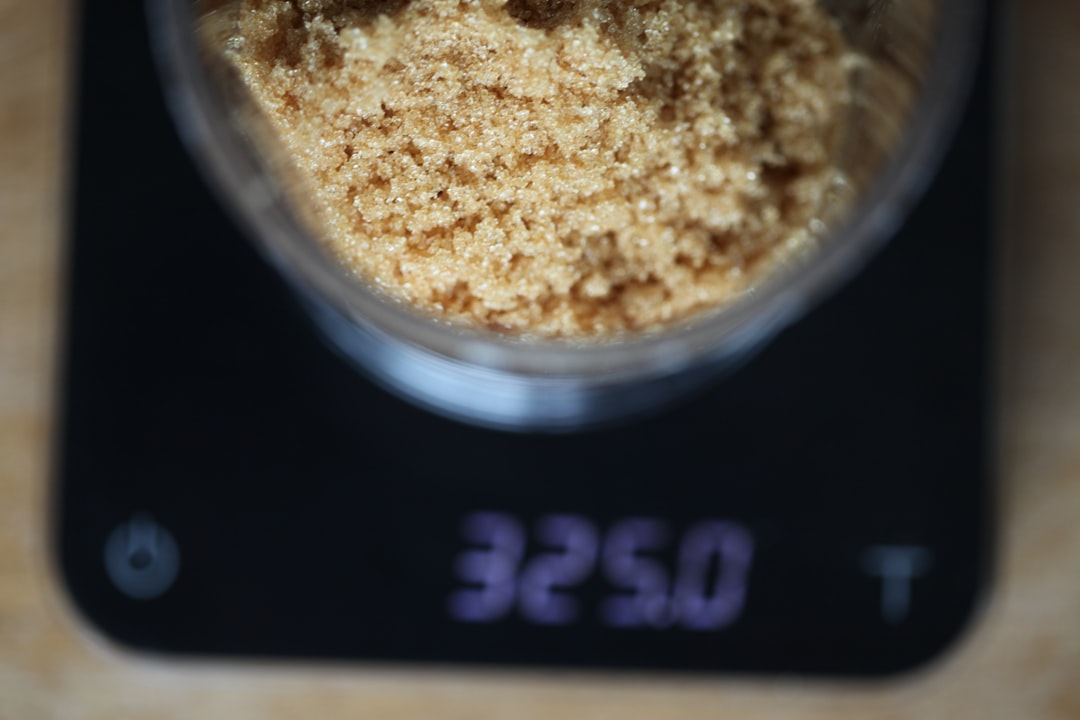
A good digital kitchen scale costs about $12-$18 and reads to the tenth of a gram. I use mine every single day now — for coffee ratios, bread doughs, portioning ground meat for burgers, even dividing leftover pasta sauce into freezer containers. The one I landed on has a tare function that actually works (I’ve had cheap ones where the tare button just… lies), a backlit display I can read in any light, and a surface area large enough to hold a full mixing bowl without wobbling.
If you do any baking at all — even just pancakes on Saturday morning — this is the first thing I’d buy. Not the stand mixer. Not the fancy flour. The scale. Because as I discovered during my summer sourdough obsession, weighing your ingredients by gram instead of volume is the single biggest upgrade you can make to your baking, and it costs less than two lattes.
The Instant-Read Thermometer That Saved My Roasts (And My Pride)
Here’s a confession that will probably cost me my food credibility: I overcooked pork chops for fifteen years. Fifteen. Years. I’d poke at them, guess based on firmness, slice one open to check the color, and every single time, they’d come out dry and leathery. I thought I was just bad at pork. Turns out, I was just bad at guessing internal temperature — which is a skill nobody is born with, no matter how many hours they’ve logged beside their grandmother at the stove.
An instant-read meat thermometer runs about $15-$25 for a perfectly good one, and it will change everything about how you cook proteins. I’m not exaggerating. Chicken breasts come out juicy instead of cardboard-dry. Steak hits medium-rare at exactly 130°F instead of “well, it feels about right.” Even my Thanksgiving turkey improved dramatically — and if you’ve ever hosted a holiday cookout, you know how much anxiety that one dish can carry.
Look for one that reads in 2-3 seconds, is waterproof (you will drop it in the sink eventually), and has a foldable probe so it stores flat in a drawer. Don’t bother with the Bluetooth-enabled ones that sync to your phone. You need a temperature reading, not a notification.
The Microplane: The Only Tool I Own Three Of
My microplane zester is the tool I reach for most and talk about least. It lives in the utensil crock next to the stove, within arm’s reach at all times, because I use it that often. Fresh Parmesan over pasta. Lemon zest into vinaigrette. A whisper of nutmeg in bread dough. Garlic grated so fine it melts into a sauce. Orange zest for shortbread. Hard cheese over salad. Ginger — fresh ginger grated into a paste that’s infinitely better than the jarred stuff.
I own three of them. One by the stove, one in the baking station, and one in my “travel kit” — a canvas bag of essential tools I bring to my sister’s house for holidays because her kitchen, God love her, is a wasteland of single-purpose gadgets from wedding registries past. A good microplane costs about $12 and will last you a decade. The blades stay sharp forever, and the handle is the right length to actually get leverage on a block of hard cheese without scraping your knuckles.
If you’ve only ever used the box grater side labeled “fine” and called it a day, you are missing an entire dimension of flavor. Zested citrus releases oils you cannot get from juice. Fresh-grated Parm is fluffy and delicate, nothing like the sawdust in the green can. The microplane is the tool that turns “fine” cooking into “oh, this is actually restaurant-good” cooking, and it costs the same as a sandwich.
Silicone Spatulas: The Unsung Heroes of “Nothing Wasted”
I have a very specific memory from culinary school: our pastry instructor watching a student scrape brownie batter from a bowl with a rubber spatula, then silently taking the bowl and demonstrating how to get every last molecule of batter out of the corner, off the sides, and off the whisk. “The spatula,” she said, “is where your profit margin lives.” She was talking about a commercial kitchen, but the same principle applies at home. Every bit of batter left in the bowl is money and flavor you’re throwing away.
The silicone spatula sets I recommend run about $15-$20 for a set of three — a large, a medium, and a small spoon spatula. The key things: they need to be one-piece construction (no removable head that traps gunk and eventually pops off mid-stir), heat-safe to at least 500°F so you can use them in a screaming hot pan, and flexible enough to actually conform to the curve of a bowl. The cheap two-piece ones from the grocery store will melt, stain, and separate within months. The good ones will outlive your refrigerator.
I use mine for everything: folding meringue, scrambling eggs, spreading frosting, scraping the last of the tomato sauce from the jar. They go in the dishwasher. They don’t stain. They don’t retain smells. And they save me from the particular heartbreak of watching a quarter cup of chocolate batter disappear into the dishwater.
Stainless Steel Tongs: An Extension of My Hand
If you watched me cook, you’d notice something: I rarely touch food with my bare hands during the actual cooking process. Tongs are always within reach — on the counter, tucked in my apron string, or gripping the handle of a cast iron pan. I use them to flip steaks, toss salad, pull hot pasta from boiling water, arrange vegetables on a sheet pan, and grab toast from the toaster oven without burning my fingertips.
The stainless steel kitchen tongs I swear by cost about $12-$16 and come in a 9-inch and 12-inch pair. The locking mechanism is the critical detail — you squeeze to close and pull to lock, which means they store flat in a drawer instead of springing open and attacking you when you reach for the can opener. The silicone tips are oven-safe, and they won’t scratch your cast iron or enameled Dutch oven.
I didn’t realize how much I needed the 12-inch pair until I started grilling more last summer. The extra reach keeps your knuckles away from a 500°F grate, and the grip strength on a good pair of tongs is remarkable — you can flip a whole chicken, turn a rack of ribs, or rescue a hot pepper that’s rolled toward the edge of the fire. My knife block gets all the attention, but the truth is, tongs do more of the actual day-to-day work.
The Vegetable Peeler Worth Crying Over (In a Good Way)
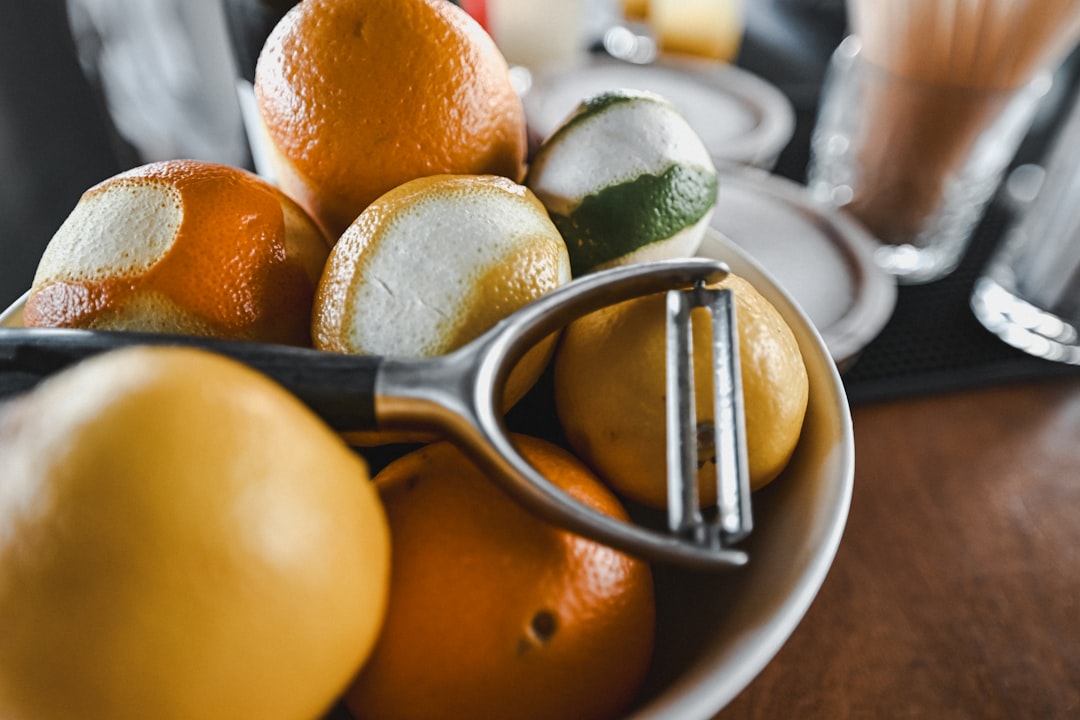
Back to that snapped peeler from my dinner party disaster. The replacement I bought — an OXO Good Grips peeler for about $10 — is so dramatically better than what I had that I genuinely felt angry about all the years I’d wasted. It glides through butternut squash like it’s an apple. The handle is cushioned and ergonomic, which matters more than you’d think when you’re peeling a bag of carrots for a crowd. There’s a potato eye remover on the side that actually works. And after eighteen months of daily use, it’s still sharp.
The peeler is one of those tools that suffers from the “they’re all the same” myth. They are absolutely not all the same. A bad peeler requires force, which means it slips and skips, which means you cut yourself or waste half the vegetable. A good peeler requires almost no pressure — you guide it, and it does the work. If your peeler requires muscle, throw it away tonight and replace it. Your hands, your patience, and your dinner will all improve immediately.
Magnetic Measuring Spoons: The End of the Drawer Dig
I used to have a set of measuring spoons connected by a tiny metal ring. You know the ones. To measure a tablespoon of baking powder, I’d have to unsnap it from the ring, measure, snap it back, then find the teaspoon for the vanilla extract, which somehow always required a second unsnapping because the ring was too tight or too loose. It was a tiny frustration that I dealt with every single time I baked, and it added up to a surprising amount of low-grade kitchen resentment.
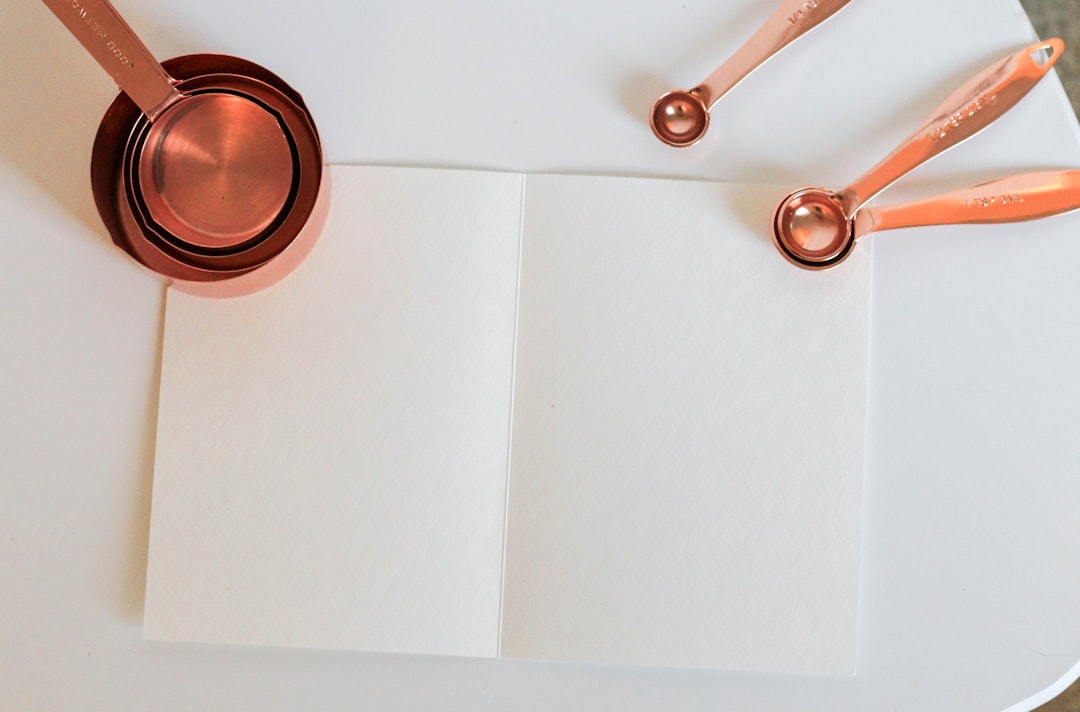
Magnetic measuring spoons solved this completely. They’re a set of stainless steel spoons — usually 1 tablespoon down to 1/8 teaspoon — that nest together magnetically. They separate instantly, snap back together with a satisfying click, and store flat. The magnets are strong enough that they don’t scatter in the drawer but gentle enough that you can grab one without a wrestling match. They’re about $12 and they eliminated a frustration I didn’t even fully realize I had until it was gone.
Bar Mop Towels: The Kitchen Upgrade Nobody Talks About
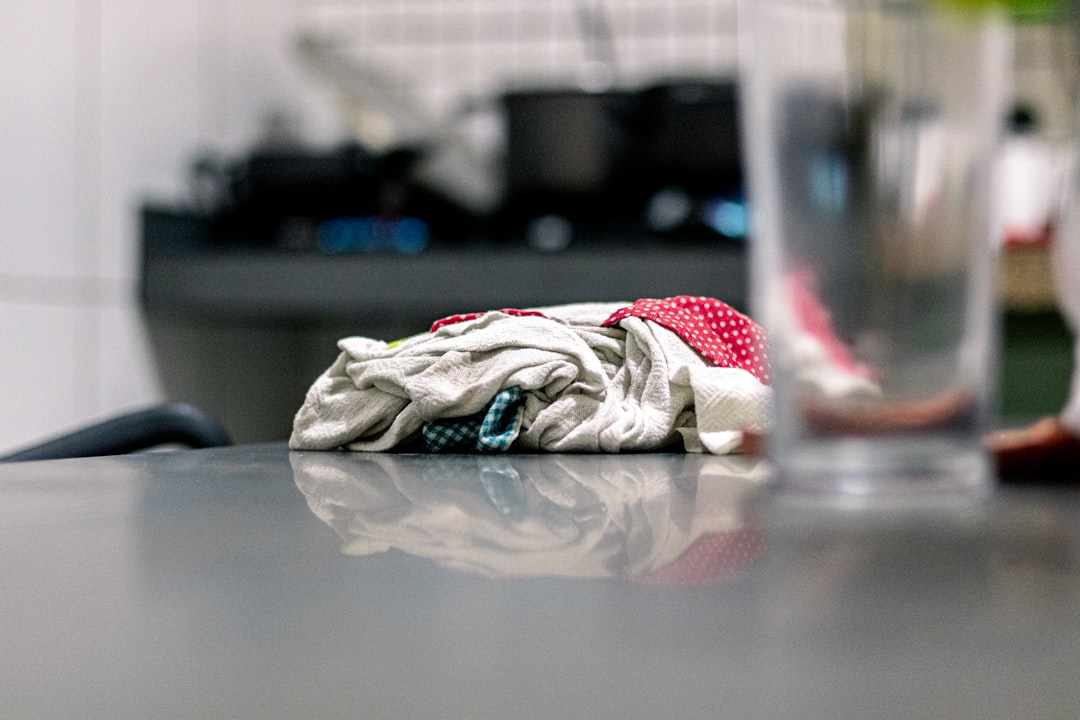
This is going to sound ridiculous, but hear me out: the single most life-changing kitchen purchase I made last year was a pack of cotton bar mop towels. Twenty-four of them, for about $20. I know. I know how it sounds. But let me explain.
I used to use paper towels for everything — wiping counters, drying hands, blotting fried foods, covering dough while it rose. I was going through a roll every two days. The environmental guilt was real, but more practically, paper towels are terrible at most of the jobs we assign them. They disintegrate when wet. They leave lint on glass. They can’t be wrung out and reused. They shred when you try to dry a cast iron pan with them.
Bar mop towels absorb ten times their weight in water, survive hundreds of wash cycles, and get softer with age. I keep a stack in a basket by the sink, a designated “dirty” bin under the counter, and I toss them in with the regular laundry. I still keep paper towels for grease and raw meat cleanup, but my paper towel usage dropped by probably 80%. If your prep zone feels chaotic and wasteful, start here.
Glass Storage Containers: The Fridge Revolution
For most of my adult life, I stored leftovers in plastic containers that warped in the microwave, stained orange from tomato sauce, and smelled faintly of last week’s garlic noodles no matter how many times I washed them. I knew glass was “better,” but the cost always seemed extravagant for something that just… holds food. Then my husband bought me a set of borosilicate glass storage containers with snap-locking lids for my birthday, and I’m not exaggerating when I say it changed how I cook.
Here’s what glass does that plastic can’t: it goes from oven to table to fridge to microwave without ever changing containers. You can see what’s inside at a glance — no more mystery containers growing science experiments in the back of the fridge. It doesn’t stain, smell, or leach. It stacks neatly. And the snap-locking lids mean no more mid-refrigerator explosions when a container tips on its side.
A set of 10 runs about $30-$40. That sounds like a lot compared to a $5 pack of plastic tubs, but glass lasts forever and plastic lasts about six months before it becomes garbage. Do the math over five years and glass is actually cheaper. Plus, your leftovers reheat evenly, look appetizing, and don’t make your kitchen smell like a convenience store microwave.
The Garlic Press I Swore I’d Never Need
I was a garlic-mince-with-a-knife purist for twenty years. I viewed garlic presses as a gimmick for people who couldn’t handle a chef’s knife. Then, during a cooking class in Tuscany (I know, I know — but it was a birthday gift, and it was glorious), the instructor — a woman who’d been cooking professionally for forty years — pulled out a garlic press, smashed three cloves through it in about ten seconds, and scraped the result directly into her soffritto. She looked at our shocked faces and shrugged. “I mince by hand when I want chunks,” she said. “I press when I want flavor.”
A stainless steel garlic press costs about $15 and gives you garlic paste in seconds — the kind that dissolves completely into sauces, dressings, and marinades. No uneven chunks, no sticky fingers, no cutting board to wash. Look for one with a large hopper (so you don’t have to pre-slice the cloves) and a built-in cleaner (the little plastic piece that pushes the garlic skin back out). Mine has survived five years of heavy use, and I use it three times a week minimum.
Bench Scraper: The Tool That Makes You Look Like You Know What You’re Doing
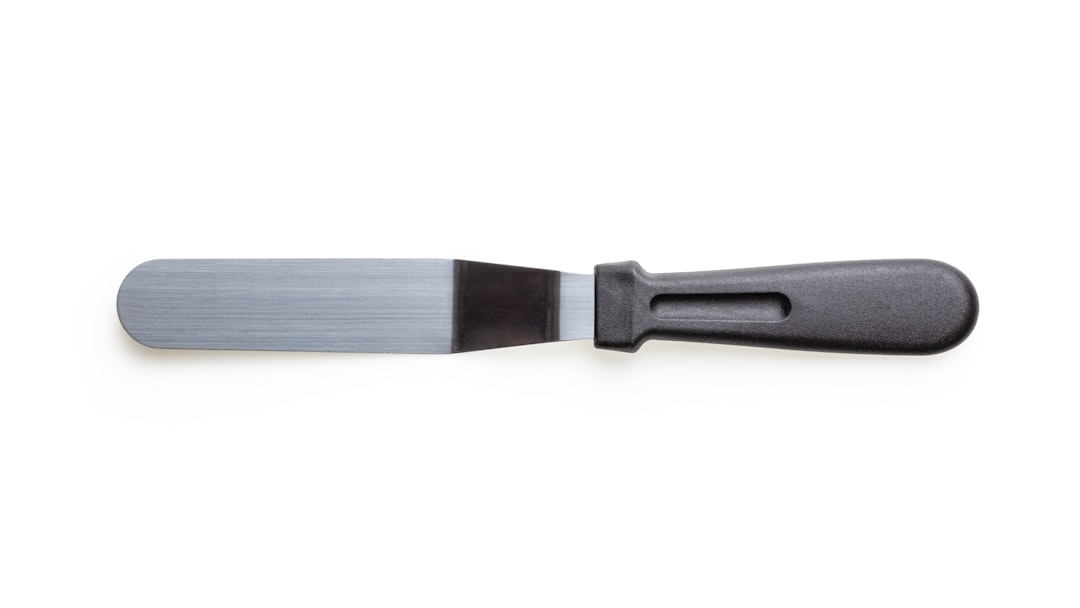
The last tool on my list is one most home cooks don’t own and don’t know they need: a bench scraper. It’s a flat piece of stainless steel with a handle, and it costs about $8. It does nothing electronic, nothing complicated, nothing that requires a manual. And yet, once you have one, you’ll use it every day.
A bench scraper divides dough, cleans flour off your counter in one swipe, transfers a pile of chopped vegetables from cutting board to pan without losing half of them, lifts sticky pastry from a surface without tearing it, and smooths frosting on a layer cake. It’s a dustpan for your cutting board. It’s a wide knife for portioning bread dough. It’s a putty knife for your kitchen. I’ve given at least a dozen of these as gifts, and every single person has come back to me weeks later saying, “I had no idea how much I needed this.”
What I’d Skip (And Why)
Just as important as what to buy is what to skip. Here are three things that keep showing up on “must-have” kitchen lists that I think are a waste of your money:
Avocado slicers. A butter knife works better. So does a spoon. So does your thumb. Single-purpose tools for specific fruits are almost always a waste of drawer space.
Herb scissors. They sound clever — five blades that cut herbs in one snip — but they’re impossible to clean, dull quickly, and the herbs stick between the blades in a clump. A sharp pair of regular kitchen shears does the same job and a hundred others besides. If you need help keeping your herbs fresh, check out a proper cast iron care kit that often includes herb preservation tips and techniques.
Egg separators. Use the shell. Use your (clean) hand. Use a slotted spoon. An egg separator is a unitasker that sits in a drawer and gets used twice a year. Pass.
The Bottom Line
Every tool on this list costs under $50. Most cost under $20. Together, they represent about $180 worth of upgrades that will make a more noticeable difference in your daily cooking than any single luxury appliance. I say this as someone who owns a stand mixer, a Dutch oven that cost more than my first car payment, and a knife I treated myself to on my fortieth birthday: the small tools do the heavy lifting.
The fancy stuff is wonderful — don’t get me wrong. I love my stand mixer with a devotion that borders on embarrassing. But it’s the scale that fixed my baking, the thermometer that saved my roasts, the microplane that elevated my sauces, and the spatulas that keep me from wasting a single drop of anything I make. Those are the tools that quietly carry my kitchen, day in and day out, and they’re the ones I’d replace first if everything disappeared tomorrow.
Start with one. Start with the peeler, or the scale, or the thermometer. You’ll know within a week what I mean. And then, like me, you’ll wonder how you ever cooked without it — and you’ll start looking at the rest of your kitchen drawer with a much more critical eye.
3 thoughts on “The $50 Kitchen Reset: 11 Tools I’d Replace First After Testing Hundreds”