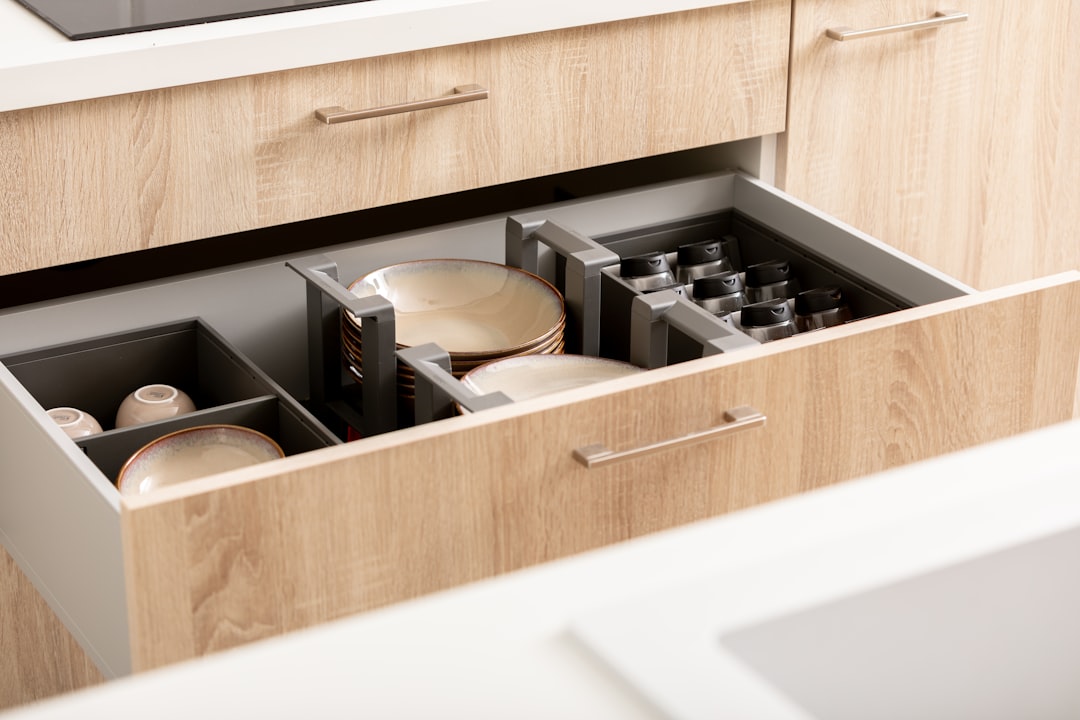
There comes a moment in every cook’s life when you stare into a kitchen cabinet and realize something uncomfortable: you’re paying rent on empty air. I had that moment last Tuesday, standing on a step stool with a flashlight, trying to find the paprika I knew was in there somewhere. Behind the cereal. Under the extra olive oil. Wedged between a tower of mugs and a falling levee of pasta boxes. The cabinet was technically full, but three-quarters of the volume — the space above everything — was just… nothing.
My team and I had been auditing kitchens all summer for a series on storage, and the pattern was the same everywhere. The average cabinet shelf sits sixteen inches apart, which means most items — jars, cans, small appliances — take up six to eight inches and leave the remaining eight completely unused. Multiply that across a kitchen with twelve or fifteen cabinets, and you’re walking past the equivalent of a full extra pantry every single day. The good news? You don’t need a renovation or a contractor to claim it back. You need about forty dollars and a free afternoon.
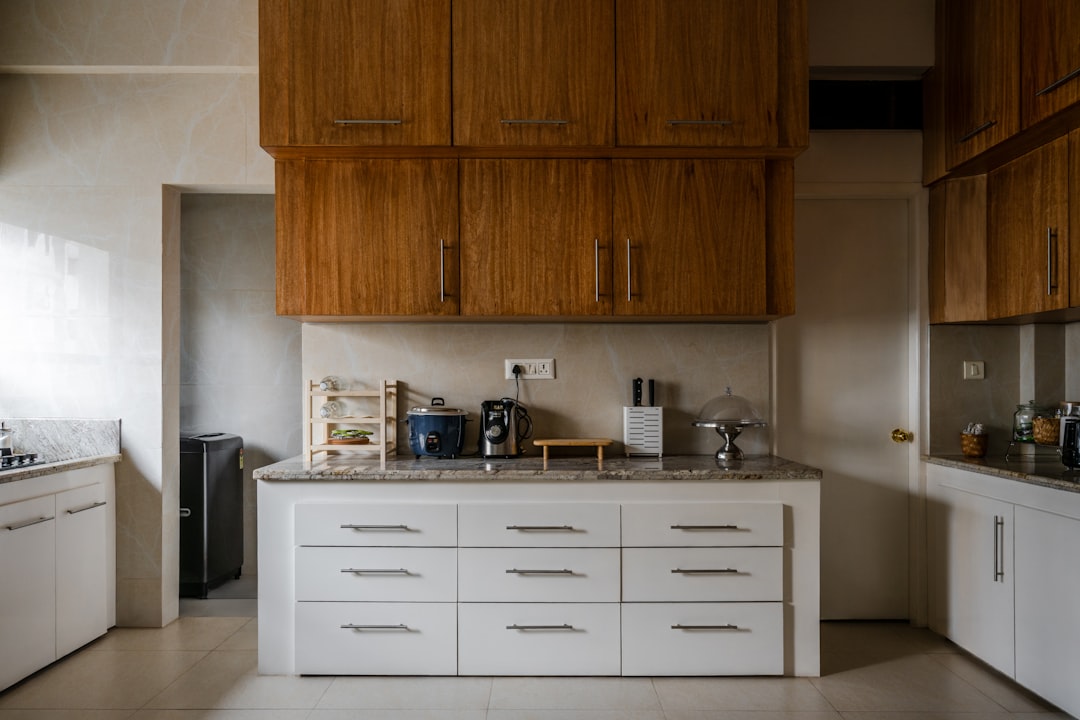
The Diagnosis: Why Your Cabinets Are Lying to You
Standard kitchen cabinets are designed for uniformity, not efficiency. The shelves sit at fixed heights meant to accommodate the tallest item that might go on them — a standing mixer, a cereal box, a stockpot. But day to day, most of what we actually store is short. Spice jars, cans, small containers, coffee supplies. They sit on a shelf with six to ten inches of pure wasted air above them, and because the shelf above is just as high, that gap compounds. I measured my own upper cabinets and found that out of 41 total shelf surfaces, only 9 were using more than 60% of their vertical capacity. That’s 32 shelves essentially running at half efficiency.
The fix isn’t to lower your shelves (though if you have adjustable pegs, that’s worth doing too). The real unlock is adding intermediate layers — baskets, risers, bins, and drawers that slip into that dead air and turn it into usable square footage. I spent a weekend testing every type I could get my hands on, and what follows is what actually earned a permanent spot in my kitchen.
Under-Shelf Baskets: The Fastest Win in the Kitchen
If you only buy one thing on this list, make it under-shelf baskets. These are wire or metal baskets with hooks or arms that slide right over an existing shelf, instantly creating a new storage layer underneath. No tools, no screws, no commitment. You literally place them on the shelf and they hang there, ready to hold whatever was previously rolling around loose.
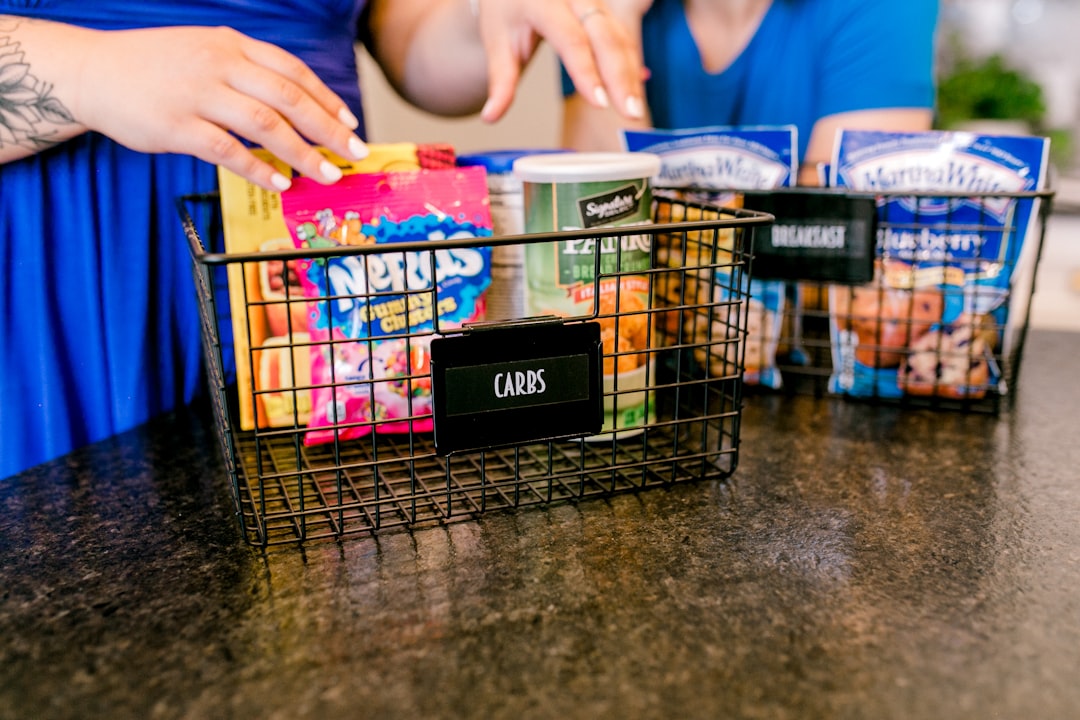
In my coffee cabinet — yes, I have a whole cabinet dedicated to coffee, and if you’ve seen the corner that quietly became a coffee bar, you understand — I added two side-by-side baskets underneath the top shelf. One holds tea bags and honey sticks. The other holds coffee filters and the little grinder that used to live on the counter. Suddenly the entire counter below was clear, and I hadn’t removed a single item from the kitchen. The metal wire under-shelf baskets I used run about twelve inches deep and hold up to ten pounds each, which is more than enough for jars, packets, and lightweight supplies.
If your shelves are a bit deeper or you want something with more surface area, the KOVOSCH 15-inch version gives you a wider platform that’s excellent for plates or heavier pantry goods. I installed one in the cabinet above my stove and it now holds my cast iron lids — the ones that used to teeter precariously on top of the skillet stack. Every time I open that cabinet and they’re just sitting there calmly in their basket, I feel a small, private satisfaction.
Shelf Risers: Doubling Your Horizontal Surfaces
Under-shelf baskets grab the air below a shelf. Risers tackle the air above. A shelf riser is essentially a mini second shelf — a metal or wood platform on legs — that sits on top of your existing shelf and creates a tiered surface. They’re the same principle as the little stair-step spice displays at the grocery store, but they work for everything from plates to pantry goods to pot lids.
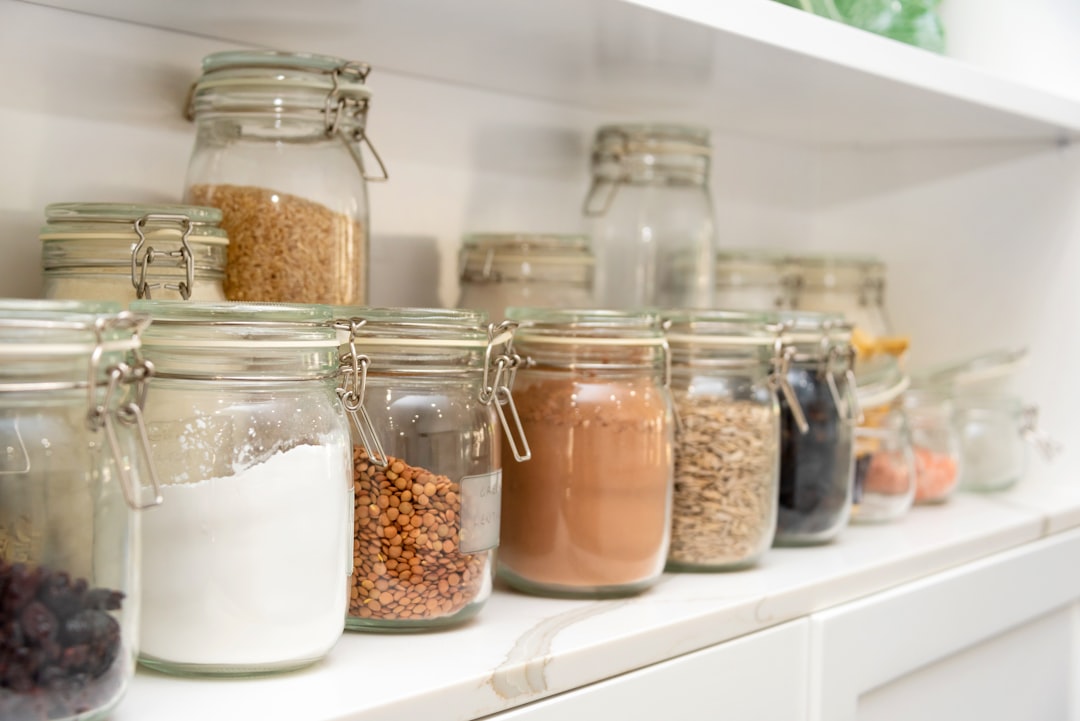
I’m particularly fond of the Simple Trending stackable cabinet shelves, which come as a set of two and can be arranged side by side or stacked vertically depending on your cabinet height. In my dish cabinet, I placed two side by side, which created an upper tier for saucers and small bowls and left the lower level open for dinner plates. It’s the same cabinet, same shelf, same footprint — but it now holds roughly 40% more dishes without any of them being hidden behind others.
For pantries, the X-cosrack expandable cabinet shelves are worth a look because they adjust from about fourteen to twenty-five inches wide. That adjustability matters because pantry shelves are rarely a standard width, and a riser that’s too narrow leaves dead space on the sides while one that’s too wide simply won’t fit. The expandable design means one set can go from a narrow upper cabinet to a wide pantry shelf without modification.
Stackable Bins: Containing the Chaos
Some items don’t cooperate with shelves. Loose packets, snacks, produce that doesn’t belong in the fridge, baking supplies in half-open bags — these are the things that create visual chaos the moment you open the door. Stackable bins solve this by corralling small items into discrete, pull-out containers that stack neatly on top of each other.
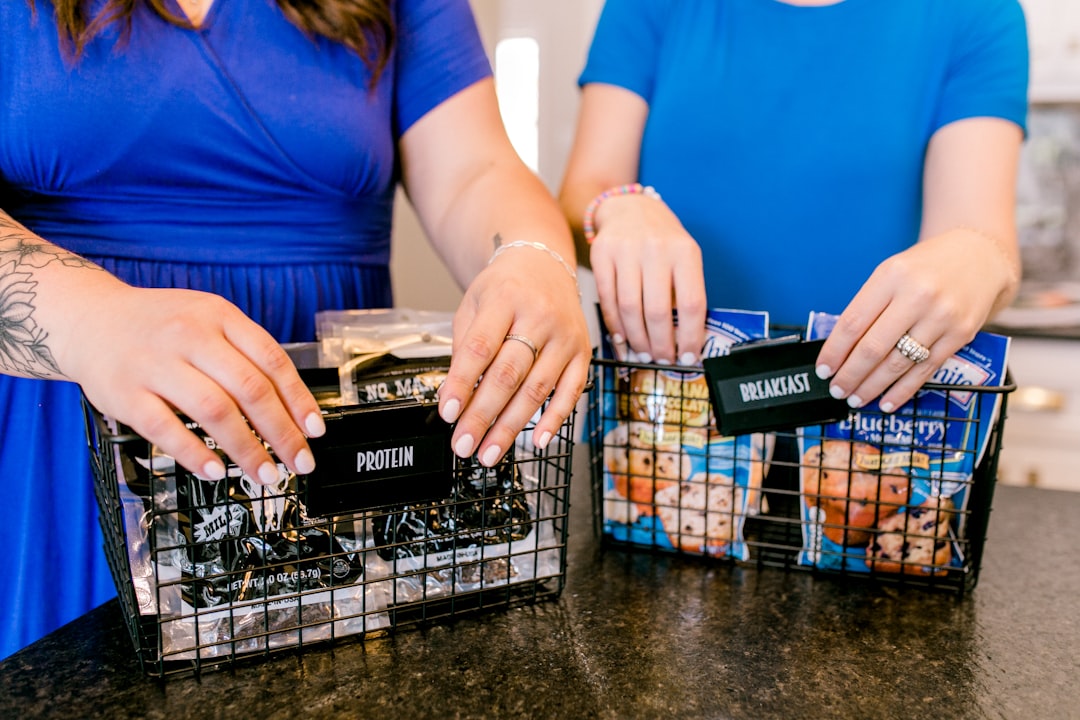
The Vtopmart clear stackable bins have become my go-to for this. They’re transparent, which means I can see what’s inside without pulling them out, and they have built-in handles that make them easy to grab one-handed. I use six of them in my baking cabinet: one for chocolate chips, one for sprinkles and decorating supplies, one for nuts, one for extracts and flavorings, one for alternative flours, and one for the odd collection of piping tips and cookie cutters that used to live in a shoebox. Everything is visible, accessible, and stackable to three high — which turns a chaotic shelf into a tidy little library of baking supplies.
For heavier or bulkier items, wire baskets breathe better and hold more weight. The Jakyitvi extra-large stackable wire baskets are substantial enough for potatoes, onions, and winter squash. I keep two on the floor of my corner pantry cabinet, stacked, with onions on top and potatoes below. Before this setup, those vegetables lived in a bowl on the counter, taking up prime workspace and sprouting faster because they weren’t in a cool, dark place.
Pull-Out Drawers: Bringing the Back of the Cabinet Forward
Every kitchen has a black-hole cabinet. You know the one. It’s deep, it’s dark, and anything that goes in past arm’s length is never seen again. For me, it was the cabinet above the refrigerator — a cavernous space where appliances went to retire. The problem with deep cabinets isn’t the space; it’s the access. You can’t use space you can’t reach.
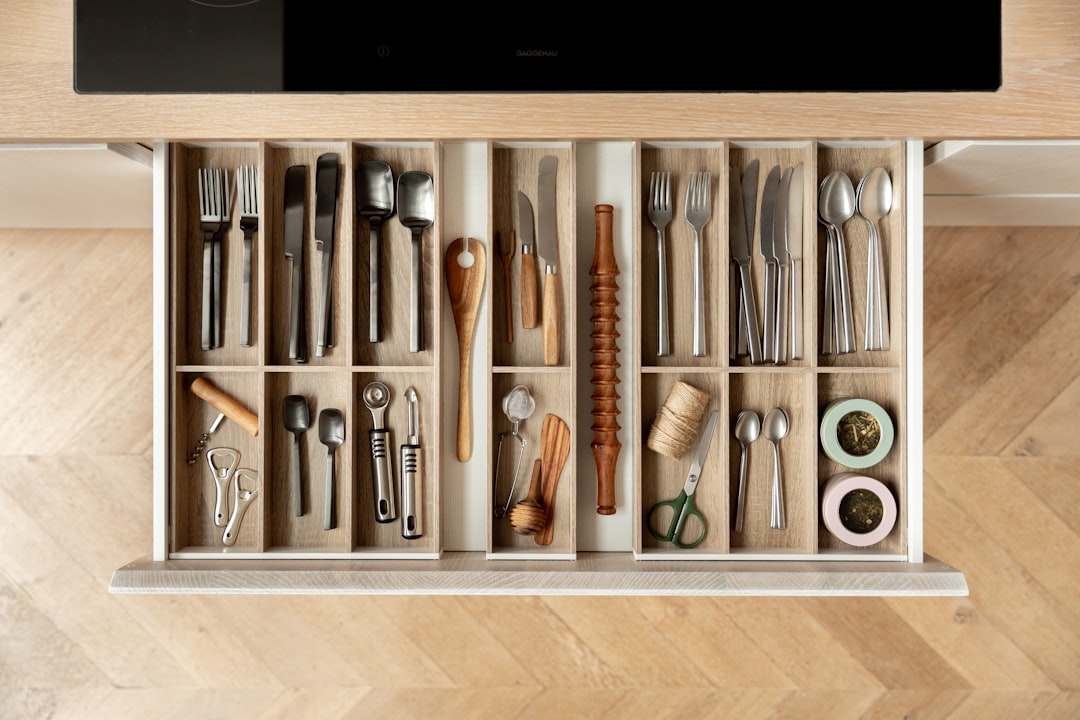
Pull-out cabinet organizers solve this by turning a static shelf into a drawer. You mount a sliding rail, attach a basket or platform, and then the entire contents of that shelf slide forward to meet you. The PAKETA four-pack expandable pull-out organizers are what I installed in my lower cabinets last spring, and they’re the single reason I can now find my food processor without unpacking three other appliances. They expand from twelve to twenty inches wide, which covers the vast majority of standard cabinet sizes, and the rails are sturdy enough to hold a fully loaded stand mixer.
If you’re working with a tighter budget or rental kitchen where you can’t screw anything in permanently, the Kitstorack adhesive-mounted pull-out drawers use nano-film adhesive instead of screws. I was skeptical — adhesive sounds like a recipe for disaster with heavy items — but I tested one with twenty pounds of cast iron and it held firm for three months before I moved it. When I did remove it, there was zero residue. For renters or anyone who doesn’t want to commit to drilling, these are a genuine solution, not a compromise.
Over-the-Door Hooks: The Cabinet Door Is a Wall
This is the tip that surprises people the most, and it surprised me too when I first tried it. The interior door of your cabinet is a vertical surface that is almost always empty. It’s right there, facing you every time you open the cabinet, and it’s doing absolutely nothing. Over-the-door hooks and baskets turn that surface into storage.
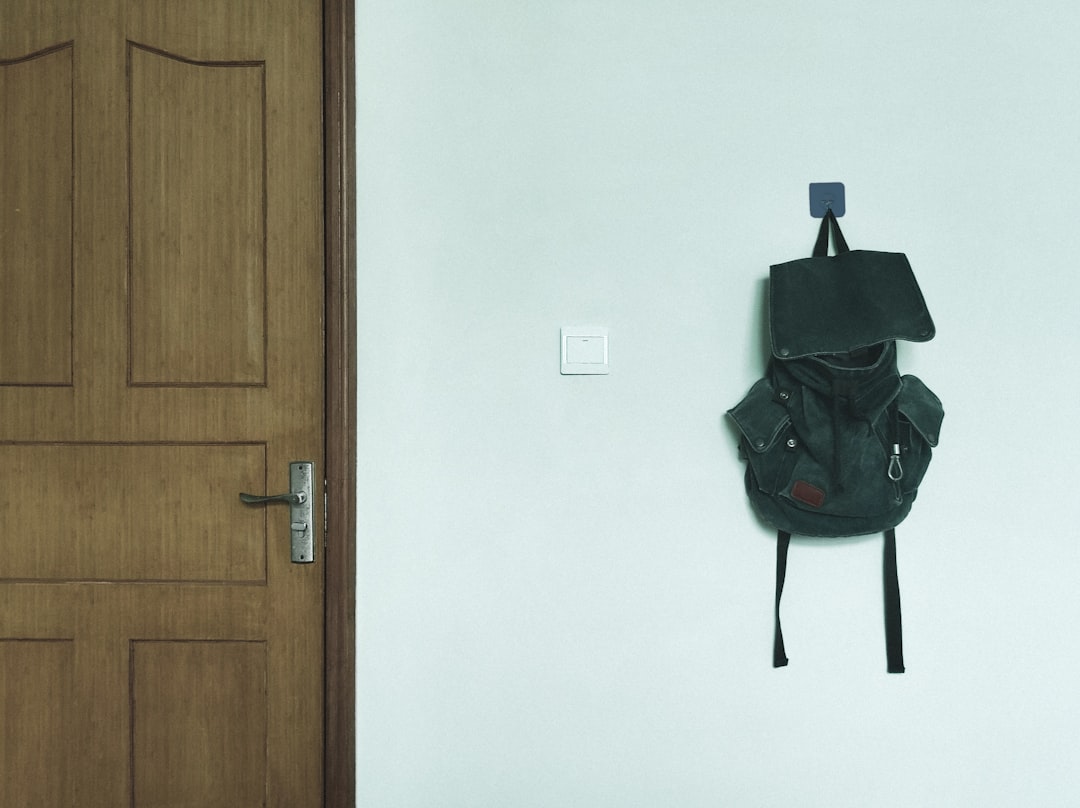
The Spectrum over-the-cabinet wire baskets are the simplest version. They hook over the top of the door (or the side rail inside, if your cabinet has one) and hang flat against the interior surface. I use one inside my cleaning cabinet to hold dish soap, hand soap, and the scrub brushes that used to take up half the shelf below. Inside my baking cabinet, a smaller hook holds my measuring cups and spoons on a ring — they’re always visible and never buried.
For narrower items like cutting boards, foil, and plastic wrap, the TOPZEA grid baskets with hooks create a slim profile that fits flat against the door without interfering with shelf contents. The key is to measure your door clearance — you need about three inches between the inside of the door and the front edge of your shelf items. Most standard cabinets have this, but if yours are unusually shallow, check first.
What Actually Changed in My Kitchen
After a full weekend of installing these systems across my upper and lower cabinets, I sat down with a cup of coffee and looked at the numbers. I had added the equivalent of 23 new shelf surfaces without building a single new shelf. My coffee cabinet went from holding 14 items to 31. My baking cabinet doubled its capacity. The dreaded above-fridge cabinet went from a graveyard of forgotten appliances to an organized, pull-out accessible storage zone for my blender, hand mixer, and spiralizer.
More importantly, the stuff I use every day is now visible and reachable. I’m not moving three things to get to the one I need. I’m not buying a fourth jar of cumin because I can’t find the other three. The kitchen feels calmer, which means I cook more, which means we eat better, which means the whole household runs a little smoother. That’s not a storage metric — it’s a life metric. When I rebuilt my pantry shelves back in July, I thought I’d solved the storage puzzle. But that project addressed the width and depth of my cabinets. What I’ve done now is address the height — and it turns out, that’s where the biggest wins were hiding all along.
If you’re dealing with a particularly chaotic under-sink situation — the one cabinet that fights back no matter what you do — I wrote about conquering that specific nightmare here. The combination of over-door baskets and a two-tier organizer was the only thing that tamed it, and it pairs well with the vertical strategies I’ve described above.
Where I’d Start If I Were Doing It Again
If you’re overwhelmed by options, here’s the order I’d recommend. First, buy under-shelf baskets for the two cabinets you open most often. That’s a twenty-dollar investment that will immediately change how those cabinets feel. Second, add risers to your dish cabinet and pantry — you’ll double the number of items you can see at a glance. Third, tackle one black-hole cabinet with a pull-out drawer system. The first time you slide that drawer forward and find something you forgot you owned, you’ll understand why this matters.
The kitchen industry wants you to believe that storage problems require storage solutions — meaning bigger kitchens, more cabinets, custom built-ins. But after fifteen years of testing and reorganizing, I’m convinced that most kitchens already have enough space. They’re just using it badly. The air inside your cabinets is free. The shelving is already paid for. All you have to do is reach up and claim it.

One thought on “The Empty Air I Was Paying Rent On: Claiming the Vertical Space Your Cabinets Waste”