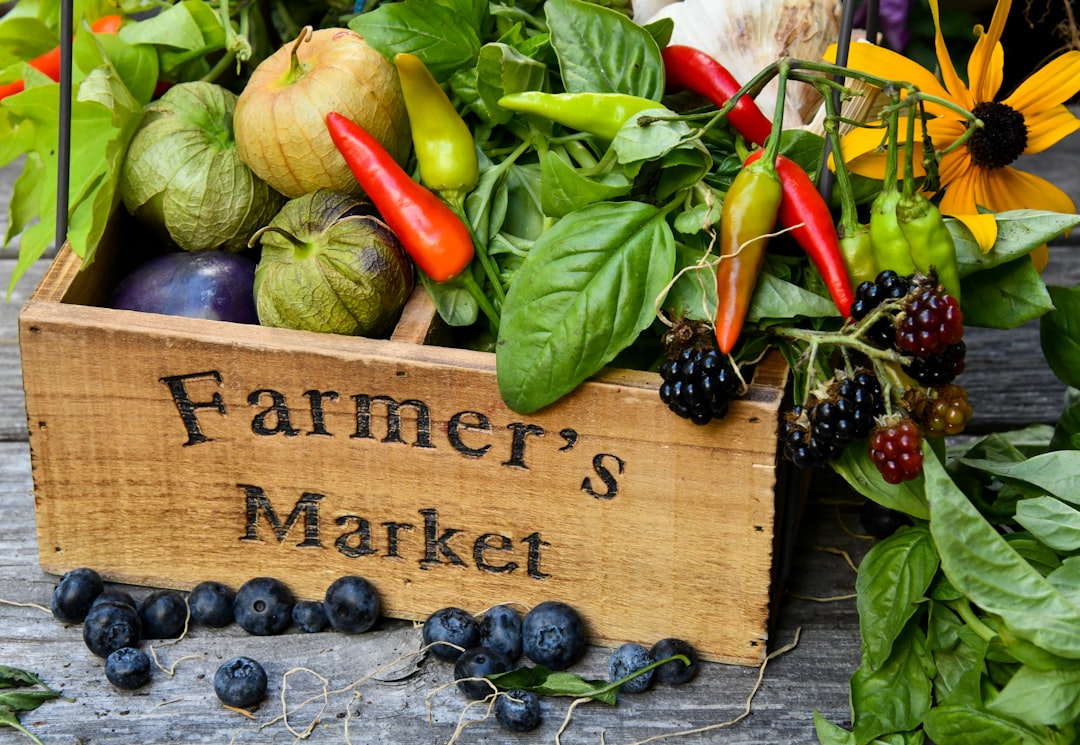
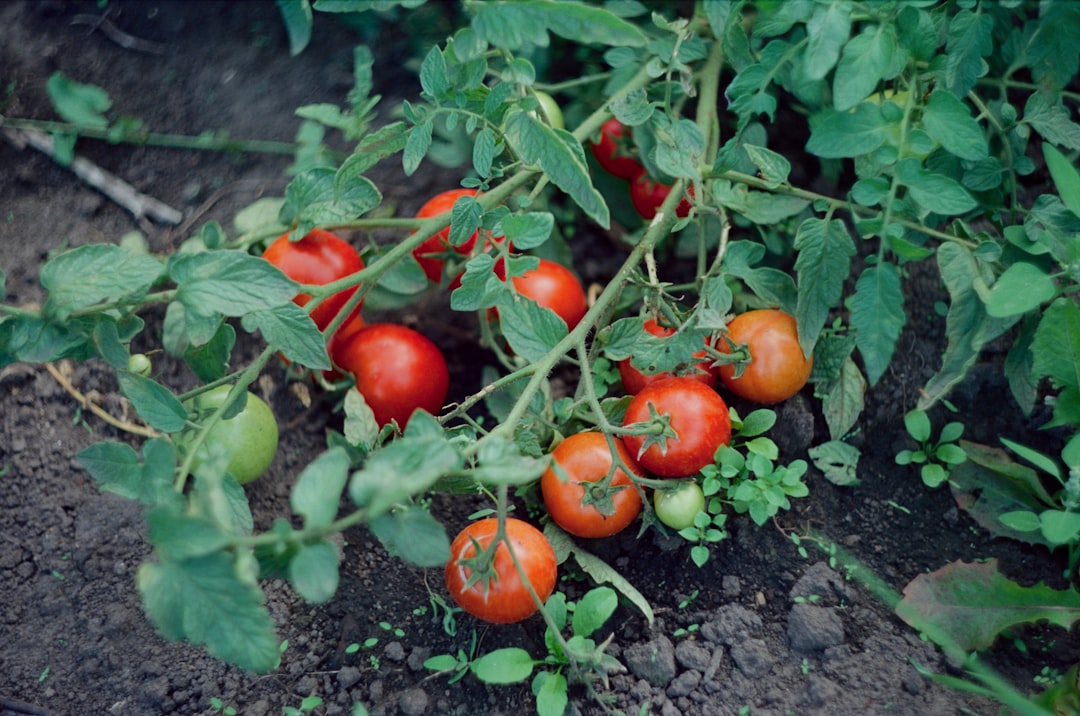
Every July, the same thing happens. My kitchen counter disappears. It happens slowly at first — a few early tomatoes here, a bundle of basil there — and then somewhere around the second week, I walk in from the farmers market carrying what looks like a small produce department in my canvas tote, set it all down, and realize I can no longer see the granite.
I’ve been cooking professionally for over two decades, and I still underestimate July. Every single year. The garden goes into overdrive, the farmers market tables groan under the weight of stone fruit and summer squash, and well-meaning neighbors start leaving paper bags of zucchini on my porch like some kind of vegetable drop-and-dash. It’s abundance, and it’s beautiful, but it’s also a logistical puzzle that would break a disorganized cook.
This year, I finally cracked the code. Not with some elaborate preservation system or a walk-in pantry renovation — I wish — but with a handful of simple, deliberate changes to how my kitchen handles the summer harvest. I call it my July pipeline, and it starts the moment I pick up my farmers market canvas tote and doesn’t end until every last cherry tomato has found its purpose.
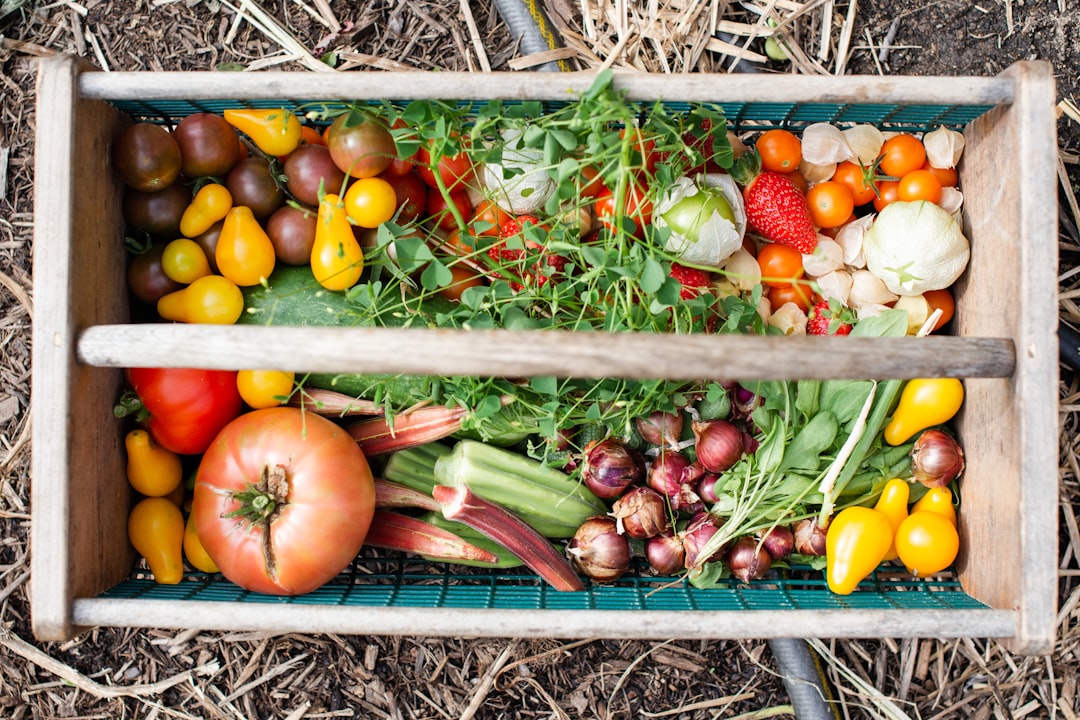
The Market-to-Counter Pipeline
Here’s where most people (including past-me) go wrong: they bring the produce home and immediately shove it into the fridge, bags and all, wherever it fits. A week later, they’re throwing out slimy greens and wilted herbs because everything was crammed together without air circulation, and half the haul never got washed, prepped, or used in time.
The fix is embarrassingly simple. When I get home from the market, I don’t put anything away until I’ve gone through what I call the processing line. Everything gets unpacked onto the counter, sorted by type, and then dealt with in a specific order: wash, dry, store, and use. It takes about thirty minutes, and it saves me roughly five hours of frustration over the following week.
The tool that anchors this entire operation is a good salad spinner. I know, I know — it sounds basic. But mine runs constantly from June through September. Greens come in sandy, gritty, and slightly wilted from the heat. Ten minutes in cold water, a vigorous spin, and they’re crisp and ready for whatever the week demands. I’ve gone through three spinners in fifteen years, and the ones that last are the ones with a pump mechanism and a brake button. The pull-cord models snap, and the hand-crank versions feel like you’re starting a lawnmower.
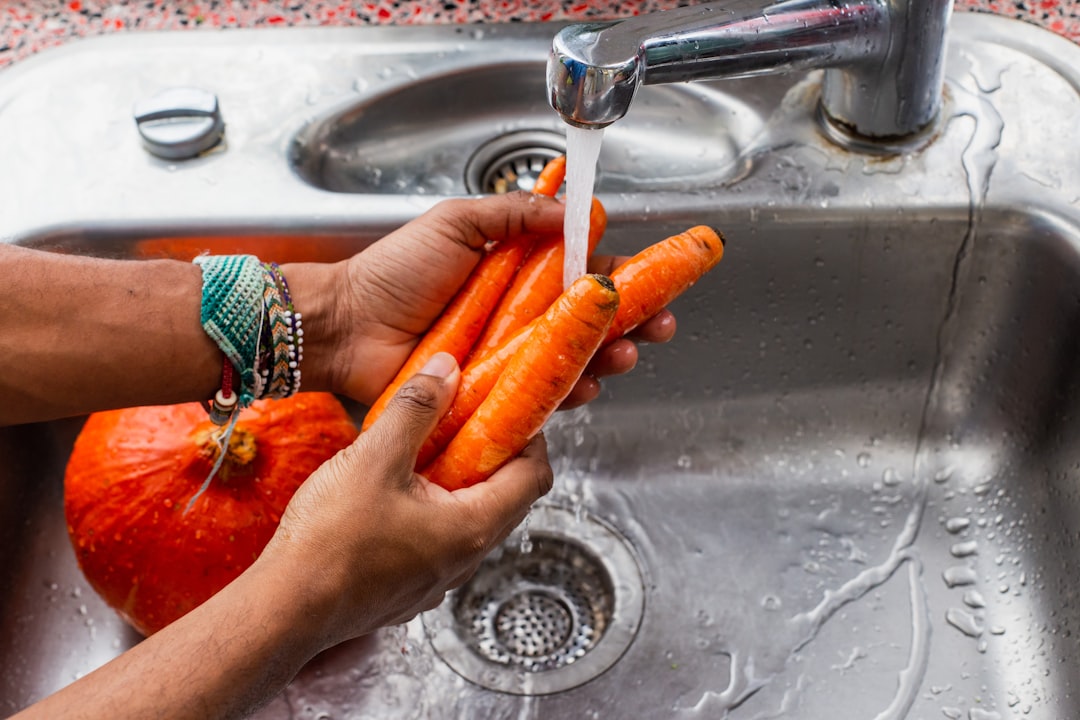
For root vegetables and anything with tough skins — carrots, beets, new potatoes, cucumbers — I keep an OXO vegetable brush next to the sink. It costs about seven dollars and has outlasted every fancy produce wash gadget I’ve ever tried. A firm bristle brush and cold running water will clean a farm-dirty carrot faster than any spray bottle, and there’s something deeply satisfying about scrubbing the morning’s dirt off vegetables you’re about to eat for lunch.
The Herb Problem (And the $14 Fix)
If there’s one thing I’ve tested more than knives in this kitchen, it’s herb storage methods. I’ve tried the damp paper towel trick, the mason jar with water, the plastic bag with a breath of air, the specialized herb drawers — you name it, I’ve watched cilantro die in it. Last summer alone, I threw away what probably amounted to forty dollars’ worth of bolted parsley and slime-coated basil because I couldn’t keep up.
What finally worked was dedicating a small section of my fridge door to a proper herb keeper designed for refrigeration. These tall, clear containers hold a small amount of water at the base and keep the leaves enclosed but not crushed. My cilantro lasts a full two weeks now. My parsley goes three. Thyme and rosemary, the hardy soldiers of the herb world, basically live in there indefinitely. I can see them through the clear walls, which means I actually remember to use them — out of sight, out of mind is the enemy of fresh herbs.
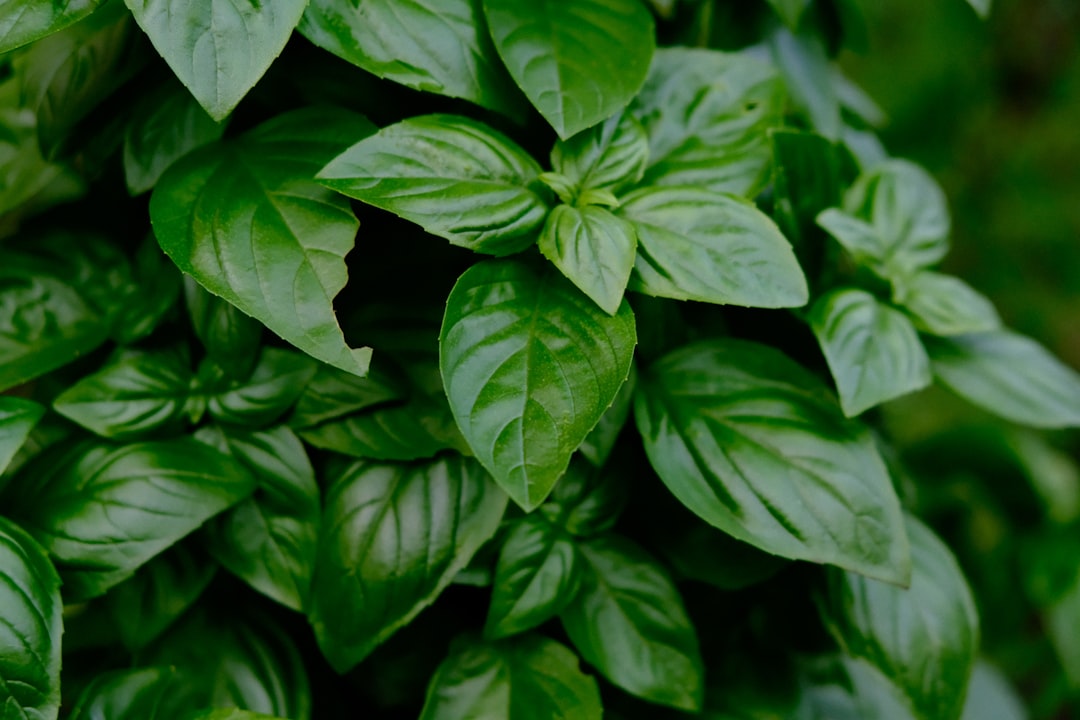
The key insight was this: herbs aren’t all the same. Basil wants room temperature and water like a bouquet. Cilantro and parsley want cold and hydrated. Woody herbs like thyme want dry and cool. Once I stopped treating them identically, my waste dropped to almost nothing.
Storage Containers That Actually Work
Let’s talk about the containers themselves, because this is where the produce pipeline either succeeds or falls apart. Standard Tupperware is fine for leftovers, but it’s not designed for living, breathing produce. Berries mold in sealed plastic. Greens suffocate in airtight containers. Stone fruit needs to breathe at room temperature, while snap peas want to be cold and slightly humid.
I invested in a set of produce storage containers with built-in colanders last spring, and they paid for themselves within a month. The design is brilliant: an inner basket lifts the produce off the bottom, so any condensation or moisture drains away instead of pooling against the fruit. The lid has adjustable vents — open for greens and berries, closed for cut vegetables. My strawberries now last a full week without developing that fuzzy coat of mold that used to appear by Wednesday.
For things that don’t fit in containers — half a cabbage, a bunch of radishes with the tops on, an enormous bouquet of Swiss chard — I’ve switched entirely to reusable silicone storage bags. They seal tightly, they don’t leach, they go from fridge to freezer without cracking, and they rinse clean in seconds. I was skeptical of silicone bags for years, thinking they were a gimmick, but after retiring my last box of zip-top plastic bags in January, I haven’t looked back. The stand-up designs are especially handy because they sit upright in the fridge, maximizing shelf space.
The Morning Shift: Cold Brew and Kitchen Calm
Before the produce processing begins, before the stove goes on, before the day gets hot enough to make standing in the kitchen feel like a punishment, there’s the morning. And in July, mornings belong to cold brew.
I wrote about my cold brew conversion earlier this summer, and since then, my setup has only gotten more deliberate. I now keep a dedicated station on the side of my counter with the brewer, the grinder, and the glasses all within arm’s reach. The Takeya cold brew maker holds court front and center — it’s the one I reach for most because it’s shatterproof, it fits in the fridge door, and the fine-mesh filter means I never get sludge at the bottom of my glass. For larger batches when company’s coming, I pull out the mason jar cold brew pitcher, which makes a full sixty-four ounces and looks charming enough to set out on the table.
What changed my cold brew quality more than anything was grinding my own beans. Pre-ground coffee works fine in a pinch, but cold brew extracts differently than hot brewing — it’s a slow, patient steep that pulls sweet, mellow notes from coarse grounds. A burr grinder set to a coarse grind gives you uniform particle size, which means even extraction, which means a smoother, less bitter concentrate. I’ve done side-by-side tastings, and the difference is not subtle.
I pour my morning cold brew over stainless steel ice cubes in one of my favorite ribbed glass tumblers, and the coffee stays cold from first sip to last without getting watered down. The steel cubes are one of those small purchases that feel almost silly until you use them every single day for a month and realize you’ve stopped making your coffee twice as strong to compensate for melting ice. For when friends are over and I want things to feel a little more curated, I’ll set out the glasses with bamboo lids and straws — they make even a Tuesday morning iced coffee feel like something from a café.

The Midday Salad Strategy
Once the morning is handled and the produce is processed, the rest of July’s cooking falls into a rhythm I think of as assembly rather than cooking. When tomatoes are at their peak and the basil is overflowing its keeper, the best thing you can do is get out of their way.
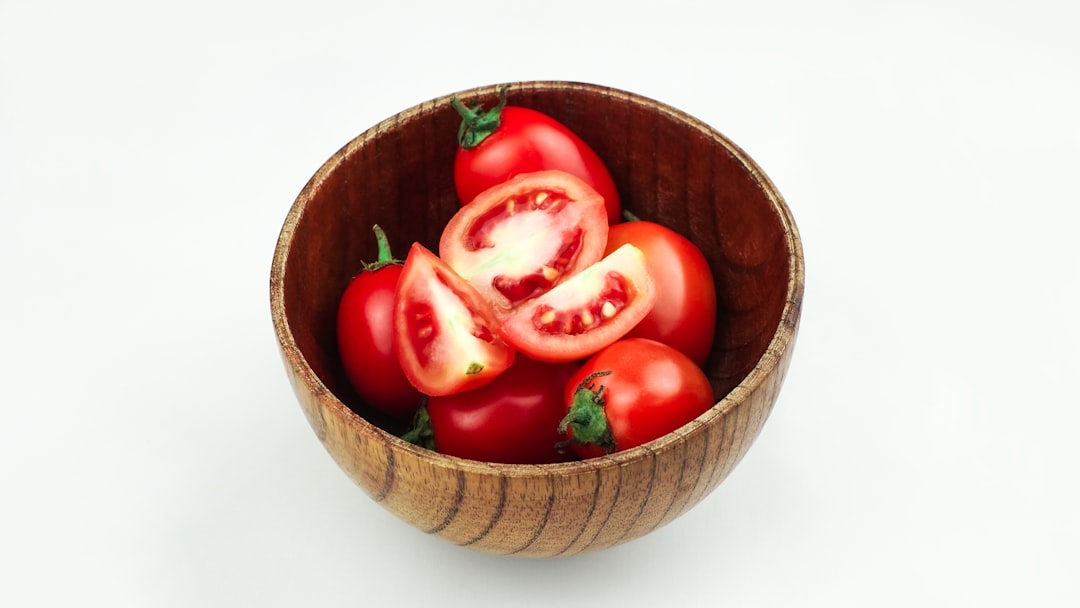
I keep a big bowl on the counter at all times during summer. Not a serving bowl — a working bowl. The kind you can toss six chopped tomatoes, a handful of torn basil, a diced shallot, a glug of olive oil, and a pinch of flaky salt into at noon and eat standing at the counter by 12:15. This is where having your greens already washed and spun, your herbs already prepped, and your produce already accessible makes the difference between eating well and ordering takeout for the third time this week.
The thing about July produce is that it doesn’t need you to do much. A perfect peach just needs to be sliced. Sweet corn just needs to be cut off the cob and tossed with butter and lime. A good tomato just needs salt. When the ingredients are this good, the job of the cook shifts from transformation to presentation — and the job of the kitchen shifts from a cooking space to a processing space. Everything I’ve built into my July pipeline is in service of that idea, and it pairs beautifully with the cold-kitchen approach I adopted earlier this season.
What I’d Build First If I Were Starting From Zero
If you’re reading this and your kitchen is currently buried under a pile of farmers market haul or garden overflow, don’t try to fix everything at once. Start here:
- Wash and dry immediately. A salad spinner and a vegetable brush will handle ninety percent of what comes through your door. Gritty greens that sit in a bag for three days are greens that end up in the compost.
- Separate your herbs. A dedicated herb keeper in the fridge will triple the life of your cilantro and parsley. It’s the highest ROI purchase in the summer kitchen.
- Use containers that breathe. Produce is still alive after harvest. It needs air circulation, not a sealed tomb. Containers with colander inserts and adjustable vents are worth every penny.
- Build a cold brew station. Not because cold brew is trendy, but because hot coffee in a hot kitchen in July is its own form of suffering, and cold brew concentrate keeps you caffeinated without ever turning on a burner.
- Keep a working bowl on the counter. When produce is visible and accessible, you use it. When it’s hidden in a crisper drawer, it becomes a science experiment.

The Seasonal Shift
What I’ve come to love most about this system is that it scales. In May, when the first asparagus and strawberries arrive, the pipeline is gentle — a quick wash, a simple meal, done. By July, it’s running at full capacity, processing more produce in a weekend than some restaurants go through in a week. And by September, when the last of the peppers and winter squash come in, the same tools and habits I built in July carry me straight into canning season without missing a beat.
The kitchen that handles July abundance well is the same kitchen that handles summer hosting well, the same kitchen that makes a random Tuesday night dinner feel like an event. It’s not about having the fanciest equipment or the biggest space — my kitchen is a modest galley in a 1940s house, and I do all of this within about thirty square feet of counter. It’s about having the right tools in the right places and building habits that turn seasonal chaos into a rhythm you actually enjoy.
So this July, when the counter disappears under tomatoes and zucchini and more basil than any reasonable person should buy, I don’t panic anymore. I put on a pot of cold brew, pull out the salad spinner, and start the pipeline. Because the harvest isn’t the problem. It’s the best problem a home cook can have. And with the right system, it’s also the most fun you’ll ever have in your kitchen.


3 thoughts on “When the Counter Disappears: Building a Kitchen System That Can Keep Up With July’s Harvest”