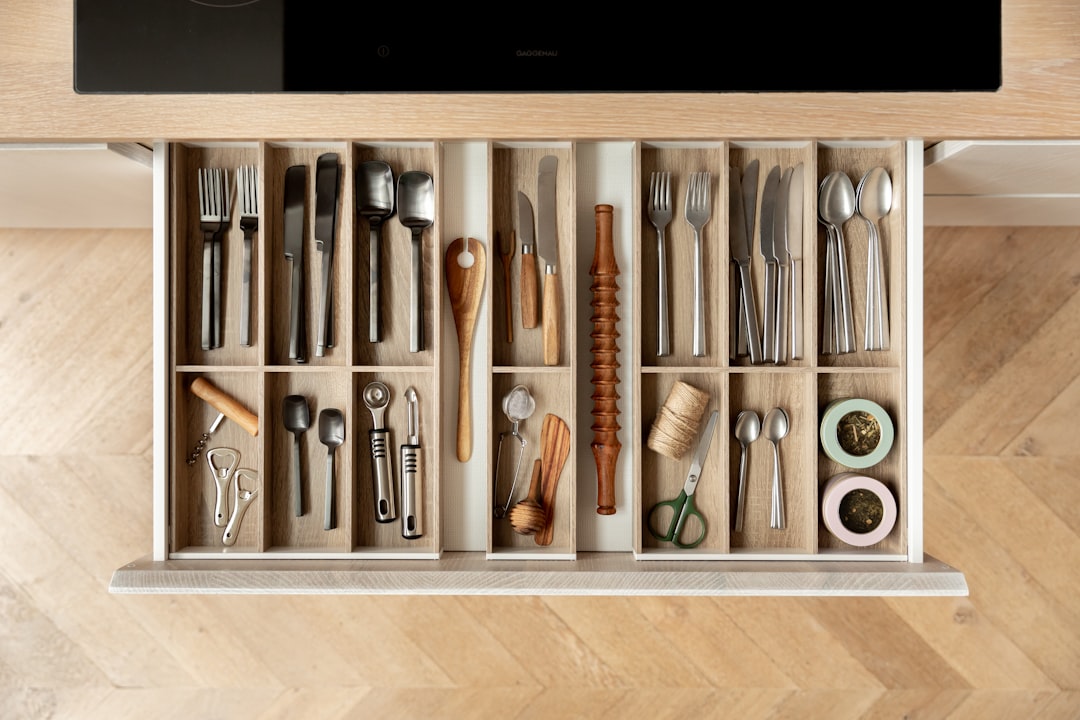
I spent fifteen years watching professional chefs work before it dawned on me that the secret wasn’t always in the $400 knife or the imported copper pot. Sure, those things matter. But the tools those chefs grabbed three, four, five times a shift? The ones with worn handles and dented blades that lived within arm’s reach at every station? Those were almost always small, unassuming, and shockingly affordable. My grandmother would have called them “the helpers,” and she would have been exactly right.
I’m talking about the hand tools that cost between twelve and forty-five dollars — the ones that rarely make it onto wedding registries but end up being the reason dinner gets on the table faster, prettier, and with a lot less cursing. After testing hundreds of them in my own kitchen (and watching which ones actually survive the dishwasher, the junk drawer, and the test of real daily cooking), I’ve narrowed it down to the ones that genuinely earn their spot. If you’ve been looking for small kitchen tools that actually make a difference, this list is where I’d start.
The Microplane: The Tool I Borrowed From My Mother’s Garage
My mother kept a woodworking rasp in the garage that she used exclusively for grating Parmesan. I’m not making this up — she’d seen a chef do it on television sometime in the early nineties and decided that was how cheese was meant to be served in her house. She wasn’t wrong. But when I finally bought an actual microplane zester for about fourteen dollars, I realized the woman had been living her best culinary life and I was the one catching up.
A microplane does things that a box grater simply cannot. It shaves Parmesan into ethereal clouds that melt on contact. It zests citrus without touching the bitter pith underneath. It grates fresh nutmeg, ginger, and even garlic into paste-like perfection. I use mine every single day — over pasta, into salad dressings, across roasted vegetables. It’s the single most transformative fifteen dollars in my kitchen, and I say that having once spent two hundred on a copper saucier that I’ve used maybe six times.

If you take away nothing else from this article, grab a microplane. The classic long-handled version with the medium-fine blade is the one you want — it handles everything from hard cheese to chocolate to coconut. I wrote about how this little tool fits into the bigger picture of replacing an entire gadget drawer with multitaskers, and the microplane is still the MVP of that strategy.
Bench Scrapers: The Unofficial Kitchen Assistant
My aunt Ruby ran a bakery out of her home in the seventies, and she had one tool she guarded more fiercely than her stand mixer: a flat piece of stainless steel with no handle, no curve, and no pretension. A bench scraper. I thought it looked ridiculous — like a piece of a ruler someone had given up on. Then I watched her use it to portion dough, scrape her counters clean in one sweep, transfer a mountain of chopped vegetables from board to pan, and level off a cup of flour with surgical precision. All with one $8 piece of metal.
I own three bench scrapers now. One lives by the cutting board, one stays with my baking supplies, and one is honestly just in case I lose the other two because the thought of cooking without one makes me anxious. A good stainless steel bench scraper replaces your spatula, your pastry blender, your dough divider, and half your paper towel usage. It’s the kind of tool that makes you wonder how you ever functioned before.
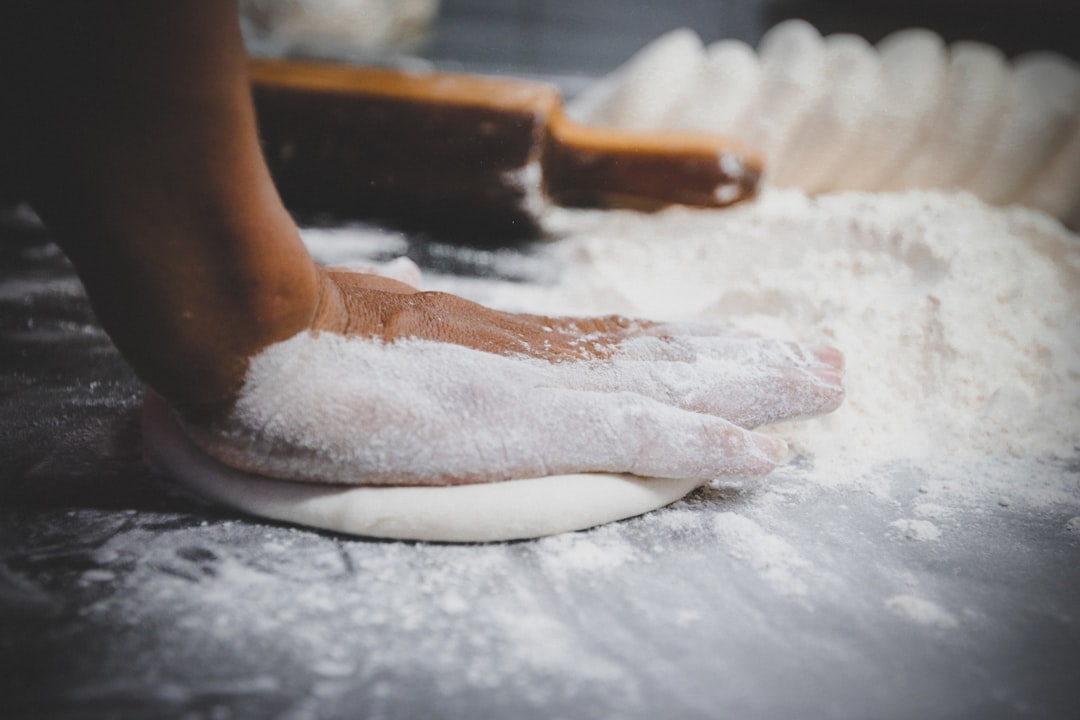
The trick is getting one with a comfortable grip and a slightly flexible blade — too rigid and it won’t conform to your counter; too floppy and it won’t scrape cleanly. Six to eight inches wide is the sweet spot. I’ve seen professional kitchens where every single cook has their own, marked with tape so nobody “accidentally” walks off with it.
Kitchen Shears: The Tool That Replaced Three Others
I need to confess something: for the first decade of my cooking life, I used regular household scissors in the kitchen. I know. I’m embarrassed for both of us. The day I bought a proper pair of kitchen shears was the day I understood why they exist as a separate category. Kitchen shears have thicker blades, stronger pivots, and often come apart for cleaning — which matters more than you think when you’ve just used them to spatchcock a chicken.
Speaking of spatchcocking: if you’ve never removed the backbone from a whole chicken and flattened it for roasting, you are missing out on the juiciest, most evenly cooked bird of your life. And you absolutely cannot do it with regular scissors. Kitchen shears also snip herbs directly over a plate, cut pizza without dragging cheese, open food packaging, trim fat from meat, and slice through lobster shells. They are, pound for pound, the most versatile tool on this list.
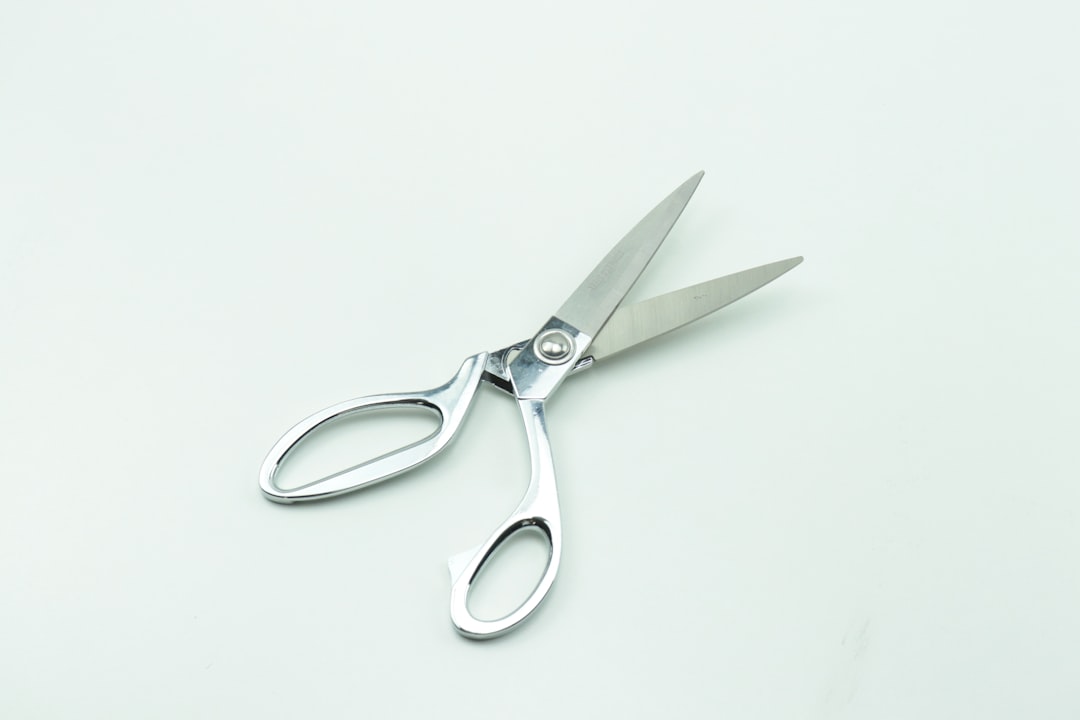
I keep mine in the knife block where they’re always reachable — not buried in a drawer where I’d have to hunt for them. That’s the real test of whether a tool is earning its place in your kitchen. If you have to dig for it, you won’t use it. My shears see action every day, usually multiple times, and a good pair runs about twenty dollars.
The Offset Spatula: Dessert’s Best Kept Secret
My grandmother iced exactly three types of cake in her lifetime, and every single one looked like it came from a bakery. Her secret wasn’t practice (though she had plenty). It was an offset spatula — that thin, slightly bent metal blade that frosting enthusiasts and professional bakers treat like an extension of their hand. I inherited hers, and the handle is still shaped to her grip after forty years of Sunday cakes.
An offset icing spatula does something magical: it creates distance between your hand and the surface you’re smoothing, which means your body heat isn’t melting the frosting and your knuckles aren’t dragging through your work. Beyond cake decorating, I use mine to loosen brownies from pan edges, spread filling evenly between layers, smooth the top of a cheesecake, and even carefully flip delicate items in the pan when my fish spatula is in the dishwasher.
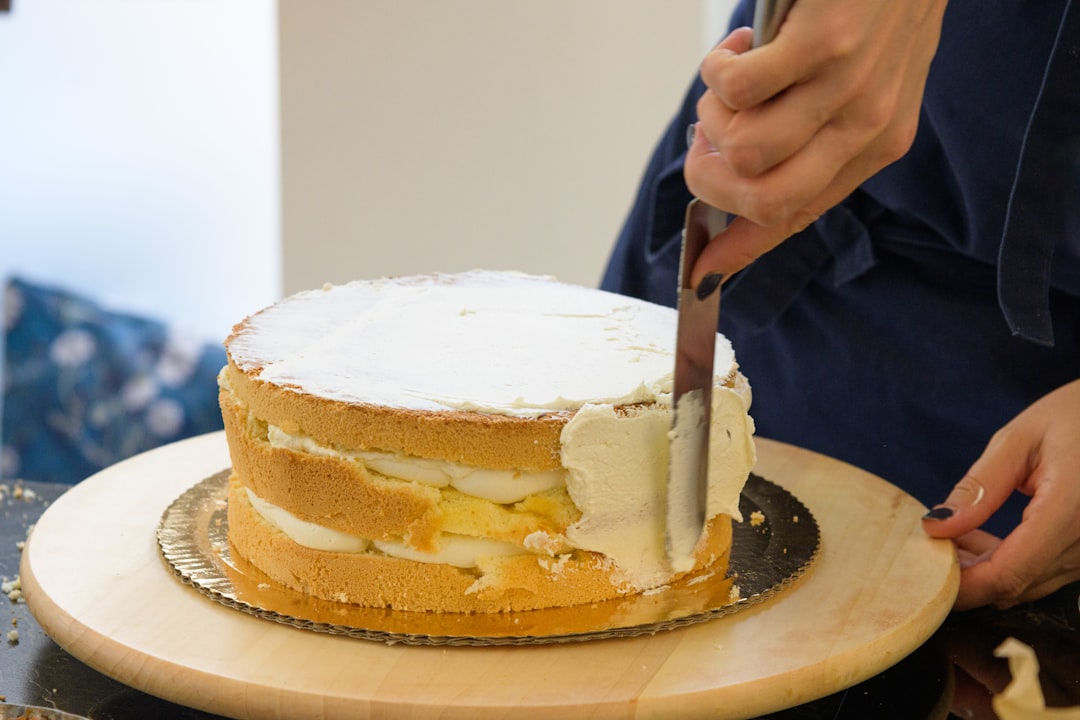
The small version (about six inches) is the most versatile — it handles detail work and smaller projects beautifully. If you bake more than twice a month, this twelve-dollar tool will pay for itself in confidence alone. I wrote about this in my piece on kitchen tools under forty dollars that replace pricier gadgets, and the offset spatula is proof that elegant results don’t require expensive equipment.
Silicone Jar Spatulas: The Last Spoon You’ll Ever Need
Here is a hill I will die on: the spatula that comes with your stand mixer is garbage. It’s too stiff, it doesn’t scrape curves, and it leaves behind an embarrassing amount of batter. What you want — what you deserve — is a one-piece silicone jar spatula. No seam where the head meets the handle (that’s where gunk hides and mold grows). No melty rubber tip. Just smooth, heat-resistant silicone molded around a core that flexes enough to scrape the inside of a peanut butter jar clean.
I test kitchen tools for a living, and I’ve gone through dozens of spatulas. The one-piece silicone design wins every time. They survive the dishwasher, they handle temperatures up to 500°F, and they’ll scrape the last bit of sauce from a jar with an efficiency that borders on satisfying. I keep three sizes: a small one for jars and cans, a medium for mixing bowls, and a large for stirring pots.
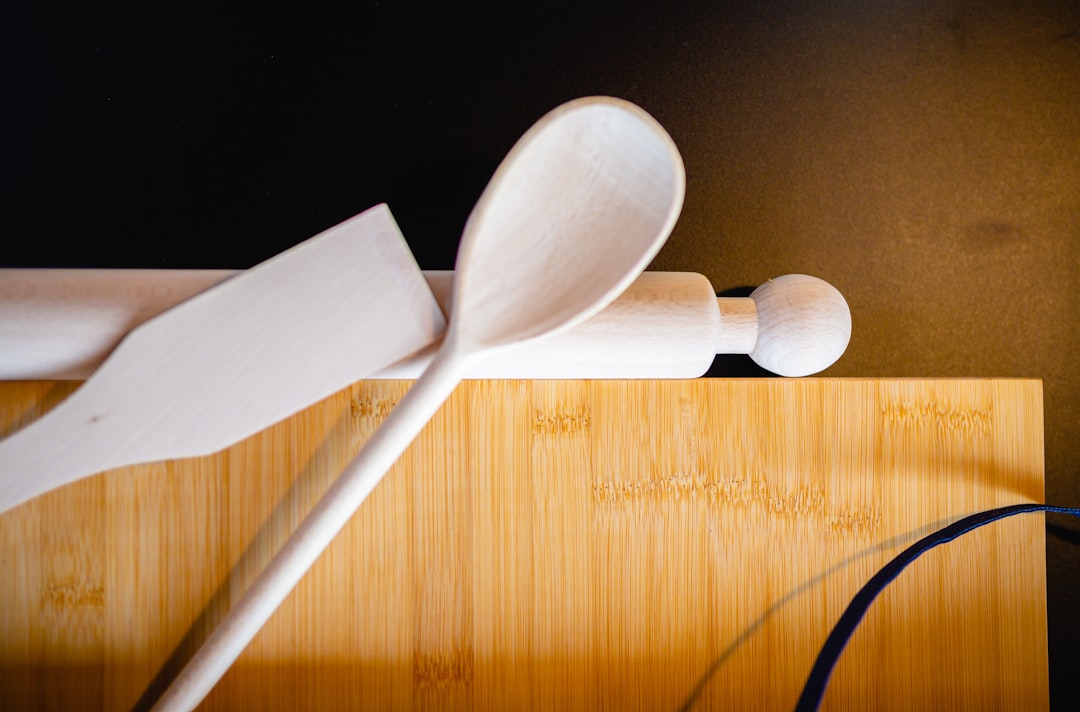
This is one of those upgrades that costs maybe twelve to eighteen dollars and changes your daily cooking rhythm in ways you don’t notice until you go to someone else’s kitchen and find yourself frustrated by their subpar spatula. Yes, I am that person now. No, I am not ashamed.
A Proper Peeler: Because Your Wrist Deserves Better
I spent years using the same swivel peeler my college roommate left behind when she moved out. It was dull, it skipped, and it required so much pressure that I’d have a wrist ache after peeling potatoes for a crowd. When I finally upgraded to a Y-shaped vegetable peeler, the experience was so dramatically different that I actually laughed out loud. Carrots, potatoes, butternut squash — everything peeled in clean, thin ribbons with almost no effort.
The Y-peeler design (also called a Swiss peeler) is superior to the straight swivel style for most people. The blade sits perpendicular to your hand, which means you pull it toward you in a natural motion rather than pushing it away. It’s faster, more controlled, and way easier on your wrist. A good one costs under ten dollars and has a carbon steel blade that stays sharp for months. I bought a three-pack so I always have a fresh one ready.
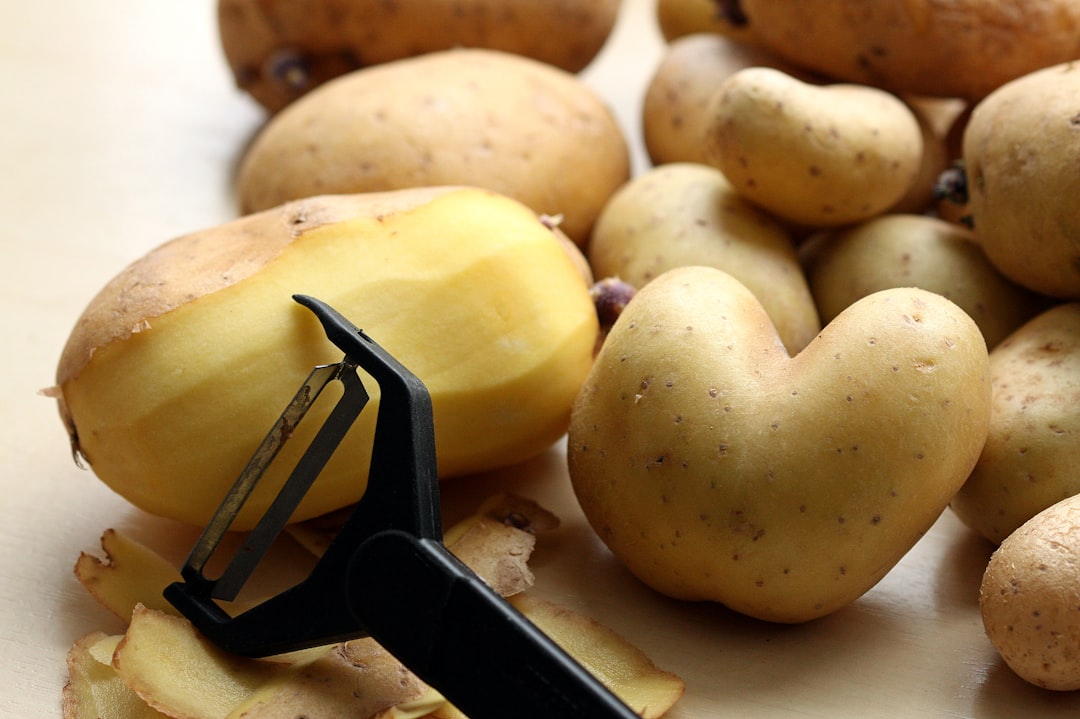
Beyond peeling, a sharp Y-peeler shaves vegetables into ribbons for salads, creates chocolate curls for dessert garnish, and slices thin strips of cheese. It’s one of those tools that, like the bench scraper, makes you wonder how you managed without it. Combined with a good knife setup like the ones I covered in my kitchen knives guide, a quality peeler rounds out your prep station beautifully.
Fine-Mesh Strainers: Small but Mighty
The last tool I want to talk about is the one most people don’t even realize they need: a fine-mesh strainer. Not the colander you drain pasta in — I mean the small, handheld sieve with mesh so tight it catches a single grain of rice. A fine-mesh stainless strainer is how you achieve silky sauces, dust powdered sugar evenly, rinse quinoa without losing half of it down the drain, and sift dry ingredients when you don’t feel like hauling out the full-size sifter.
I reach for mine at least twice a day. Morning tea? Strain the loose leaves. Making a pan sauce? Strain out the bits for a smooth finish. Rinsing berries? The fine mesh lets water through without letting small berries escape. Dusting a plate with cocoa or powdered sugar? Tap the strainer and get an even, professional-looking coating. It’s an eight-dollar tool that makes everything you serve look like you tried harder than you actually did — which, if I’m being honest, is my favorite kind of kitchen magic.
Why These Tiny Tools Matter More Than the Big Ones
Here’s what I’ve learned after a lifetime in the kitchen: the tools that matter most are rarely the ones with the highest price tags or the biggest footprints. My kitchen hand tools — the microplane, the bench scraper, the shears, the offset spatula, the jar spatula, the peeler, the strainer — together cost less than a single mid-range chef’s knife. And I’d argue that collectively, they’ve had a bigger impact on my day-to-day cooking than any appliance I own.
The reason is simple: these are the tools you reach for in the middle of a recipe when you need to move fast. They’re the ones that bridge the gap between ingredients and finished dish. A food processor chops, sure. But a bench scraper transfers. A stand mixer kneads, absolutely. But a jar spatula gets every last bit of dough. These small tools handle the moments that make or break a meal — the finishing touches, the quick adjustments, the little acts of care that separate dinner from something special.
My grandmother had a wooden drawer beside her stove with about eight tools in it. No gadgets. No electric anything. Just well-worn hand tools that she could grab without looking. I think about that drawer every time I find myself browsing the kitchen aisle at the store, tempted by something with a motor and a price tag. The best tools in my kitchen still fit in a drawer. And they still cost less than dinner out.
If you’re building your kitchen from scratch or just looking to upgrade the things you actually use every day, start here. These seven tools have been tested by me, by professional chefs, by my family, and by three generations of women who knew that the right helper in the right moment is worth more than any appliance on the market.

One thought on “The Small Kitchen Tools Pro Chefs Reach for Daily (That Cost Less Than Dinner Out)”