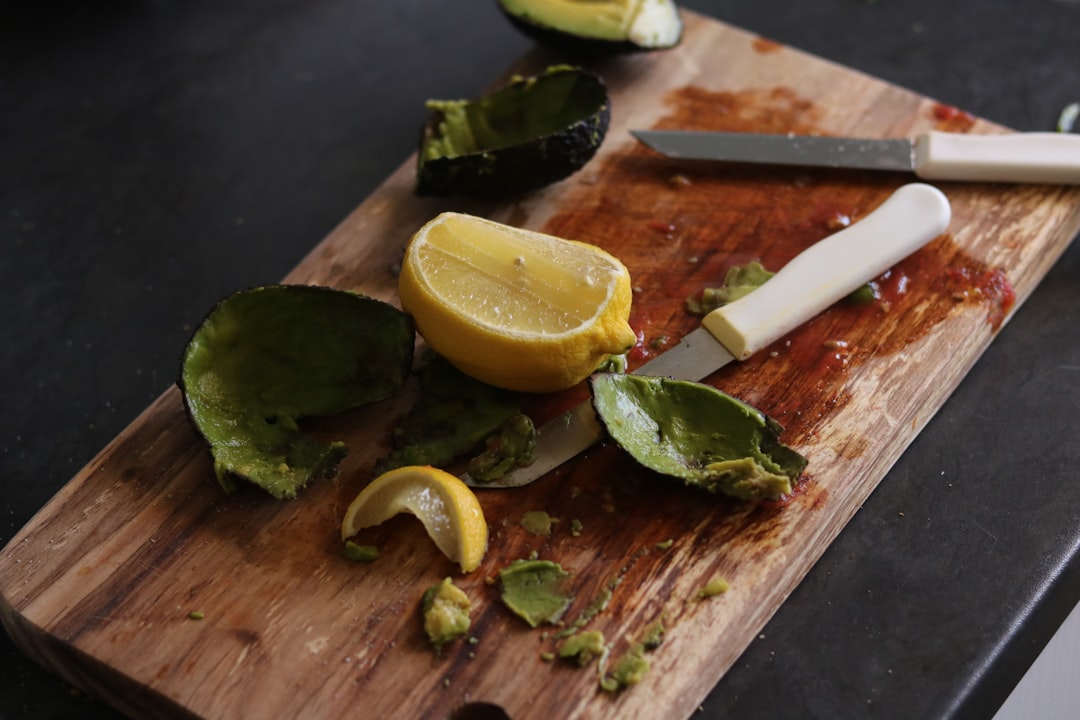
My mother gave me a knife block for my first apartment. Fourteen slots, stainless steel, shaped like a tiny tombstone for counter space I didn’t have. I was twenty-two and thought it looked professional. I unwrapped each knife — chef, bread, slicing, utility, paring, plus six steak knives I never used once — and slid them into their designated slots like I was loading a dishwasher for the first time.
Here’s what nobody tells you about knife blocks: you’ll reach for the same two blades ninety percent of the time, the rest will gather dust and dullness in their little wooden cubbies, and the block itself becomes a greasy magnet for crumbs and mystery residue within a month. If you’ve ever done a full prep zone rebuild, you already know how much dead counter space these things eat. I lived with that block for six years before I finally paid attention to which knives I actually grabbed.
Three. Out of fourteen slots, I used three.
Once I admitted that, I started rebuilding my knife collection one blade at a time — better steel, smarter storage, and a sharpening routine that actually works. If I had to start over today, here’s exactly what I’d buy and why.
The 8-Inch Chef’s Knife: The One That Earns Its Keep
This is your workhorse. Your onion-dicing, herb-mincing, chicken-butterflying, squash-splitting daily companion. If you own exactly one good knife, make it an 8-inch chef’s knife. Everything else is a supporting cast member.
After testing more chef’s knives than I care to admit — everything from dollar-store specials to Japanese artisan blades that cost more than my first car — I’ve landed on three recommendations at different price points, all of which I’ve used extensively in my own kitchen.
The Victorinox Fibrox Pro 8-Inch Chef’s Knife is the one I recommend without hesitation to anyone just starting out. It’s the Honda Civic of kitchen knives — reliable, comfortable, surprisingly sharp, and priced so reasonably you won’t wince when you nick the edge on a rogue pit. The Fibrox handle is grippy even when wet, which matters more than you’d think when you’re breaking down a slippery chicken at seven in the morning.
If you want to step up, the HENCKELS Classic 8-Inch Chef Knife has been a kitchen staple for over a century, and for good reason. German-engineered, razor-sharp out of the box, and built to outlast most marriages. This is the knife I reach for when I’m doing serious prep work — the kind where I’m dicing six onions for a big batch of sauce and need consistent cuts without my wrist complaining.
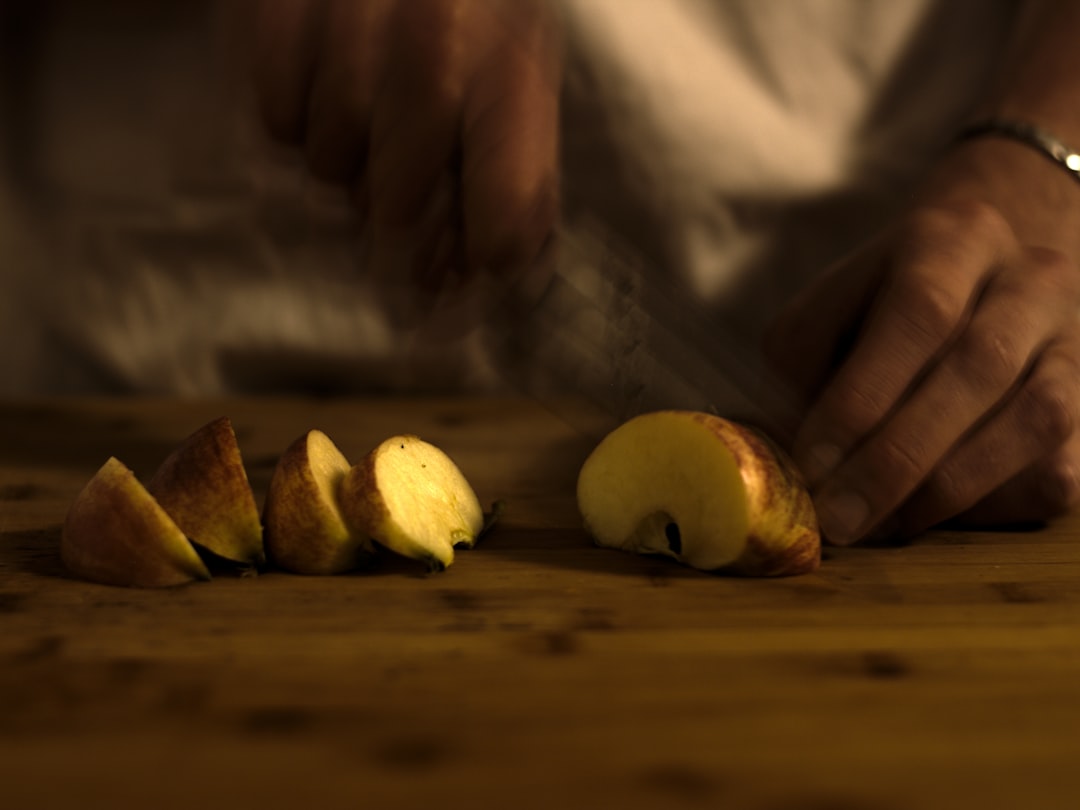
And if you’re ready for the last chef’s knife you’ll ever buy, the Wüsthof Classic 8-Inch is the gold standard. It holds an edge like a promise, balances in your hand like an extension of your fingers, and with proper care, you’ll be passing it down to someone younger. I’m not being dramatic — good knives outlive trends, apartments, and honestly, some relationships.
The Paring Knife: Small, Cheap, and Indispensable
Your chef’s knife handles the big jobs, but for hulling strawberries, peeling apples, deveining shrimp, or doing any of those fiddly tasks where precision matters more than power, you need a paring knife. And here’s the beautiful part: a great paring knife doesn’t need to cost much at all.
I keep a 3.5-inch paring knife from imarku in my drawer at all times. Japanese high-carbon stainless steel, ergonomic pakkawood handle, sharp enough to peel a tomato skin in one continuous ribbon. It’s the knife my grandmother would have called “a good little knife” — high praise in her vocabulary.
The mistake people make is buying a cheap, dull paring knife and assuming that’s just how paring knives perform. A properly sharp paring knife is a tiny revelation. You’ll find yourself reaching for it constantly — trimming green beans, coring peppers, removing potato eyes, scoring pastry lids. It’s the second-most-used blade in any kitchen, and most people don’t even realize it.
The Serrated Bread Knife: Because Tomatoes Deserve Better
Here’s a hot take: your bread knife should also be your tomato knife. And your bagel knife. And your citrus-slicing, roasted-pork-crusting, chocolate-bar-breaking knife. A good serrated blade does things a smooth edge simply cannot — it saws through delicate crusts without crushing them, slides through ripe tomato skins without mashing the flesh, and handles crusty artisan bread with the kind of effortless grace that makes you wonder why you struggled with that dull supermarket loaf knife for so long.
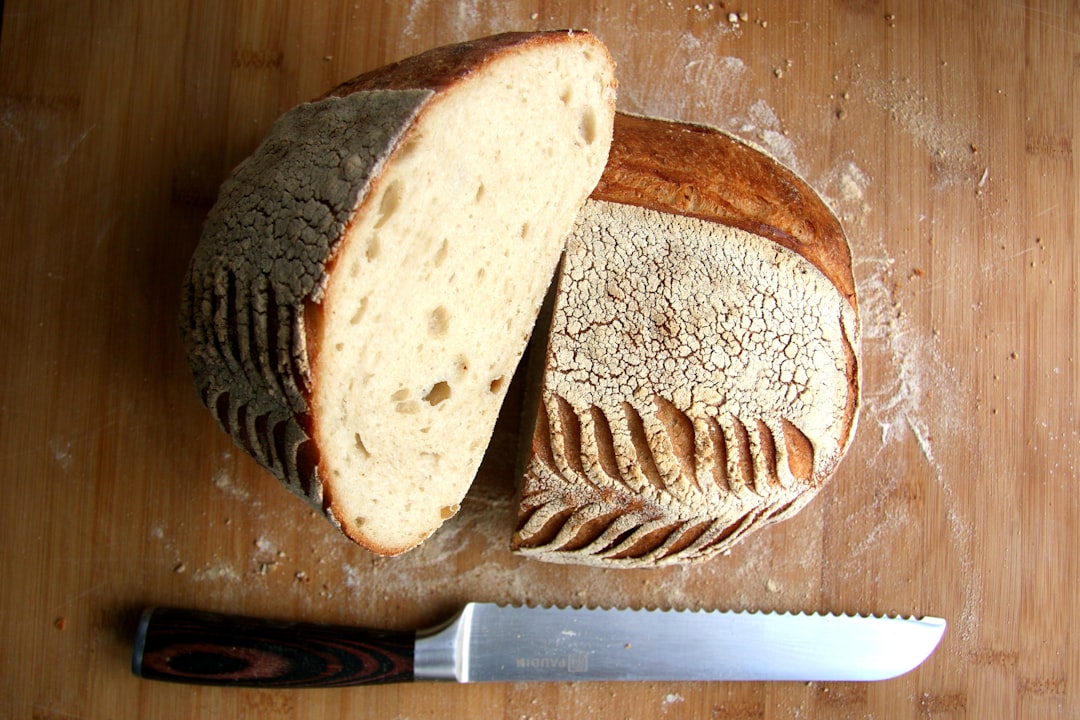
The Mercer Culinary Millennia 10-Inch Bread Knife is my pick for anyone who wants serious performance without the sticker shock. Ten inches gives you enough reach for wide loaves, the serration pattern bites cleanly without tearing, and the handle is genuinely comfortable for extended use. For under fifty dollars, it’s one of the best value purchases you can make for your kitchen.
I know, I know — bread knives aren’t sexy. Nobody brags about their bread knife on social media. But the first time you slice a crusty sourdough round and get clean, even pieces without the bread collapsing into a sad heap, you’ll understand why this knife belongs in the essential three.
The Santoku Option: When You Want a Different Dance Partner
A santoku knife is a Japanese-style blade that’s shorter, lighter, and has a flatter edge than a Western chef’s knife. It rocks differently. The dimples along the blade help food release instead of sticking. For some cooks, it becomes their favorite knife within a week.
I’ve gone back and forth on santokus for years — they belong in the same conversation as those small pro-level tools that punch above their price. Some days I prefer the rocking curve of a Western blade, other days I reach for the imarku 7-Inch Santoku because it feels lighter and more nimble in my hand. If you do a lot of fine vegetable work — thin slicing, precision dicing, julienne cuts — a santoku is worth adding to your rotation.
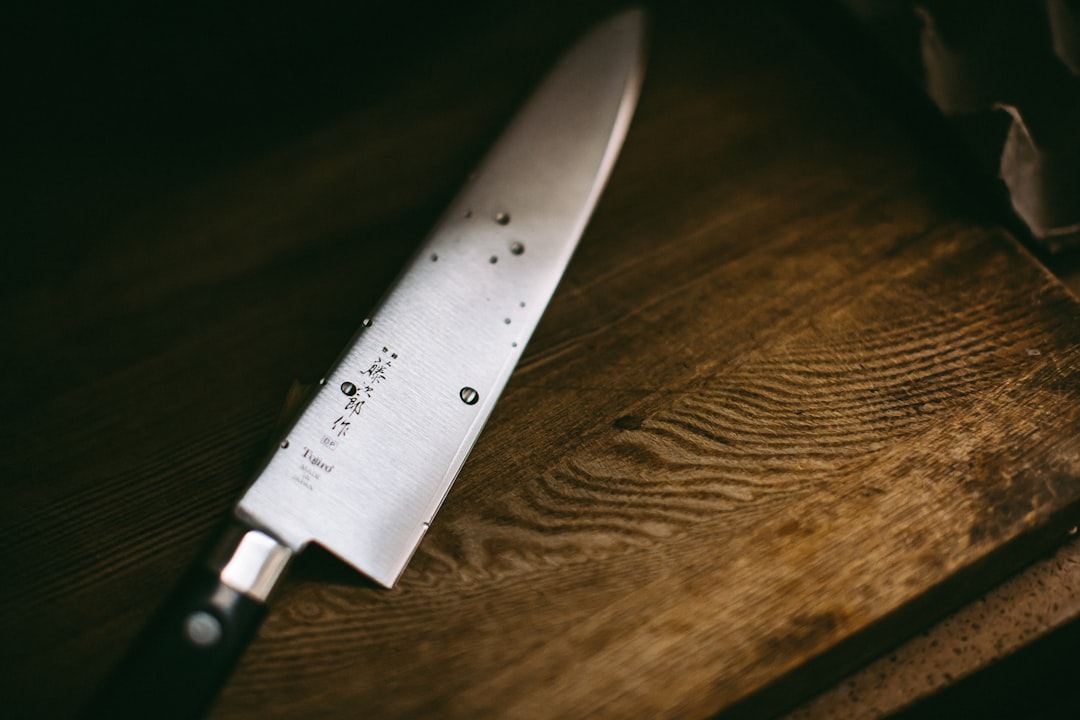
For a premium upgrade, the HexClad 7-Inch Damascus Santoku is genuinely gorgeous, with a layered steel pattern that makes it look like functional art. Full tang construction, pakkawood handle, and an edge that holds beautifully. It’s the kind of knife you display proudly — which brings me to storage.
Ditch the Block: Smart Knife Storage
Once you’ve invested in a few good knives, the block becomes the worst possible home for them. Wooden slots trap moisture, dull blades against wood edges every time you slide them in and out, and the interior becomes a breeding ground for bacteria nobody wants to think about. There’s a better way.
A magnetic strip mounted on the wall or backsplash is how I’ve stored my knives for the last eight years. It keeps blades visible, dry, and accessible — no fishing through slots, no guessing which handle belongs to which knife. The HOSHANHO 16-Inch Magnetic Knife Strip in acacia wood holds my full collection securely and looks like a deliberate design choice rather than an afterthought.
And please, for the love of your blades, get a proper cutting surface. Glass, marble, and stone cutting boards will destroy your knife edges faster than a year of cooking. What you want is an end-grain wood board — it’s self-healing, gentle on edges, and develops a beautiful patina over time. The THETCHRY Walnut End-Grain Cutting Board is thick, substantial, doubles as a charcuterie board for entertaining, and will outlast every cheap plastic board you’ve ever owned combined.
This matters more than you might think. I’ve seen people spend two hundred dollars on a beautiful chef’s knife and then hack away on a glass cutting board that’s dulling the blade with every stroke. It’s like buying running shoes and then walking on gravel in them.
Keeping Them Sharp: The Skill That Changes Everything
A dull knife is more dangerous than a sharp one — it slips, it slides, it requires more force, and that’s when accidents happen. I learned this the hard way at nineteen, pressing too hard on a dull blade while cutting a winter squash and watching it glance off the rind straight toward my thumb.
Daily maintenance means honing. A quality honing rod doesn’t actually sharpen your knife — it realigns the microscopic edge that bends during normal use. Ten strokes on each side before heavy prep sessions takes thirty seconds and keeps your knife performing like new for months.
But eventually, every knife needs real sharpening. I learned on a whetstone in culinary school, and it’s still my preferred method. The Sharp Pebble Whetstone System comes with a 1000/6000 dual-grit stone, angle guide, and non-slip bamboo base. It takes practice, but once you get the feel for it, there’s something deeply satisfying about bringing a blade back to life with your own hands. Saturday morning, podcast on, whetstone wet, knife singing against the stone — it’s become one of my favorite kitchen rituals.
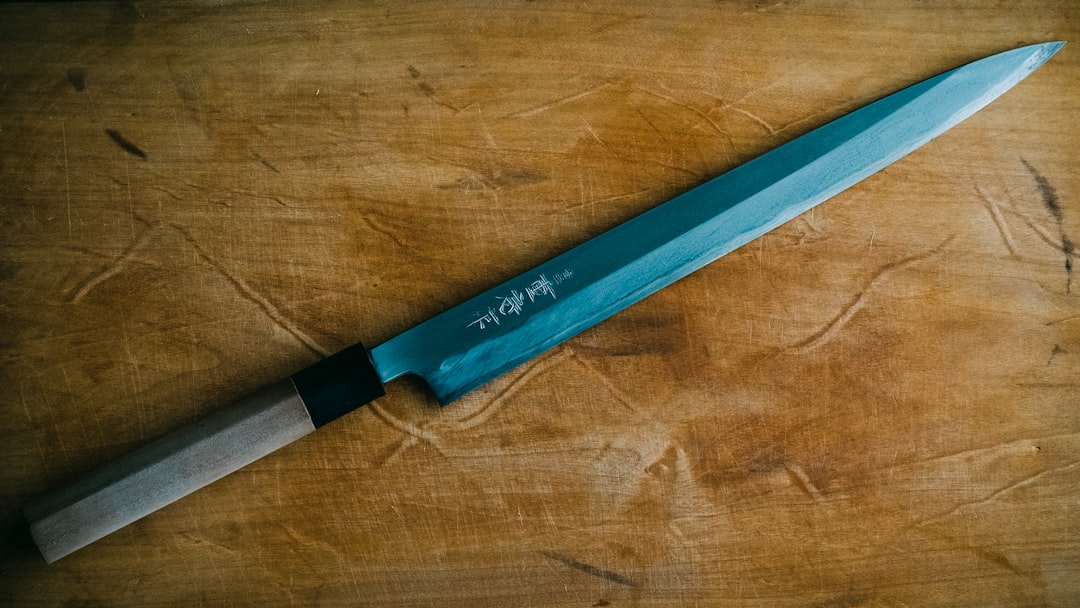
If whetstones feel intimidating, many kitchen supply stores and farmers’ markets offer knife sharpening services for a few dollars per blade. Even once or twice a year makes a dramatic difference.
The Bonus Blade: Kitchen Shears
Not technically a knife, but if we’re talking about cutting tools that earn their keep, a good pair of kitchen shears deserves a spot in your drawer. I use mine for spatchcocking poultry (a technique that sounds fancier than it is — you’re just cutting out the backbone so it lays flat for even roasting), snipping herbs directly over a dish, cutting parchment paper to size, opening stubborn packaging, and trimming pie dough.
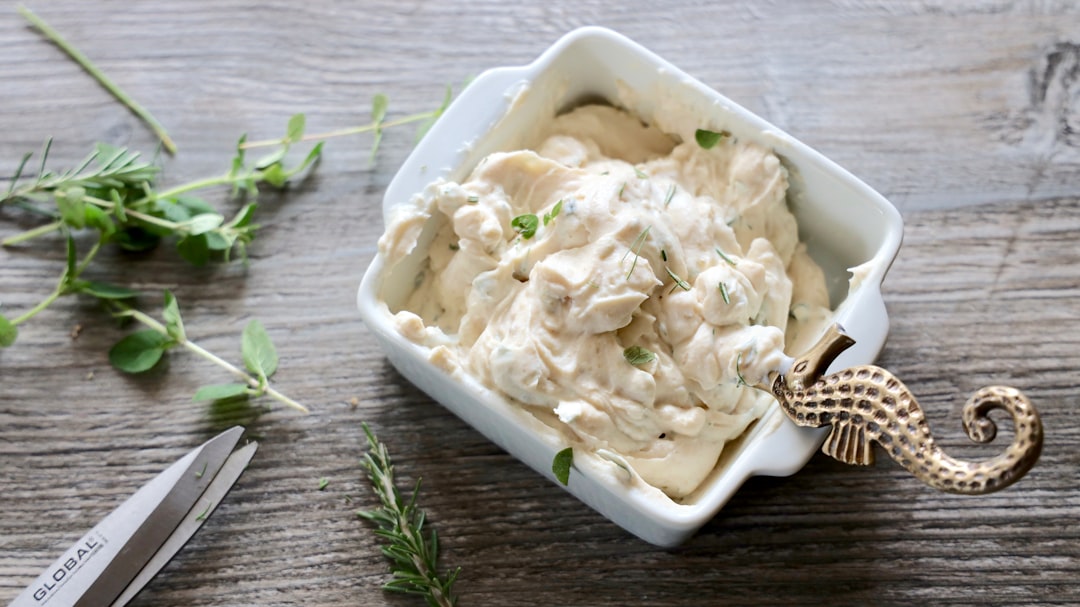
The KitchenAid pair with the protective sheath is what I keep — comfortable grip, dishwasher safe, and they come apart for deep cleaning, which is non-negotiable if you’re using them on raw poultry.
The Collection I’d Build Today
If I were starting from scratch — empty kitchen, blank counter, reasonable budget — here’s what I’d buy, in this order:
First: One solid 8-inch chef’s knife. This handles eighty percent of everything you’ll ever do in a kitchen. Spend the bulk of your budget here.
Second: A paring knife for detail work. This doesn’t need to be expensive — it just needs to be sharp and comfortable in your hand.
Third: A 10-inch serrated bread knife. Once you have these three, you can cook virtually anything.
Fourth: A magnetic strip and a good wooden cutting board. Your knives are only as good as how you store and surface them.
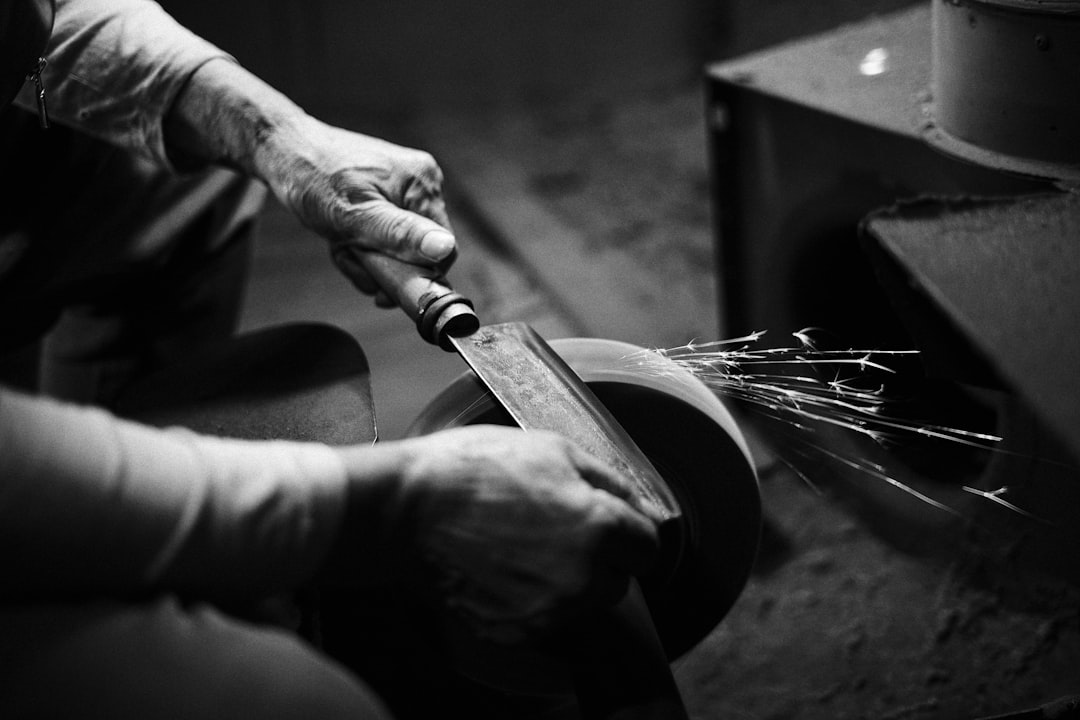
Fifth: A honing rod and eventually a whetstone setup. Maintenance isn’t optional when you own good blades.
Sixth, if budget allows: A santoku for variety, kitchen shears for versatility, and maybe a second paring knife so you always have a clean one ready.
That’s it. Six thoughtful purchases instead of a fourteen-slot block filled with blades you’ll never touch. Your kitchen will feel more intentional, your cooking will improve immediately (sharp knives make everything easier and more precise), and you’ll actually enjoy prep work instead of treating it as a chore.
I wish someone had told twenty-two-year-old me that the knife block wasn’t a gift — it was a clutter subscription. The real gift is having exactly what you need, knowing how to care for it, and never having to dig through a wooden tombstone to find the blade you actually want.
2 thoughts on “Twelve Slots, Three Knives I Actually Used — Here’s What I’d Build From Scratch”