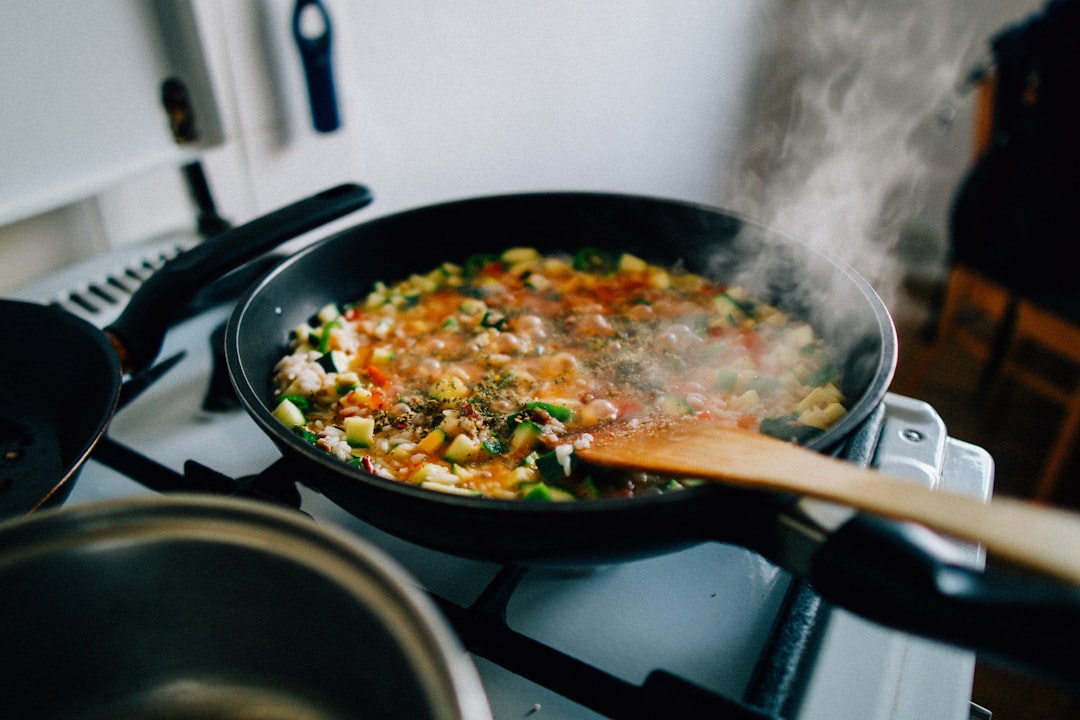
There’s a moment that happens in nearly every kitchen, and most home cooks miss it entirely. You’ve seared a chicken breast, maybe a pork chop, possibly a nice steak. You pull the meat out of the pan, set it on a plate to rest, and then what? If you’re like I was for the first ten years of my cooking life, you carry that pan to the sink, run hot water over it, and watch all those gorgeous brown bits spiral down the drain.
I’m here to tell you that you’re pouring dinner down the sink.
Those brown bits stuck to the bottom of your pan — the ones that look like burnt mess, the ones your instinct screams at you to scrub away — they’re called fond. It’s a French word that means “bottom” or “foundation,” and it is quite literally the foundation of every great pan sauce you’ve ever tasted in a restaurant. My grandmother called it “the good scrapings,” and she guarded hers like gold.
Once I understood what fond was and how to use it, my weeknight dinners changed permanently. A plain chicken breast became something that tasted like it came from a bistro. A five-dollar pork chop ate like a fifteen-dollar one. And the technique itself takes about ninety seconds — less time than it takes to find a decent takeout menu.
The Right Pan Makes All the Difference
Here’s the thing about fond: it only happens in the right kind of cookware. If you’re cooking in nonstick pans, you’ll never get a proper fond. The surface is designed to prevent sticking, which means those caramelized bits never form in the first place. You need a pan that allows food to grip, brown, and release on its own terms.
That means stainless steel or cast iron. These are the two materials that create the Maillard reaction — the chemical process that browns meat and builds those complex, savory flavors. I’ve written before about how the cast iron versus stainless steel debate changed my kitchen, and both have their place here. For pan sauces, I actually reach for my stainless skillet more often because I can see the fond developing and it deglazes beautifully.
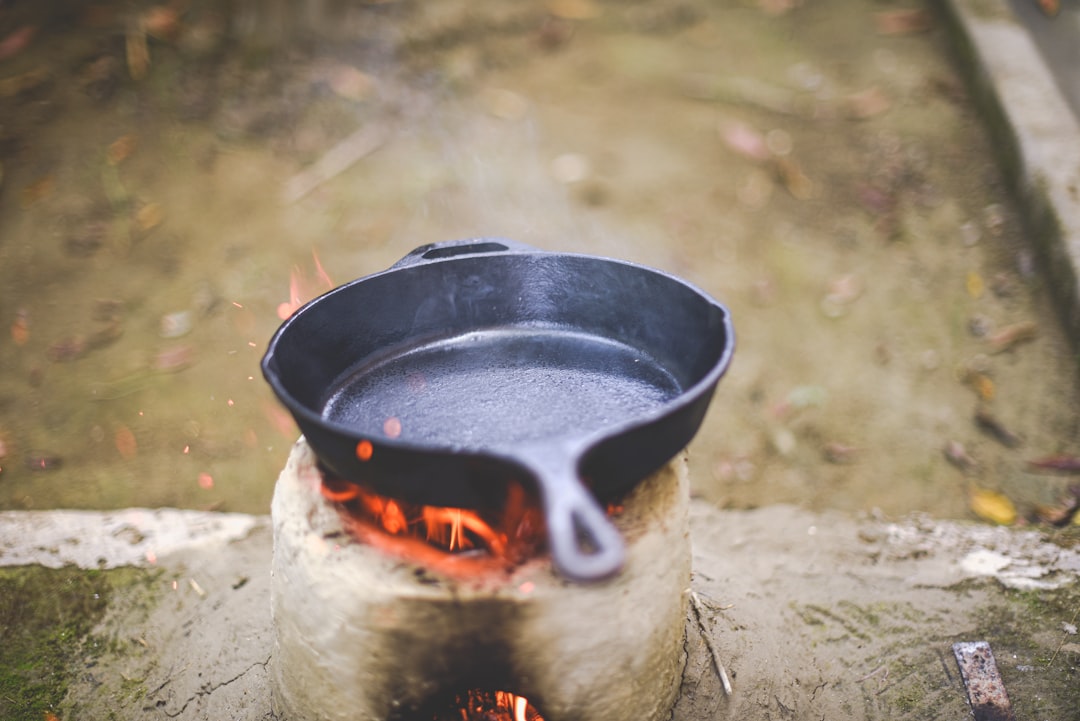
The All-Clad D3 twelve-inch stainless skillet is the one I’ve used for nearly a decade. It heats evenly, the fond releases cleanly when deglazed, and it goes from stovetop to oven without a second thought. If stainless isn’t your thing, a well-seasoned Lodge cast iron skillet works beautifully too — especially for steaks and chops where you want a hard sear.
The Technique: Sear, Remove, Deglaze, Reduce
Let me walk you through the actual process, because it’s simpler than you might think. My team and I have tested this hundreds of times in my kitchen, and the steps are always the same.
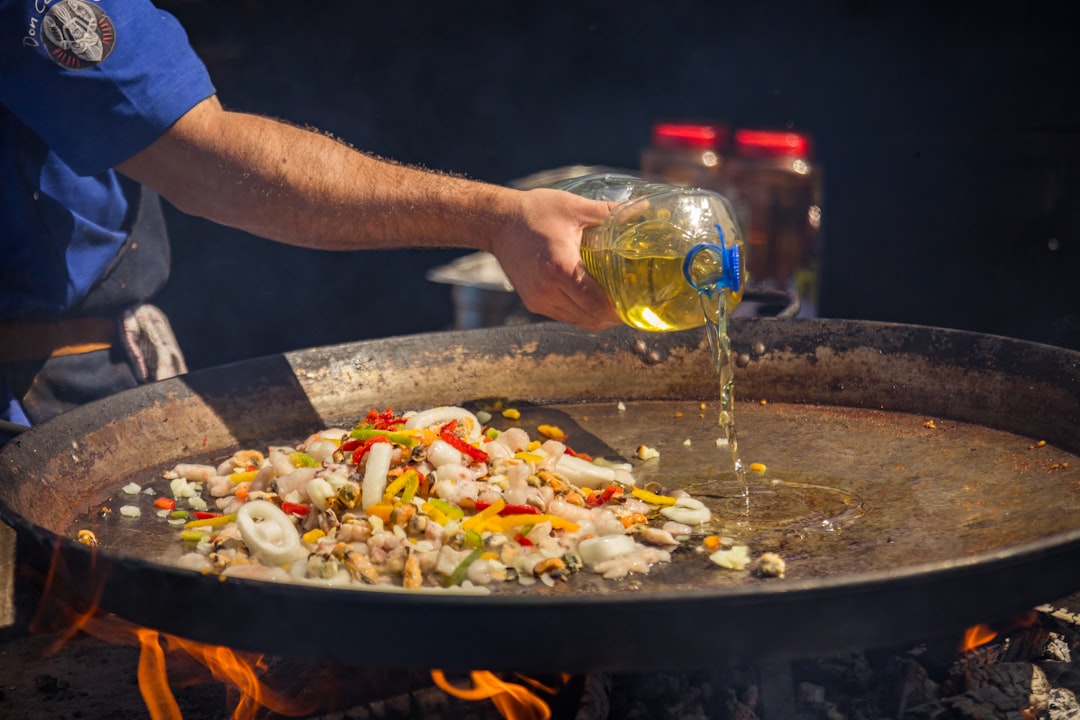
Step one: Get your pan hot. Medium-high to high heat. Add just a thin film of oil — I use an olive oil spray for an even coat without pooling. Wait until the oil shimmers before adding your protein.
Step two: Sear your protein and don’t touch it. This is where patience matters. Put the chicken breast, pork chop, or steak in the pan and leave it alone. Don’t poke it, don’t move it, don’t peek. When it’s ready to flip, it’ll release on its own. If it’s sticking, it’s not done browning yet. Use your tongs to flip, and cook the second side until done.
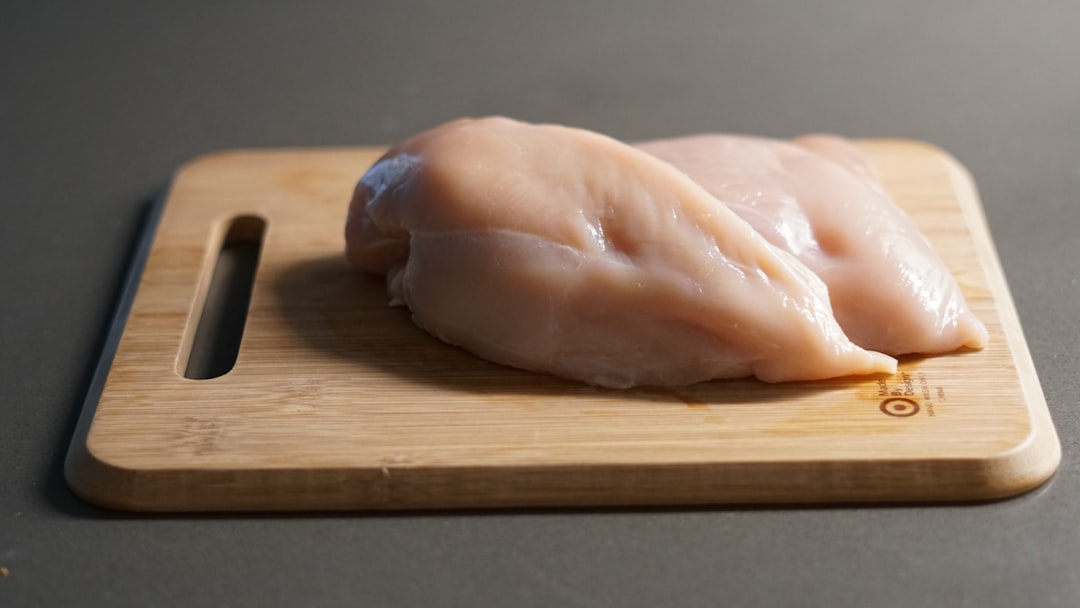
Step three: Remove the meat and let it rest. Transfer your protein to a plate and tent it loosely with foil. While it rests, you’re going to build the sauce in the same pan — without washing it.
Step four: Look at the bottom of your pan. See those brown bits? That’s your fond. That’s gold. Don’t you dare put that pan in the sink.
The Deglaze: Where the Magic Happens
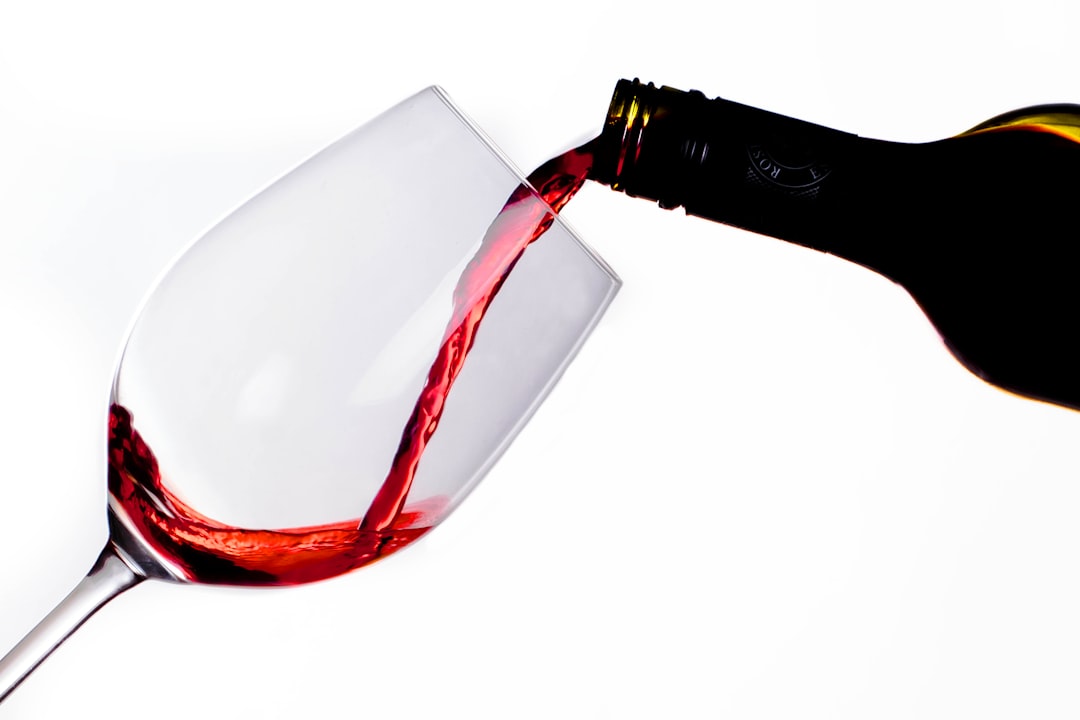
Now comes the fun part. Set the pan back on medium heat. Add your deglazing liquid — about a quarter cup. The liquid hits the hot pan, steam billows up, and those brown bits immediately begin to loosen from the surface.
Take a wooden spatula — the flat-edged kind that’s meant for scraping — and gently work those bits off the bottom. They dissolve into the liquid like magic. Within thirty seconds, your pan bottom will look almost clean, and your liquid will have turned a rich, amber-brown color.
What liquid should you use? Here’s where you can play. Dry white wine is classic — it adds acidity and complexity. Chicken or beef stock works beautifully. Even a splash of apple cider vinegar with water will do in a pinch. For red meats, I love a half-and-half mix of red wine and beef stock. For chicken, white wine and chicken stock. For pork, apple cider with a touch of chicken stock is unexpectedly wonderful.
Building the Sauce: More Than Just Liquid
Once you’ve deglazed and scraped up all that fond, you have a choice. You can serve it as-is — a light, brothy sauce called a jus. Or you can build something richer. Ninety percent of the time, I build.
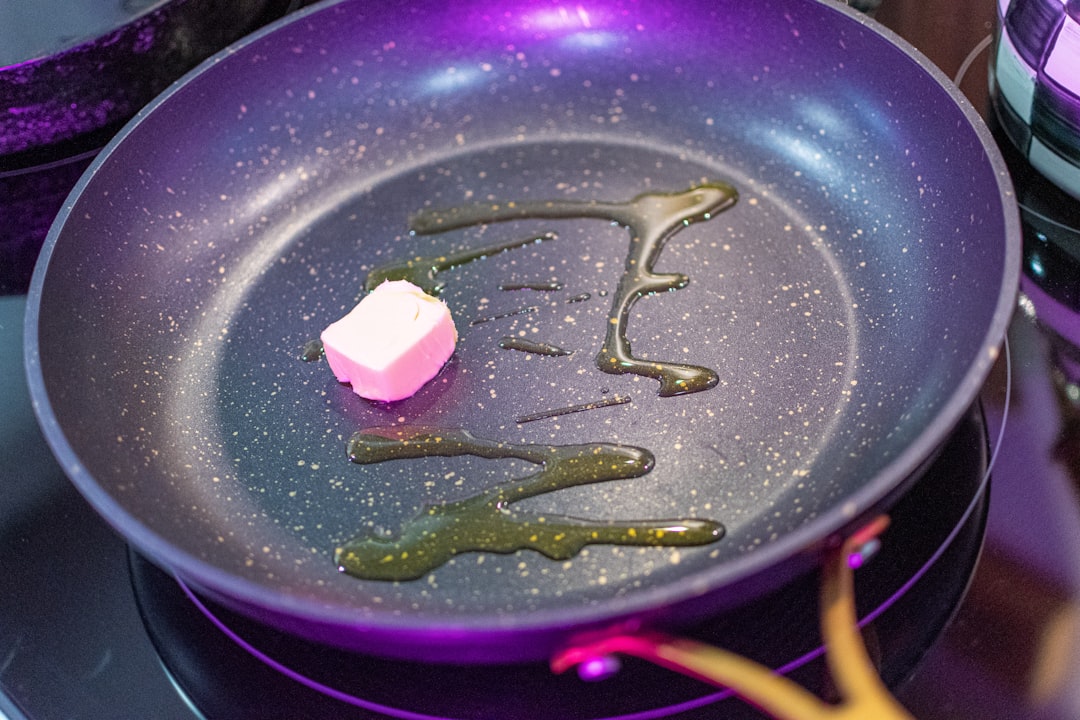
Let the liquid reduce by about half — this concentrates the flavors. Then add a tablespoon or two of cold butter, cut into cubes, and swirl it in off the heat. The butter melts into the sauce, creating a silky, glossy finish that clings to whatever you’re serving. This is called monter au beurre, and it’s the trick that makes restaurant sauces taste like restaurant sauces.
From there, the variations are endless. A handful of chopped fresh herbs — thyme, rosemary, parsley. A spoonful of Dijon mustard. A drizzle of heavy cream. A few minced shallots that you sauté in the pan before deglazing. Crushed peppercorns for a steak au poivre vibe. You can take the same base technique in a hundred different directions, which is why I never get tired of it.
I always keep a French butter keeper on my counter so I have soft, room-temperature butter ready for this exact move. Cold butter from the fridge works fine for the technique, but room-temp butter incorporates more smoothly and creates a better emulsion.
The Tools That Make It Effortless
The beauty of pan sauces is that they don’t require much equipment. But the right few tools make the difference between a smooth process and a frustrating one.
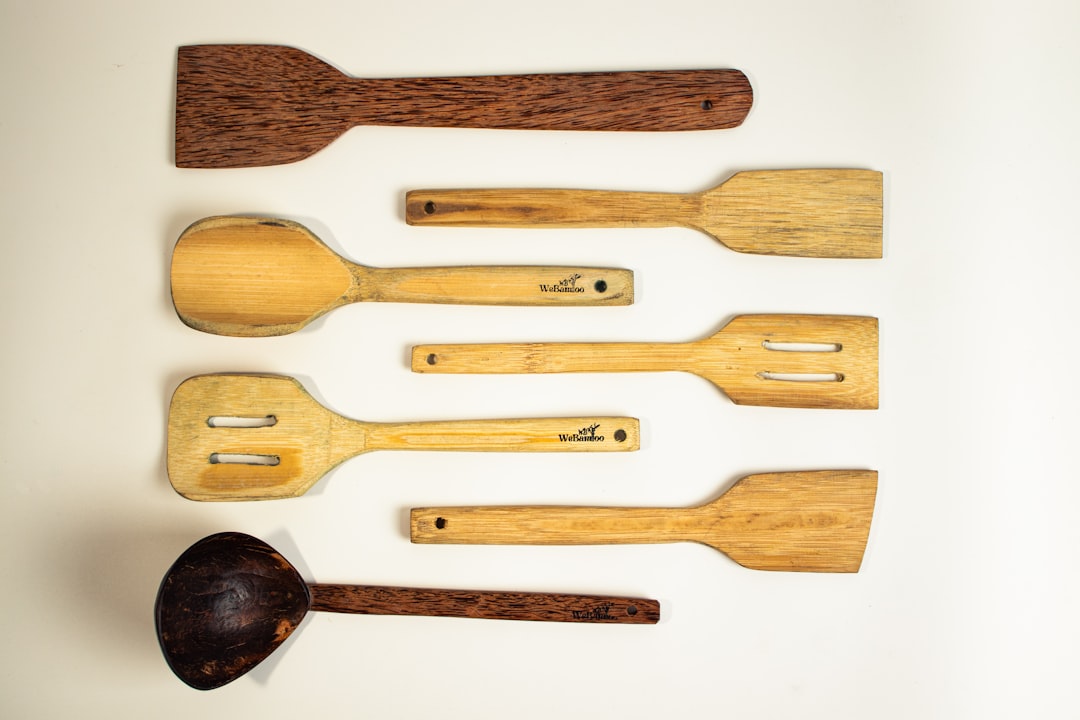
A good wooden spatula with a flat edge is non-negotiable. Metal will scratch your pans, and silicone doesn’t have the rigidity to get under the fond properly. Wood is firm enough to scrape but gentle enough to protect your cookware. I have three — one for each of my most-used pans — and I’ve written about the tool in my apron pocket that outperforms every fancy gadget in my kitchen. The flat wooden scraper is always in my hand.
A pair of locking tongs for flipping your protein. I’ve gone through dozens of tongs over the years, and the OXO twelve-inch locking tongs remain my favorite — they’re spring-loaded, comfortable, and the locking mechanism actually works (unlike many cheap copies).
An instant-read digital meat thermometer. This isn’t directly about the sauce, but it’s about cooking your protein to the right temperature so you can pull it at the right moment and start building your sauce. Overcooked meat means dry meat, and no sauce — no matter how good — fully fixes that.
And if you’re making a sauce that needs whisking — like a cream-based finish or a mustard emulsion — a silicone-coated flat whisk lets you work the sauce in the pan without scratching the surface. The flat shape is specifically designed for skillets, getting into the curve where the bottom meets the sides.
The Five Mistakes That Ruin Everything
After teaching this technique to friends, family, and readers for years, I’ve identified the five things that go wrong most often. My team and I compiled these after watching even experienced cooks stumble:
- Washing the pan first. This is the number one sin. If you take nothing else from this article, please stop carrying hot pans to the sink before deglazing. Those brown bits are the entire point.
- Using nonstick cookware. Nonstick pans don’t create fond. If you want pan sauces in your life, you need stainless or cast iron. I talked about the six kitchen reflexes I use daily, and reaching for the right pan is absolutely one of them.
- Crowding the pan. If you put four chicken breasts in a twelve-inch skillet, they’ll steam instead of sear. No sear means no fond. Cook in batches if needed — the extra five minutes is worth it.
- Using too much liquid. A quarter cup is plenty. If you dump in a whole cup of wine, you’ll have a thin, watery sauce that takes forever to reduce. Less is more here.
- Skipping the butter. That final swirl of cold butter is what transforms a good sauce into an unforgettable one. It adds richness, body, and that glossy sheen that makes everything look professionally finished.
Putting It All Together: A Weeknight Ritual
Here’s what a typical Tuesday looks like in my kitchen. I pull two chicken breasts from the fridge about twenty minutes before cooking to take the chill off. I pat them dry — dry meat browns better — and season them generously with salt and pepper.
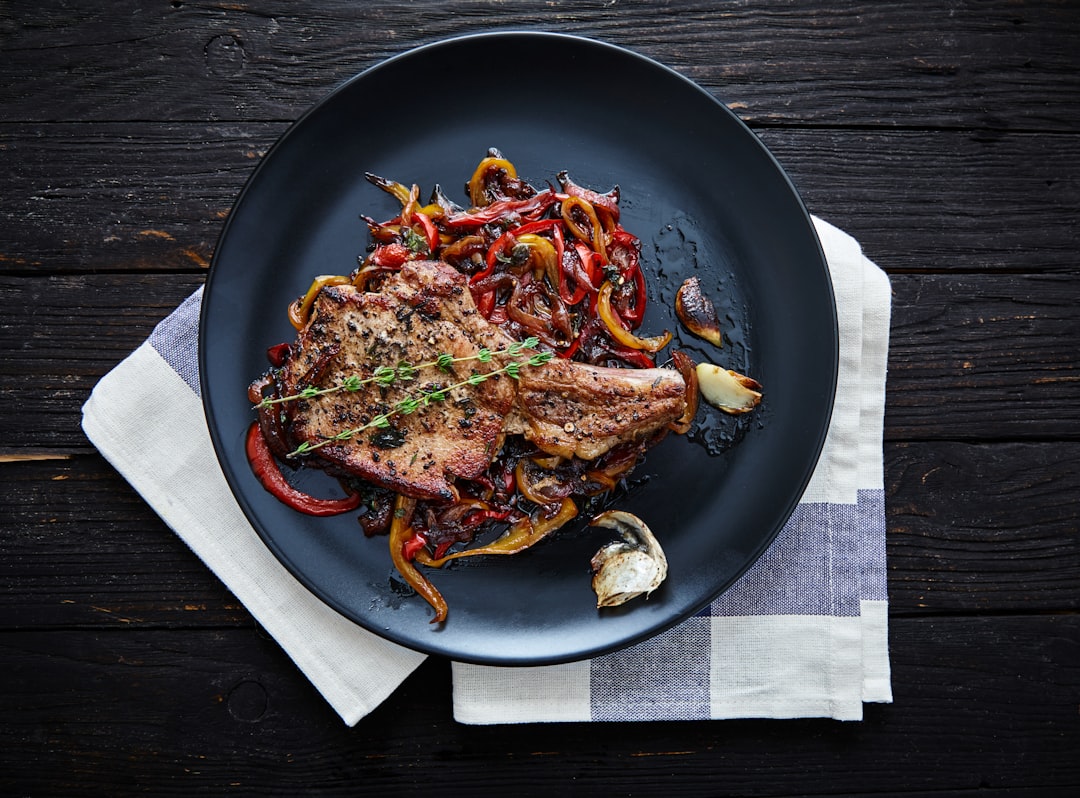
I heat my stainless skillet over medium-high until it’s properly hot — a drop of water should dance and evaporate almost immediately. I give it a light spray of olive oil, lay the chicken in presentation-side down, and walk away. Three to four minutes per side, maybe five, depending on thickness. When the internal temp hits 165°F on my instant-read thermometer, out they come to a waiting plate.
Then the ninety seconds that matter most. Pan back on medium heat. A splash of white wine — maybe three tablespoons. I scrape with my wooden spatula, watching the fond dissolve into a golden liquid. A pat of butter. A sprinkle of fresh thyme from the windowsill pot. Salt and pepper to taste. Maybe a squeeze of lemon if I’m feeling bright.
I pour that sauce over the rested chicken, and dinner is done. The whole process — from cold pan to plated dinner — takes under twenty-five minutes. And it tastes like something from a neighborhood bistro that would charge me twenty-eight dollars a plate.
That’s the power of fond. Not fancy equipment, not expensive ingredients, not hours of work. Just the willingness to look at what’s already in your pan and see it for what it really is — the beginning of something delicious, not the end of a mess to be cleaned.
So the next time you finish searing something and reach for the dish soap, stop. Put the pan back on the heat, pour in something flavorful, and scrape. Your dinner — your whole cooking life — is about to change. And once it does, you’ll find yourself looking for excuses to sear something just so you can make the sauce.
One thought on “The Golden Bits at the Bottom of the Pan: A Pan Sauce Revolution You Can Start Tonight”