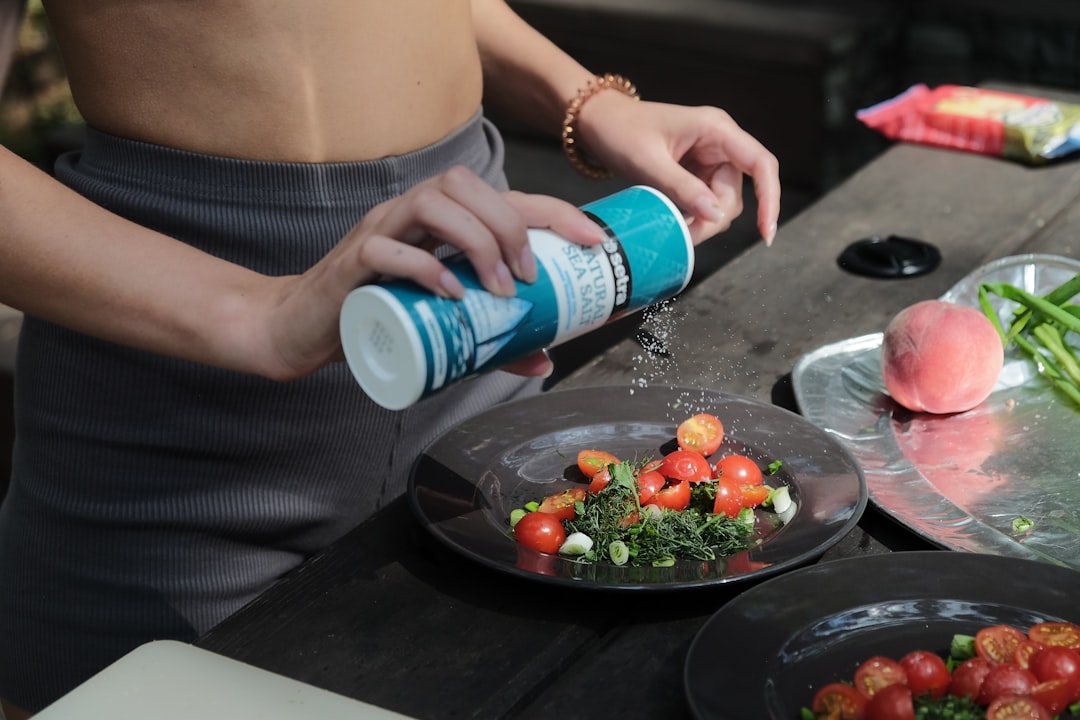
Every cook has one dish that humbled them. Mine was a pot of white bean soup, about eight years ago, on a night I had company coming in forty minutes. The beans were tender, the broth was golden, and it tasted like absolutely nothing. I stood there with the wooden spoon, tasting and tasting, while the clock ticked. My grandmother would have taken one sip, said nothing, reached for the salt, squeezed half a lemon into the pot, and ladled it out like a miracle. It took me another three years to understand what she was actually doing, and another two after that to build my kitchen around it.
Here is the secret nobody puts on a recipe card: the difference between home cooking that feels flat and food that makes people close their eyes usually happens in the last thirty seconds, after the heat is off. The searing, the simmering, the roasting — that is construction. The finish is the decoration that people actually taste. This is the story of how my team and I rebuilt my cooking around that final half-minute, and the small shelf of tools and ingredients that now does more for my food than any appliance I own.
Why the End Matters More Than the Beginning
When my test kitchen crew and I started timing our seasonings deliberately, we learned something that changed how every recipe in this house gets written. Salt added at the start of a long simmer sinks into the food and evens out — which is exactly what you want for depth. But salt added at the very end lands on the surface, where your tongue hits it first. Those two moments do completely different jobs. The same goes for anything aromatic. Citrus oils, fresh herbs, and peppery olive oil are volatile little things; given twenty minutes over heat, their brightness cooks away into the general mush of the dish.
So the finish is not an afterthought. It is a second, smaller act of seasoning that happens when the food can still show it off. Professional kitchens understand this instinctively — watch a line cook plate anything and count the last-second gestures. A pinch here, a drizzle there, something green. Home cooks mostly stop at “done.” The goal is to stop at “done, then adjusted.”
The Salt Box That Lives Next to My Stove
I keep two salts within arm’s reach of the burner, and they are not interchangeable. For cooking, it is Diamond Crystal kosher salt — the flakes are light and delicate, which sounds like marketing until you realize it makes the salt forgiving. A three-finger pinch seasons a whole pot of water and you can correct course easily, because the crystals dissolve fast and measure lighter than dense, heavily-processed salts. When we ran side-by-side pots of the same soup, the Diamond Crystal batch tasted rounder; the control batch made with a standard fine salt edged toward harsh before we knew what happened.
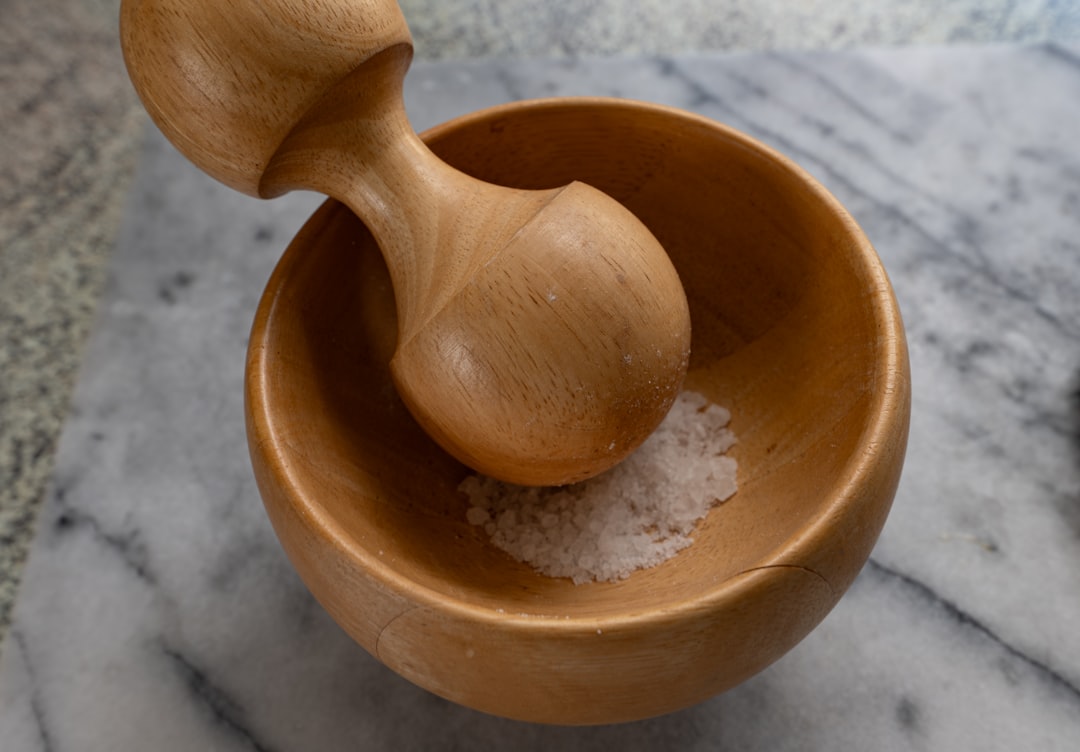
The second salt never touches heat. Maldon sea salt flakes finish everything from sliced tomatoes to chocolate chip cookies, and the reason is texture. Those crunchy pyramids dissolve slowly on the tongue, so a sliced cucumber with olive oil and a pinch of Maldon tastes seasoned in layers instead of one flat note. My crew jokes that the day I found Maldon was the day buttered toast became a cuisine in this house. A 20-ounce tub lasts us about four months, which makes it one of the cheapest luxuries in the pantry.
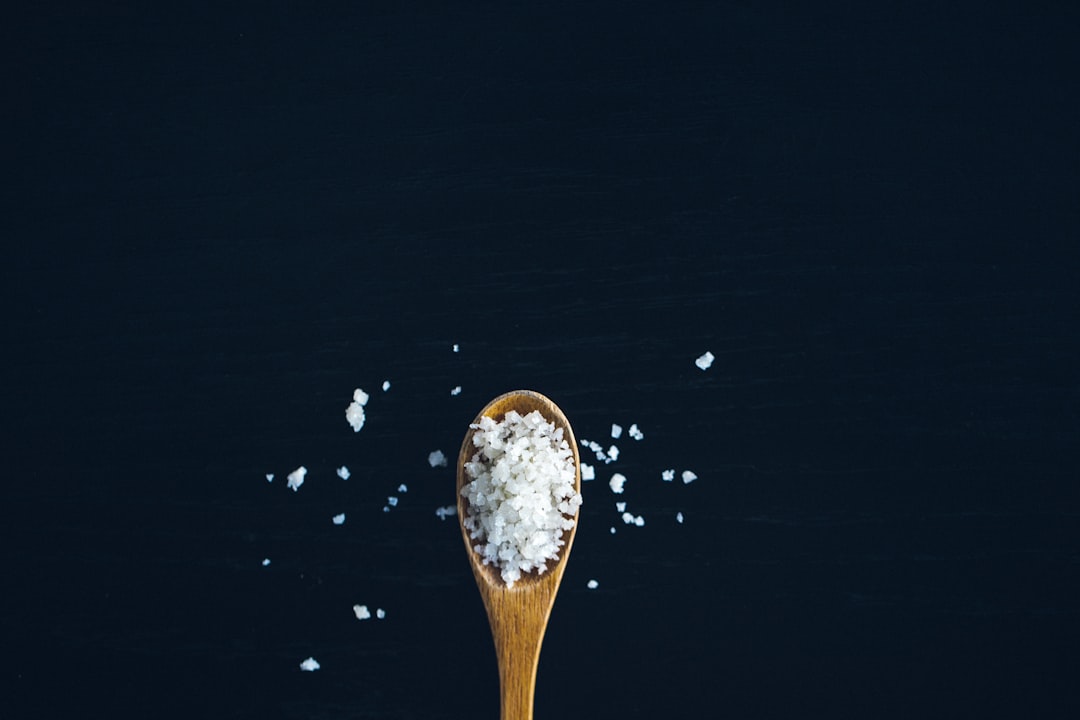
Both salts live in open-top cellars, because hunting through a cabinet mid-sear is how things burn. I tested a stack of lidded options this spring before landing on a ceramic salt cellar with a lid for the counter next to the stove — wide enough for a full hand, heavy enough not to scoot around when I’m moving fast, and the lid keeps whatever humidity August throws at the kitchen off the flakes. If your spice situation has spiraled the way mine once did, this pairs nicely with the great spice storage overhaul I wrote about earlier this month.
The Lemon That Earned Its Counter Space
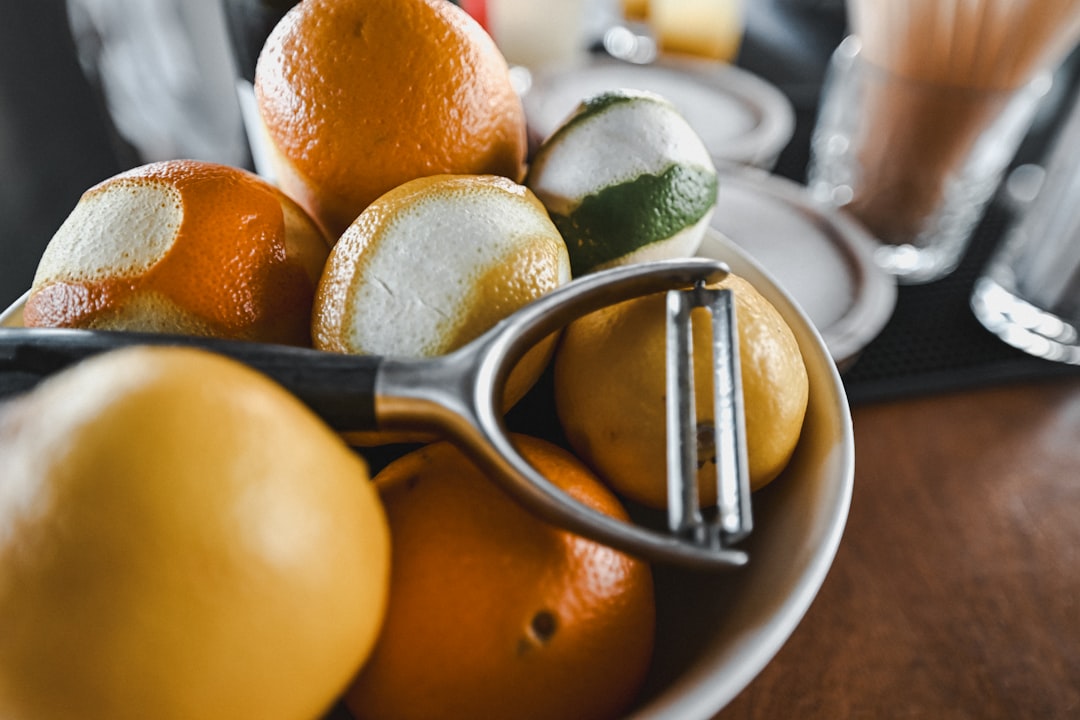
If salt is the volume knob, acid is the light switch. There is a bowl of lemons on my counter twelve months a year because of this. When a stew, a soup, or a plate of roasted vegetables tastes muddy — technically seasoned, technically done, just dull — the answer is almost never more salt. It is acid. A squeeze of lemon at the end perks up flavors the way opening a curtain perks up a room. I have watched guests taste lentil soup before and after a half lemon and ask what herb I added. No herb. Just brightness.
The trick is that the juice has to arrive late. Lemon squeezed into a simmering pot for twenty minutes turns flat and a little bitter; the same squeeze stirred in off the heat tastes vivid. For years I juiced halves with my bare hand and a fork, which works, but after my crew timed our weeknight cooking we conceded the tool people had been recommending actually earns its drawer space. The Chef’n FreshForce lemon squeezer gets more juice out of a half lemon than I can by hand, with none of the seeds-in-the-soup drama, and it lives next to the cutting board now.
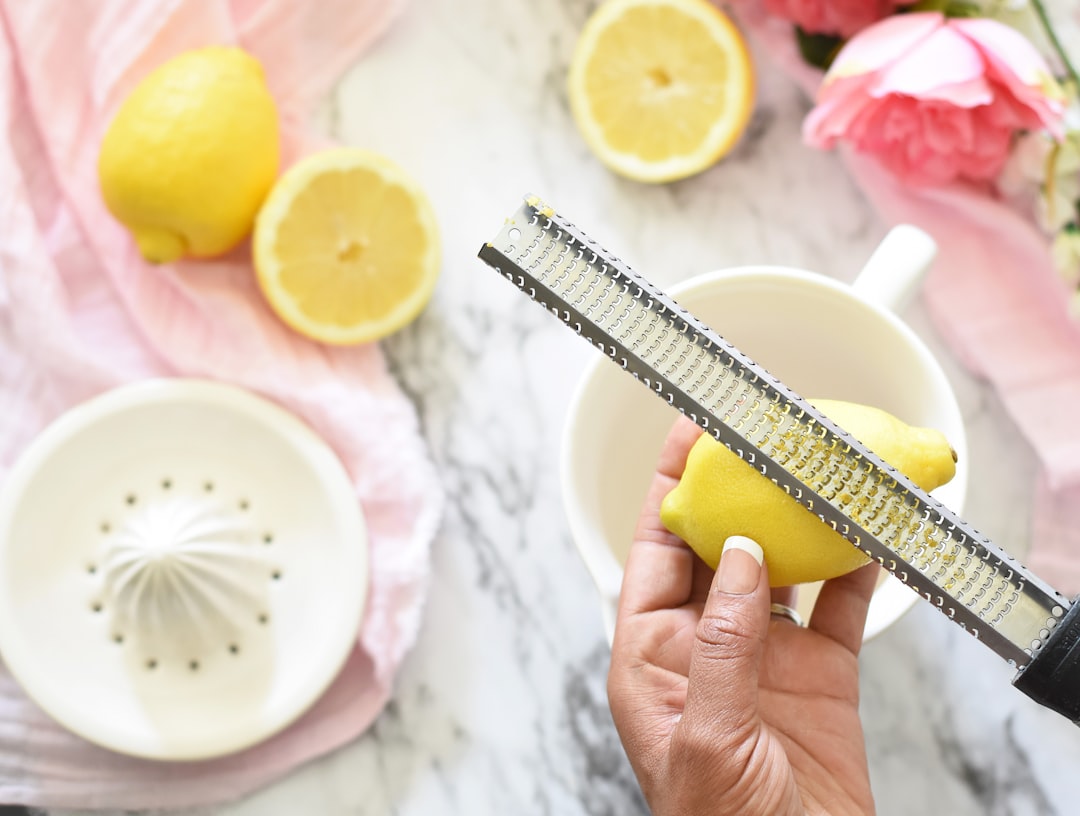
And then there is zest, the ingredient I ignored for most of my cooking life. The colored part of the peel holds intensely perfumed oils that juice simply does not have. A few scrapings over finished pasta, roasted fish, or a bowl of berries changes the aroma before the first bite. One classic Microplane zester handles all of it — lemon, lime, Parmesan, nutmeg, garlic when I want it to melt invisibly into a sauce. If you buy one ten-dollar-feeling tool off this page, make it that one.
Vinegar for the Weeks Lemons Run Out
Lemons are my first love, but vinegar is the more patient partner. Where lemon juice shouts, a mild vinegar lifts. The revelation for me was champagne vinegar — it is gentle enough that a splash on roasted broccoli or into the pot-liquor of a ham and bean soup reads as “somehow better” rather than “vinegary.” My rule of thumb after a season of testing: think of vinegar as lemon’s cousin who keeps for months and plays nicely with anything braised, roasted, or green.

The technique is identical to the lemon move, and just as late. Heat off, small splash, stir, taste. If you can identify the vinegar, you used too much. The goal is the plate tasting brighter without anyone being able to name why. Start with a teaspoon and give it thirty seconds before you judge it — acid needs a moment to knit in.
Fat Finishes What Acid Starts
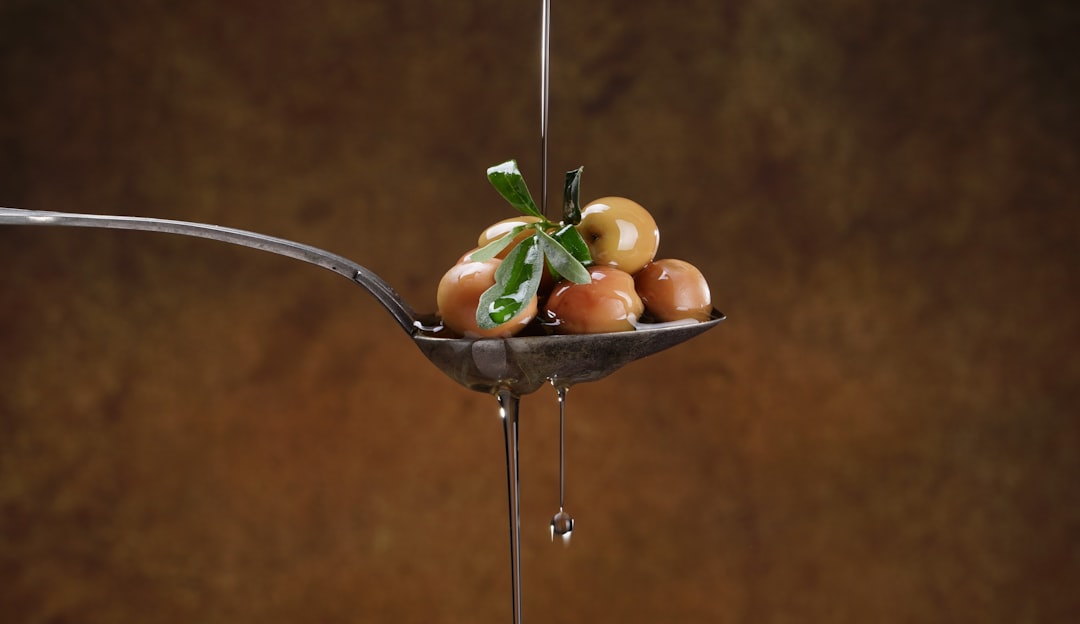
The third gesture in the thirty-second ritual is a finishing fat, and it is the one my grandmother performed most often. A drizzle of good olive oil over soup right at the table carries aroma to your nose and a silkiness to every spoonful that broth alone never manages. My current obsession is Graza’s Drizzle, a squeezable, peppery extra-virgin built exactly for this job — no drippy bottle, no fancy decanter, just aim and finish. It made our simple white bean dinners feel like restaurant food the week it arrived.
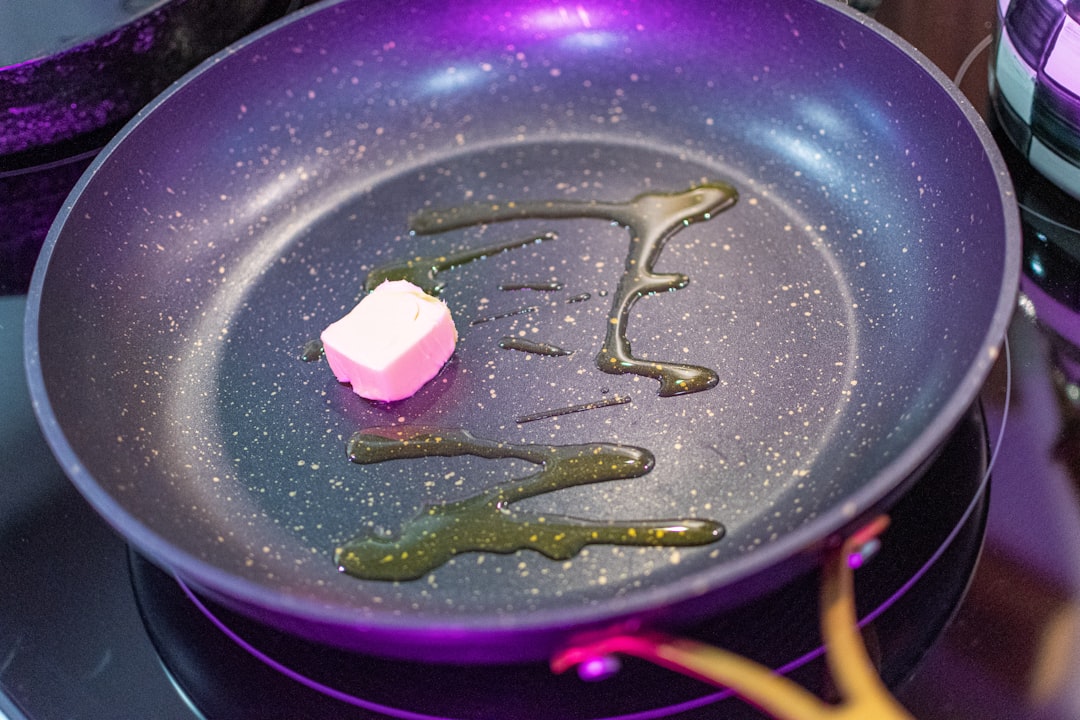
When the finish needs to be richer instead of greener, it is butter. A knob swirled off-heat into pan juices turns them glossy and coats every bite; it is the same principle behind the pan sauce method I wrote about at the start of the month, and it remains the fastest way to make a weeknight chicken thigh taste like a bistro. The pan does the work; butter just signs the finished painting.
Something Green at the Very Last Second
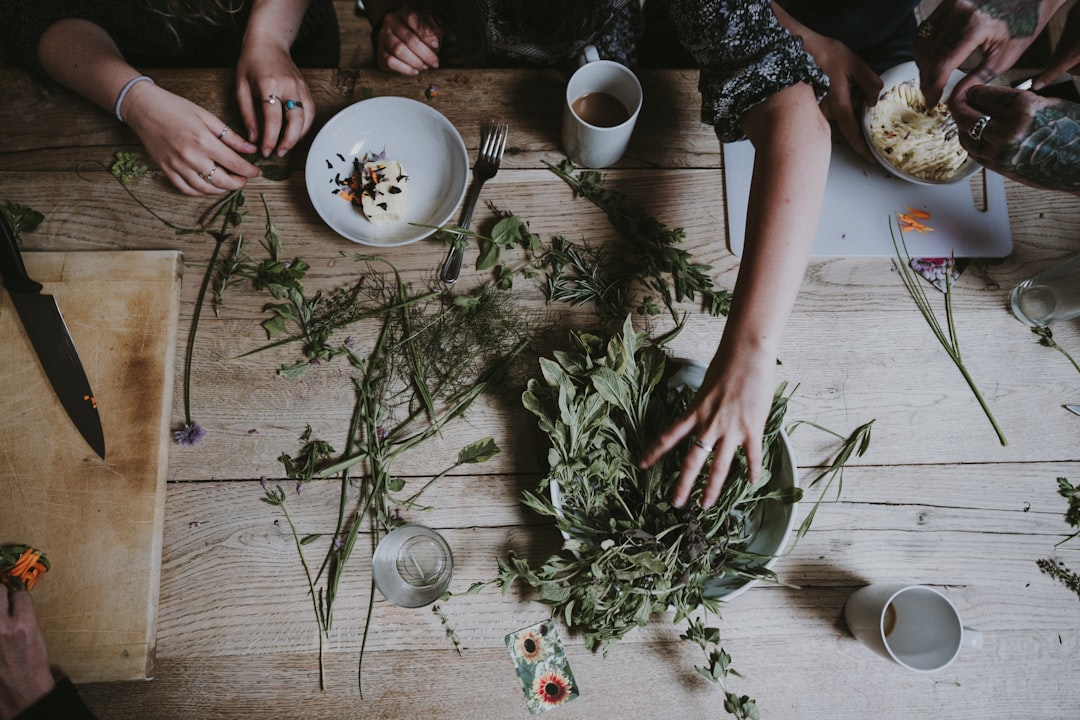
The final layer is color and life: herbs, added after the heat is off. Basil stirred into tomato soup at the stove loses its perfume in minutes; the same basil torn over the bowl at the table smells like a garden. Parsley over roasted potatoes, chives over scrambled eggs, cilantro over a finished pot of black beans — none of these are flavor decisions so much as timing decisions. If you grow anything at all, even a pot on a sill, this is where it shines.
There is a lesson here that runs through everything on this site, from the sheet pan audit to the Dutch oven I will never replace: the equipment gets the food ninety percent of the way, and the last ten percent is technique that costs almost nothing. The finish is the cheapest upgrade in cooking. No appliance, no gadget, just a pinch, a squeeze, a drizzle, and something green.
My Thirty-Second Checklist
Here is the ritual as it hangs on my refrigerator now, written by the youngest member of my test kitchen crew in marker that has not yet dried properly. Heat off. Taste. Ask what is missing — if the answer is “nothing specific but boring,” it wants acid. Add salt and taste again; boring plus flat wants a flaky pinch on top at the table. If it tastes thin instead of dull, it wants fat: olive oil for green things, butter for brown things. Finish with something fresh — herbs, zest, or scallions — and plate. Total elapsed time, thirty seconds, maybe forty if the lemon is stubborn.
Run it on the next five things you cook and the checklist starts running itself. My lentil soup, that white bean pot, a pan of roast carrots that had seemed ordinary — each one rescued at the door. And on the evenings the meal is done but the cook is not, there is one more finishing ritual in this house: a couple of dashes of Angostura bitters into sparkling water with a slice of orange. Same principle, different course. Everything gets a last thirty seconds — the food, and whoever made it.

2 thoughts on “The Last Thirty Seconds: How Salt, Lemon, and One Drizzle Rescued My Cooking”