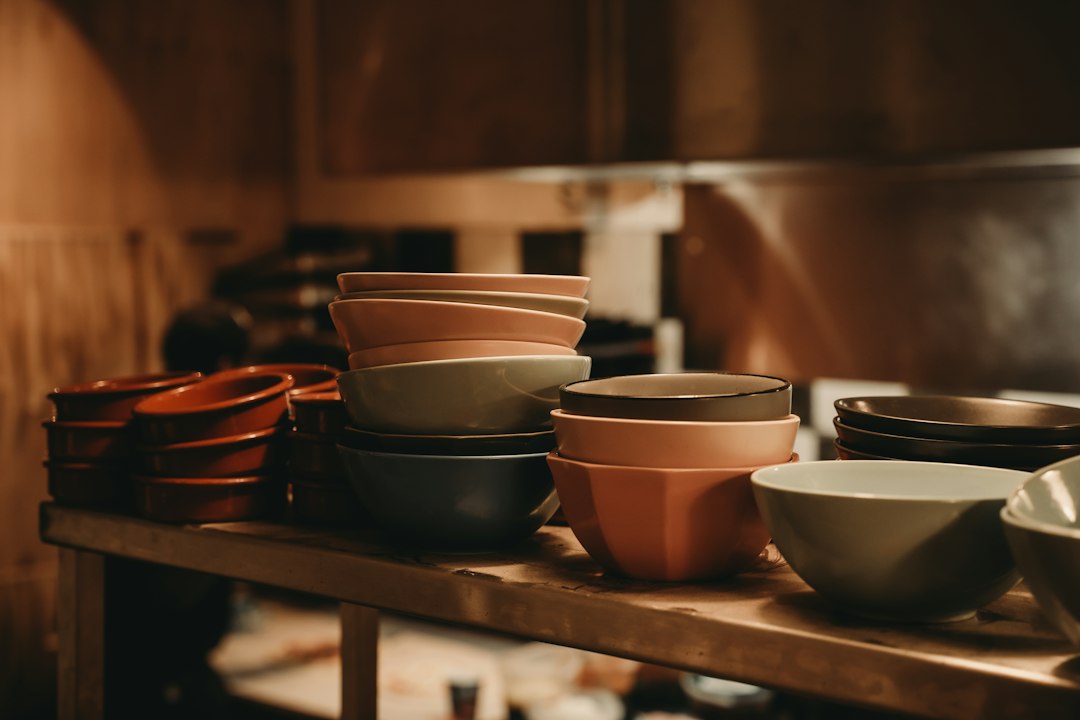
Every September, around the time the first apple pie of the season hits the counter, my kitchen stages the same little mystery. I reach into the cabinet for the mid-size bowl — the 3-quart, the workhorse, the one that fits exactly one batch of pancake batter or the dry ingredients for a double batch of snickerdoodles — and it is simply gone. Not chipped. Not hiding behind the stockpot. Gone. The big bowl is there. The little one is there. The middle child has vanished like a sock in the dryer.
This year I decided to stop treating it like a coincidence and start treating it like a procurement problem. Because here is the truth nobody tells you when you’re registering for wedding gifts or stocking your first apartment: the bowls you actually cook with get chosen by accident, and then you live with the consequences for a decade. My crew — the family panel that taste-tests everything I write about — has opinions about this. My mother’s opinion, delivered over the phone while I was elbow-deep in flour, was blunt: “Stop buying sad bowls.”
So this is the guide I wish somebody had handed me twenty years ago, back when I owned exactly four mismatched bowls and a dream. It’s everything my test kitchen and I learned after six weeks of cookie dough, pie filling, brine, sourdough, and one regrettable attempt at whipped cream by hand: which materials earn their shelf space, which sizes you’ll actually reach for, and what I’d put in my own cart this month before the baking season swallows us all.
Six Weeks of Dough, One Missing Bowl
Before I recommend a single product, I want to explain how this test actually worked, because a bowl list scribbled from a catalog is worthless. We ran the gauntlet: three rounds of chocolate chip cookies, two pies, a Saturday of sourdough, and a marathon prep day where every bowl in the house was holding something. I weighed batters, timed whisking, checked for spin (a bowl that rotates while you stir is an enemy), and noted which ones my sister-in-law instinctively reached for when she baked alongside me. People vote with their hands.
The vanishing mid-size bowl turned out to be a family-wide phenomenon. My niece confessed hers had become a dog water bowl. A friend’s had migrated to the garage to hold birdseed. The mid-size bowl is the most useful object in the kitchen, which is exactly why it escapes to the rest of the house and never comes home. The fix isn’t vigilance. The fix is owning more than one bowl you’d actually miss — and building a set on purpose, the same way I finally rebuilt my baking cabinet before cookie season started last year. Once your bowls are chosen deliberately, they stop being disposable.
Three Materials, Three Very Different Personalities
Walk into any kitchen store and you’ll meet a wall of bowls in glass, steel, ceramic, and plastic. After this month, I’m convinced most kitchens need two of those materials, not one — and almost nobody needs the plastic.
Stainless Steel, the One That Does Everything
If I could keep only one material, it would be stainless, and it isn’t close. Steel bowls are light enough to hold in one arm while you fold with the other, they shrug off drops, they don’t care about citrus or vinegar, and — the trick every pastry teacher taught me — they nest inside each other so a full set takes the footprint of a single salad bowl. You can set one over a pot of simmering water and melt chocolate without a double boiler. The only thing steel can’t do is go in the microwave, and honestly, that’s a fair trade.
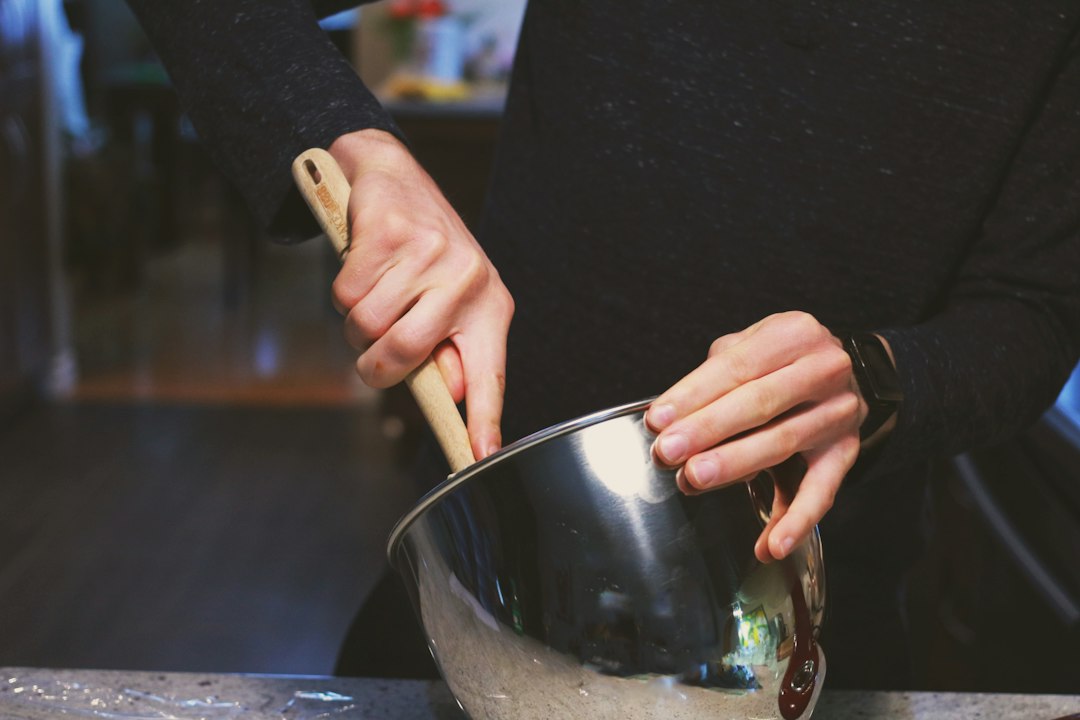
The set that earned the prime shelf is the OXO Good Grips 3-piece stainless set, which is the rare trio where every size got used weekly. The nonslip exterior is quieter in the hand than bare steel, and the base doesn’t skate across the counter when a twelve-year-old is stirring with more enthusiasm than technique. For a tighter budget, the Cuisinart 3-piece stainless set with nonslip bases covers the same 1.5, 3, and 5-quart footprint for less, and it survived a month of testing with nothing worse than a scratch. If you want depth — five bowls instead of three, so there’s always a clean one mid-recipe — the WHYSKO 5-piece nesting set is the value play I’d hand a new graduate. Six weeks in, my only note on steel across every brand: thin walls dent. Choose the heavier gauge, always.
Glass, the Honest One
There is a reason every cooking show fills glass bowls with mise en place. You can see the batter. When my cousin and I were testing pie filling, we could watch the cornstarch turn from chalky white to translucent through the side of the bowl — no spooning, no guessing. Glass doesn’t stain, doesn’t hold garlic scent, goes from fridge to microwave, and doubles as a serving bowl when company arrives early. The cost is weight and gravity: a 5-quart glass bowl full of dough is a two-hand object, and tile floors are undefeated.

The Pyrex Essentials 3-piece glass set is the one my grandmother’s kitchen and my kitchen agree on — the same shapes she used, still reasonably priced, still everywhere for a reason. If leftovers are your love language, step up to the Pyrex sculpted set with lids, because a glass bowl that snaps shut becomes the container the dough proofs in, the fridge holds it in, and tomorrow’s snack gets served from. Fewer dishes at the end of a baking day is no small luxury.
Ceramic, the One That Stays Out After Dinner
Now we arrive at my weakness. A good ceramic bowl is the only piece of mixing equipment that doubles as décor — heavy enough to knead against, pretty enough to sit on the open shelf between jobs, holding fruit or looking decorative until Sunday. It’s the bowl my aunts used for bread dough, weight anchoring it to the table while their arms did the work. The downsides are real, though: it’s the priciest material, the heaviest, and the least forgiving if it leaves your hands.
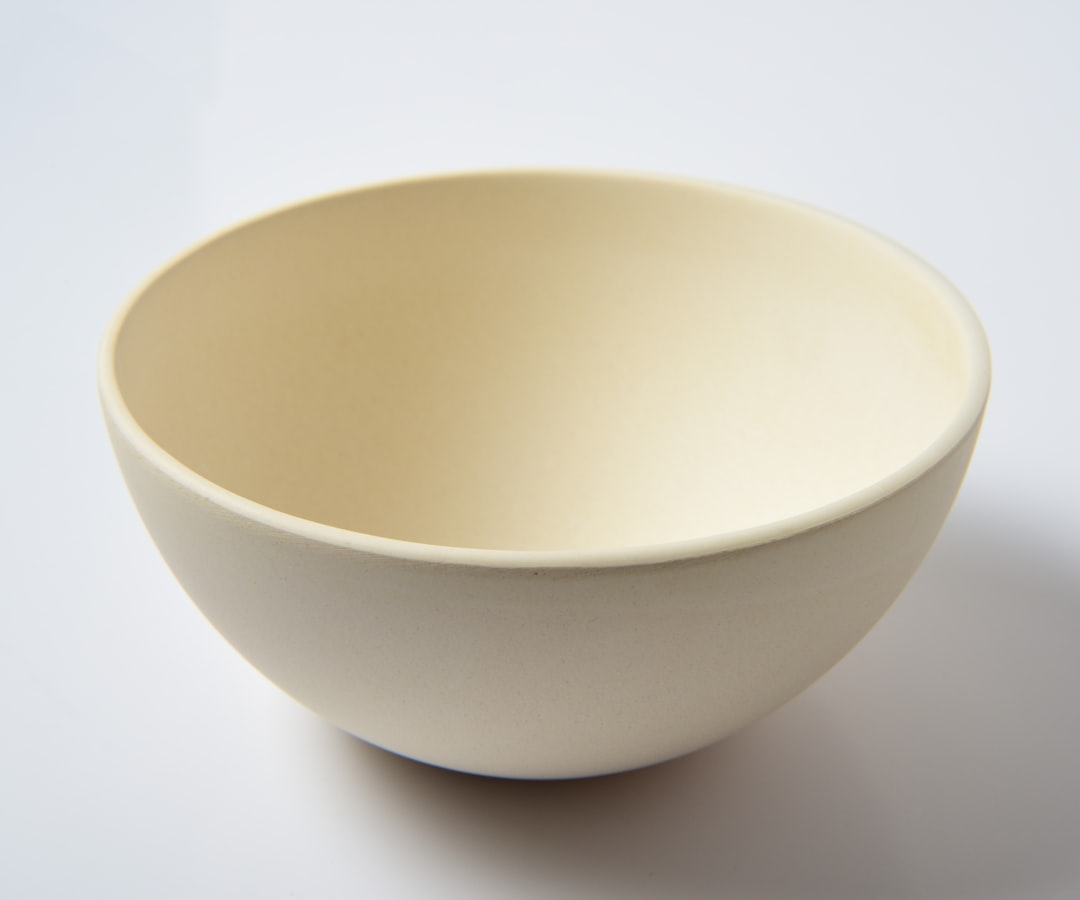
The Mason Cash pumpkin patch bowl is the seasonal splurge that walked into my kitchen this month and will not be walking out. The embossed pattern gives your fingers traction while mixing stiff dough, and the shape is modeled on bowls bakers have used in England for two centuries — this is not a gimmick bowl, it’s a heritage one. If one bowl isn’t enough for your gifting list, the Mason Cash meadow 4-piece set nests a whole ceramic story into one shelf. Fair warning from someone who now owns both: guests will ask about them, and you will enjoy answering.
The Lid Question, Answered at Last
Here’s where the great bowl debate gets quietly practical. Lids sound like a bonus feature; in a real baking week, they’re the difference between a clean fridge and a shelf of plastic wrap. Dough proofs overnight. Whipped cream waits for dessert. The dry team — flour, sugar, oats — holds in a lidded bowl until the second baking day. When I finally rigged my whole bench with lidded bowls, my plastic wrap habit quietly died, which my crew’s unofficial sustainability auditor (my teenage daughter) considers the family’s greatest 2026 achievement.
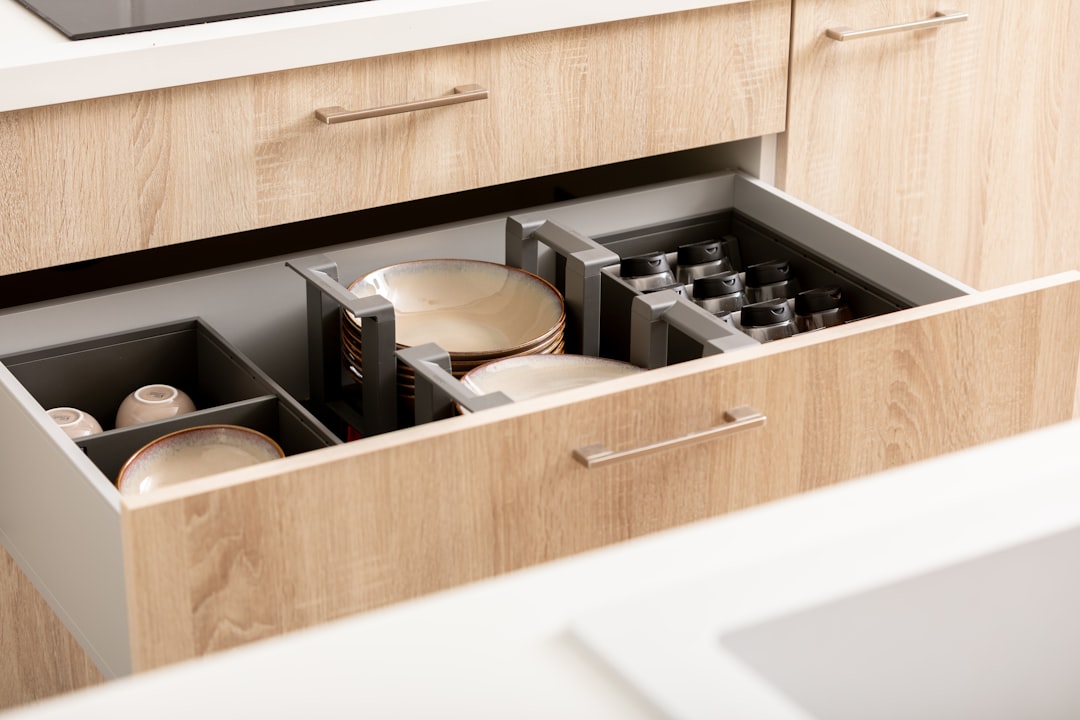
Two lidded sets did the heavy lifting this month. The Umite Chef 8-piece set with airtight lids is the Swiss Army knife option: eight nesting sizes, nonslip bottoms, and grater inserts that turn a lid into a tool. The Priority Chef 5-piece set uses thicker steel than anything else at its price, with airtight lids that survived being carried to a potluck in a car trunk — the full-contact sport of kitchen gear testing.
The Size Math Nobody Teaches You
Let me save you the geometry. You need four working sizes, and you’ll reach for them in this order: the 3-quart (everything), the 5-quart (doughs, big batches, salads for a crowd), the 1.5-quart (whisking eggs, small prep, that “one more thing” bowl), and — reserved for special duty — a truly enormous 8-quart that comes out maybe six times a year but earns its keep every single time. That’s the bowl for the annual bread day, the brine at Thanksgiving, the popcorn on movie night.
The mistake I made for years was buying beautiful small sets and improvising the big jobs. A batch of cookie dough for the school bake sale does not fit in a 3-quart bowl. It fits in a 5, with room to fold without flinging flour across the counter like my first attempt this month, which the cleanup crew (me) is still finding in places flour should never be.
And if you’re pairing this with the big equipment — because serious bowl work and serious mixing go together — my long-term stand mixer notes are over here, and the pasta makers that earned counter space (with their own dough-bowl demands) are chronicled here. The through-line from all of it: buy the capacity you actually cook at, not the capacity that photographs well.
Where My Own Money Would Go This Month
If I were starting from a bare cabinet on September 17, here’s the exact order I’d buy in. First, the workhorse trio: a lidded stainless set in 1.5, 3, and 5 quarts — the Cuisinart white stainless set with lids is the one I’d click today, because it splits the difference between the OXO’s polish and the budget sets’ price, and the lids up front mean no retrofitting later. Second, one glass bowl for the microwave-adjacent and leftovers-and-baking-visibility jobs; the Pyrex three-pack costs about what a pizza night does. Third, the one heirloom — the pumpkin bowl or whatever ceramic speaks your language — because a kitchen needs at least one object that means something.
That’s it. Three purchases, roughly the cost of a nice dinner out, and your baking season is structurally sound. Everything else is gravy, and gravy, as my grandmother said, wants a good bowl too.
Four Bowl Habits Worth Stealing
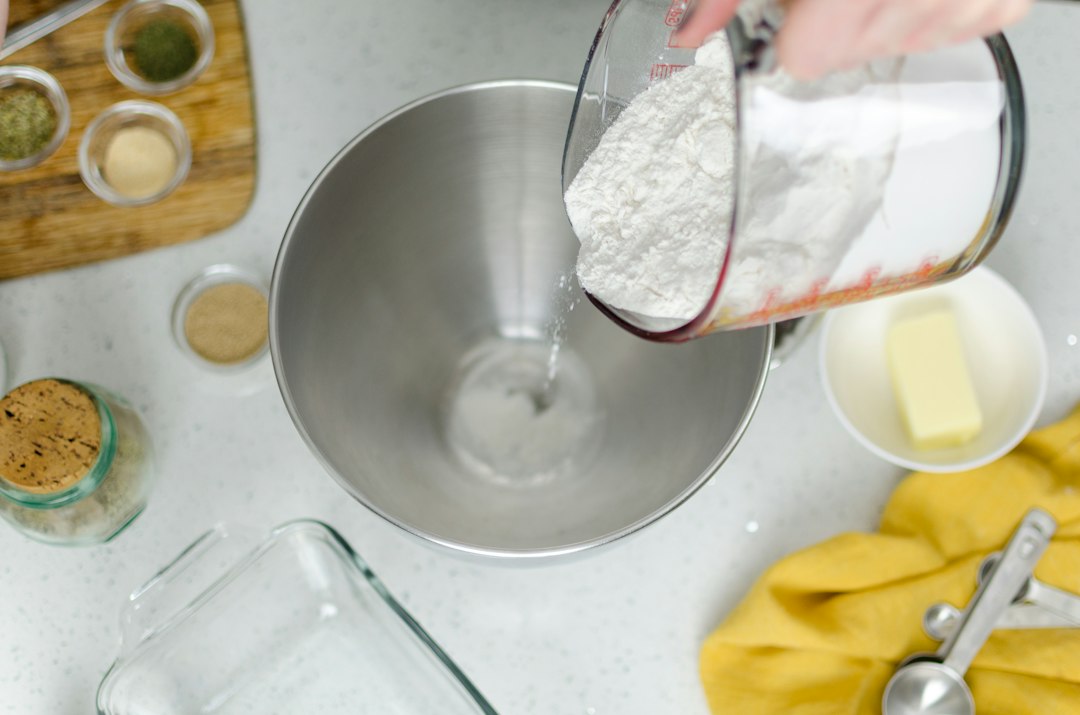
Before you go, a few field notes from the testing month that had nothing to do with shopping and everything to do with joy. One: the “one extra bowl” rule — before any bake, set out one more bowl than the recipe needs, and cleanup magically stops colliding with mixing. Two: the biggest bowl in the house lives on the counter during apple season; it holds peels, keeps the chaos contained, and goes to the compost in one trip. Three: pour dry ingredients into the bowl from a low height and the flour cloud mostly never happens. Four: when a bowl is beautiful, use it anyway — the pie kit I restock every August taught me this, and the pumpkin bowl confirmed it. The dishes you’re afraid of are the dishes you never love.
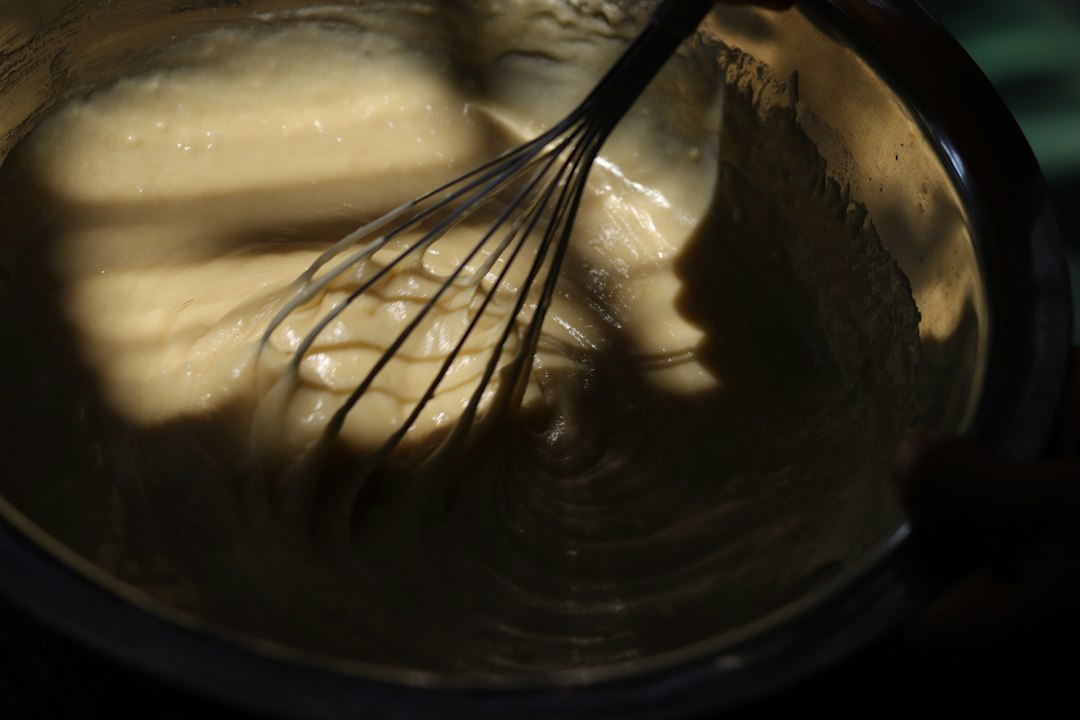
The mid-size bowl, I’m happy to report, has been located. It was under the sink, holding rags, which is exactly the fate a merely adequate bowl deserves. The new bench has no weak links for it to escape into. May your baking season be full, your counters floured, and your middle children — bowls and otherwise — always where you left them.