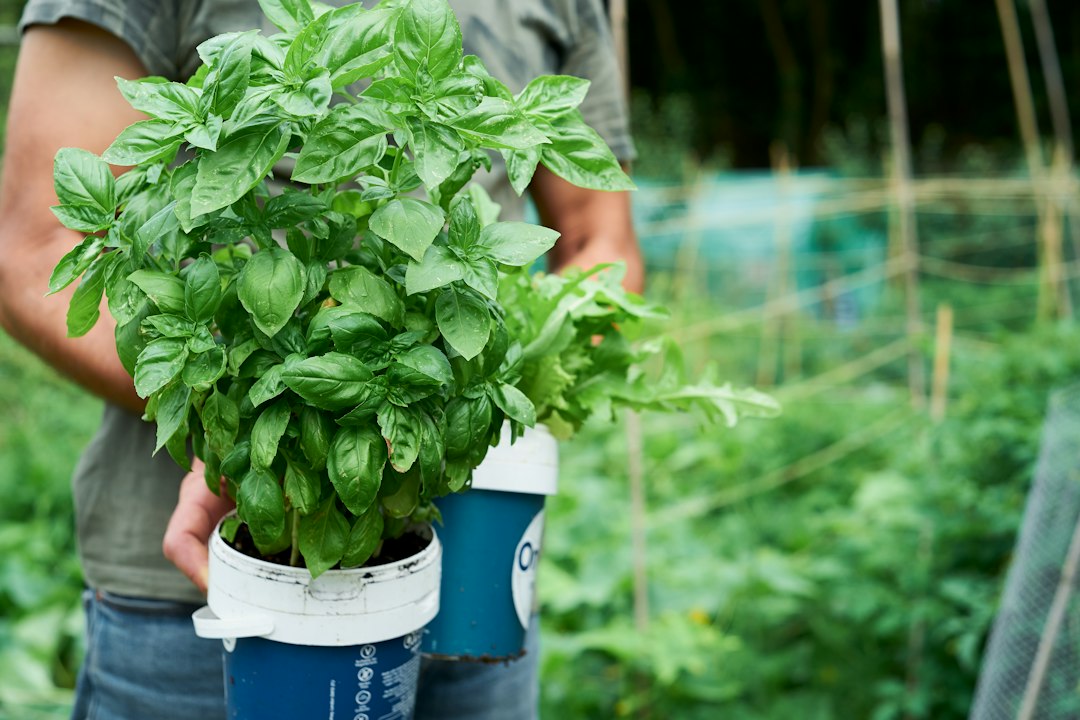
Every October, my kitchen holds a small funeral. The pots on the back patio give up within the same week the first frost warning appears, and there I am on a Saturday morning, cutting the last sad stems of basil while my husband hauls the tomato cages to the garage. For years I accepted this as the price of living in a place with actual seasons. Fresh herbs were a summer romance, and from November through April I bought those plastic clamshells of basil at the grocery store like everyone else.
Then last winter, my test kitchen crew ran the numbers on my herb habit, and I finally had to face it: I was spending four to five dollars a week on basil that wilted before I finished the container. Multiply that by twenty-six cold weeks and I had quietly funded a very nice dinner out — for herbs I threw half of away. Something in me snapped, in the gentlest possible way. I cleared a corner of the counter, plugged in a little hydroponic garden, and started growing my own.
The Four-Dollar Funeral
Let’s talk about why grocery basil dies so fast, because understanding that is what convinced me to change my system. Cut basil is a tropical plant that detests the cold, and we stick it in the coldest part of the fridge, where it blackens within days. A living pot from the produce section does only slightly better — it’s been grown in a soft greenhouse, packed onto a truck, and by the time it reaches your counter it’s already exhausted. You get one pesto, maybe two, and then the stalks go woody and the whole thing goes brown.
If you’re not ready for a plug-in garden yet, at least store cut herbs like a professional: trim the stems and stand them in a jar of water, or use a proper container built for the job. The OXO GreenSaver herb keeper sits in my fridge door and routinely buys me five extra days out of a bunch of parsley. It’s the same philosophy I wrote about in my month-long produce-waste audit — The Spoilage Ledger — small storage upgrades beat good intentions every single time.
How a Countertop Garden Works
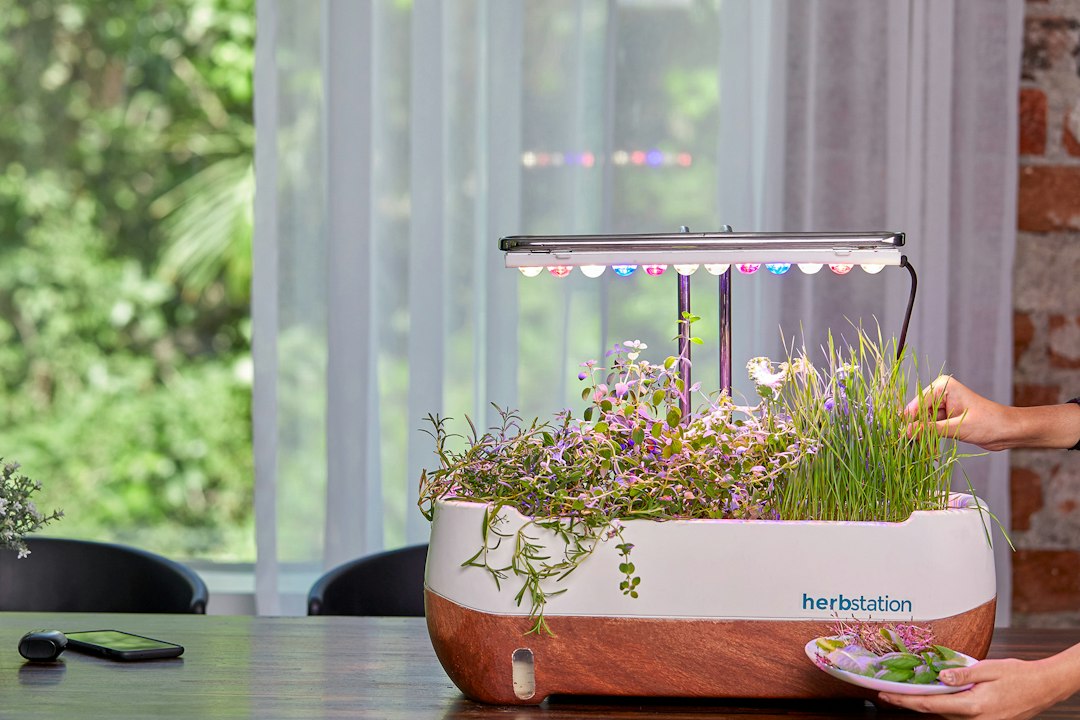
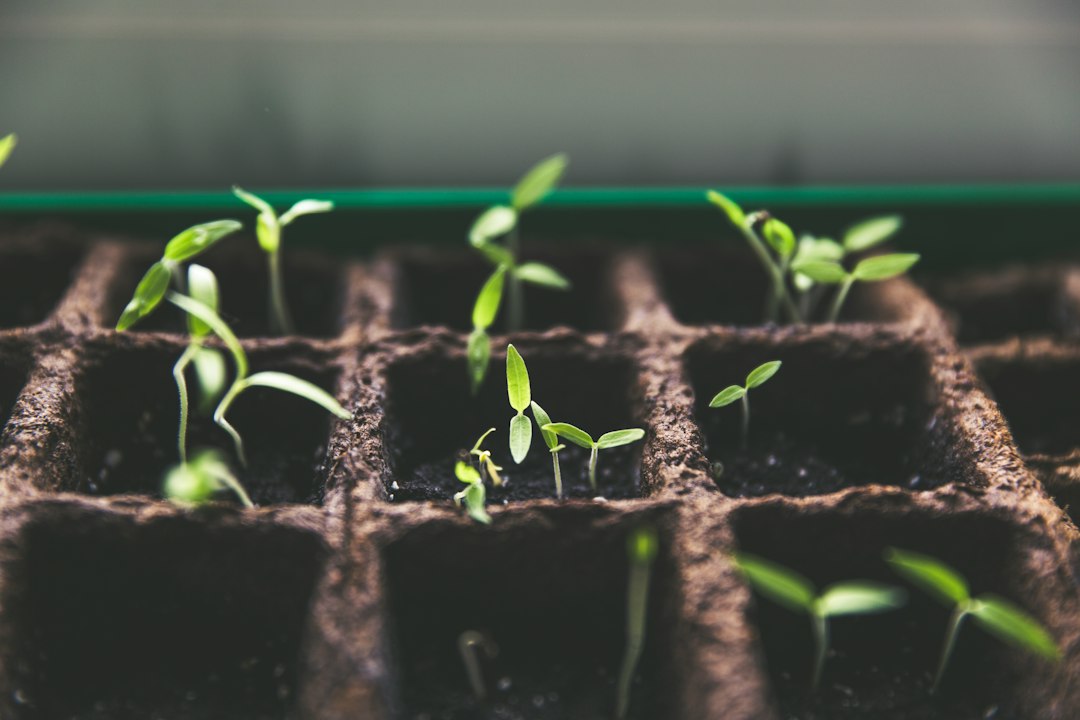
A hydroponic garden is really just three things: a reservoir of water, a full-spectrum LED grow light that stands in for the sun, and little pre-seeded pods that sit in the water instead of soil. You add liquid nutrients every two weeks, the light runs on a timer — mine hums to life at dawn and switches off after supper — and the plants do the rest. No dirt under my fingernails, no fungus gnats, no guessing. My first pods germinated in four days, which is roughly how long it takes me to decide on a weeknight dinner.
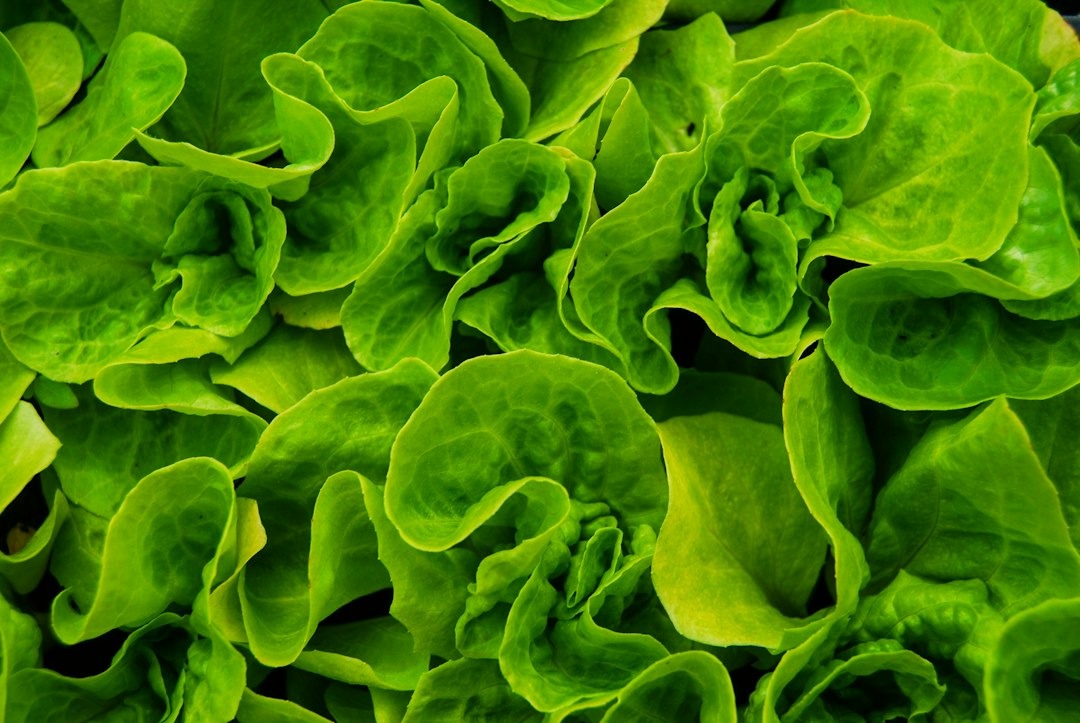
The counter-intuitive part is that the light matters more than the window. These gardens don’t need a sunny sill at all; the LED canopy delivers consistent, plant-tuned light for fifteen hours a day in a spot where a windowsill would give you weak, cold, intermittent sun all winter. That’s why lettuce — yes, actual salad greens — grows beautifully in these things. My team harvested cut-and-come-again lettuce from our test unit for eleven straight weeks last February, while three feet of snow sat outside the window behind it.
Three Machines That Earned My Counter Space
After six winters of testing — and one unit I returned because it sounded like a mosquito with a grudge — I’ve settled on a short list. The benchmark is still the AeroGarden Harvest Elite, the stainless six-pod workhorse that lives on my counter from October through May. It germinates fast, the light height adjusts as plants take off, and cleanup at the end of the season takes ten minutes. If the Harvest Elite is the full-size pickup of the category, the AeroGarden Sprout is the little hatchback: three pods, a tiny footprint, perfect for a studio apartment or a first experiment.
The budget pick that genuinely surprised us is the iDOO 12-pod system, which costs about half of what the name brands run and produces genuinely lush growth. Its grow arm adjusts taller than the AeroGarden’s, which matters when your basil hits its teenage growth-spurt phase. With the October Big Deal Days pricing happening right now, this is also the week I’d actually buy — discounts on these gardens are real, and Prime members get the fastest shipping on pods and refills, which matters when you’re starting seeds. If you’ve been on the fence, a Prime membership pays for itself in herb money alone.
When You Want More Than Herbs
Here’s where I lose people to ambition, so let me be the responsible one. If you dream of cherry tomatoes in February — it’s possible, but you want the bigger boxes. The AeroGarden Bounty gives you nine pods, a taller light, and a little screen that reminds you when to feed, which is the feature my mother most appreciates about hers. On the newer side, my crew has been impressed with the LetPot LPH-SE, a quiet twelve-pod unit with a pump you can actually hear yourself think over, and the sprawling LetPot LPH-Max, whose twenty-one pods will grow you an actual salad operation in the footprint of a cutting board.
Some of the LetPot models connect over WiFi to an app, which works fine — though after writing about the kitchen tech that finally ditched its apps, I admit I prefer my garden dumb and dependable. If you’d rather skip hydroponics entirely, the Click & Grow Smart Garden 3 uses little soil capsules instead of water tanks, and it’s the most foolproof version of all: insert pod, add water, ignore. My sister has killed every plant she’s ever owned, and hers is thriving.
What Actually Grows, and What Wastes a Pod
Six winters of pod logs taught us this much: basil is the undisputed champion, a cut-and-come-again machine that out-produces every other pod four to one. Thai basil, genovese, lemon — all of them thrive. Mint grows like it’s trying to escape. Thyme, oregano, and parsley are steady soldiers. Cilantro is a liar — it bolts, it sulks, it dies young — and dill grows tall and leggy like a teenager who won’t eat. Cherry tomatoes and peppers work in the big units but need patience and a fan for pollination, which is a paragraph for another article.
One honest cost note: the pods themselves are the razor-and-blades part of this hobby. I keep a drawer stocked with a third-party refill kit like the inbloom hydroponic herb pod set, which costs a fraction of branded pods and germinated just as reliably in our side-by-side trial. Grow media, nutrients, and labels included — my kind of math.
The Harvest Habit
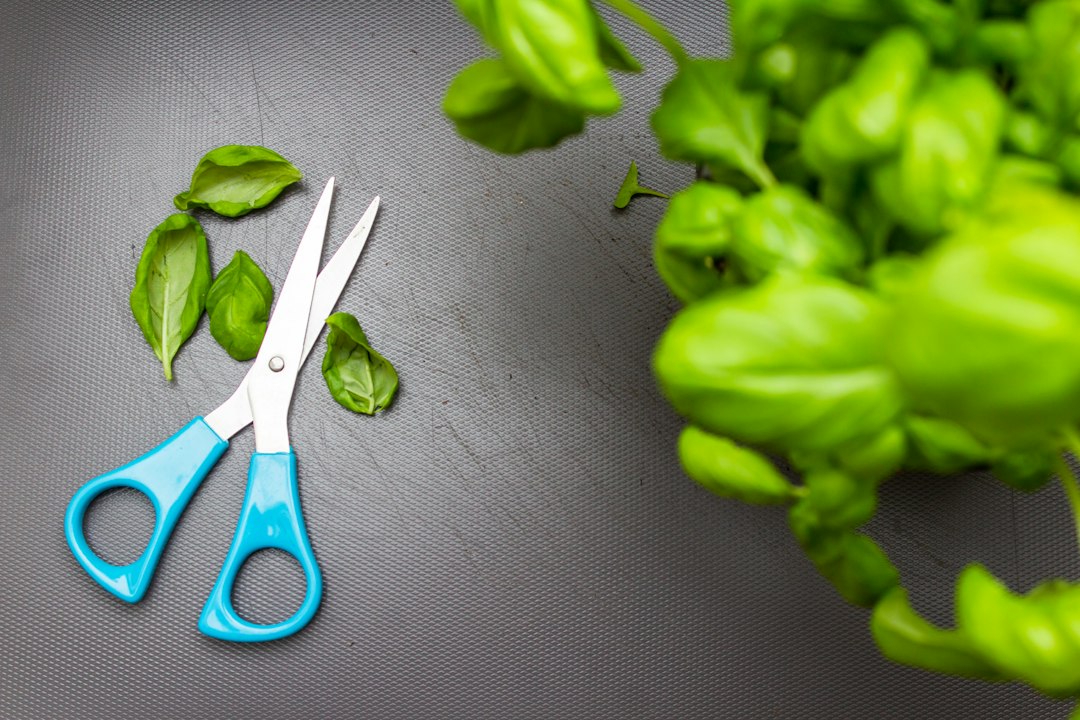
Here is the part nobody tells you, the small domestic joy I didn’t expect: harvesting becomes a ritual you plan dinner around. You don’t pluck leaves — you cut stems just above a leaf pair with scissors, and the plant responds by branching into two new stems, thicker and fuller than before. Twice a week I stand at the counter with my shears, take my cuttings like a very small landowner, and thirty minutes later that basil is in the sauce. The distance from plant to plate is measured in feet, not days.
The rule of thirds keeps the garden producing: never cut more than a third of the plant at once, and always harvest from the top so the light keeps reaching the lower leaves. My grandmother kept chives on a windowsill for forty years and wielded the same rule with her kitchen scissors. Some advice, it turns out, predates electricity.
The Windowsill Compromise
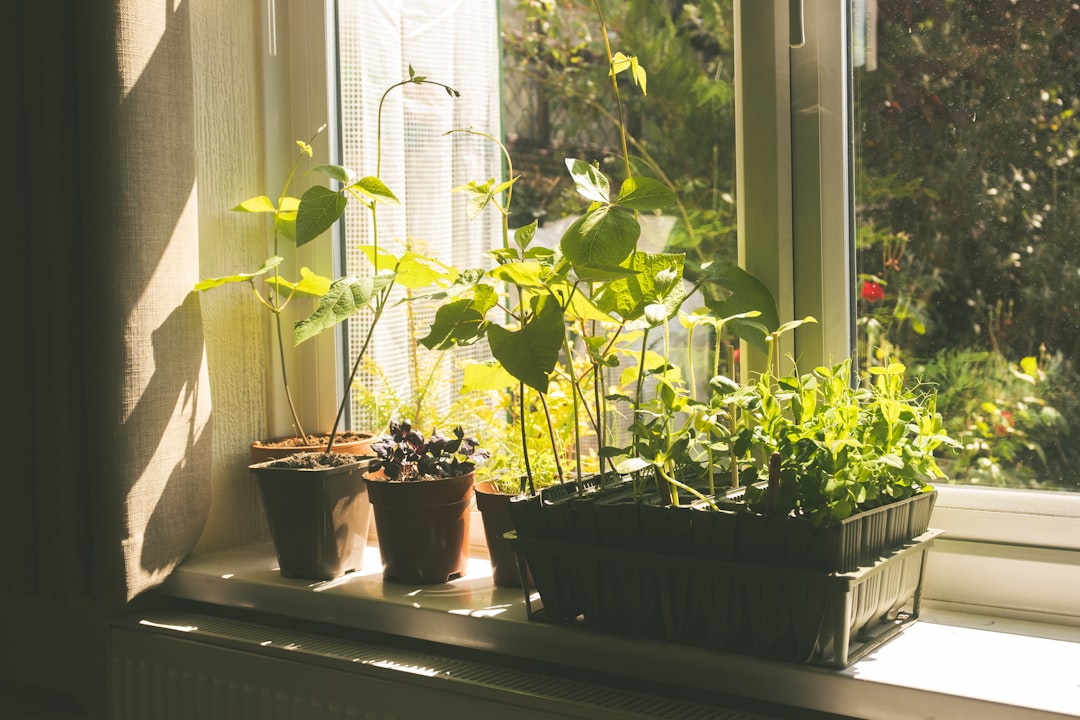
Maybe you read all this and thought, I just want my potted rosemary to survive the winter. Fair. For established potted herbs, the enemy is light, not cold — a south window in January delivers maybe a tenth of summer sun. The fix costs about twelve dollars: screw a full-spectrum LED grow bulb into a cheap clamp lamp, park it a foot above your pots, and run it on a timer. My rosemary, lemon thyme, and a stubborn little bay tree have wintered under a grow bulb in the mudroom for three years now, no hydroponics required. It’s the same light the fancy gardens use, wearing a plain coat.
Six Weeks Later, the Verdict
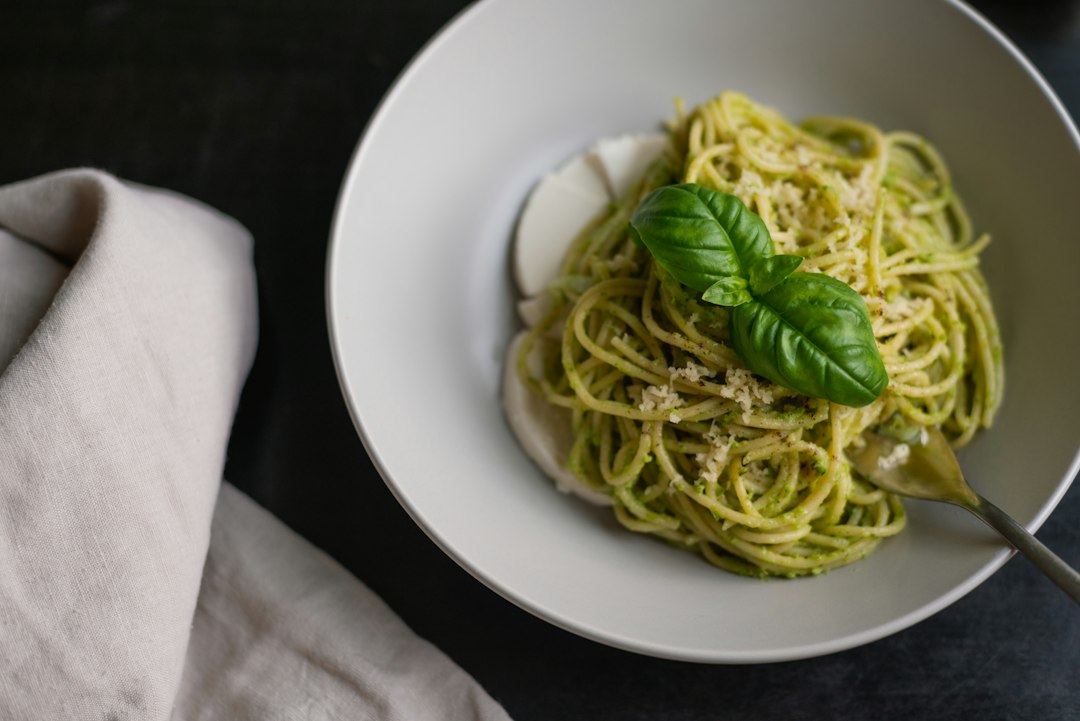
Let me close with the dish that converts the skeptics, because it converted my husband. Last January, six weeks after setup, we made pesto entirely from the counter: two packed cups of basil, toasted pine nuts, the good Parmesan, everything blitzed while the pasta water came to a boil. The kitchen smelled like July. There was snow on the window behind the herb garden, and I was harvesting from it barefoot in wool socks. If that sentence doesn’t sell you on growing herbs indoors in winter, no affiliate link I include ever will.

Was it worth it? My herb ledger says yes: the Harvest Elite paid for itself in saved clamshells by late February, and every week after that was pure profit in flavor. The savings are modest, honestly — this is not a money story. It’s a February-pasta-tastes-like-summer story. It pairs well with the flavor-first rules I keep coming back to, and it’s the same instinct behind my August dehydrator marathon: when the garden gives, the kitchen keeps. In winter, the garden simply moved inside and learned to plug in.
If you’re starting this weekend during the Big Deal Days window, start with one unit, one wall outlet, and a pack of basil pods near the door for easy clipping. Feed on schedule, cut on schedule, and by the time the frost is out of the ground, you may — like me — find yourself reluctant to give the counter back.