My mother shredded chicken the way other women folded laundry: two forks, one bowl, no complaint, every single Sunday of my childhood. I inherited the motion the way I inherited her cast iron skillet, and for thirty years I never once questioned it. Then one evening in August, a member of my test kitchen crew slid her phone across the counter and said, “You need to see what the kids on TikTok are doing to your forks.” There on the screen, a lump of chicken breast went into a plastic drum, a lid gave a few casual twists, and out came a pile of shreds in less time than it takes me to locate a second fork in my drawer. I ordered five of the things before the video ended. I regret nothing, but I also don’t hand over thirty years of family technique without a fight, so I made the whole month of September a showdown.
The Gadget That Made My Mother’s Forks Nervous
For the unfamiliar: the viral chicken shredder is a squat plastic bowl, about eight inches across, ringed on the inside with blunt plastic teeth. A matching toothed lid snaps on top, and when you twist it back and forth like a doorknob with commitment issues, the chicken gets caught between the two rows of points and pulls itself apart. No blades, no cords, no assembly. It is, at heart, a dollar-store concept executed well enough to earn four and a half stars from tens of thousands of strangers.
We started with the basic black model that ships with its own little cleaning brush and a two-prong fork — a nice touch, since the fork is exactly what you’ll use to fish shreds out of the drum. The twist shredder with brush and fork costs about what a pizza delivery tip runs, which immediately lowered my defensive posture. My assistant, who has shredded roughly nine hundred pounds of chicken in my kitchen over the years, took the first turn: three breasts in, lid on, maybe forty-five seconds of twisting, done. The shreds were long, even, and — this is the part that stung — more uniform than mine.

The clear-lid version became the office favorite within a week, for one deeply human reason: you can watch it work. The SoulLife shredder with the clear lid turns shredding into a small spectacle, and when my niece visited and shrieked “again, again” like it was a carnival ride, I understood exactly why these videos have half a billion views. The lid also solves the one real anxiety of the opaque models, which is that you cannot tell when to stop. Stop too early and you have chunks; keep going and you drift toward paste. With the clear lid, you simply look.
Four Sundays, Five Machines, One Stopwatch
Informal opinions are fine for the internet, but I wanted numbers, so we built a protocol. Every Sunday in September, my crew poached a consistent five pounds of boneless breast, rested it ten minutes, then split it: half shredded with the traditional two forks by whoever drew the short straw, half by whichever machine was on trial. We timed both methods to the second, weighed the results, and — this matters more than speed — judged the texture blind, in unlabeled bowls.
The stopwatch was not close. Two forks averaged six to eight minutes per two-and-a-half-pound batch, with a wrist ache complained about (loudly) by week three. Every twist tool finished the same batch in under a minute. The large twist shredder we ran as our control unit clocked a 38-second batch at one point, and the only thing slowing it down was our own loading. One tester found the twist model with steel spikes marginally faster on very large, wet pieces, the metal points gripping where plastic can skid. And the Gorilla Grip stainless shredder proved the tank of the group — heavier, pricier, and built like it plans to outlive my kitchen.
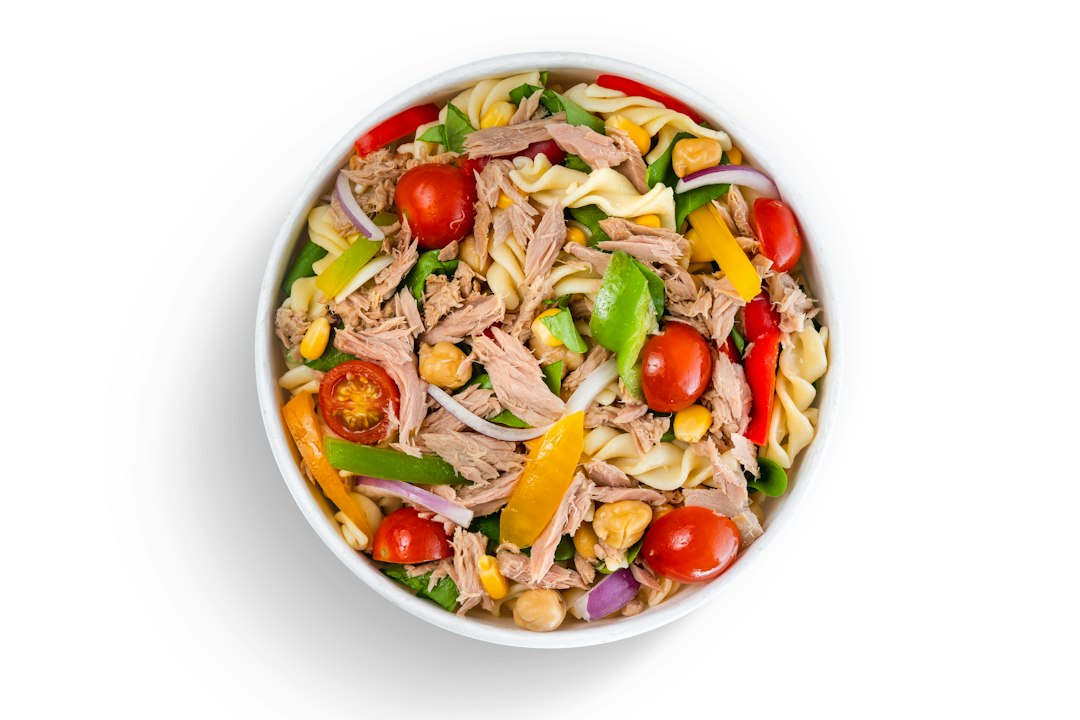
But speed was never really the question, was it? A stopwatch is a marketing tool. The question is what your hands are actually doing with those saved minutes, and whether the texture earns its place at the table. On texture, the machines produced long, restaurant-style strands ideal for tacos, enchiladas, and barbecue sandwiches. The forks still won, narrowly, when we wanted short, rustic shreds for chicken salad — the kind with visible irregularity that holds mayo without compacting. One of my testers summed it up in her notebook: “Machine shreds for company, fork shreds for family.”
In Defense of the Two Forks
Before I crown any plastic drum, my mother’s method deserves its closing argument. Two forks cost nothing, take up no space, never need washing beyond the forks you already dirtied, and work at any scale from one breast to one bird. If you shred chicken twice a month, stop reading and go sharpen your forks — genuinely. Her technique also taught me something the machine cannot: feel. You learn, through your hands, exactly when meat is perfectly done and rested, because properly rested meat falls into shreds and overcooked meat fights you into mush. That education alone was worth thirty years.
The honest fork apologia ends where the batch sizes begin. The moment you’re cooking for a crowd, stocking a freezer, or feeding a weekly taco night for eight, the math changes. This is the same realization that runs my whole last-Saturday freezer-stocking ritual — the appliances are only excessive if your ambitions are small.
Brisket, Pork Shoulder, and the Surprise Champion
The angle nobody on TikTok mentions is that chicken is merely this tool’s opening act. On week three we threw a smoked pork shoulder at the lineup, and on week four, a brisket point that had no business being shredded when it deserved slicing. The twist drums handled the shoulder beautifully — pulled pork in under ninety seconds, strands long enough to braid. The brisket was glorious chaos, and I mean that as a warning: shred only the point, never the flat, or you’ll turn twelve hours of smoke into very expensive chili meat.
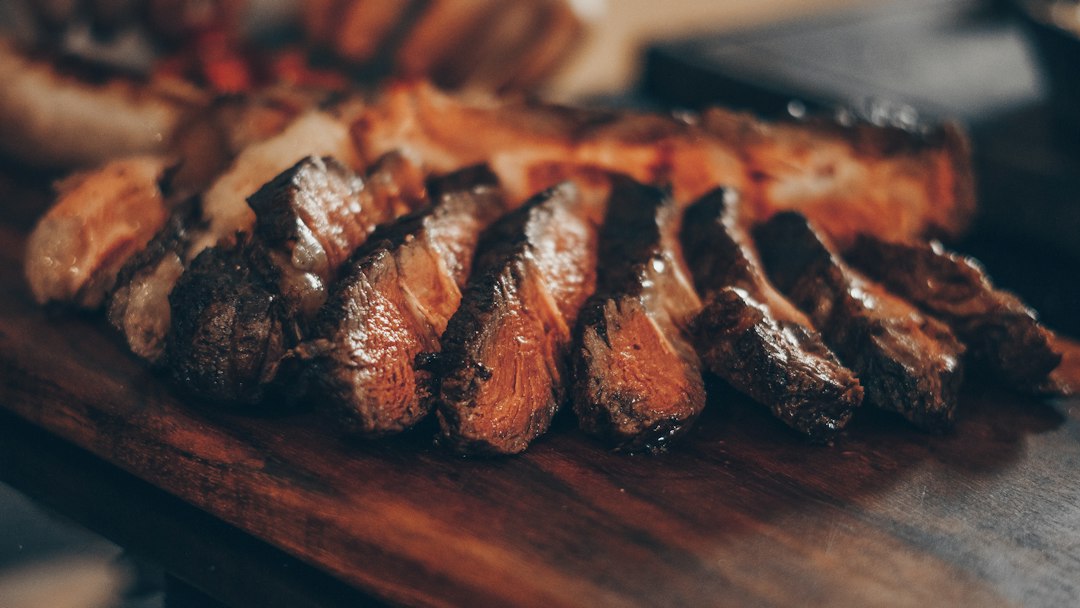
For the big BBQ cuts, though, the twist drum met its match in an old friend. Meat claws — those bear-paw-looking things barbecue people wear like brass knuckles — are faster than any drum when the meat is scalding hot, because your hands stay out of the steam. The original Bear Paws claws have been in my grill drawer for a decade and shredded this month’s shoulder in about the time it took to carry it inside. The Alpha Grillers claws ran nearly identical for less money, and if you want claws that double as a hostess gift, the stainless claws with wooden handles are handsome enough that mine have migrated indoors.
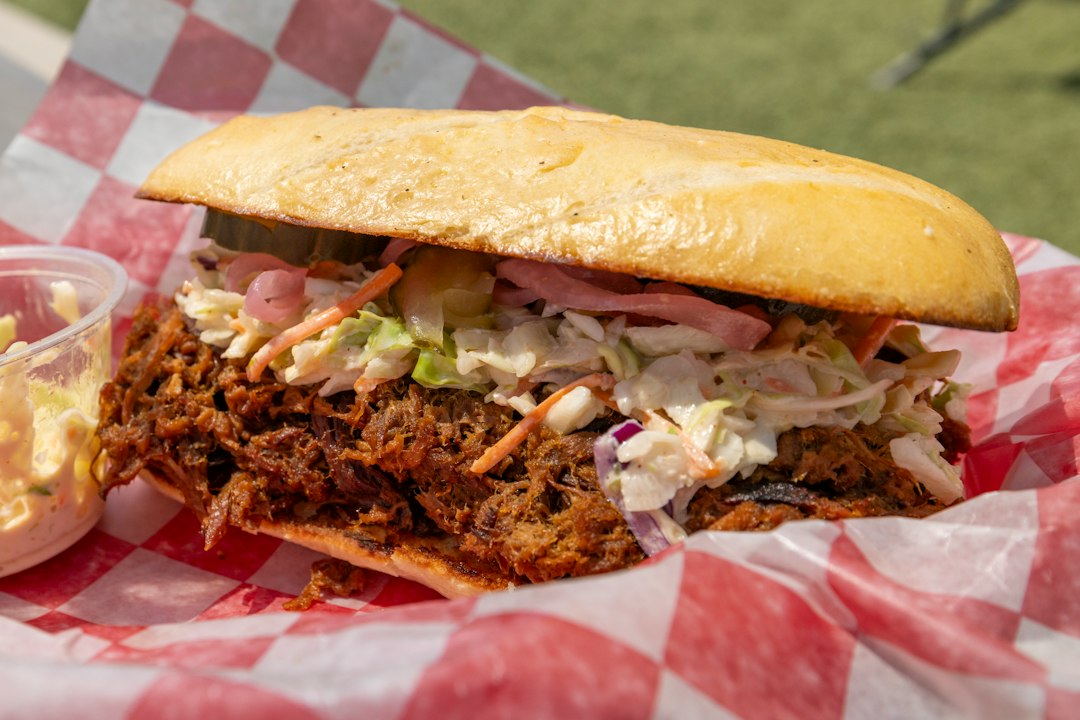
So the surprise champion of the whole trial wasn’t one tool but a division of labor: claws at the smoker while everything is lava-hot, twist drum on the counter for chicken and rested pork, forks forever for the small, gentle jobs. My drawer now holds two of the three, which in my book is a promotion.
Where Five Pounds of Shreds Goes to Live
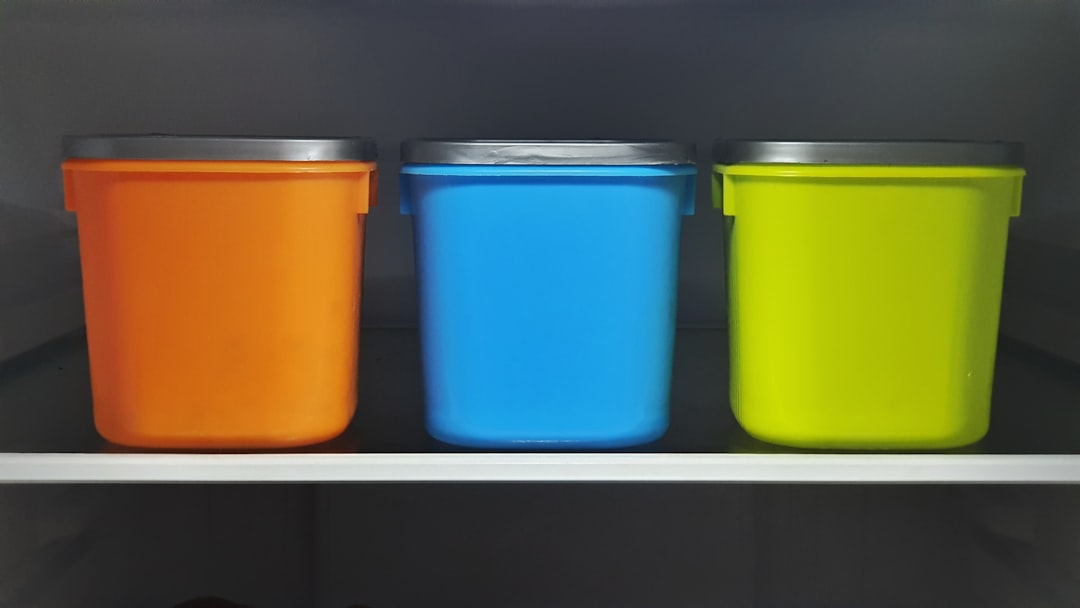
A tool this fast creates its own logistics problem: five pounds of shreds appears before you’ve decided where it’s all going. My system is boring and I love it. Four cup portions go into glass containers — the 22-ounce glass storage set from MCIRCO is my workhorse for fridge portions, and for freezer depth I stack the taller 30-ounce KOMUEE containers, which hold exactly one batch with sauce. Glass reheats cleanly, stains never, and lets me see Wednesday’s taco filling from across the fridge, which sounds trivial until you’ve lost a quart of chicken to the back shelf for three weeks.
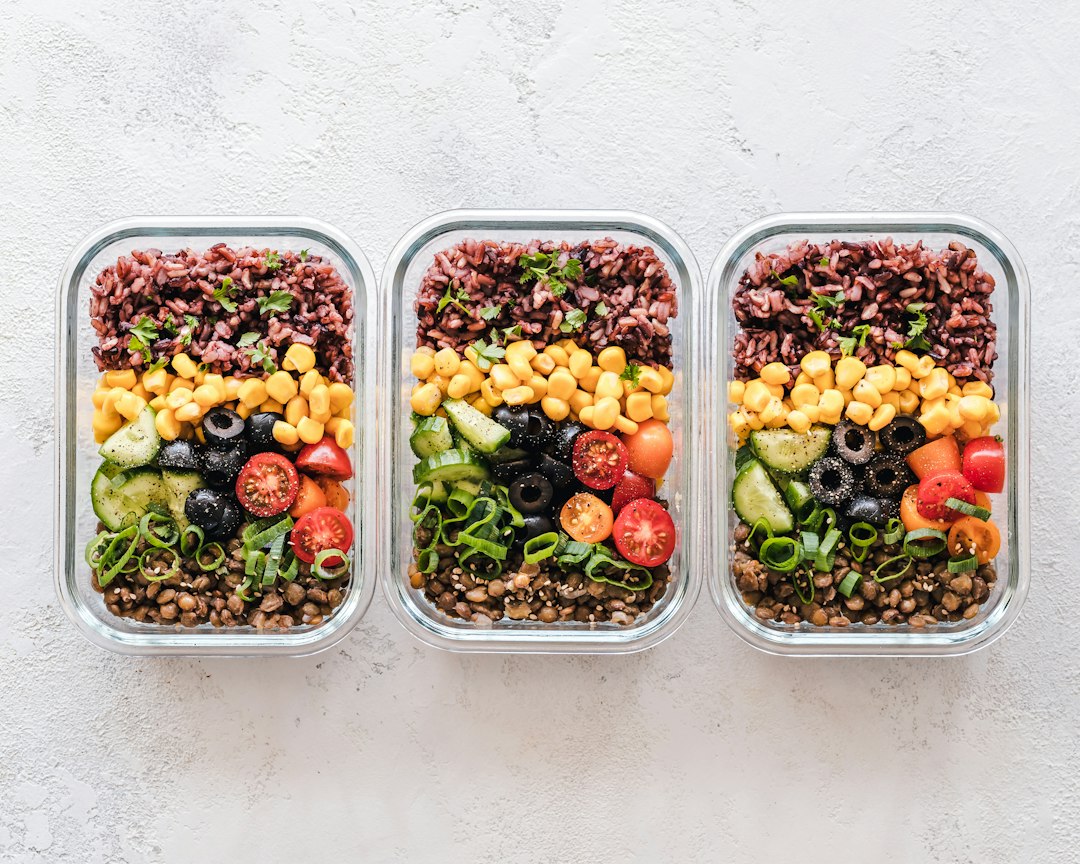
Labeled, dated, stacked: two containers for the week’s dinners, two for the freezer, one for my neighbor who has quietly come to expect Sunday chicken. The twist drum, in other words, didn’t just change the shredding. It changed the whole Sunday architecture — the same hour that used to end with me wrist-deep and grumbling now ends with the week’s protein banked before the roast vegetables come out of the oven.
The Cleanup Clause
Every gadget review owes you the unglamorous fine print, so here it is: all five twist models we tested are top-rack dishwasher safe, and that claim survived actual dishwashers, not just the box copy. The drum shape does trap a strand or two under the rim, which is why the bundled little brush exists — thirty seconds of attention before the dishwasher and it comes out spotless. The claws are a ten-second rinse. The forks, well, they’re forks.

I file this under the habit I wrote about in Still Cooking, Already Clean: a tool that cleans up in under a minute is a tool you’ll actually use on a Tuesday. Half my “failed” gadgets never failed at their jobs — they failed at the sink, weeks later, the first time I dreaded washing them.
What to Check Before You Click Buy
After five models and roughly seventy-five pounds of shredded protein, the differences between winners and also-rans came down to a handful of details you can vet from the listing page. Capacity matters more than you’d expect — the eight-inch drums swallow three large breasts per round, while the cute six-inch versions quit at one and a half, which matters on batch day. Look for a genuinely non-slip base ring, because a wet counter turns a cheap drum into a carousel. Confirm the words “BPA-free” and “top-rack dishwasher safe” appear together, and favor models that include the little brush, since it’s the only part of the design anyone ever improves upon.
- Capacity: eight inches handles three breasts per round; six-inch models are single-portion tools.
- Base: a rubberized ring keeps the drum planted on wet counters — hard plastic skids under torque.
- Lid: clear lids remove all guesswork about when to stop twisting.
- Spike material: plastic teeth are plenty for chicken; steel spikes earn their keep on pork and beef.
- Included extras: a retrieval fork and cleaning brush cost the maker pennies and save you annoyances weekly.
Should It Live in Your Drawer?
I keep a strict unitasker policy, born of a small kitchen and a grandmother who could feed twelve people from one skillet and a wooden spoon. So the twist shredder had to pass a harder test than speed: could it justify its nine square inches of drawer? After a month, my answer is yes — for my kitchen, with our batch cooks and taco nights and a freezer I treat like a savings account. The Sunday roast leftovers that used to get sliced cold now get shredded warm, folded into barbecue sauce, and served on buns by Tuesday, which pairs beautifully with the roast kit I built for fall. Two tools, one Sunday, dinners through Wednesday.
If you shred a breast here and there, save your money and your drawer space — the forks are a love language, not a limitation. But if your calendar has a standing date with five pounds of chicken, a pork shoulder, or a busy season of potlucks coming, this is one of the rare viral tools that earns its hype at twenty-five dollars instead of two hundred.
My mother, for the record, used mine last weekend when she thought I wasn’t looking. I heard the lid twist from the next room — five seconds, one twist, and thirty years of family technique quietly made peace with a plastic drum. I’m keeping the forks on the wall hook either way. Some things you keep because they work; some you keep because they’re hers.