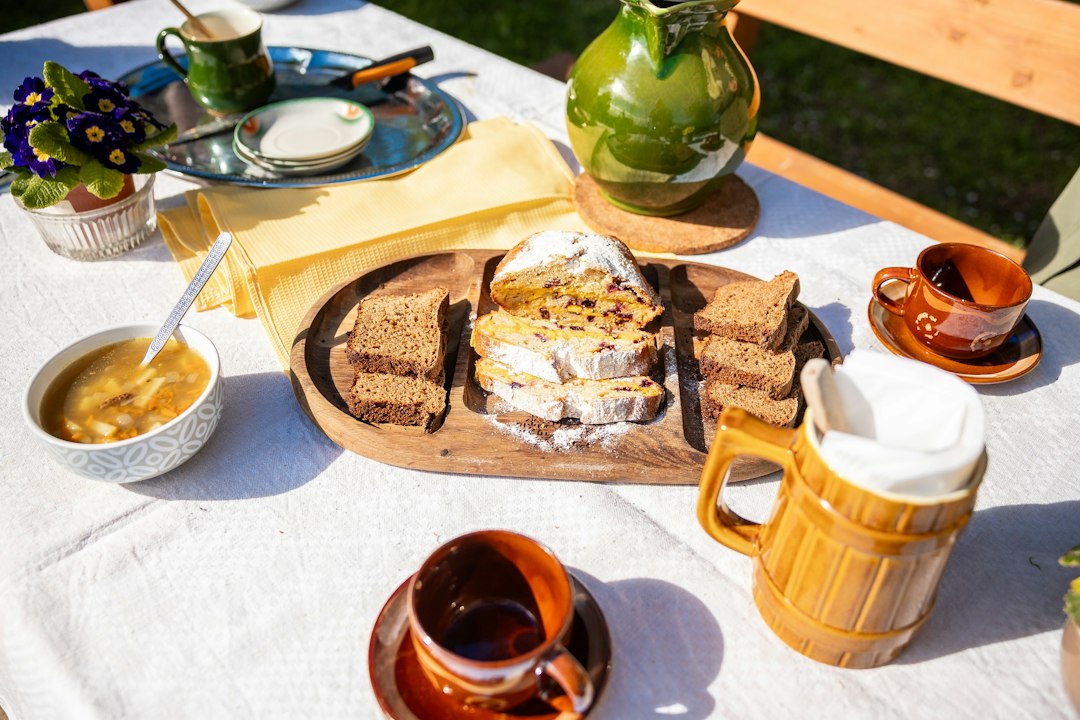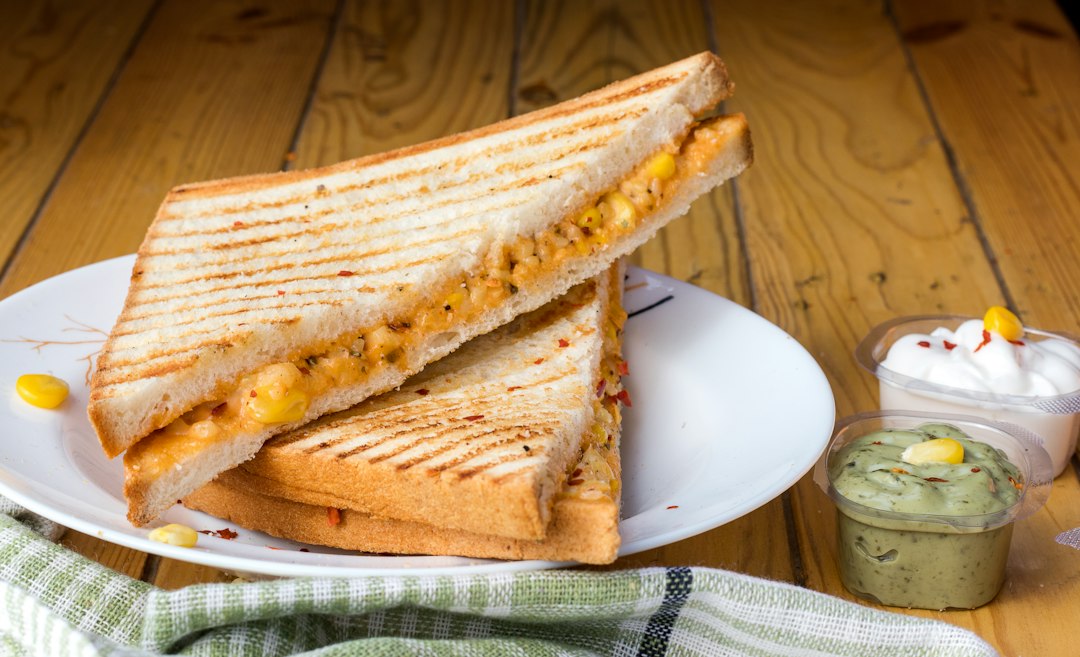
Every October, my kitchen quietly turns into a soup-and-sandwich diner. The big oven gets claimed by roasts and casseroles, the stock pot takes up semipermanent residence on the back burner, and by noon on any given Saturday, somebody is standing at the counter asking the only question that matters all month: is the press hot yet?
I wish I could tell you my old panini press rose to the occasion. It did not. Mid-October last year, in the middle of a tomato-soup-for-eight kind of afternoon, its hinge gave up the ghost — went crooked, pressed one side of every sandwich golden while the other stayed pale and apologetic. My crew noticed before I did. There is no louder criticism in my house than a half-toasted sandwich pushed silently to the edge of the plate.
So this year I got ahead of it. I called in four presses — the workhorse, the transformer, the bargain, and the digital darling — and told my team we would eat our way to an answer before the first week of soup season was out. The rules were simple: same bread, same cheese, same soup on the side, and absolutely no favorites until every machine had pressed at least a dozen sandwiches. What follows is everything we learned, including the part where the winner was not the machine I expected.
What a Press Actually Has to Do
A panini press is not a complicated machine, which is exactly why so many of them are bad. The job is threefold: heat from above and below at the same time, press evenly across an uneven sandwich, and survive daily contact with butter — which is more corrosive to appliance morale than you would think. Get those three things right and everything else is garnish.
The hinge is where cheap presses reveal themselves. A fixed hinge sits flat on a tall sandwich only at the back edge, so you get a diagonal gradient of crunch — golden corner, doughy middle. A floating hinge rides up and over, meeting the tallest sourdough with the same pressure it gives a flat ciabatta. My old press died of hinge. I have opinions.
Then there is the question of ridges versus flat. Ridged plates give you the grill marks, the little valleys that stay crisp while the raised edges toast dark, and the visual drama that makes a pressed sandwich feel like an event. Flat plates give you more contact, more even heat, and better behavior when you start pressing things that are not sandwiches — more on that in a moment. The machine I ended up keeping, you will be entirely unsurprised to hear, does both.
The Lineup: Four Machines, One Long Week
The Breville went first, and I will be honest — I expected it to walk away with the whole thing. It is the heaviest of the bunch, heats like it means it, and its hinge floats with an expensive, gliding confidence. Every sandwich came out with deep, even ridges and that shatter-and-give crust you get at an actual café. If you press for a crowd every weekend and want a machine that feels like an heirloom, the Breville is the one to beat. My only hesitation is counter real estate, because it does not slim down for storage.
The Cuisinart Griddler played a different game entirely. Its plates pop off and reverse — ridged on one side, flat on the other — and then go straight into the sink, which after a week of gruyere experiments felt less like a feature and more like a civilizational advance. It also opens flat into a griddle, which is how we ended up cooking bacon for the whole crew on Sunday without dirtying a single pan. For a machine that earns its counter by doing four jobs credibly instead of one job beautifully, the Griddler is the smartest money in the test.
The Hamilton Beach was the bargain of the group and fought far above its weight class. No floating hinge, no removable plates — just two honestly hot slabs and a locking handle that lets it stand upright in the cabinet like a thin book on a shelf. It toasted slightly unevenly at the far edges, and my team flagged the back corner of more than one sandwich as “rustic.” But every one of them ate the evidence without complaint, which tells you most of what you need to know. For a first press, a gift, or a dorm-sized budget, this is the one I would hand a young cook without a second thought.
And then the Chefman, the digital one, which I brought in braced to dislike and did not. It offers presets for panini and grilling, a display that announces when the plates are actually ready instead of letting you guess, and searing heat that ran hotter than anything else on the counter. It pressed the fastest, most aggressively golden sandwiches of the entire week. The digital Chefman won on speed and drama, and the only thing it lost on was our long family argument about whether anyone trusts a countdown timer, which is a personal problem and not a machine problem.
Bread Is Half the Machine
Here is the thing nobody tells you in the store aisle: the press is only half the sandwich. The bread is the other half, and it will make or break your October long before the hinge gets its chance.
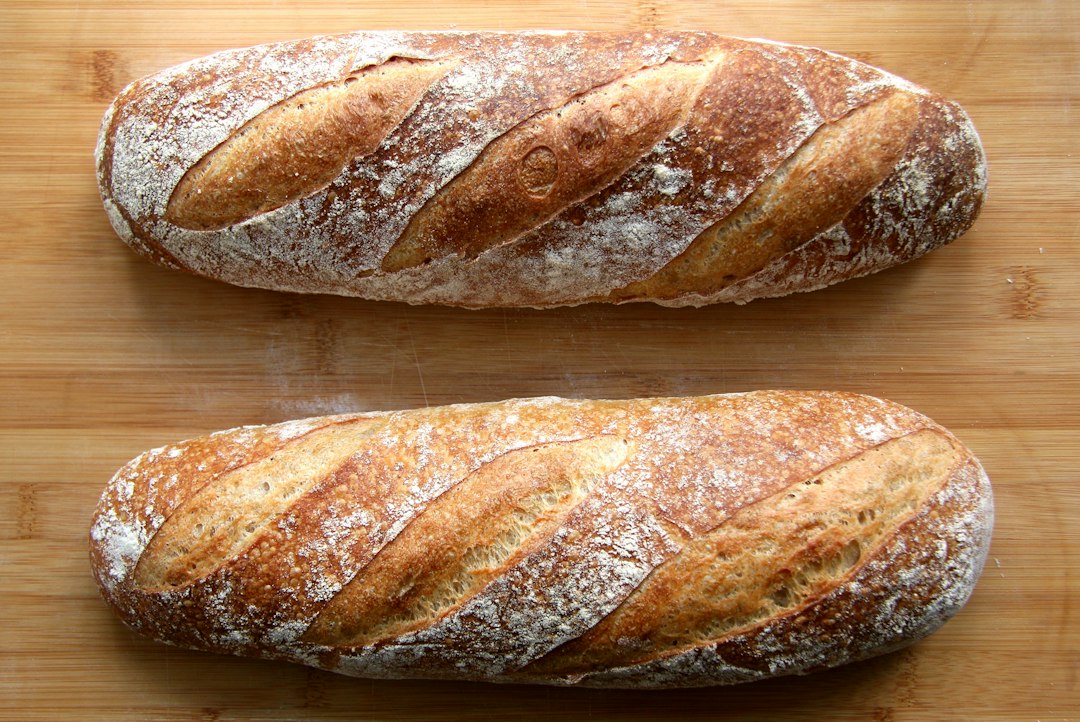
We tested sourdough, brioche, ciabatta, and a plain sandwich loaf, and the rankings were not close. Day-old sourdough won outright — a structure with opinions, a crust that shatters, a crumb dense enough to hold its ground under weight instead of collapsing into a panini-shaped regret. Brioche came in second for sweet applications and grilled cheese with jam. The fresh soft loaf came dead last; it compresses before the cheese even knows what is happening, and you end up eating what can only be described as a hot buttered cracker with cheese dust. If your bread is fresh, toast it bare for ninety seconds first, or slice it thicker than feels sensible.
Even slicing matters more than you would think — uniform thickness is the difference between all-over crunch and pale thin spots. A long serrated blade does the job cleanly; I keep a dedicated bread knife for exactly this, and I put it through the same sharpness check every fall, because the tomato test I run each September has caught a dull edge I had been blaming on the bread more than once. And when soup season stretches long and I get ambitious about never buying a loaf again, my bread machine comes down off the top shelf and earns its counter all over again — its basic white, sliced thick and left overnight, presses beautifully.
Shred the Cheese Yourself. I Am Serious.
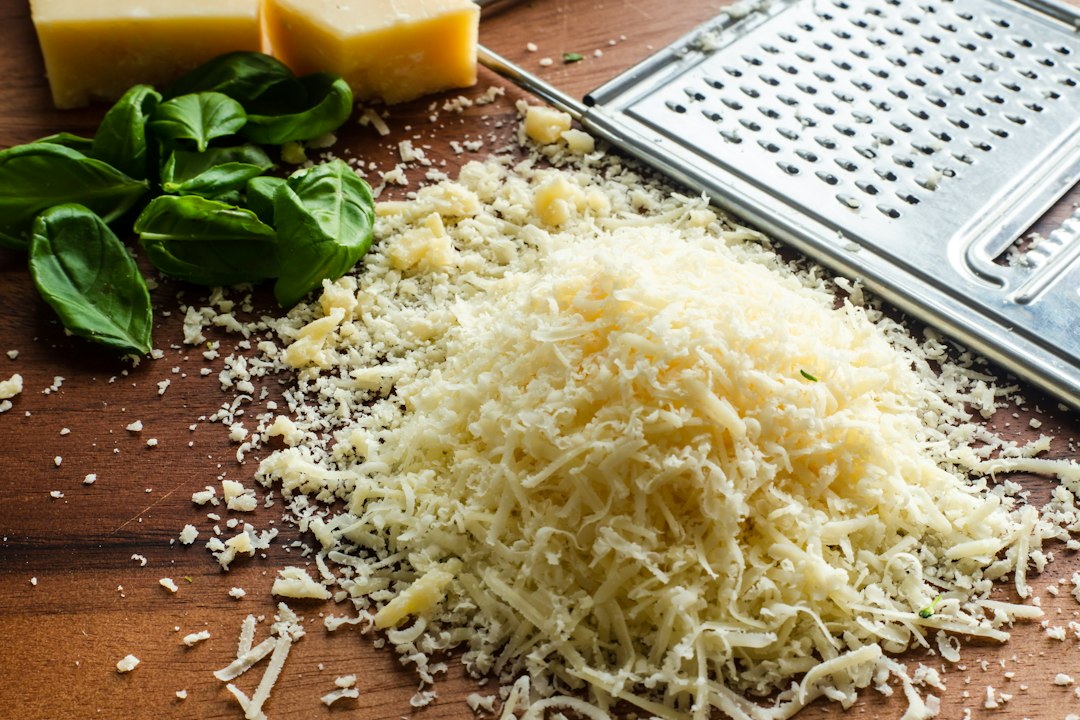
The most annoying finding of the whole test, because it means an extra step: pre-shredded cheese is working against you. Those bags are dusted with anti-caking starch that keeps the shreds from clumping in the bag — and that same coating keeps them from melting into each other in the press. Bagged mozzarella melts into shreds that never quite become one thing. You can taste the difference. You can absolutely see it.
Hand-shredded cheese off a block melted into a single stretchy, dippy layer in every single machine, even the bargain one. We ran it side by side with three cheeses — gruyere, sharp cheddar, low-moisture mozzarella — and the fresh-shredded sandwich won the blind taste every single time. The taster card my crew wrote for the bagged version read “gritty,” which is a hard word to come back from. Thirty seconds with a box grater and you have already won. The blend we landed on for October: two parts sharp cheddar to one part gruyere, and no further questions.
The Soup Half of the Equation
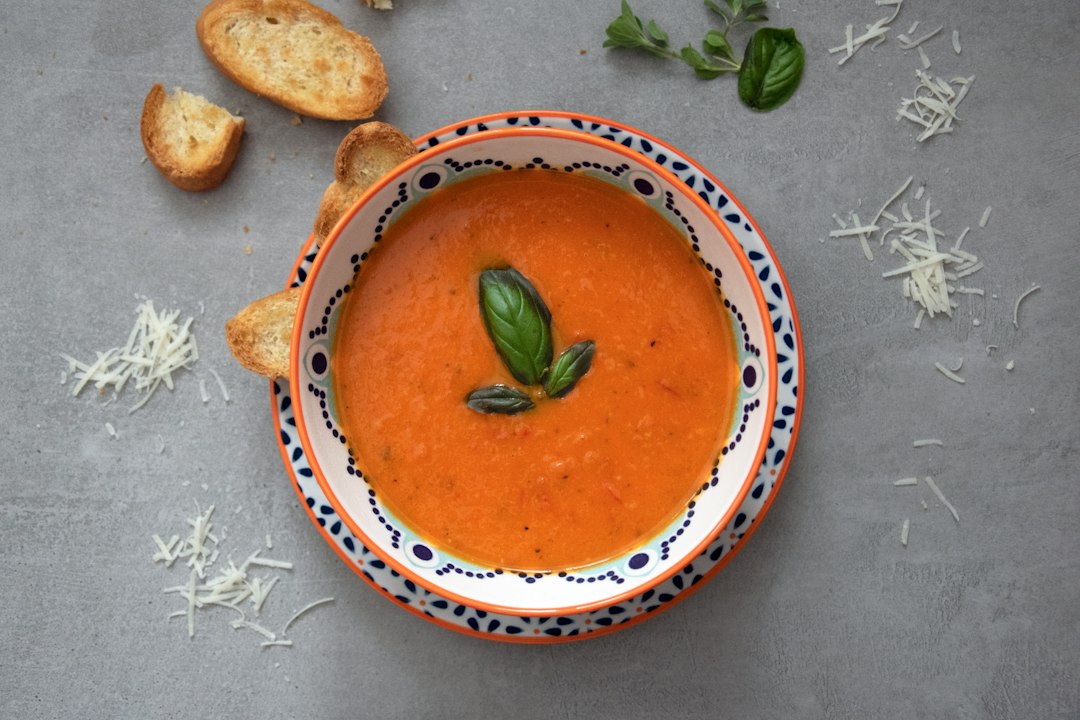
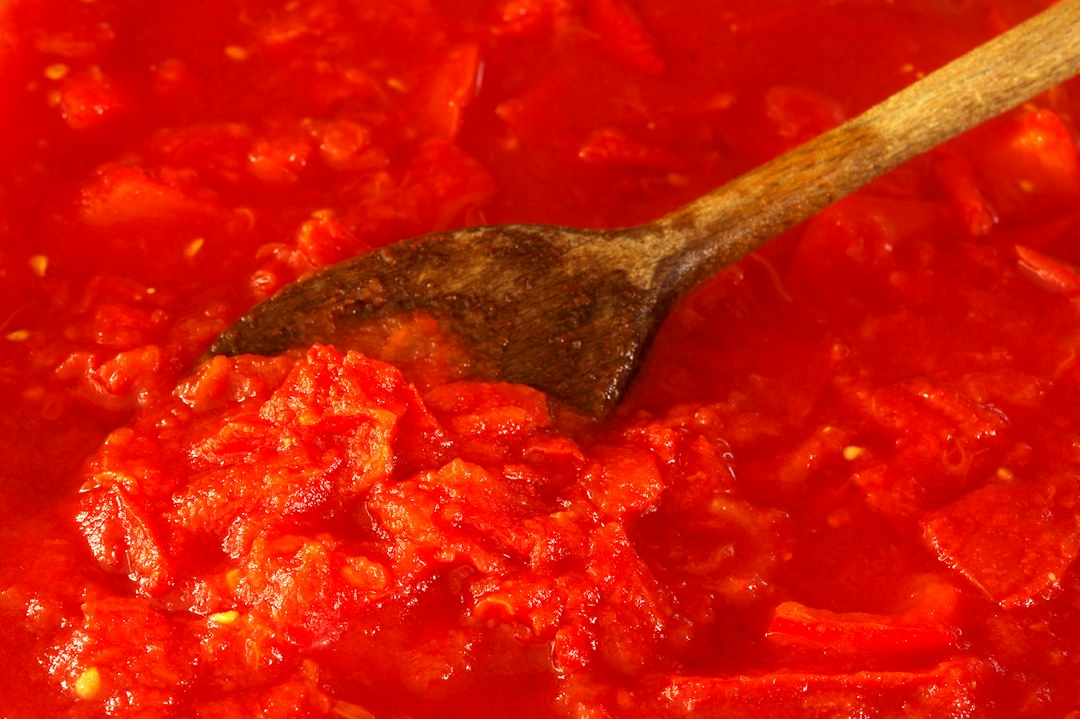
I refuse to judge a press without soup on the table, because a pressed sandwich without something to dunk it in is only half a lunch. Tomato is the house standard — the control group of soup season — and the method is stubbornly simple: soften the tomatoes, simmer them down with an onion and whatever herbs survived the garden, then blend. I make mine in the big stock pot that twenty soup seasons taught me to buy, and finish it smooth with the immersion blender I once ridiculed and now own three of.
The soup also settles a press question nobody thinks to ask until the floor is dirty: drip management. When a machine’s plates tilt even slightly toward the counter edge, butter and cheese escape in exactly the direction of your clean floor. The Griddler’s removable tray and the Chefman’s pull-out drawer both earned quiet applause from whoever was on cleanup duty that night — which, in the interest of full disclosure, was me.
And serve it in something with a handle. A pressed sandwich demands two hands; a soup bowl with no handle demands one of them back. The stoneware soup crocks we finally invested in last winter have paid for themselves in dry sleeves alone.
The Standing Menu: What We Actually Ate
In the spirit of a test kitchen that keeps honest records, here is the menu my team worked through all month. Every pairing survived a family vote, which is more rigorous than it sounds:
- Classic October: sharp cheddar and gruyere on day-old sourdough, pressed dark, dunked in roasted tomato soup with basil.
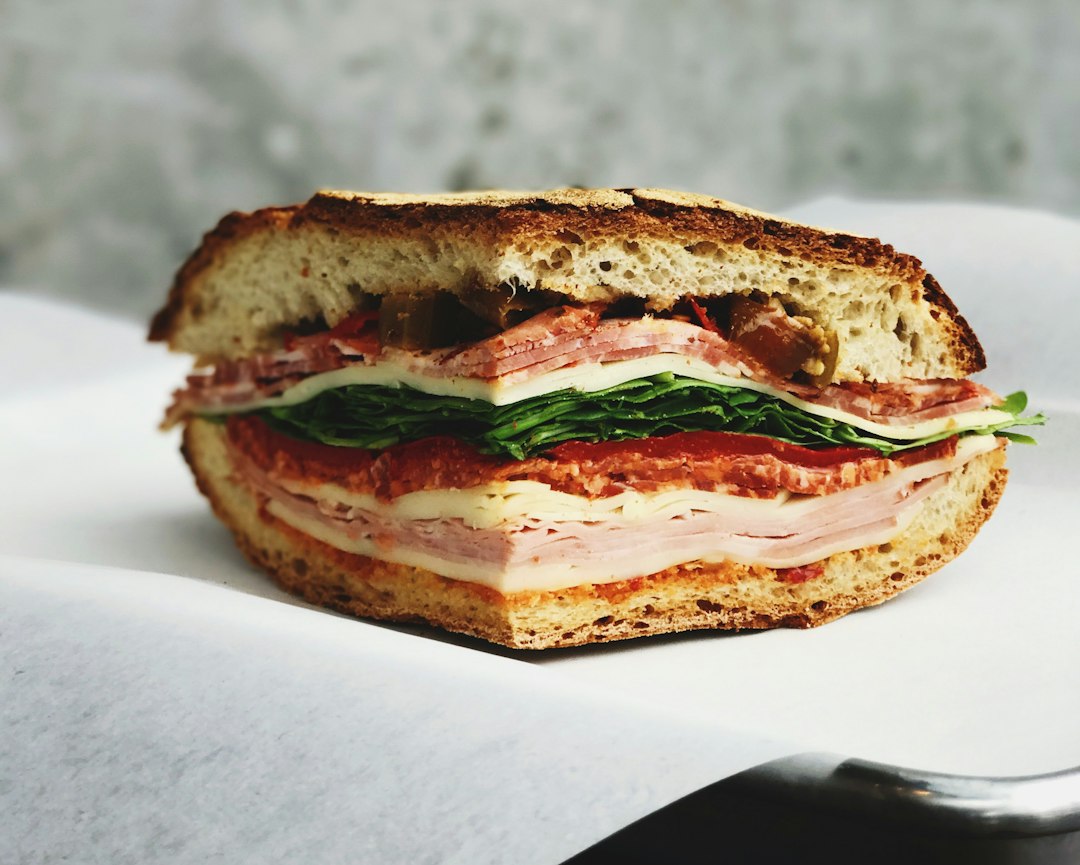
- The deli rebuild: salami, prosciutto when I am feeling rich, provolone, and a scrape of tapenade on ciabatta — the press warms the meats through while the cheese turns to glue in the best possible way.
- Breakfast for dinner: brioche, sharp cheddar, and thin apple slices pressed until the apple goes tender, with butternut soup standing by for dunking duty.
- The night after Halloween: leftover roast turkey and a spoonful of cranberry sauce — the press quietly turns November’s oldest problem into October’s best sandwich.
- Meatless Monday champion: roasted vegetables and fresh-shredded mozzarella with pesto, pressed until the cheese stretches the length of a forearm, tomato soup for backup.
The No-Plug Path: Cast Iron and Something Heavy
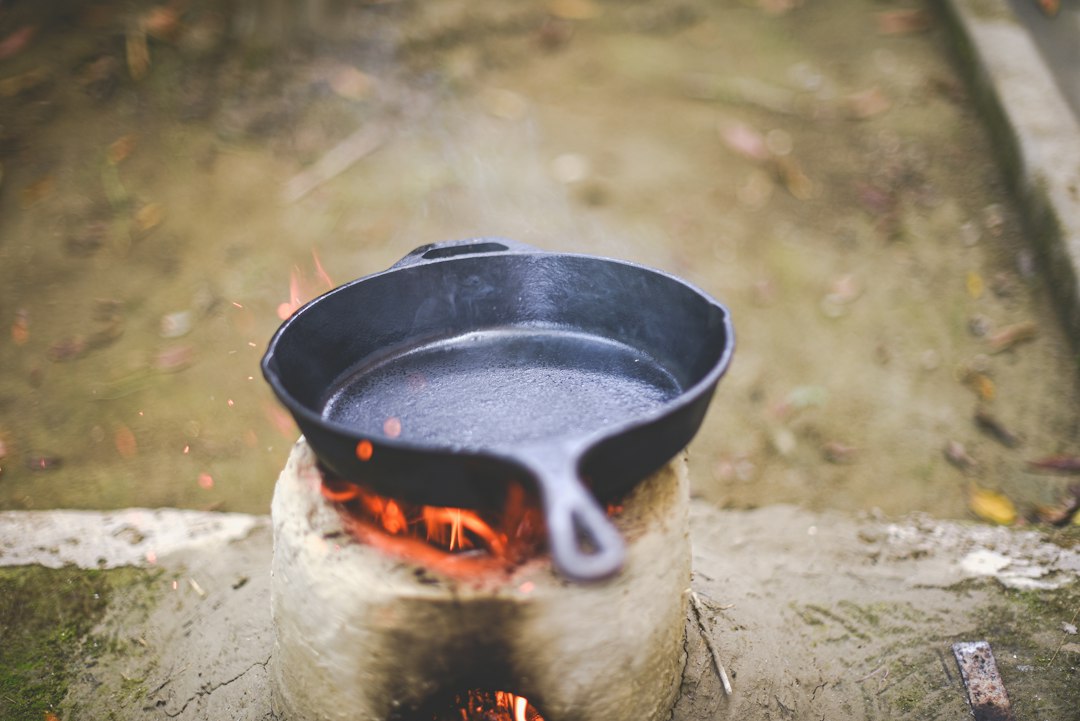
Worth saying plainly: you can do everything a press does with a pan and a weight, and my grandmother did it that way for fifty years. A cast-iron skillet over medium heat, a second heavy thing pressing down from above — her weapon was a bacon press, and mine is now the same cast-iron grill press that lives beside my stove — and you get the crunch without surrendering counter space to an appliance. It is slower. It wants your attention. The results are absolutely worthy of the soup beside them. On the first properly cold Saturday of the season, there is a real argument for doing it this way with the windows fogging up and the kitchen smelling like a diner.
Cast iron also does not care where its heat comes from, which is how one member of my team ended up pressing sandwiches over the backyard fire pit “for science.” The photo evidence is real. The sandwich never made it back inside.
More Than a Sandwich Machine
Two weeks in, the presses were moonlighting. Quesadillas pressed flat and cut into wedges came out with crackling shells and molten centers — faster and more even than any stovetop attempt we have made in thirty years of trying. Leftover pizza revived in the hottest press beat the microwave so decisively that we stopped calling it reheating and started calling it restoration. Hash-brown patties, floured zucchini slices, even bacon folded into a parchment packet: if you would put it in a skillet, you can press it, with the right tool standing by for the flip-and-rescue. I keep long silicone-tipped tongs next to every hot machine in my kitchen, and the press is no exception.
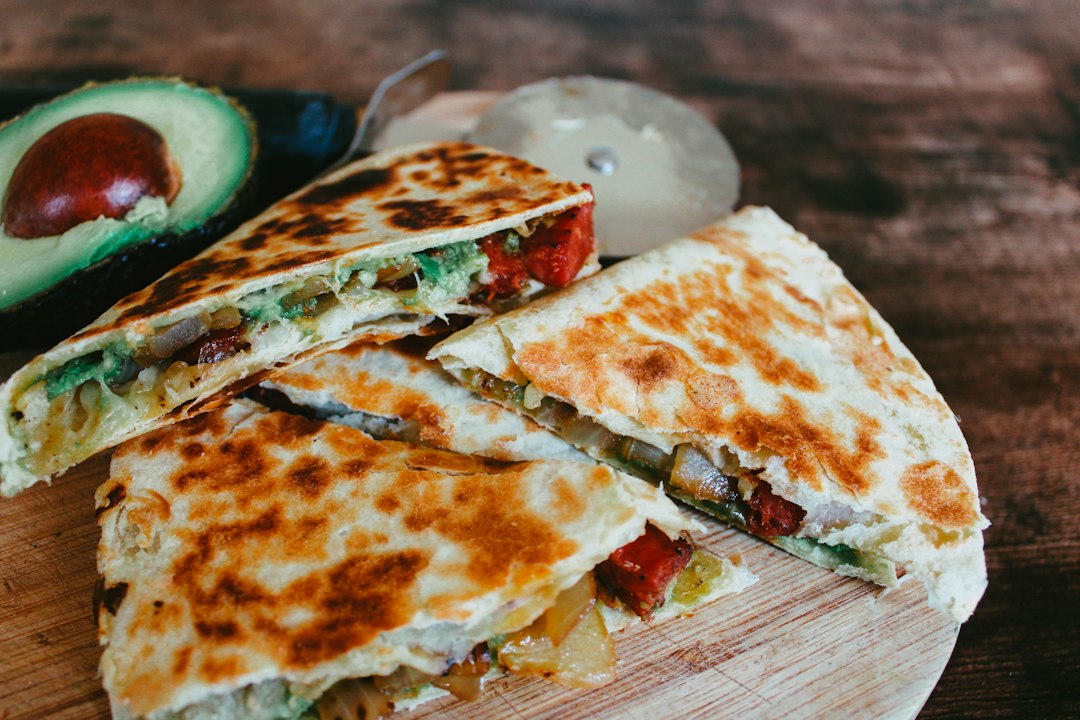
The takeaway: the more a press does beyond sandwiches, the easier it justifies its counter space. Which brings us to the verdict.
Who Should Buy What
If you feed a crowd every weekend and want one machine that feels like it will outlive the counter it sits on, get the Breville. If you want the best all-arounder — a press, a griddle, a bacon station, and plates that go in the sink — the Griddler is my pick and the one that stayed plugged in. Watching your budget, or furnishing a first kitchen? The Hamilton Beach will make you happy, and it stores standing up like it knows it is a guest. And if speed and heat are your love language, the digital Chefman pressed the single best sandwich of the entire test.
As for the no-plug path: a skillet and a grill press belong in your kitchen no matter what, because they will still be working on the day the power is not.
It is mid-October now. The soup pot is on, the press is hot, and the bread — buttered side out, always — is heading for the plates. However you get there, I hope your soup season starts crisp on both edges and melty in the middle. That is the whole point of October.