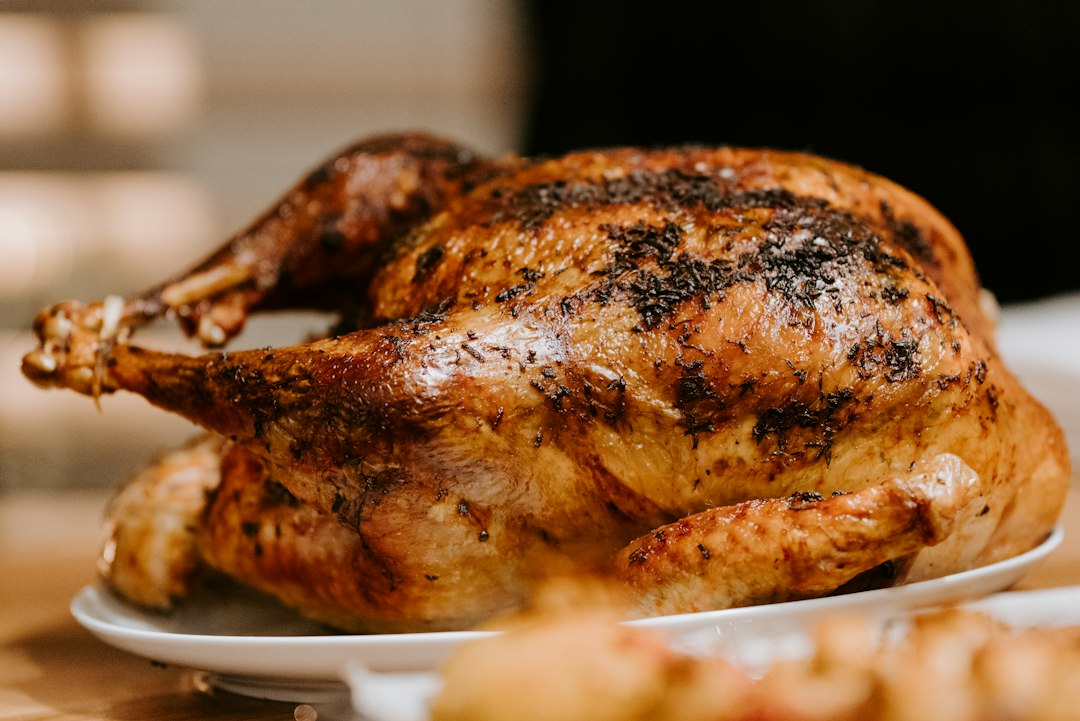
Last Thanksgiving the bird came out on time. That was the only thing that did. The platter was still in the dining room, the carving fork had migrated into a junk drawer sometime in October, and the gravy boat was holding a candle on the sideboard because nobody had thought to wash it. The turkey sat on the stovetop under a tent of foil while three adults conducted a polite search party. By the time we found a fork that was not a salad fork, the breast had gone from glossy to dull, and the gravy had a skin on it. Nobody said the meal was ruined. Everybody noticed.
That twenty-minute gap between oven and table is the part of Thanksgiving nobody photographs. The bird is supposed to rest. The people are not. Resting is when the juices settle, yes. It is also when someone has to move a fourteen-pound roast without baptizing their forearm, when the joints need a tool that is not a steak knife, and when the drippings have to become gravy before the mashed potatoes cool. If the board, the blades, and the boat are not already in the same square of counter, the rest becomes a scramble. I stopped treating that scramble as a personality flaw. It is a station I failed to build.
Six weeks out is the right week to build it. November 26 will arrive whether the drawer is ready or not. The people who test gear with me ran a Sunday chicken through the same twenty-minute timer. We were not chasing a perfect turkey. We were chasing a counter that already knew its job.
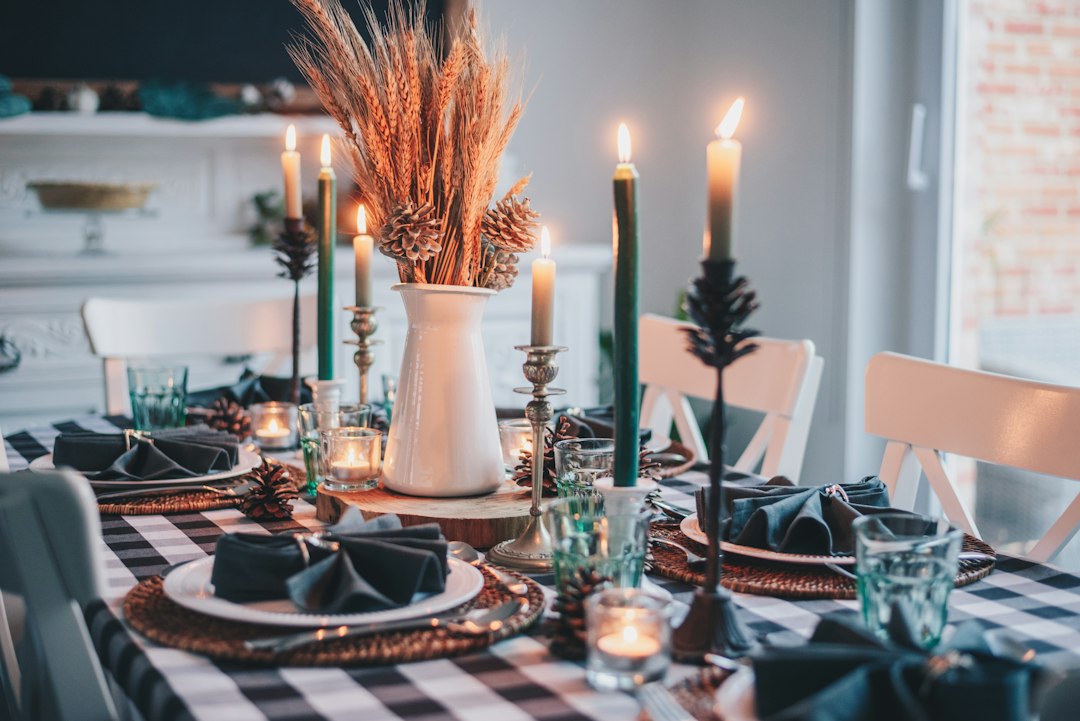
The gap is not a pause
A rested turkey is a kinder turkey. The muscle fibers relax, the juices stop running out of every slice, and the skin has a minute to set instead of tearing when the first cut hits it. Twenty minutes is the short version for a modest bird. A big one can take closer to half an hour, and I would rather the table wait on a tented roast than eat pale, weeping slices because someone got nervous. The mistake is thinking those minutes are empty.
They are the only window you have for the unglamorous work. Drippings need separating. The bird needs a board that can take juice. The breast wants long slices, the legs want a different tool, and the gravy wants a low burner, not a crisis. If any of those objects is in another room, you are not resting the bird. You are hunting.
The oven half of this holiday already has a kit. I wrote that one in September, the Sunday roast setup that carries fall: a pan that fits, a rack that lifts, a thermometer you trust. This article starts when that pan comes out. If you buy another roasting pan this month and still carve on a wet board with a bread knife, you have funded the wrong twenty minutes.
Getting the bird from pan to board
This is the move that ends holidays. Two carving forks jammed under the wings, a tilt, a slip, and a puddle of hot fat on the floor. I did it that way for years because the forks were what I owned. They are not lifters. A pair of wide turkey lifters is two broad prongs with handles long enough that your knuckles stay out of the pan. You slide them under the breast from opposite sides, close them like a gentle claw, and the bird comes up in one piece. The first time I used a real pair, the only sound in the kitchen was the rack ticking as it cooled. That is the sound I want on Thanksgiving.
Cheap lifters bend. If the handles flex on a four-pound practice chicken, they will fold on a fourteen-pound turkey. Look for stainless you can grip with a damp towel, and store the pair with the carving tools, not the grill tongs. If they live in the barbecue bin, they will not be in the kitchen when the timer goes off. Set the board before you lift. A board still in the dining room turns a two-second transfer into a lap around the house with a hot roast.
A board that expects juice
Weekday boards are for onions and Tuesday chicken. Thanksgiving juice is a different volume. A bird gives you a shallow lake if you carved too soon, and even a well-rested one leaves a glossy pool you want to keep, not wipe into a sponge. That pool is flavor. It goes back into the gravy or over the slices. A flat board sends it onto the counter, into the grout, and onto somebody’s sleeve.
I keep the everyday boards for everyday work. The long version of that argument is in the cutting-board audit, and I will not repeat it here except to say this: a carving board is a specialist. It is wider than a sandwich board, it has a groove or a moat, and it is heavy enough that a turkey does not skate when you saw. A juice-groove carving board in maple or edge-grain walnut earns its cabinet space the one day a year you actually need the moat, and then it earns it again every time you slice a pork loin or a brisket.
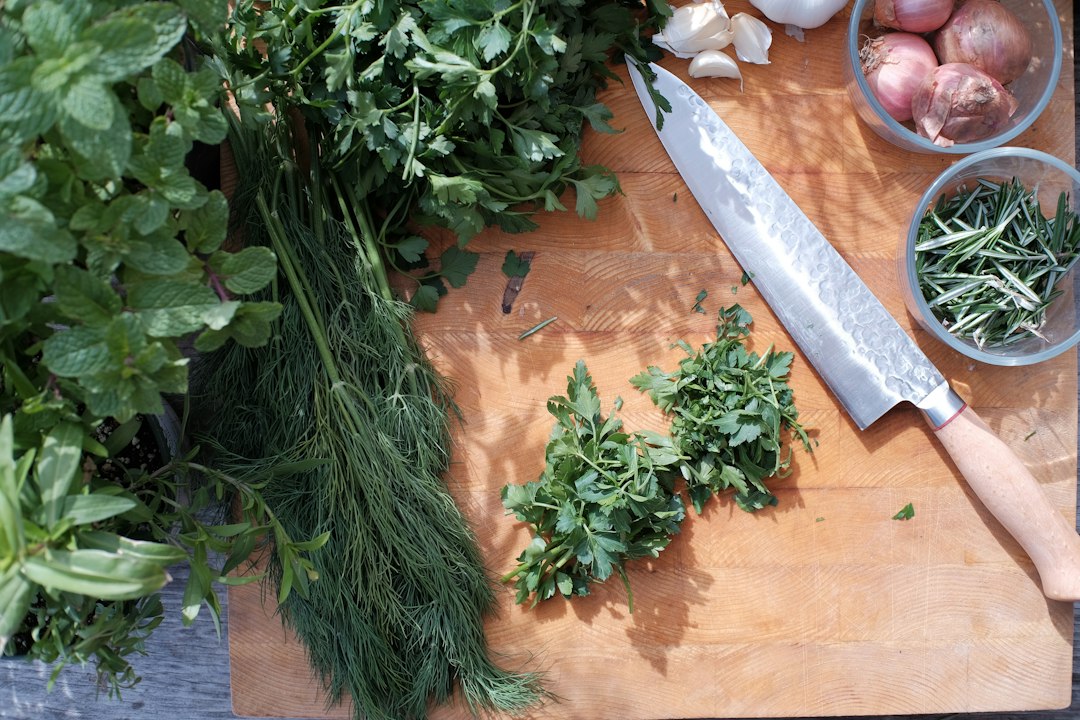
If the bird overhangs the groove, the groove is a decoration. I want a few inches of wood past the drumsticks and a well deep enough that a tilt does not empty it. Oil the board before the holiday, not during it. A dry board drinks the jus you meant to save. And do not carve on the platter you plan to serve from. Most pretty ovals are slick and one dropped knife away from a chip. Carve on the board. Transfer the slices.
Two motors and one quiet knife
I used to be snobby about electric carving knives. They looked like a gadget from a catalog my grandmother kept in a drawer with the fondue forks. Then I watched a guest with a beautiful chef’s knife turn a breast into thick, ragged slabs because the bird was large, the knife was long, and the audience was hungry. Even slices are not a moral virtue. They are how a turkey feeds a crowd without the dark meat vanishing and the white meat looking like it lost a fight.
The bench split, which I trust more than a single unboxing. For a household that carves a bird once or twice a year and then puts the tool away, the Black+Decker electric carving knife is the one I keep recommending. The handle is simple, the lock is where your thumb expects it, and the blades come apart for the sink. Fall roundups keep landing on it for the same reason my drawer did: it does the holiday job without asking you to learn a new ritual. If your electric knife also slices sandwich loaves, brisket, and the occasional smoked ham, spend up for the Cuisinart electric knife set. The motor feels less frantic, and the little board some sets include is a decent travel companion even if it is not your Thanksgiving board.
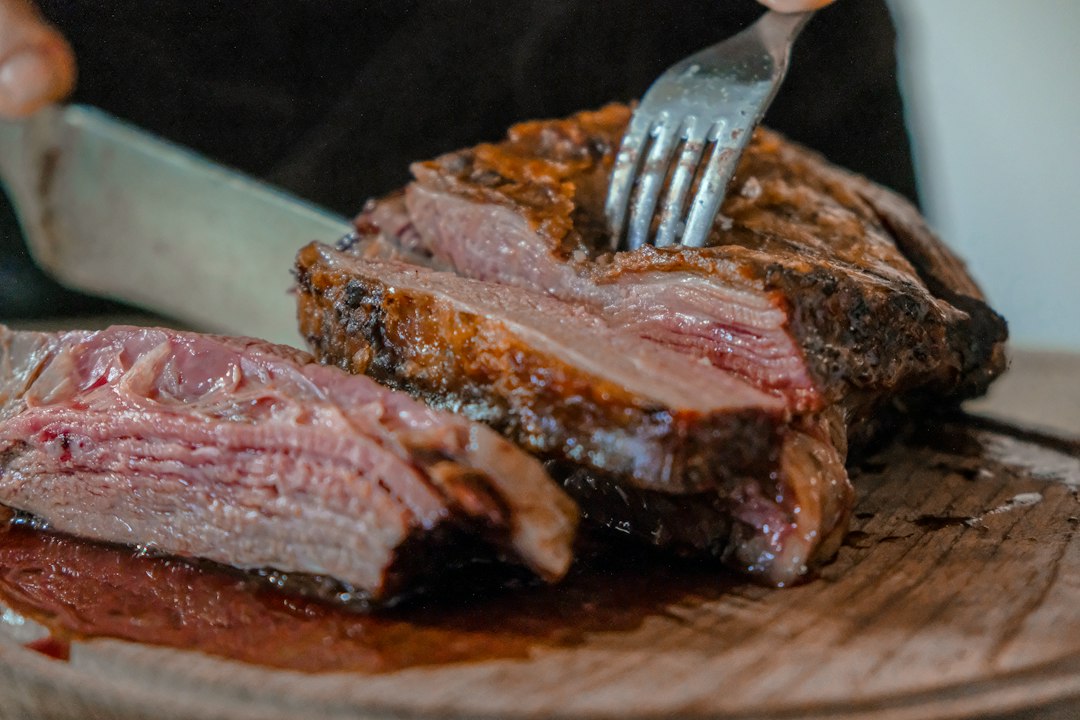
Electric is for volume and evenness. It is not for the moment you want a quiet, deliberate slice for the person who actually cares how the breast looks on the platter. That job still belongs to a long carving knife and a fork that holds without shredding. A Wüsthof carving knife and fork is the set I reach for when the crowd is small or when I am slicing the show piece after the electric knife has taken the legs apart. The blade is narrow. It does not wedge the meat open the way a chef’s knife does. The fork has a guard, which matters more than people admit when the roast shifts.
You do not need both if money is tight. A first Thanksgiving in a small kitchen can live on the electric knife plus a sharp chef’s knife for the show slices. A house that roasts all winter can start with the Wüsthof set and add the electric knife when the guest list crosses ten. What I would not do is carve the turkey with the santoku you use for vegetables. It will work. It will look like it worked.
Joints the electric knife sulks at
An electric knife is a slicer. It is not a joint tool. The hip, where the thigh meets the body, is a socket. You find it by feel, you bend the leg outward, and you cut through the skin and the little tendon that is pretending to be a wall. A long vibrating blade can do it if you are patient and lucky. Poultry shears do it because that is the shape of the job.
I want shears that come apart at the pivot so grease does not live in the screw. A pair of poultry shears with a bone notch will also spatchcock a weeknight chicken, which is how you know they were worth owning before November. Buy them only for Thanksgiving and you will resent them. Use them all fall and they feel inevitable on the holiday.
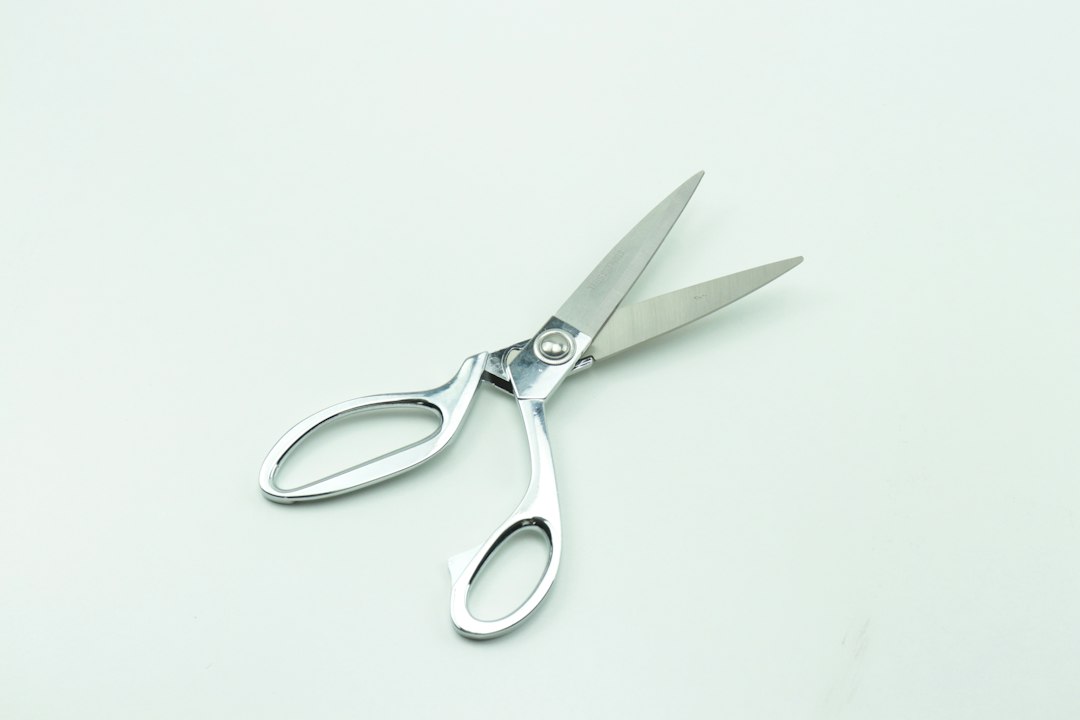
The order is boring and fast. Lifters move the bird. Shears take the legs and wings. The knife slices the breast while the dark meat waits a minute longer. Nobody needs a lecture. They need the platter while the gravy is still hot.
Twine, a practice bird, and the cage
Trussing is optional. A tidy bird browns more evenly, and an untrussed bird is not a moral failure. What is not optional, if you truss at all, is cotton twine that has never lived in the craft bin. Synthetic string melts. Craft twine is often dyed. A roll of cotton butcher twine costs less than the herbs you will tie under it, and it belongs in the same drawer as the lifters. Cut lengths before the bird is hot. You will not want to measure string with greasy fingers.
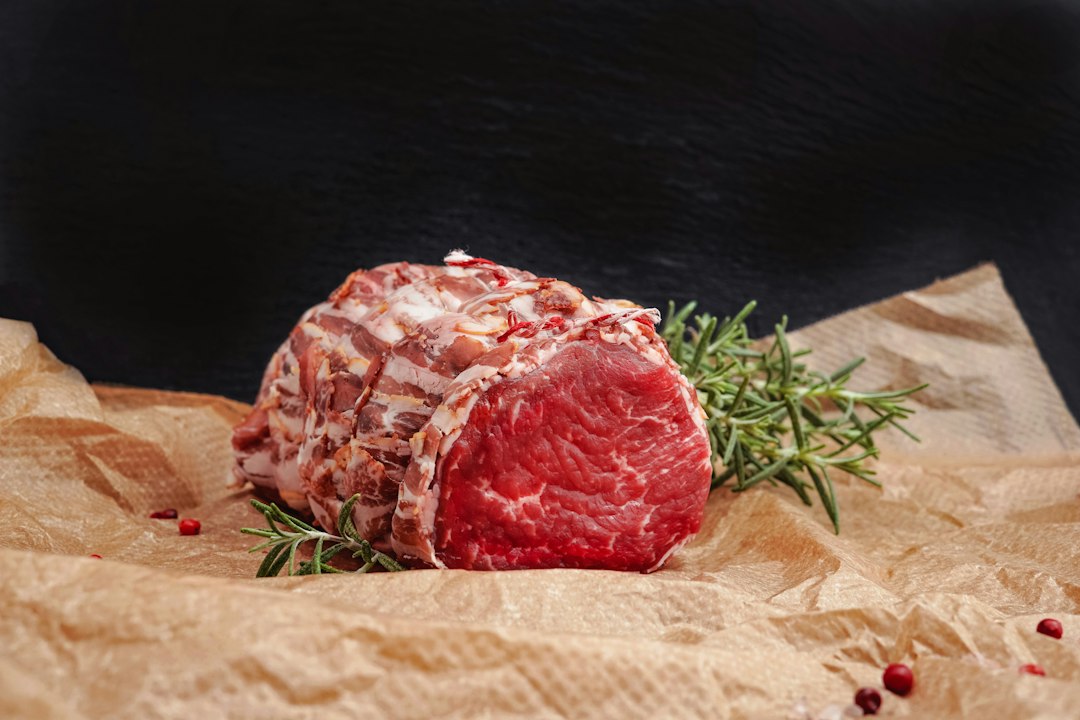
The practice bird is the other cheap tool. Buy a chicken this Sunday and dry-brine it the way you mean to dry-brine the turkey. I walked through that timing in the salt schedule piece: salt needs hours, not a sprinkle at the oven door. Roast, rest, lift, shear, slice, and time it. A missing object shows up on a four-pound bird, which is a gift. You still have weeks.
If you stuff the cavity, consider a stuffing cage before you commit to scraping dressing out of a hot bird with a spoon. You pack the dressing into the cage, slide the cage into the cavity, and lift the whole thing out when the roast is done. The dressing stays in a shape you can slice. The cavity is not a archaeology site. I was late to this tool. I am not going back to the spoon. If you bake dressing in a dish instead, ignore the cage and keep the oven schedule honest. A cage is for people who want the old-fashioned bird, not for people who already have a casserole plan.
The gravy people will actually judge
Guests are polite about dry breast meat. They are not polite about gravy. They will not say it at the table. They will say it in the kitchen while they rinse plates, and they will be right. Greasy gravy is a separation problem, not a whisk problem. Fat floats. If you pour the whole pan into the saucepan, you are emulsifying a mistake and then wondering why the sauce tastes like a candle.
A fat separator is a measuring cup with a grudge against the top layer. You pour the drippings in, you wait a minute, and the spout at the bottom gives you the juices while the fat stays behind. I use an OXO fat separator because the spout is obvious and the cup does not tip when I am moving too fast. Leave a spoon of fat if you want it for the roux. Do not leave the cupful. The people who tell you to skim with a spoon have more patience than a holiday kitchen contains.
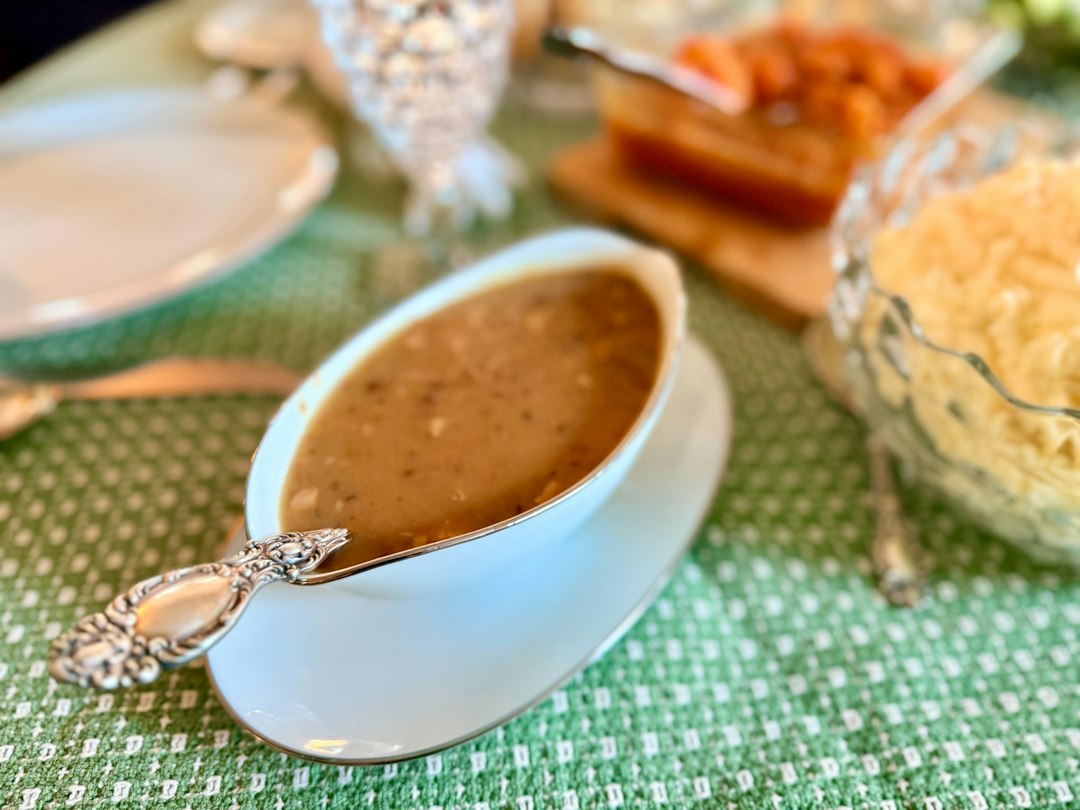
Then the boat. A measuring cup can carry gravy to the table. It looks like you ran out of time, because you did. A ceramic gravy boat with a lip that pours instead of dumps is the last object on this list and the one guests touch. Warm it with hot water while the sauce finishes so the first ladle does not seize. If your boat has been holding a candle since last January, wash it this week, not on Thursday morning. Check the saucer. A boat without a saucer leaves a ring on the cloth you spent an hour ironing.
What gets staged the night before
I do not build this station on Thanksgiving morning. Morning is for the oven and the one thing I forgot to thaw. The night before, that square of counter gets a towel, the board, the lifters, the shears, the knife, a fork, the twine if the bird still needs it, the separator, and the boat. The platter stays in the dining room so it does not collect splatter. Four minutes if the tools share a drawer. Forty if they do not.
What I am not buying this month, on purpose: another thermometer. If you do not already own one you trust, that purchase outranks everything in this article, and the roast-season thermometer guide is the place to choose it. Carving a bird that is not done is how you get the twenty-minute gap and a second trip to the oven. I am also not buying a new platter set if the plates you already own survived last year. Spend the money on the board and the lifters. Pretty dishes do not move a hot turkey.
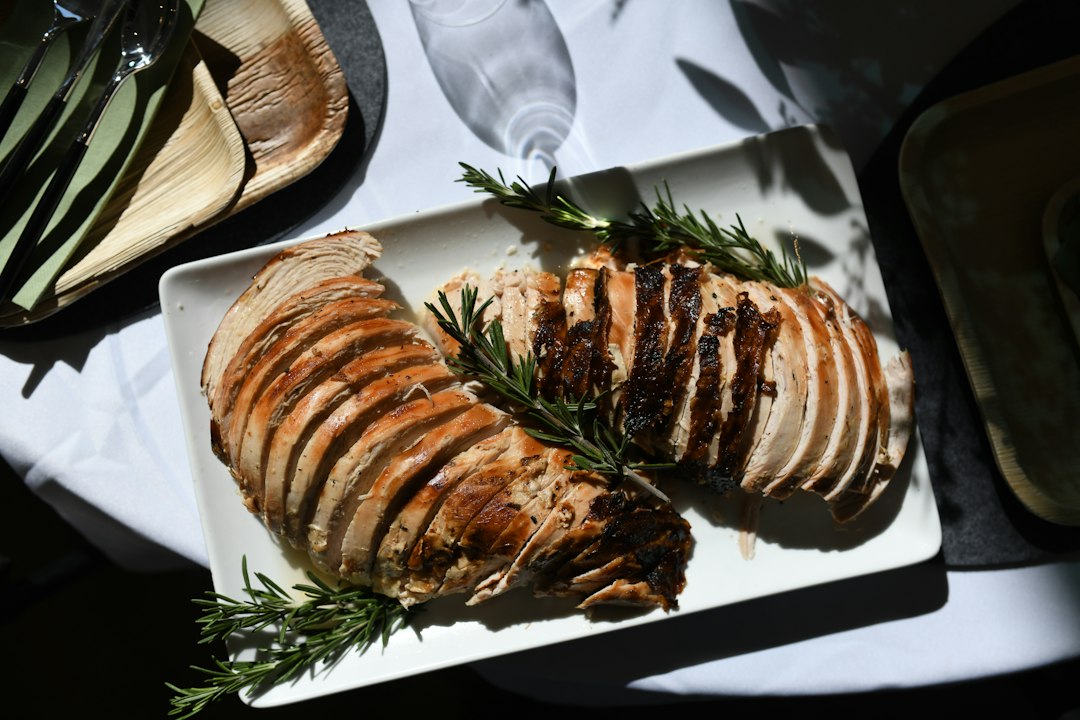
The short list: lifters that do not flex, a grooved board wider than the bird, shears that come apart, one knife strategy you have practiced, cotton twine if you truss, a separator, a boat that pours, and a Sunday chicken between now and the holiday. The stuffing cage is the extra, for cavity people only. None of it will be in the photograph. All of it is why the photograph happens while the meat is still warm. Set the board the night before. Rest the bird. Do not rest the cook.