Every November I climb up and pull the same pan off the top shelf above my fridge. Every year I wipe off a thin film of dust and think the same thing: this pan has been up there since last Thanksgiving. It is the biggest, heaviest, most expensive single piece of metal in my kitchen, and most years I use it about three times.
So this fall, with roasting-pan searches up almost fifty percent and more of my friends cooking a smaller bird or just a breast, I finally asked the question I’d been avoiding for twenty years: does a home cook still need a real roasting pan? My small team and I spent three weekends roasting a twelve-pound turkey, two bone-in turkey breasts, a pork loin, and more sheet-pan potatoes than anyone should eat in October. We used my old clad roaster, a cheap nonstick one, a plain half sheet pan with a wire rack, a braiser, and a foil pan set on a sheet. The answer surprised me, and it isn’t the same answer for everyone.
The Short Answer, Before the Long Story
If you only want the verdict, here it is. Every item is something I’d buy again, sorted by who it fits:
- Best if you roast big birds and make gravy in the pan: Cuisinart MultiClad Pro 16-Inch Roasting Pan With Rack, a tri-ply roaster that sears on the burner and goes straight into the oven.
- Best budget roaster: Farberware Nonstick Roaster With Flat Rack, if you want a true pan for the holidays but don’t want to spend much.
- Best “skip the roaster” setup: a Nordic Ware Naturals Half Sheet Pan with a Checkered Chef Stainless Steel Cooling Rack set inside it.
- Best add-on rack for a whole bird: the Norpro Adjustable Nonstick V-Rack, which fits in a sheet pan or a roaster.
- Best for a turkey breast or a small chicken: a Le Creuset Enameled Cast Iron Braiser, which also cooks dinner the other fifty weeks of the year.
- Best once-a-year backup: Handi-Foil Extra-Large Oval Roaster Pans, always set on a sturdy sheet pan.
Now let me tell you how I got there, because the right answer depends on your oven, your bird, and how you feel about washing a pan the size of a bathtub.
What a Roasting Pan Actually Does (and Doesn’t)
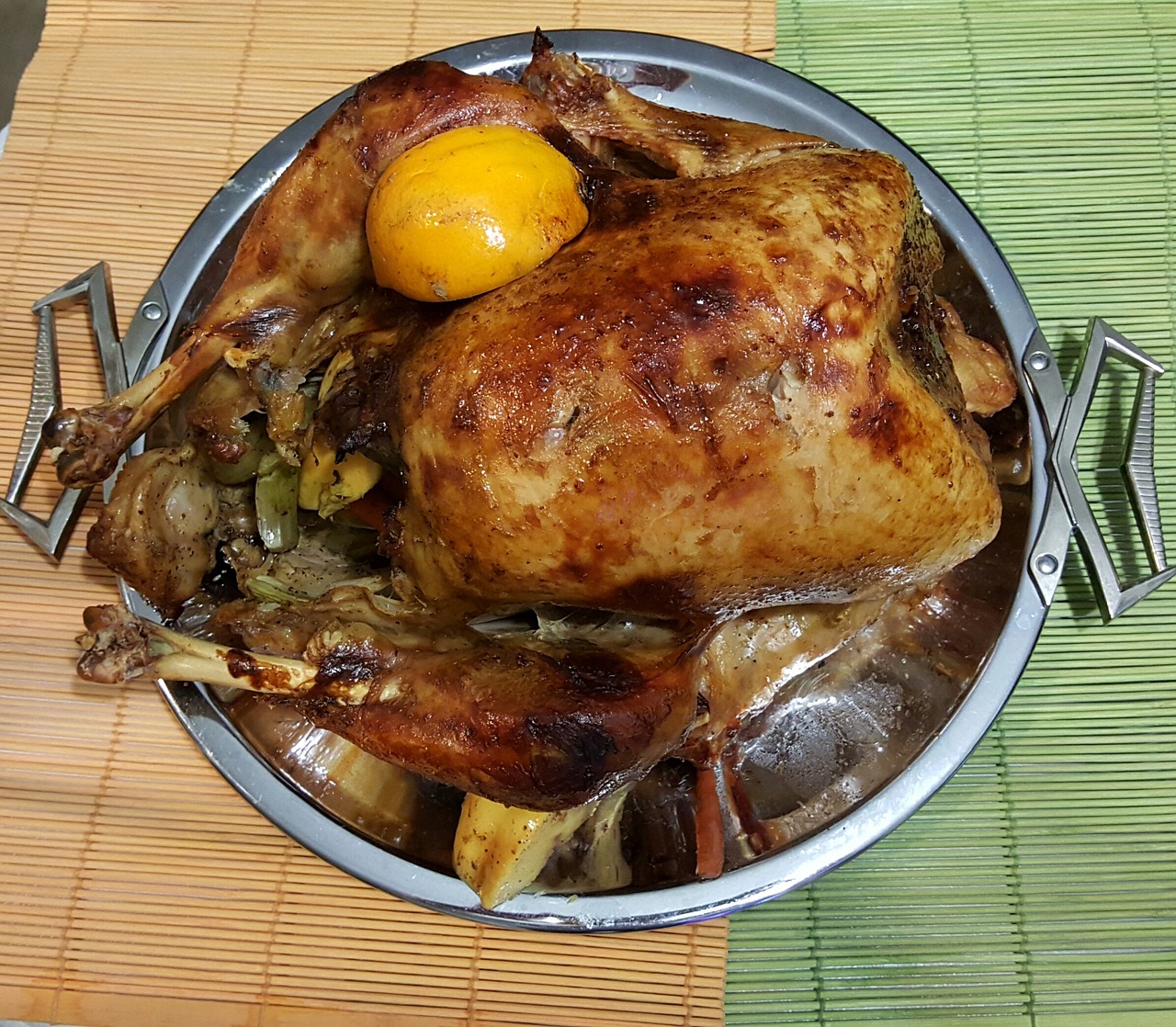
A roasting pan is a heavy pan with high sides, two strong handles, and usually a rack. It has three jobs. It holds a heavy bird without bending. It catches the drippings so they don’t burn on your oven floor. And if it’s made of the right metal, it goes on the stovetop afterward so you can turn those browned bits into gravy without moving them anywhere.
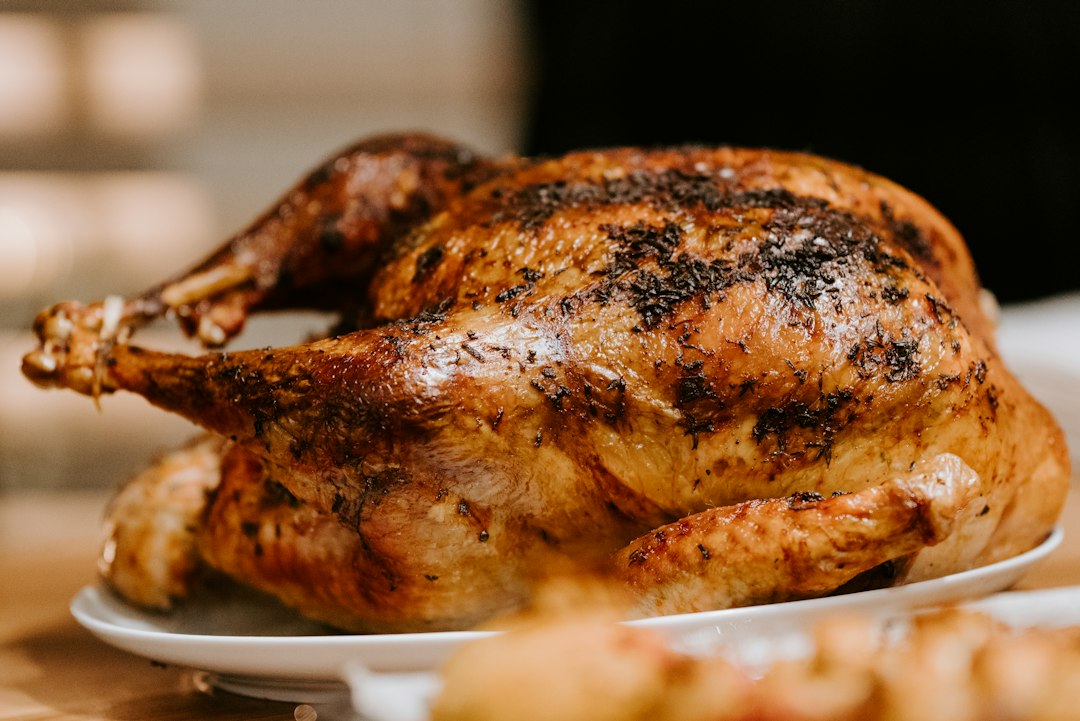
Here is the part people don’t say out loud: the high sides that make a roasting pan safe to carry also block the heat. In our test, the thighs of the twelve-pound bird in the deep roaster came out paler and finished about fifteen minutes behind the same-size bird on a sheet pan with a rack. The breast on the deep-pan bird got the most heat while the legs were still catching up. Food editors have been saying this for years, and my oven agreed with them.
That doesn’t make the roasting pan useless. It means the rack matters more than the pan. Lift the bird, let air move under it, and you get most of the browning back no matter which pan sits underneath.
The Real Roaster: When It Earns Its Shelf Space
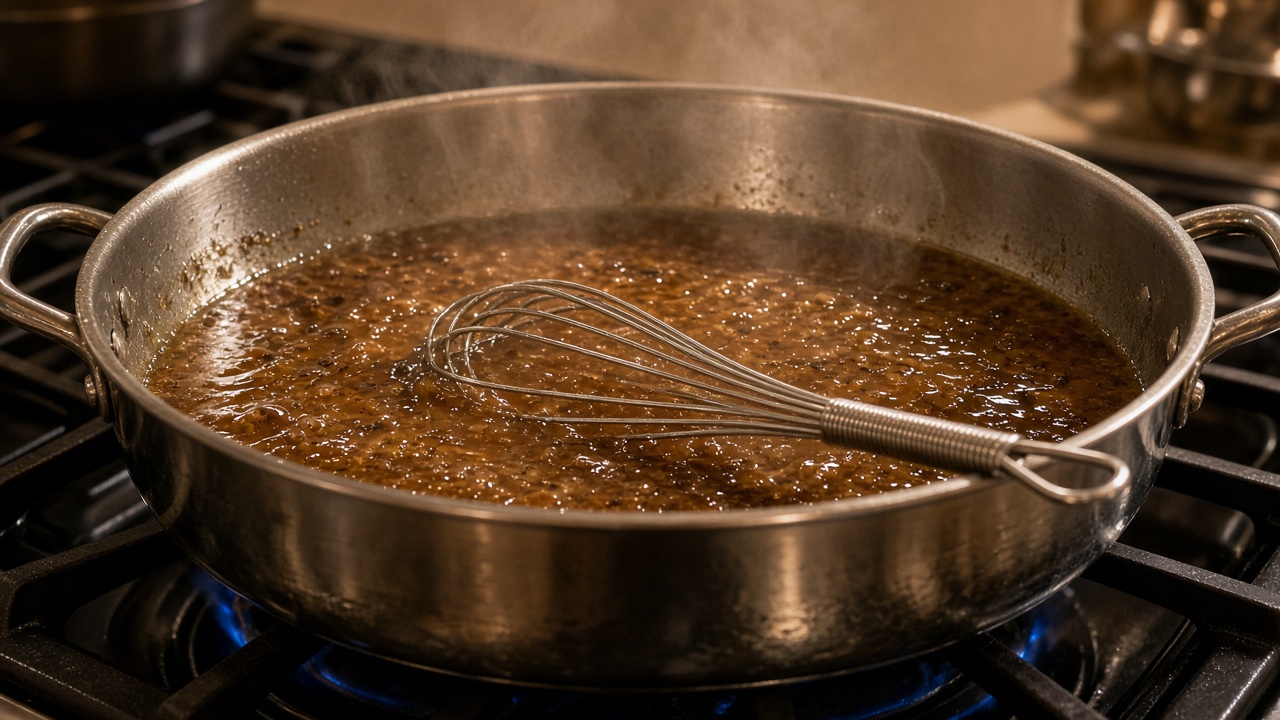
I kept my clad roaster. I’ll say that first so nobody thinks I’m about to tell you to put yours out on the curb. A good tri-ply roasting pan like the Cuisinart MultiClad Pro 16-Inch Roasting Pan With Rack does something no sheet pan can: it goes from a 425-degree oven straight across two burners. Then you deglaze it with stock, scrape up every bit of browned flavor, and whisk your gravy in the same pan the turkey just left. One less pan, more flavor, and the fond stays where it belongs.
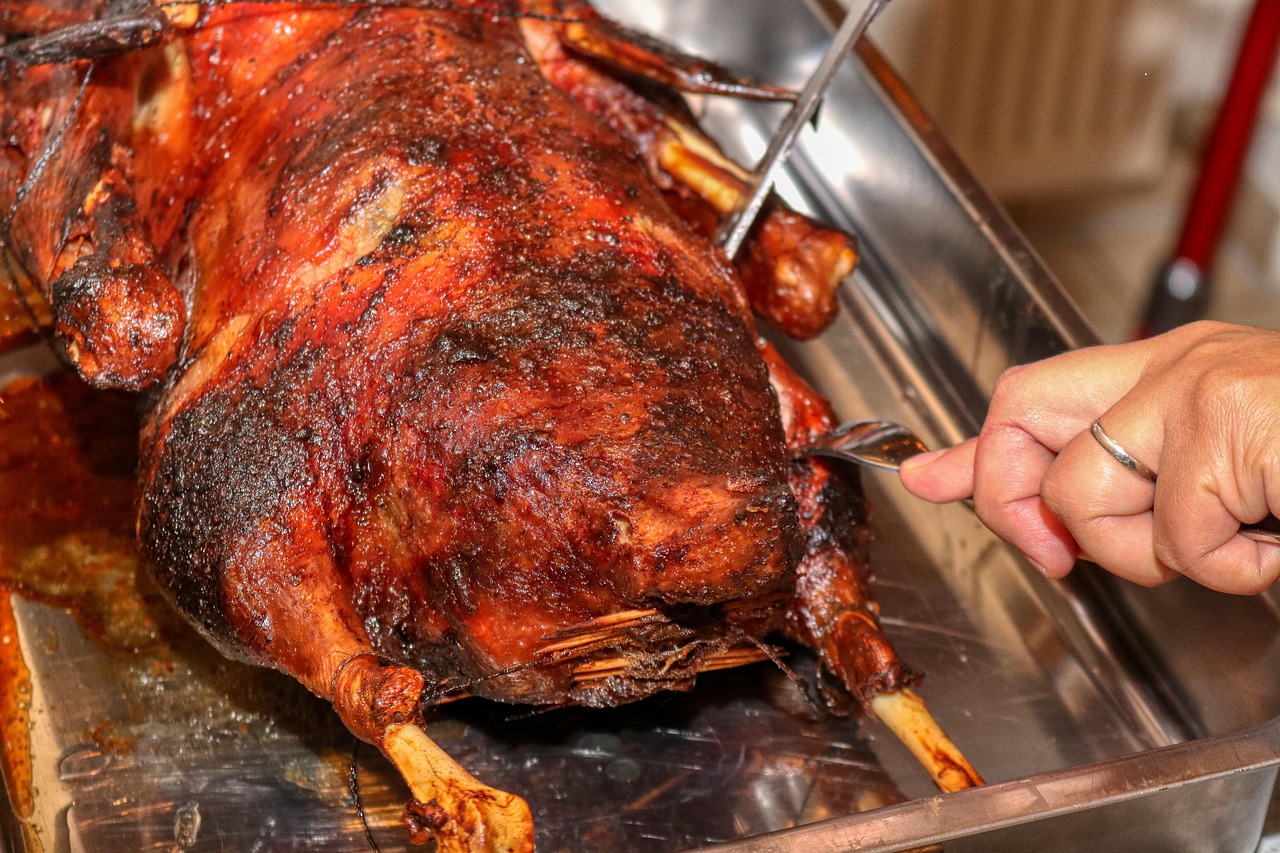
The other thing it does is hold weight. An eighteen- or twenty-pound turkey, plus a pound of drippings, plus a lot of hot fat, is heavy and dangerous to carry. A rimmed half sheet pan has a one-inch lip. When we tried a fifteen-pounder on a sheet, the juices crept toward that lip by the last hour, and my helper and I had to ladle some off before anyone dared lift it. With the roaster, I just grabbed both handles and walked.
So the real roaster earns its spot if you check two or more of these boxes: you roast a whole turkey of fourteen pounds or more, you make gravy in the pan, you cook prime rib or a big ham for Christmas, or you roast a full pan of vegetables under a chicken most Sundays. If that sounds like you, buy a good one once. A clad stainless pan won’t warp, can be scrubbed hard, and will outlast your oven.
What to Look For in the Store
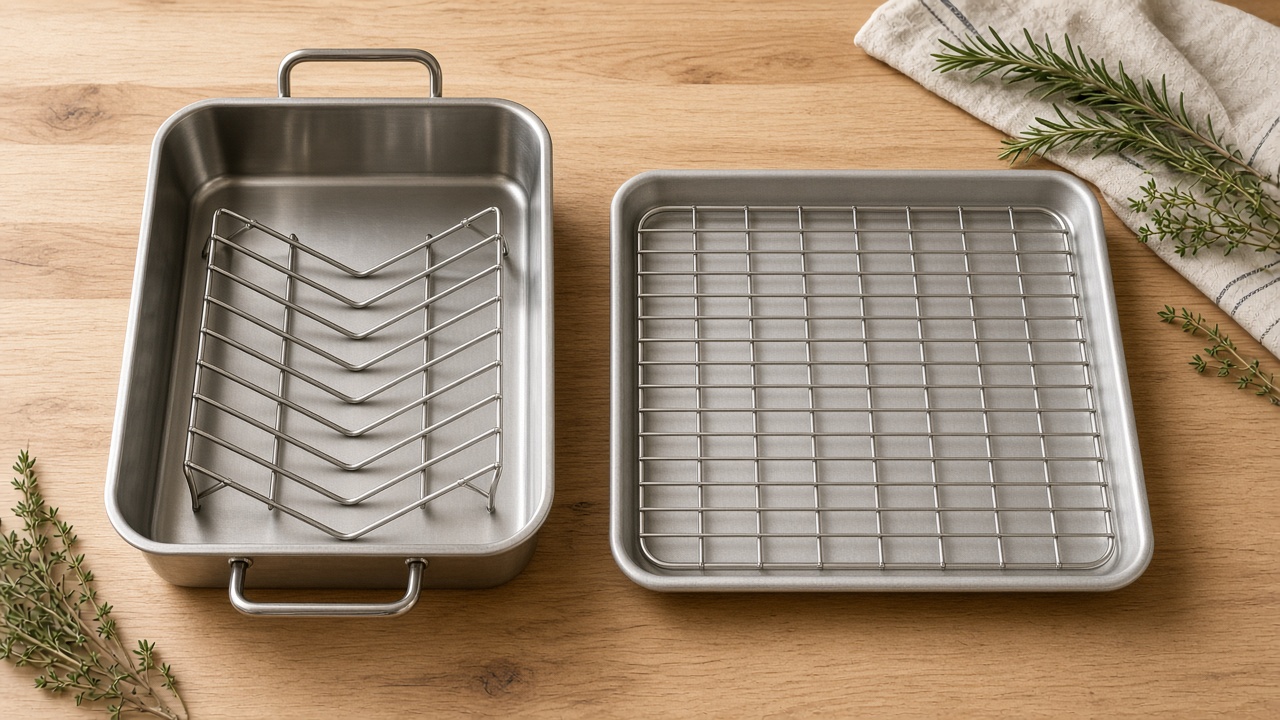
Measure your oven before you shop. A sixteen-by-thirteen-inch pan plus handles needs about eighteen inches of clear width, and some smaller ranges and wall ovens don’t have it. Look for a flat bottom, because a curved or dimpled bottom rocks on a burner and makes gravy harder. Pick upright handles big enough for oven mitts. Then check the rack: a sturdy rack with its own handles lets you lift the whole bird out in one move instead of fighting it with two forks.
Nonstick versions are easier to clean, but they brown less, and you can’t scrub them hard or use metal tools for gravy. If you want a true pan mostly for its high sides and don’t care about in-pan gravy, the Farberware Nonstick Roaster With Flat Rack is a fair budget pick. Its sides are a little lower than most, which actually helps the thighs brown.
The Sheet Pan and Rack: The Setup That Surprised Me
This is where my team’s notebook got exciting. Our twelve-pound turkey on a heavy Nordic Ware Naturals Half Sheet Pan with a Checkered Chef Stainless Steel Cooling Rack set inside it browned the best of anything we tested. The thighs got crisp and the skin was even all over. The breast finished at 157 degrees while the thighs read 175, which is exactly the gap you want. The two pieces cost about the same as a nice dinner out, and both of them earn their keep every week of the year. They roast vegetables, cool cookies, crisp bacon, and handle sheet-pan dinners.
For a whole bird, I liked it even more with a V-rack sitting on the sheet pan instead of the flat cooling rack. The Norpro Adjustable Nonstick V-Rack cradles the turkey so it doesn’t roll, lifts it a little higher, and folds flat into a drawer when the holidays are over. That V-rack-on-a-sheet setup is now my default for any bird under fourteen pounds.
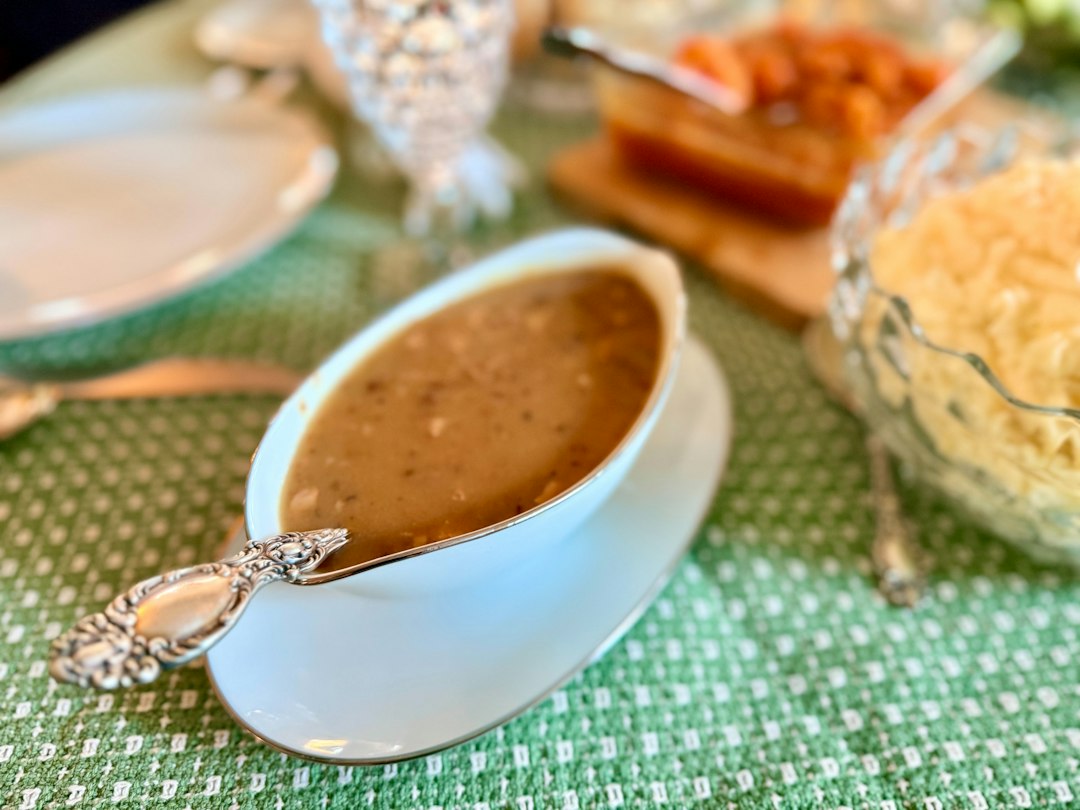
The weak spots are real, though. A sheet pan has a low rim, so you have to watch the drippings toward the end. Pour a cup of stock or water into the pan at the start so nothing scorches, and use a baster or ladle if the liquid rises. You also lose in-pan gravy: you’ll scrape the drippings into a saucepan and make it on the stove instead. I don’t mind that extra step much. I already make most of my gravy ahead, the way I describe in The Gravy I Make While the Turkey Is Still a Rumor, and the drippings just finish it.
Smaller Bird? Reach for the Braiser
If you’re roasting a turkey breast or a five-pound chicken, a giant roaster works against you. The drippings spread thin over all that empty metal and burn before you can save them. I wrote about this in my turkey-breast-for-six plan, where a skillet beat my big roaster. This round of testing pushed me one step further.
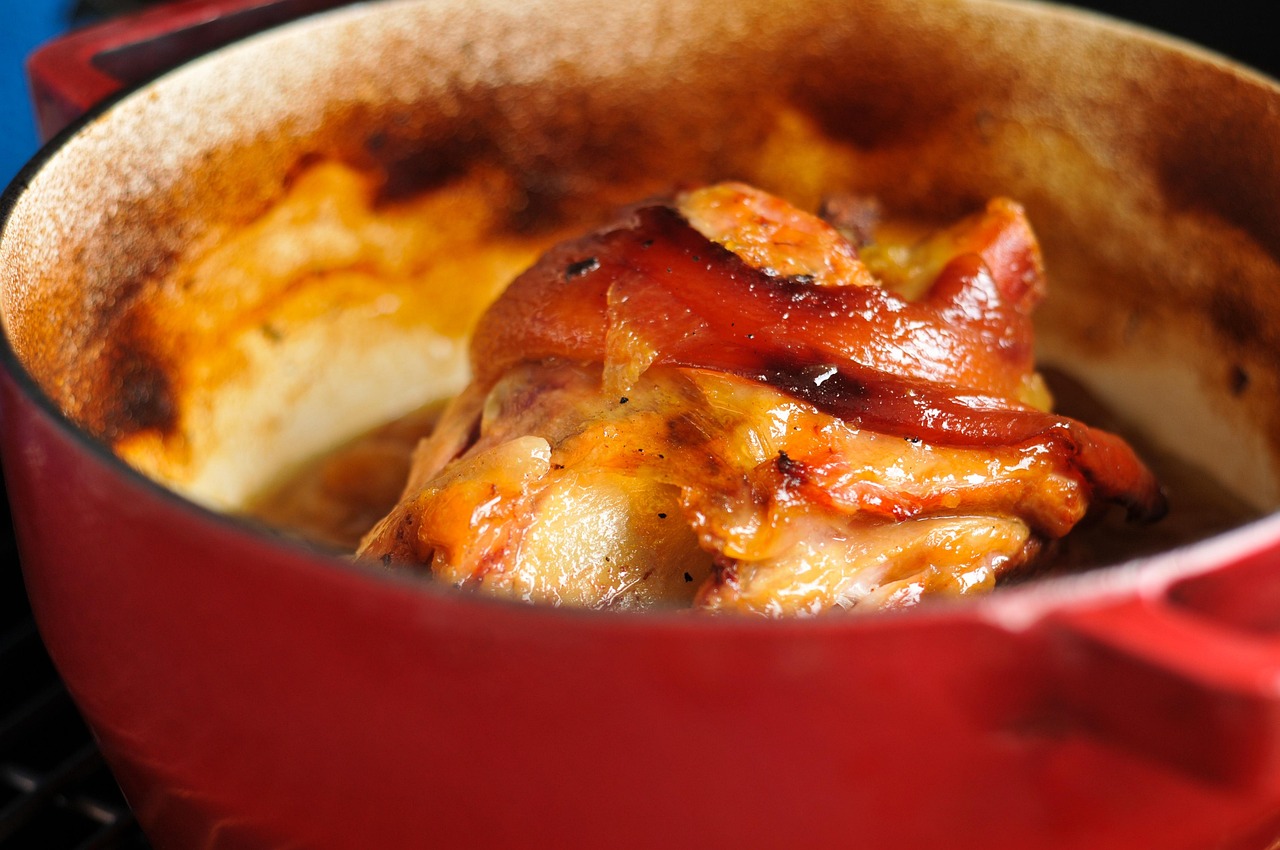
A wide, shallow braiser is the sweet spot for a bone-in breast. My Le Creuset Enameled Cast Iron Braiser held a six-and-a-half-pound breast on a bed of thick-cut onions and carrots, which work as an edible rack. The low sides let the skin brown all the way down. The drippings stayed deep enough to keep from scorching, and the pan went right onto a burner for gravy. Then on Tuesday it braised short ribs, and on Thursday it made a skillet cornbread. A roasting pan has never once done that for me.
If you don’t own one yet and you’re curious, I went deep on how a braiser fits between a skillet and a Dutch oven in The Shallow End. A Dutch oven also works for a small chicken, but expect paler skin on the lower half because of the taller walls.
The Foil Pan: Fine, With One Rule
I used to look down on disposable pans. Then I hosted Thanksgiving in a rented cabin with a bare-bones kitchen, and a pack of Handi-Foil Extra-Large Oval Roaster Pans saved the day. They’re cheap and deep, you can recycle them where foil is accepted, and you don’t have to wash anything at midnight.
Here is my rule: never, ever carry a foil pan by its own rim. Set it on a sturdy sheet pan before the turkey goes in, and lift the sheet, not the foil. A loaded foil pan flexes, and a flex is how fifteen pounds of turkey and a quart of hot fat end up on your kitchen floor. I watched it happen at a neighbor’s house in 2009, and I’ve never forgotten that sound. Also, use a rack or a bed of vegetables inside the foil pan, or the bottom of the bird will steam instead of roast.
The Little Tools That Matter More Than the Pan
After three weekends, the most honest thing I can tell you is that the pan was never what decided whether the turkey turned out well. Three small tools decided that, and they cost less than any roaster.
First, a fast thermometer. Whether your bird sits in a $160 roaster or a foil tray, you pull it at the right temperature or you don’t. I use a ThermoWorks Thermapen ONE, which reads in about a second, and I take readings at the thickest part of the breast and the inner thigh. If you want the whole story on where to probe and when to pull, it’s all in my thermometer guide.
Second, a flat whisk. A balloon whisk is fine in a round pan, but it can’t reach the corners of a rectangular roasting pan or a sheet pan. An OXO Good Grips Flat Whisk lies flat against the metal and lifts the browned bits up into the stock in a few strokes. That’s the flavor you’re paying for, so don’t leave it stuck to the pan.
Third, a fat separator. Whichever pan you choose, you’ll end up with a cup or two of drippings with fat floating on top. Pour them into an OXO Good Grips 4-Cup Fat Separator, wait two minutes, and pour the good juices out from the bottom. Your gravy tastes like turkey instead of grease, and it takes less flour to thicken.
Cleaning the Big Pan Without a Midnight Fight
One reason roasting pans spend eleven months on the top shelf is that nobody wants to wash them. Here is the routine that keeps mine looking good. While the turkey rests, deglaze the pan for gravy. That one step lifts most of the stuck-on mess before it has a chance to harden. After dinner, fill the pan with an inch of hot water and a squirt of dish soap and leave it on the stove. The next morning, drain it, sprinkle in a spoonful of Bar Keepers Friend Cleanser, and scrub with a non-scratch pad. The brown haze and rainbow heat tint on stainless come right off.
Keep that cleanser and any metal scrubbers away from nonstick roasters. Those just need warm soapy water and a soft sponge, and they’ll last longer if you skip the dishwasher too. Dry everything completely before it goes back up, or you’ll find a sad spot of rust on the rack next November.
What the Big Pan Can Do the Rest of the Year
If you do own a roaster, use it more than once a year and it stops feeling like a waste of space. Mine now roasts a double batch of vegetables for the week, holds a two-pan lasagna for a crowd, and becomes a water bath for cheesecakes and custards. It makes a big batch of the party mix my family eats every New Year’s Eve. And of course it handles a standing rib roast or a ham at Christmas, the one roast I won’t make on a sheet pan because of the drippings.
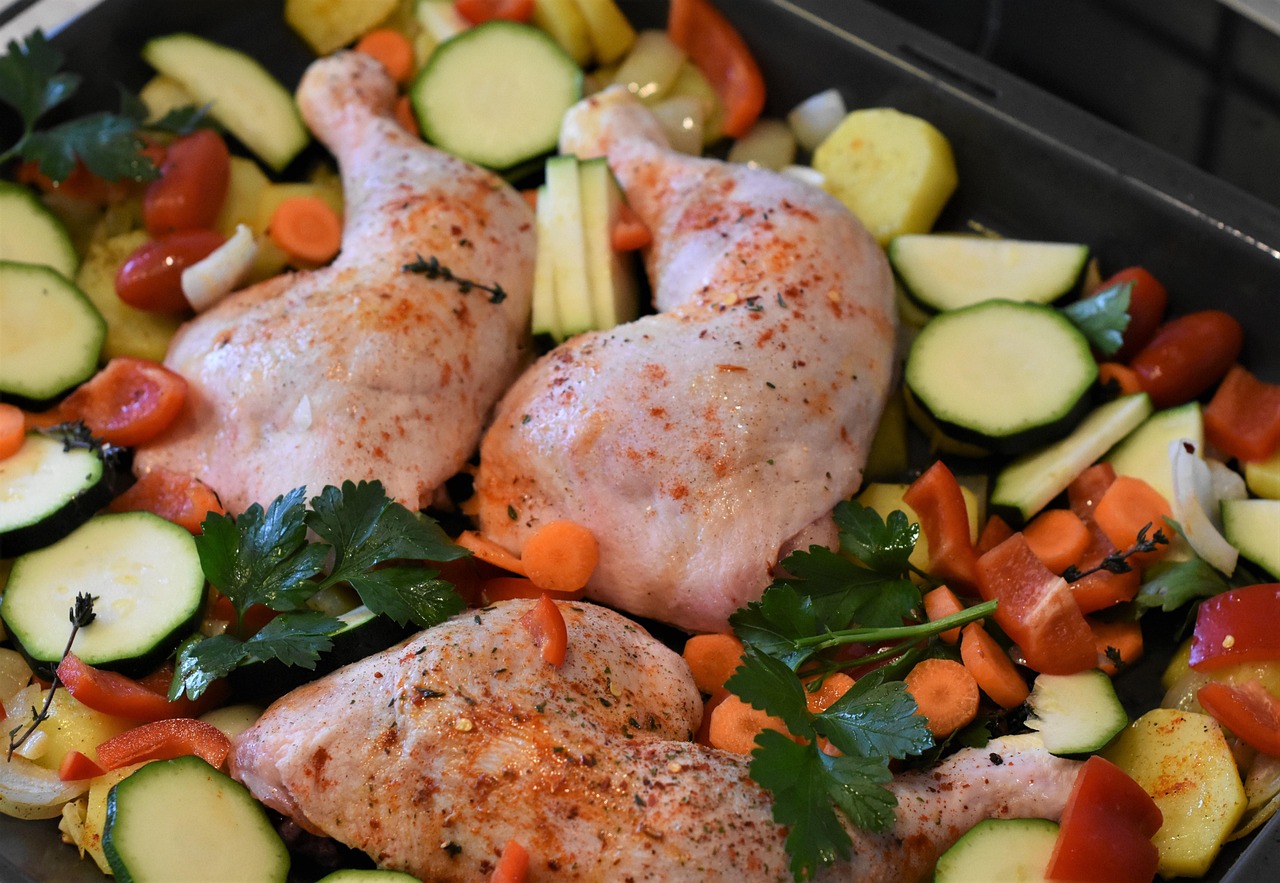
The roaster with a rack is also great for big chicken dinners. Set two small chickens side by side on the rack, put potatoes underneath, and the drippings season the potatoes while the birds roast. That’s a Sunday supper for eight with one pan to wash.
So, Which Pan Should Live in Your Kitchen?
Here is how I’d decide if I were starting over this week, with Thanksgiving eighteen days away.
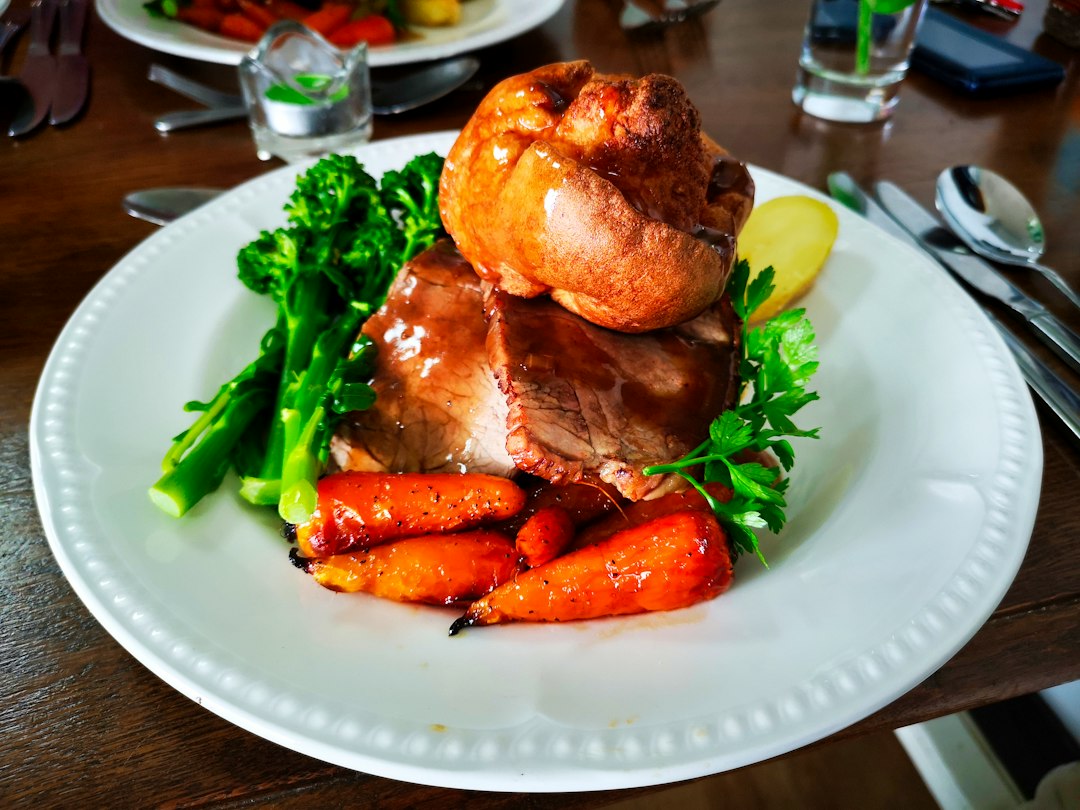
If you roast a whole turkey of fourteen pounds or more, make gravy in the pan, and cook a big roast at Christmas, buy the clad roaster once and keep it for life. If you roast a twelve-pound bird or smaller, and especially if your kitchen is tight on storage, get a heavy half sheet pan, a wire rack, and a V-rack. You’ll get better browning and use all three pieces every week. If your holiday centerpiece is a turkey breast or a chicken, a braiser is the smartest pan you can buy. And if you’re cooking in someone else’s kitchen, or you really only roast once every few years, a foil pan on a sheet pan is a perfectly honest choice.
Whatever you choose, do a dry run this weekend. Set the empty pan and rack on the oven shelf you plan to use, check that a tall bird will clear the shelf above it, and make sure the oven door closes without bumping the handles. Five minutes now saves a lot of panic on Thanksgiving morning.
My old roaster is going back up on the top shelf after the holidays, just like always. The difference is that I now know exactly why it’s there and exactly when I’ll reach for the sheet pan instead. That small bit of clarity has made this November a lot calmer, and I hope it does the same for yours.