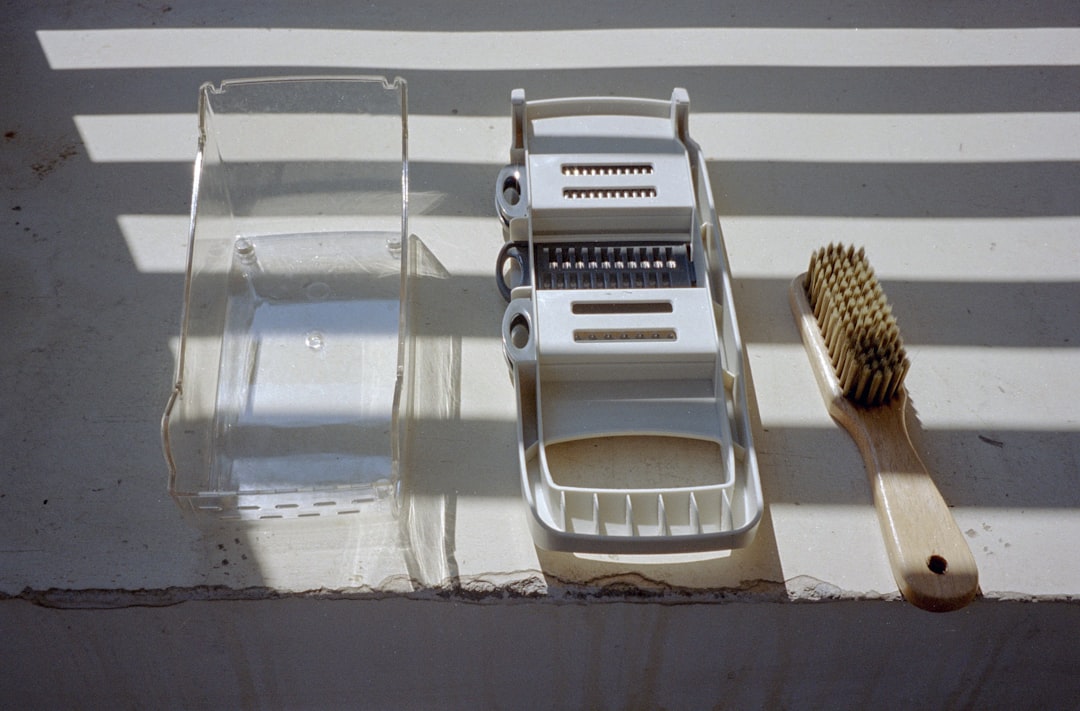
There comes a moment every July when my kitchen counter disappears under a wave of produce and I remember why I own a tool that, frankly, terrified me for the first decade of my cooking life. It happened again last Tuesday. A neighbor left a grocery sack of zucchini on my porch — the kind of zucchini that has quietly grown to the size of a baseball bat while nobody was watching — and my first instinct was to sharpen my chef’s knife and settle in for a long evening of uneven slices.
But I’ve learned a few things since the summers I spent hacking through mountains of vegetables with nothing but determination and a halfway-decent blade. I’ve learned that the right mandoline slicer doesn’t just save time — it transforms the way you cook during harvest season. Paper-thin cucumber salads that soak up dressing like a sponge. Potato gratins where every layer is identical, so the cream distributes evenly and the top crisps at the exact same moment. Quick-pickled red onions thin enough to curl inside a jar. Slaw that actually holds together instead of collapsing into a pile of uneven shreds.
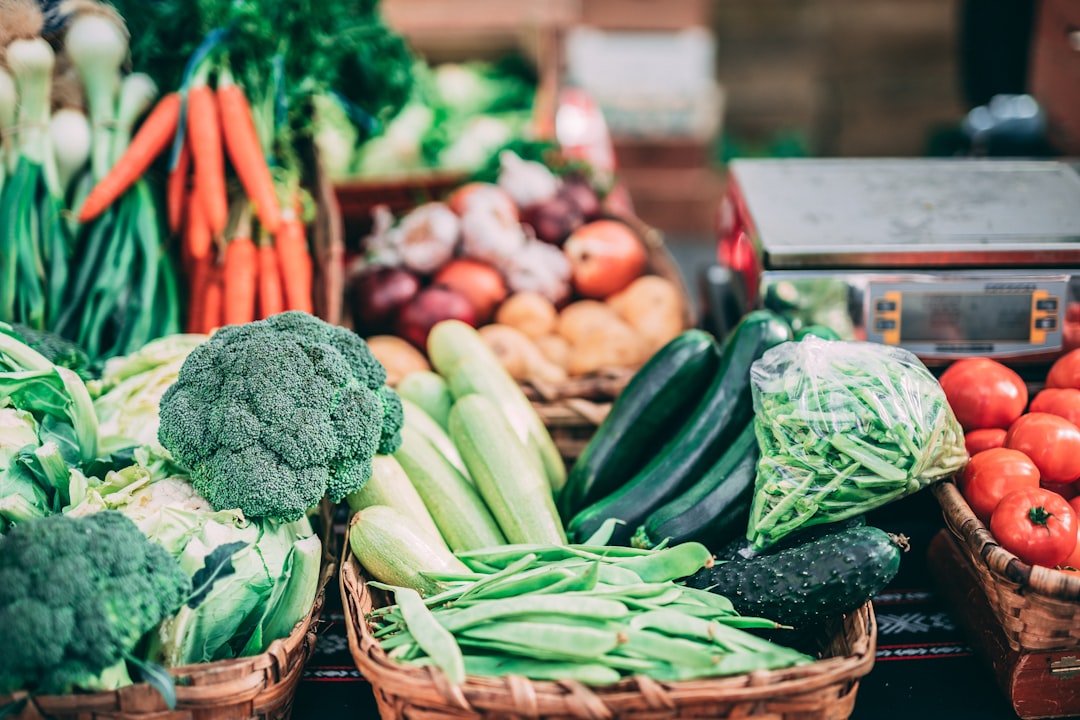
So this year, instead of reaching for my knife, I reached for my mandoline. And then, because I’m the kind of person who can’t leave well enough alone, I reached for six more. My team and I spent three weeks testing every style of mandoline I could get my hands on — from a $15 handheld to a Japanese professional model that arrived in packaging more elaborate than a new car — all to figure out which ones actually deserve space in a real home kitchen during the most produce-heavy season of the year.
The Case for Owning a Mandoline (Even If You’re Scared of It)
Let’s address the elephant in the room: mandolines are sharp. Dangerously sharp, if you’re not paying attention. My grandmother refused to have one in her kitchen, and honestly, I understood why. The old-style French models were essentially a bare blade mounted on a board with a handguard that seemed designed to give you a false sense of security.
But modern mandolines have evolved dramatically. The best ones now feature safety systems that make it nearly impossible to cut yourself — retracting blades, pushers that keep your fingers on the safe side of the blade at all times, and even fully enclosed slicing chambers. If you’ve been avoiding mandolines because of a bad experience (or a friend’s cautionary tale), it’s worth taking a fresh look.
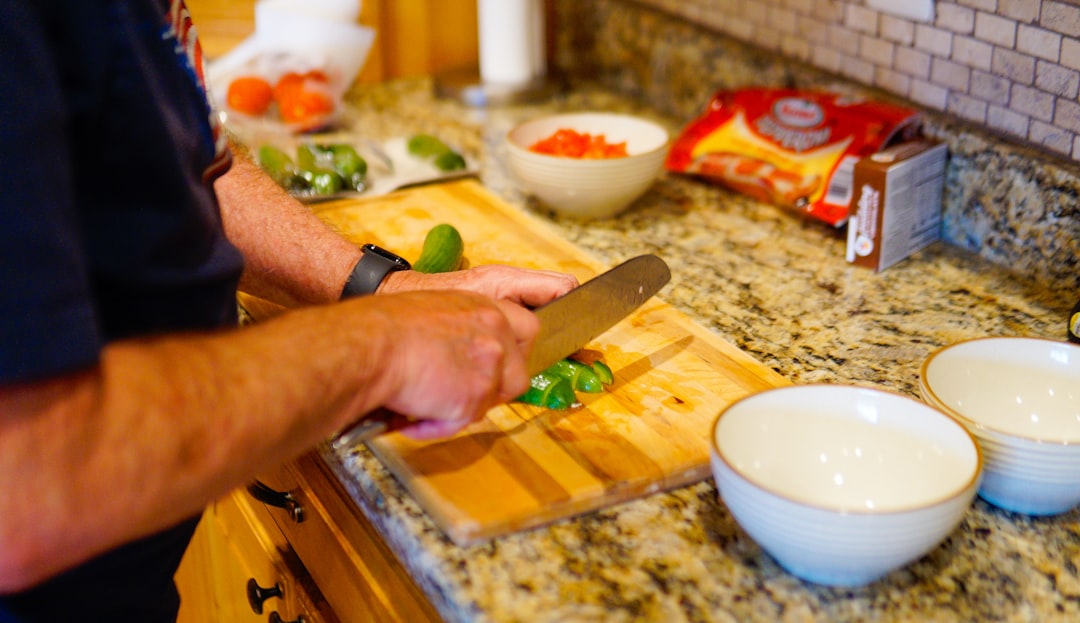
And regardless of which model you choose, I’m going to make one recommendation right now that applies to every mandoline on the planet: buy a pair of cut-resistant gloves. I tested the NoCry Premium Cut Resistant Gloves across every single mandoline in this roundup, and they turned a nerve-wracking process into something I could do while carrying on a conversation. They’re inexpensive, machine-washable, and they give you the confidence to slice all the way down to the last quarter-inch of a potato without that familiar wave of anxiety. If you buy a mandoline, buy the gloves. Period.
The Japanese Standard: Benriner
If you’ve ever watched a professional cook reach for a mandoline without thinking about it, chances are they grabbed a Benriner. These Japanese slicers have been the workhorse of restaurant kitchens for decades, and there’s a reason for that: they’re simple, lightweight, incredibly sharp, and they cost less than dinner for two.
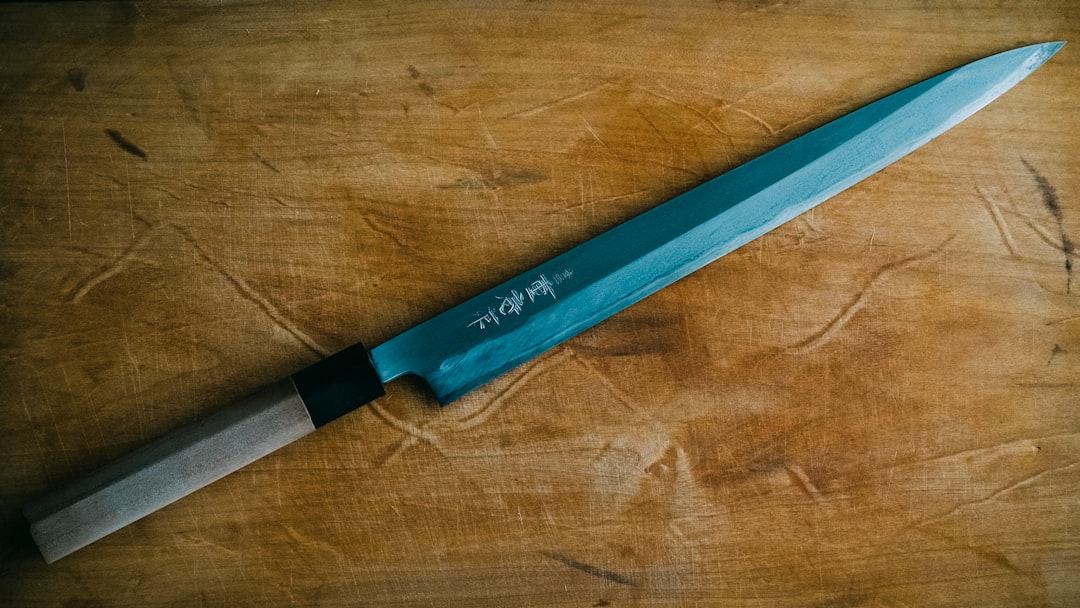
The Benriner Mandoline Slicer with four blades is the model I’ve owned the longest — going on eight years now. It comes with three interchangeable julienne blades (fine, medium, and coarse) plus the standard flat slicing blade. The thickness is adjusted with a small screw in the center of the deck, which sounds rudimentary, but once you dial it in, it holds its setting with precision. I can slice a cucumber so thin you can see through it. I can make matchstick daikon that would cost twelve dollars at a sushi restaurant.
The Benriner doesn’t have a catch bin, a folding deck, or a safety pusher that clicks into place. What it has is a terrifyingly efficient blade and a design that gets out of your way. I love mine. I also never use it without my cut-resistant gloves, and I store it on a high shelf where visiting children can’t reach it. If you’re comfortable in the kitchen and you want maximum performance for minimum money, this is your tool.
For cooks who want a wider deck (handy for large cabbage halves or big-block cheese — though please don’t use a mandoline on cheese), the Benriner Super Slicer offers the same Japanese steel blades with a broader slicing surface. My team tested it side-by-side with the standard model, and the wider deck genuinely makes a difference when you’re processing large quantities. We ran an entire head of cabbage through it in under ninety seconds.
The Safety-First Option: DASH Safe Slice
If the Benriner sounds like too much blade for your comfort level, let me introduce you to the mandoline that changed my mind about safety features. The DASH Safe Slice Mandoline operates on a completely different principle than traditional models. Instead of sliding produce across an exposed blade, the food sits inside a chamber, and the blade moves through it with each press of the handle.
It took me about four minutes to get used to the mechanism, and after that, I was flying. The DASH offers thirty-plus preset thickness and cut combinations — straight slices, julienne, waffle cuts, dice — all selected by turning a dial on the side. My favorite feature is the thickness adjuster, which lets you dial in exact measurements from paper-thin to a hearty quarter-inch. I used it to make a potato galette where every slice was so uniform that the layers locked together like shingles on a roof.
The DASH is also the mandoline I handed to my thirteen-year-old nephew when he wanted to help with dinner. The fully enclosed design means there’s no exposed blade to worry about, and the folding deck makes it one of the easiest mandolines to store. If you have kids who cook, or if you simply value your fingertips above tradition, this is the one I’d recommend without hesitation.
The German Engineering Marvel: Swissmar Borner
The Swissmar Borner V Power Mandoline sits at the intersection of old-world craftsmanship and modern safety thinking. Made in Germany from medical-grade ABS plastic with V-shaped stainless steel blades, the Borner has a loyal following that borders on cult status — and after using one for three weeks, I understand why.
The V-shaped blade is the secret. Unlike a straight blade, which requires consistent downward pressure to produce clean slices, a V-blade draws from both sides simultaneously, which means even soft tomatoes slice cleanly without crushing. I tested the Borner against a pile of August tomatoes that were so ripe they barely held their shape, and it produced translucent, even slices from every single one. My chef’s knife turned the same tomatoes into a puddle.
The Borner comes with three blade inserts (thin slice, thick slice, and julienne) and a safety food holder that uses a system of prongs to grip the produce while keeping your hand well clear of the blade. The deck sits at a slight angle, which creates a natural slicing motion that feels almost effortless. For the twenty pounds of Roma tomatoes I process every summer for sauce, the Borner has become my go-to. It’s also the mandoline I’d reach for if I were building a first kitchen from scratch and wanted one tool that could handle everything.
If you want the Borner experience with even more versatility, the Borner V-Slicer Plus five-piece set adds a storage caddy and additional inserts. The caddy is genuinely useful — it keeps the blade inserts organized and protected, which solves the one problem I have with every other mandoline I’ve owned (where do I put the extra blades?).
The Compact Champion: OXO Good Grips Handheld
Not every kitchen has room for a full-size mandoline, and not every cook needs one. If you’re working with limited counter space — or if you only need a mandoline for occasional tasks like slicing cucumbers for a salad or radishes for tacos — the OXO Good Grips Handheld Mandoline is the tool I’d tuck into your drawer.
It’s small enough to fit in a silverware drawer, adjustable with a simple dial (no blades to swap), and it has the same non-slip grip that makes OXO tools so reliable. The slicing deck is about five inches wide, which means you’ll need to cut larger vegetables in half before slicing them — but for quick tasks, it’s unbeatable. I keep one in my travel kitchen kit for vacation rentals, and it’s the mandoline I reach for when I just need a handful of radish rounds for a garnish.
The Budget All-in-One: Mueller and Gramercy
If you want maximum versatility for minimum investment, there are two options I tested that deserve mention. The Mueller Vegetable Chopper Mandoline Slicer is a multi-function tool that includes interchangeable blades for slicing, dicing, and julienne cutting. It’s not a traditional mandoline — it’s more of a cross between a mandoline and a food chopper — but for anyone who wants a single tool that can handle a variety of prep tasks, it punches well above its price point.
The Gramercy Adjustable Mandoline takes a more traditional approach, with an angled deck and a built-in thickness adjuster. It ships with cut-resistant gloves included, which I appreciate — it’s the only mandoline in this roundup that comes with gloves in the box. The blade is sharp enough for clean tomato slices, and the foldable design makes it easy to store. This is a solid pick for a beginner who wants the full mandoline experience without a learning curve.
For something with even more cutting options, the Ourokhome 7-in-1 Mandoline Slicer offers six interchangeable blades in a compact, well-designed package. My team was impressed by how smoothly the blade inserts clicked in and out — a nice change from some cheaper models where the inserts feel like they’re about to break every time you swap them. It’s an excellent value for a cook who wants waffle cuts, julienne, and ribbon slices without investing in multiple tools.
How to Choose the Right Mandoline for Your Kitchen
After three weeks of testing, my team and I developed a simple framework for matching mandolines to cooking styles. Here’s how I’d think about it:
If you cook frequently and value precision above all else: Get the Benriner. The Japanese steel blade is in a different class, and once you develop the habit of using cut-resistant gloves, you’ll produce restaurant-quality slices faster than anything else in this roundup.
If safety is your top priority (or if kids help in your kitchen): The DASH Safe Slice is the clear winner. The enclosed design eliminates exposed blades entirely, and the thirty-plus presets mean you’ll never need to manually swap a blade.
If you process large quantities of summer produce: The Swissmar Borner V Power is built for volume. The angled deck and V-shaped blade make quick work of everything from cabbage to tomatoes, and the food holder is the most secure I’ve tested.
If you have limited storage space: The OXO Handheld fits in a drawer and handles 80% of what a full-size mandoline can do. It’s the one I’d buy for a small kitchen or a vacation home.
If you want one tool that does everything: The Ourokhome or Mueller multi-function slicers give you dicing, julienne, and slicing in a single package. They’re not as refined as the dedicated tools, but they cover more ground.
The Summer Dishes That Make It Worthwhile
I want to leave you with a short list of the dishes that made me grateful I had a mandoline this summer. These are the recipes where the difference between a knife-sliced and mandoline-sliced version is night and day:
- Quick-pickled red onions: The thinner the slice, the better the brine penetrates. A mandoline produces translucent rounds that pickle in twenty minutes instead of overnight.
- Potato gratin: Uniform slices mean even layering, which means every bite has the same ratio of potato, cream, and cheese. This is the dish that convinced me to buy my first mandoline.
- Cucumber salads: Paper-thin cucumbers absorb dressing like a sponge. Try them with rice vinegar, sesame oil, and a pinch of sugar — you’ll never go back to chunky slices.
- Apple chips: Slice apples on the thinnest setting, dust with cinnamon, and dehydrate (or bake low and slow). The uniform thickness means they all crisp at the same time.
- Zucchini ribbons: Use the julienne blade to create long, thin strips that work as a pasta substitute or a salad base. Light, fresh, and ready in seconds.
A Final Word on Safety (From Someone Who Learned the Hard Way)
I’ll end with the same advice I give everyone who asks me about mandolines: respect the blade, but don’t fear it. The first time I used a mandoline, I was so nervous that I sliced awkwardly, lost control of a potato, and nicked my thumb. That was fifteen years ago. Since then, I’ve adopted two simple rules that have kept me injury-free: always wear cut-resistant gloves, and never try to slice the last inch of anything. The pusher or food holder exists for a reason — use it, even when it feels clumsy.
Mandolines are one of those tools that seem intimidating until you use one for a week, at which point you can’t imagine cooking without it. During summer, when my counter is buried under tomatoes, zucchini, cucumbers, and potatoes, my mandoline is the tool I reach for first. It turns an hour of tedious knife work into ten minutes of nearly effortless slicing. And the results — those translucent cucumber rounds, those perfectly layered potato stacks, those delicate ribbons of zucchini — look and taste like something from a restaurant kitchen.
So go ahead. Buy the mandoline. Buy the gloves. And then invite me over for dinner, because I already know what you’re bringing to the table.