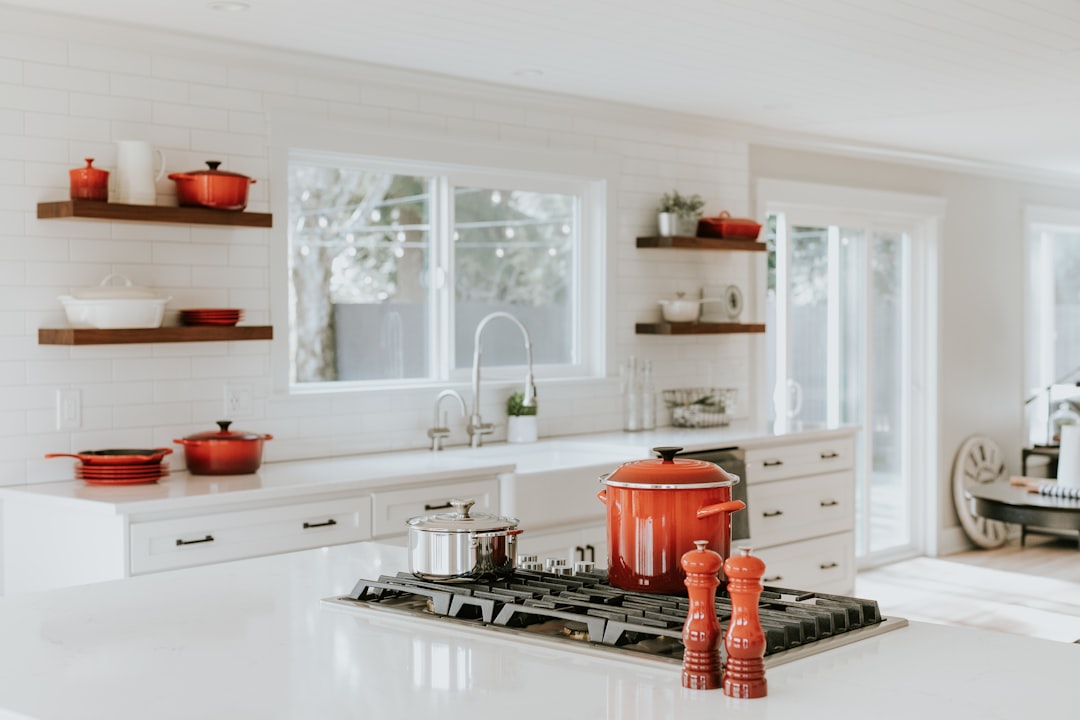
It started with a warped spatula and a smell I couldn’t identify. I was scrambling eggs on a Tuesday morning, and my old nylon flipper — the one I’d used for probably six years — left a faint chemical tang in the kitchen that wasn’t the butter, wasn’t the eggs, and definitely wasn’t my imagination. That afternoon, I opened every drawer in my kitchen and laid out every piece of plastic cooking equipment I owned on the counter. It was embarrassing. Melamine spoons with stained tips. A colander that had gone cloudy from the dishwasher. Three sets of measuring cups missing half their labels. A cutting board so deeply scarred that I’d been unconsciously avoiding it for months.
I didn’t set out to become one of those people who lectures about non-toxic kitchens. But the more our team researched what actually leaches out of degraded plastic at cooking temperatures — and the more I looked at the truly excellent alternatives available right now — the more I realized this wasn’t a fringe concern. It was a kitchen upgrade hiding in plain sight. So I spent August rebuilding my toolkit from scratch, and I’m going to tell you exactly what earned a permanent spot and what didn’t.
The Wooden Spoon Revolution Nobody Told You About
My grandmother would be cackling. She used the same teak spoon for forty years, and when I asked her why she never switched to “nice” nylon or silicone, she just said, “Wood doesn’t lie.” She was right in ways she couldn’t have known. Last year, a wave of research flagged black plastic kitchen tools — the kind most of us have sitting in a holder right now — as potentially carrying flame-retardant chemicals recycled from old electronics. Not all plastic. Not every color. But enough to make me pay attention.
I replaced every plastic stirring, scooping, and flipping tool in my kitchen with a solid teak utensil set from Mooues — nine pieces including a spoon rest, all natural, all heat-resistant far beyond anything my stove can produce. Teak is dense, doesn’t absorb flavors the way softer woods can, and develops a beautiful patina with use. The set cost less than a single “premium” nylon tool at a kitchen specialty store.
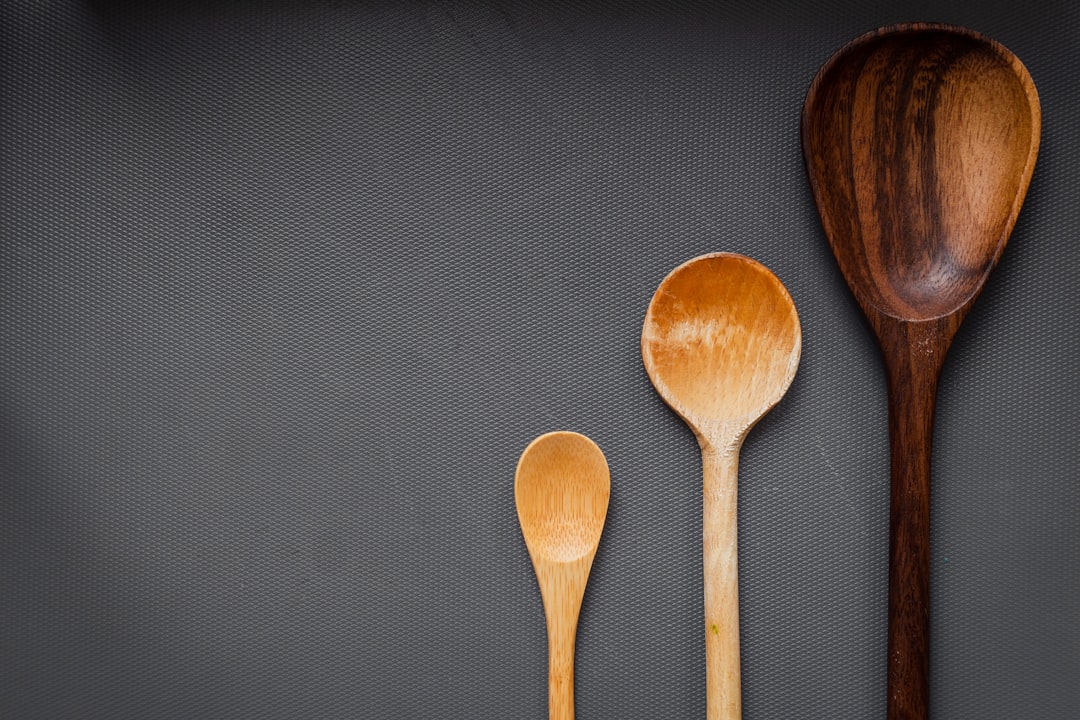
Here’s what surprised me most: I cook better with wood. The heft of a real wooden spoon gives you feedback — you can feel when a sauce is tightening, when rice is catching on the bottom, when a batter has come together. Plastic insulates you from all of that. It’s like wearing mittens to play piano.
Glass Storage That Actually Stays Clean
The plastic container purge was the easiest decision I made all month. I had a cabinet stuffed with mismatched lids, stained bottoms, and containers that had survived five years of tomato sauce and looked like crime scene evidence. Glass solves every single one of those problems.
After testing several brands, the Rubbermaid Brilliance glass container set became my everyday workhorse. Nine containers in assorted sizes, BPA-free, genuinely leak-proof (I put one full of soup sideways in my bag to test it), and clear enough that I can see exactly what’s inside without opening the lid. They go from oven to table to fridge without a pause, which means fewer dishes and fewer transitions. My leftovers have never looked so presentable.
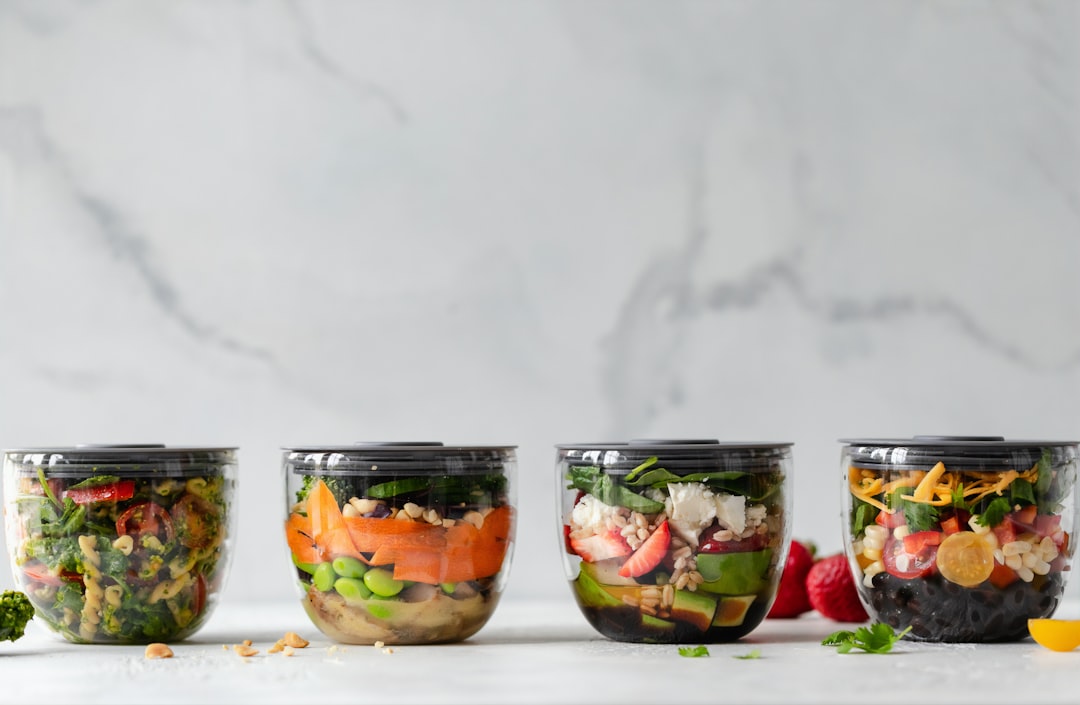
The psychological shift matters too. When I open the fridge and see neatly stacked glass containers instead of a jumble of stained plastic, I actually want to eat the food inside them. My weekly meal prep stopped feeling like a penance and started feeling like an investment. If you’re rebuilding your kitchen storage from the ground up, start with the systems before the containers — figure out where things will live, then buy what fits.
The Ceramic Pan That Replaced Three Others
I’m going to be honest: I was skeptical of ceramic nonstick for years. The early versions were fragile, lost their slick surface after a month, and cost twice what a basic Teflon pan did. But the current generation is a completely different animal.
The SENSARTE 9.5-inch ceramic frying pan became my morning egg pan the day it arrived. PFAS-free, PFOA-free, induction-compatible, and — here’s the part that mattered to me — it actually releases food. After three months of daily use, my eggs still slide. The ceramic surface is harder than the old coatings, doesn’t scratch if you look at it wrong, and cleans with a rinse. For smaller jobs, I keep their 8-inch version with a glass lid on the burner for omelets and single-portion sautes.
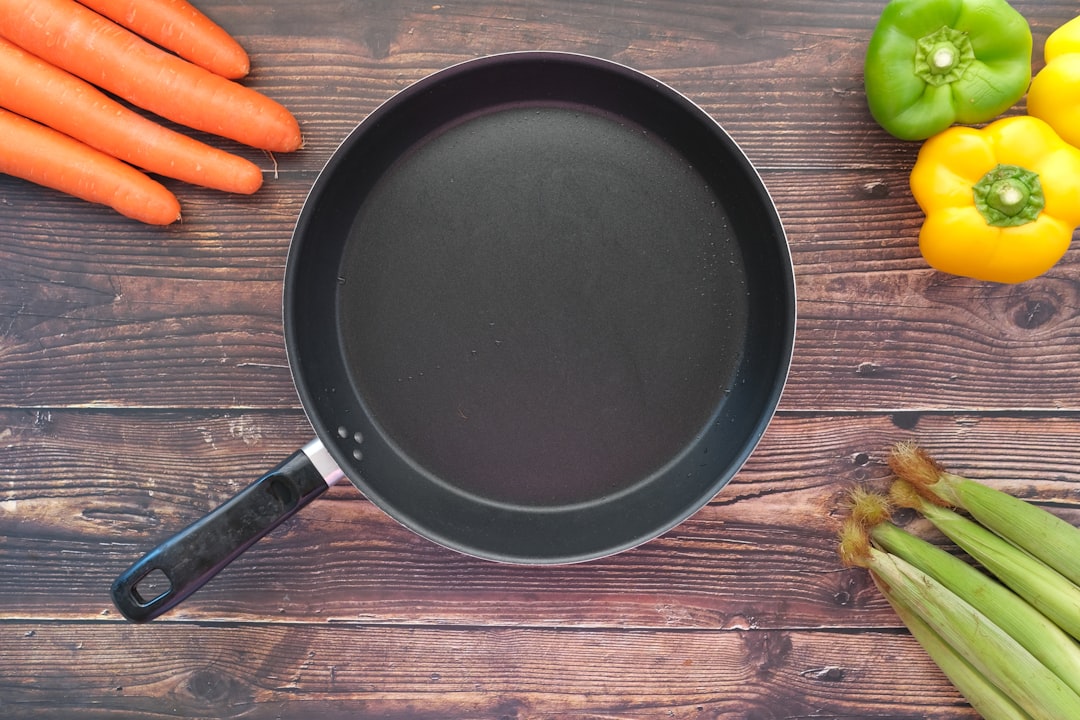
What I gave up: one of those massive 12-inch “family size” nonstick skillets that never heated evenly anyway. The ceramic pans distribute heat better than anything I used before, and now that I’m cooking on induction, that responsiveness matters even more.
The End-Grain Cutting Board That Made Me Hate Chopping Less
If there’s one upgrade that pays for itself in pure daily satisfaction, it’s this one. I’d been using a bamboo board from a big-box store — thin, loud, and rough on every knife I owned. My knives dulled within weeks, and I’d accepted that as just how knives behave. They don’t.
An end-grain walnut board changed everything. The Sonder Los Angeles Alfred cutting board is 17 by 13 inches, an inch and a half thick, and made from end-grain walnut — which means the wood fibers face upward, so your knife slides between them rather than cutting across them. Your edges stay sharp longer. The board self-heals. It’s heavy enough to stay put while you work, and it’s genuinely beautiful sitting on the counter.
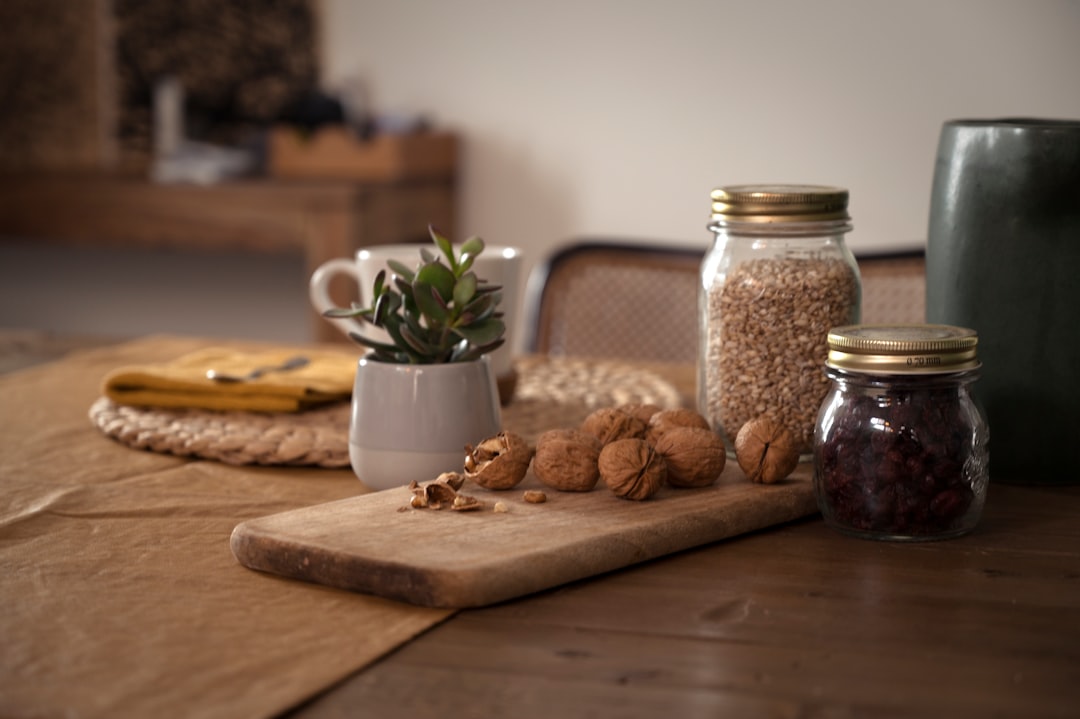
I oil mine once a month with food-grade mineral oil, and it looks better now than the day it arrived. Compare that to my old bamboo board, which I replaced twice in two years because it split along the glue lines.
Silicone That Earns Its Drawer Space
Not everything plastic needs to disappear — silicone is a different animal entirely. It’s inert at cooking temperatures, doesn’t off-gas, and doesn’t break down the way nylon does. The HOTEC five-piece silicone spatula set handles every scraping, folding, and mixing job in my kitchen, rated to 600 degrees Fahrenheit without a hint of degradation.
The key distinction: silicone is a synthetic material, but it’s made from silica (sand), not petroleum, and it doesn’t leach the compounds that make plastic problematic. I still keep a few around for baking, where flexibility matters. But for stovetop cooking, wood is my default.
Cast Iron: The Pan That Outlives Everything
You can’t talk about non-toxic cookware without talking about cast iron. I own six of them now — and yes, I realize that sounds excessive. But a well-seasoned Lodge skillet is the most naturally nonstick surface in my kitchen, costs less than a movie ticket, and will outlive me. The Lodge 10.25-inch pre-seasoned skillet is the one I reach for most often — perfect for cornbread, seared vegetables, and anything that needs to go from stovetop to oven without thinking.
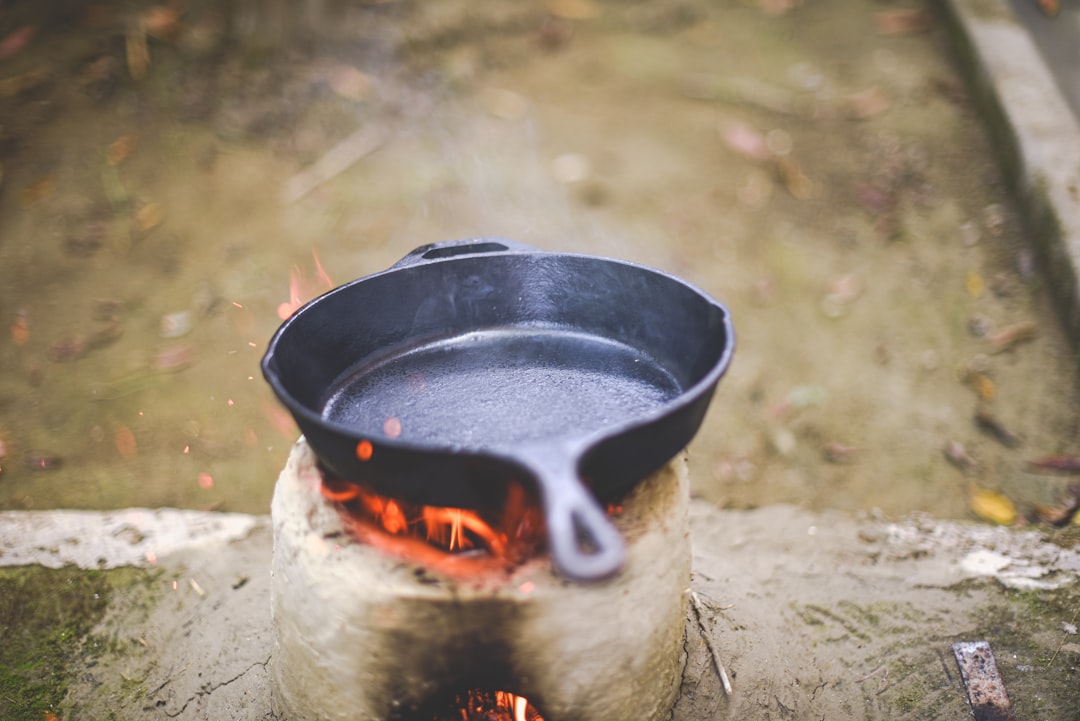
People overthink cast iron care. Don’t. Wash it with hot water and a brush. Dry it on a hot burner for thirty seconds. Rub in a drop of oil. That’s it. The seasoning builds naturally over time, and you’ll know it’s working when eggs slide around like they’re on ice.
The Measuring Tools That Won’t Quit
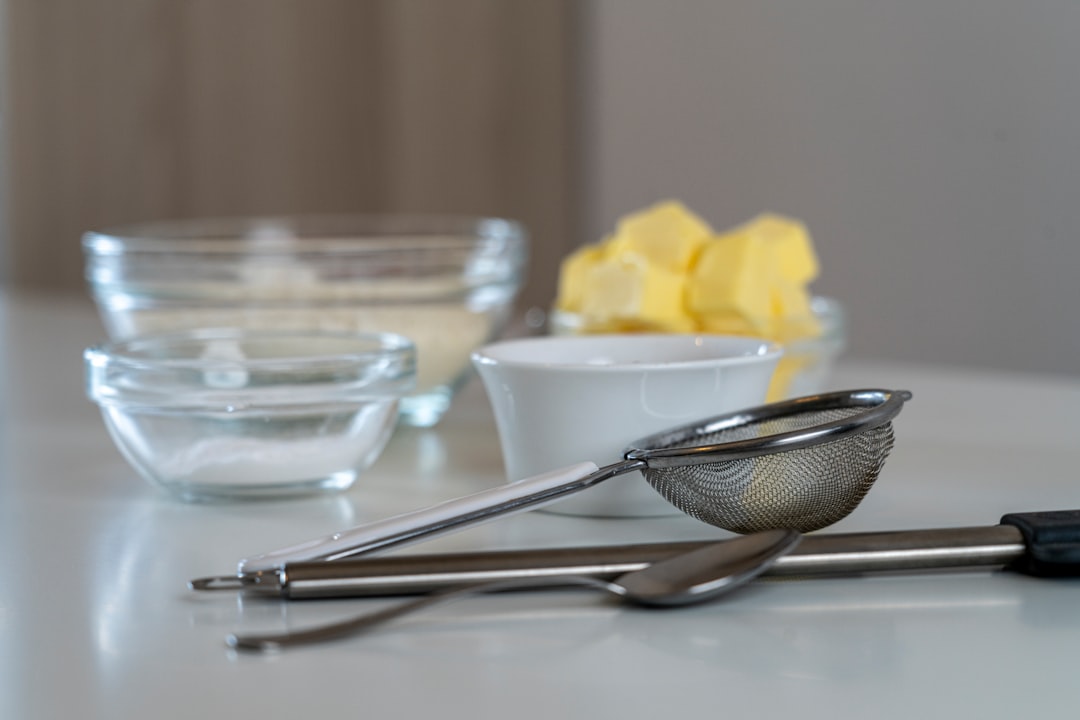
This is the most boring paragraph you’ll read today, and it might save you more frustration than anything else in this article. Plastic measuring cups warp. Their labels rub off. They melt if you set them on a warm stove. Stainless steel does none of those things.
I switched to the Spring Chef 14-piece stainless steel measuring set (cups and spoons with a leveler), and it’s the last set I’ll ever buy. They nest for storage, they’re dishwasher safe, and the etched measurements will outlast me. For a more comprehensive option that includes mini spoons for spices, the 13-piece set with a funnel covers every measuring need in a kitchen that actually cooks.
The Scale That Quietly Changed How I Cook
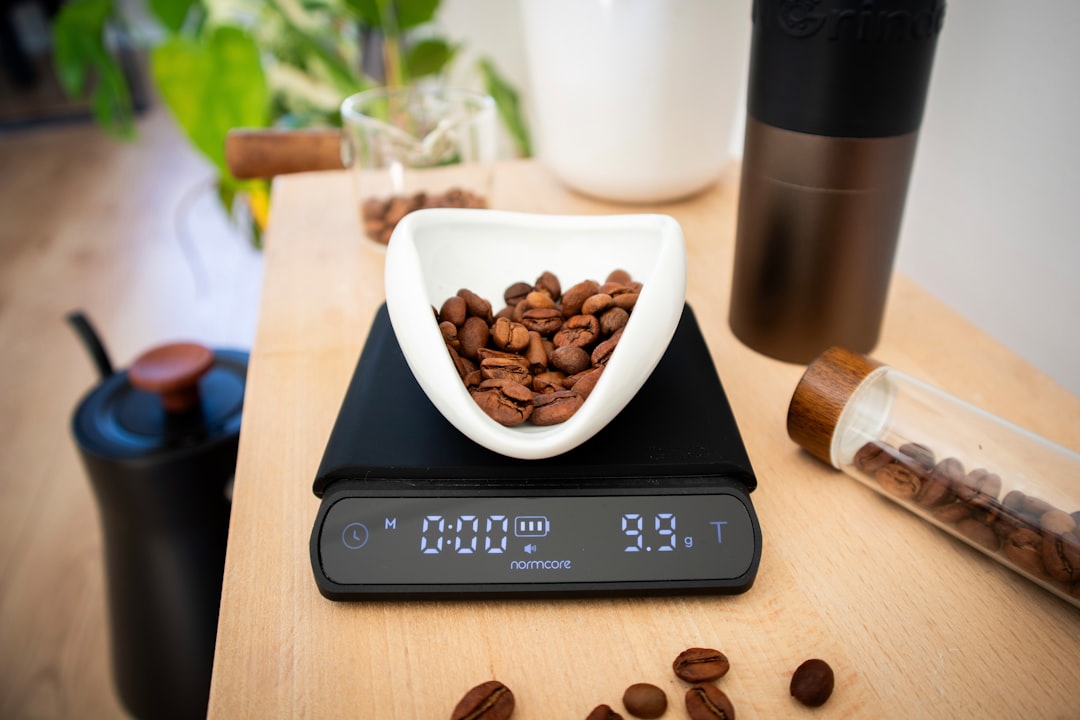
I resisted a kitchen scale for fifteen years. “I cook by feel,” I’d say, as though using a tool made me less of a cook. Then our team started testing baking recipes for a series, and I discovered that my “feel” for a cup of flour was off by as much as 25 percent depending on humidity, scoop technique, and how long the bag had been open. No wonder my bread was inconsistent.
The Etekcity digital kitchen scale costs about twelve dollars, fits in a drawer, and gives you instant, accurate readings in grams, ounces, pounds, or milliliters. It has a tare function so you can zero out a bowl and add ingredients one at a time. If you bake bread, make pizza dough, portion meat for the freezer, or track nutrition, this is the single most impactful tool you can add to your kitchen for under fifteen dollars.
What I Actually Tossed (and What I Kept)
Here’s the honest accounting. Over the course of twelve days, I removed from my kitchen:
- Seven plastic food storage containers with stained or warped lids (replaced with glass)
- Three nylon cooking spoons with heat damage (replaced with teak)
- One bamboo cutting board with split glue joints (replaced with end-grain walnut)
- Two warped plastic measuring cups (replaced with stainless steel)
- One scratched nonstick skillet of unknown provenance (replaced with ceramic)
- One melted melamine ladle (replaced with a wooden one from the teak set)
What I kept: my silicone spatulas (inert, heat-safe, still in great shape), my Instant Pot (the inner pot is stainless steel), and my glass measuring pitchers (already non-toxic). This wasn’t a maximalist purge — it was a targeted replacement of items that were either degraded, questionable at cooking temperatures, or simply not pleasant to use anymore.
The Cost Was Less Than I Expected
I tallied everything at the end of the month. The total for replacing every problematic item came to under $180. That includes the full glass storage set, the teak utensils, both ceramic pans, the walnut cutting board, the silicone spatula set, both measuring tool sets, and the kitchen scale. Less than the price of one “premium” Dutch oven — and every single item is something I use multiple times per week.
The real return on investment isn’t measurable in dollars. It’s the quiet confidence that comes from knowing the tools touching your food aren’t contributing anything you didn’t intentionally put there. It’s the satisfaction of a drawer full of tools that feel good in your hand. It’s the small, daily pleasure of cooking with equipment that works — really works — and doesn’t need to be replaced again next year.
If you’re starting from a kitchen that needs everything — first apartment, new home, complete rebuild — start with the foundational pieces and build outward. A good knife, a real cutting board, one solid pan, and a few wooden spoons will carry you further than any gadget ever will.
My grandmother was right. Wood doesn’t lie. And neither does a kitchen built with tools you trust.
One thought on “The Great Plastic Exodus: Rebuilding My Kitchen With Tools That Won’t Lie to Me”