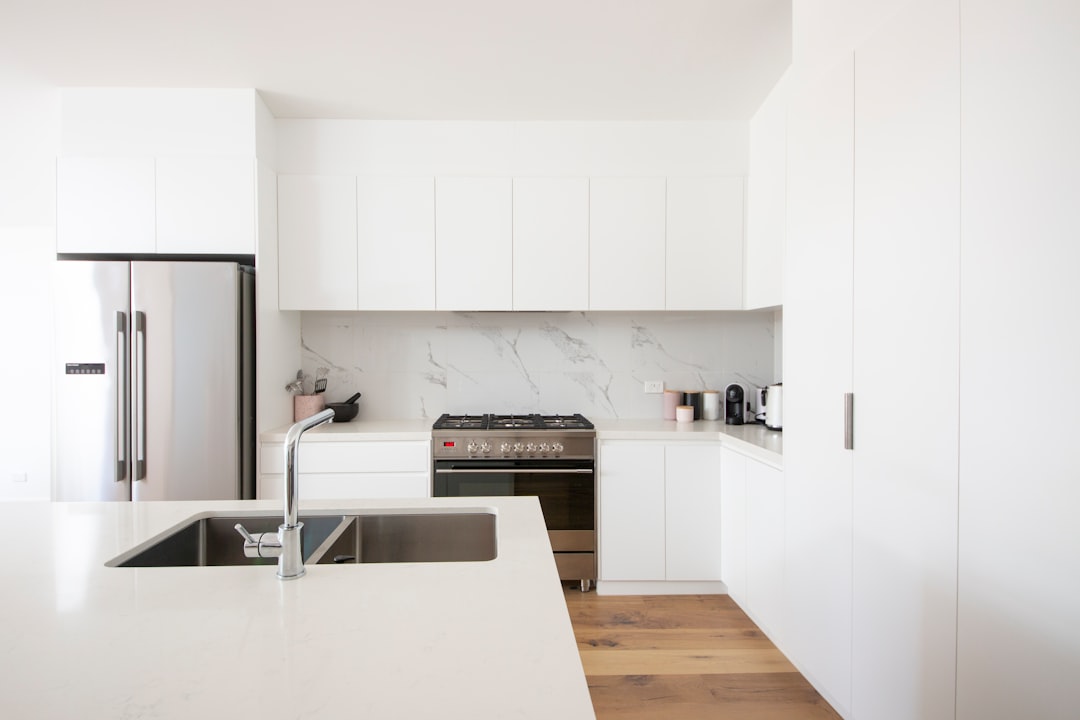
There is a spot in my refrigerator, back-left corner, second shelf, that I have come to think of as the witness protection program. Food goes in and is never heard from again. The evidence this time was a zucchini — a good one, from the farmers market, firm and glossy on Saturday — that I found the following Friday wearing a suit of gray fur. It had been behind the pickle jar for six days, and nobody in my house had seen it. Not me, not my husband, not the kids who open that fridge forty times a day like it owes them money.
That zucchini was the last straw. I write about kitchens for a living. I have reorganized pantries, rebuilt cabinets, labeled spice jars like a librarian. And yet the biggest appliance in my kitchen — the one that runs 24 hours a day, that we open more than any cabinet, that costs real money to keep cold — was still operating like a junk drawer with a lightbulb. So one Saturday morning, my daughter and I pulled everything out onto the counters, and over the next week, with help from a couple of very patient teammates who test products with me, I rebuilt the interior of our fridge from scratch. What we learned changed how we shop, how we cook, and — I am not exaggerating — how much food we throw away.
The Great Unloading (Or: What Was Actually in There)
Before you organize a refrigerator, you have to face it. We pulled every jar, container, and mystery foil packet onto the island, and the inventory was humbling. Four jars of dill pickles. Two mustard bottles with less than an inch left in each. Three kinds of salad dressing, all expired. A tub of whipped cream from Valentine’s Day — it was August. The zucchini, obviously. And enough condiments to open a deli.
My team keeps a running joke that every fridge in America tells a story, and ours said we were hopeful shoppers and forgetful cooks. The problem was never the appliance. It was that the fridge had no system — no logic for where things lived, no way to see what we had, no reason for the pickles to be at eye level while the good cheese hid behind the orange juice. Organization isn’t about buying pretty bins (though stay tuned, because the right ones genuinely help). It’s about deciding that every shelf has a job.
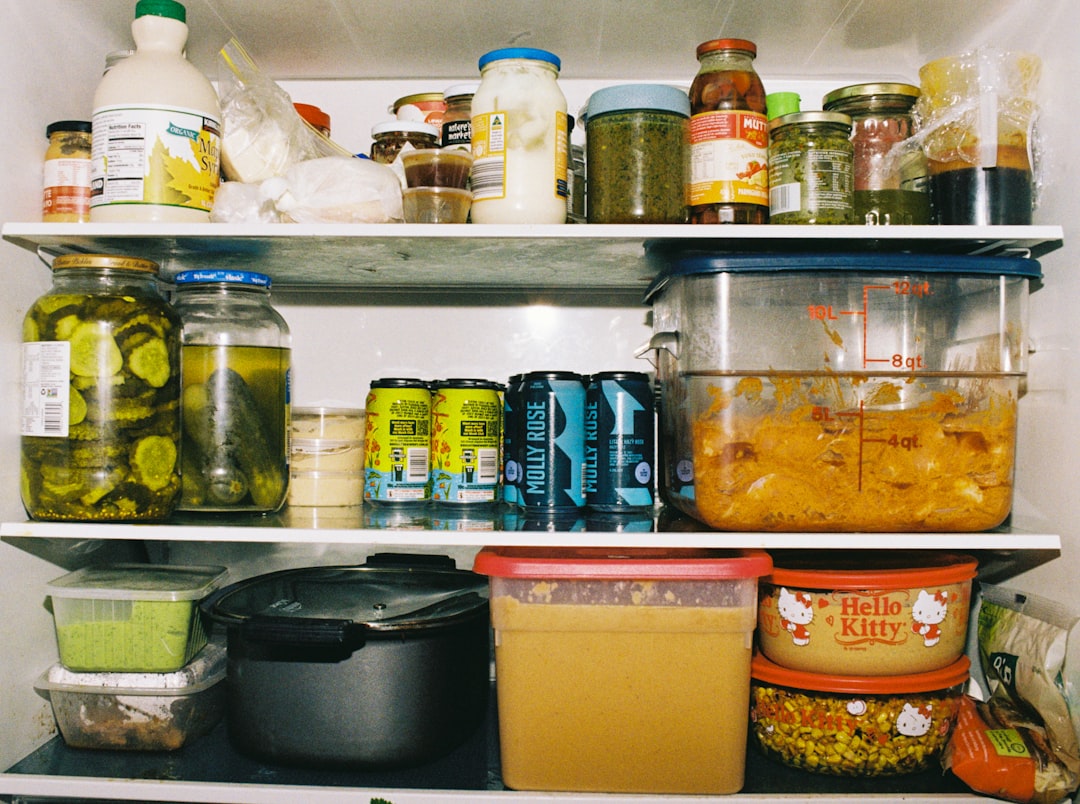
Once the shelves were empty and wiped down — a job my daughter claimed, and charged me for in popsicles — we restocked with a plan instead of a habit. That’s the whole difference. Here’s the system we landed on, zone by zone, and the tools that made each one work.
Cold Air Has a Floor Plan (And Yours Is Probably Backwards)
Here’s the science nobody taught me in culinary school: your refrigerator is not one temperature, it’s several. The back and bottom run coldest — often in the mid-thirties — while the door and top shelf swing warmer every time it opens. I put a cheap dial thermometer on three different shelves over two days just to watch it myself, and the swing was more than five degrees from the bottom shelf to the door bin. Five degrees is the difference between lettuce that lasts a week and lettuce that’s soup by Thursday.
So the new law of our fridge follows the cold air downward, top to bottom, based on how much cooking each food needs:
- Top shelf: ready-to-eat things. Leftovers, yogurt, the berries we want little hands to grab. Warmest stable zone, safest for food that won’t be cooked again.
- Middle shelves: dairy, eggs, milk — consistently cold and easy to reach.
- Bottom shelf: raw meat, poultry, fish, in sealed containers. Coldest spot in the box, and nothing raw ever sits above anything ready-to-eat. This is the rule restaurants live by, and home kitchens should too.
- Crisper drawers: produce, split by humidity (more on that below).
- Door: only things that can take a beating — condiments, butter, drinks.
The thermometer stays in there permanently now, parked on the middle shelf where I can glance at it. If the needle drifts above 38, something’s wrong — a door left cracked, a vent blocked by an oversized casserole, a kid “just getting one thing” for eleven minutes. It’s a four-dollar gadget doing the work of a very expensive repair.
The Drawers That Earn Their Keep
The crisper drawers were where we committed our worst crimes. Everything green went into one drawer together — lettuce with apples, cucumbers with peaches — and the ethylene the fruit gives off turned the greens to slime before the week was out. The fix costs nothing: one drawer set to high humidity (vent closed) for things that wilt — leafy greens, herbs, broccoli, carrots — and one set to low humidity (vent open) for things that rot — apples, pears, stone fruit, avocados once they’re ripe.
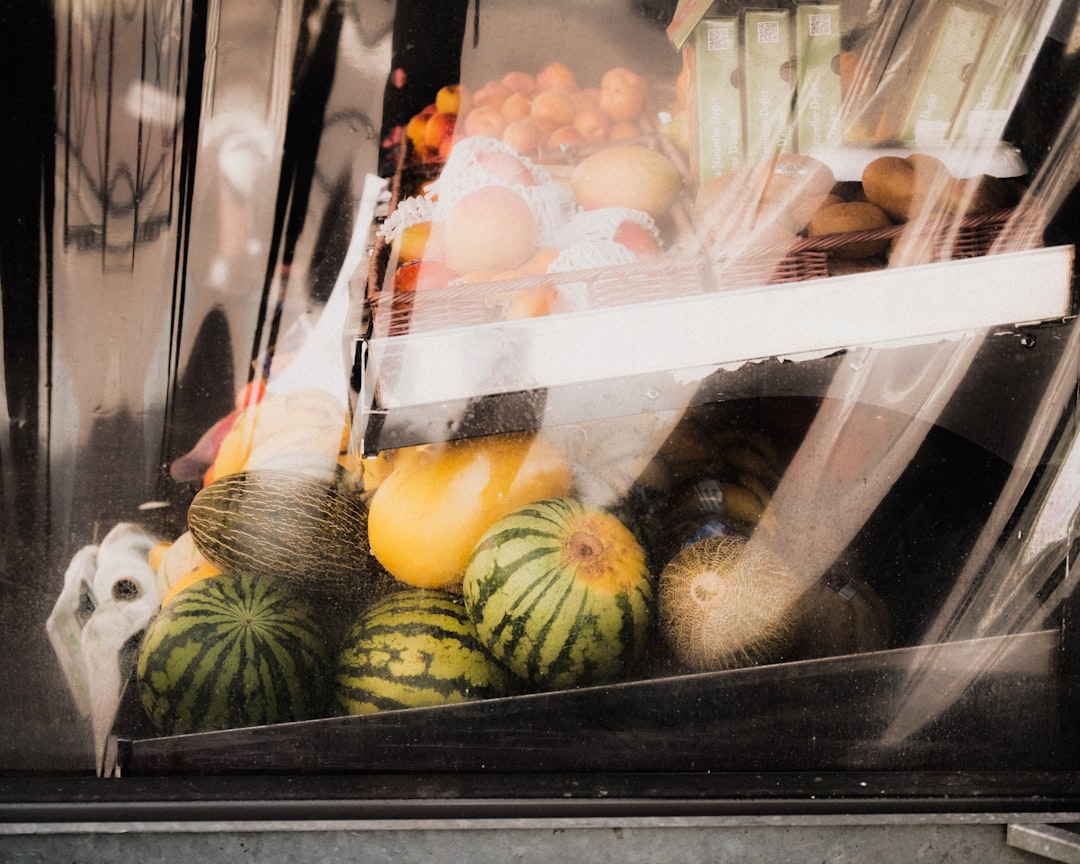
For the greens that never seemed to make it a full week, we added a weapon: produce saver containers with a little tray in the bottom and a vent in the lid. The team ran an unscientific but convincing test — same lettuce, one batch in the store bag, one in the saver — and the difference by day nine wasn’t subtle. The bagged lettuce was compost; the container lettuce was salad. I now buy the big clamshell of greens on Sunday and it carries us to the next one.
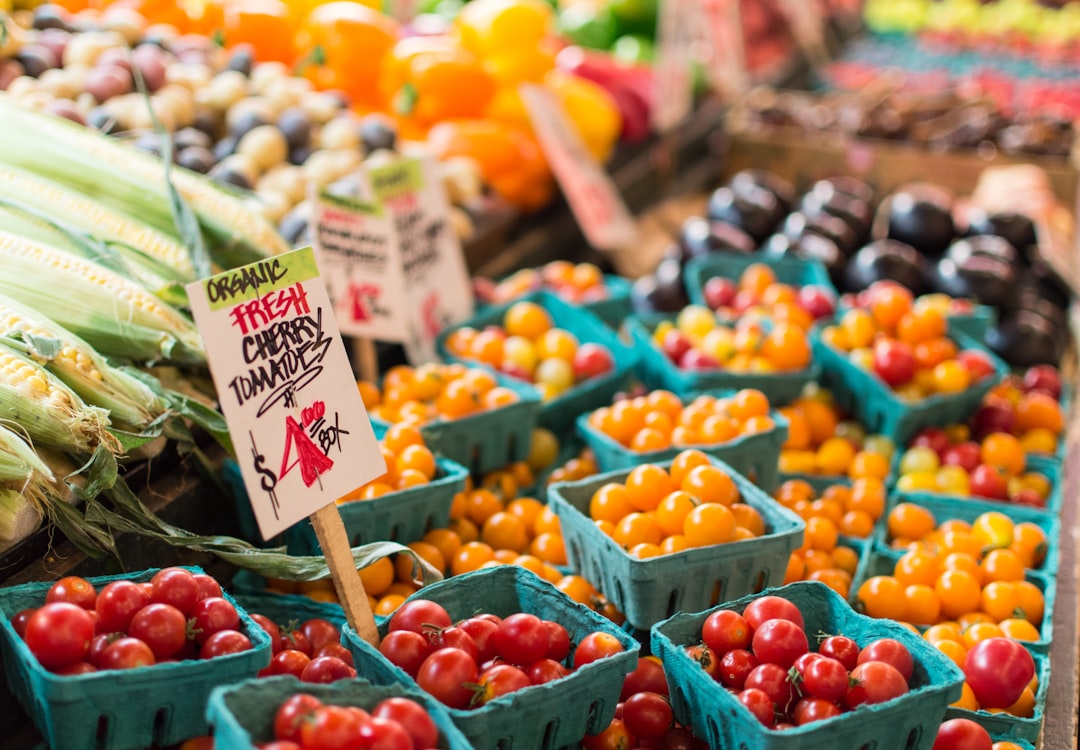
Saturday market produce goes straight from the bag into these containers now — no more “I’ll deal with it later” bag crumpled into the drawer. Later is where vegetables go to die. Ask my zucchini.
Clear Bins and the End of Mystery Leftovers
Here is the purchase that actually earned its keep: a set of stackable clear organizer bins. Not cute ones — functional ones, with handles, that I can pull out like drawers. Ours are labeled by zone: SNACKS, LEFTOVERS, DELI, CHEESE. The transformation was instant and a little embarrassing. When leftovers live in a clear bin at eye level, they get eaten. When they live in foil behind a jar of olives, they become science.
We cut our food waste roughly in half with this one change, and I know because our trash day got lighter. The bins also made the fridge legible to everyone else in the house. My husband no longer asks where the string cheese is. The kids stopped excavating the middle shelf to find a yogurt. When the kitchen speaks a language the whole family understands, you stop being the only translator.
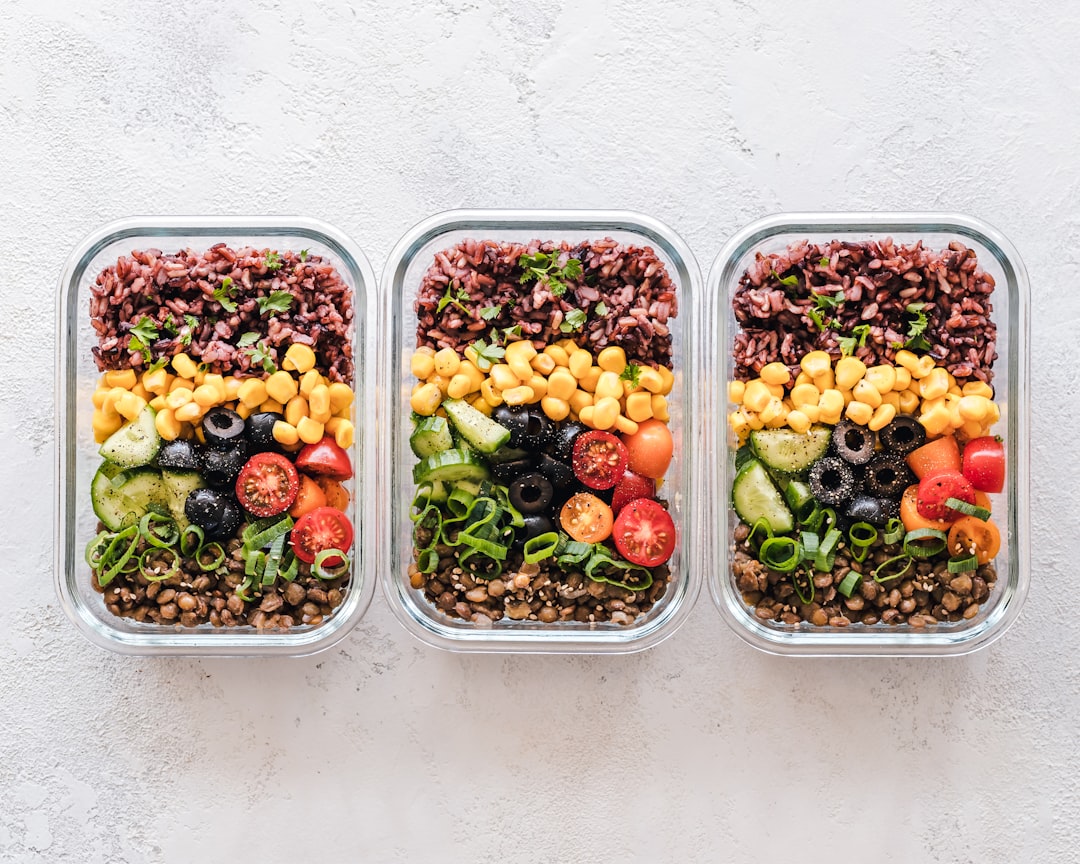
For actual leftovers, we finished the job with glass storage containers with airtight lids, after our long experiment switching away from plastic. Glass doesn’t stain, doesn’t hold garlic smell, and — the real winner — goes from fridge to oven to table, so Sunday’s roast becomes Tuesday’s dinner without a single extra dish. The nesting glass sets with latching lids are what we standardized on after years of orphaned lids and mismatched bowls; one system, one shelf, no avalanches. I wrote about our freezer-storage epiphany last month, and the same rule applies two feet lower: visible, sealed, and stackable beats mysterious and buried every single time.
The Door Is Not a Vault
The door shelves are the tropics of the refrigerator — warmest, most turbulent, opened to room air every time anyone breathes near the kitchen. Eggs and milk do not belong there, no matter what the molded shelf shapes suggest. What belongs there: condiments, which are built to survive (vinegar, sugar, and salt are preservatives, bless them), butter in a covered dish, and drinks.
Our door got the same zone treatment as the shelves. Condiments corralled in shallow bins so the hot sauce isn’t roaming free. Butter in one spot, always. And after years of cans rolling around like billiard balls, we added a can dispenser that feeds from the top — the sparkling water loads in rows and drops down as cans are taken, so we’re never surprised by an empty shelf on a hot afternoon.
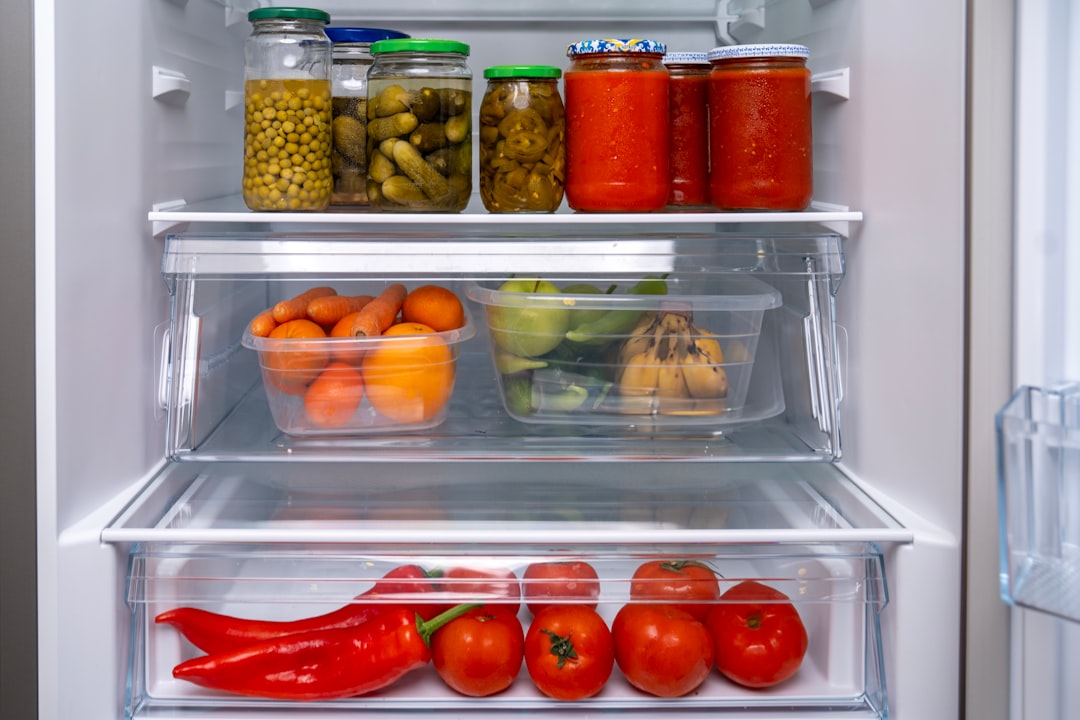
Yes, we did a purge of the condiment museum. The rule we finally adopted: if it’s expired or we can’t remember buying it, it goes. A jar of something ancient is not groceries, it’s clutter with a cap on it.
Small Fixtures That Earned Real Estate
A few smaller pieces snuck in during the rebuild and quietly became indispensable:
- A square lazy susan turntable for the deep middle shelf, so the tamari and the jam behind it no longer require a headlamp and a reach. One spin and the back row comes to me.
- A rolling egg dispenser that holds two dozen and feeds forward — eggs went from a bowl of chaos to a line of dominoes, and we stopped discovering we were out of eggs mid-pancake.
- A pocket-size bluetooth label maker, which I mocked when my teammate brought it and now grudgingly love. Every bin and container got a label. Six weeks in, the labels have held because they match what’s actually inside — and re-labeling takes thirty seconds.
Notice what none of these are: expensive, or clever, or new-to-market. The best fridge gear is boring gear. It sits quietly and does one job while you get on with your life.
The Sunday Walk-Through (Five Minutes, Every Week)
The bins and the zones would slowly slide back into chaos without one last piece, and it’s the cheapest of all: a five-minute walkthrough every Sunday before the market run. I open the fridge, pull the bins, note what needs using, and make the week’s plan from what’s actually in there instead of what I imagine is in there. Wilted herbs become pesto. Half an onion goes into Tuesday’s sauce. The last slice of ham becomes a lunch. Nothing dramatic — just a standing date with the appliance.
My grandmother ran her kitchen with a stubby pencil and a list taped inside a cabinet door, and she’d laugh at the label maker but recognize the ritual instantly. This is the same craft it’s always been: know what you have, keep it where you can see it, and use it before it uses itself up. I wrote about our pantry shelf rebuild last month and the cabinet of seventy-three jars the week before that; the fridge was the final frontier, and honestly the most satisfying one.
What the Coldest Room in the House Taught Us
Three weeks into the new system, I asked my family if they’d noticed anything different about the kitchen. My daughter said the fridge “looks like a store.” My husband said — with genuine surprise — that we hadn’t thrown out a container of anything all week. The compost bin agrees. So does the grocery budget, because a fridge you can read is a fridge you don’t overbuy for.
If you take one thing from our experiment, let it be this: your refrigerator is not a cold closet, it’s a floor plan. Give every shelf a job, respect the temperature zones, make leftovers visible, and keep raw things low and sealed. The bins and containers help, the labels help, but the system is what saves the zucchini. And in a season when the garden and the market are handing us more good food than any fridge can hold, knowing exactly where it all lives — and eating it in time — is the most satisfying kind of kitchen work there is.

One thought on “The Zucchini That Vanished: Rebuilding My Fridge Into Zones That Actually Work”