My grandmother’s cutting board outlived three dishwashers, two kitchen renovations, and roughly forty years of Sunday gravy. It was a scarred slab of maple, thick as a hymnal, and by the end you could read our family’s whole history in its grooves — the channel where she halved a thousand onions, the pale ring from the summer the board sat under a leaky window, the burn mark nobody would confess to. When it finally cracked clean through last spring, I did what I always do: I went shopping. Then I did what I rarely do: I got completely overwhelmed.
Because somewhere in the last few years, the cutting board went from being the most humble thing in your kitchen to being a genuine category. End-grain, edge-grain, teak, walnut, plastic, composite, flexible mats — the options multiply like zucchini in August. So my team and I did what we do: we ordered eleven boards, chopped on every single one for six weeks, ran knife-edge tests, stained them with beets and turmeric, and put them through enough dishwashing cycles to make a health inspector weep. Here’s what actually matters when you’re choosing the surface that lives under your knife every single day.
Why the Surface Under Your Knife Matters More Than You Think
Here’s the thing nobody tells you when you’re standing in the store, paralyzed between a $25 board and a $200 one: the cutting board is not furniture. It’s half of a mechanical system. Every stroke of your knife ends on the board, which means the board is either working with your edge or quietly destroying it. A dull plastic board with deep knife scars will chew up a good blade faster than a year of daily sharpening can keep up with.
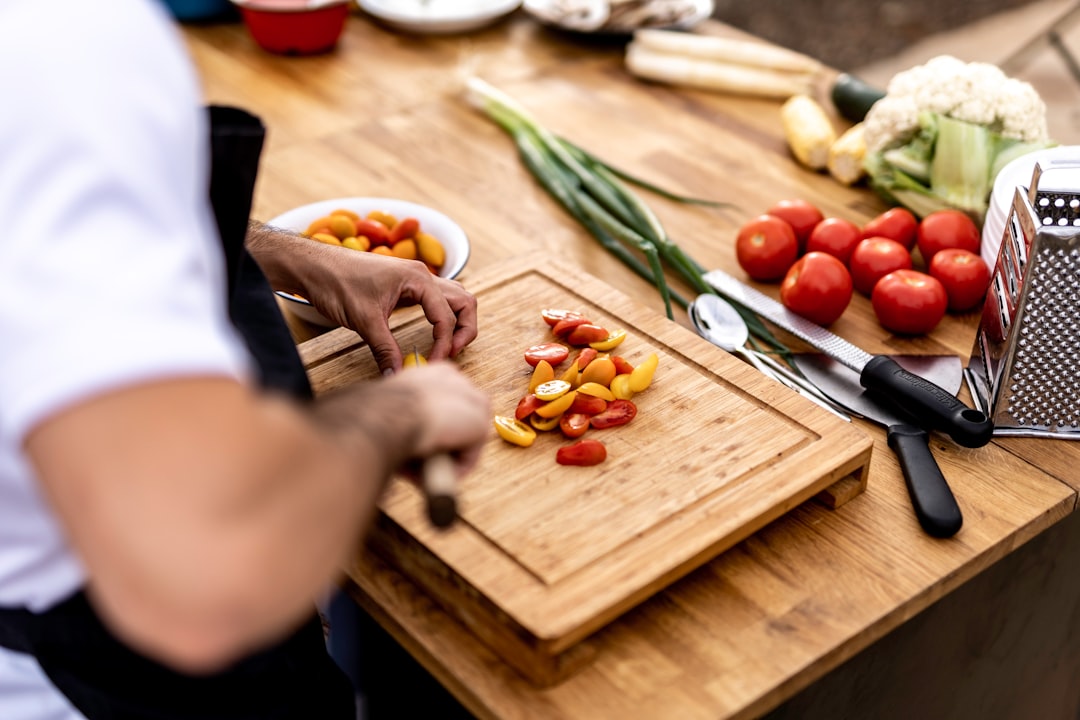
The science here is genuinely fascinating. Wood fibers have a slight natural give — your blade slips between them rather than slamming into a solid surface, then the fibers close back up. That’s why a wooden board shows “self-healing” cut marks that eventually disappear with oiling, while a plastic board collects permanent trenches that harbor everything you’ve ever chopped. It’s also why, after years of writing about which knives are actually worth owning, I’ve come to believe the board matters almost as much as the blade. A great knife on a bad board is a sports car on a gravel road.
End Grain: The Board That Plays Nice With Your Blades
The showpiece of our six-week test was an end-grain butcher block — the kind where the wood is cut so you’re looking at the top of the fibers, arranged like the ends of a bundle of straws. When your knife comes down, it slips between those fiber ends instead of severing them across the grain. It’s the difference between stabbing into a hairbrush and dragging a blade across rope.
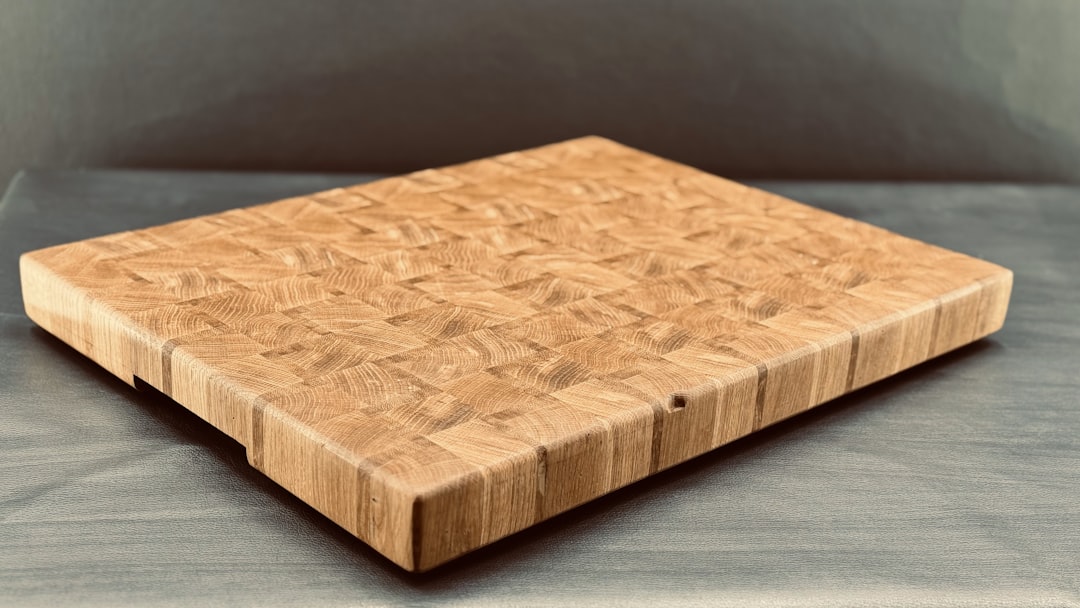
We lived with the Boardsmith maple end-grain board for the full test, and it earned its counter space. Ten-plus pounds of American maple, a bricklayer pattern that hides cut marks beautifully, and after six weeks of daily chopping it looked better than our plastic boards did after one month. My lead tester — my sister, who cooks for six and shows no mercy to equipment — called it “the board that apologizes to your knife.” If you want the same construction in a thick, made-in-the-USA slab with serious heft, this 17-inch maple end-grain butcher block is a tremendous value for the size.
Is end grain for everyone? No. It’s heavy, it needs oiling, and it can’t go in the dishwasher, ever. It also demands a little counter real estate, because a board this substantial deserves to live out in the open rather than being lugged from a cabinet twice a day. But if you cook daily and you’ve invested in decent knives, an end-grain board is less a purchase than a long-term relationship. My grandmother’s maple slab lasted four decades. I expect nothing less from mine.
The Workhorse Tier: Edge-Grain Boards That Do Everything
Here’s my confession: the board I actually reach for most nights isn’t the showpiece. It’s a big edge-grain board — wood cut along the grain, lighter and dramatically cheaper than end grain, and honestly about 90% as kind to your knives. This is the tier where most home cooks should spend their money.
Size is the other decision people get wrong, and it’s the one I watch strangers make in the store every time. A tiny board forces you to work in shifts, sweeping onions into a bowl to make room for the next vegetable, and every transfer is another chance to spill. Go bigger than feels sensible — eighteen inches is the floor for a primary board in my book, and twenty-four is better. If it won’t fit in your sink, wash it in the bathtub like my grandmother did, with total confidence. The Sonder Los Angeles maple board hits the sweet spot at seventeen by thirteen inches and nearly two inches thick, which is the heft that keeps a board from skating around the counter mid-chop.
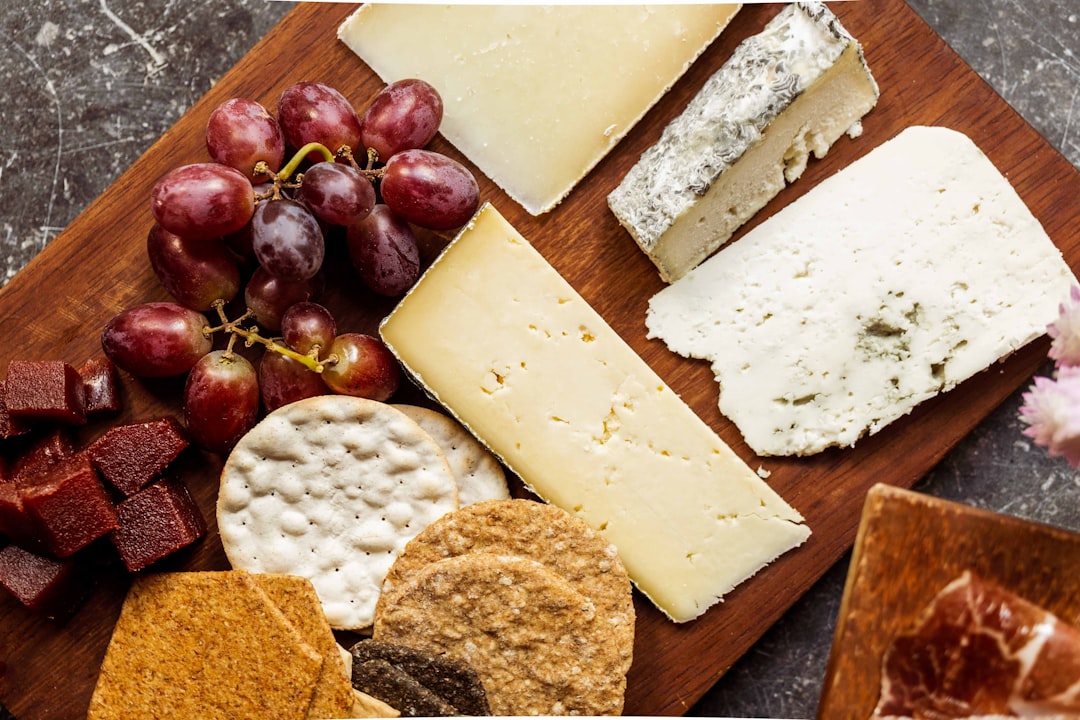
Teak is the sleeper hit of this category. It’s naturally high in protective oils, which makes it unusually water-resistant for a wood board — meaning it shrugs off the constant washing that a daily driver endures. The Teakhaus carving board with juice groove became our test kitchen’s default within a week: gorgeous grain, honest price, and it doubles as the charcuterie board when company arrives. Walnut is the other one to know — darker, a touch softer under the knife, and handsome enough that we leave it out on the counter like a piece of furniture.
Where Plastic Still Earns Its Drawer
I’ll say it plainly, even as a wood loyalist: a kitchen with zero plastic in it is working harder than it needs to. There are exactly two jobs where plastic wins outright, and both of them involve raw meat.
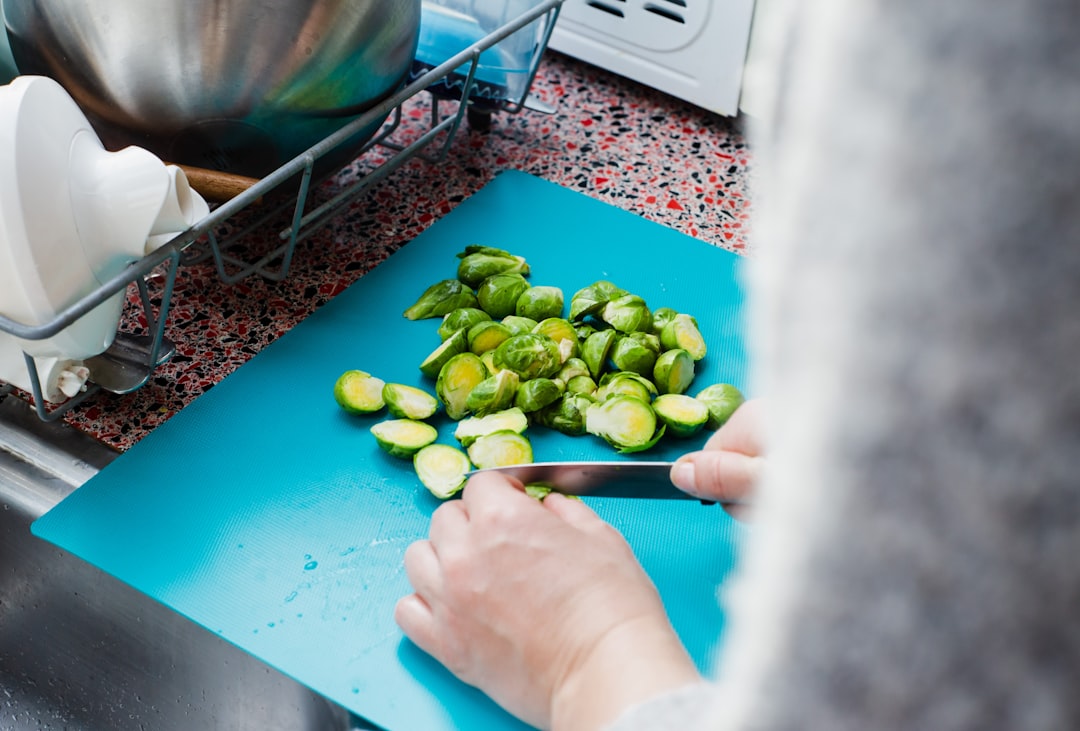
The first is the dishwasher. When I’ve broken down a chicken, I want that board scalded at 160 degrees, not wiped down and hoped for. A set like the OXO Good Grips two-piece plastic boards costs less than a pizza and covers every raw-protein night of your year. For big roasting holidays, the oversized OXO carving board is light enough to carry to the sink one-handed while balancing a fourteen-pound turkey — try that with a butcher block and you’ll understand.
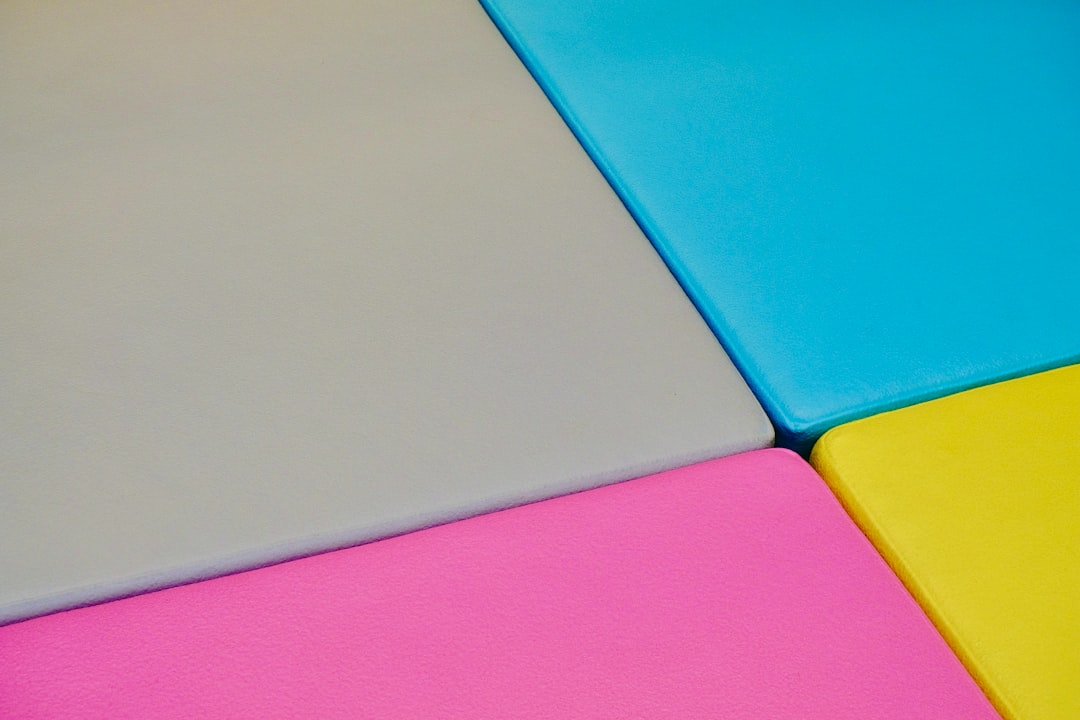
The second job is the one most people discover late: funneling. Flexible mats let you chop a pile of peppers, then bend the whole sheet and pour it straight into the pot. During our canning weekends — a tradition I started at age six, on a step stool — a set of color-coded flexible cutting mats moved forty pounds of tomatoes from counter to stockpot without a single spilled dice. The color-coding isn’t gimmick, either; red for meat, green for produce is a habit worth building.
One truth worth repeating, because the myth dies hard: plastic is not automatically more hygienic than wood. The classic research out of UC Davis found that bacteria drawn down into wood grain die off quickly, while bacteria living in plastic knife scars can survive and multiply. A scarred old plastic board that’s been through the wringer is the least sanitary surface in your kitchen. Replace them when they’re deeply grooved — they’re consumables, not heirlooms.
The Sunday Roast Problem
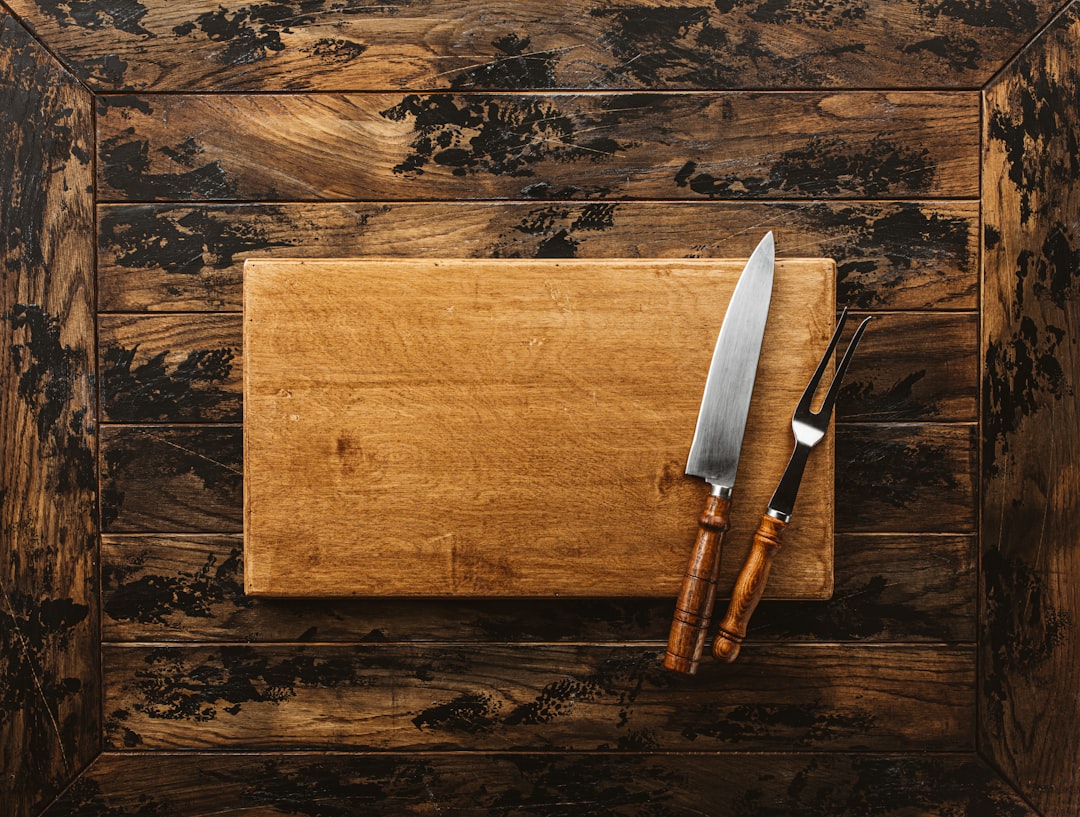
Every November, without fail, someone in my family attempts to carve a turkey on a plate, and every November it ends in tragedy and gravy everywhere. A proper carving board solves this: oversized, flat, with a deep juice groove and ideally little spikes to hold the bird still while you work. Pair it with one of the wireless thermometers that saved my reputation, and your holiday carving station is genuinely bulletproof. Teak or maple, edge grain is fine here — the board’s job is stability and moat-building, not knife kindness. And when the feast is over, that juice groove is exactly deep enough to hold a nightcap of red wine while you do dishes, which I consider a design feature the makers never advertise.
The Five-Minute Ritual That Keeps Wood Alive
People fear wooden boards because of the maintenance, and I understand the instinct. But the actual ritual takes five minutes a month, and there’s something genuinely restful about it — the kitchen equivalent of polishing your grandmother’s silver.
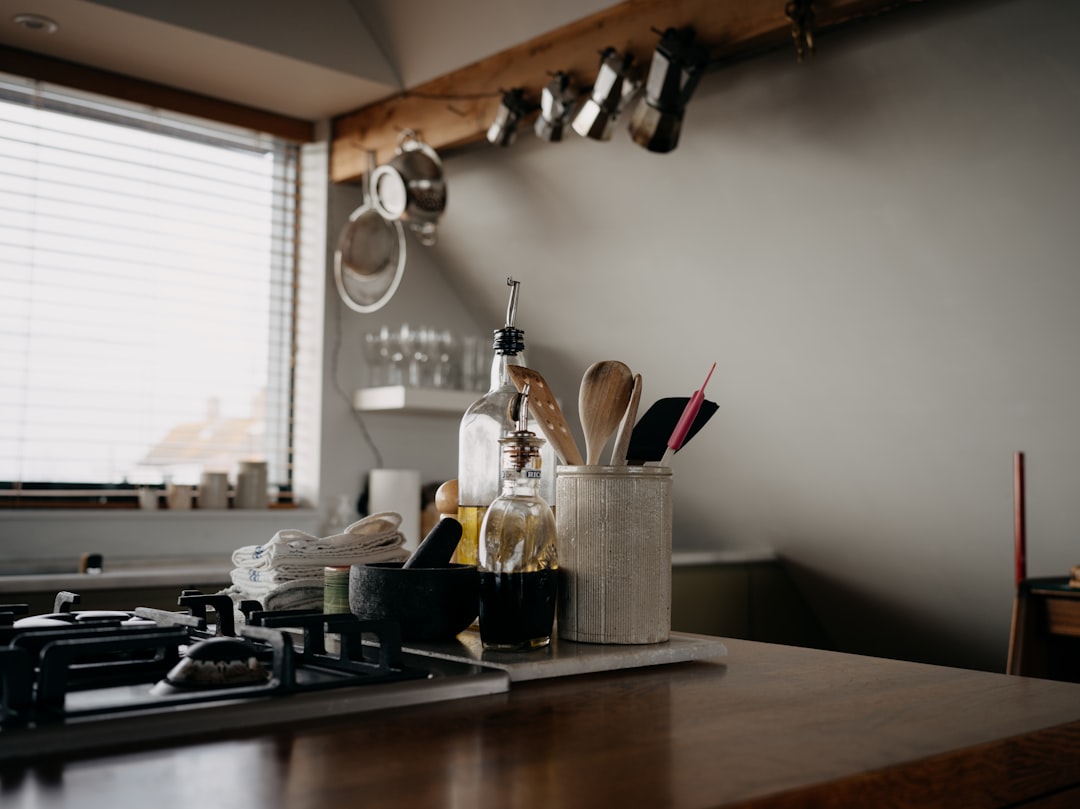
Two products handle everything. Food-grade mineral oil is the baseline: a thin coat on a clean, bone-dry board, left overnight, once a month. I keep a bottle of Thirteen Chefs mineral oil under the sink because it’s cheap, odorless, and one bottle lasts most of a year. Then there’s board cream — oil blended with beeswax for a thicker, longer-lasting seal — and the Howard butcher block conditioner is the one my whole team now gifts at housewarmings. For a ready-made kit that includes both, John Boos’s board cream set is the classic. That’s it. Wash by hand, dry standing on its side, oil monthly. Done.
How I’d Spend Your Money
After eleven boards and six weeks of evidence, here’s the honest hierarchy. Cooking most nights with decent knives? One large edge-grain teak or walnut board is the best money in your kitchen — it does 90% of everything. Add a cheap set of plastic boards for raw meat and the dishwasher. Upgrade to end-grain only when you’re ready to love it, oil it, and leave it to somebody in your will.
And if you’re still slicing on the freebie board that came with your knife set a decade ago, consider this your permission slip. Your knives have been quietly suffering for years. The board meeting is officially in session — and for the first time since my grandmother’s maple cracked, I know exactly which surface gets my vote.