My grandmother never wrote down a single recipe, but she left me a sound. It’s the low, angry sizzle that happens when a spoonful of chili flakes hits oil that’s just hot enough — a brief frying chorus that lasts maybe ten seconds and smells like the whole rest of the dinner is about to go right. For years I treated it as theater, something the old women in my family did for effect. Then one gray Saturday, standing over a pot of Sunday gravy that tasted flat no matter how many pinches of oregano I threw at it, I dropped my chili flakes into warm oil instead of straight into the sauce, listened for that sizzle, and understood. The gravy woke up. I had been adding spices my whole life. She had been activating them.
That ten-second habit — cooks call it blooming — is the single biggest flavor upgrade I know, and it costs nothing. No new gadget required (though I’ll show you the few tools that make it easier), no class to take, no technique drill. Just a pan, a little fat, and the willingness to pay attention for the length of a commercial jingle. Here’s everything my team and I have hashed out after a summer of deliberately blooming spices in everything from scrambled eggs to chili oil.
What Blooming Actually Does
Here’s the short version of the food science, minus the lab coat. Many of the compounds that make spices taste like anything — the volatile oils in cumin, the carotenoid pigments in paprika, the capsaicin carriers in chili — are fat-soluble. They dissolve in oil far more willingly than they ever will in water or broth. When you stir spices into hot fat for a few seconds, you’re not just warming them; you’re pulling those flavor compounds out of the spice and infusing them directly into the medium that will coat every other ingredient in the pot.
Think about the last curry that tasted deep and integrated rather than dusty and patchy. I’d bet money it started with spices in hot oil, not spices stirred into simmering liquid. The difference isn’t subtle. It’s the difference between spice flavor that sits on the food and spice flavor that lives in it. There’s a bonus, too: a brief ride in hot fat takes the raw, dusty edge off ground spices — that unfinished note that makes chili powder taste like it came straight from the envelope.
The Ten-Second Rule I Cook By
You do not need a thermometer for this. Put your pan over medium heat — my workhorse is a 10-inch carbon steel skillet because it holds heat steadily and seasons itself into a friend over time — and add a tablespoon or two of oil. Wait for the oil to shimmer and thin out, loose and fast when you tilt the pan. That shimmer, not smoke, is your green light. If the oil starts smoking, you’ve overshot; pull the pan off the heat and let it settle before you continue.
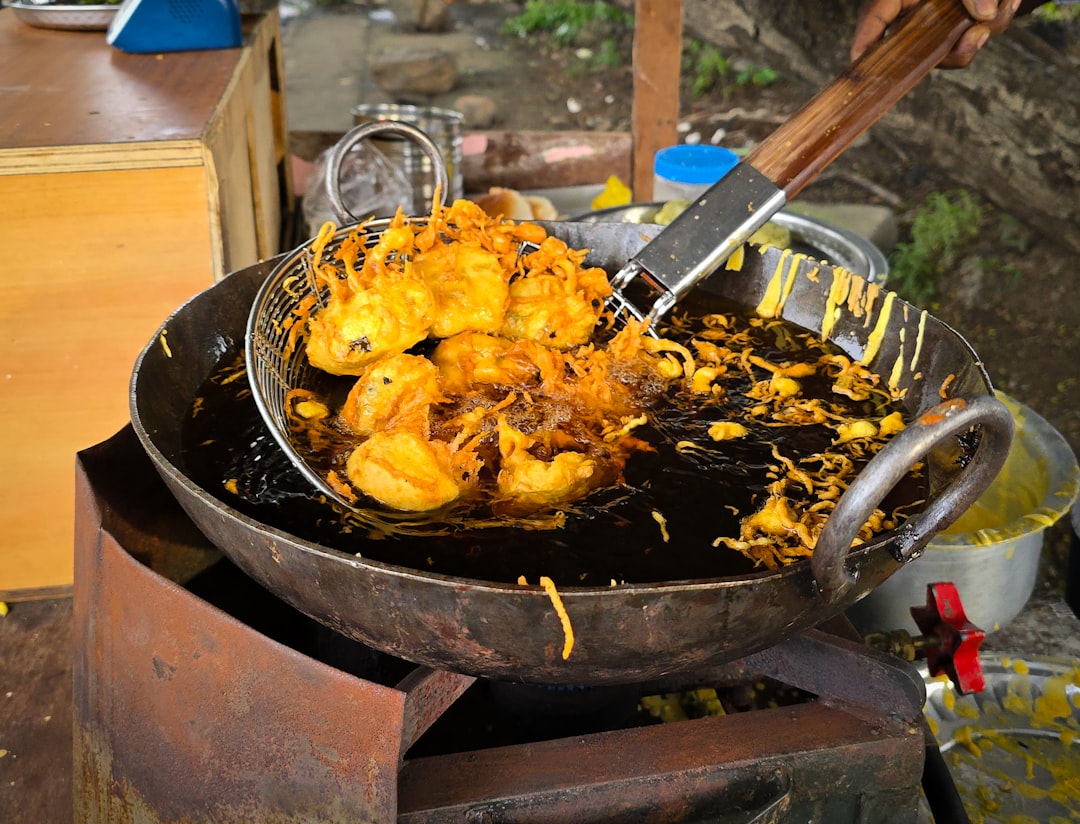
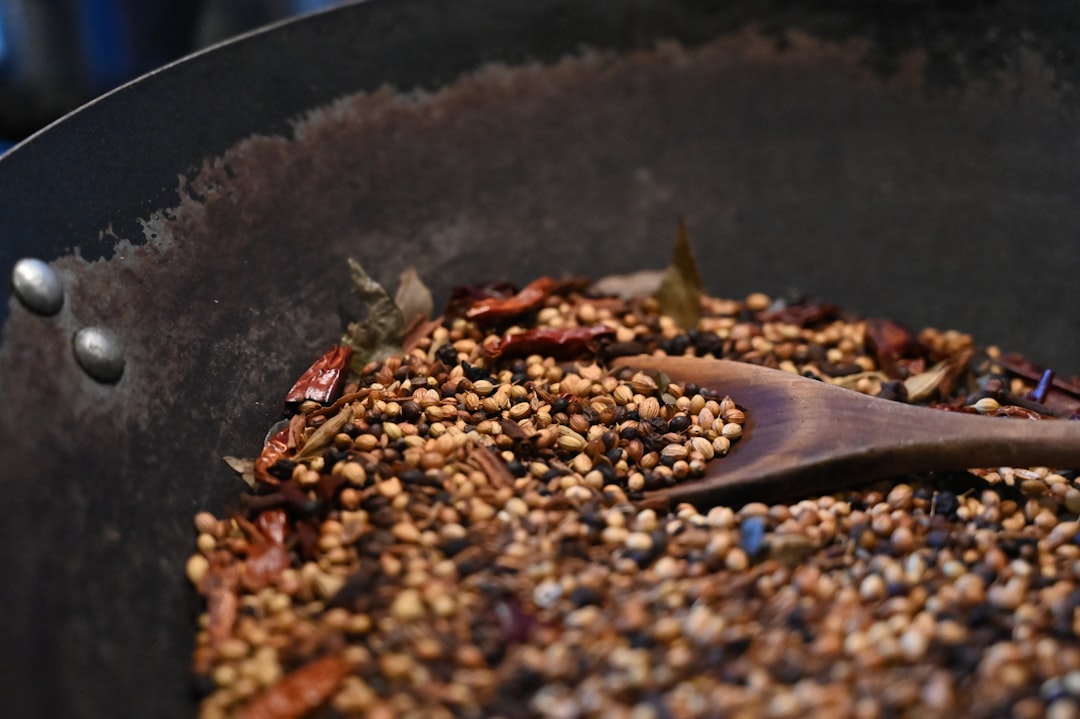
Now the spices go in, and here is the whole religion: stir constantly, and count. Ground spices need ten to thirty seconds. Whole seeds can take up to a minute. You are watching for three signals. The spices should darken slightly, the kitchen should suddenly smell like the spice aisle of a store ten times better than yours, and — with whole mustard or cumin seeds — a few may pop and skitter like tiny firecrackers. The moment the smell turns toasty-rich, the very moment, the next ingredient goes in. A splash of onion, the garlic, a ladle of sauce — anything to drop the temperature and stop the cooking.
That’s it. That is the entire technique. But ten seconds is not a suggestion, it’s a cliff. Thirty seconds past the toast point and you’re in burnt territory, which brings a bitterness no amount of honey or cream can hide. When in doubt, bloom earlier in the heat curve rather than later. Gentle oil and patience beat hot oil and panic every single time.
Whole Spices First, Ground Second
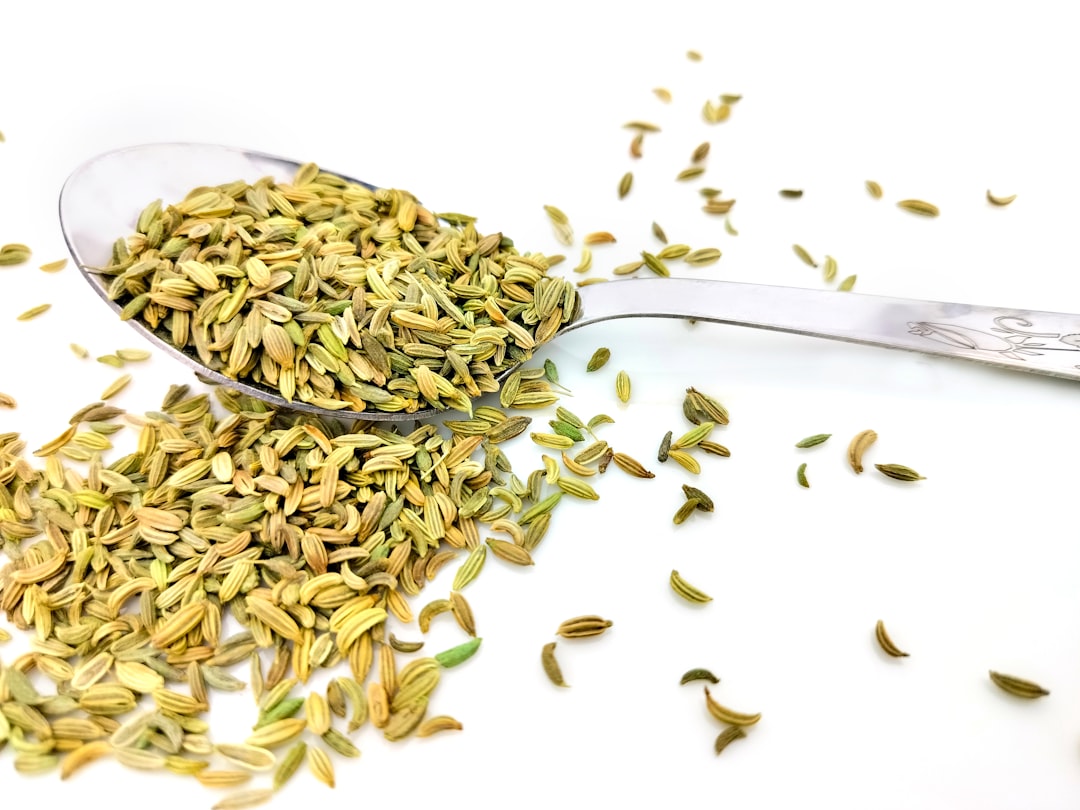
If you want to graduate past the basics, do what my aunts did: buy whole spices and grind them yourself, in small batches, the week you use them. Whole spices hold their volatile oils inside a protective shell — that’s why a coriander seed can sit in a jar for a year and still taste like something, while ground coriander from the same shelf faded months ago. My pantry runs on big bags of whole cumin, mustard, and fenugreek seeds plus a separate jar of organic whole coriander, and the combination covers ninety percent of the blooming I do.
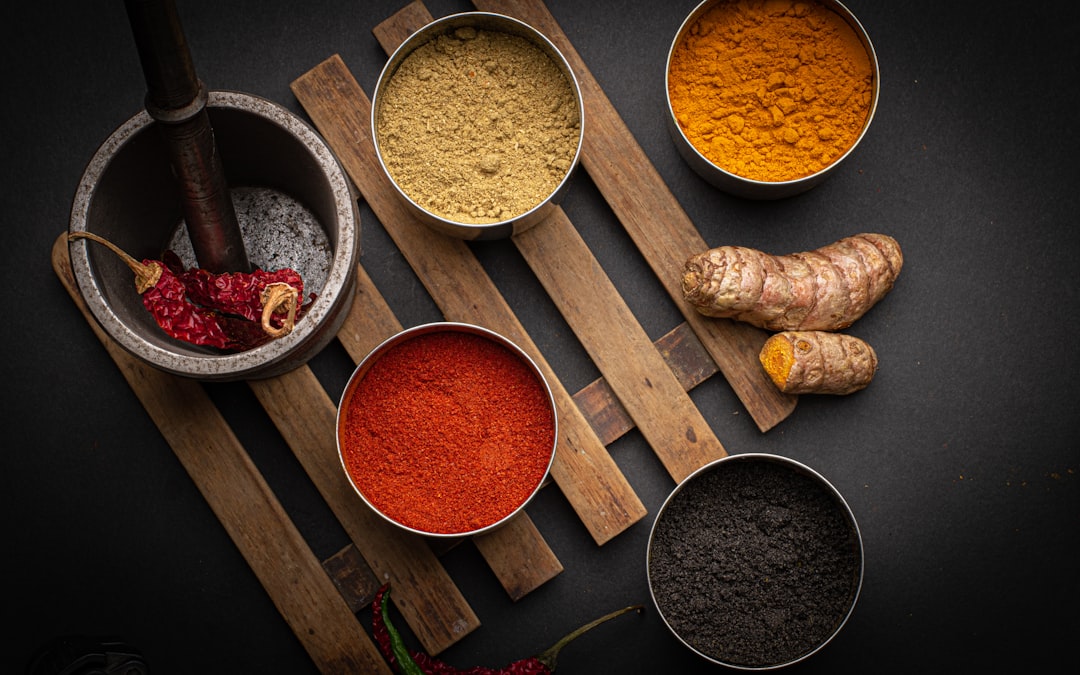
For grinding, you have two honest options. The old one is a granite mortar and pestle — mine is the most satisfying ten-second arm workout in the kitchen, and a two-cup granite set handles everything from toasted cumin to garlic paste. The fast one is a one-touch electric spice grinder, which my team reaches for when we’re batch-grinding for a curry night. (Dedicate it to spices, not coffee, unless you enjoy cumin-scented espresso.) The sequence that never fails: toast the whole spices dry until fragrant, cool for a minute, grind, then bloom the fresh-ground powder in fat for those ten seconds. Toast first, grind second, bloom third. It sounds fussy written out, but in practice it’s about four minutes, and it is the closest a home cook gets to a magic trick.
The Fat Matters More Than You Think
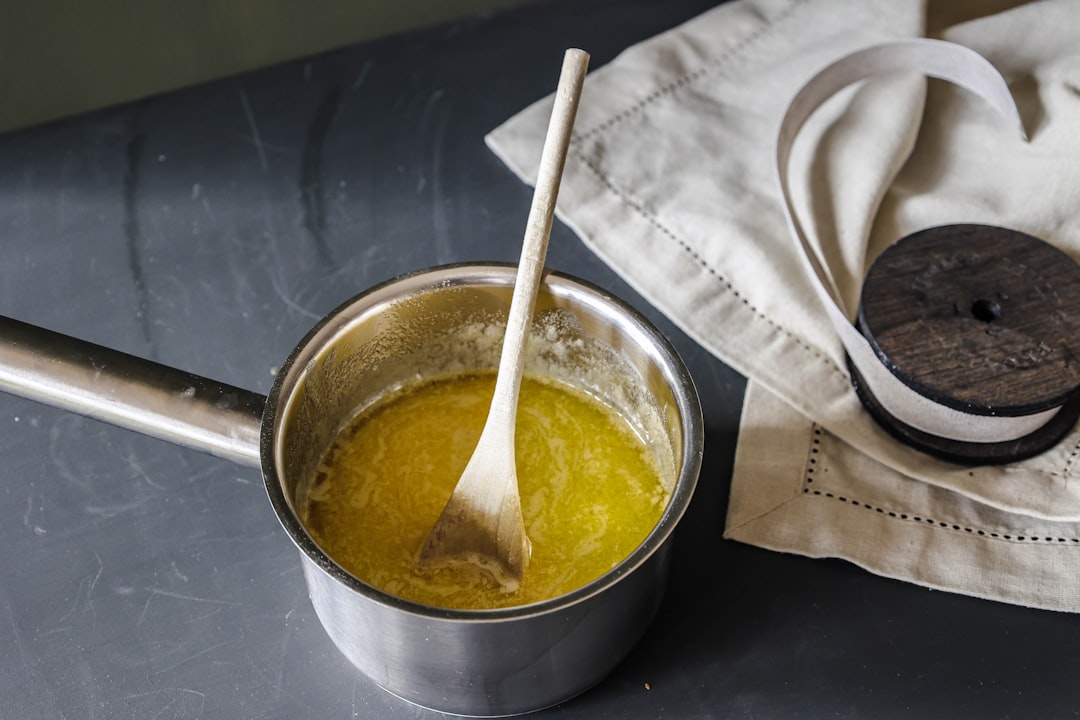
Blooming is a conversation between spice and fat, so the fat gets a vote. A neutral oil — canola, grapeseed, a light olive oil — lets the spices speak in their own voice, which is why it’s my default for chili crisp and taco night. Butter adds a round, sweet nuttiness, but it burns faster, so keep the heat a touch gentler and bloom briefly. And then there is ghee, which is butter that has already had its fussy parts removed: nearly all the milk solids clarified away, leaving a fat with a nutty caramel depth and a smoke point high enough to bloom anything with confidence. A spoonful of grass-fed ghee meeting toasted cumin is, not exaggerating, one of the best smells in my kitchen, and the big two-pound tub is what I buy for the months when dal and curries rotate through weekly.
One practical note: match the fat to the cuisine, not just to your mood. Coconut oil belongs under curry pastes and South Indian mustard seeds. Ghee belongs under almost anything from the subcontinent. Olive oil belongs under fennel and chili flakes destined for white beans or pizza. The fat is a seasoning here, not just a medium — treat it like one and the bloom gets another layer deeper.
Where a Beginner Should Start
Don’t begin with a fourteen-spice masala. Begin with one pan and one spice, tonight, in food you already make. Chili flakes into warm olive oil before eggs, then watch the oil turn sunset-orange. Cumin into butter for a pot of black beans. A pinch of smoked paprika into the oil at the start of a pot of soup instead of dumped on top at the end. Each of these is a single ten-second decision, and each will quietly change the dish.
When you’re ready for a first real project, make a simple dal. Ghee in the pan, then mustard seeds until they pop, then cumin seeds for twenty seconds, then a pinch of Kashmiri chili powder — mild, glowy red, the friendliest chili in the drawer — swirled for a count of ten, then onions in to catch it all. Pour that over finished lentils and you will taste every layer separately and together at once. A curry built the same way, spices bloomed before anything else joins the pot, is the dish that finally taught me why restaurant food tasted rounder than mine.
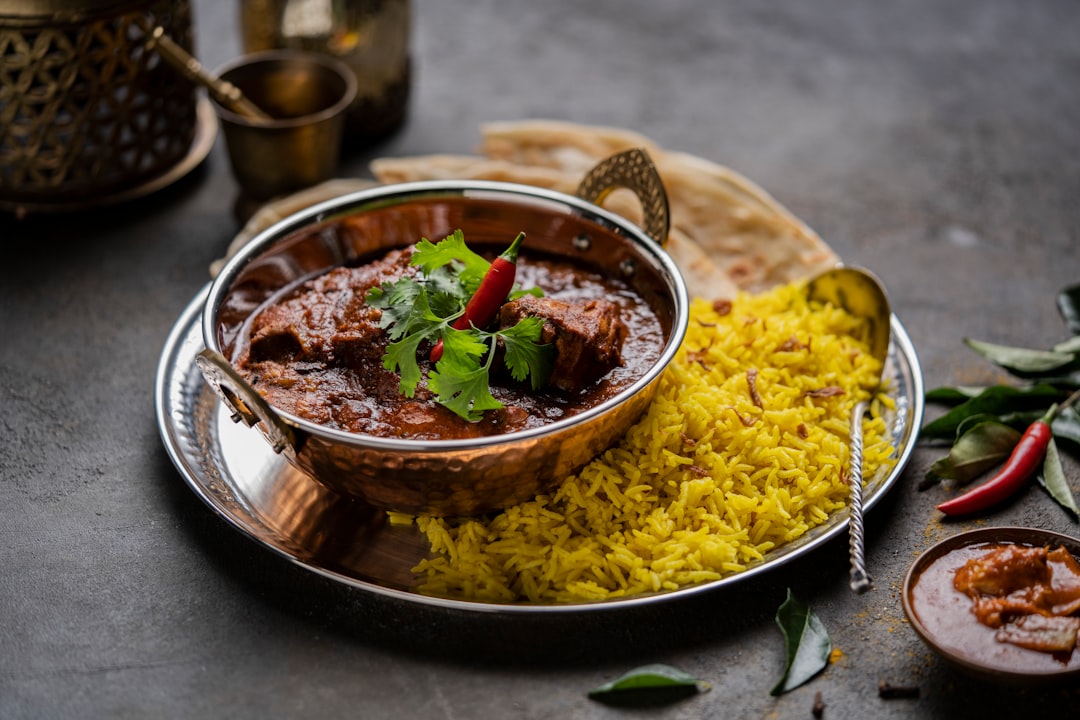
The other gateway is chili crisp — bloomed chili flakes in warm oil with garlic and a touch of sugar, spooned over everything from rice to roasted sweet potatoes. It keeps for weeks, it makes gifts people actually remember, and it drills the timing into your hands better than any tutorial. My fridge door is never without a jar of something born in a ten-second sizzle.
When the Bloom Goes Wrong
It will, once. Everyone’s first bloom ends with a pan that smells like a campfire and a spice paste gone dark and bitter in seconds. Forgive yourself and read the signals again: your heat was too high, your oil too hot, or you looked away at the exact wrong moment. Scorched spices cannot be saved — toss them, wipe the pan, start over on medium-low. It costs you a spoonful of spices and earns you the muscle memory.
Two small rescues are worth knowing. If whole seeds are browning unevenly, a fine-mesh skimmer lifts them out of too-hot oil in one motion so you can pour off the fat and reset. And if a bloom is headed toward dark but hasn’t tipped into burnt, a splash of water or a handful of onions dropped in immediately will slam the brakes on. The pan forgives fast reactions. It never forgives wandering off.
The Drawer Audit That Makes It All Work
Blooming amplifies whatever you put in the pan — including stale spices, louder and staler. Technique can’t resurrect a jar of cumin that lost its soul sometime last winter. So before you lean on the sizzle, do what I did after discovering four duplicate bottles of cumin in my own cabinet: pull every jar out, sniff each one, and be honest. If a ground spice smells like nothing, it is nothing, and it goes. Whole spices get to stay; they keep their oils locked in far longer.
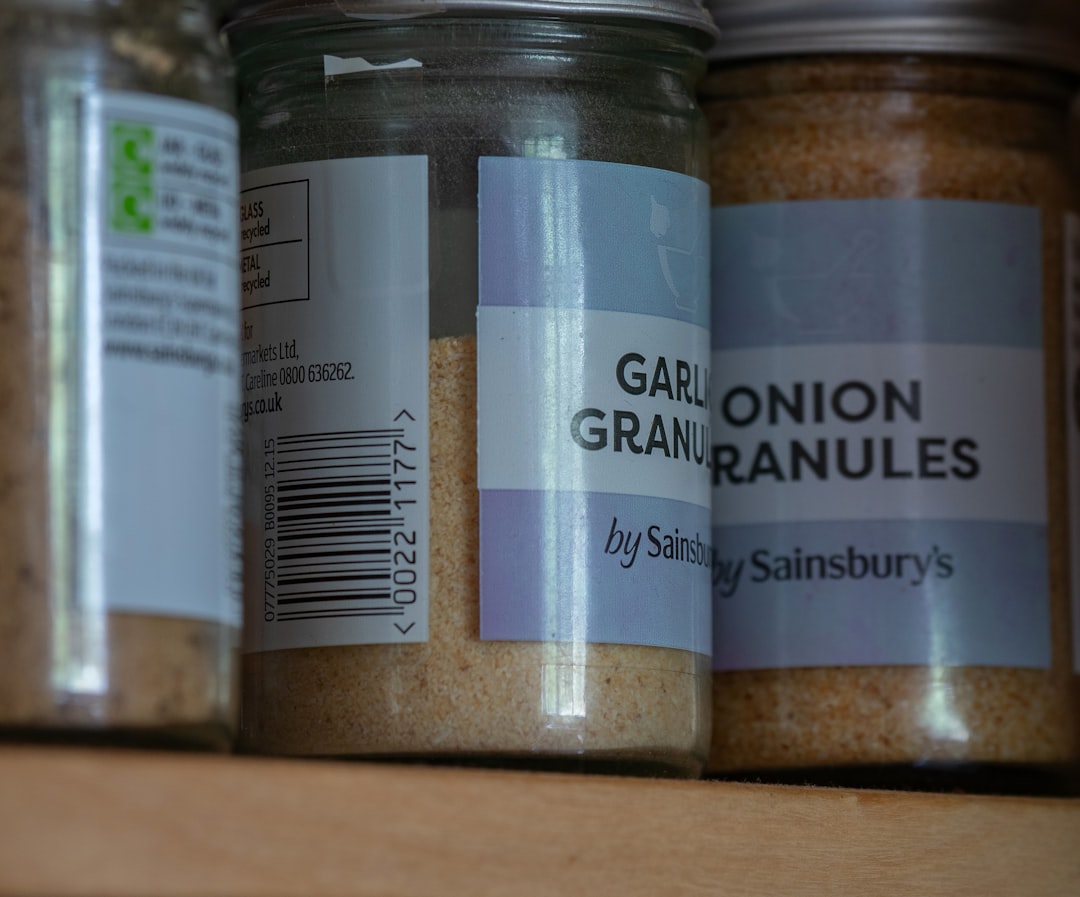
My full spice-organization overhaul is a story of its own — I wrote about the great cumin census and the storage system that finally fixed it — but the short version is this: whole spices in small labeled jars, away from the stove’s heat, bought in quantities you’ll actually finish. And once your finishing touches are as sharp as your opening sizzle, you’re cooking from both ends of the timeline. That final drizzle of seasoned fat over a finished plate is blooming’s cousin, and I’ve written about the last-thirty-seconds school of flavor too. Get the opening sizzle and the closing drizzle right, and the middle of the recipe almost takes care of itself.
Ten Seconds, Starting Tonight
I think about my grandmother every time the oil starts talking. She couldn’t have told you the words “fat-soluble volatile compounds,” but she knew the sound, and she knew that dinner hinged on it. That’s the part I love most about cooking: the science always catches up to the grandmothers eventually. The habit costs nothing, takes ten seconds, and works in everything from gravy to eggs to chili crisp. Heat the fat, listen for the sizzle, catch the toast, move on. Do it once and you’ll never dump dry spices into a simmering pot again — and you’ll finally know why restaurant curry tastes the way it does.