Bulk food storage changed the way my kitchen works, and I am not being dramatic when I say it started with a twenty-five-pound bag of rice I had no business buying. There it sat on my counter for eleven days last spring, in its paper sack, slowly teaching me a lesson: the modern kitchen has two pantries, whether you admit it or not. There is the pretty one with the glass jars and the label maker, and then there is the real one — the garage shelf, the hall closet, the basement corner — where the club-store hauls and the case-lot sale victories actually live. This is the story of how my team and I finally gave that second pantry a promotion, and every container, rack, and shelving unit that earned its place along the way.
The Twenty-Five-Pound Confession
I want to be honest about how this started, because I suspect I am not the only one. My sister texted me a photo from a warehouse club: jasmine rice, twenty-five pounds, marked down to a price that felt like a clerical error. I told her to buy two. What I did not tell her — because I had not thought about it — was where twenty-five pounds of anything was supposed to live in a kitchen that was already running at capacity.
The bag went to the counter. Then to the floor. Then, briefly and shamefully, on top of the refrigerator, where I could not reach it without a step stool and a small speech to myself about life choices. A bag of rice should never require a motivational preamble. Something had to change, and the prettifying instinct I usually follow — like the Saturday I rebuilt my main pantry from scratch — was not going to cut it. This was not a jar problem. This was a systems problem.
Two Pantries, One Brain
Here is the principle that finally made everything click, and it is the one I now repeat to anyone who will listen: the working pantry and the backup pantry are different rooms with different jobs. The kitchen pantry holds what you are eating this week — the open pasta box, the half bag of flour, the snack bin that empties by Wednesday. The backup pantry holds the reserve: the sealed cases, the extra olive oil, the second and third bag of rice. When you try to cram both jobs into four shallow kitchen shelves, you get the paper-bag-on-the-fridge situation. When you split them, both spaces suddenly work.
The split also changes how you shop, and this is the part nobody tells you. Once the reserve shelf exists, the marked-down warehouse haul stops being a storage crisis and becomes a genuine investment. A case of crushed tomatoes at club pricing saves real money over a year. Twelve pounds of oats in October costs less per pound than four boxes bought separately in December. The backup pantry is not a sign of hoarding; it is a sign you finally have a place for the math to pay off.
First, Contain the Grain
Start with the biggest offenders, and in most houses that means the sacks: rice, flour, sugar, oats. Paper sacks are not storage — they are a slow leak. They tear, they invite pantry moths, and they make it impossible to see what you have, which is how you end up with the duplicate-and-triplicate problem I documented during my great cumin census. The fix is a small set of genuinely airtight, genuinely large containers, and it is worth buying them once.
My workhorse set ended up being a pair of 9.5-liter Shazo canisters with the flip lids — big enough to swallow most of a flour sack, small enough to lift with one hand. For the mega-quantities, we graduated up: a 33-liter bin with its own measuring cup that holds fifty pounds of rice and lives on the backup shelf, and a set of 25-pound bins on wheels for flour, which solved the heft problem so completely that my mother asked to borrow one for her own garage. If you would rather test the waters with something kitchen-counter-sized, the Rubbermaid Brilliance 16-cup containers are the ones I reach for when a five-pound bag needs a tidy home near the mixer.
The Shelving Does the Heavy Lifting
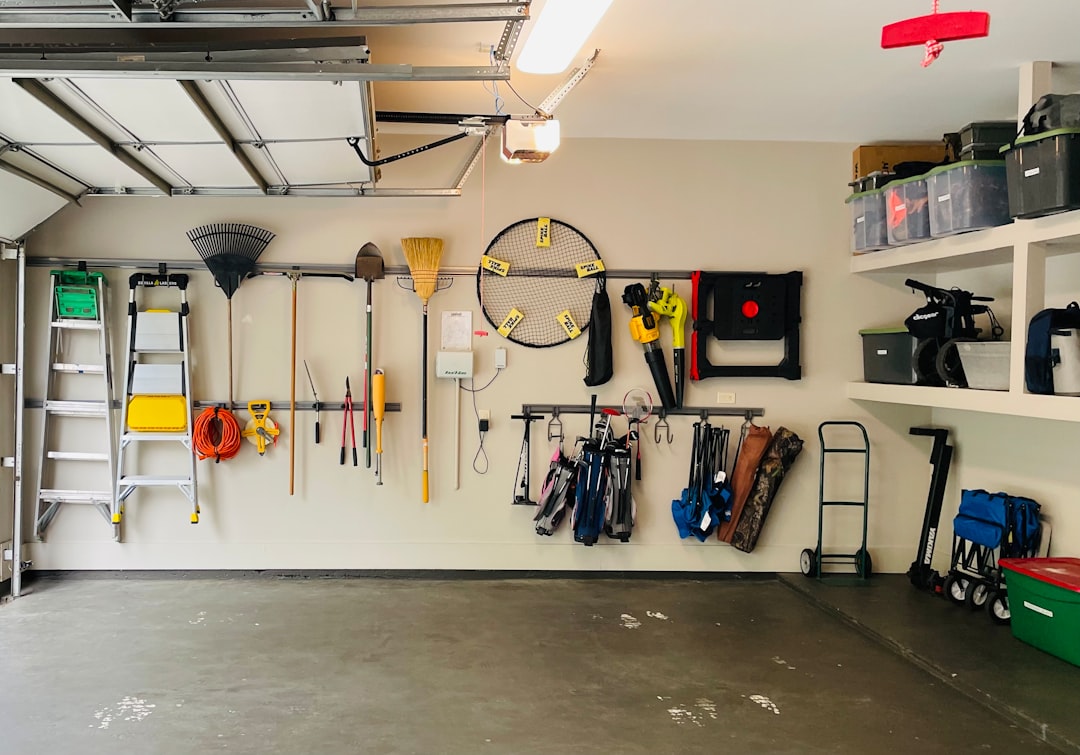
Containers without shelving are just a tidier pile. The single best purchase of this entire project was a plain wire shelving unit for the backup zone — mine lives in the garage, twelve steps from the kitchen door, and it cost less than a nice dinner out. We went with a basic adjustable five-tier steel unit for the dry goods and paper products, then added a wider heavy-duty shelf rated for serious weight underneath for the buckets and cases after we noticed a worrisome bow in the middle shelf. Wire beats solid board in a backup pantry because you can see through the levels — nothing migrates to the back to expire in the dark.
Two rules made the shelves work from day one. Rule one: heaviest and bulkiest on the bottom, everyday backup at chest height, nothing you would cry about at the top. Rule two: leave one shelf deliberately half empty, because a backup pantry that is 100 percent full cannot accept the next good sale, and accepting the next good sale is its entire reason for existing.
Cases, Cans, and the Great Wall of Tomatoes
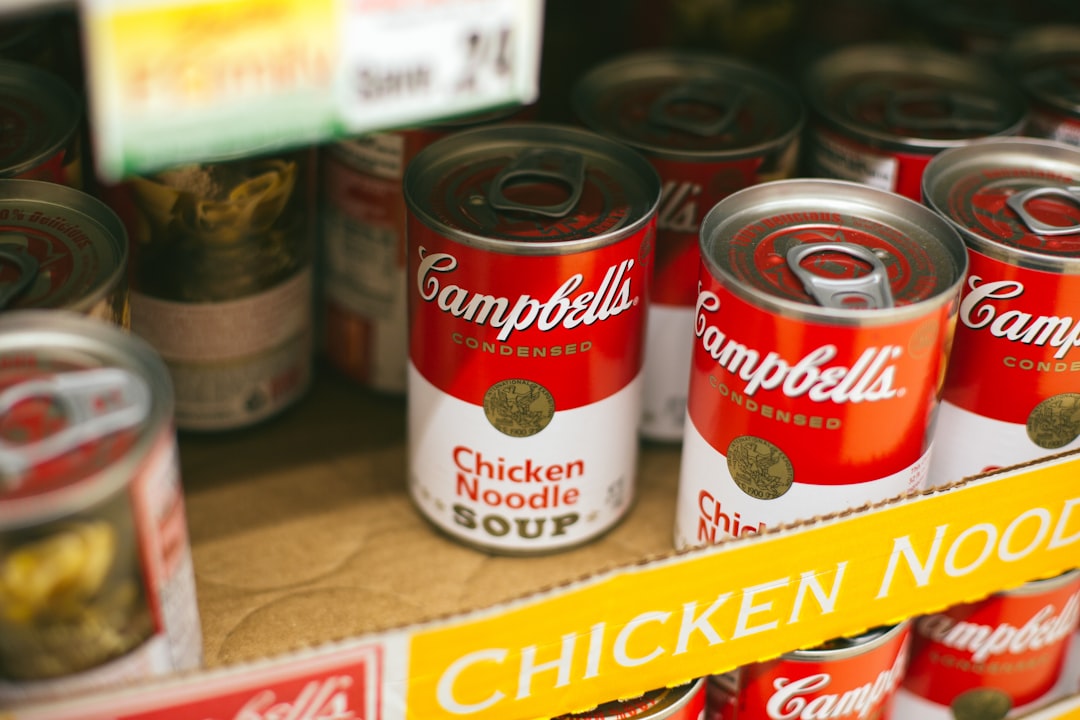
Canned goods are the quiet triumph of a backup pantry. A case of tomatoes is the single most useful object in my reserve arsenal — it becomes Sunday gravy, quick chili, shakshuka on a tired Tuesday — and a three-tier can rack lets you stack them so the oldest roll forward first. Before the rack, I stacked cases directly on the shelf and simply opened the front like a drawer, which honestly works too. What does not work is the jumble: cans rolling loose on a shelf are an inventory system that lies to you.
The half-empty shelf rule saved me in August, by the way. A friend who cans more than anyone I know offloaded a dozen extra jars of her tomatoes on me, and because the reserve shelf had breathing room, the swap took ninety seconds instead of an afternoon of rearranging. A backup pantry that works is generous — it lets you say yes to the garden glut, the case sale, and the neighbor’s surplus without flinching.
Scoops, Wheels, and Dignity
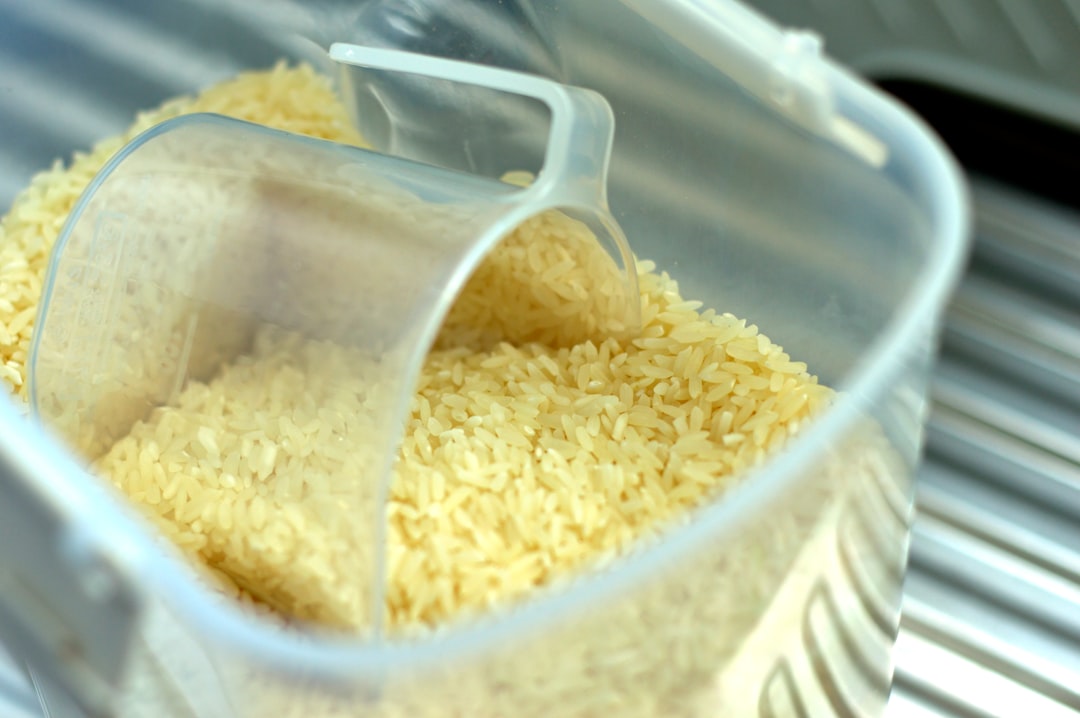
I will spare you the full comedy of my first month ferrying the rice bin back and forth, but let me shorten the lesson: anything heavier than a toddler needs wheels or a handle, ideally both. The wheeled flour bins glide out for a scoop and glide back with one foot, which sounds like a small luxury until you are mid-bake with dough on your hands. Keep a dedicated scoop inside every large bin — one that lives there, never migrates to the sugar, and gets washed monthly. And yes, I label everything, with a wet-erase marker on chalk labels on every bin, because “which white powder is this” is a question you only need to ask once to never want to ask again.
Clear Bins for the In-Between Stuff
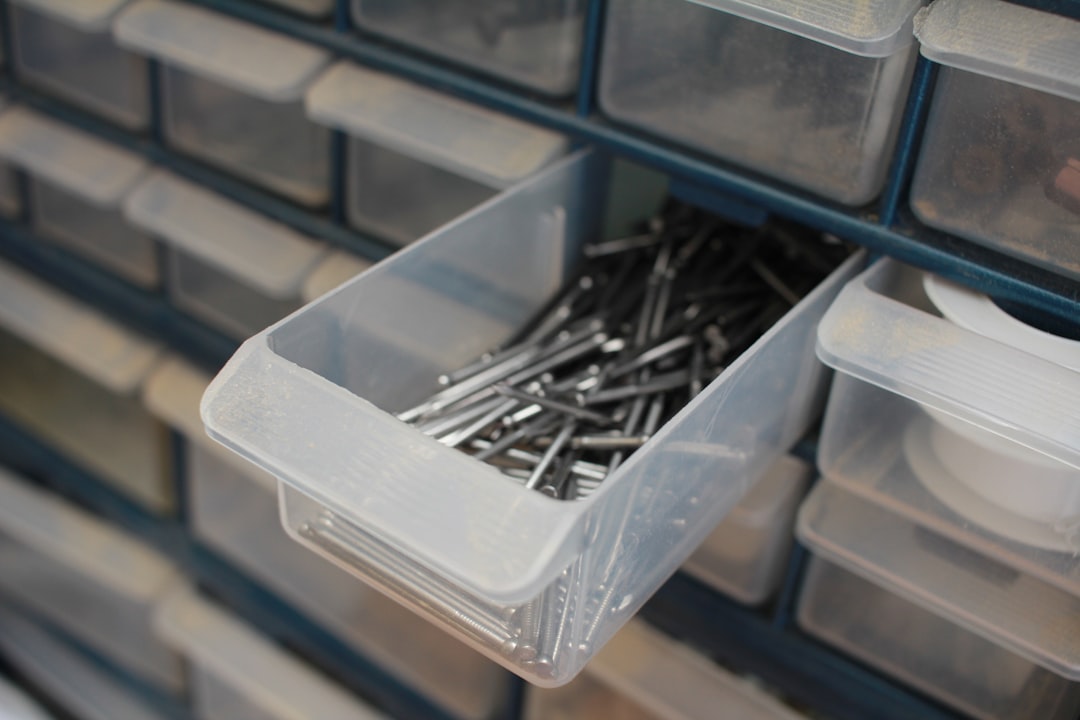
Not everything in a backup pantry is a sack or a can. There is an awkward middle category — the backup boxes of granola bars, the extra tea, the emergency birthday-candle stash, the third bottle of soy sauce — and this is where clear stackable bins with lids earn their keep, particularly on rolling storage. I learned the power of mobile reserves when rolling storage gave my kitchen back its counter space, and the same logic applies out here: if a bin can roll to the kitchen when I restock the working pantry, restocking stops being a chore and becomes a thirty-second errand.
The Freezer Is the Deepest Shelf
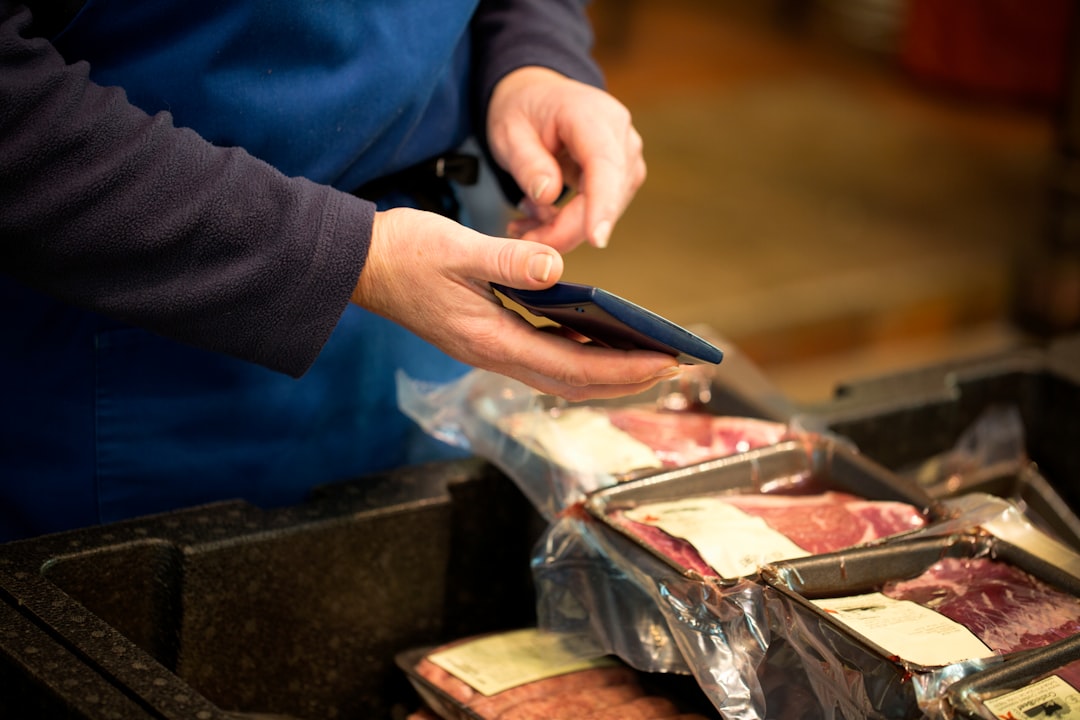
Half of my true backup pantry is not on a shelf at all — it is behind the freezer door, and it is the reason my household eats well in February without a single grocery run in a snowstorm. If you are going to buy meat or garden vegetables in bulk, a compact vacuum sealer is not a gadget splurge, it is the difference between freezer-burned regret and a chest freezer full of little parcels of future dinner. I wrote the whole playbook in my last-Saturday-of-August freezer ritual, but the short version: seal it, label it with the date, and freeze it flat so it stacks like books.
Keep It Honest: Rotation, Not Perfection
A backup pantry fails in one specific way: it becomes a museum. The defense is embarrassingly simple, and it is the same one restaurants use. New stock goes in the back, old stock comes to the front, and once a season I do a fifteen-minute walk-through with a box for donations and a trash bag for anything that expired because I got fancy instead of honest. Fifteen minutes, four times a year. That is the entire maintenance budget of a second pantry.
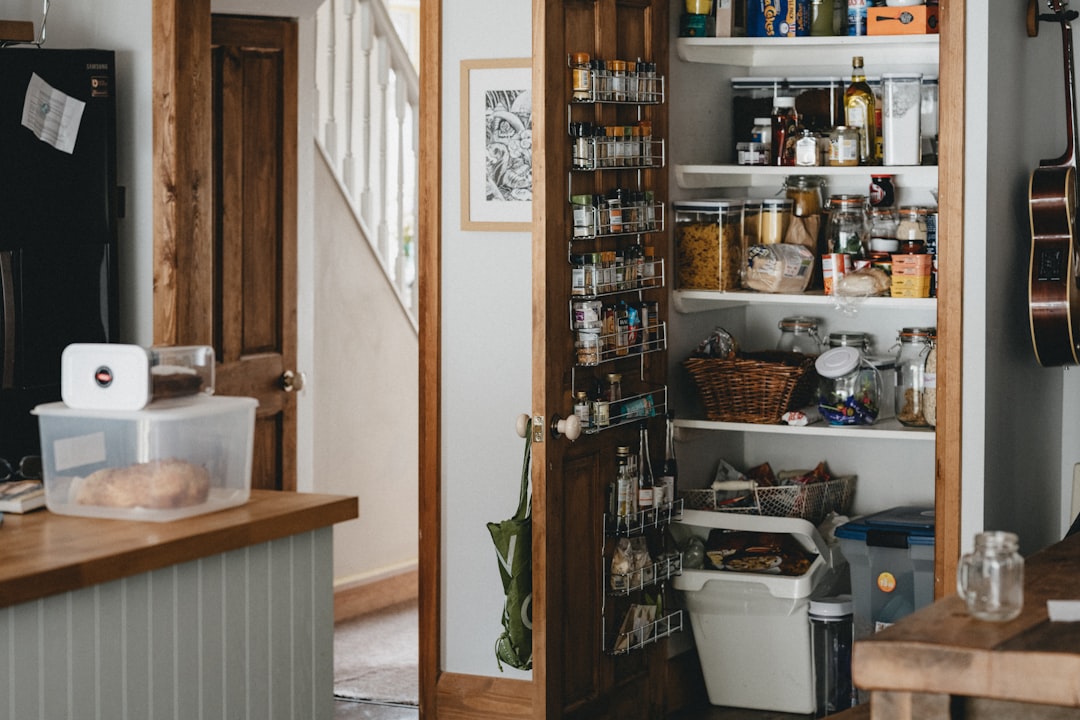
For the awkward corners — the back of the backup closet, the inside of a door, the gap beside the water heater — an over-the-door organizer with adjustable shelves catches the overflow that has nowhere else to go. Mine holds the lighter stuff: snack backups, tea, the surplus of pasta that seemed reasonable in April. It is the last piece of the system, not the first. Buy it after you know what is left over, not before.
What I Would Buy First, If I Started Over
People ask me this constantly, so here is the honest order of operations. One: the shelving unit, because everything else is a pile until it exists. Two: two or three genuinely airtight large containers for whatever grain you buy most. Three: the vacuum sealer, if your reserve includes a freezer. Four: can racks, clear bins, labels, door organizers — the refinements, in whatever order your particular chaos demands. Total cost came in under what that rice would have cost at grocery-store prices spread over a year, which is the kind of arithmetic I find deeply satisfying.
The twenty-five-pound bag, in case you are wondering, is long gone. It lived in its wheeled bin, scooped out two cups at a time, and fed this household for months. The bin now holds the second bag — bought on purpose, at the good price, carried straight to a shelf that was waiting for it. That is the whole secret. Not more storage, not more containers, just a second pantry that knows its job, so the first one can finally do its.

One thought on “Fifty Pounds of Rice and No Regrets: Building the Backup Pantry My Kitchen Was Missing”