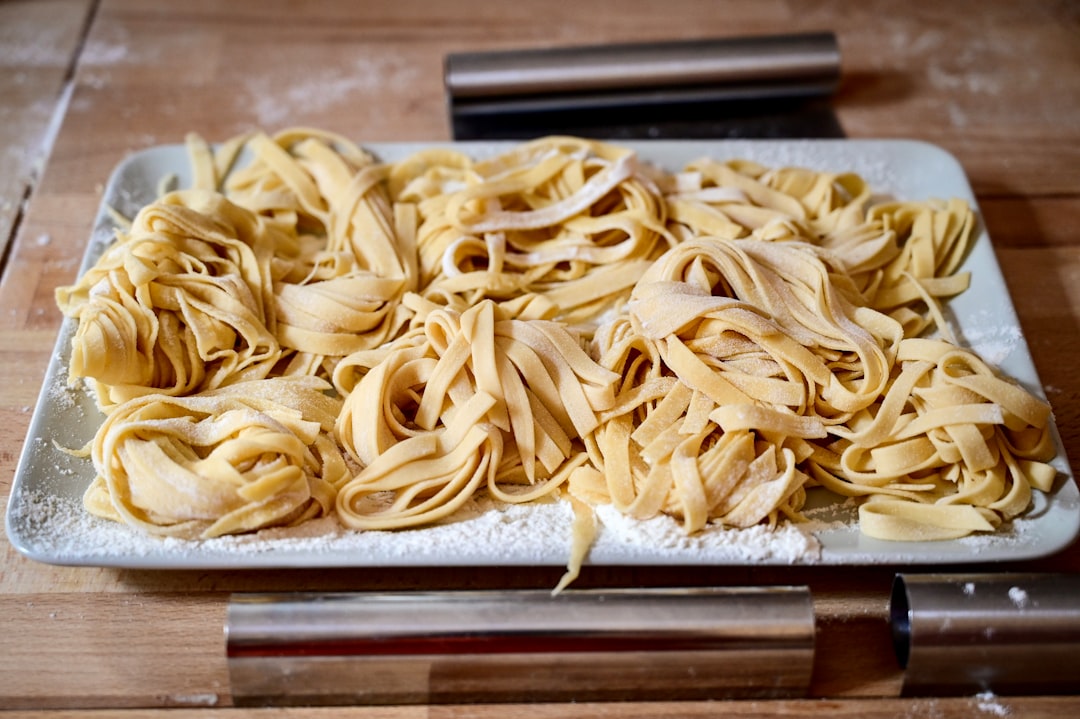
The last box of store-bought fettuccine in my pantry ran out on a Sunday in early September, and instead of writing it on the grocery list, I stood there holding the empty shelf and made a decision that consumed the next three weekends of my life. This fall, my kitchen was going to become a pasta maker testing ground. I borrowed machines from neighbors, dug the hand-crank Atlas my aunt gave me years ago out of the basement, and told my long-suffering crew of taste-testers that Sunday dinners were about to get a lot more complicated before they got better.
Ninety feet of fettuccine later — yes, we measured, and no, I will not be apologizing for the tape measure on the counter — I have opinions. Strong ones. Because choosing a pasta maker is not really about the machine at all. It is about how you like to cook, how much counter you can spare, and whether the ritual of making noodles by hand sounds like a treat or a threat.
Before Any Machine: The Flour Decision That Shapes Everything
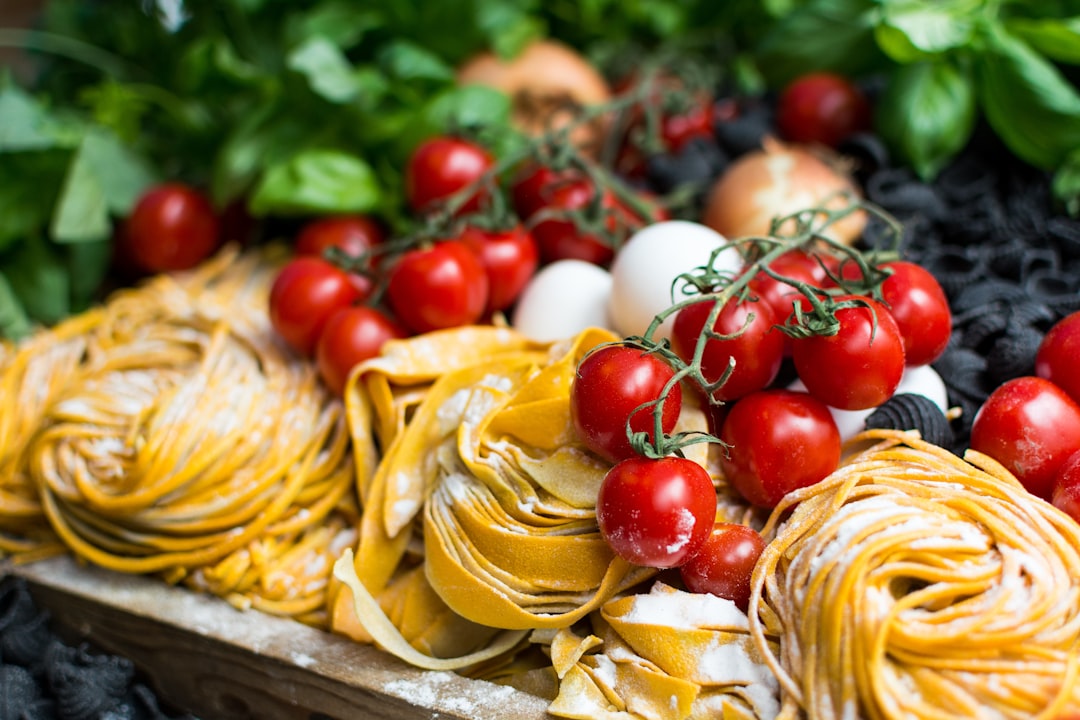
My first batch of the season failed before the dough ever touched a roller, and I blame the flour. I grabbed all-purpose off the shelf, and the noodles came out gummy and limp, nothing like the silky ribbons I remembered from my grandmother’s table. The fix was humbling in its simplicity: real Italian 00 flour, finely milled and soft as talcum powder, which is what fresh egg pasta actually wants. Once I switched to Antimo Caputo’s 00 flour, the same recipe I’d botched twice suddenly behaved.
The old rule my aunts taught me still holds: 00 for silky egg doughs like tagliatelle and ravioli, semola rimacinata — that sandy golden twice-milled flour — for rustic shapes you shape by hand. I keep both in big jars now, right next to the rice and beans in the backup pantry I built last month, because a household that makes its own noodles should probably never run out of flour again.
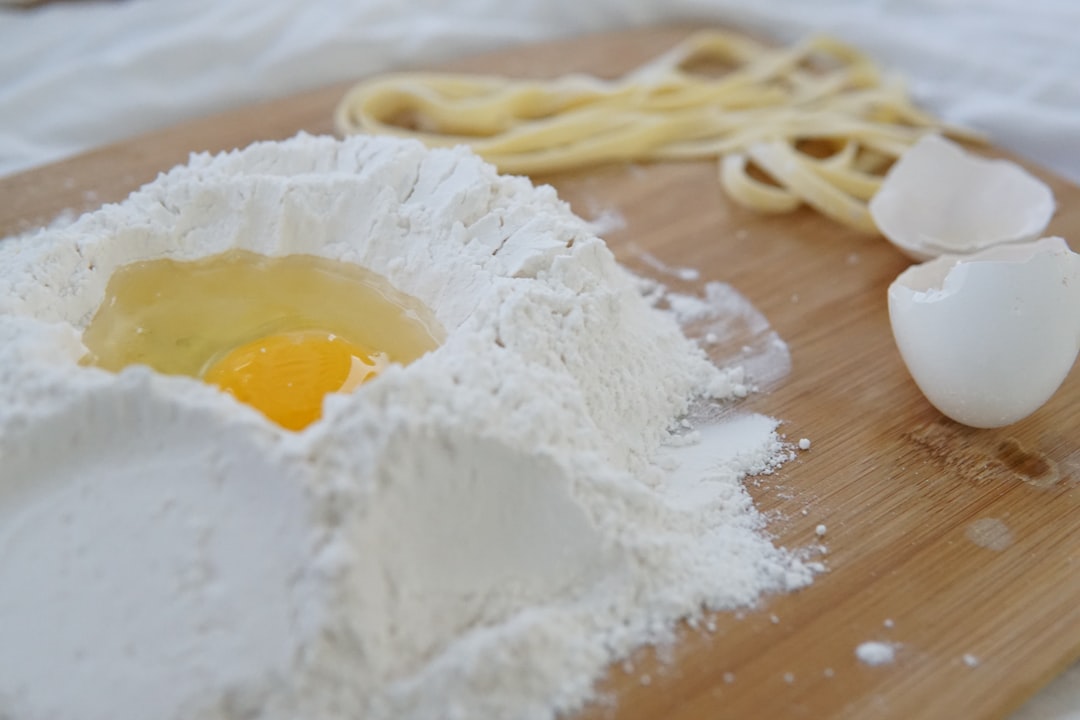
If you do nothing else from this whole piece, do this: build your dough the traditional way. Mound the flour, hollow out a crater in the center, crack the eggs into the well, and beat them with a fork while pulling flour from the walls. It is messy for exactly ninety seconds and then, somehow, it becomes dough. That first batch taught my youngest helper more about how ingredients become food than a hundred cooking shows.
Twenty Minutes of Kneading, and What It Taught My Wrists
Every pasta machine on earth is useless without a well-kneaded dough, so let’s talk about the part nobody photographs. Fresh pasta dough needs about ten to twenty minutes of pushing, folding, and turning before it turns from shaggy to smooth as playdough. You will know it’s done when the surface feels like a cheek — the aunts had a whole anatomy of dough-touching metaphors — and the ball springs back slowly when you press it.
Then it rests, wrapped, for at least thirty minutes. Skipping that rest was my second rookie mistake of the season: dough that fights the roller and tears instead of stretching. A rested dough glides. The single tool that made the whole kneading station saner was a stiff bench scraper, which sweeps flour off the board, divides dough without mangling it, and folds the mass during kneading so my knuckles survive the process.
The Hand-Crank Contingent: An Atlas, an Imperia, and a Long Saturday
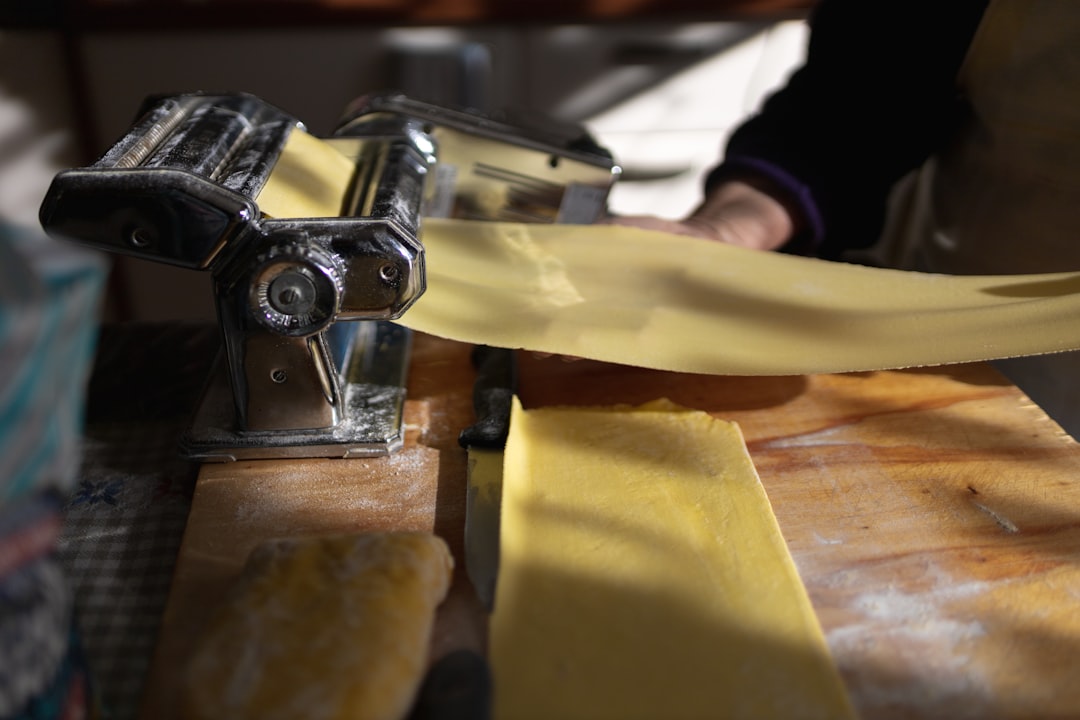
Now for the machines. The hand-crank route is where most pasta-making journeys begin, and where mine started again this fall. My aunt’s Marcato Atlas 150 — the chrome Italian workhorse you have probably seen clipped to somebody’s counter — is still the machine I reach for first. It clamps to the counter, rolls sheets progressively thinner across ten settings, and cuts clean fettuccine and linguine with the twin cutter. After a whole afternoon of sheet after sheet, the rollers never once bogged down or tore the dough, even at the thinnest setting.
My neighbor brought over her Imperia, the Atlas’s great Italian rival, and we ran identical dough through both machines side by side like some kind of suburban drag race. The Imperia is heavier, feels like bank-vault equipment, and its rollers gave sheets a lovely subtle sheen. But its clamp fought her thick countertop edges, and honestly, for twice the price, the difference on the plate was a coin flip. If you already own an Atlas and your arm gets tired, Marcato sells a motor unit that replaces the crank — my aunt’s parting gift this summer, and the best of both worlds.
What the crank machines demand is presence. One hand feeds, one hand cranks, and a third hand you don’t have catches the sheet. My crew solved this with an assembly line and a lot of flour-dusted laughter. If cooking with people is the point for you, this is your lane.
Letting the Stand Mixer Do the Cranking
Then came the week I tested the KitchenAid 3-piece pasta roller and cutter set, and I finally understood why so many people own one. The roller clamps into the mixer’s power hub, and suddenly the machine does the cranking while both your hands are free to feed and catch. My sheets came out more even than my hand-cranked ones, the cutters produced consistently clean noodles, and I finished a double batch in half the time with none of the arm fatigue.
It is not a small investment, and it only makes sense if you already own the mixer — something I learned the hard way across twenty years of stand mixers, so choose that base machine with care. But if a KitchenAid is already parked on your counter, the attachment turns pasta night from a project into a weeknight possibility. The sheets run six inches wide, which sounds trivial until you’re making lasagna for twelve and every sheet fits the dish without patching.
The Electric Extruder Gamble, and What It Gets Right
The last contender was the most modern: an all-in-one electric extruder that mixes, kneads, and pushes dough through shaping discs. My crew eyed the Philips 7000 series with the suspicion reserved for microwave dinners. And I’ll be honest — extruded pasta is a different animal. The discs push out firm, chewy shapes like rigatoni and bucatini that no roller machine can make, but the texture is closer to good dried pasta than to silky fresh tagliatelle.
What won us over was speed and autonomy. Measure, pour, press start, and eighteen minutes later noodles emerge in a steady ribbon while you stir the sauce. The compact Viva model does the same trick in a smaller footprint and a gentler price, and it has become my Tuesday machine — the one that turns a jar of last summer’s tomatoes into a legitimate dinner with almost no effort. It will never deliver the whisper-thin sheets of the roller route. It will absolutely deliver dinner.
Drying Noodles Without a Fancy Rig
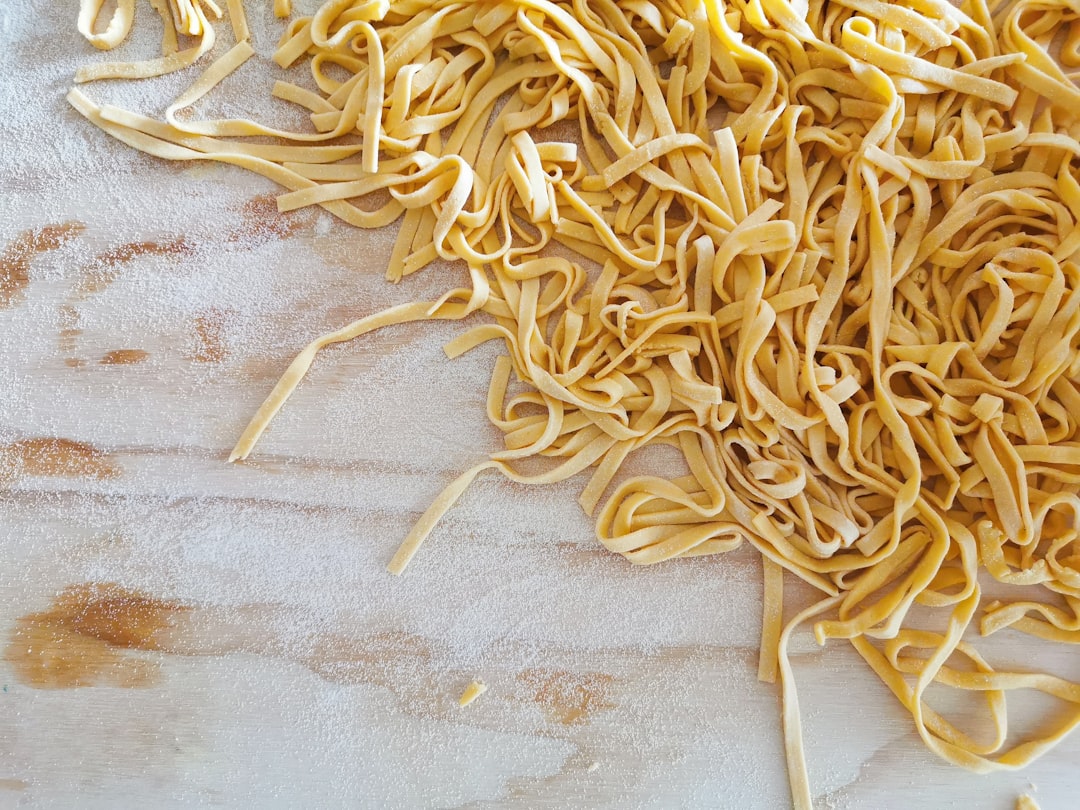
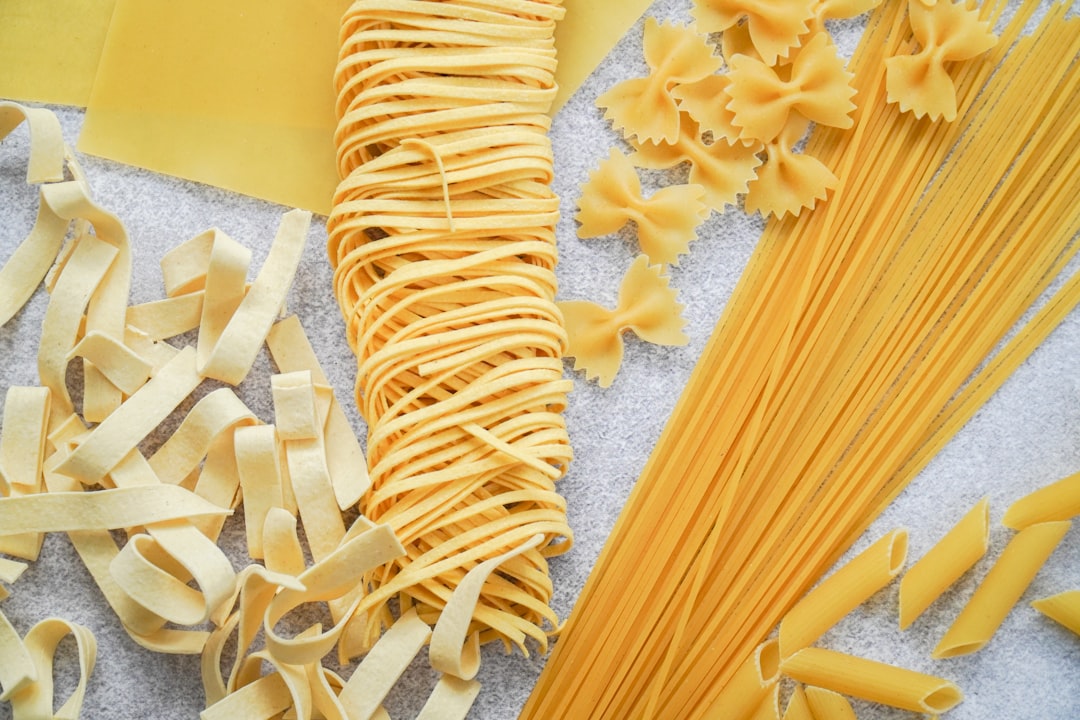
Here is the part every guide skips: what to do with ninety feet of noodles when the sauce isn’t ready. Fresh pasta only needs to dry for fifteen to thirty minutes before cooking — just enough to firm the surface so it doesn’t clump in the pot. Long strands get draped over a collapsible wooden drying rack, which looks like a tiny clothesline for noodles and costs about what a pizza delivery tip does.
Shorter lengths want to curl into nests on a semolina-dusted sheet pan, which is exactly how I store them: air-dried for an hour, nested in a container, and refrigerated for two days or frozen for a month. Sunday sauce simmering in the big pot from my stock pot guide while pasta nests wait their turn — that is the whole picture of my ideal autumn weekend.
The Ravioli Payoff, and the Freezer Drawer Nobody Knows About
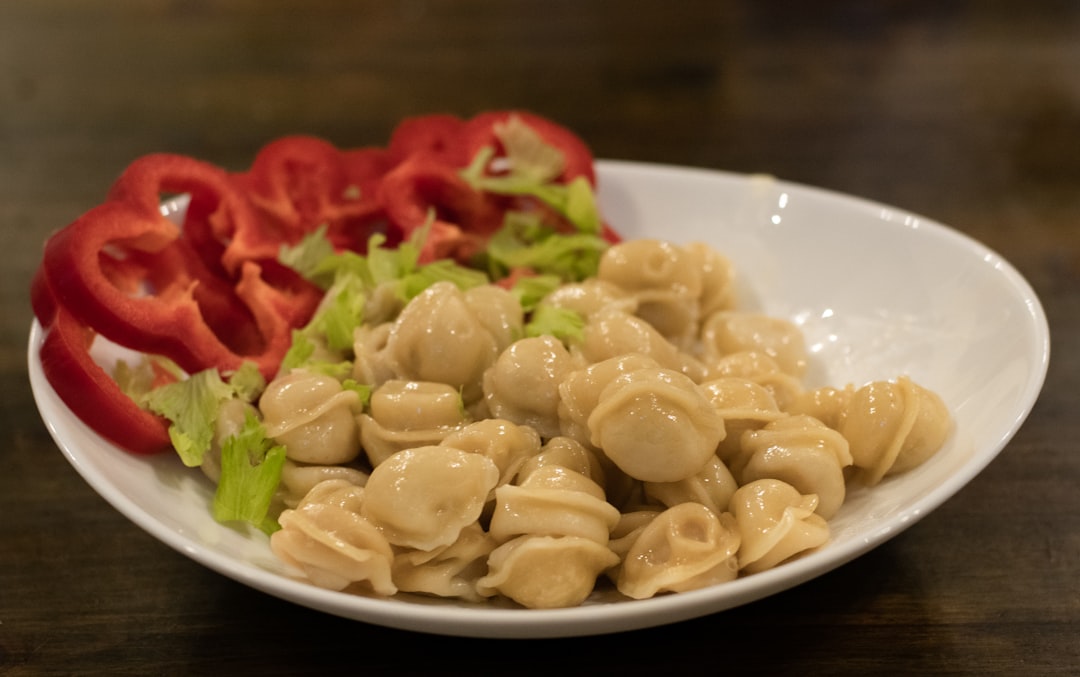
Every machine route converges on the same holy moment: the first ravioli of the season. Rolling thin sheets by any method, then sealing little pockets of ricotta and lemon — a set of fluted ravioli stamps makes the crimping fast and turns imperfect handiwork into something that looks intentional. My crew’s first attempts leaked. The third tray didn’t. By the fourth, we were stamping initials into the edges like tiny edible monograms.
And because ravioli freeze beautifully on a tray before bagging, my freezer now hides a pasta drawer of quiet weeknight victories. The taste-testers have standing orders: butternut-sage in October, mushroom in November. If September’s project was the machines, October’s is the fillings.
So Which Pasta Maker Earns a Spot on the Counter?
After three flour-dusted weekends and a dinner party that required two pots, here is my honest verdict. If you cook with kids or friends and want the full ritual, get the hand-crank Atlas — it is the machine that teaches you the dough. If a stand mixer already lives on your counter, the roller attachment is the most practical upgrade in this entire story, and the one I’d point most people toward. If you want homemade noodles on a random Tuesday with zero ceremony, the electric extruder earns its plug.
In my kitchen, the Atlas stays for Sundays, the attachment stays for everything in between, and the little Viva has become the family’s surprise favorite. The empty shelf where that store-bought fettuccine used to live? It holds 00 flour now. Some upgrades you decide with your head. This one I decided somewhere around the ninety-foot mark, fork in hand, with a sauce-stained tape measure in the drawer for proof.

2 thoughts on “Ninety Feet of Fettuccine Later: The Pasta Makers That Earned Their Spot on My Counter”