Every September my refrigerator turns into a produce warehouse with a door alarm, and every September I ask myself the same question my grandmother would have laughed out of the room: are produce keepers — those vented plastic boxes promising to keep lettuce, berries, and herbs fresh for weeks — actually better at fresh produce storage than her paper towels? This year I finally stopped wondering and started measuring. Four weeks, two crisper drawers, six storage methods, and a running spoilage ledger that my test-kitchen crew updated every Sunday night like it was a fantasy football league. The answer surprised me, and it will probably surprise you too.
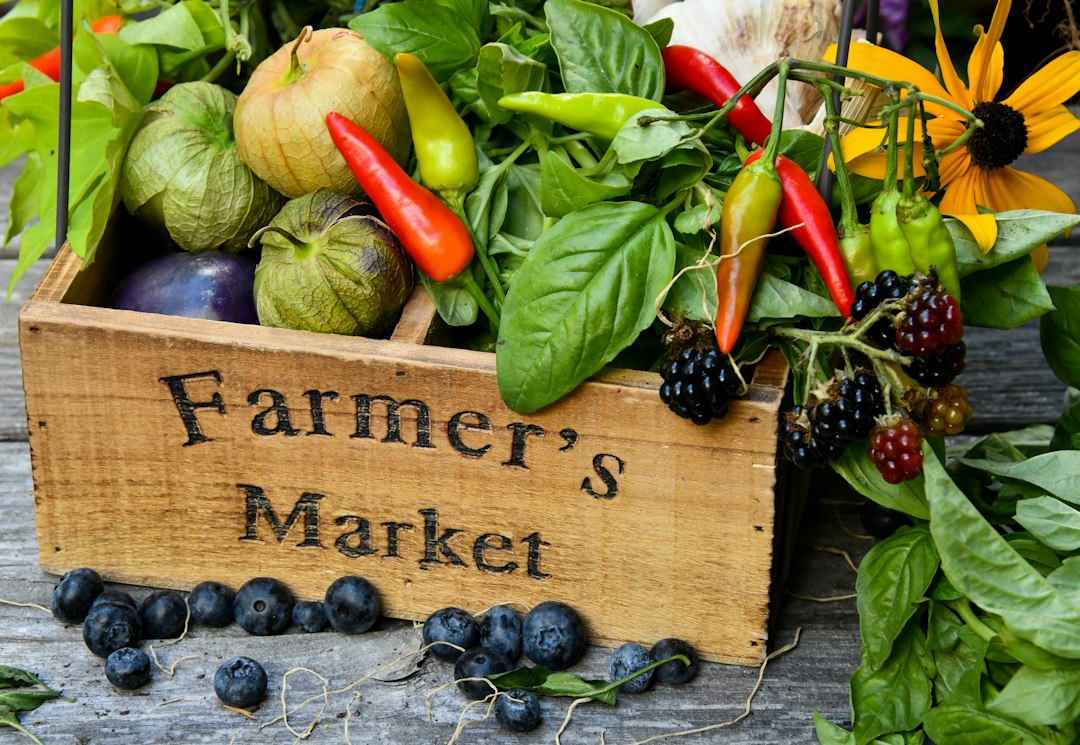
Let me back up. The farmers market in mid-September is a beautiful bully. You go in for tomatoes and you come out with a crate of romaine, two quarts of strawberries that are already softly weeping, a bouquet of basil, and enough cilantro to open a taqueria. My grandmother handled the same September glut with a roll of paper towels, a sleeve of mason jars, and zero patience for wilted anything. I wrote about how I rebuilt my whole fridge into zones earlier this summer — the great zucchini vanishing act that started it all — but zones only tell you where things live. They don’t tell you how long they survive. That’s the ledger I kept this time.
How I Set Up the Great Crisper Standoff
The rules were simple, mostly because my team insisted on simple. We bought identical produce from the same market on the same morning — romaine, butter lettuce, strawberries, basil, parsley, and cilantro — and split every item six ways. Each method got the same starting lineup, the same middle shelf of the same refrigerator, and the same weekly weigh-in. My assistant photographed everything every Sunday, and we logged weight lost, leaves wilted, berries fuzzed, and dollars forfeited to the compost bowl.
In one corner: the modern contenders. The Rubbermaid FreshWorks 8-piece produce saver set, with its little vented lids and raised trays that lift greens away from their own condensation. Beside it, the OXO Good Grips GreenSaver keeper, which adds an activated-charcoal filter to absorb ethylene — the ripening gas apples and bananas exhale that turns lettuce to mush. And because I refuse to pretend everyone has forty dollars for lettuce real estate, a five-pack of fridge bins with removable colanders, the kind that cost about what a single GreenSaver does for the whole set.
In the other corner: Grandmother. Her method, translated from memory: wash nothing until you eat it, wrap greens in a slightly damp paper towel, tuck the bundle into the bag it came from, and store herbs like flowers — stems in water, a jar for soft ones, a damp towel roll for the woody ones. My crew affectionately labeled this row “1974.” We gave it no special treatment, no pep talks, just the same shelf and the same seven days between checkups.
Week One: The Lettuce Cooperates With Everyone
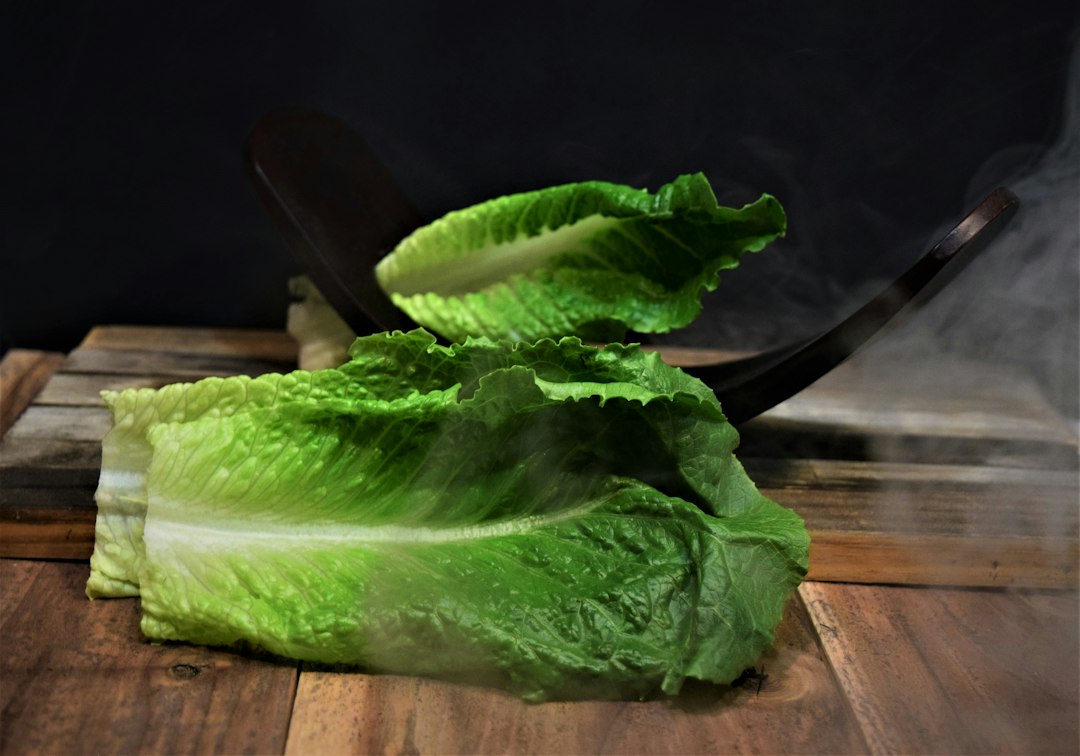
If you judge produce storage by day seven, save your money. Every lettuce in every method came through the first week looking salad-ready. The bagged control heads — no towel, no keeper, just the bag from the market — were the only casualties, gone slack and rusty-edged by day five. That alone tells you something: the enemy isn’t time, it’s doing nothing.
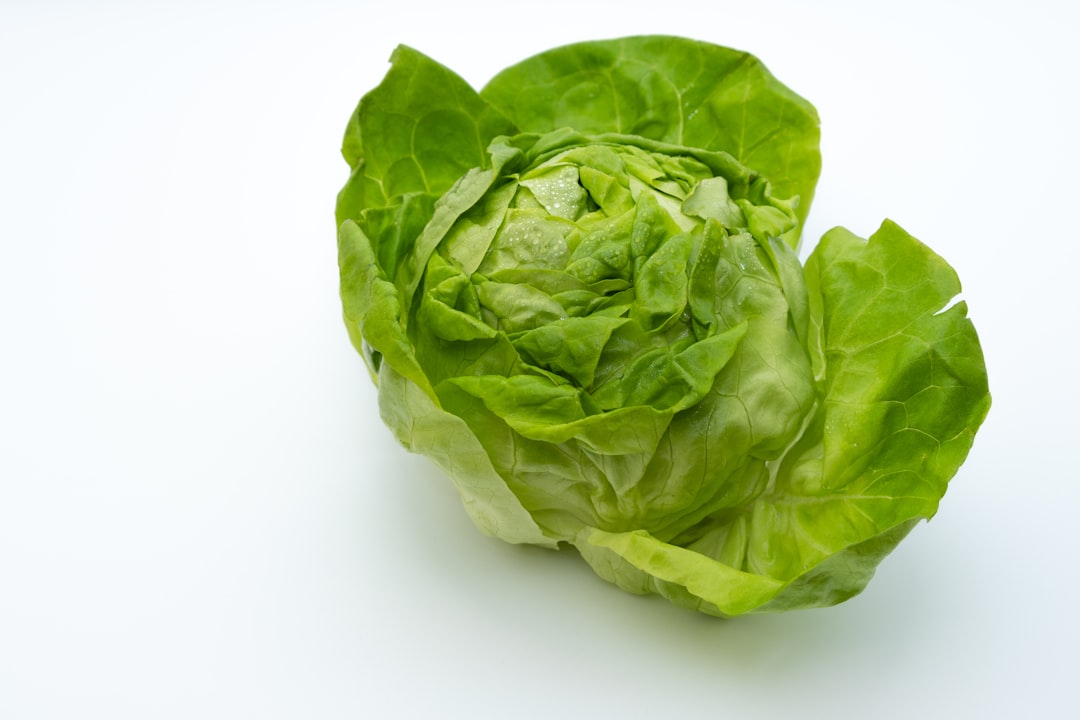
But here’s the detail that changed my whole approach. The lettuce that lasted longest in week one wasn’t the one in the fanciest box — it was the one that was dry. Produce keepers work on one principle: moisture is the assassin, and airflow plus a tray keeps it off the leaves. Grandmother’s towel does the same job by absorption. Either way, the wash-and-dry step before storage matters more than the container you store it in, which is why a good salad spinner quietly became the MVP of this entire experiment. Spin those leaves genuinely dry — not shaken, not patted, spun — and every method down the line performs better.
Week Two Is Where the Ledger Gets Interesting
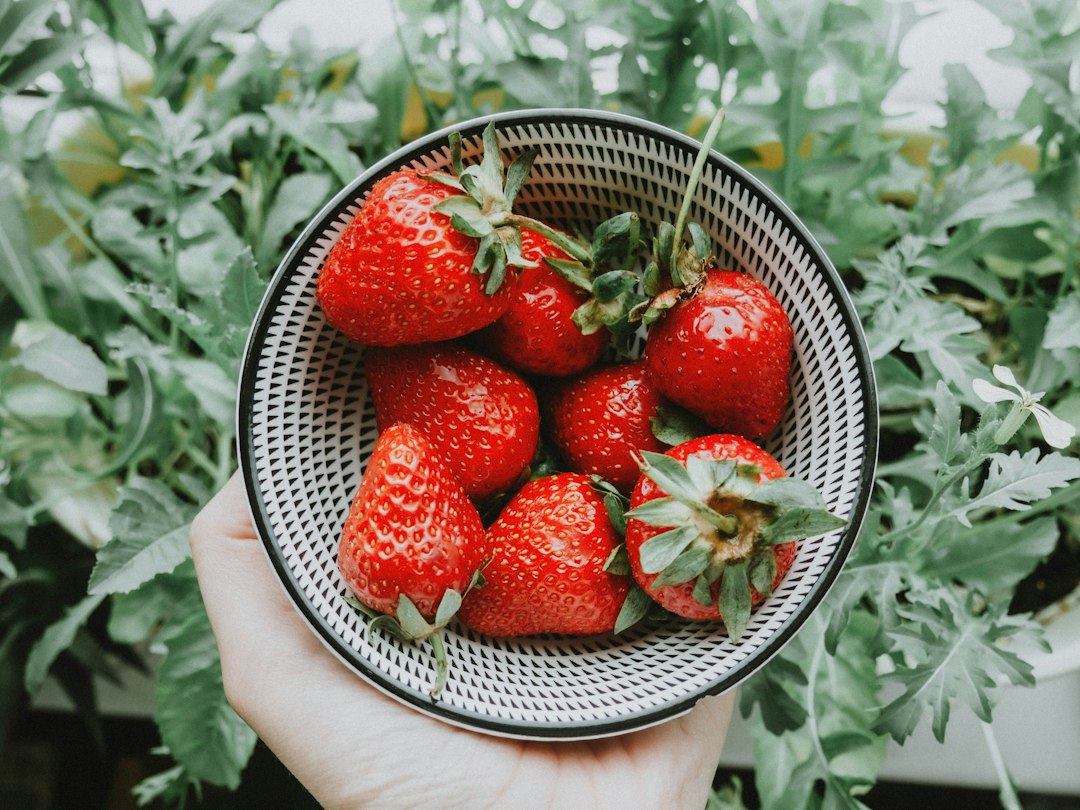
Berries are the spoilers of the fruit bowl — fragile, damp from the farm, and apparently on a group chat about molding simultaneously. This is where the produce keepers started earning their shelf space. Strawberries stored unwashed in the OXO berry keeper, its lid cracked to the low-humidity setting, were still bright and firm on day twelve. The paper-towel-lined container — Grandmother’s method, adapted for berries — held its own until day ten, then slipped fast. The difference was a little over a cup of salvageable berries, which sounds trivial until you price a quart of local strawberries in September and realize you’re guarding about six dollars of fruit with a twenty-dollar container. Over a whole season of berry hauls, the math tips in the keeper’s favor. Over one pint? Keep your towels.
The wild card was the Debbie Meyer GreenBags, those reusable green sacks my mother-in-law swears by. Our ledger shows they performed almost identically to the rigid keepers on berries and grapes — within a day either way — at a fraction of the space and price. They won’t win a beauty contest in an open fridge and they’re single-purpose, but if drawer space is your scarcest ingredient, they belong in the conversation. We washed and reused ours for the full month without a seam giving out.
The Herbs Refused to Modernize
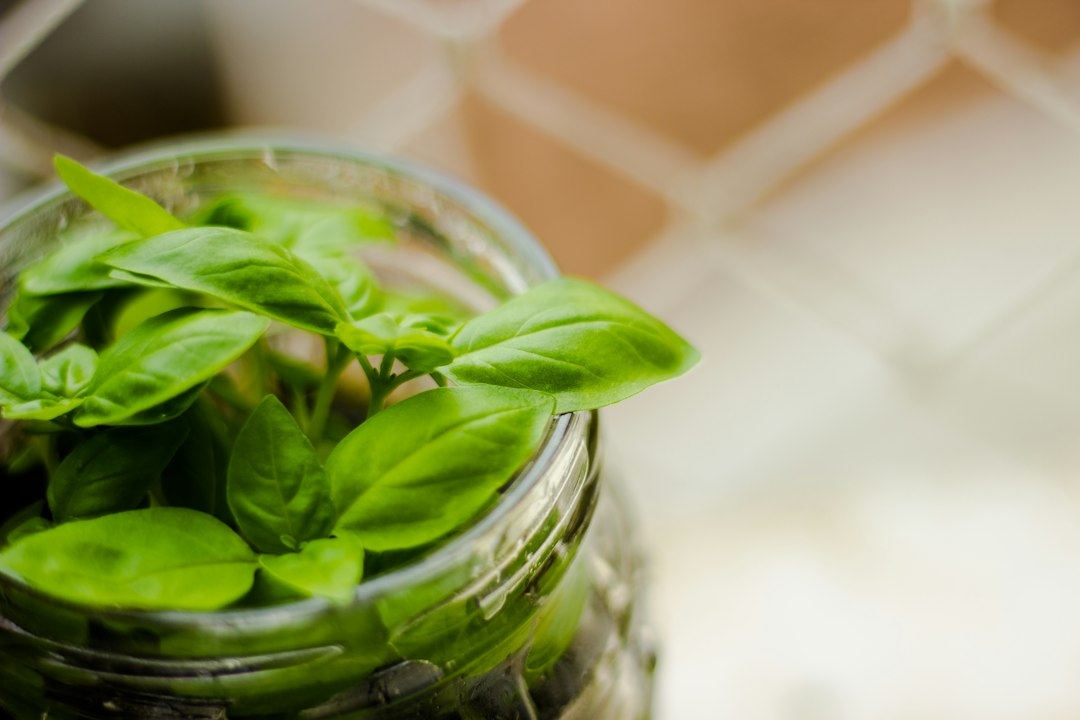
I owe my grandmother a phone call, because the herbs humbled every piece of modern plastic in the drawer. Basil and cilantro stored like bouquets — trimmed stems in a jar of water, a loose bag over the leaves, refrigerated — sailed past two weeks with barely a bruised leaf. This is not new technology. This is a jam jar. The OXO herb keeper, a handsome cylinder built to do exactly this with a changeable water reservoir, ran the jars to a photo finish on parsley and cilantro, and looked better doing it. But the jars cost nothing, and a case of wide-mouth Ball jars handles a month of herbs, a week of salads, and — if your house is anything like mine — an improbable number of iced coffees. The hard herbs, thyme and rosemary, wanted the old damp-towel-and-bag treatment no matter what container we offered them.
The lesson from the herb station carried over to everything else in the ledger: produce isn’t one problem, it’s six. Leafy greens fear moisture. Berries fear damp and squish. Soft herbs fear thirst. Hard herbs fear wet. Apples — which I wrote about during our twenty-pound orchard weekend in Bushel Math — mainly fear their own ethylene and everyone else’s. No single container solves all six. The people winning at crisper management aren’t the ones with the most gear; they’re the ones matching the method to the vegetable.
What Thirty Days of Spoilage Actually Cost
Here is the number that reframed the whole experiment for me. Across six methods and four weeks, the difference in produce lost between the best modern keeper and my grandmother’s paper towels came to roughly two dollars and change per week. Not nothing — that’s a hundred-plus dollars a year — but nowhere near the gap the packaging implies. The cliff, the place where real money fell, was always between any deliberate method and no method at all. The naked bagged lettuce lost five days and the naked berries lost half their number. Technique, it turns out, is the expensive part. The container is the accessory.
Two confessions from the ledger’s final pages. First, the FreshWorks medium containers — the two-pack sized for lettuce heads — ended up as my everyday default, not because they won by a mile but because their vent-plus-tray architecture forgives you when you forget them for a week, and I forget things for a week. Second, I’ve started folding the modern equivalent of Grandmother’s towel into the routine: washable bamboo reusable paper towels, which do the wrapping job all month on one roll. She’d have called them extravagant. She’d also have quietly stolen two.
If the ledger proves anything, it’s that the spoilage war is won in the ten minutes after you carry the crate inside — wash what wants washing, dry what wants drying, jar what wants jarring — and not at checkout. And when the crisper is organized and the drawers are full, whatever can’t be eaten fresh should graduate to the freezer, a move I made permanent in my last-Saturday-of-August ritual. Fresh storage and frozen storage are teammates, not rivals.
If I Were Stocking Your Crisper Tomorrow
Strip the month down to what I’d actually buy again, in order. A good salad spinner first, because dry leaves are half the battle before storage even begins. Then the FreshWorks set for the greens-and-everything-else daily drivers. Mason jars for herbs, always, and a dedicated berry keeper if September strawberries are a religion in your house the way they are in mine. Add the GreenBags only when your haul outgrows your containers, and let the reusable towel roll retire the paper ones for good.
Grandmother never bought a single container, and she wasted less food than any of us. She just paid attention — and attention, the ledger says, is the only storage technology that never goes out of stock. The produce keepers buy you forgiveness for the weeks you forget to pay it. Both belong in a September kitchen. One of them costs thirty dollars, and the other one you already have.